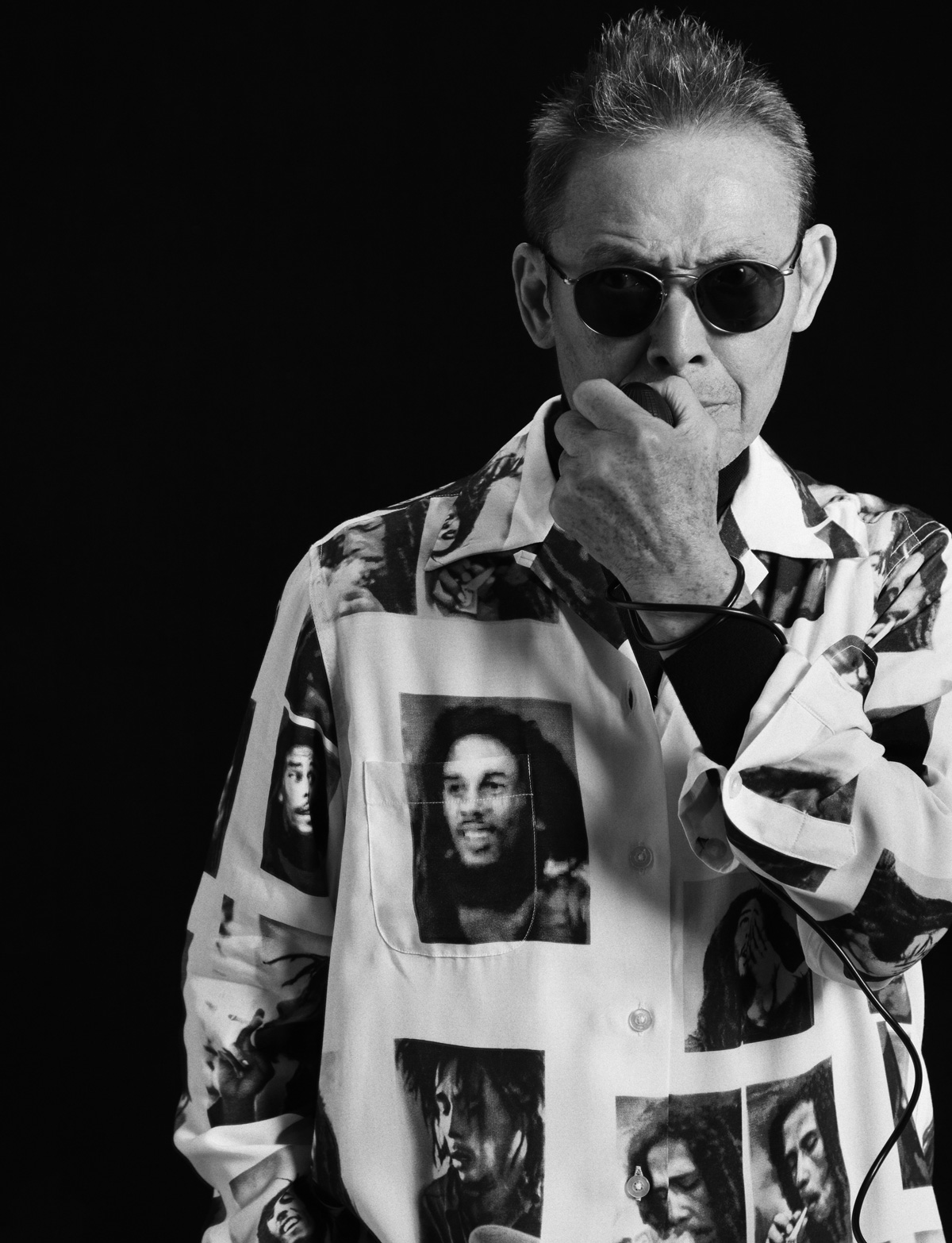











Biographies of Japanese photographers are not very common, but "Ima toiu Eien(The Eternal Present): 90 Years of Photographer Kazumi Kurigami" (Gentosha), published in January by writer Takuji Ishikawa, combines the photographically themed title “The Eternal Present” and a “90 Years of Kazumi Kurigami,” resulting in a book that transcends the boundaries of photography and serves as a guide to life. Kurigami, who remains active on the front lines even at the age of 90, is the subject of this biography, and one can feel the strong will of a man who, by confronting the timeless tool of photography, seeks to transcend time himself.
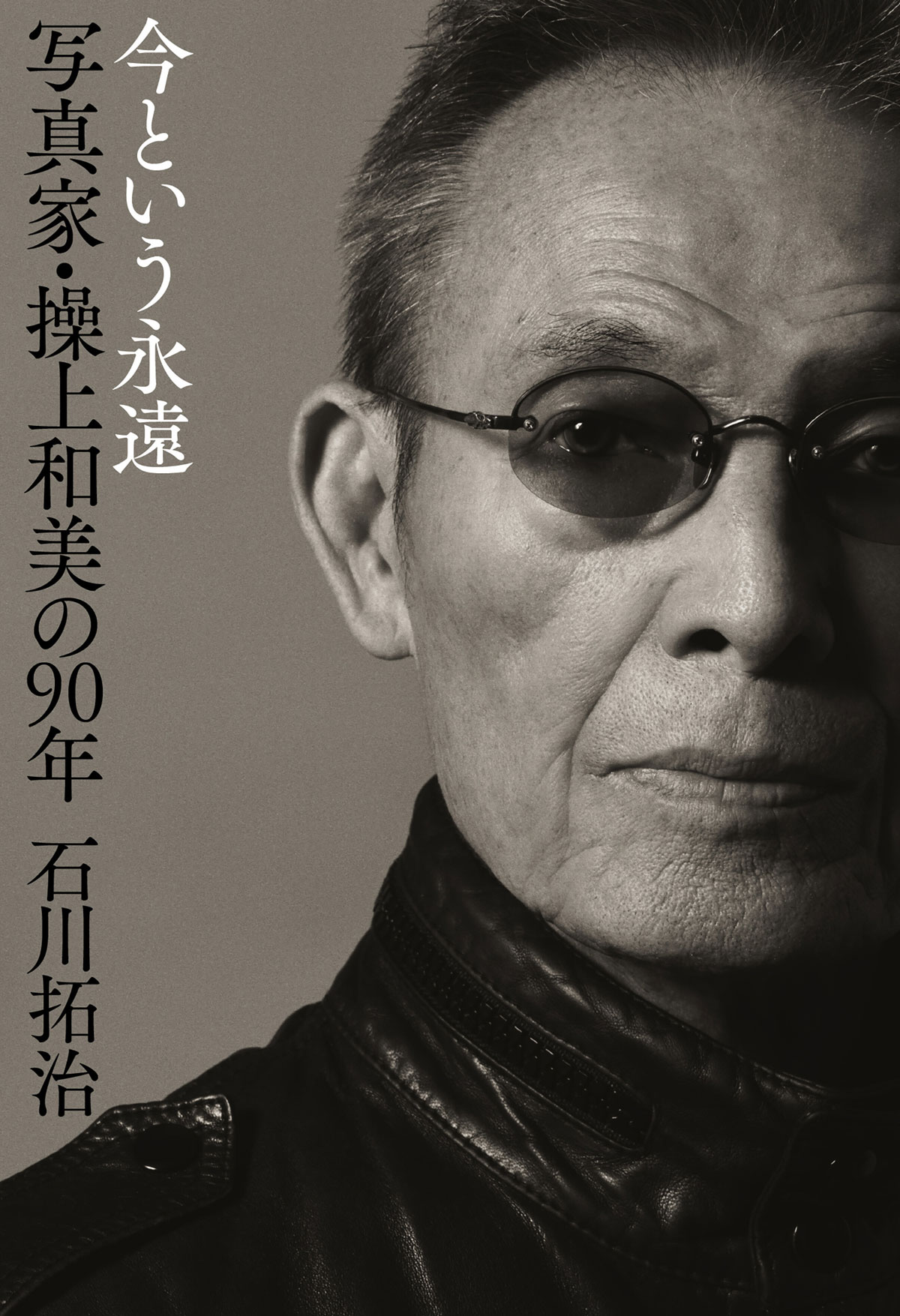
Kurigami explains the origins of this book as follows: Kurigami and Ishikawa's encounter began when Ishikawa interviewed Kurigami as a writer for a special feature on Kurigami Kazumi in the August 2020 issue of the magazine “Goethe.”
“After that, Mr. Ishikawa said he wanted to write about me, and I initially refused, saying, ‘A book about me won't sell’ (laughs), but he said, ‘No, please let me do it anyway,’ and that's how it started. There aren't many photographers still actively working at this age, so I think that's what piqued his interest.”
Ishikawa then explained his motivation for writing this book.
“When I interviewed him before, something Kurigami said left a deep impression on me. ‘When I wake up in the morning, I open the curtains and look at the sky. Then I check whether I can feel that today’s sky is beautiful. It’s not about feeling gloomy because it’s raining, but about being able to think, “the smell of the rain is nice.” Even if it’s cloudy, I try to activate my sensitivity so that I can see the beauty in the clouds.’ I was deeply moved by the fact that, even past the age of 80, Kurigami looks at the world every day with the fresh eyes of a boy, and has continued to do so for decades. At that time, I also learned that he spent his youth working relentlessly in harsh farming conditions in Hokkaido until the age of 24. Despite knowing almost nothing about photography, he decided at 24 to become a photographer and moved to Tokyo. After studying at a photography school, within just a few years he had opened a studio in the Central Apartment in Harajuku and rose to prominence as a top photographer. And for half a century since then, even now at 90, he continues to work actively on the front lines. I wanted to uncover the secret behind that.”
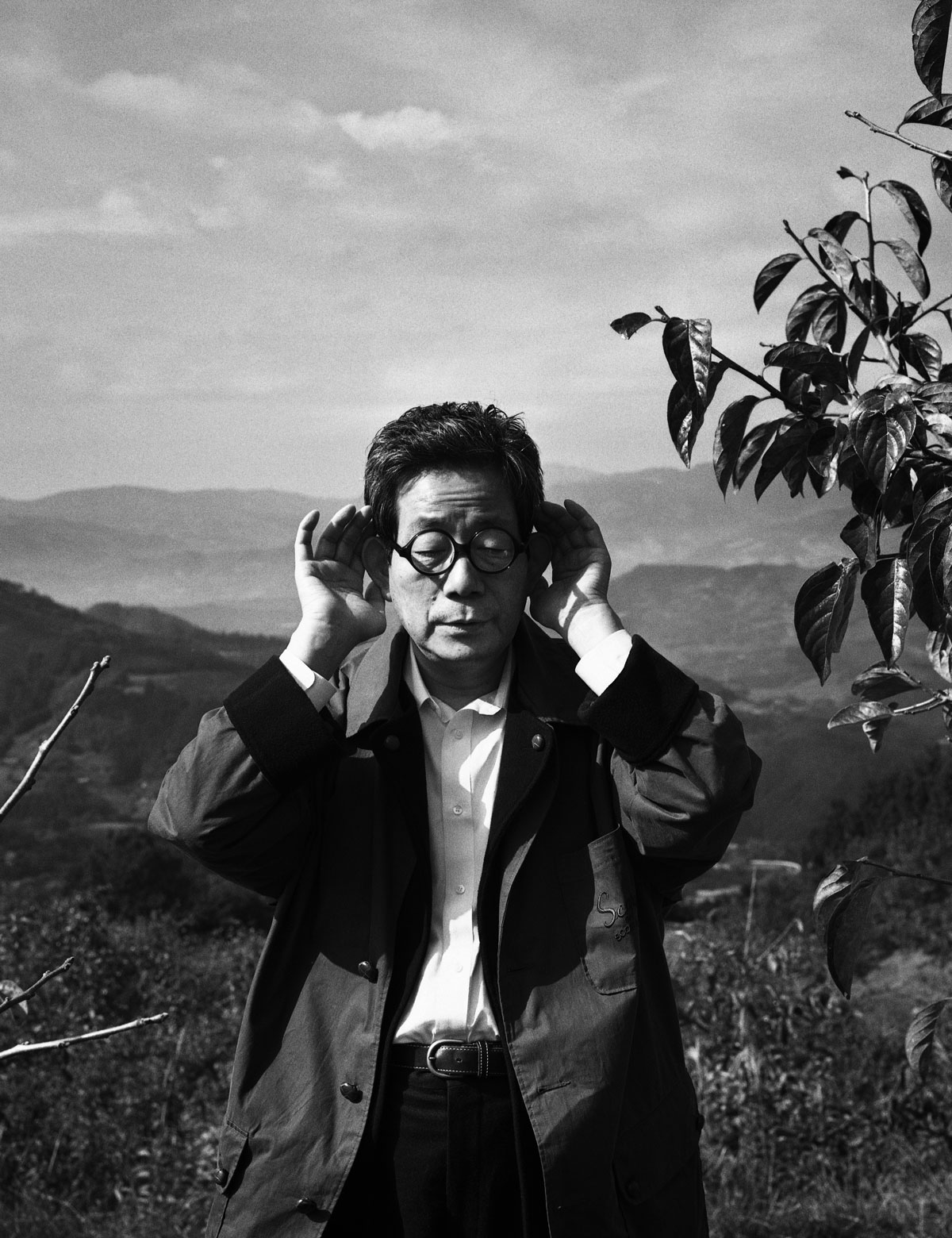
One of the most striking impressions I had from reading this book was the careful and detailed depiction of Furano in Hokkaido, Kurigami’s hometown. He was born and raised amidst the vast natural beauty of Furano, and he never left the area until he was 24 years old.
“Since my grandfather’s generation, my family had been farming, so I thought I would do the same while helping my older brother. But along the way, I felt an overwhelming urge to see the outside world, so I went to Tokyo and enrolled in the Tokyo College of Photography. When I left Furano, I made up my mind that I would become a photographer, and if I was going to be one, I would become the best in Japan. It wasn’t enough just to make a living from photography; I was determined to truly establish myself as a photographer. That’s why I knew that doing what everyone else was doing wouldn’t be enough to catch up. I believed I had to do more than the average person, and that’s the mindset I brought with me when I came to Tokyo.”
Kurigami’s encounter with photography began when he saw photographs by Robert Capa in a magazine.
“I was so shocked when I saw that photograph that I thought, if I become a photographer, I might be able to travel and meet all sorts of people. My younger brother was going to Nihon University, so I asked him to help me find a good photography school in Tokyo. He told me about a photography school in Shimo-Ochiai that had just been founded by a photography critic named Koen Shigemori , and that it seemed good, so I enrolled there. I was in the second graduating class of Tokyo College of Photography. When I enrolled, I found out that Kishin Shinoyama was in the same class as me. He was also attending the photography department of the College of Art at Nihon University, so he was attending both universities at the same time. I became good friends with him soon after I enrolled. Shinoyama was the son of a temple priest near Shimo-Ochiai, a real city kid. Even though he was still a student, he was already working in advertising and was quite advanced. I happened to become friends with him, and he took me to places like Shinjuku and taught me how to have fun, and that's how I learned about Tokyo. Also, the vice-principal of the school was Kenichiro Tamada, and he was very kind to me. I guess I was naive and kind-hearted. He would often say, ‘Let's go tonight,’ and take us students to Shinjuku Ni-chome. Mr. Tamada later founded ‘Commercial Photo’ and became its first editor-in-chief.”
The serendipitous encounters with Koen Shigemori, Kishin Shinoyama, and Kenichiro Tamada guided Kurigami onto the fast track of a photography career. What's unique, however, is that when he came to Tokyo, he was determined to become “Japan's number one photographer.”
“That’s pretty arrogant, isn’t it? (laughs) A photographer can’t do anything unless they receive assignments. You can take photos of your own work, but especially when it comes to making a living by getting paid by other people, like in advertising, you can’t survive just by photographing your own projects. So I had to tell myself, ‘I’m going to become the photographer who can demand the highest fees in Japan.’ You have to think that way yourself, because the world isn’t going to hand you work that easily.”
After graduating from Tokyo College of Photography, he became a staff photographer for the editorial department of “Sumai to Kurashi no Gaho” (Picture Book of Homes and Living) through an introduction from Tamada.
“There was a newspaper related to housing and real estate, and attached to it was basically a magazine like ‘Katei Gaho’. So we shot everything, fashion, cooking, you name it. All the men in the editorial department wore white shirts and ties. If I showed up in a red shirt or something casual, the director would say, ‘Hey, this is a company—dress properly and wear a normal white shirt.’ I’d say, ‘Understood,’ and then the next day show up in a different red shirt (laughs). I had a rebellious spirit, I didn’t want to be a salaried photographer. I even clashed with the editorial staff over photo layouts. We’d argue constantly. After eight months, I said I couldn’t take it anymore and planned to quit. But just before the November year-end bonus, the director called me and said, ‘If you stay one more month, you’ll get the bonus, quit after you get it.’ I replied, ‘Director, do you think I’m the kind of man who waits a month just to get a bonus while saying I want to quit?’ He got angry and said, 'You idiot!' So I quit. Without getting my bonus.”
After leaving the editorial department, I became an assistant to advertising photographer Naoya Sugiki, again through Tamada's introduction.
“At that time, Suntory had a PR magazine called “Yoshu Tengoku”, and Sugiki was doing a series of portraits for it. I thought his work was incredible. I found him fascinating, and then, through Tamada’s introduction, I was invited: ‘Sugiki is setting up an office, why don’t you come work there?’ Sugiki rented a room in the Harajuku Central Apartment and started his office just as Harajuku was going through a transformation, so it was perfect timing. Other creative people set up offices there too: copywriter Tadahisa Nishio, photographers Masayoshi Sukita and Shinpei Asai, and copywriter Shigesato Itoi. Sugiki’s office also had visits from creative director Kazuko Koike and many others, making it a kind of mecca for diverse talents. This was how Harajuku became a hub for creators. Although I was just Sugiki’s assistant, I was allowed to sit in on meetings and give my opinions, which was incredibly educational.”
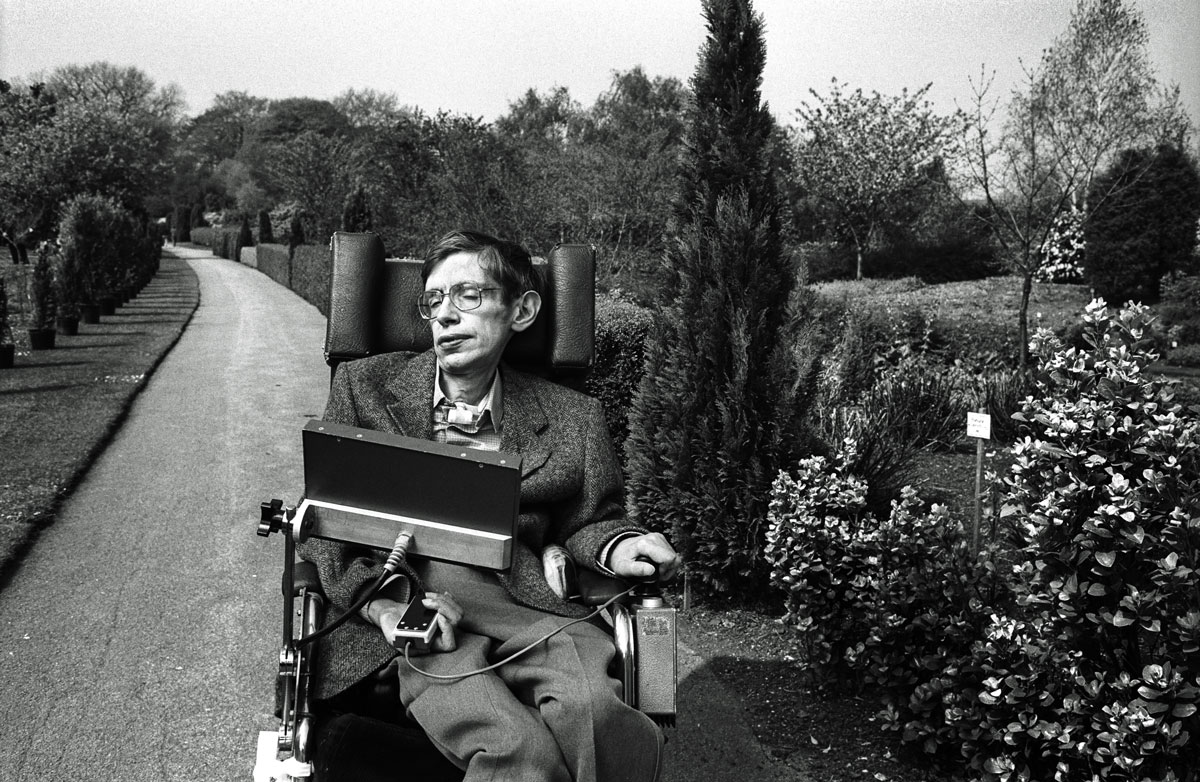
As Tokyo's creative industry experienced rapid growth, Kurigami breathed the cutting edge of the times at Harajuku Central Apartments, one of its epicenters. However, he had a persistent obsession with being a “latecomer.” What did he do to tame this obsession?
“I decided to just look at things. For example, I watched a lot of movies. Back then, there was a movie theater in Shinjuku called Art Theater Shinjuku Bunka that showed art films by Nagisa Oshima and others, so I went to that theater often, and I also read a lot of books. I also subscribed to and read architecture magazines, so I became very knowledgeable about architecture. I had been living in Furano up until then, so I had no choice but to study. I could have just studied photography, but I tried to study in a broader sense, so I studied architecture as well. Also, if I was going to take a portrait, I would research the person beforehand, and if it was an artist, I would have to read all of their books. So I read a lot of books.”
When he first entered photography school in Tokyo, Kurigamie often felt intimidated by his classmates, but at some point he became convinced that he could surpass them.
“When I enrolled, there were a lot of photography magazines. There were about five, including ‘Asahi Camera’ and ‘Camera Mainichi,’ and all my classmates were submitting their work to those magazines, and there was a system back then where you'd either get selected or not. Then, while I was at school, ‘Commercial Photo’ was launched. It was founded by Vice President Tamada, and he told me, ‘We're going to make a magazine like this, so why don't you take some photos?' and something I shot was published right away. So, ever since coming to Tokyo, I've felt like I don't have time to just sit around doing nothing. I felt like I was living every single day for those sessions. When I first enrolled, I was intimidated because I thought all my classmates were geniuses who knew everything about photography. But after about three months, I realized they were all amateurs. In other words, they were working hard to submit to amateur photography competitions and hoping to get selected. I, on the other hand, was going to be a professional, so I didn’t need amateur prizes. Within about six months, I thought, ‘I can definitely beat them.’ About 90% of the classmates at school were amateur-minded. There were roughly 50 students in a class, and Tamada-sensei used to say that only one or two in a class needed to become professionals. The difference between amateurs and professionals, I think, is whether you simply like cameras or see photography as a profession. My classmates would talk to each other about which camera was better, which lens, how a lens rendered an image, and so on. For me, the important thing was what to shoot and how to capture it—I didn’t care if a lens rendered well or poorly. That’s why they loved photography. I wasn’t just someone who liked photography; I had changed my profession from farming to photography, so all that mattered was winning in professional sessions.”

Kuragami's view of “photographer as a profession” stems from this kind of detached perspective, but it doesn't mean that he's simply treating it as a job. Quite the opposite, in fact.
“From the very beginning, I never skimped on work just because the pay was low. More than that, I believed that work shouldn’t be done just for money. With every single job, I should grow even by a millimeter or a centimeter, and if I didn’t grow, then doing the work would be meaningless. If I’m taking a photograph, it has to be the best photo I can make, reflecting what I feel, with all my own effort. If the work has no meaning, then living itself becomes meaningless. That’s why, even now, I never cut corners on any job. But once the shoot is over and night falls, I always think, ‘I could have done better.’ I reflect on things like, maybe if I had thought a bit more, approached it differently, or said something to the actor or model, they might have moved in a slightly better way. When I reflect like that, I realize I haven’t studied enough. So I read books and study again and again, and every night I feel tormented by it. Not being able to communicate properly means I lack vocabulary or observational skills, so I have to keep learning.”
Kurigami’s “The Eternal Present” contains many of his words of wisdom. Among them is the line, “I realized that the human face is the greatest scenic view of all.” How, one wonders, did he come to this realization?
“The reason why a person's face is considered a ‘scenic view,’ is because it reveals everything, even their heart. For example, I once photographed Isamu Noguchi, and he had gone through so much hardship in the past. The more you suffer, the more wrinkles you get on your face, and your worries show on your face. When I photographed Isamu, it was a dialogue between him and Akira Kurosawa for a magazine. Speaking of Akira Kurosawa, I love his films like ‘Yojimbo,’ and I always went to see his movies. He's an amazing director. But Isamu was even better. All the hardships he went through as a child were reflected in his face. That's when I realized: a face is truly a magnificent sight.”
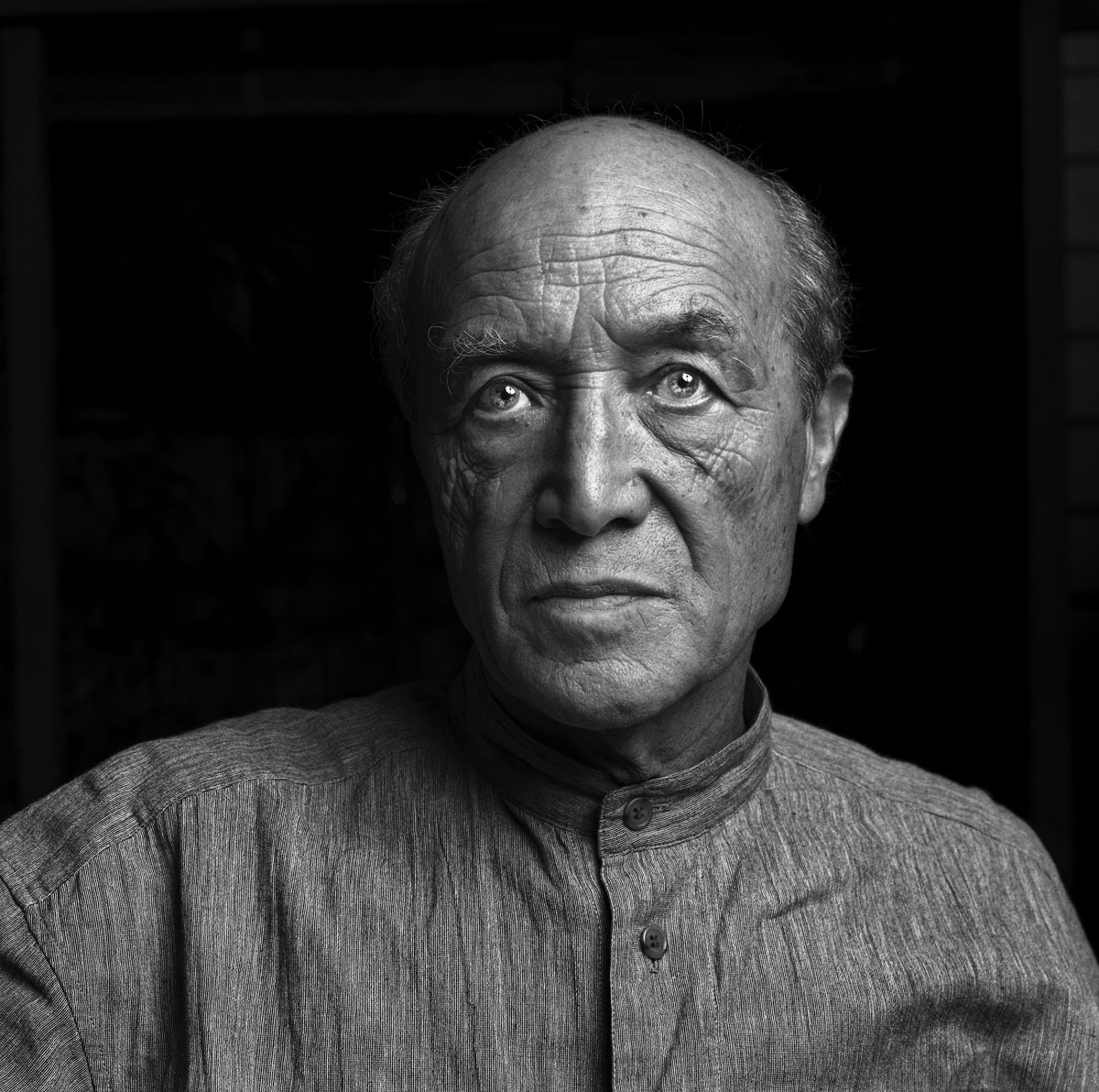
Ishikawa was particularly drawn to Kurigami’s photography, especially his portraits.
“Kurigami’s portraits have a mysterious sense of presence that words cannot fully capture. Even when looking at portraits taken years or decades ago, I feel that they contain a “moment of now” that will never be lost. Over a hundred years ago, Walter Benjamin wrote that the aura is lost in modern photographs. I believe that same aura is very much present in Kurigami’s work.”
Although Kurigami is strongly associated with black-and-white photography, what significance does monochrome hold for him?
“In color photography, the focus is on color. People are generally distracted by it. When there’s less color, viewers tend to look more deeply at the photograph. In color, if someone wears a flashy shirt or you stage a showy scene, people can understand it superficially, almost reflexively. But black-and-white makes it easier for viewers to engage with the image, and I think it’s easier to express through monochrome. That’s because it translates the subject into the abstraction of black and white. The artistic act happens there, so you don’t have to think about other artistic gestures.”
Kurigami says, “There’s no such thing as ‘advertising photography.’ A photograph is just a photograph.” Even a war photograph, if paired with a caption, can end up looking like an advertisement.
“I wonder when exactly I started to feel that way. I realized I really hated being called an advertising photographer. I take pictures, but I also photograph landscapes and people. I realized along the way that advertising photography, documentary photography, and portrait photography are all just one type of photograph, and that I wasn't an advertising photographer, I was a photographer. There's this term ‘serious photography,’ but what's serious and what's not? Does that mean advertising isn't serious? I didn't like the idea of categorizing things like that.”
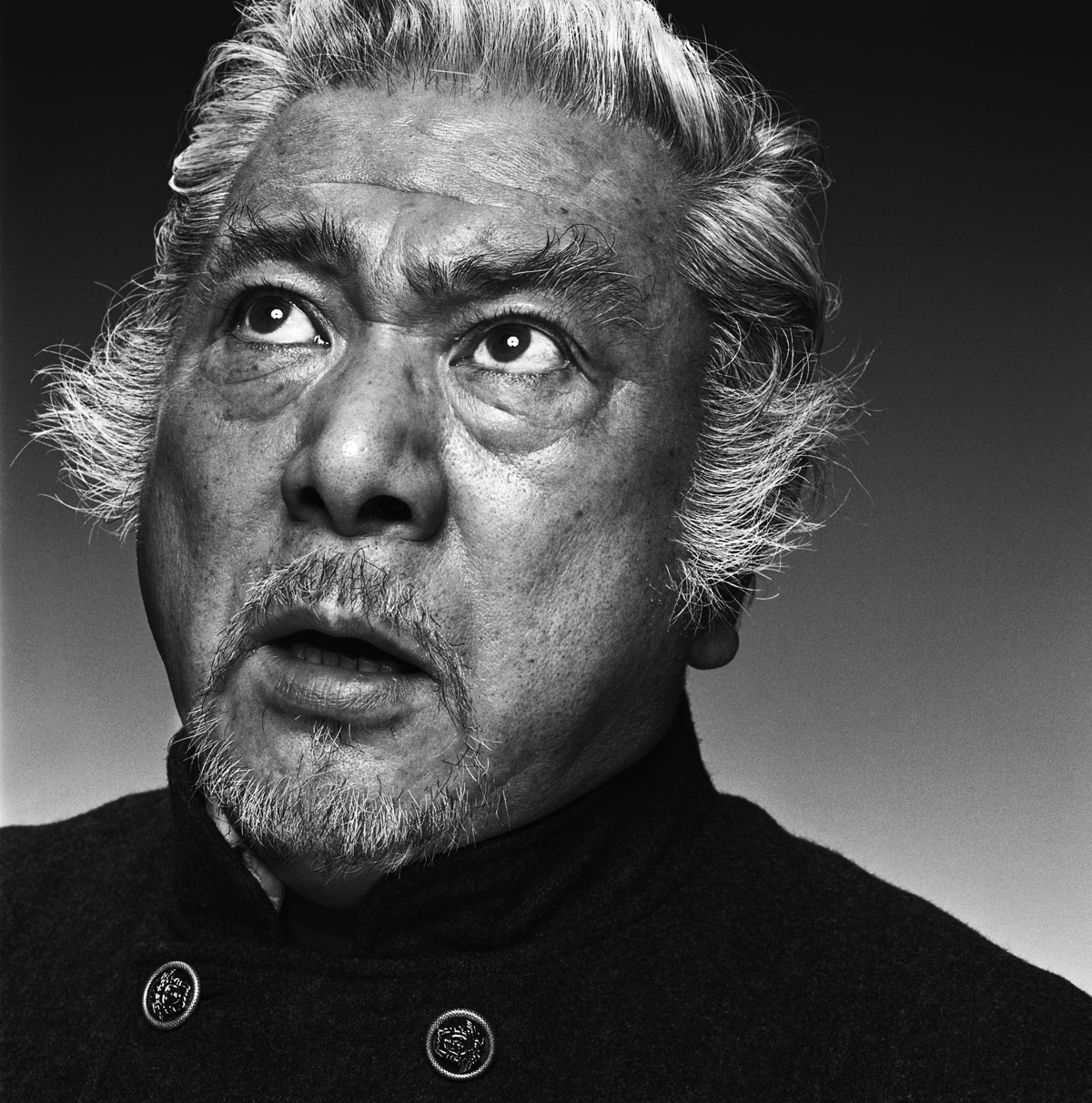
Kaoru Kasai, the art director who has long collaborated with Kurigami not only on advertising but also on the design of his many photobooks, said he felt this way after reading “The Eternal Present”.
“Reading about Kurigami’s journey again really moved me. Eight years after Kurigami left Furano, I, at eighteen, crossed the sea from the same part of Hokkaido on the Seikan ferry to come to Tokyo. Kurigami, who never complains or shows weakness, has been a guiding light for me.”
It is precisely because Kurigami has continually resisted various clichés that he remains active in the field to this day. As the book’s title suggests, The Eternal Now is a brilliant phrase that captures the dual nature of photography: the immediacy of the moment when the photograph is taken, and the permanence it gains when preserved in prints or publications. He has a deep, enduring commitment to immortalizing the fleeting moments captured in his photographs.
“There’s that famous photograph by Henri Cartier-Bresson of a child jumping over a puddle, with the shadow reflected perfectly on the water. Bresson coined the term ‘decisive moment,’ and indeed, there are such remarkable instants. But even when it’s not a single perfect moment, the decisive moment is always ongoing. For example, in fashion photography or portraits, the decisive moment is sustained over time. To say, ‘This is the decisive moment,’ would be nothing but the photographer’s arrogance. Yet, without a bit of arrogance, you can’t press the shutter. That’s why we’re always searching for the decisive moment.”
Art director Kaoru Kasai reflects on why Kurigami remains active even today.
“I was struck by the words, ‘The reason he keeps shooting is because he hasn’t captured it yet.’ His feelings for things, for people, for every passing moment remain constant. I think the more he photographs, the more he is reaching toward something beyond what has already been captured. That’s why I feel that, as he grows older, Kurigami becomes even more himself.”
Takuji Ishikawa thinks this way.
“Kurigami is always living in the ‘now.’ He is neither trapped by the past nor lost in dreams of the future; he fully lives the ‘now’ in which he exists. I believe he absorbed the truth that humans can only live in the present down to his very bones during his childhood in Furano.”
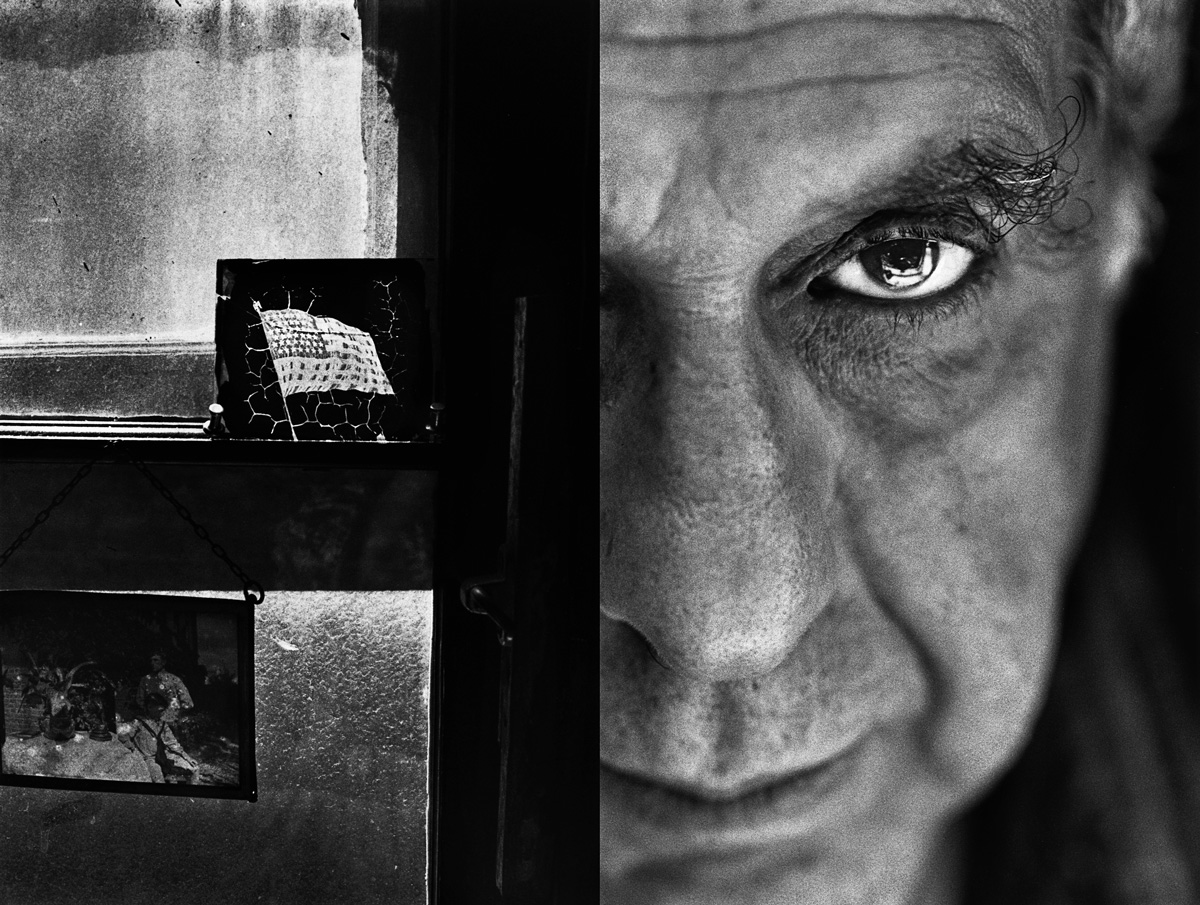
But what about Kurigami himself? What is it that drives him so relentlessly?
“Desire. As a professional photographer, in terms of taking photographs, you need desire and a bit of arrogance, or else you’ll start to slack off. So doing photography is really a cycle of desire and despair. There are always moments when you feel you’ve succeeded and moments when you feel you’ve failed. It’s the same even now. The times of despair usually come at night. During the day, I don’t feel despair. During the day, I shoot intensely, and once I’ve gone as far as I can, I think, ‘That’s enough; pushing further won’t help.’ So the despair comes only at night (laughs).”
Kurigami has walked the path of photography for over sixty years, but has he ever thought about quitting?
“No, never. Photography is fascinating. Why is it fascinating? Because it confronts reality. Reality is always swirling with more complexity than I am, and the fun comes from discovering something within that. Portraits are especially interesting, because everything a person has lived shows on their face. You can’t capture that easily, and during the shoot, my own feelings keep changing, and the subject’s feelings change too. That’s why I always feel I haven’t fully captured it, and that’s probably why I keep photographing.”