










The joy of Wiseman's documentaries lies in the experience they give the audience as they observe and imagine. Most of his works have a place or organization as their theme, such as a hospital or a zoo, but at first, we are left in a state where we don't really know what kind of place it is.
This is because Wiseman himself films the film as if he were doing research, and the process of understanding "is this really what this place is like?" is re-condensed and presented through editing. As the audience watches, they can use their imagination and relive Wiseman's process of understanding. I don't think there are many documentaries that are as enjoyable as this one.
In that sense, Wiseman's strategy of not using narration or subtitles, which he is known for, is overwhelmingly correct, as adding such things would eliminate the fun of using the imagination.
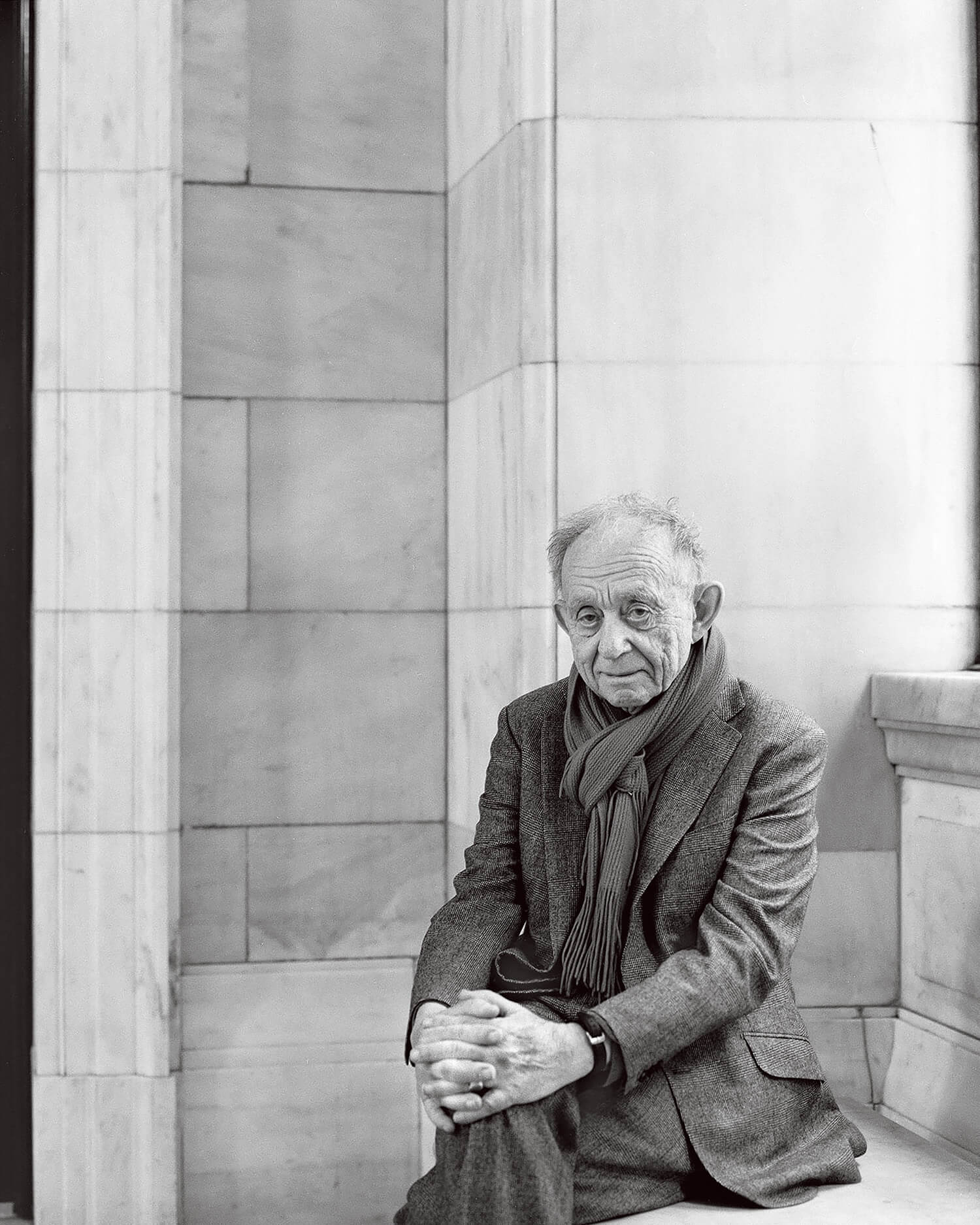
Born in Boston, USA in 1930. In 1967, he released his first directorial work, "Titicut Follies." Since then, he has continued to release films at a rate of roughly one per year. From September 21, 2024, "The Masterpieces of Frederick Wiseman: America in Transition" will be screened nationwide.
Many of the themes that Wiseman deals with are social, but it is a mystery whether he himself has any ethical interest in them. For example, his debut film, "Titicut Follies," which depicts a psychiatric hospital, certainly has a social theme, but more than that, it seems like he chose a place where an "incident" that would interest the audience could occur.
After that, perhaps realizing that if he captured detailed images of people simply going about their work, it could give the impression of witnessing an "incident," he began to produce more works in this direction, but this changed again around 2000.
"The speaking body": Discovering a new subject
I think this is related to the rise of the internet, which has made the power of video to spread like never before, and it's because people's attitudes towards cameras have changed and it's no longer possible to shoot the same kind of footage as before. That's why Wiseman chose to film the public movement of bodies.
For example, ballerinas in "BALLET: The World of American Ballet Theatre" and boxers in "Boxing Gym." However, he must have thought "enough is enough" around the time of "Crazy Horse Paris: Jewels of the Night," and his next move was to photograph bodies giving speeches in public settings. He had been photographing bodies giving speeches from the very beginning, but this became more prominent in his works.
In fact, people who speak a certain language are interesting subjects. I once lived in Boston, his hometown, for a year, and what I felt during that time was that English is a language that becomes more enjoyable the more you speak it.
I feel this when I watch the bodies of people giving speeches in Wiseman's recent works. There is a good rhythm in the way that anyone speaks, and that rhythm opens up the speaker, and even in public speeches, it feels like their humanity is revealed.
I think that's a quality that's completely lacking in the Japanese language. Standard Japanese is like a language that confines people. I feel that very strongly even when I'm working with dialogue in my own works.
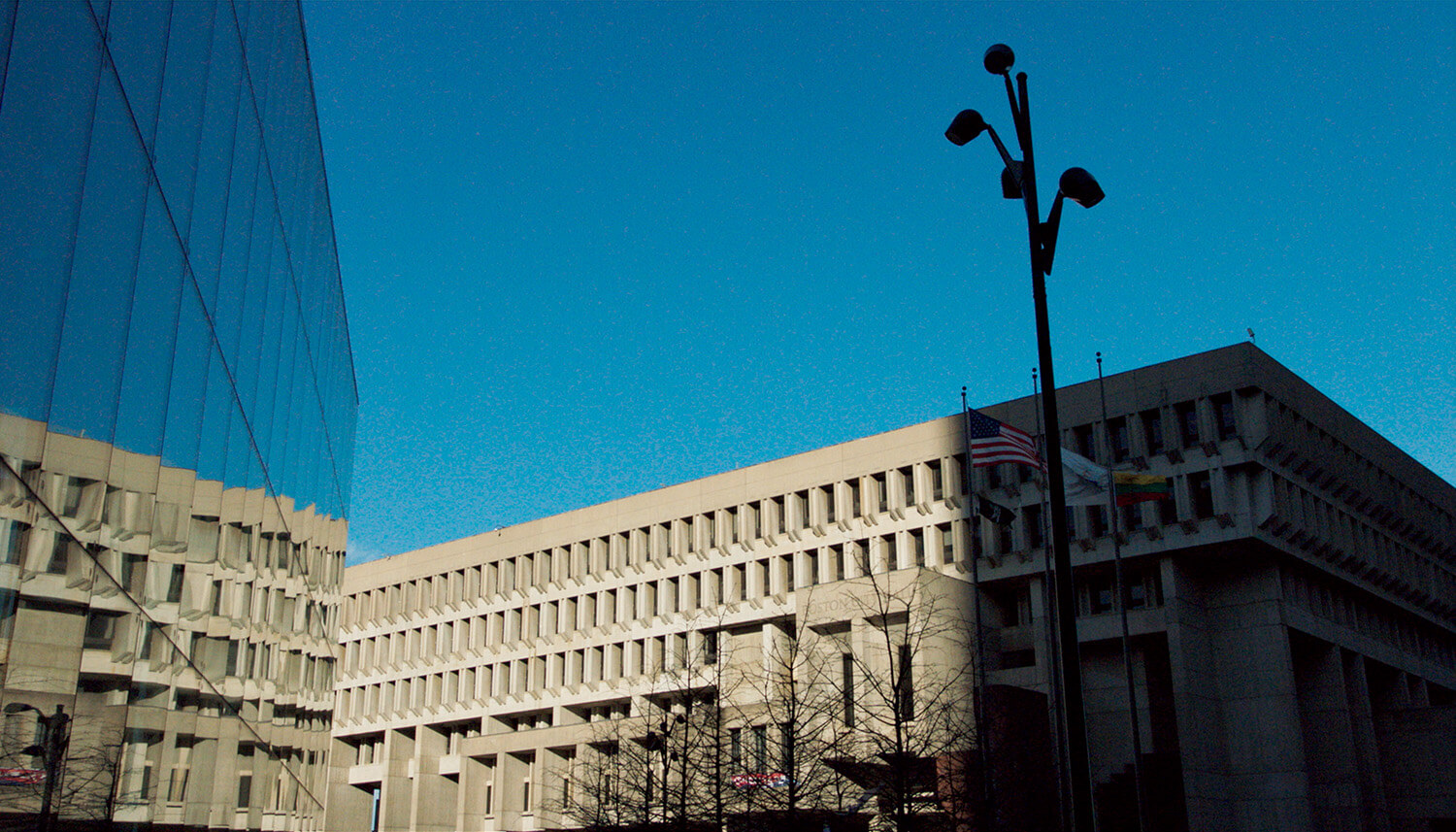
Boston City Hall as a controversial work
His latest work, "Boston City Hall," set in Boston City Hall under the Trump administration, is also a work that deals with the body giving a speech, but I personally found it controversial. Boston is a place where 90% of the residents are Democratic Party supporters.
I started living in Boston just before Trump won the election, and I was deeply impressed by the devastated mood that enveloped the entire city after his victory. I felt that this film conveys the pride of Bostonians as they ponder over what they will do in such times.
One of the surprising things about this film is that it doesn't just film locations like previous films, but has a character who is almost like the main character. This is Martin Walsh, the mayor at the time of filming. There are numerous scenes of him giving speeches. This was definitely aimed at the 2020 presidential election, and I think it was a message asking, "Who is the true leader?"
I said earlier that it's unclear whether Wiseman has any ethical concerns about the subject matter, but perhaps he's finally beginning to be genuinely concerned about society. I was struck by how controversial this film is.
The film depicts the daily life of Boston City Hall, a city of immigrants and diversity, from various angles. Hamaguchi says that of all the characters in the film, aside from the mayor, the ones that Wiseman seemed most interested in were the participants in the rally over the pros and cons of selling marijuana. "People of different races were discussing things on an equal footing, and it was a scene that symbolized the city."
Currently streaming on U-NEXT and other platforms. DVD and Blu-ray available.
That said, he doesn't particularly emphasize such a message, and you could say he's simply photographing Boston, a city he knows inside and out. This is probably because Wiseman, who lives in the city, felt confident that if he photographed it as it was, it would serve as an antithesis to the Trump administration.
I'm not saying that it's bad to speak out loudly, but film is too compatible with propaganda, and as someone who has always kept his distance from that sort of thing, I felt that he was trying to avoid becoming completely propagandistic.
By the way, when I was living in Boston, I once went to Wiseman's office, but I didn't knock because I didn't think I could say much in English (laughs).