










Faure
Violin Sonata No. 1 in A major, Op. 13
From the end of the 19th century to the beginning of the 20th century, French composers each wrote excellent violin sonatas: Franck, Debussy, Ravel, and now Fauré. In comparison, Brahms is the only German composer from this period who left behind excellent violin sonatas. Why is that?
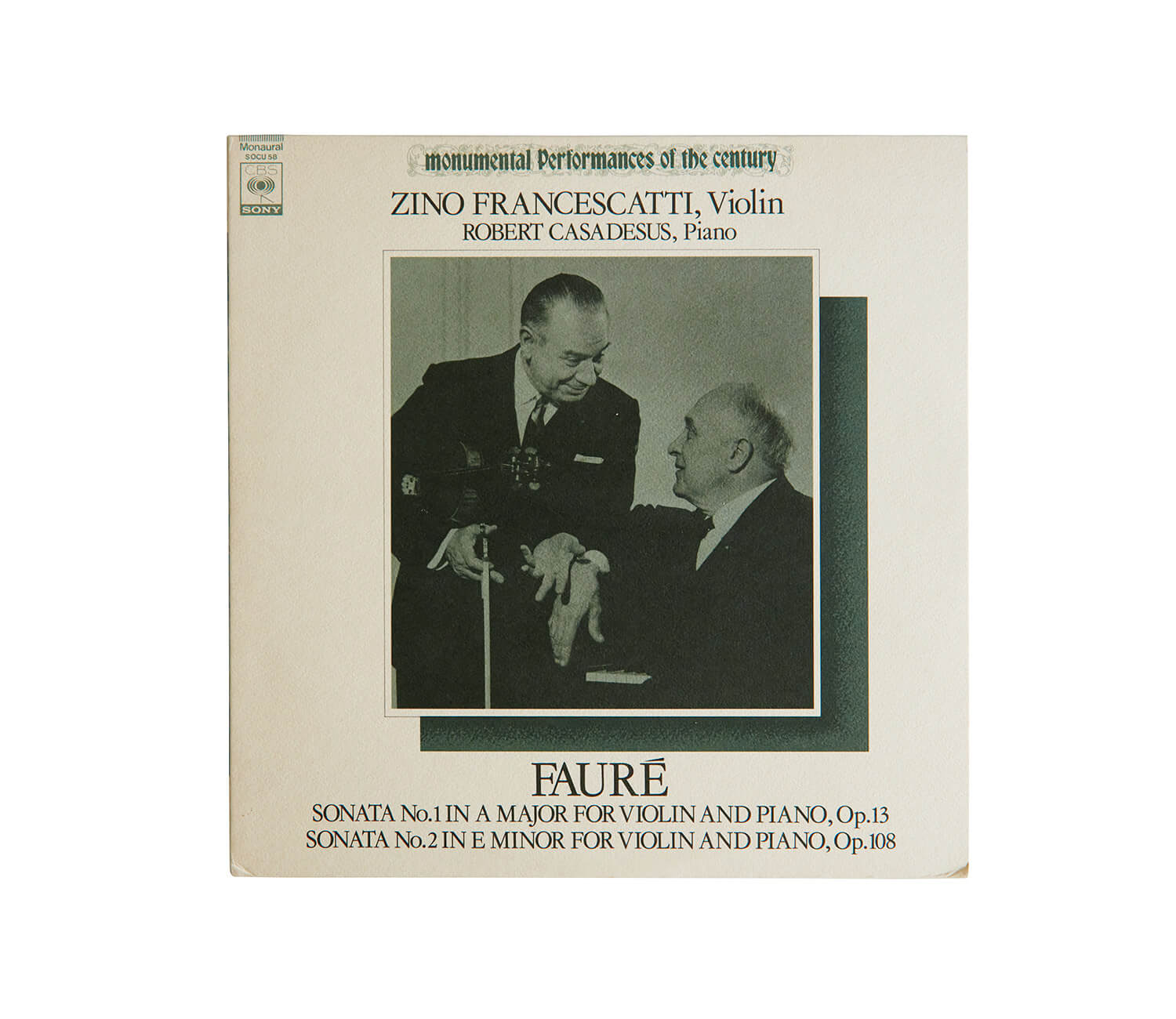
The Francescatti-Casadesus duo is as undeniably superb as ever. It's a shame that the recording is so old, but the violin tone is endlessly beautiful, and the performance is free-flowing and richly emotional.
It's like a special dinner prepared by a top local chef using authentic ingredients, and all you can do is enjoy the food that's served.

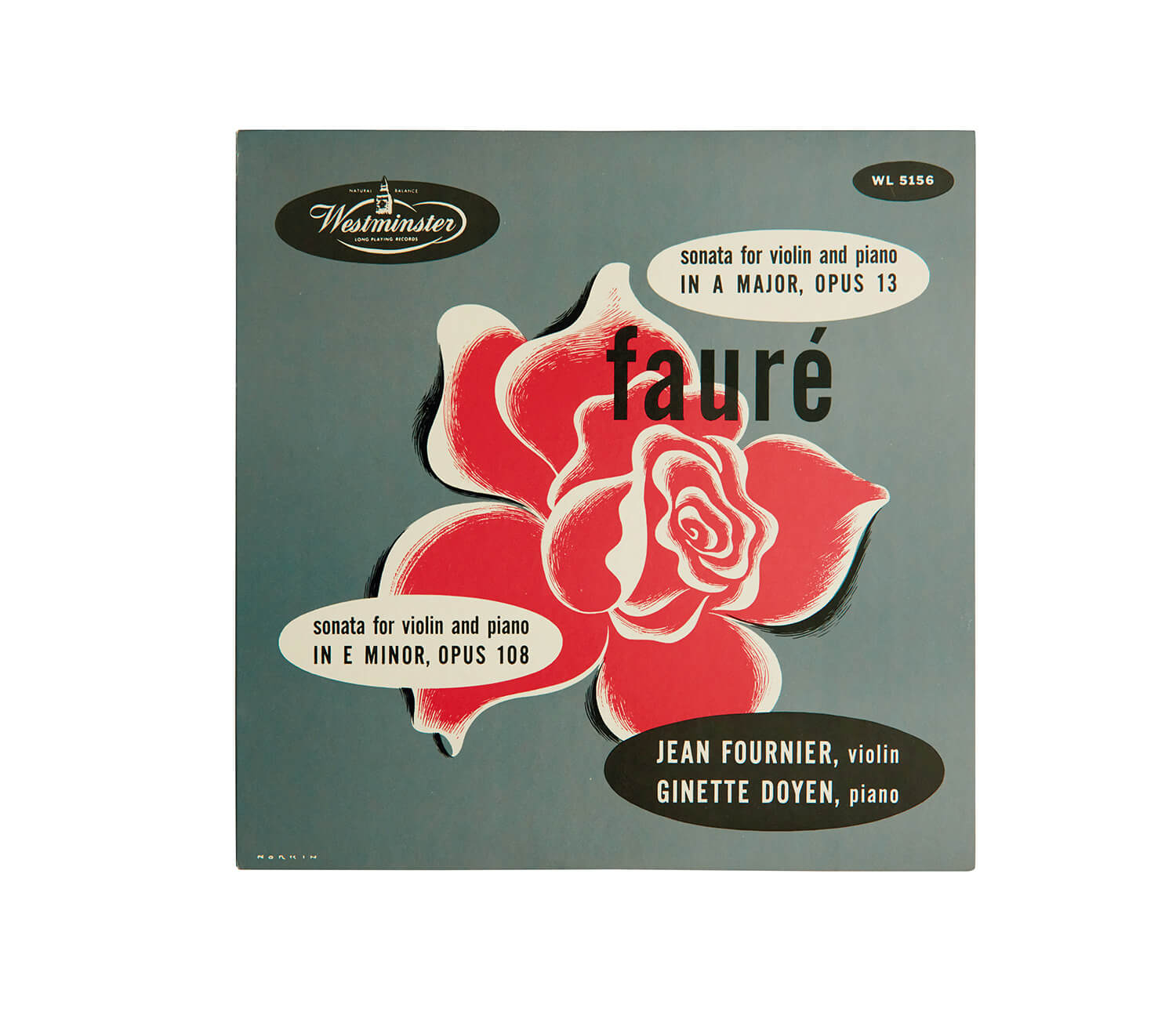
Jean Fournier, the younger brother of Pierre Fournier, and Ginette Doyen, the younger sister of Jean Doyen, are performers who tend to be overshadowed by their great brothers. Together, these two perform this beautifully moving sonata.
Jean Fournier may not be considered a powerful performer, but he creates music with grace and elegance. The beauty of his singing in the Andante is particularly noteworthy. Compared to the Francescatti/Casaduce pairing, the rhythm is lighter and more youthful. There's nothing harsh about it.

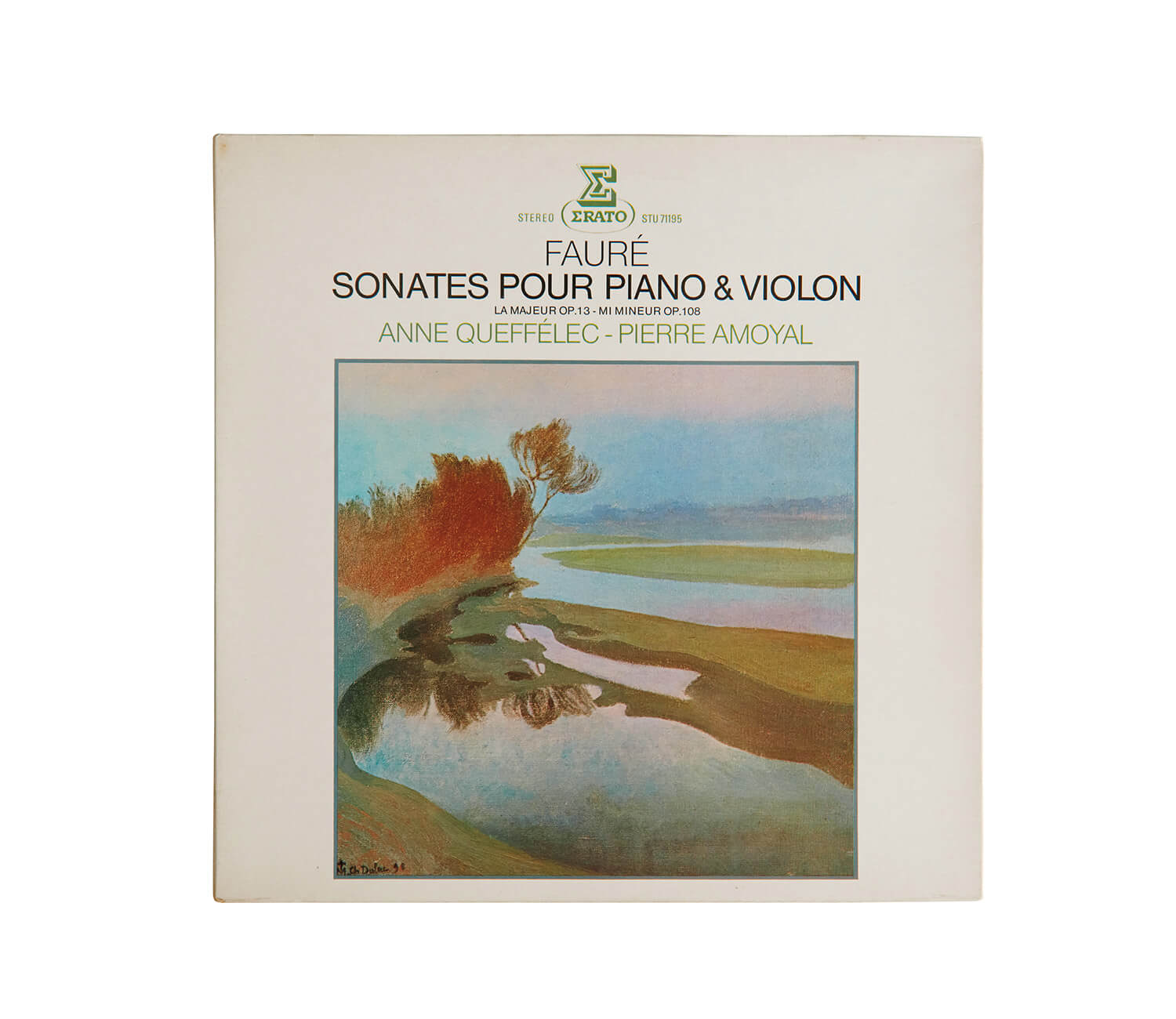
Amoyal and Queffelec were also two French musicians. Amoyal was born in France, but moved to the United States and became a student of Heifetz. He was 29 years old at the time.
Although both French, he is from a different generation than Francescatti and Fournier. His sound is delicate and appealing, but sometimes sounds a little nervous. Queffelec's piano is flexible and calm, and he skillfully neutralizes the hardness of the violin.

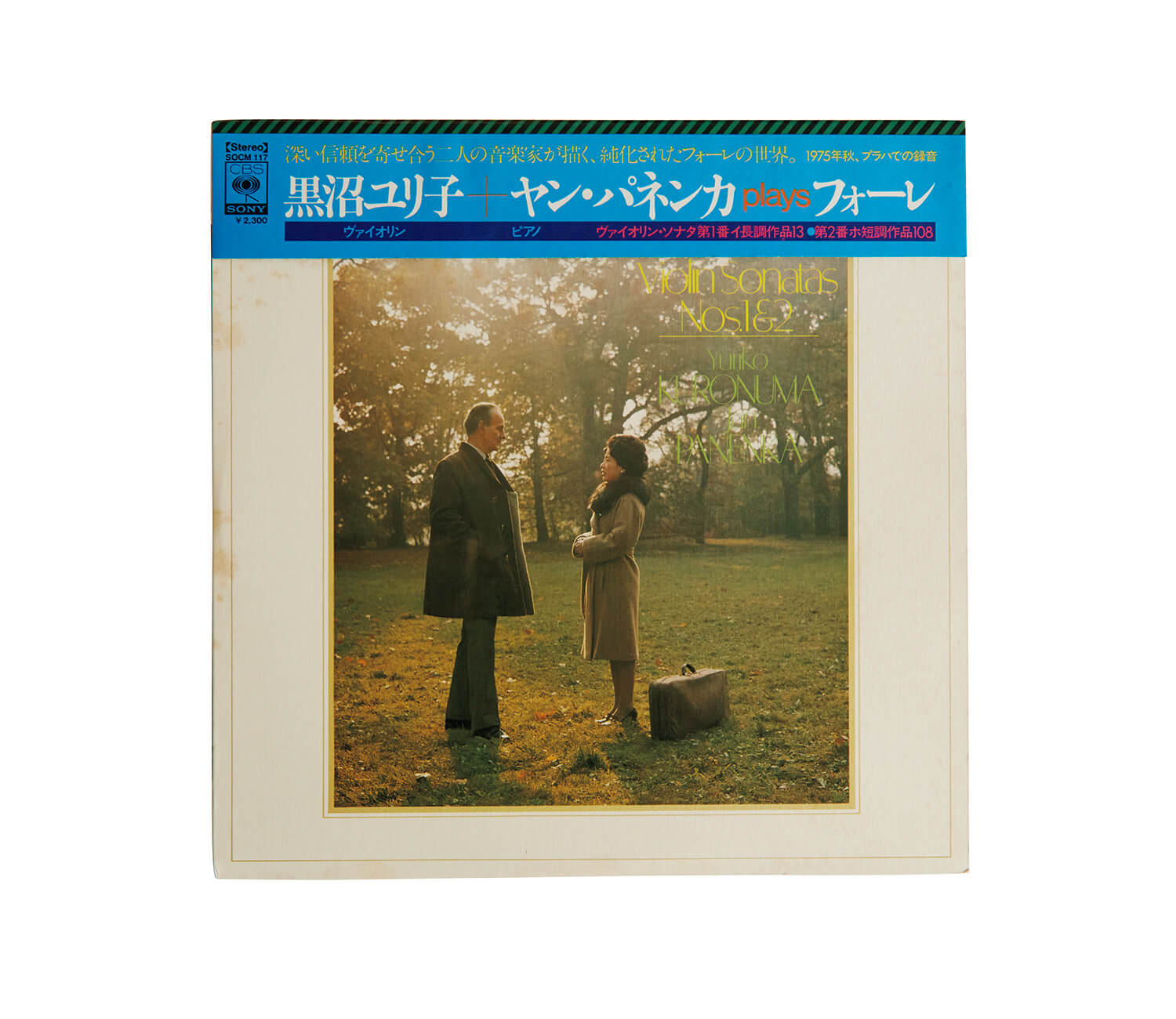
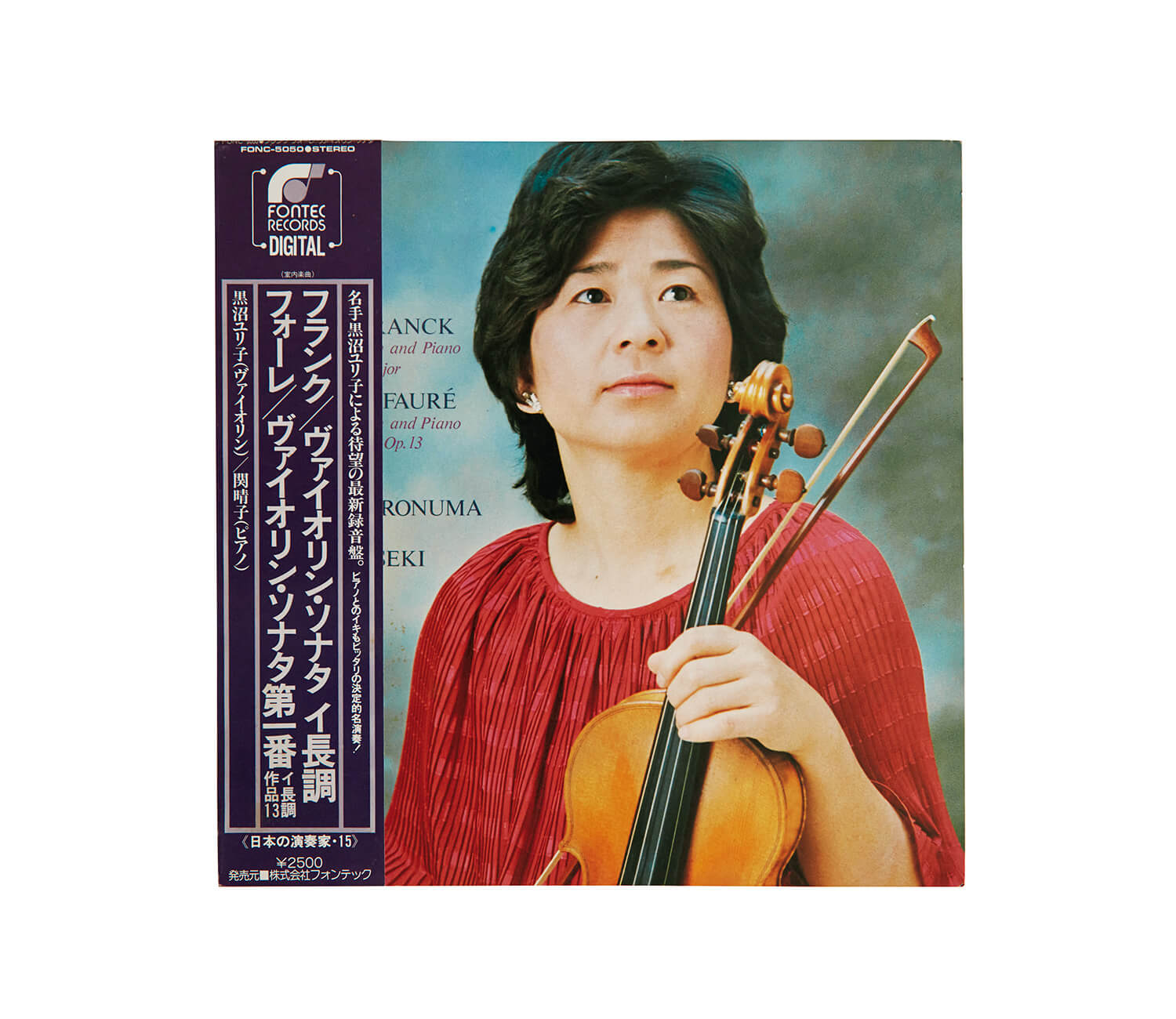
Yuriko Kuronuma has recorded Fauré's Sonata No. 1 twice. Her 1975 recording with Panenka is a sharpened, rich performance. It captures the rich flavor of late 19th-century French music...or rather, it is a sincere pursuit of a more universal structure.
As a result, it can be appreciated as music that is on a different level, so to speak, from the elegant treatments shown by Francescatti and Fournier.

But on the recording with Seki Haruko eight years later, the expression is a little milder: the performance remains no-frills, honest and forthright, but the sharp, direct approach to the music is toned down, and the tone is more gentle.
I think it's a dignified and excellent performance, and I personally prefer this performance to the recording with Panenka (if I had to choose). Either way, it's a performance that makes you want to listen to it again and again.