










Domenico Scarlatti Piano Sonatas (Harpsichord etc.)
When I listen to Scarlatti's music played on a modern piano, I want to hear it played on a harpsichord, and when I listen to it on a harpsichord, I want to hear it played on a modern piano. Both have their merits. Scarlatti's music seems to have such multifaceted qualities.

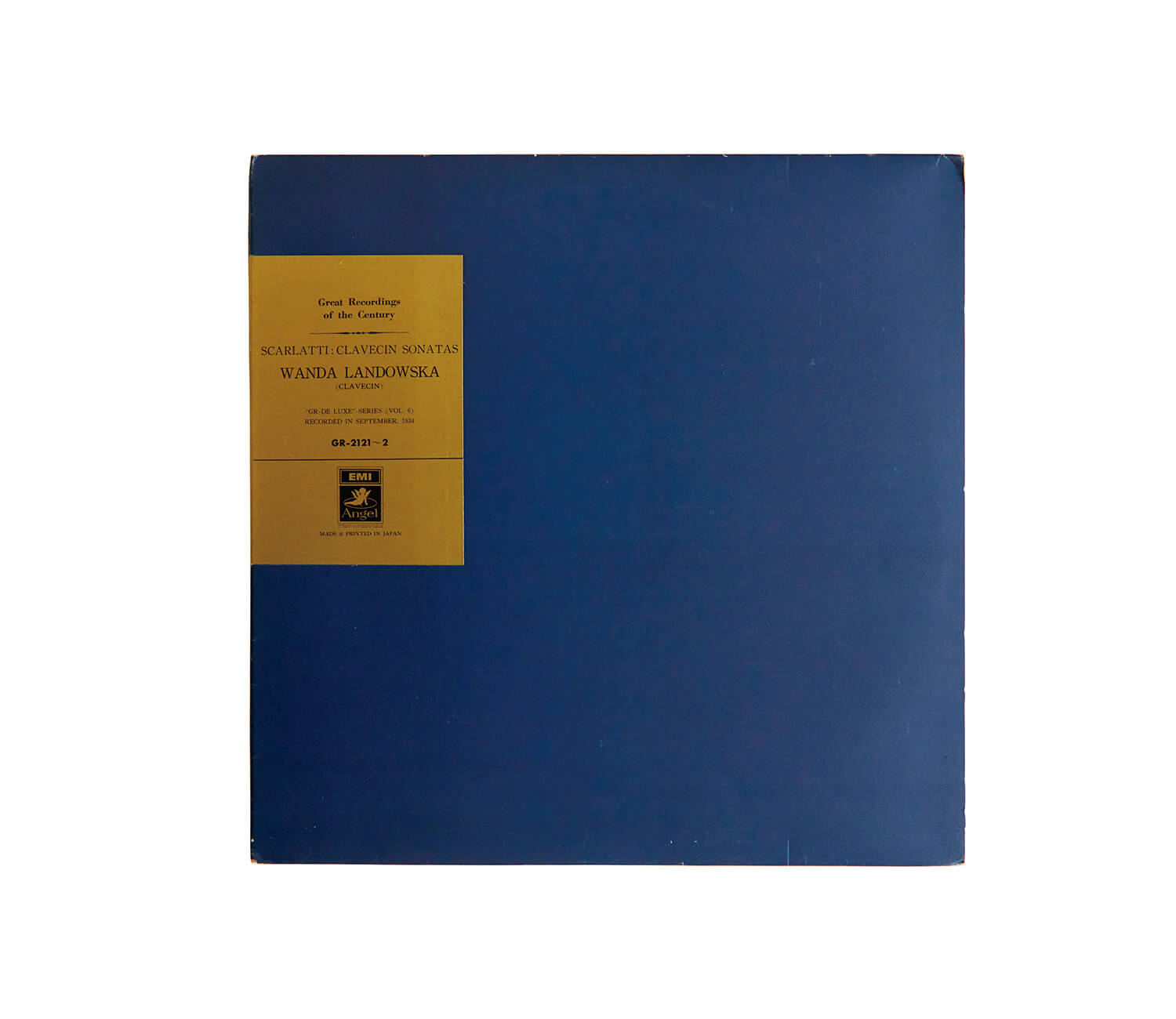
Japanese Angel GR2121~2/2 disc set (1934/39)
When talking about Scarlatti on the harpsichord, it is inevitable that Ms. Randolfska comes to mind. Her series of recordings before and during the war not only led to the rediscovery of Scarlatti, but also contributed greatly to the revival of the harpsichord as an instrument.
However, her instrument has undergone significant "improvements," and the tone and function are quite different from those of the old instruments. Her playing style also has a much wider range of vocal movements than current "period instrument performances," and in some places, it feels a bit excessive.
But when I listen to her playing Scarlatti, I am often struck by the free sound of the music, and it makes me realize that there was once a time in the world when such free-spirited and elegant music existed.

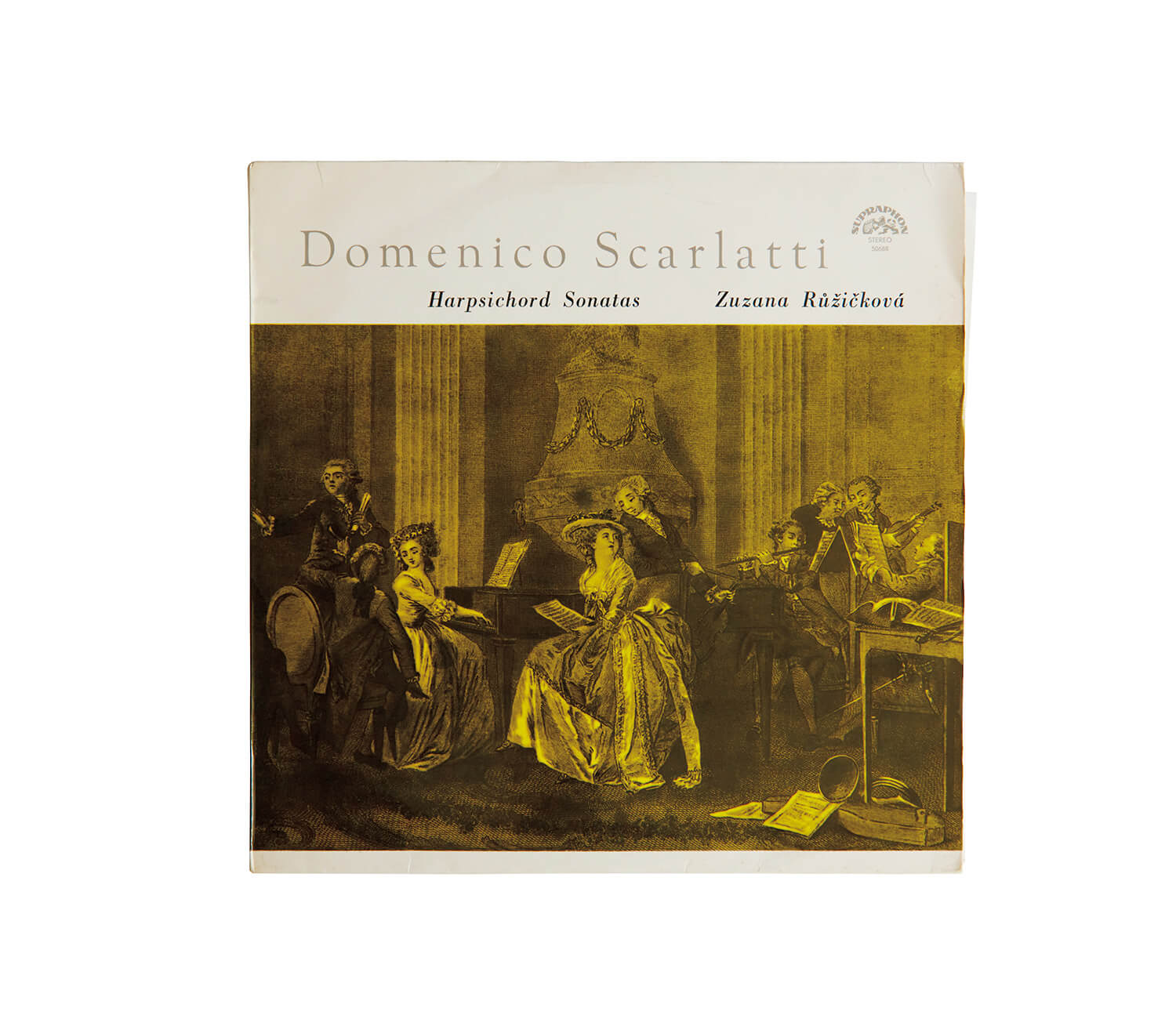
Supraphon 50688 (1965)
Ruzickova is a Czech-born female harpsichordist who was imprisoned in a Nazi concentration camp from 1941 to 1945 and began performing after the war. She is a performer with a precise tone and an excellent sense of rhythm. Rather than courtly splendor or lightness, she is motivated to get directly to the essence of music.
The performance is so earnest, it's as if they're playing a Bach piece. It's a high-quality performance, but those looking for a "Scarlatti flavor" may be a little disappointed.

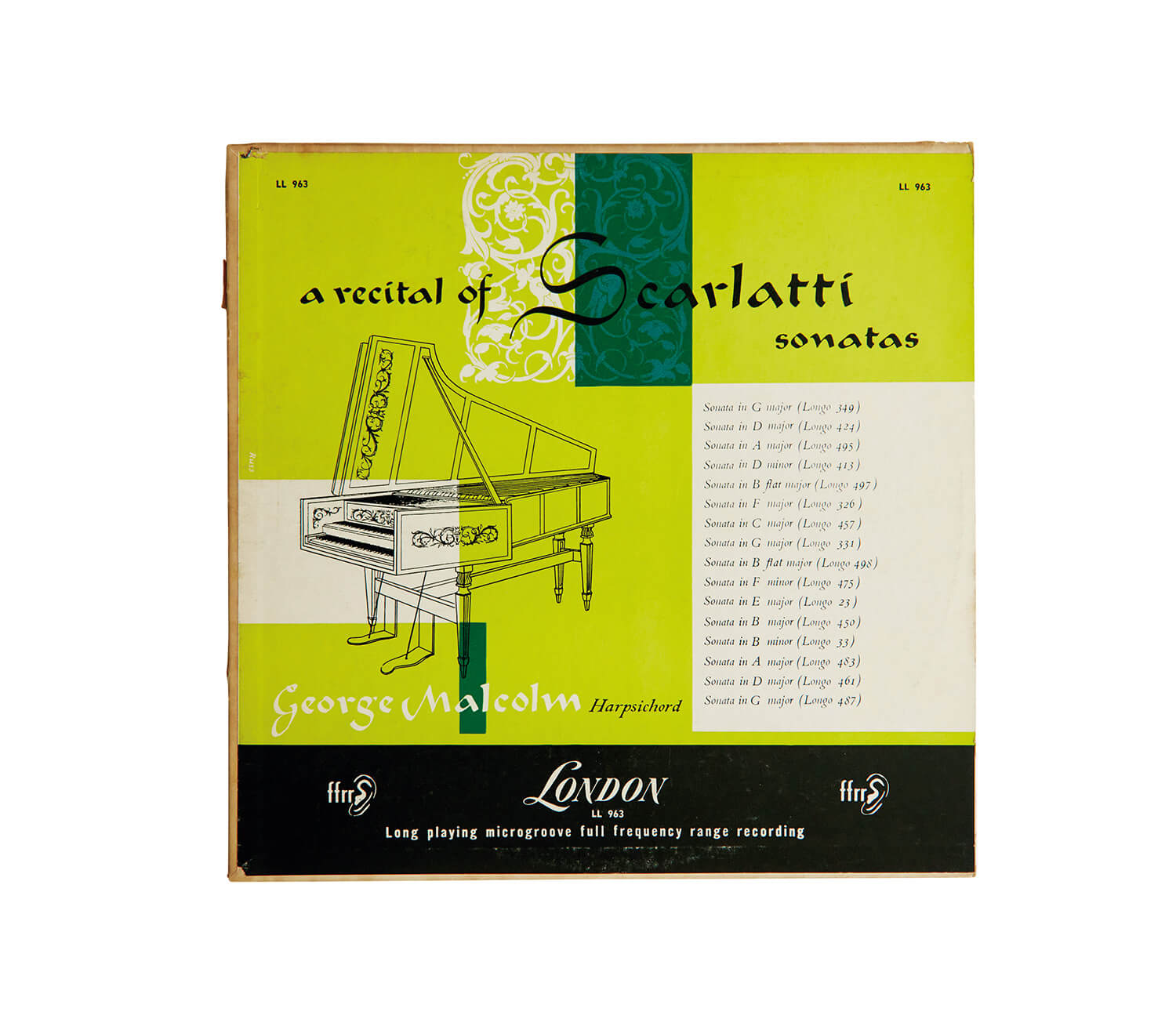
London LL-963 (1954)
George Malcolm is a British pianist who prefers the harpsichord and is also known as a pioneer of Baroque music. His Scarlatti is neither as dynamic as Randolfska nor as spiritually as Ružičková, but rather strikes a golden mean like a sunny spot on a veranda.
He plays the harpsichord with the same ease and ease as if he were playing a modern piano, and it's rare to see someone like that these days, so he may be a rare find.

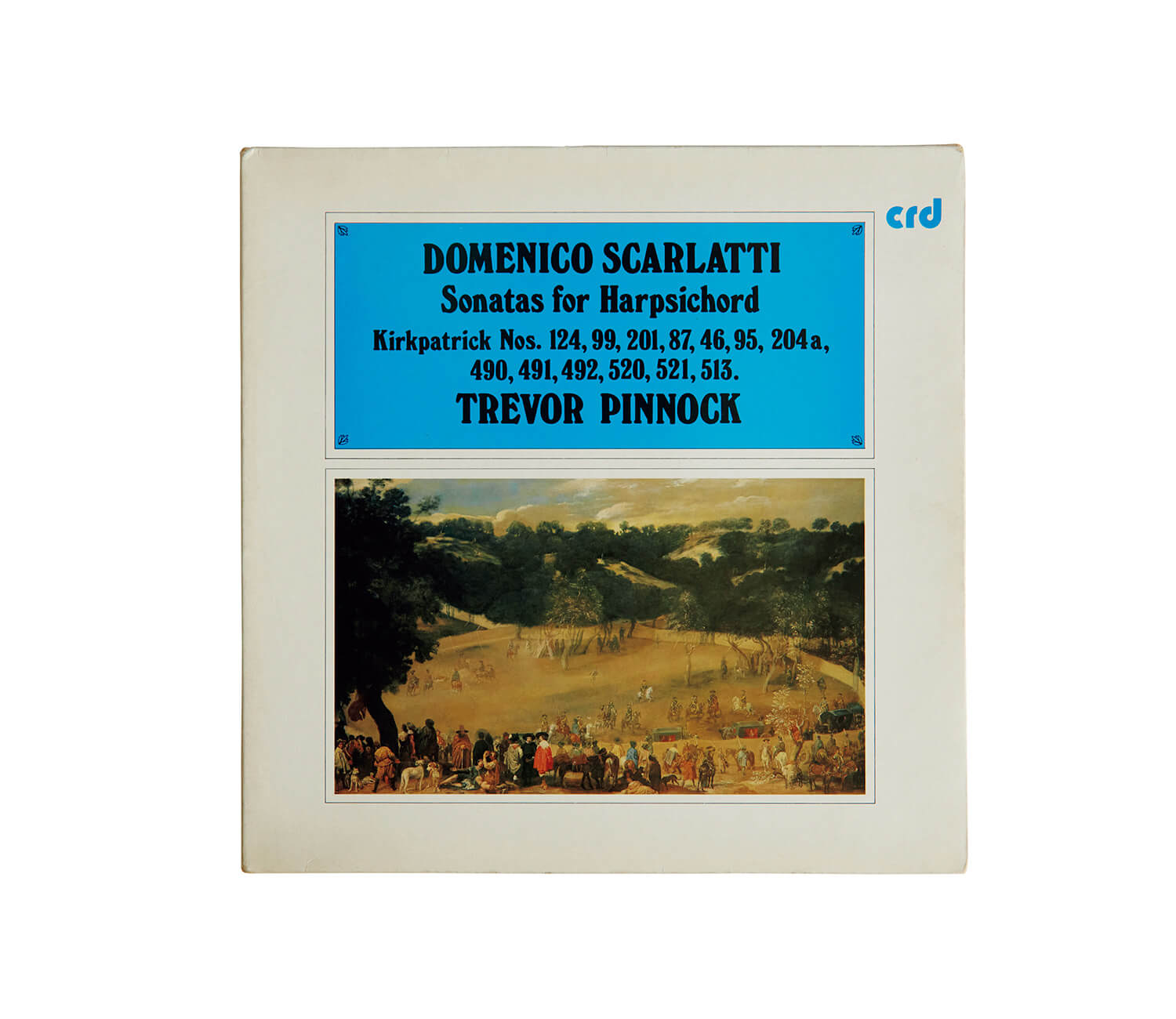
CRD CRD 1068 (1981)
The Scarlatti played by the young Trevor Pinnock is very lively and has a great sense of rhythm. Pinnock is an expert on early music and is also skilled on the harpsichord, and he plays Scarlatti with a truly smooth and elegant manner.
This "smoothness" can sometimes feel suffocating, but this may just be a matter of personal preference.

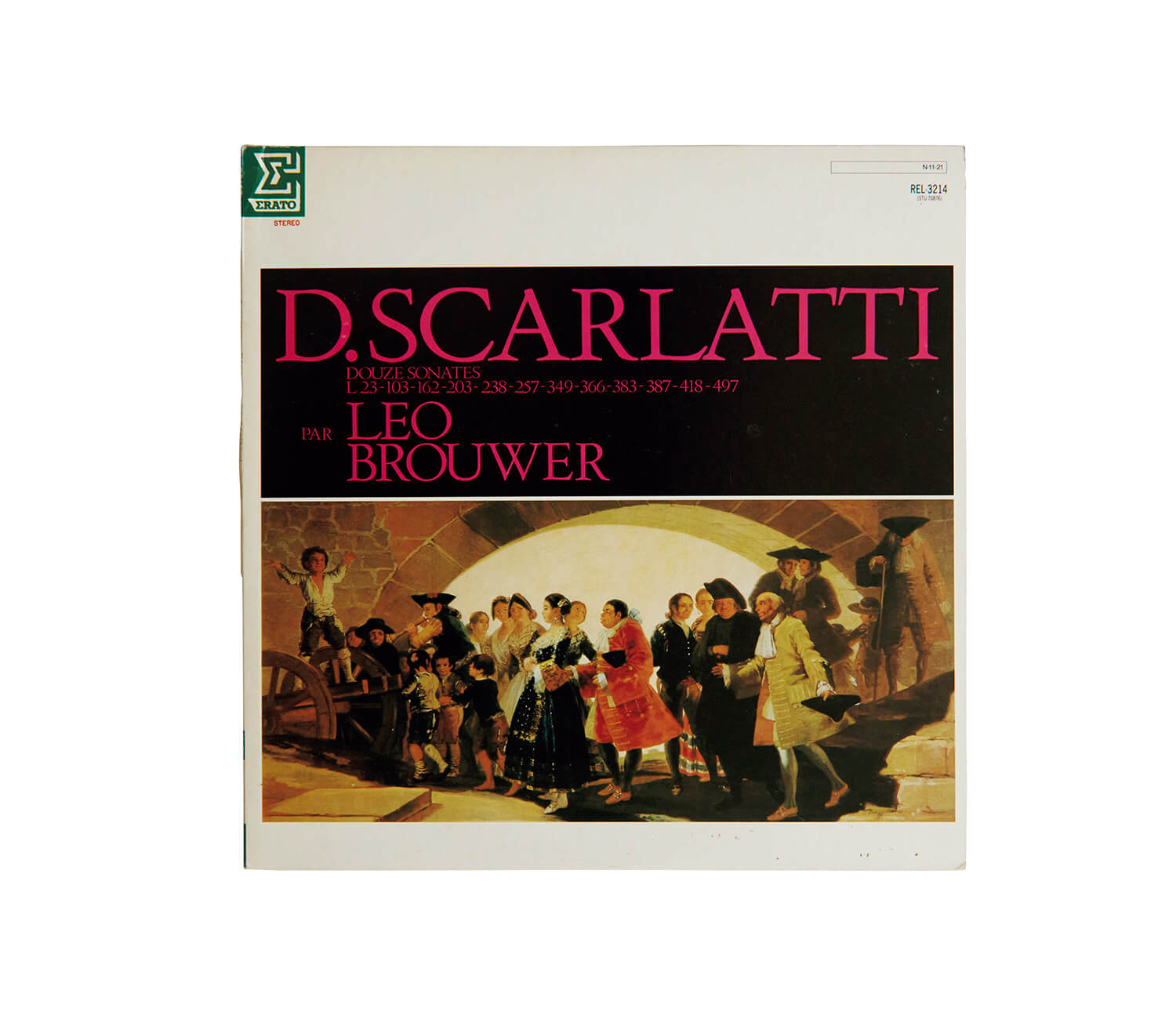
Japan Erato REL-3214 (1974)
Cuban guitarist Leo Brouwer plays Scarlatti arrangements for guitar, and his performances are truly magnificent.
This Scarlatti is far more orthodox and persuasive than most harpsichordists out there. There's nothing particularly eccentric about it, but there's a liveliness to it that gives it a vivid modern feel. No matter how many times I listen to it, the sound is incredibly youthful. Why is that?