










Schubert
String Quartet No. 14 "Death and the Maiden" in D minor, D810
The oldest recording I have is by the Capet SQ (SQ: abbreviation for string quartet; same below) (1928). Although the recording is old, the sound quality is by no means bad. I was captivated by the graceful performance, in which the sounds of the four musicians blended together as one.
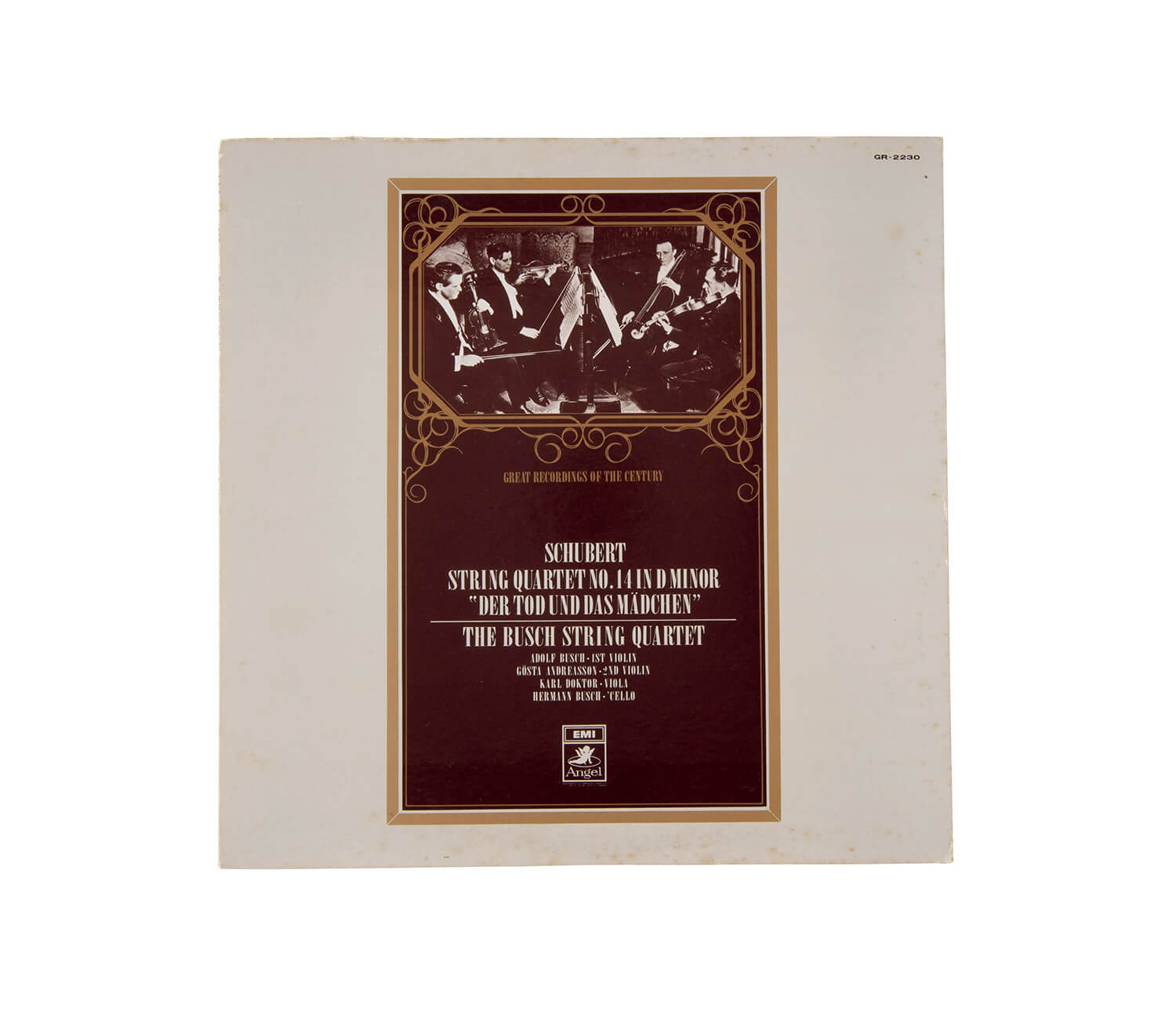
The Busch SQ also recorded SPs before the war, but compared to the Capet SQ, their performance is more logical and structured. It's German, if you will. The precision of the sound is superb. It lacks the unbroken, intertwined emotion of the Capet SQ, but the thoughts are deep and contemplative.
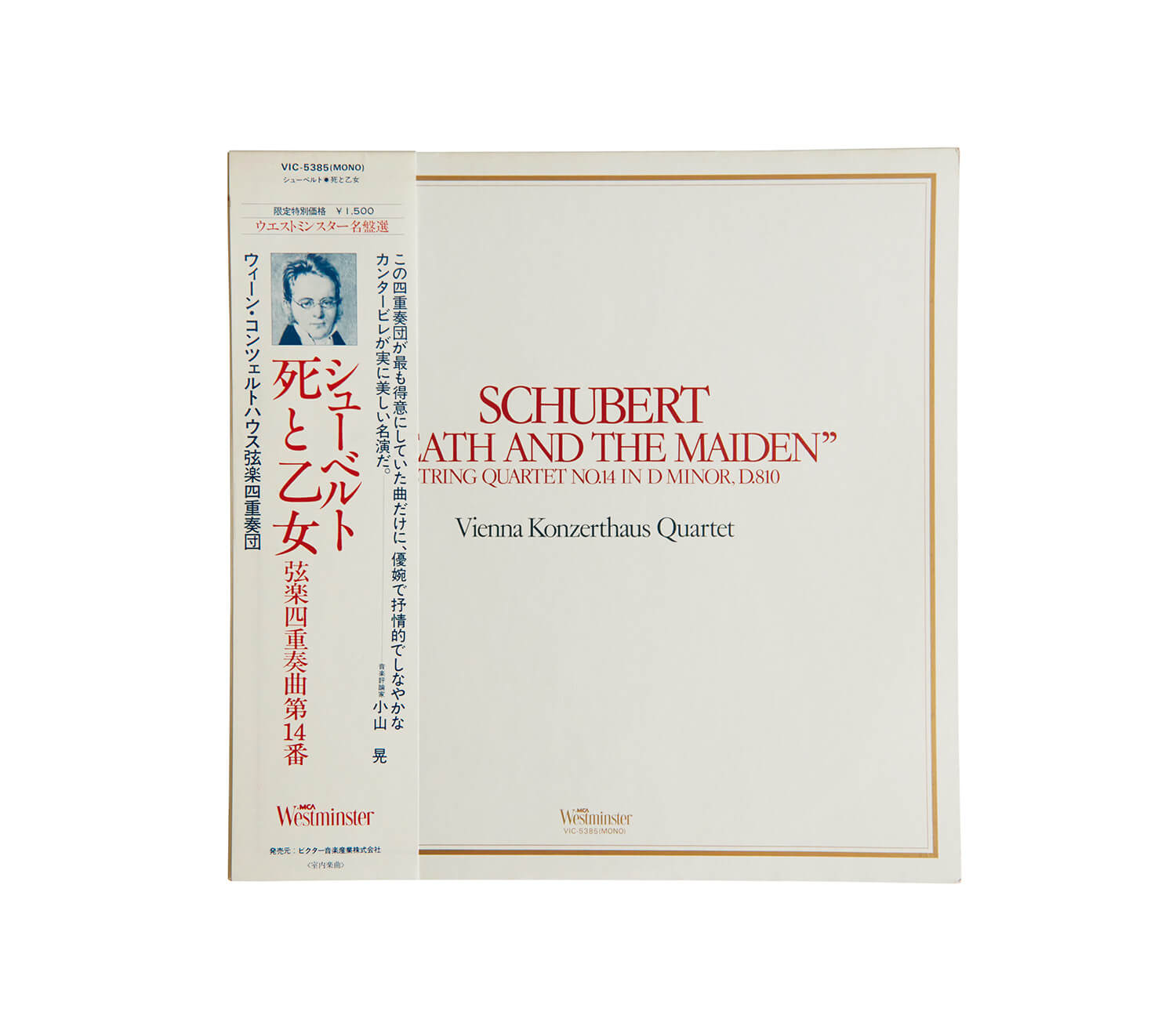
If the Busch Symphony Orchestra's performance is German, then the Vienna Konzerthaus Symphony Orchestra's performance, true to its name, is Viennese. The music is not as tight and centripetal as the former, but rather has a relaxed structure that allows the air to flow smoothly. It has the scent of the good old world in which Franz Schubert lived (or so it seems). Each performance is truly a historic masterpiece.
This is the "classical" world of mono, but after this we enter the era of stereo recording, and with this comes a subtle change in performance style.
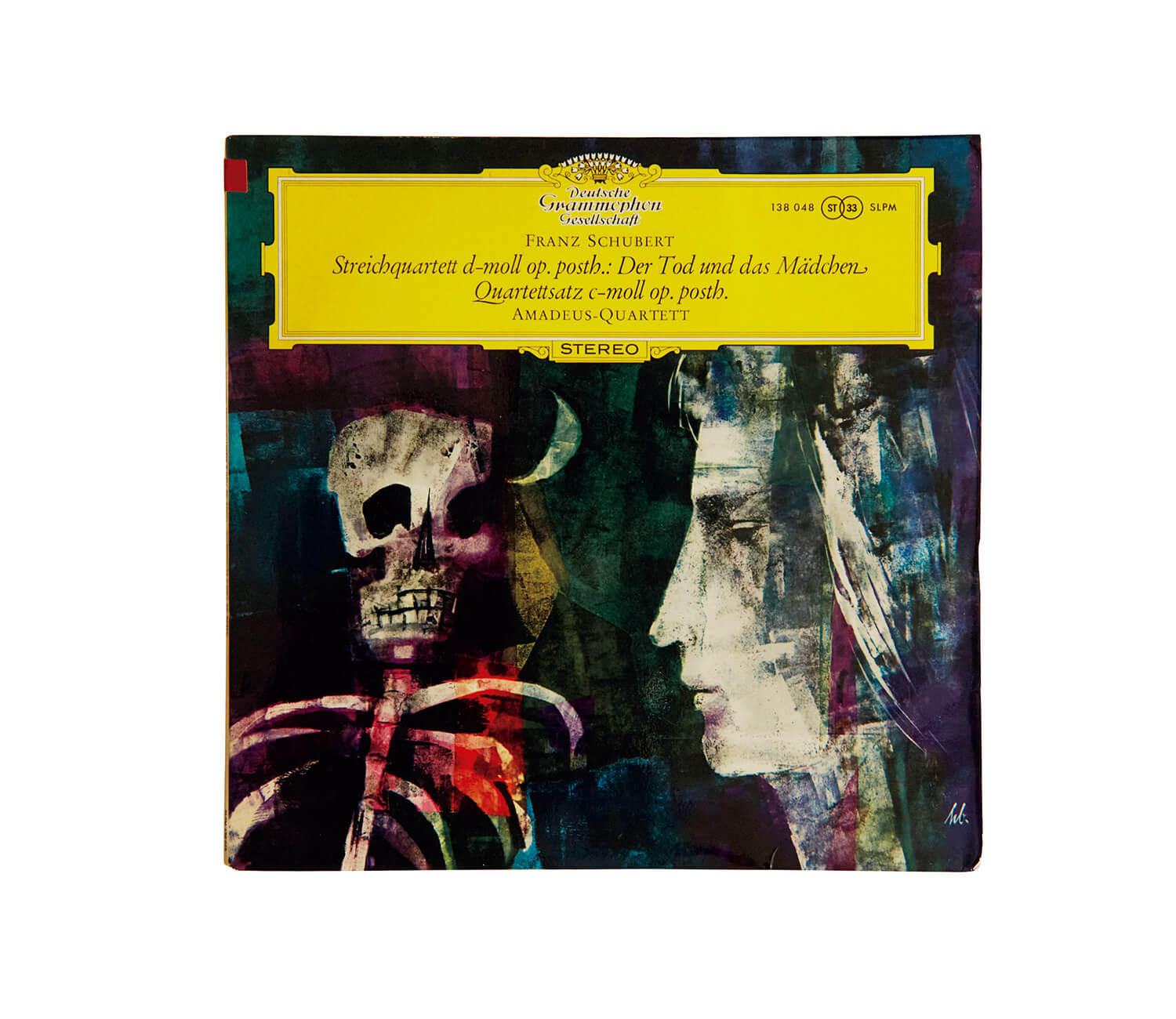
Amadeus SQ basically inherited the style of Bush SQ, but their music seems to pursue the contrast created by the four string instruments and the tension it brings, rather than the unity of the group. After listening to the previous three, it can even sound aggressive.
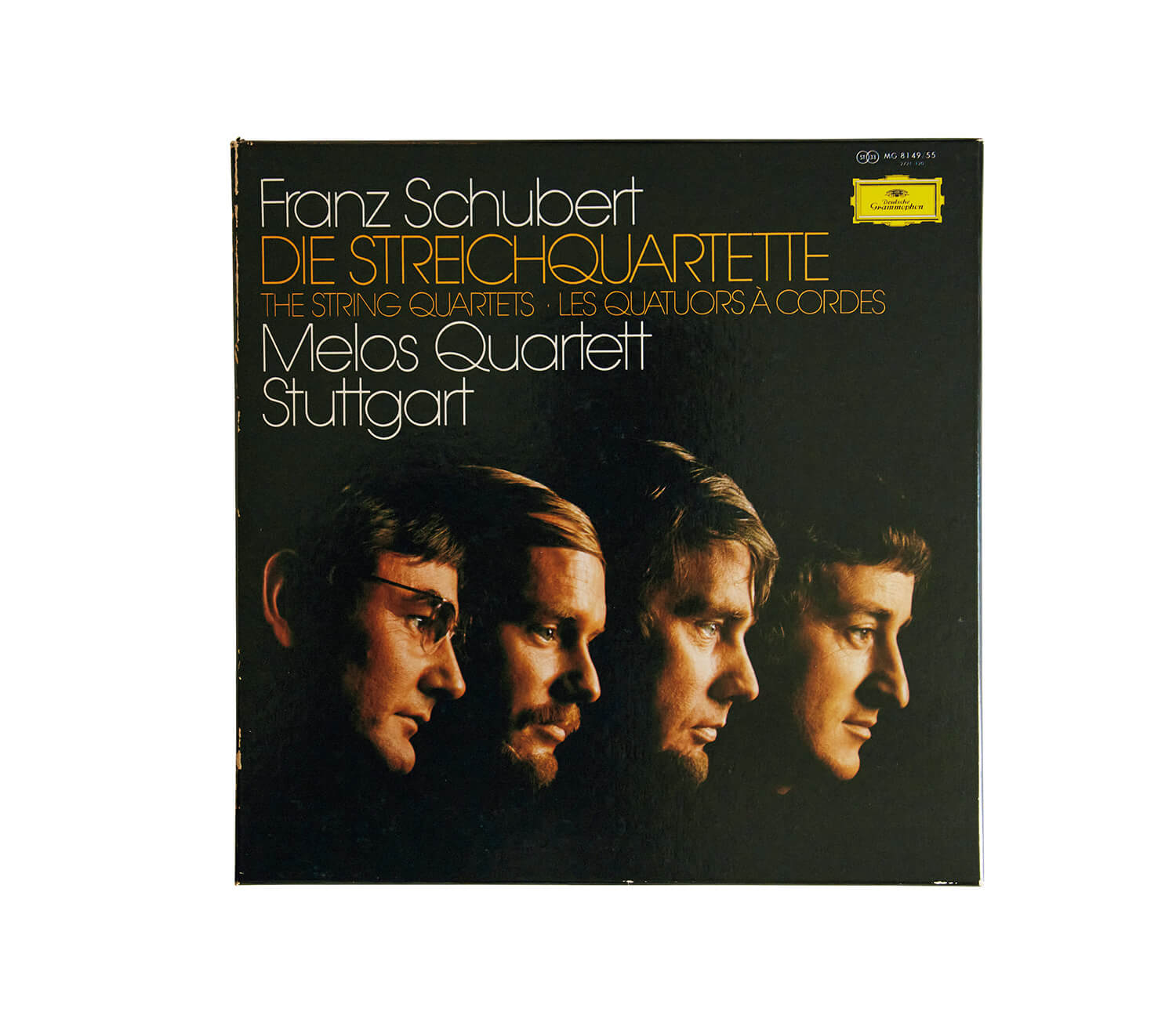
The Melos SQ was formed in Stuttgart in 1965, and although their performance style is similar to that of the Amadeus SQ, they are not as rigid, with a slightly less intense feel and fuller harmonies. The sound has a freshness to it. The second movement is particularly beautiful. However, there is no trace of a Viennese atmosphere.
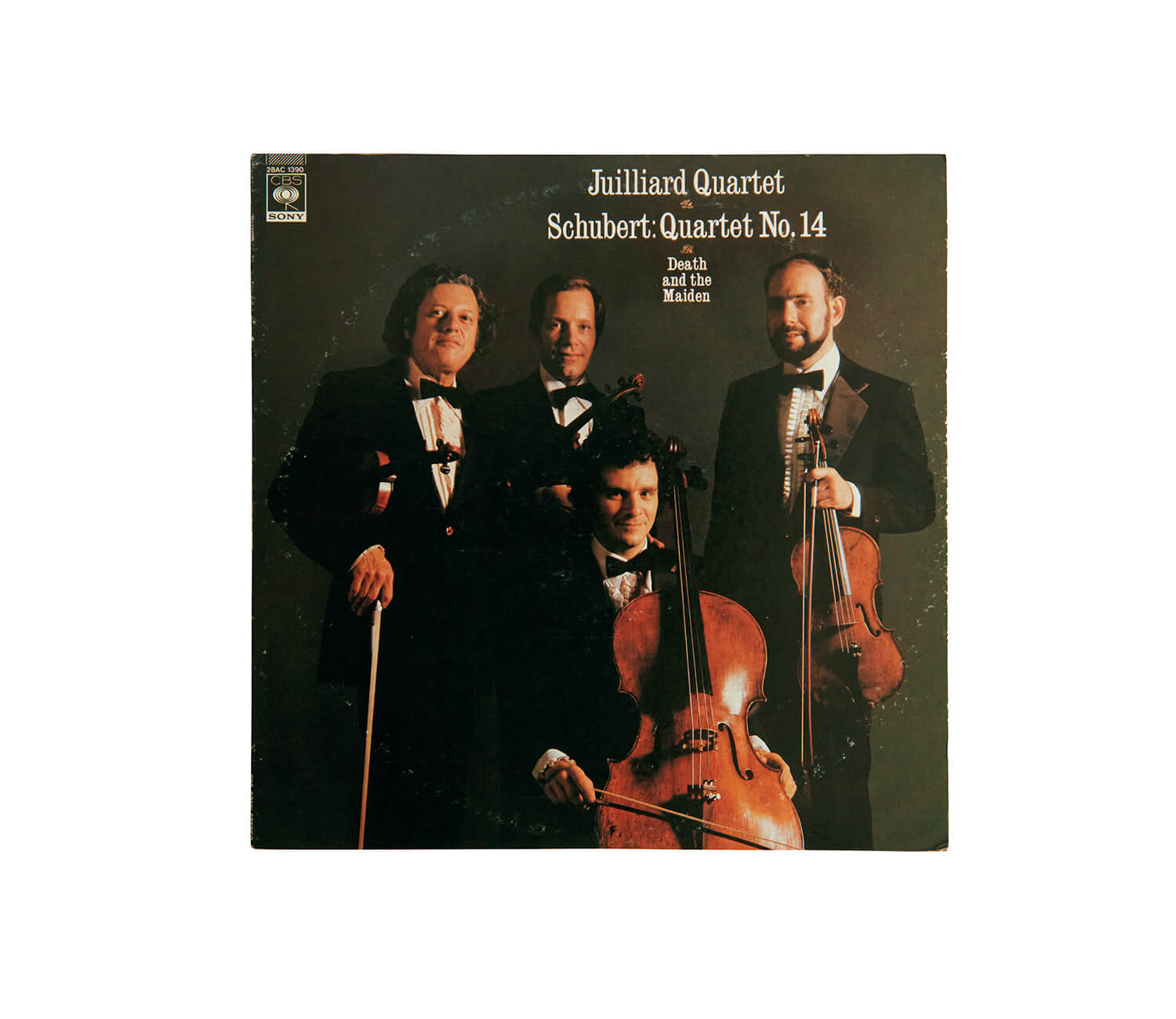
The Juilliard SQ is known for its hard-hitting sound, but the opening is surprisingly delicate and soft, making you go, "Huh?" The sharp contrast that Juilliard is known for is boldly suppressed here, and the four musicians seem to come together and weave together a single, thick musical thread. There is even a hint of straightforward lyricism. But that doesn't mean the music has become soft. The depth of the sound production is astonishing at every turn.
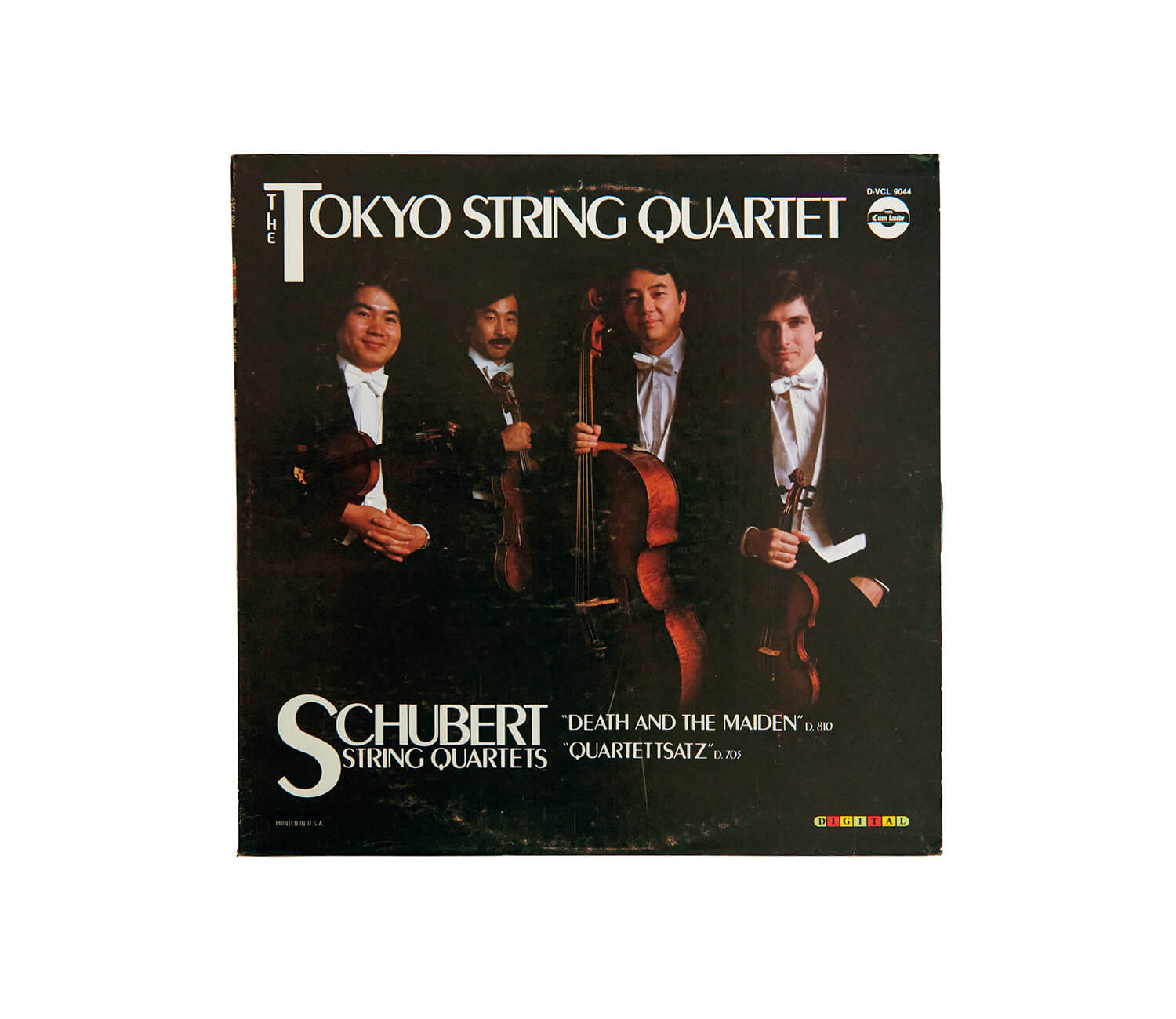
Tokyo SQ marks the beginning of the digital era. Thanks to the quality of the recording, this group produces a truly beautiful sound. The well-balanced ensemble, the refined way the sound moves, the smooth driving feel... I think it's a truly magnificent performance, but after listening to it, I suddenly find myself wanting to listen to the performances of Capet or Busch. Perhaps it's because the performance is too smart overall. Of course, that's not necessarily a bad thing.