










Tchaikovsky
Symphony No. 4 in F minor, Op. 36
The first recording I heard of this piece was by Mengelberg, and since then, no matter who plays it, it always sounds very lively. Is this a good thing or a bad thing?
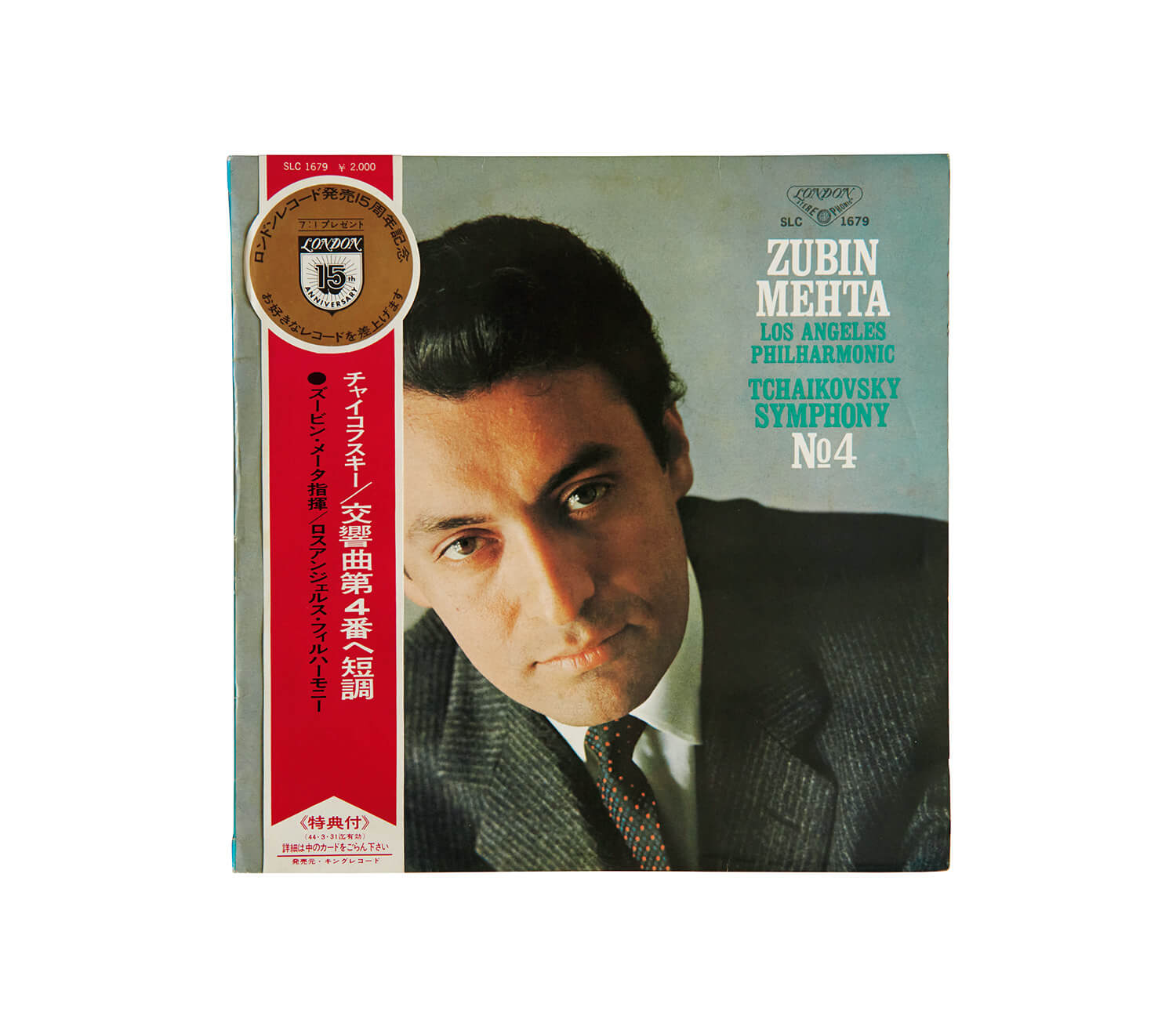
The performance of the young Mehta conducting the Los Angeles Philharmonic is very impressive. The conductor is very enthusiastic, and the orchestra responds well.
Both pieces seem to be in their prime. After this, Mehta gradually became like a leading figure in the music world, and the impression of his music (apart from the quality of the content) became somewhat weaker. However, Mehta's "Tchaikovsky No. 4" is well worth listening to. The sound is truly youthful and fresh.
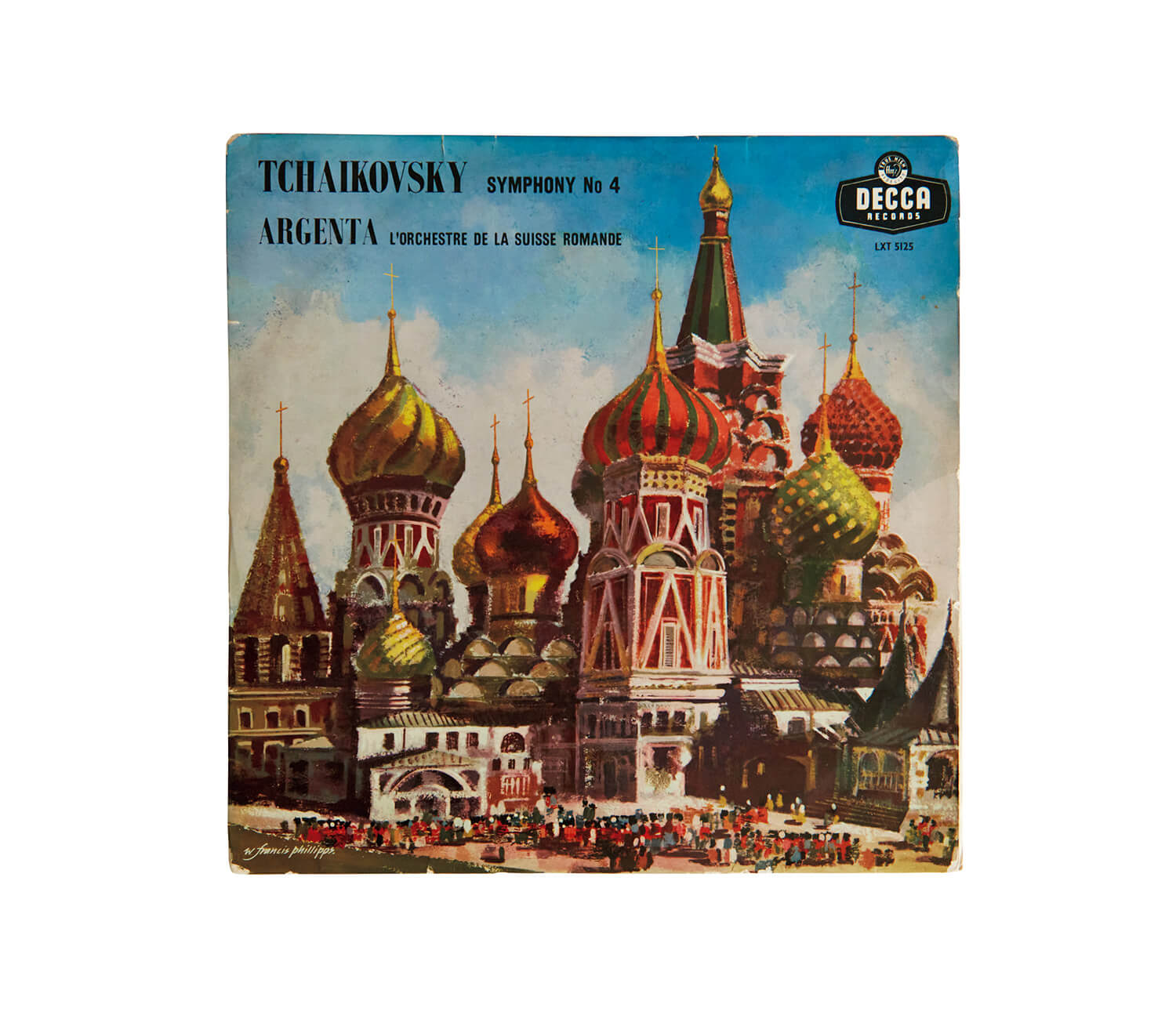
Argenta (1913-1958) was a Spanish conductor who studied under Karl Schuricht in Germany before the war and whose repertoire consisted mainly of Spanish music and works by Russian composers. He died young in an accident, but listening to this Tchaikovsky recording, he seems to have been a man of considerable talent and skill.
Although it is a mono recording, the sound quality of the British Decca is excellent. Some may wonder, "Tchaikovsky conducted by a Spaniard?", but once you actually listen to the recording, such prejudice will be blown away. Rather, it is a Tchaikovsky with a proper posture and unwavering, almost Germanic quality.
Kubelik starts slowly and restrainedly. This is a Tchaikovsky that is characteristically calm, refined, and moderate. The Vienna Philharmonic's innately beautiful sound finds the right channel and flows smoothly and naturally. It's a stark contrast to Mehta's energetic and explosive performance. It's a piece you can listen to with ease. Which one you choose is up to the listener's preference.
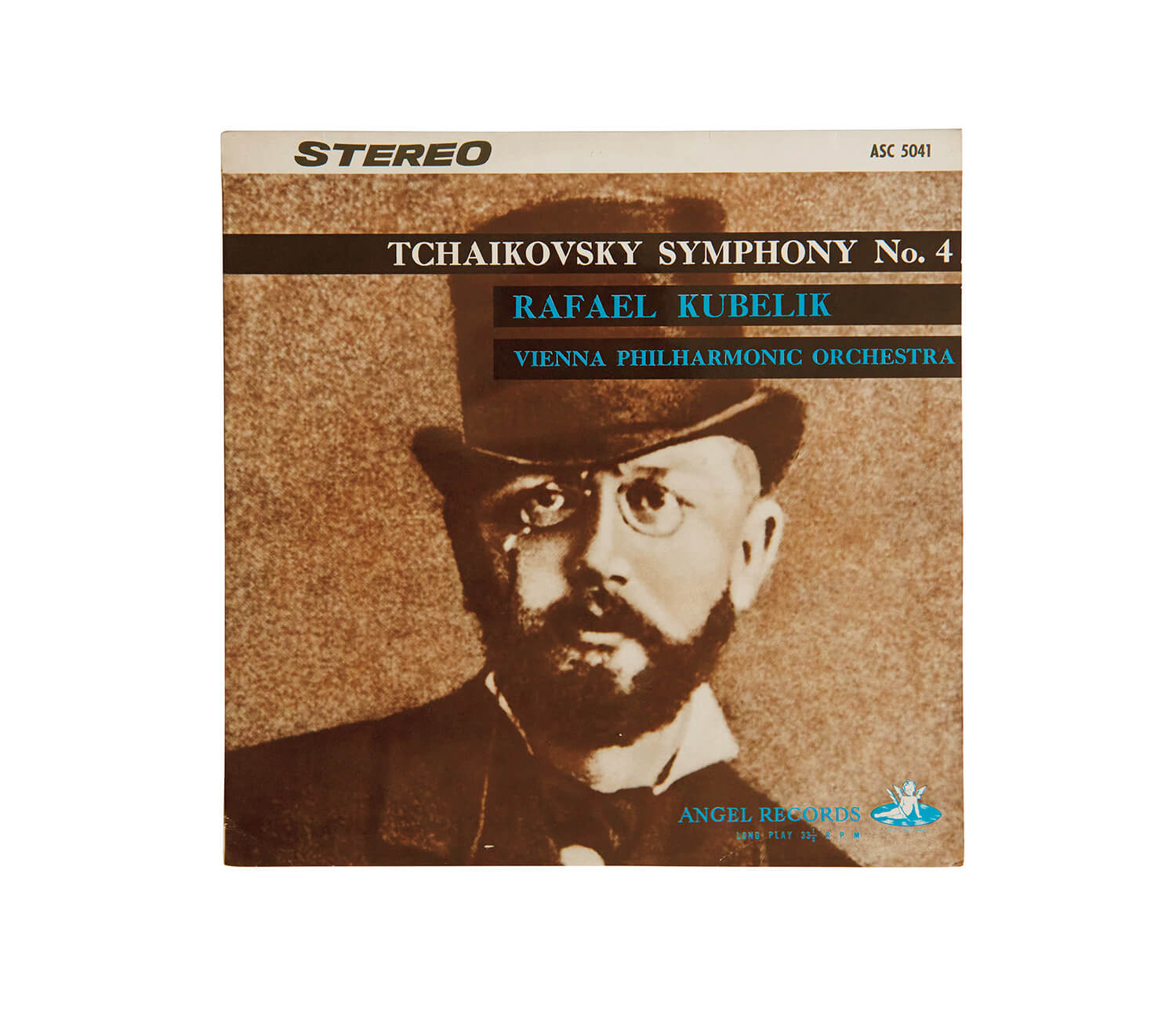
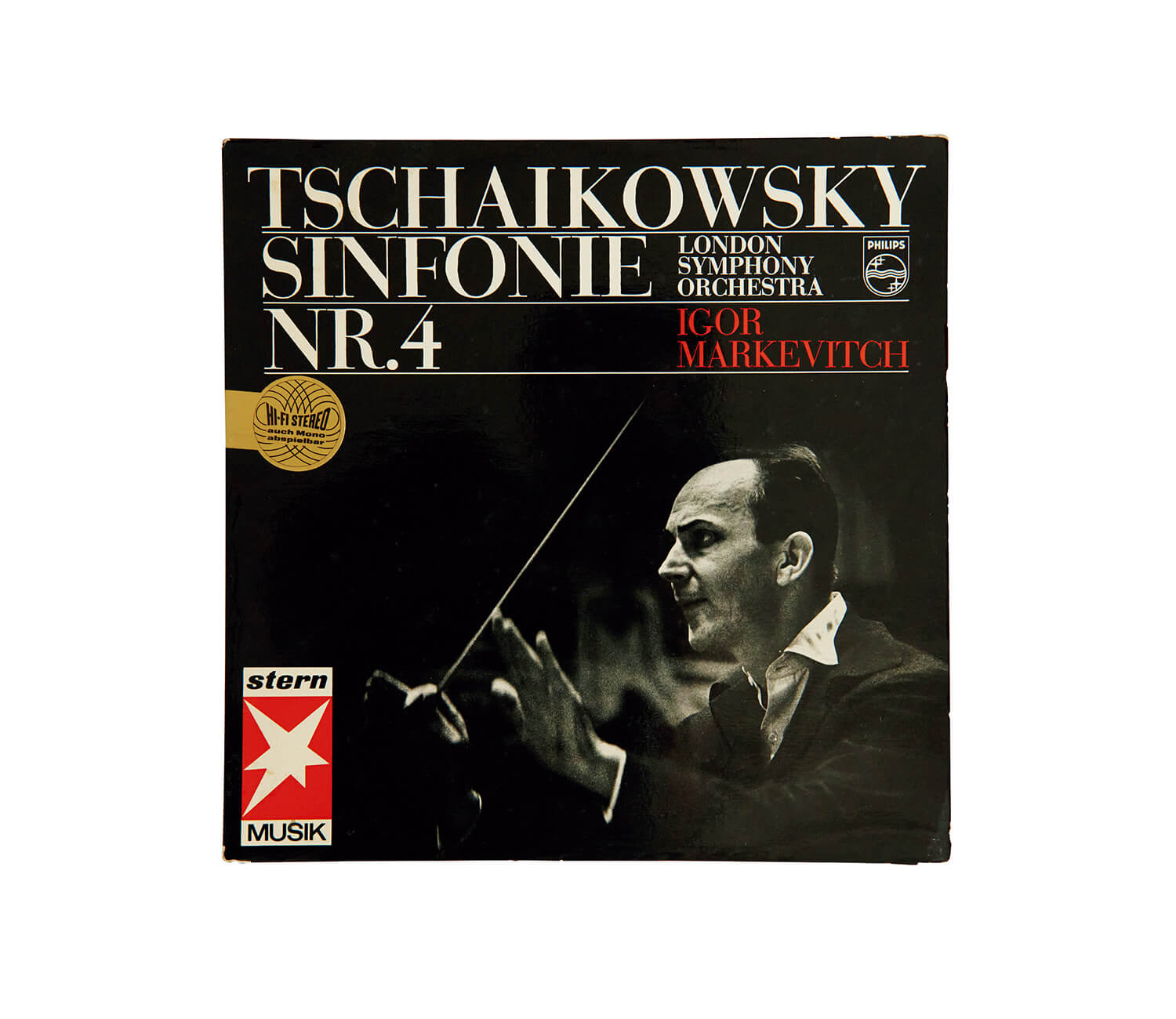
Markevitch is also well-known for his Tchaikovsky performances. Unlike Kubelik, he is rather aggressive and takes the key points, and the London Symphony Orchestra is a powerful orchestra. So the pairing is perfect. He steps on the gas from the start, unfolding the music with a vibrant tone.
The performance is tense, and there is not much of the "humidity" that is characteristic of Tchaikovsky. If the sharpness of the meters is like the sharpness of a well-honed sword, this may be like the painful blow of a tricky hammer.
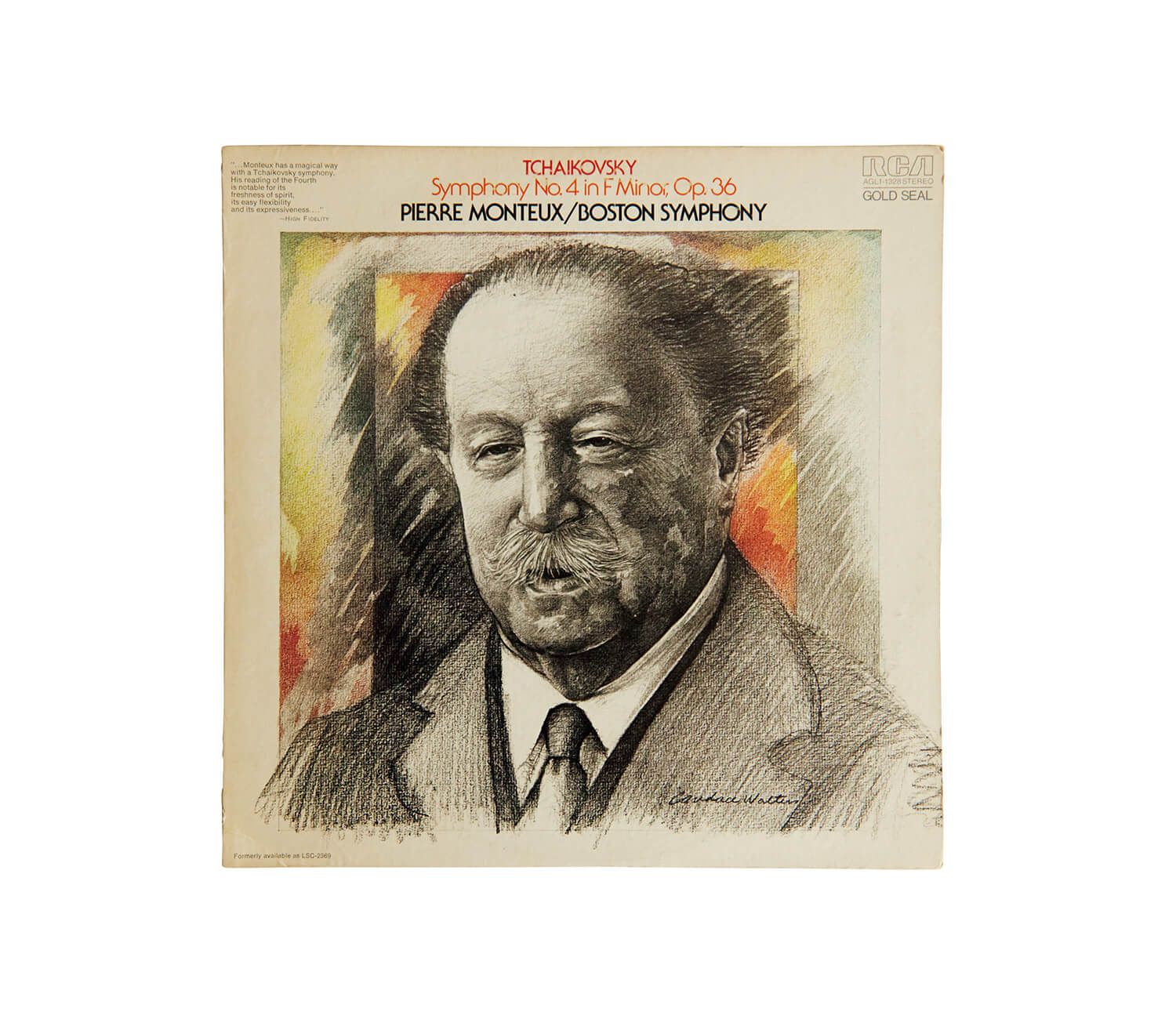
The Monteux/Boston Tchaikovsky symphony series is highly acclaimed for both its performance and recording, but the RCA remastered LP reissue (1976) that I have seems a little thin in sound. However, the performance is profound.
The timing, the expression, the details - everything is convincing and natural. He follows the right path, without any tricks. The performance is truly worthy of the description of being grand. Monteux was already 85 years old at the time, but it is truly powerful.
Each of these five records was worth listening to.