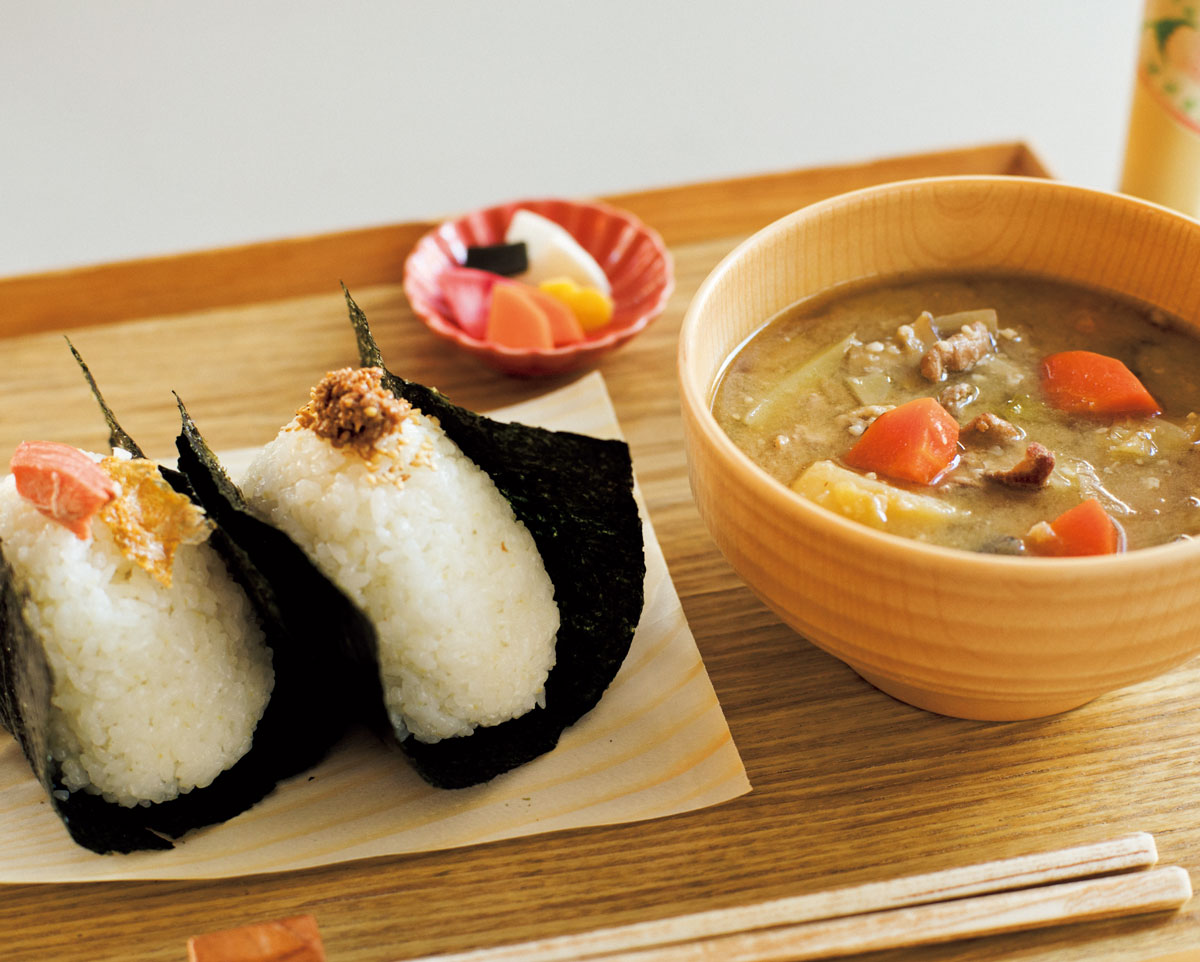











New interactions are born while eating rice balls

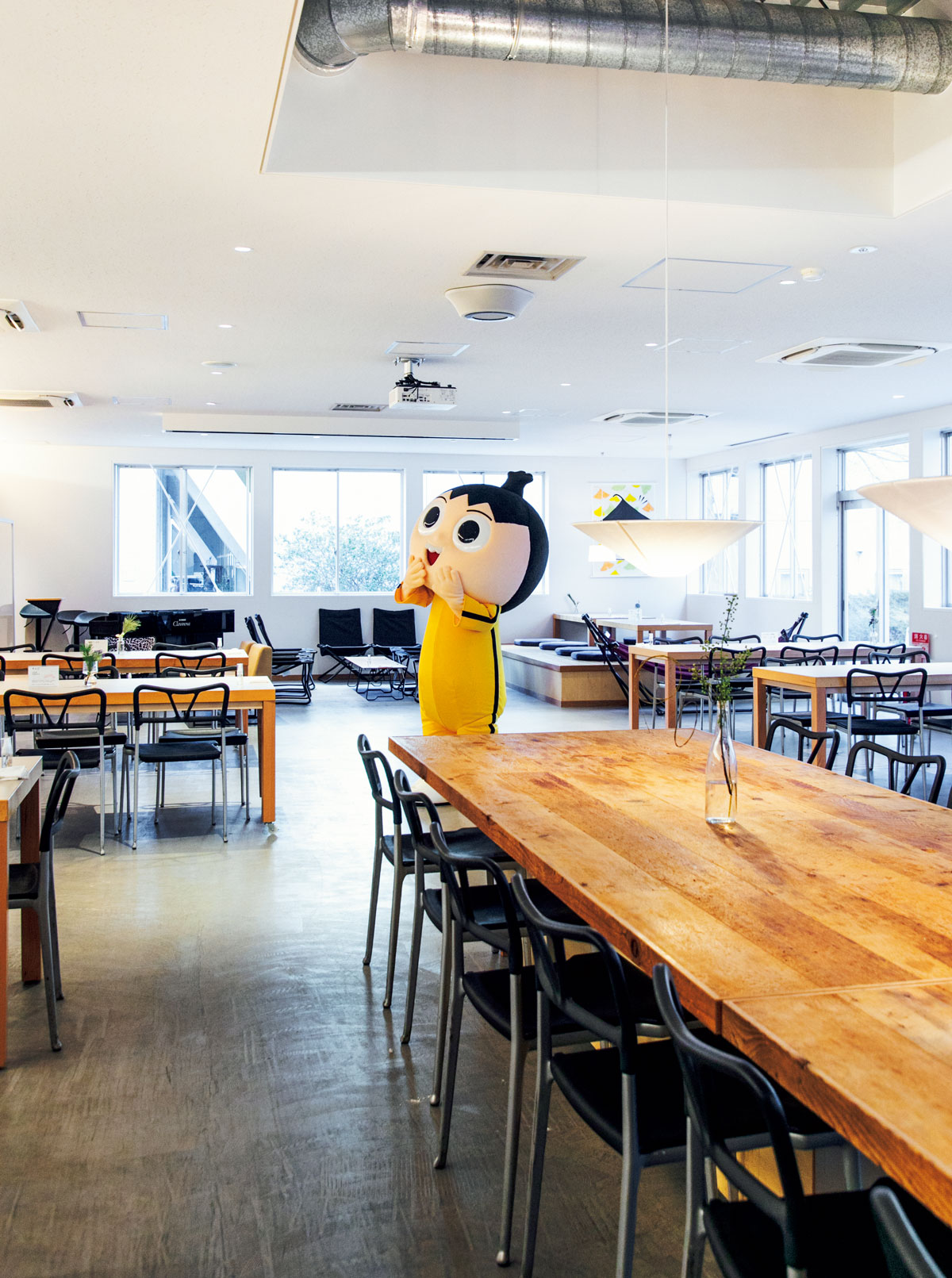
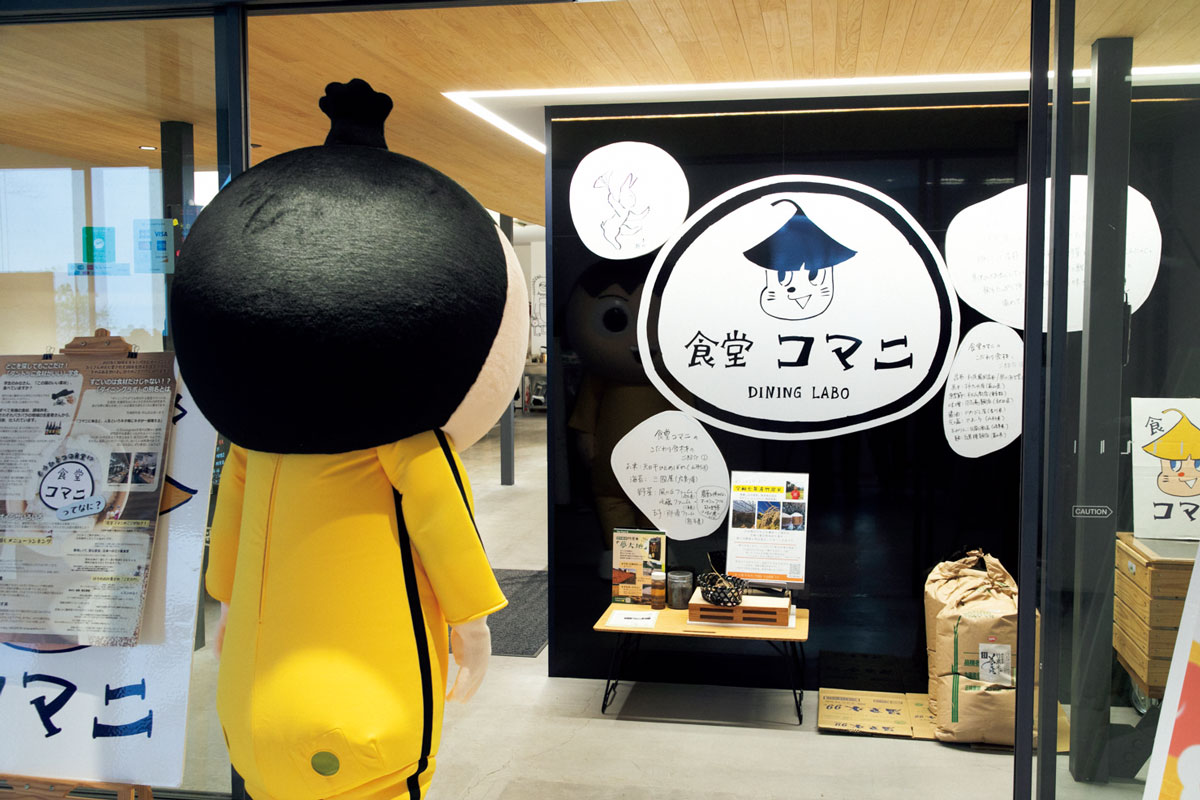
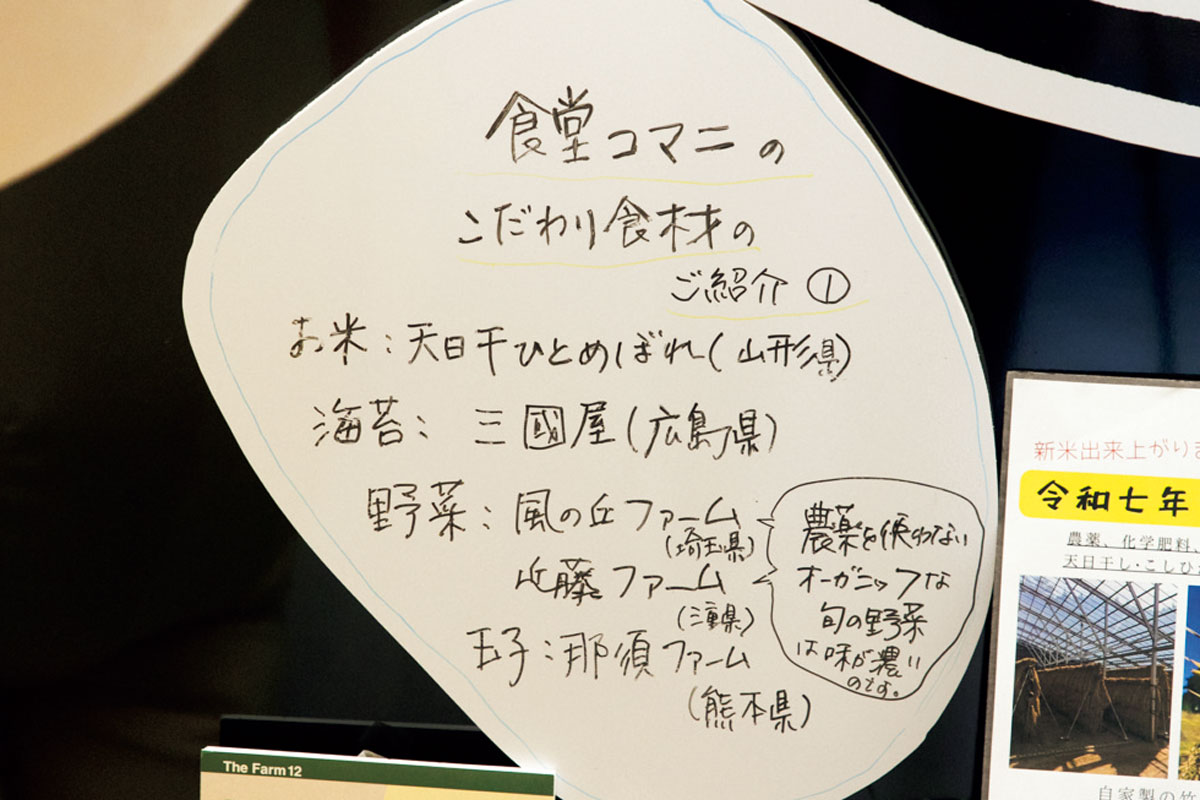
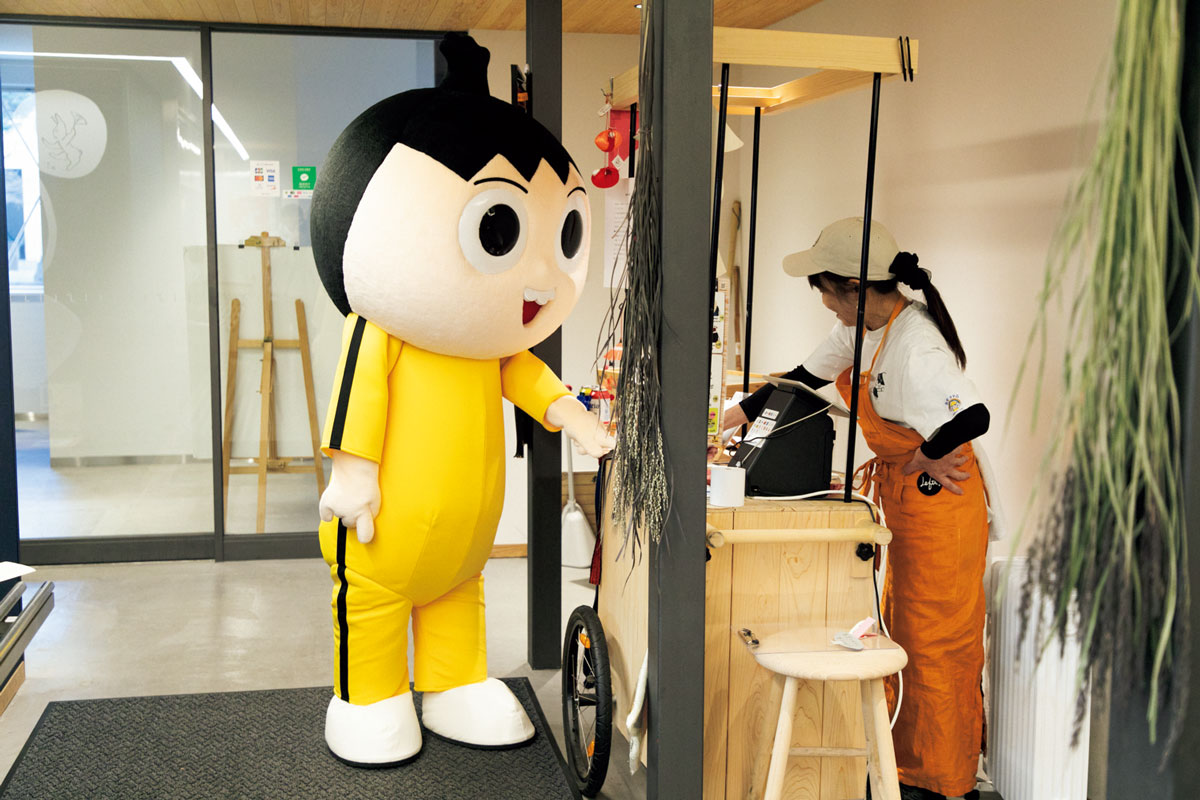
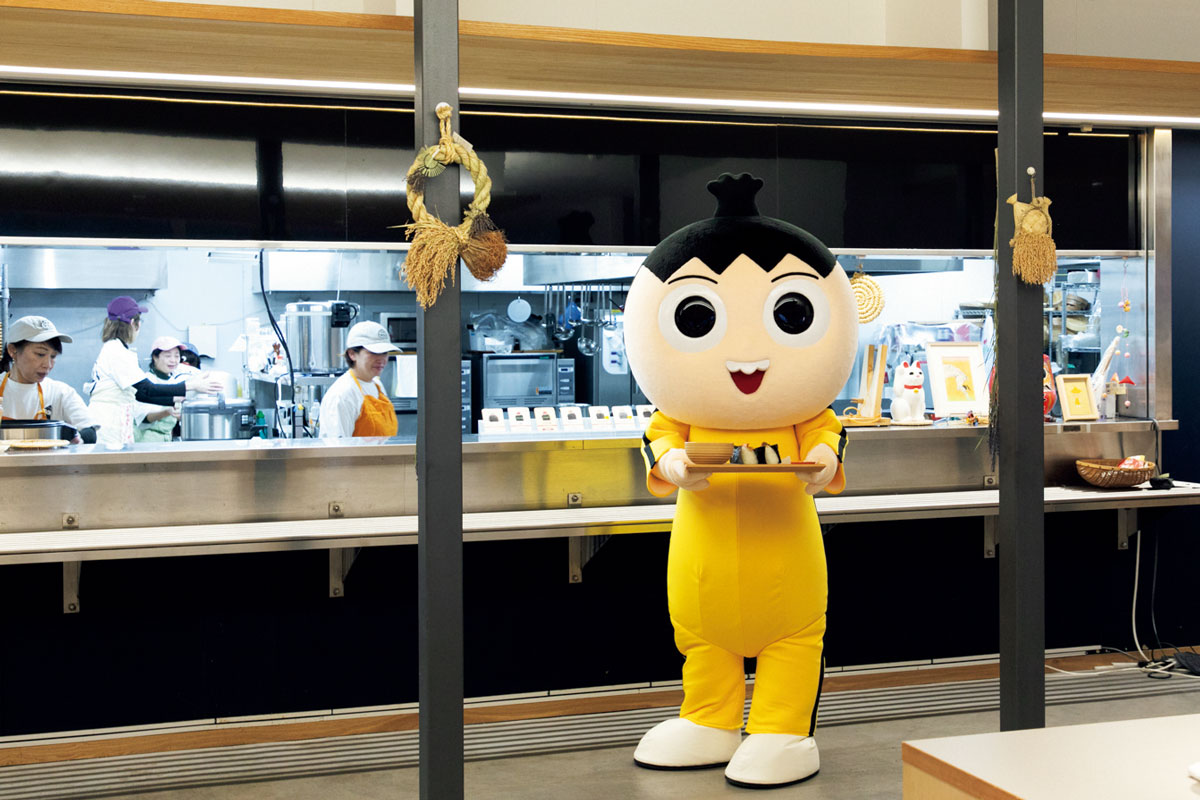
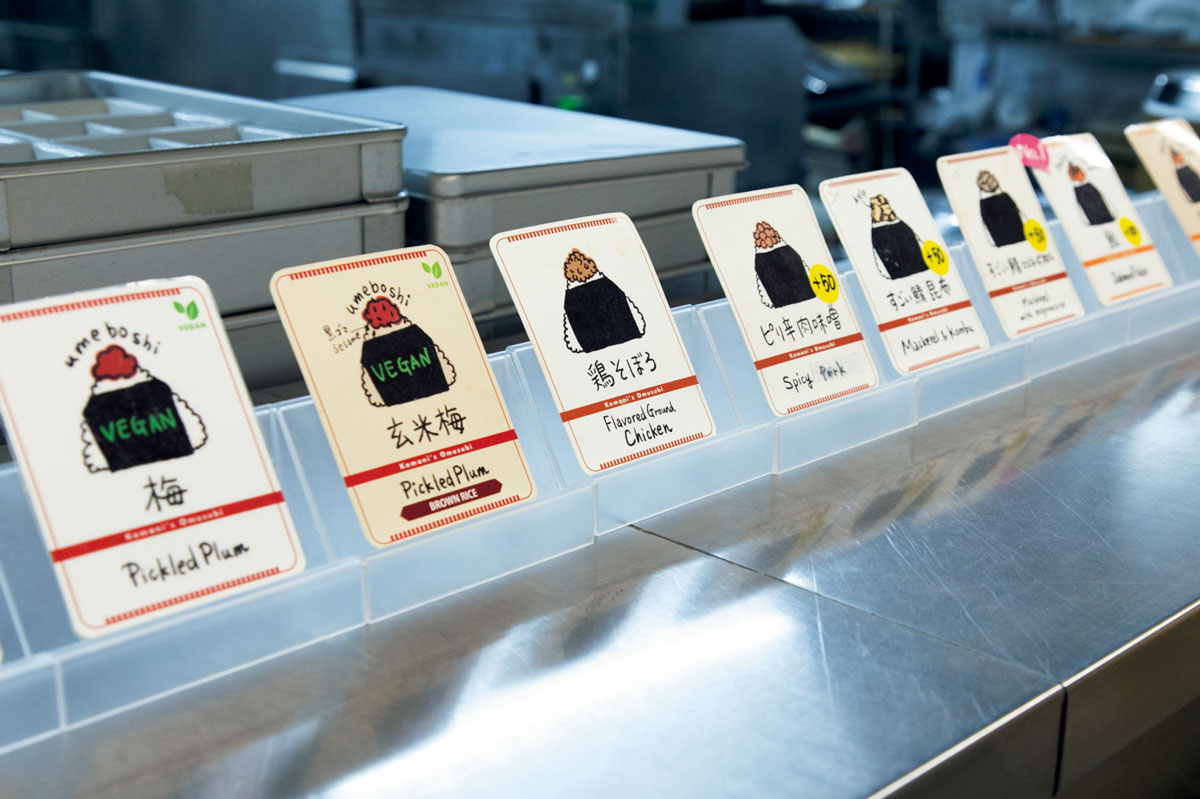
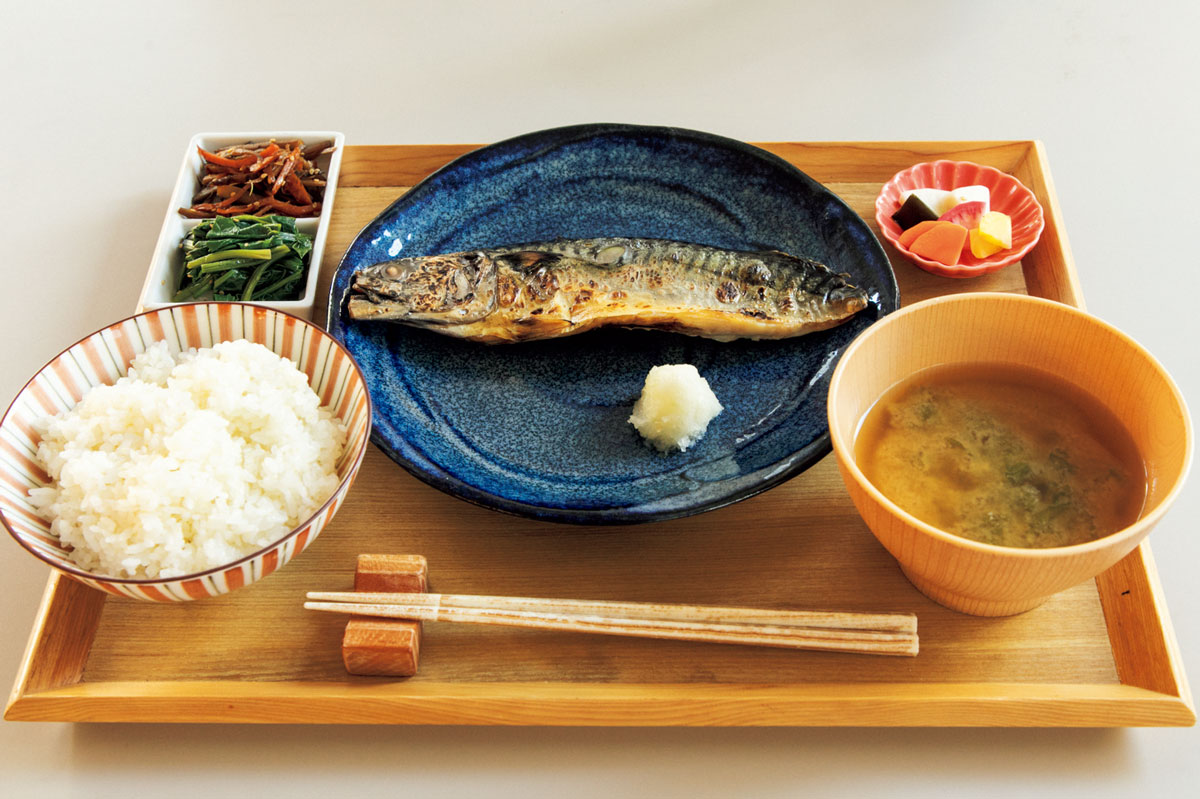
In 2022, the cafeteria Komani opened on the Komaba Research Campus (commonly known as Komani II). It was produced by Toshihiro Sato, who has worked on legendary nightclubs such as GOLD and Milk in Ebisu. With the aim of "serving the best of Japan," all vegetables used are organic, and the rice is organically grown and sun-dried. With its carefully crafted, homemade menu and open atmosphere, the cafeteria has attracted attention beyond the boundaries of a regular cafeteria.
However, it's not just about tasty food and a great atmosphere. The facility that houses this cafeteria is called the "Dining Lab" by the University of Tokyo's Institute of Industrial Science, and it collaborates with academia in ways that only a university cafeteria can, and holds daily programs that open up the future of food and beverages. One of these is the "Hashiyasume Mini Talk," where researchers from the University of Tokyo give presentations on the research they are currently working on, and anyone, whether they're a student or staff member, can enjoy a 15-minute academic talk over lunch.
Professor Tatsuma Toru spoke on the theme of "Transparency," saying, "In the distant future, we may be able to see through objects," while Professor Kawagoe Itaru spoke on the theme of "Nurturing," about "STEAM education," which is the cross-disciplinary study of various disciplines, with a focus on science and mathematics. The number of participants increased by word of mouth, from 10 to 20 people, and the event has now become an important link between the University of Tokyo and the local community.
There are also plenty of other events where you can learn and enjoy delicious food, such as a spring event where you can enjoy tofu dishes and rakugo by Katsura Nijo, and a lecture and dinner where you can taste wine and vegetables from the Yamagata and Kahoku regions.
Operations director Izumi Tamada is always exploring new possibilities.
"Our first priority is to serve food made with love and to convey Japanese food culture. We also hope to create a place where knowledge can be shared. In fact, it has become a place for interaction between professors, students, and local residents. I believe that a university cafeteria is a place where anyone can form an equal relationship. We hope that new interactions and ideas will be born through this place."