








“I’m on the move, so I’ll pull over and then we can talk,” the photographer says over the Zoom screen. With New York’s midwinter night sky as his backdrop, Roe Ethridge is smiling as he speaks from inside his car. He's a notable photographer whose work spans the art and fashion worlds. In the art world, he has successfully held a solo exhibition at Gagosian Gallery in New York, one of the largest gallery empires in the world, and his massive career-spanning photobook, "American Polychronic," published by MACK in the UK, has become a topic of conversation. In the fashion realm as well, he has made a strong impression through campaigns for Calvin Klein and Balenciaga.
Later this January, Ethridge will release a collection of his new works, "Rude in the Good Way," and a box set of reissues of his first three works, "In the Beginning," simultaneously through Loose Joints, a specialist photobook publisher based in London and Marseille.
Over Zoom, Ethridge continues to talk about photographs and America, wearing his trademark baseball cap. It is as if he were playing the role of a “friendly American photographer” in a television drama.
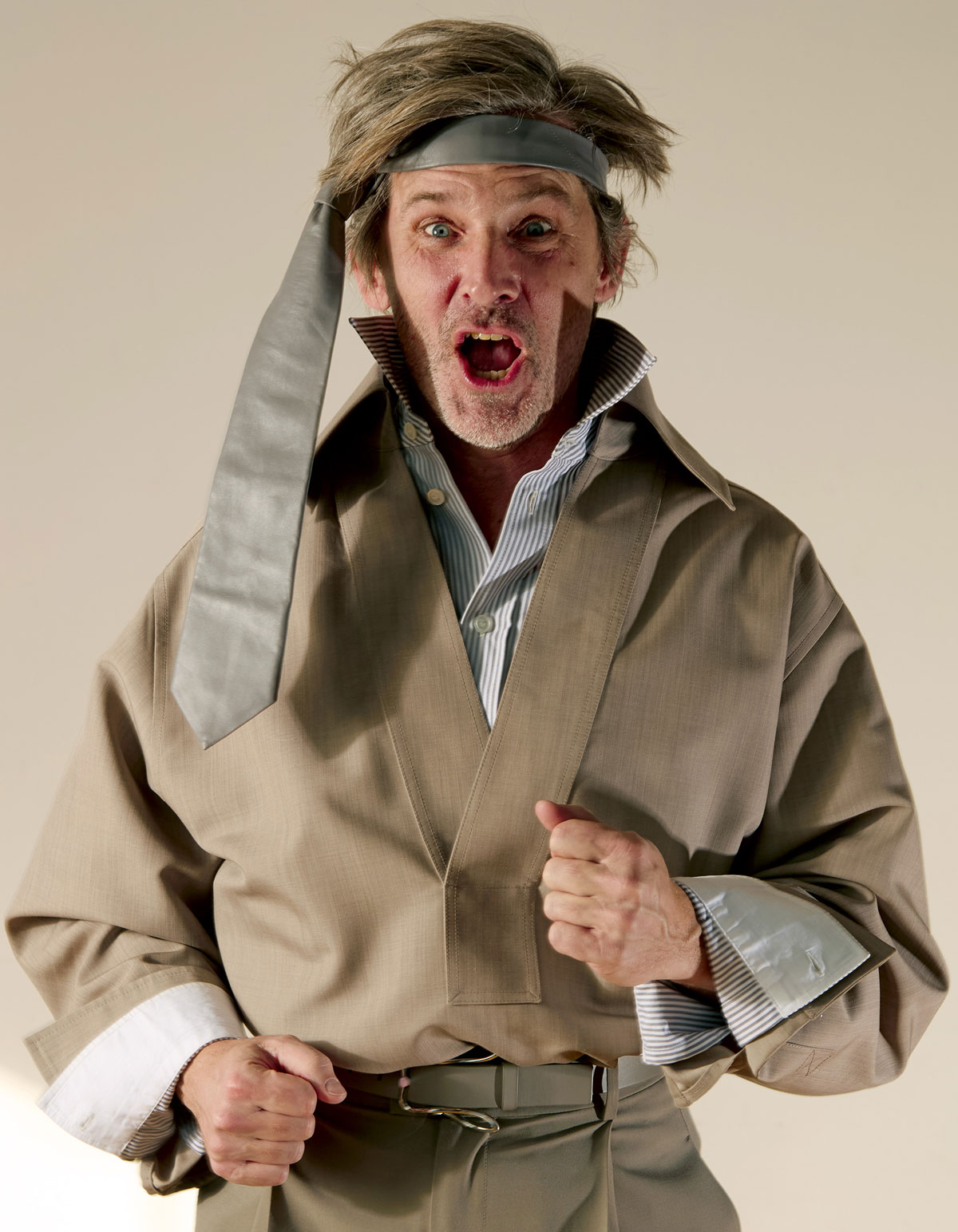
“I was around the smell of Nikon,” Ethridge recalls of his childhood. Influenced by his father, an amateur photographer, he grew up surrounded by camera equipment such as Nikon cameras, lots of Kodak film, and tripods. As a boy, the photographer he was particularly interested in, he says, was Lee Friedlander.
“I was sort of fixated on Lee Friedlander, the way his work looked, and I thought it was funny. I think humour was a big part of that appeal. But also, in the magazines of that time in the 70s and 80s there was always sexy advertising in the front, always pretty girls, so that didn’t hurt either.”
Ethridge says that while he had a vague interest in art during his high school years, he had no clear vision of his future; even so, one figure he was particularly interested in was Andy Warhol.
“I wanted to be an artist. Growing up in middle class suburban Southern America, catalogues, photo magazines; these ubiquitous, generic images were all around, and somehow Warhol and Friedlander made sense to me in that way. They were formal, iconic things but also dry humor.
Then when it got a little bit more serious, I was trying to do Friedlander-type pictures, the window, the car with the mirror, those kinds of things; but then I quickly discovered that what I wanted to do was more of an artist using photography like Robert Cumming (a conceptual artist who uses photography). Then I got really into the idea of it being like a documentary of conceptual things, deconstructed or dematerialized, just like using copies of a El Greco’s "Christ on the Cross" and put it on an old refrigerator door. The kinds of things that were like photography but not taking pictures as a sort of decisive moment. In a way I was avoiding the direct teachings of Cartier-Brenson; I was more interested in pop strategies and playing with them than with the decisive moment.”
Ethridge studied photography at Florida State University. “It became obvious that this is what I wanted to do, be an artist, a photographer. Then it got a little bit more serious.”
He then went on to the Atlanta College of Art. “There was a great library where I discovered German objective photography from the Becher School, like Thomas Ruff. Also, Jeff Wall and Gregory Crewdson, that kind of conceptual photography, synthesizing staged scenes into the tableau. Ron Jude was also teaching at Atlanta College of Art, and he became my mentor.”
As Ethridge studied photography as an art form, he came to have two role models. One was the aforementioned Andy Warhol, and the other was the photographer Irving Penn. Warhol loved parties, celebrities, and being in the spotlight, while Penn, centered on Vogue, elevated fashion photography to the level of art yet rarely appeared at parties or social gatherings. Why did Ethridge regard these two such diametrically opposed personalities as models?
“Both of them are very much in the public culture. It’s not that they don’t have anything personal, but it is about being involved in the world as a person, a persona, an artist. It’s not just ‘I quietly take pictures, leave me alone.’ There’s the romance around New York; in fact, my agent used to say that I was a punk-rock Irving Penn fan (laughs). Maybe that’s true.”
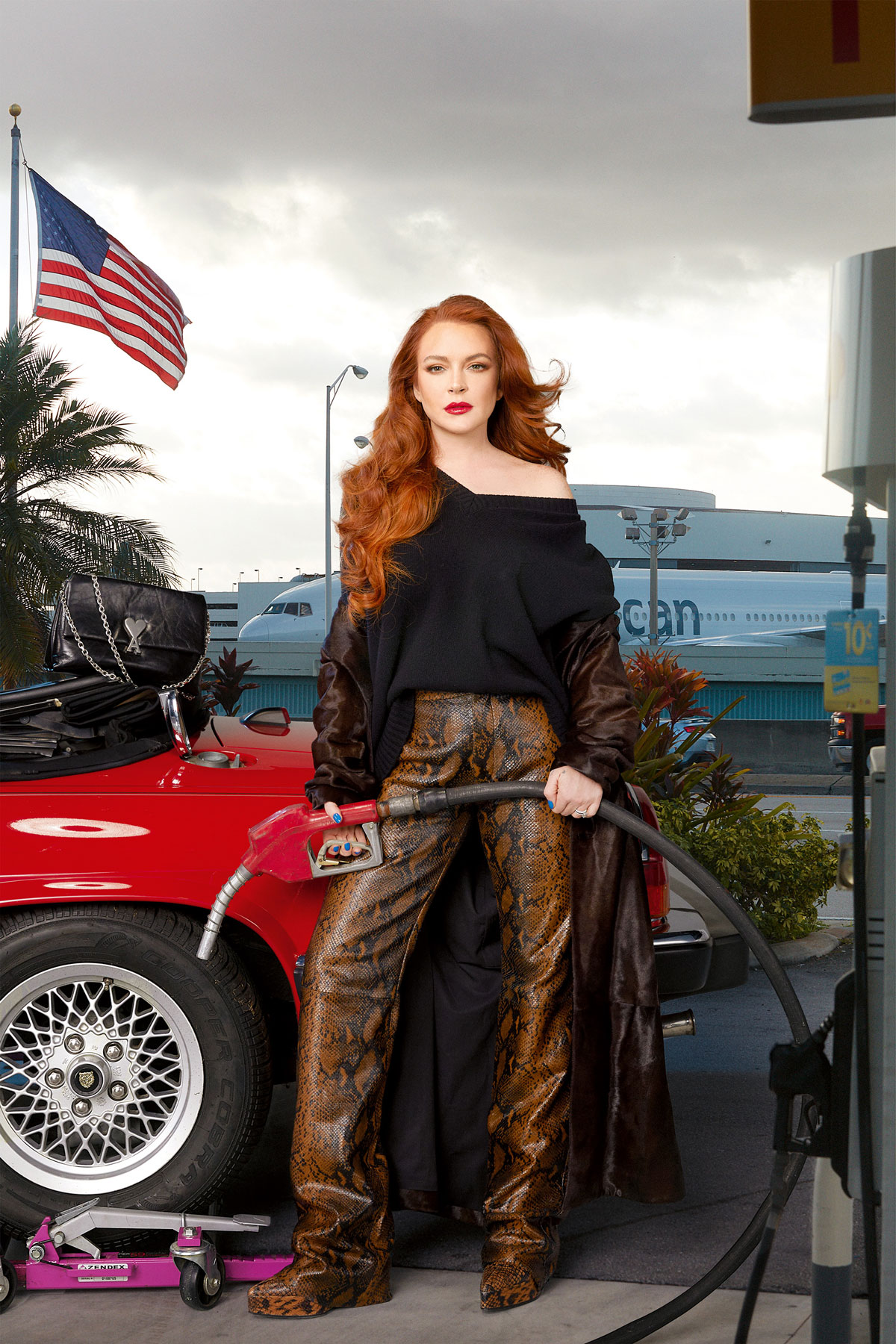
Ethridge has a playful approach to advertising imagery, manipulating stereotypical, “good old-fashioned American” ad-like depictions or using commercial images to add something of his own and present them as his own work. Much like the appropriation art of Richard Prince, who famously transformed Marlboro advertisements into art. On the other hand, he says he is also attracted to the grandeur of Alfred Stieglitz, who elevated photography to the realm of art. He tries to reconcile the seemingly contradictory ideas of this appropriation methodology and the vision of pure photographic art within his own work. What drives him toward this contradictory approach?
“It’s funny, I always thought it wasn’t fair, it wasn’t right that Richard Prince was getting away with it. It took me a minute so I could see it. Then I was like, ‘Oh right. This is how he makes a mess.’ It was something so far from Irving Penn, but it was still American stuff, it was symbolic, just the culture. Once you grasp it and see it within Warhol, there is something profound about making it sound like you’re someone else.
On the other hand, the Stieglitz thing, that’s sacred photography. He was so pragmatic, a proponent of pictorialism in the extreme, the most symbolist-looking. It was complete and utter imitation of popular paintings. And then we get Duchamp, that changed everything. I’m no photography historian, but that’s where I live, in the split between artists. I actually prefer Paul Outbridge, (American advertising photographer, born 1896 - died 1958, known for his kitsch style and many nudes) because while his work is in service of the commercial, it’s also formal and almost kitsch to the extreme.”
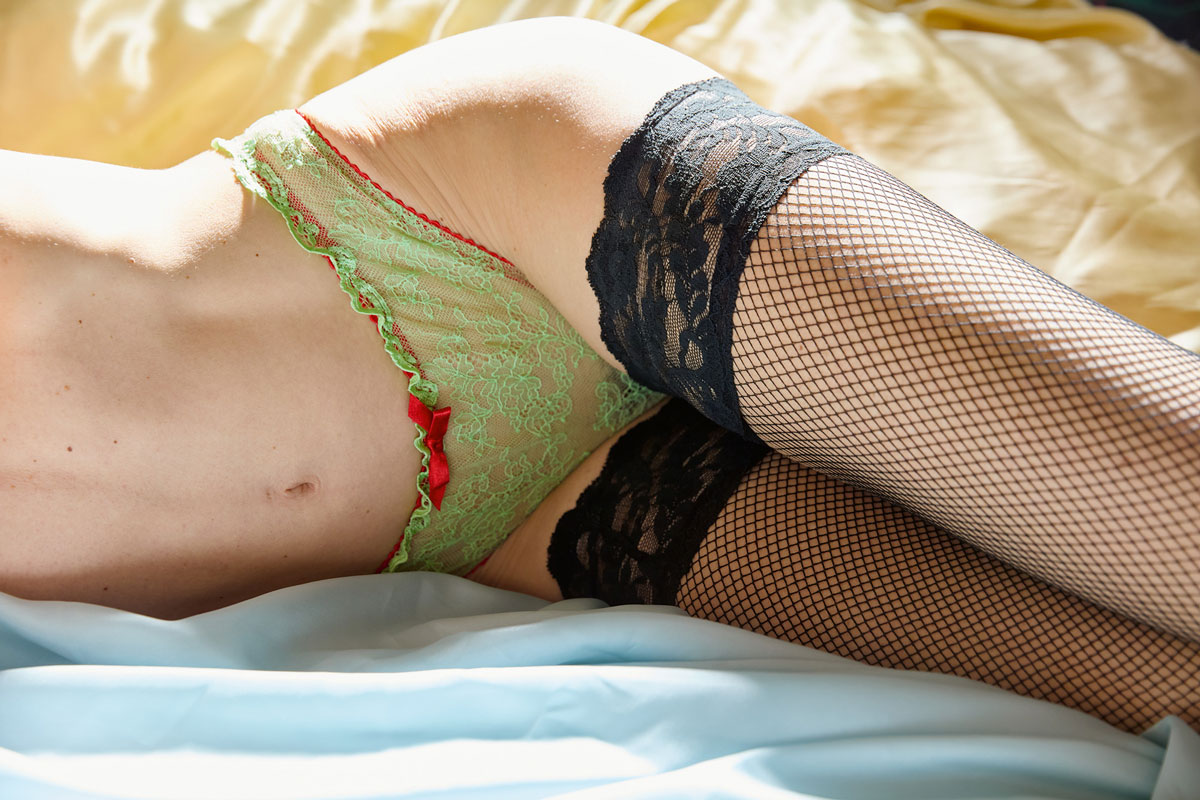
©Roe Ethridge 2026 courtesy Loose Joints 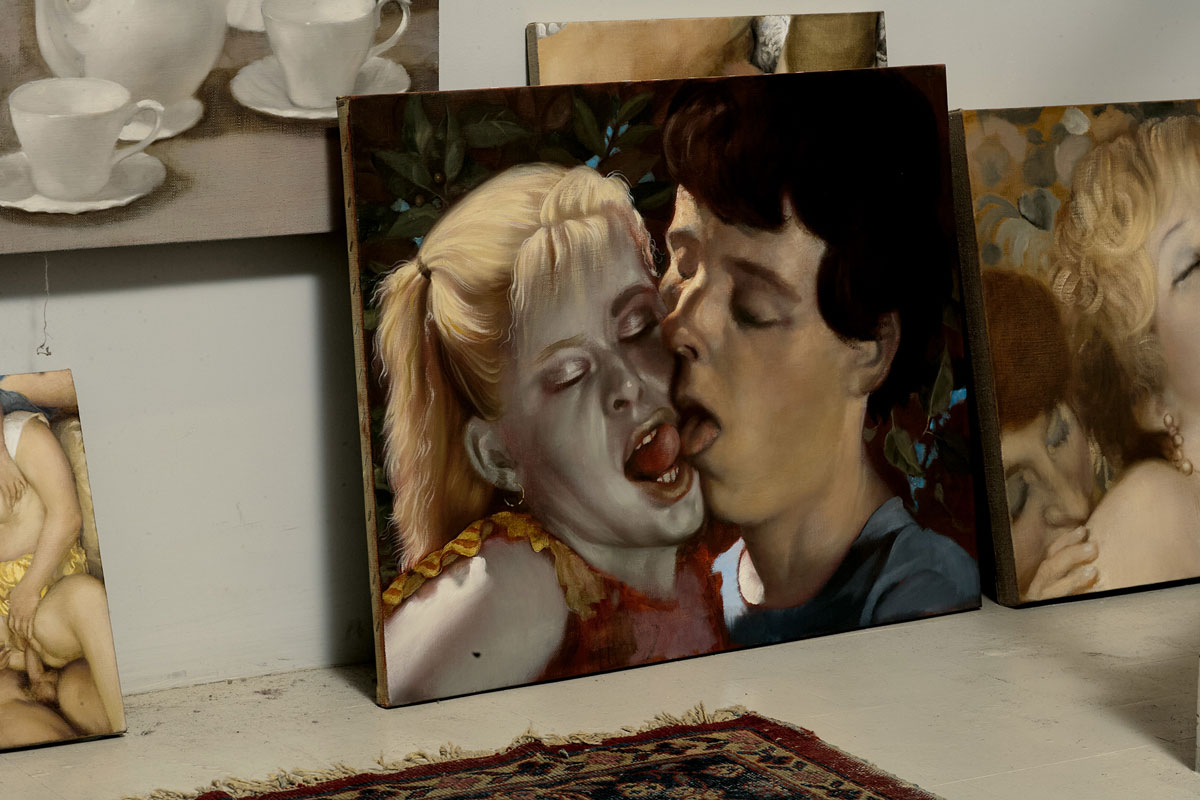
©Roe Ethridge 2026 courtesy Loose Joints
Ethridge's photographs are extremely bright compared to so-called art-oriented photographs. In fact, they are almost eerie bright, as if he is trying to inherit the unnatural euphoria of Outerbridge's advertising photographs, with their characters grinning excessively.
“I never thought of it like that, but it’s interesting, it makes sense. Maybe it’s a Christian thing since my parents were very religious people, so there’s iconography that as a protestant child I didn’t get to enjoy. Advertising became my church, my Jesus pictures. Growing up in a southern Christian household there was this cliché of ‘We are a happy family’. But when you see this happiness, it doesn’t only symbolize happiness, it alerts you that there is darkness as well, a sort of mania.”
There’s a distinctly American eeriness that comes through strongly in Ethridge’s photographs. But he also manages to inject some humour into them.
“That’s kind of what I’m doing. Like having a friend that takes themselves so seriously that you just want to make them laugh. It’s not always humorous, but I do like irony and funny things. I’m a slacker, I’m Gen X, I was born to be this way. Like, I love ‘My Bloody Valentine’, they are so unserious, the loudest but the most beautiful. They have the greatest pop songs, but they fail at performing them. I think it’s part of our generational thinking.”
Although Ethridge continues to produce American images, many of his photo books have been published by European publishers, suggesting that he is more highly regarded in Europe.
“Commercially, that’s very true. I think American companies are more uptight and scared, so my works make more sense in the European market. But New York has been very good to me, commercially and for sales. It’s a weird time too, the American and European perspectives are different, maybe they can see the irony and the multiple tones. I want my work to be more than an ironic disposition, not simply ‘Oh, that’s stupid’ or making fun of it. I have no heritage more than generic Americanness to me. I’m someone from the south that grew up middle-class. That’s my identity and there’s something about it that feels ok to make fun of. I’m making fun of myself.”
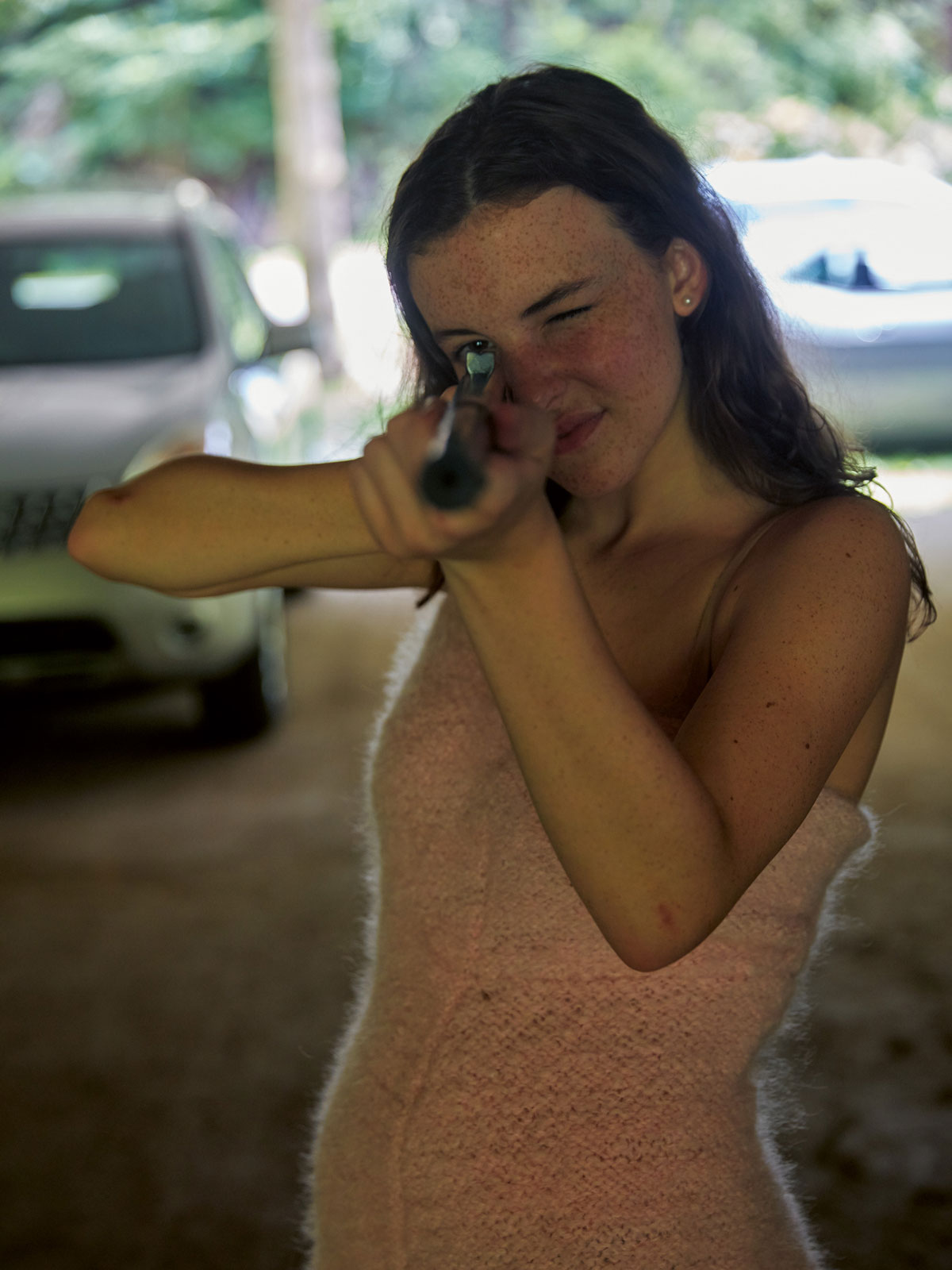
©Roe Ethridge 2026 courtesy Loose Joints 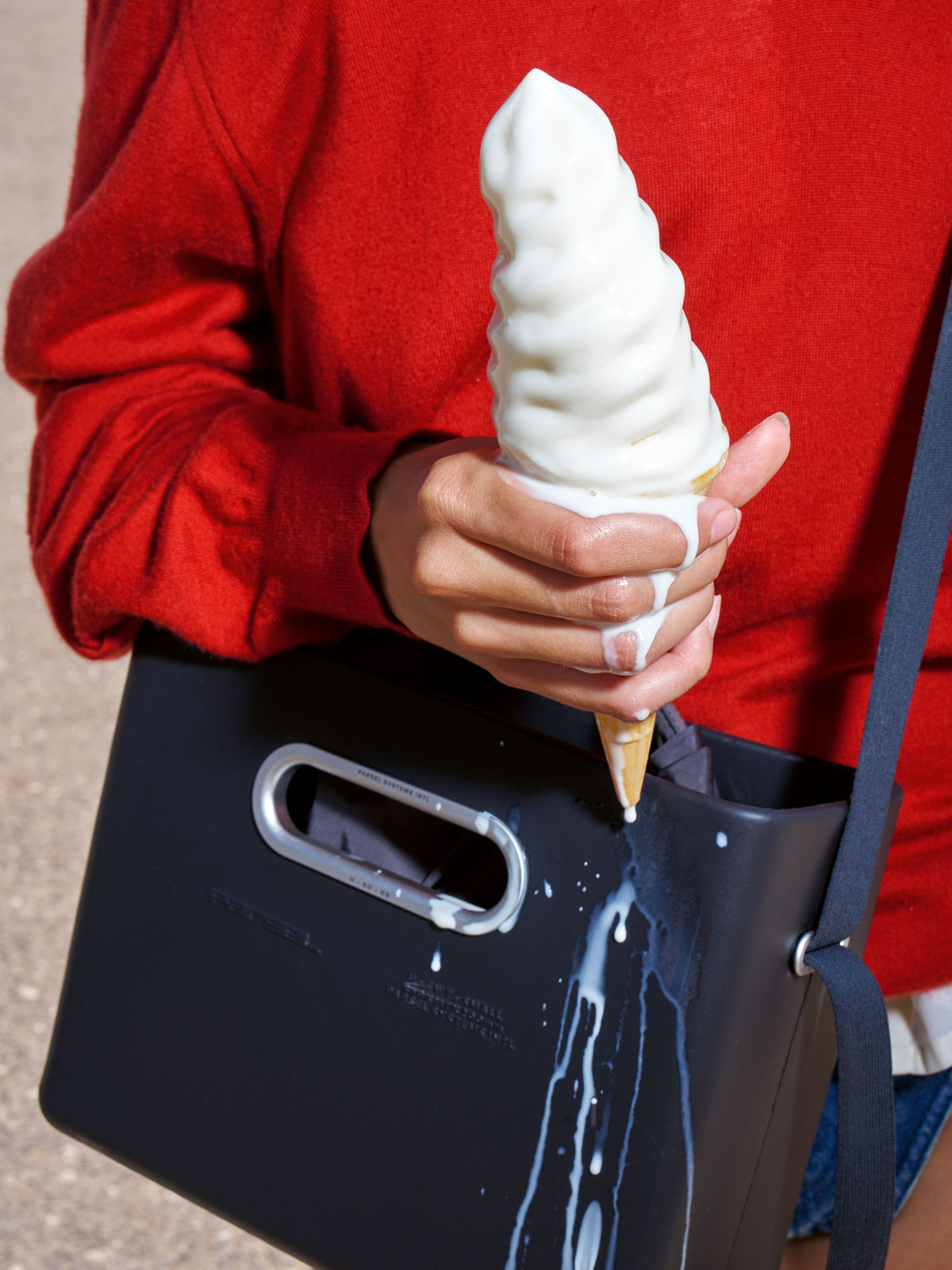
©Roe Ethridge 2026 courtesy Loose Joints 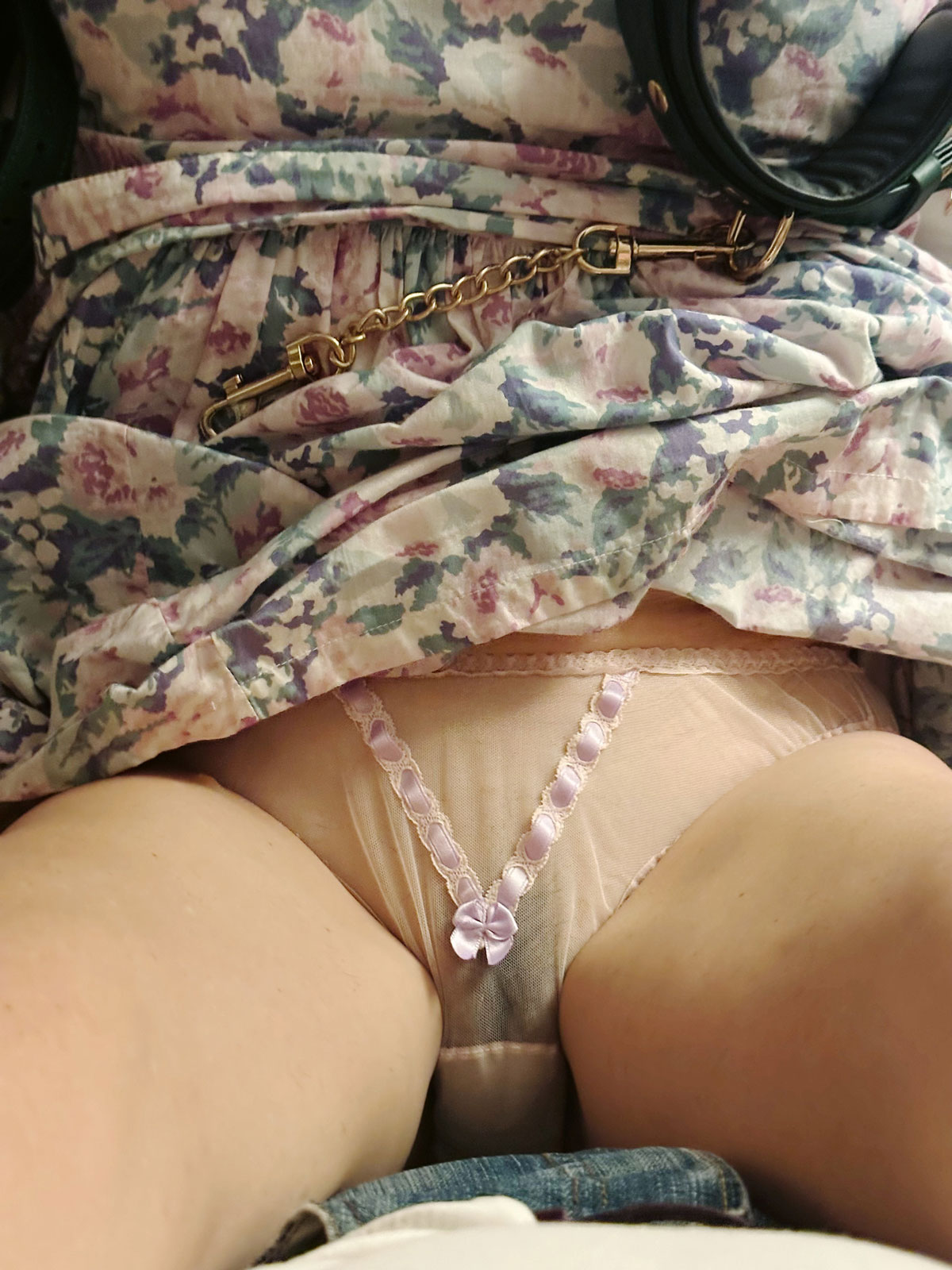
©Roe Ethridge 2026 courtesy Loose Joints
Sarah Chaplin Espenon of Loose Joints, who edited the photo book ‘The Rude in the Good Way’, due for release in January, explains the book's core theme.
"From an editorial standpoint, the central question in 'Rude~' was: How does desire function in images? This includes commercial desire and aspirational lifestyles projected through advertising, fashion, and glamour, as well as erotic and sexual desire, which often creeps into Ethridge's work obliquely, accompanied by humor and lightheartedness. Throughout the book these questions are raised consistently: “What is considered ‘rude,’ and what is not?” and “Who gets to decide that?” In 'Rude~', Ethridge remains firmly focused on the origins of his practice, yet fuses it with broader themes of sexuality, masculinity, power, and his own place in the world as a photographer."
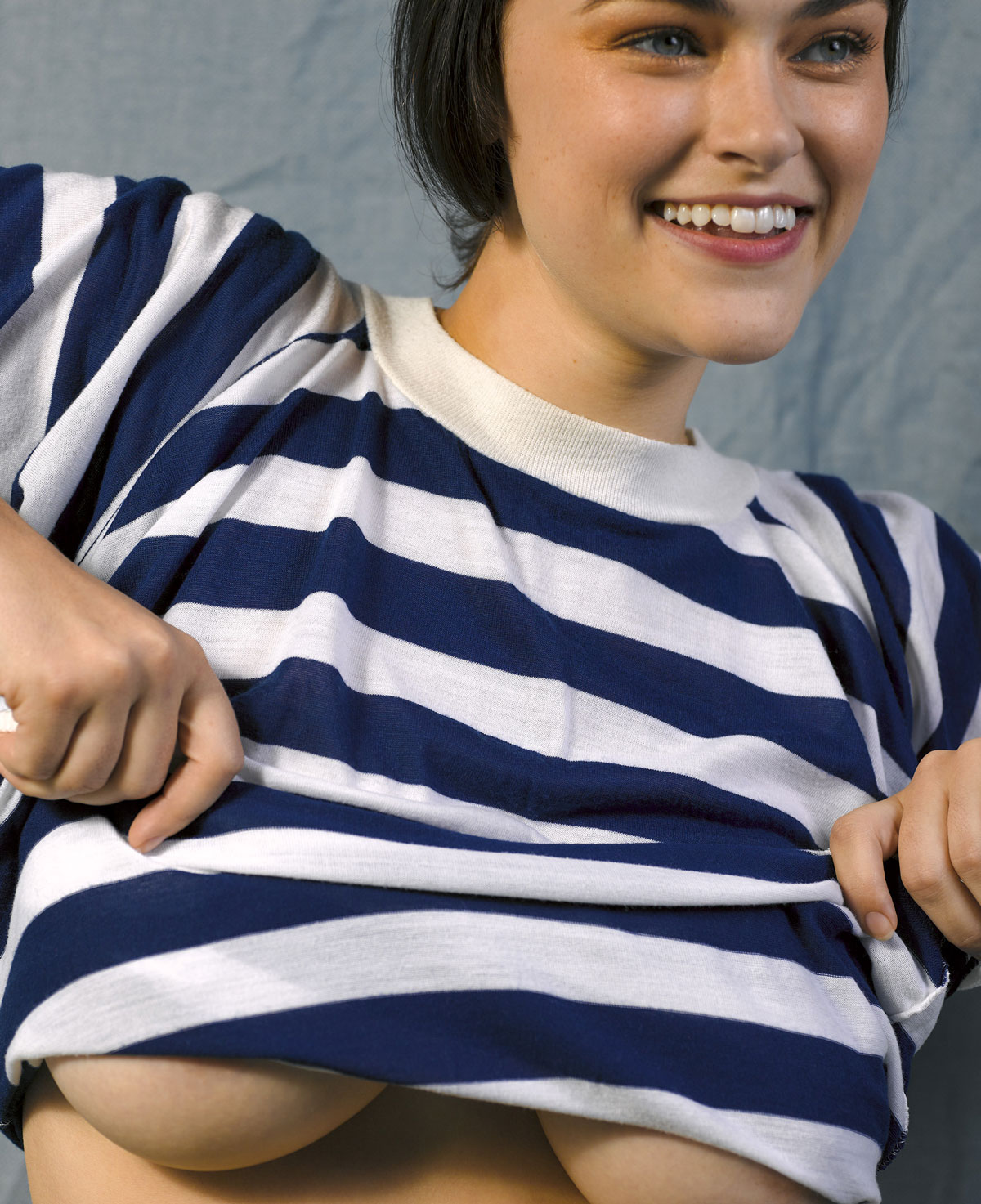
Balancing commercial photography and art photography is a goal many photographers aspire to, yet very few manage to achieve it successfully. However, Ethridge is on the verge of achieving this. What, then, is the secret to his success?
“It took some time to figure it out. I came into it not through advertising but through art, the reverse or Warhol, who was making advertising drawings and then art on the side. One time, some pictures from a session were so much better than my art ideas, I couldn’t just let it sit in a box, it had to be out in the world. I realized, that’s why I’m here in New York, I need to use these two tracks of the commercial and the art and have them go at each other.
I had a lot of success in my first shows with Gagosian in 2006 and 2008. My life was richer with both, so if the galleries have a problem with it, fuck them. This is how I’m going to do it. Now the brands want me to shoot something that looks like art that used to look like an ad for another brand.”
One example of this happy marriage between Ethridge and a brand is Balenciaga’s Summer 2025 campaign.
“I wanted to shoot this in front of an LED screen, like some Hollywood movies with a background, and we had a soundstage with it in Paris. It was so much fun, but it’s hard work and you get exhausted, but I’m fortunate to get to use tools like that. As an artist, I don’t think I could ever afford to rent that studio. I love how it turned out, ‘Is this conceptual art? Is it an ad?’ It has a sort of enigma to it.”
Editor Sarah Chaplin Espenon also speaks on Ethridge’s unique stance.
"Ethridge has carved out a unique path that defies the distinction between what are often considered the 'higher' and 'lower' elements of a photographic career. By continuing to present commercial photography as something that can be understood as art, Ethridge has quietly but surely reclaimed his own practice over the decades. His position has had a profound influence on contemporary photographers in considering the question, ‘What kinds of practice are possible today?’ A photographer’s career doesn’t need to be linear or divided by genre; it can be plural and fluid, and Ethridge has demonstrated this idea not through theory, but through practice. What’s striking is the conviction that these images convey. Unpretentious, sincere, and surprisingly straightforward. Rather than evolving by abandoning past positions, his practice seems continually renewed by returning again and again to the same questions, allowing their meaning to shift and change over time.”
Appearing like advertising yet not quite, resembling art yet not entirely. Bright, yet somehow unsettling. Ethridge’s photographs continually impart a certain eeriness to the viewer.
“I think that’s true. It’s something that photography has done in many ways over the years. Even the photographs taken by William Eggleston make you feel like, ‘What’s happening?’, even if they are almost always banal. He [the subject] was just standing there, sitting there. But the way he captures it makes it have an unknown quality. You think about Eugène Atget, Friedlander or Diane Arbus, photography can do this really well. With David Lynch, film director, photographically it doesn’t come across from him, but there are this tension, excitement, pleasure and pain located in an emotional unknown. It’s appealing how he makes American flatness and stupidity feel mysterious.”
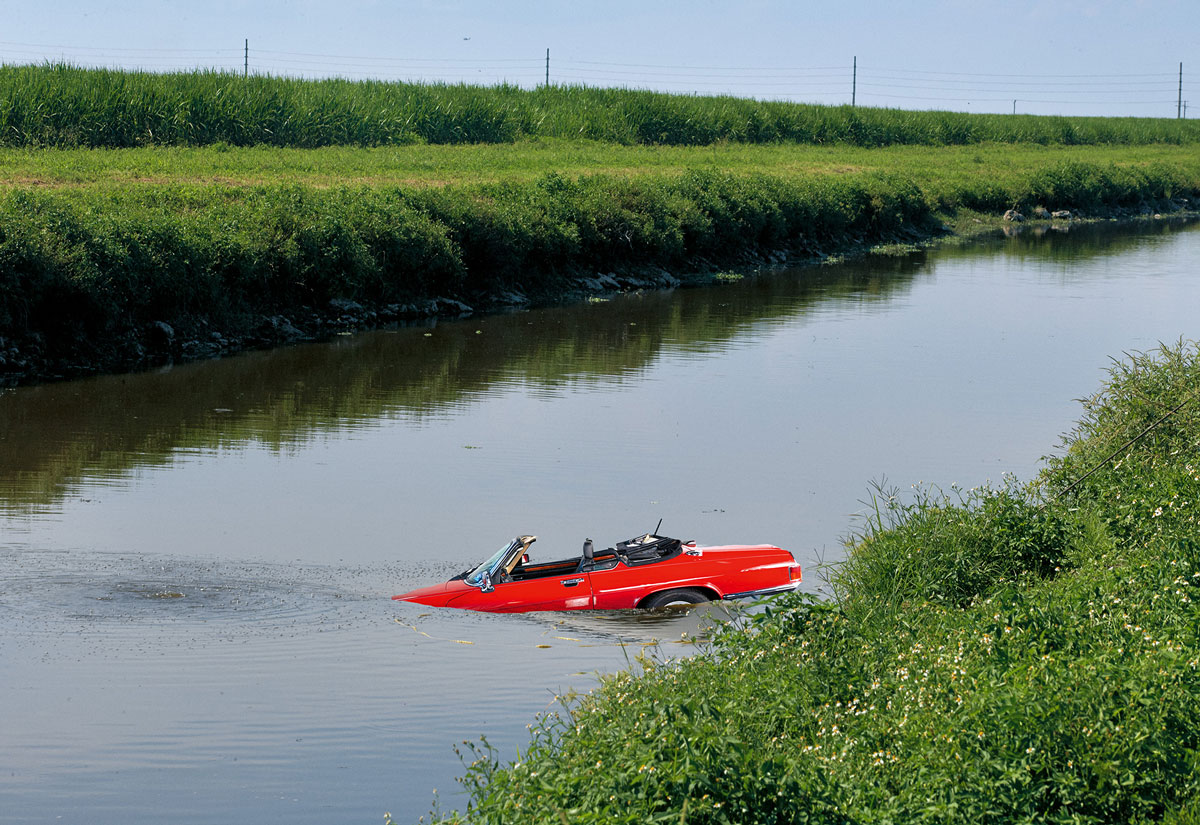
This year, beginning with the release of this photobook and continuing with planned exhibitions and other projects, Ethridge is expanding his range while maintaining a strong consistency across both advertising and art, but what direction does he plan to take in the future?
“I’m glad you say there is some consistency. Sometimes I’m not sure. Yesterday I was talking to somebody about Steven Meisel. He was an influence too. His uncanny was ‘Who is he?’, because he always does something different, a different style. The pastiche moved around so fast that you could never figure out what was what. That really influenced my thinking of what photography can do. When I met Philip-Lorca diCorcia, I asked, ‘What’s the secret PL? Tell me, what am I supposed to do?’, and he said, ‘Well, I think you need to find your voice, you have to use it.’ It’s basic, but I do have voices. Not only one voice, but many. I thought, ‘I guess that’s fine, I can use many. That’ll be who I am.’ Not schizophrenic, but like a comedian doing impersonations. It’s your own voice, but it’s imitating other voices.”
“I have a couple of other things that are Tokyo related,” says Ethridge. He says he can't officially announce it yet, but he's planning a photo exhibition in Tokyo at the end of February. He's also planning a two-person exhibition with Nobuyoshi Araki at a gallery in New York.
“I feel like Araki has been on my mind while we’re taking these [erotic] pictures. I’m not crazy like that, I’m so tame.”
In fact, this interview took place the day after the U.S. military attacked Venezuela. As the Trump administration expanded its imperialist actions, I asked Ethridge, whose work is centred on distinctly American subjects, just how significant the idea of America is to him, and how he intends to engage with the country in its current state.
“It’s complicated. I think I am patriotic, but in a very ‘liberal democracy’ politic, not this Trump bullshit. There is a lot of Trump-like thinking in the place that I came from, so we had to push against this. That’s kind of an American resistance of its own, we don’t have a king, we don’t have royalty. Our royalty are movie stars and singers and sports figures. Not politicians. It’s not supposed to be. There’s a conflicted identity there.
My environment has informed me so much, as much as my decision to pursue something artistic. I love Matisse because of the pattern, but where I grew up it’s a sort of tacky, optically confusing pattern. I’m just a suburban American person. There’s an ordinariness to it that I like but also hate. Celebration and self-loathing.”