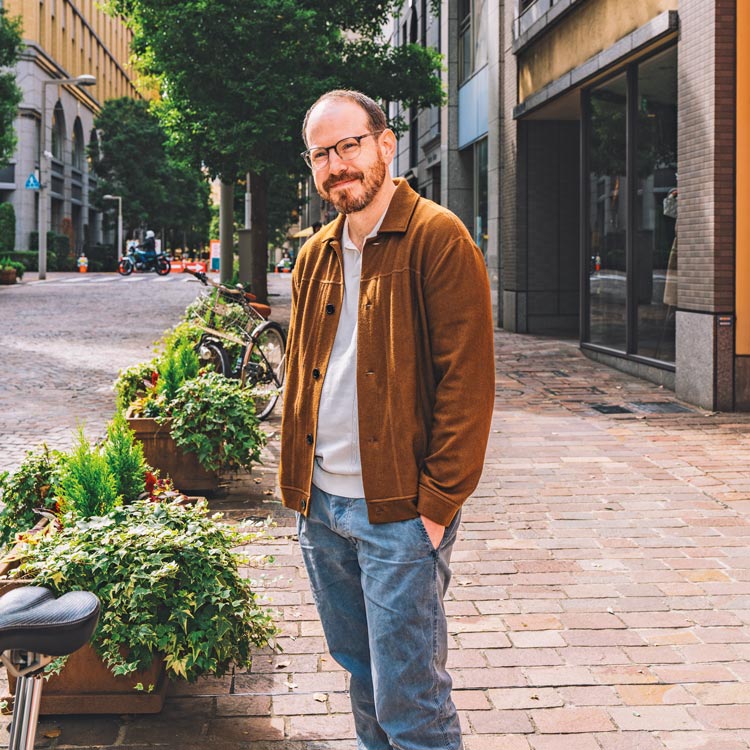











Capturing time and space creates a unique beauty in film
Has there ever been a more poetic and profound baseball movie? Carson Lund's feature-length directorial debut, "Slowball," is fundamentally different from any other baseball movie that has come before.
The final day of a local baseball stadium scheduled for demolition. As if reluctant to say goodbye, the members of the amateur baseball team continue playing games into the dark... This is a baseball film with a completely new perspective, depicting the beauty of something that is being lost.
"This can be said of American baseball movies in general, but the main focus is the story, and baseball is merely a backdrop. I think they lack the rhythm and nuance that baseball is known for. The slow pace of a baseball game is connected to its poetic richness, and the ballpark is a social and cultural space where you can come into contact with a variety of people.
I wanted to portray in this film the value that baseball offers. But in today's rapidly changing times, such luxurious time and space are being lost, aren't they?
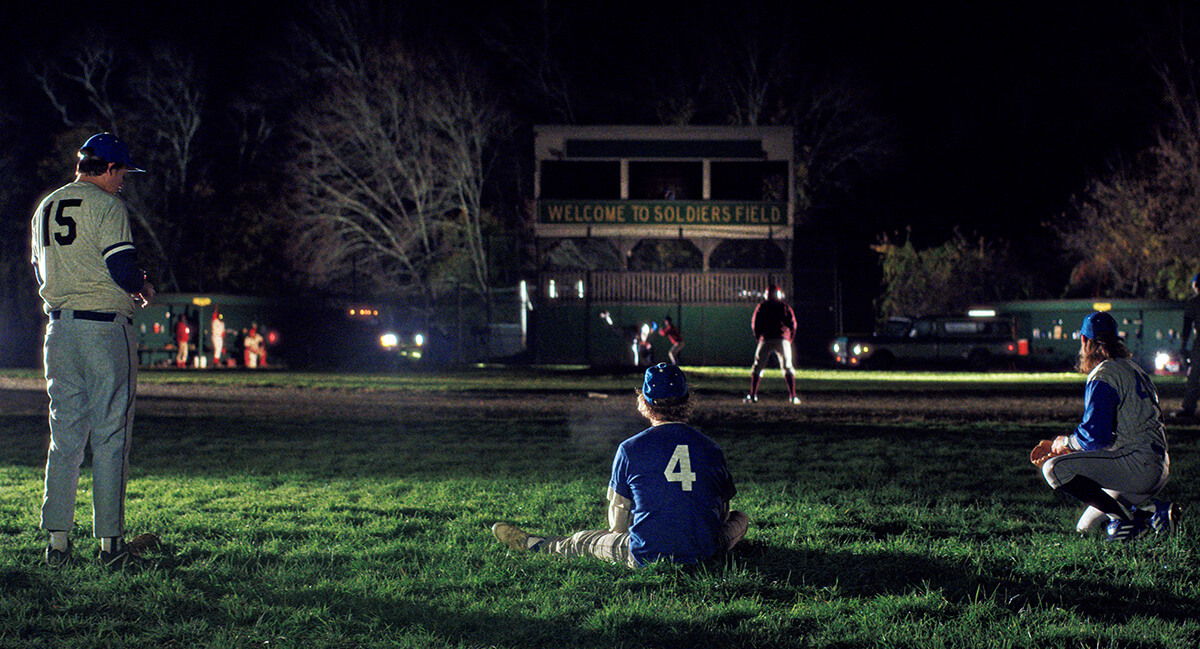
According to him, the beauty of film lies in its ability to record and preserve time and space.
"Of course, movies have a storytelling aspect, but I think what's important is something more sensory. In the case of filmmaker James Benning, his works almost never have a story; they simply capture time and space through light and sound. I think that's the unique beauty of film.
It's especially important for a film to allow the viewer to experience time itself. When I watch a film with a lot of dialogue and a complex storyline, I feel like I'm lost. I'm drawn to films where time flows and space expands."
Depicting the everyday lives of ordinary people. That is the appeal of Japanese films.
He is based in Los Angeles and works with the film production collective Omnes Films, which has attracted attention for its originality. He also writes as a film writer. He has a deep knowledge of Japanese films, and although he said, "It's difficult because there are so many beautiful Japanese films," he listed a few works.
"In 2014, I saw the complete works of Kenji Mizoguchi at the Harvard Film Archive, and it had such an impact on me that it completely changed the way I watched movies. My favorite was probably 'Oyu-sama.' Of course, I also love Yasujiro Ozu and Mikio Naruse, and Ozu's 'The Tale of Floating Weeds' and Naruse's 'Show' are particularly wonderful.
While American films have traditionally depicted heroism, classic Japanese films tend to depict the everyday lives of ordinary people, away from the spotlight. I think that's what's fascinating about them.

A recent film that made a big impression on me was "The Tale of Iya: The People in the Deep Mountains." It depicts the daily lives of people living deep in the mountains, and the scenery changes with the seasons, making it truly beautiful. I think "The Namibian Desert" is also a film that continues the tradition of Japanese films that depict the lives of ordinary people."
Ultimately, he says.
"A great film expresses what the filmmaker considers beautiful. Perhaps the criterion for judging a film is whether it expresses the filmmaker's aesthetic sense."

Director Carson Rand's thoughts on beautiful Japanese films
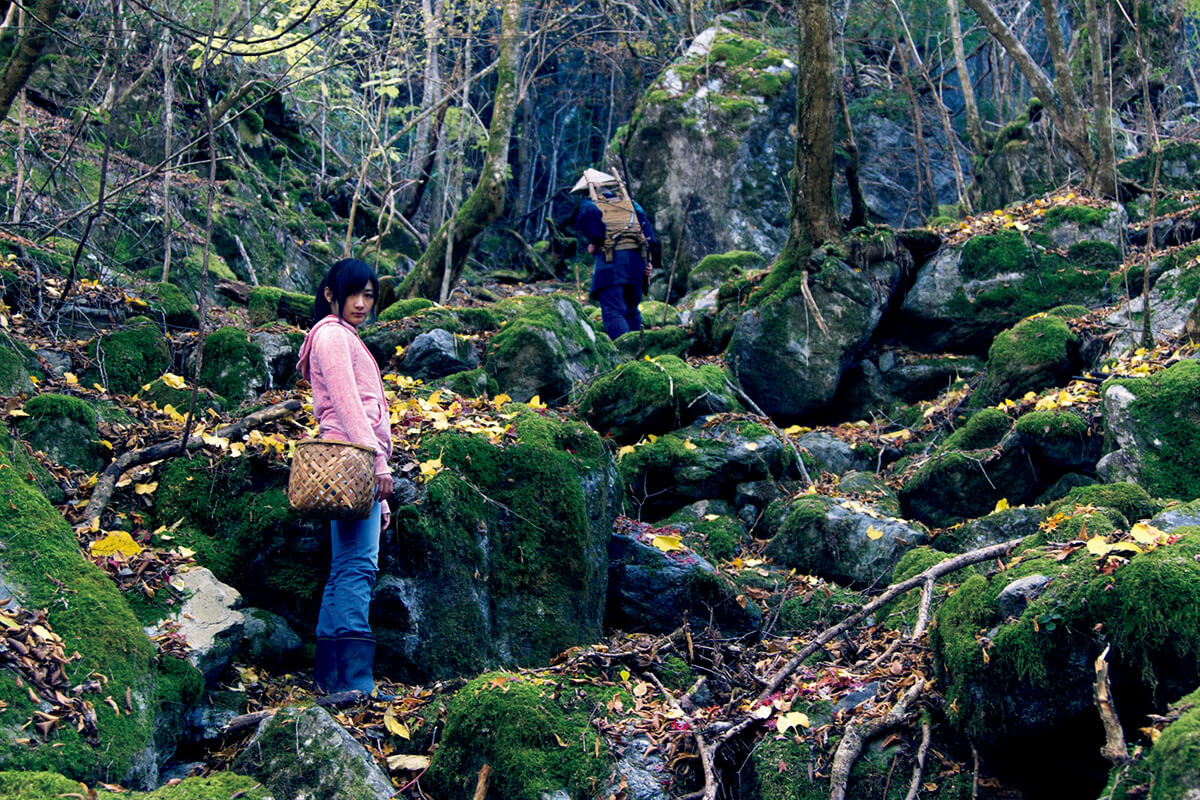
A young man who comes from Tokyo to a mountain village encounters girls living deep in the mountains... This story depicts the changing lives of people in Iya, a secluded area of Tokushima Prefecture. It took three years to complete, and the entire film was shot on 35mm film, capturing the beautiful nature of the four seasons. ©NIKONIKOFILM