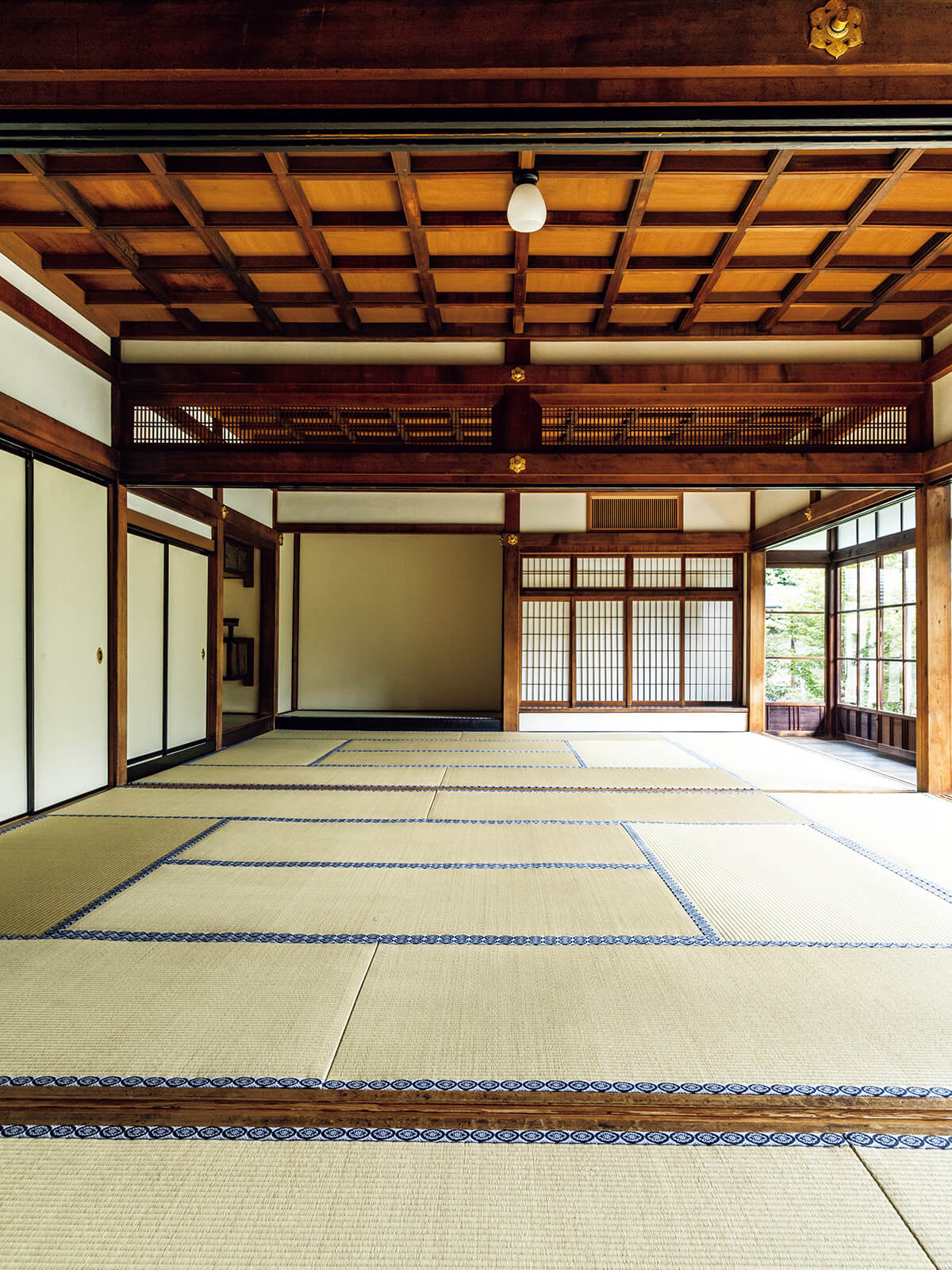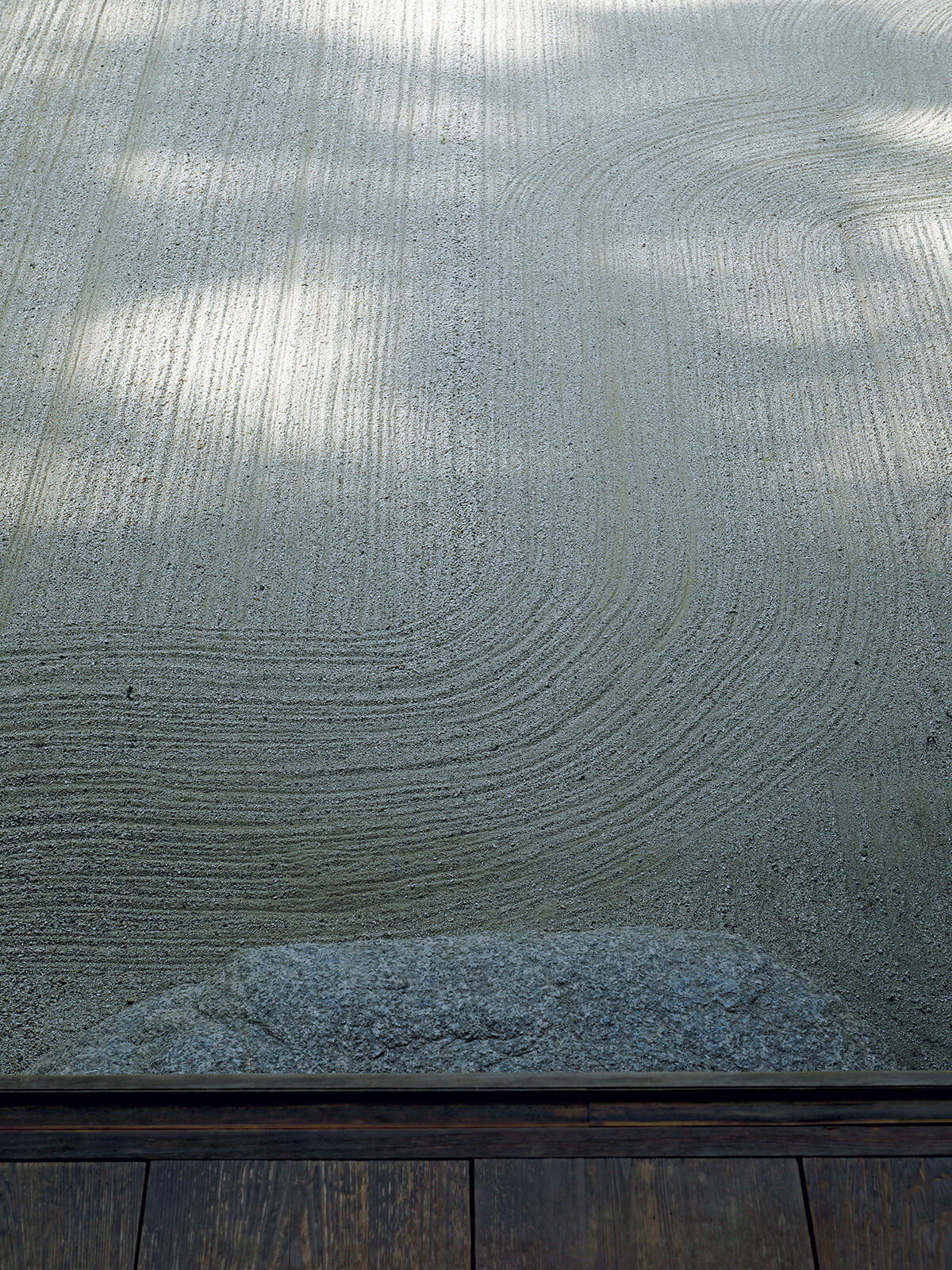









By letting go of the "extra," you can see the space.
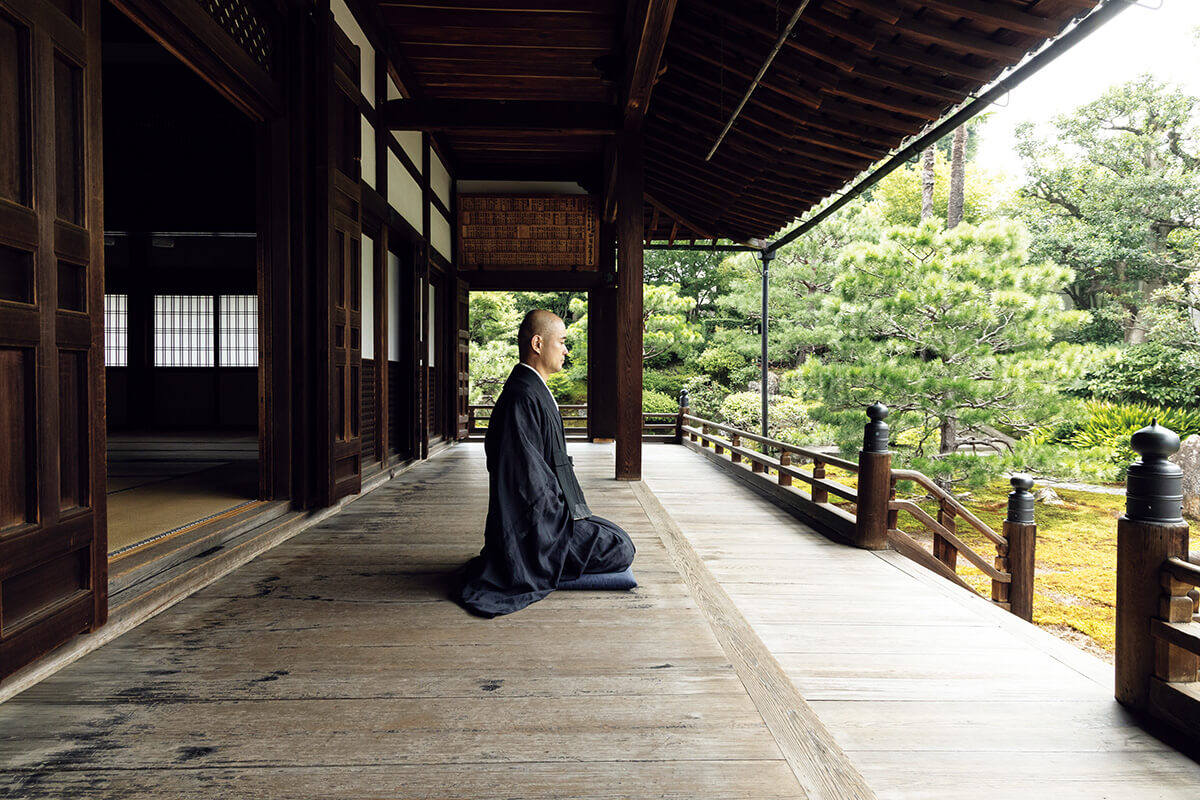
"Yohaku literally means 'extra space.' We are so focused on efficiently filling up spare time and space that it becomes difficult to see the extra space we already have," says Ito Toryo, deputy chief priest of Ryosokuin Temple, which teaches Zen philosophy through a variety of approaches, including zazen experiences and walking meditation.
"Once you identify what you truly need, you'll notice the excess that's obscuring your free space. By letting go of or exchanging that excess, you'll be able to see the free space."

For example, Zen meditation is a time to let go of attachment to oneself and step away from the game of searching for a "good life" that someone else has created. If you notice the space within your mind, you can reconnect with your true self, who is nothing at all.
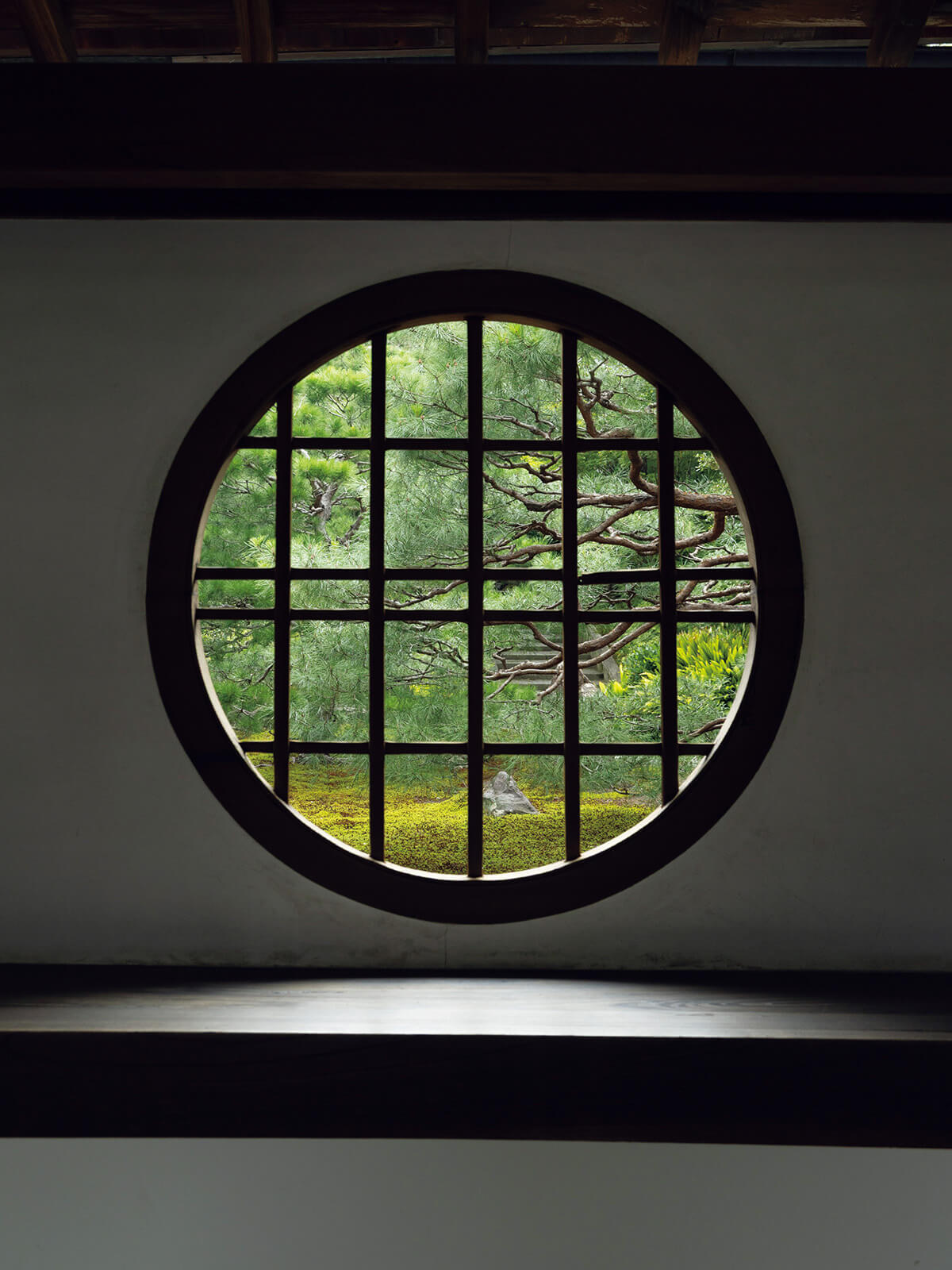
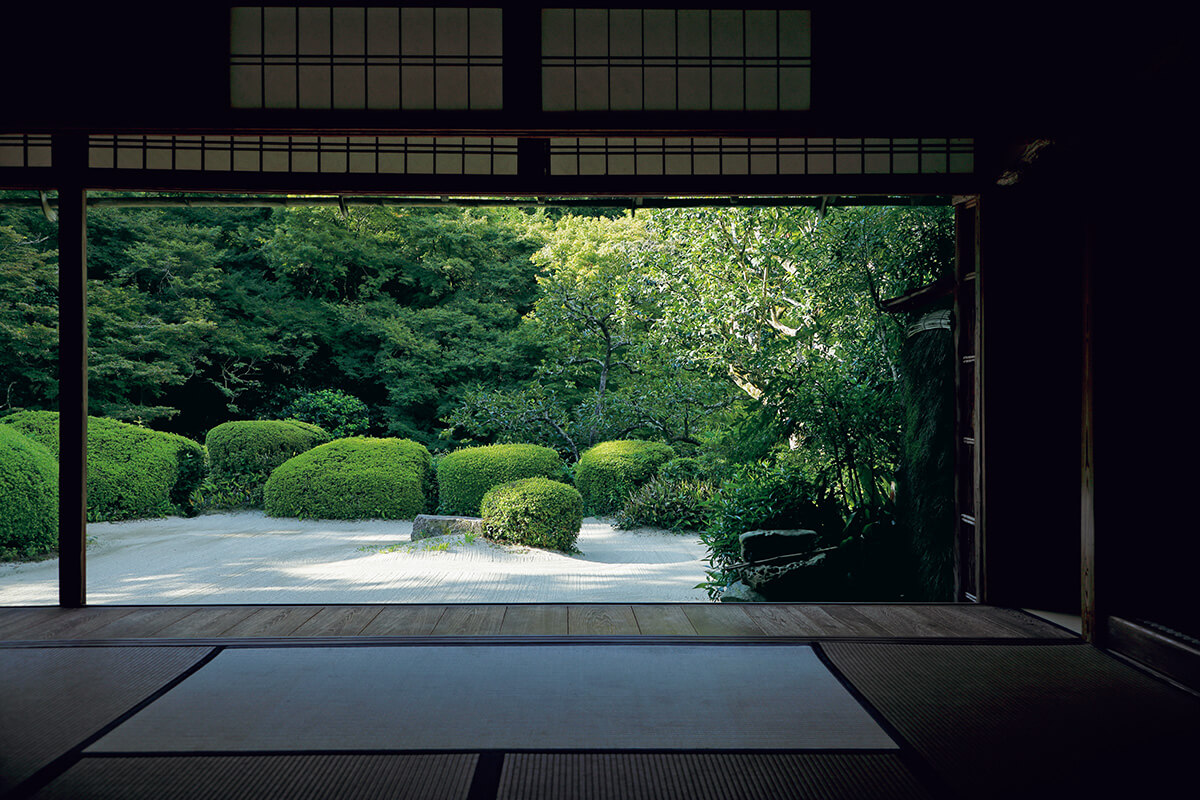
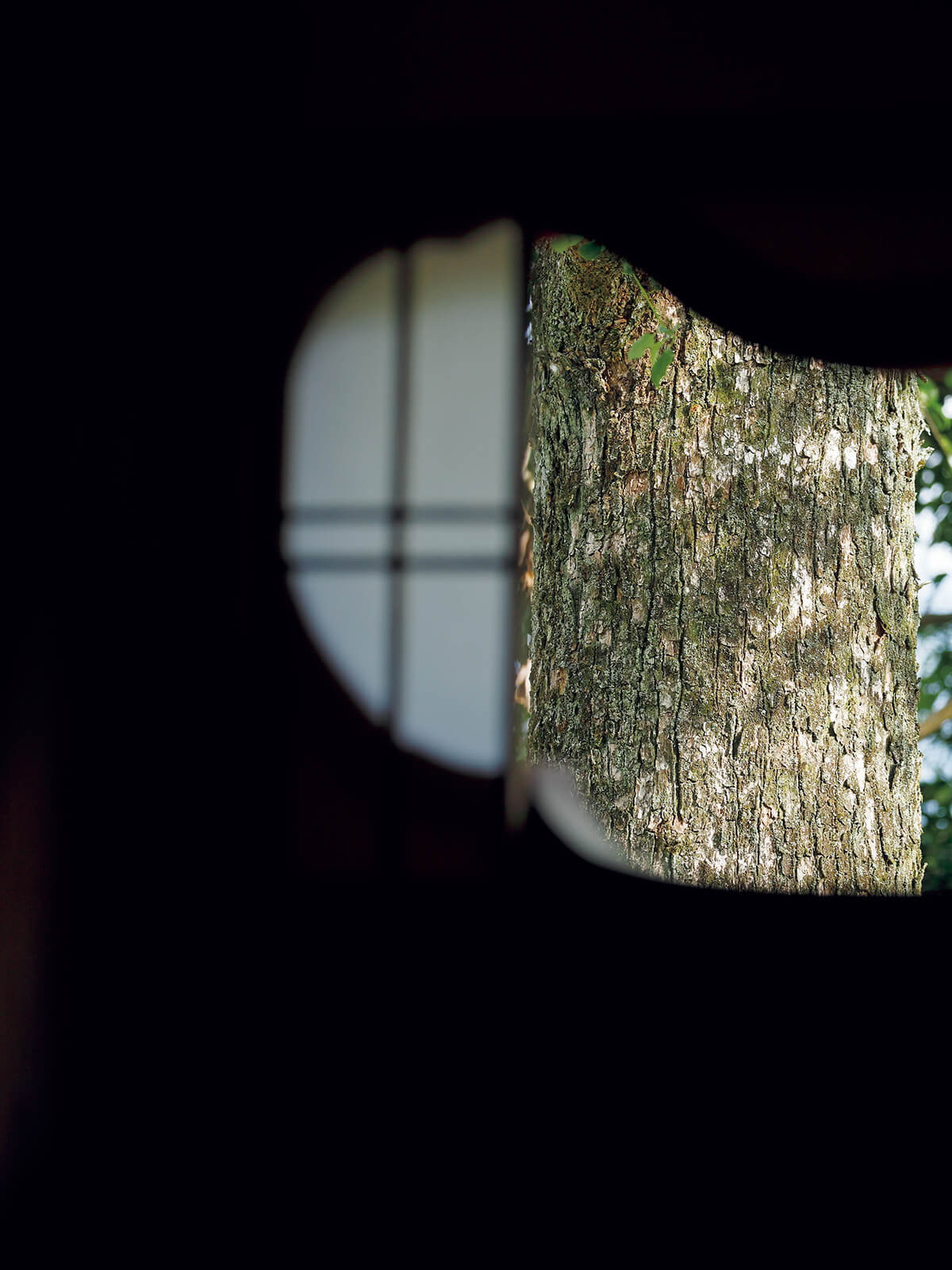
"What I often talk about in zazen is switching from speaking to listening. By adopting a listening attitude rather than speaking, you create space in your mind. In Buddhism, there is a teaching called "Shravaka-vehicle," which says that listening to the voice of the Buddha is enlightenment, and in that sense, I like Shisen-do Jozan-ji Temple.
If you listen carefully to the garden, which is woven together with foreground, middle and background views, you can hear the rustling of the trees and the chirping of birds. It feels as though the garden is listening to you, and you can spend time quietly talking to each other in your own heart.

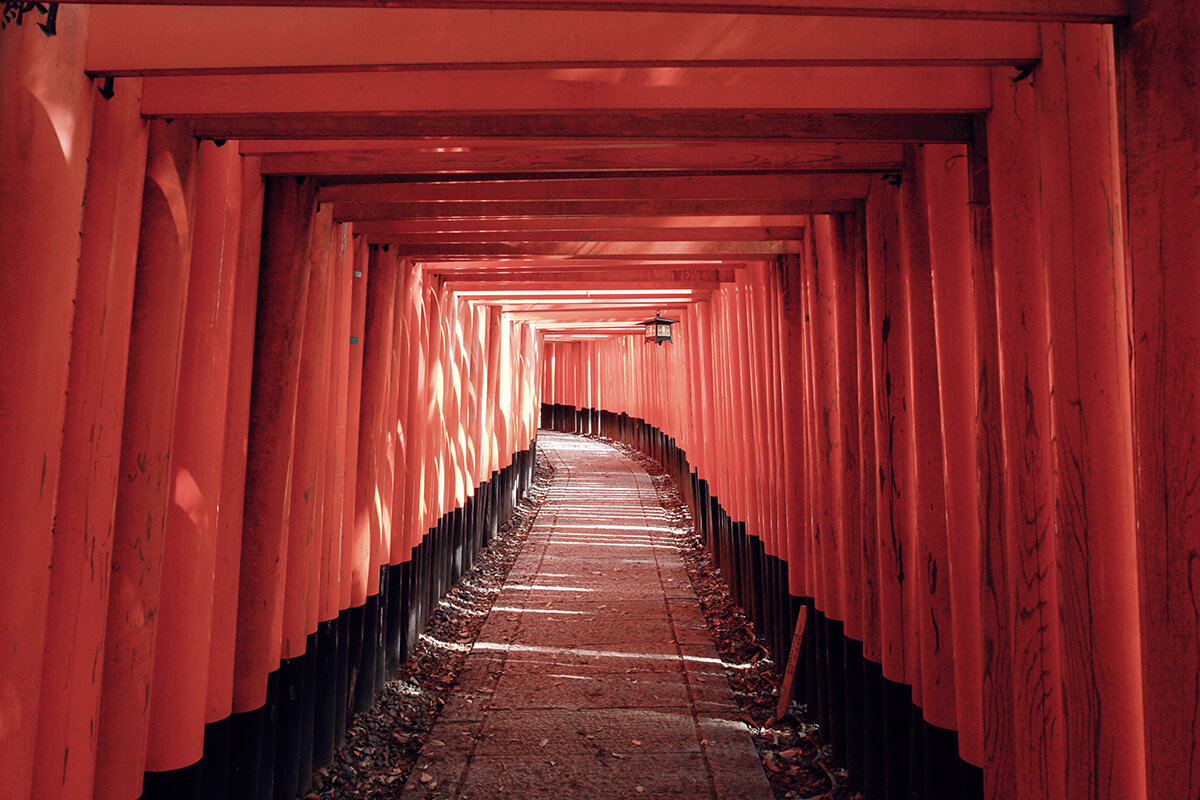
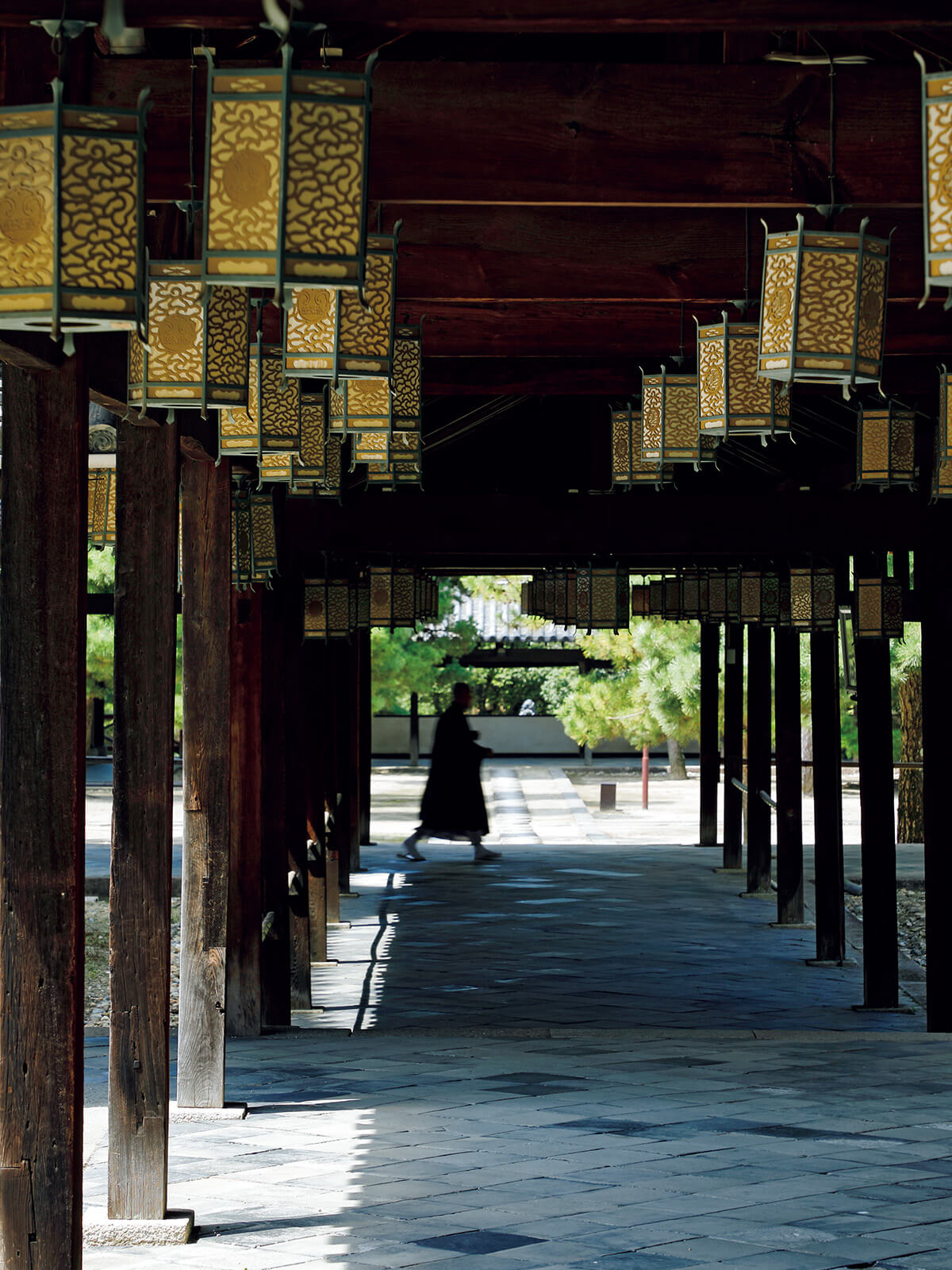
Ito says that the continuity of a temple's corridors and a shrine's torii gates also leads to a certain kind of blank space.
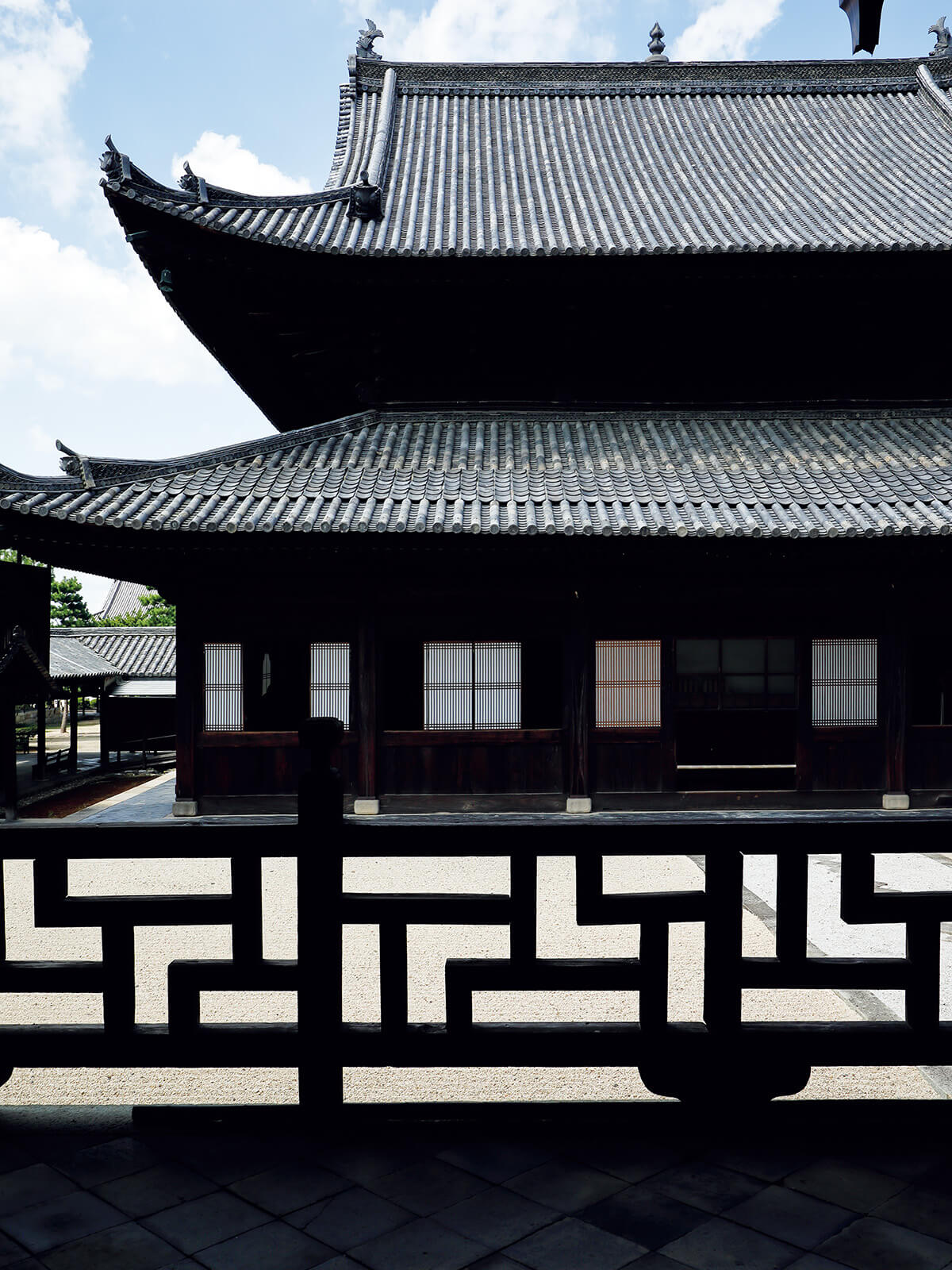
"The sight of the rows of torii gates at Fushimi Inari Taisha is extremely meditative. Walking through the continuous torii gates, I feel like I'm immersed in myself for a moment, and my thoughts become clearer. Another feature of religious architecture is the corridors. The large corridor that connects the entire temple complex at Manpukuji Temple in Uji is exceptional. We also practice 'walking meditation' at Ryosokuin Temple, and when I put myself in a loop of walking the corridors, my self-consciousness disappears and I can empty my mind."

On the other hand, the freedom you can experience by strolling around town without any set plans is something that is unique to Kyoto.
"If you walk along the banks of the Kamo River, you will sense that the river has been the boundary that has separated town from nature. On the veranda of a temple, there is a space that vaguely connects architecture and garden. When you come into contact with such an intermediate area that belongs to neither, your mind feels gently liberated. Also, in Kyoto, the memories of the town are contained in the names of the streets.
Koromanda-dori and Kamanza-dori, located west of the Kyoto Imperial Palace, are evidence of the rows of kimono shops and kamakura shops that supported the lives of the Imperial Palace. Learning about their significance and reminiscing about the past should create a warm space in your heart.