










A legendary secondhand bookstore quietly taken over by a shop owner in his twenties
Even in Kyoto, a city full of second-hand bookstores, Astarte Shobo stands out as a unique establishment. It is located in a room in a building and has no sign. Upon stepping inside, one is greeted by an interior that reflects the owner's aesthetic sense and bookshelves filled with books of surrealism and fantasy literature.
It was an antiquated secondhand bookstore, far removed from the hustle and bustle of the city, but the owner passed away in 2015. His wife, who took over, was also elderly, and at the end of 2012, it was announced that the store would close. The store's space and collection was inherited by Saijo Go. Saijo, who already runs two late-night cafes in Kyoto, Shinshinshin and Tamon, had previously worked part-time at a secondhand bookstore while studying at Kyoto University's Faculty of Letters.
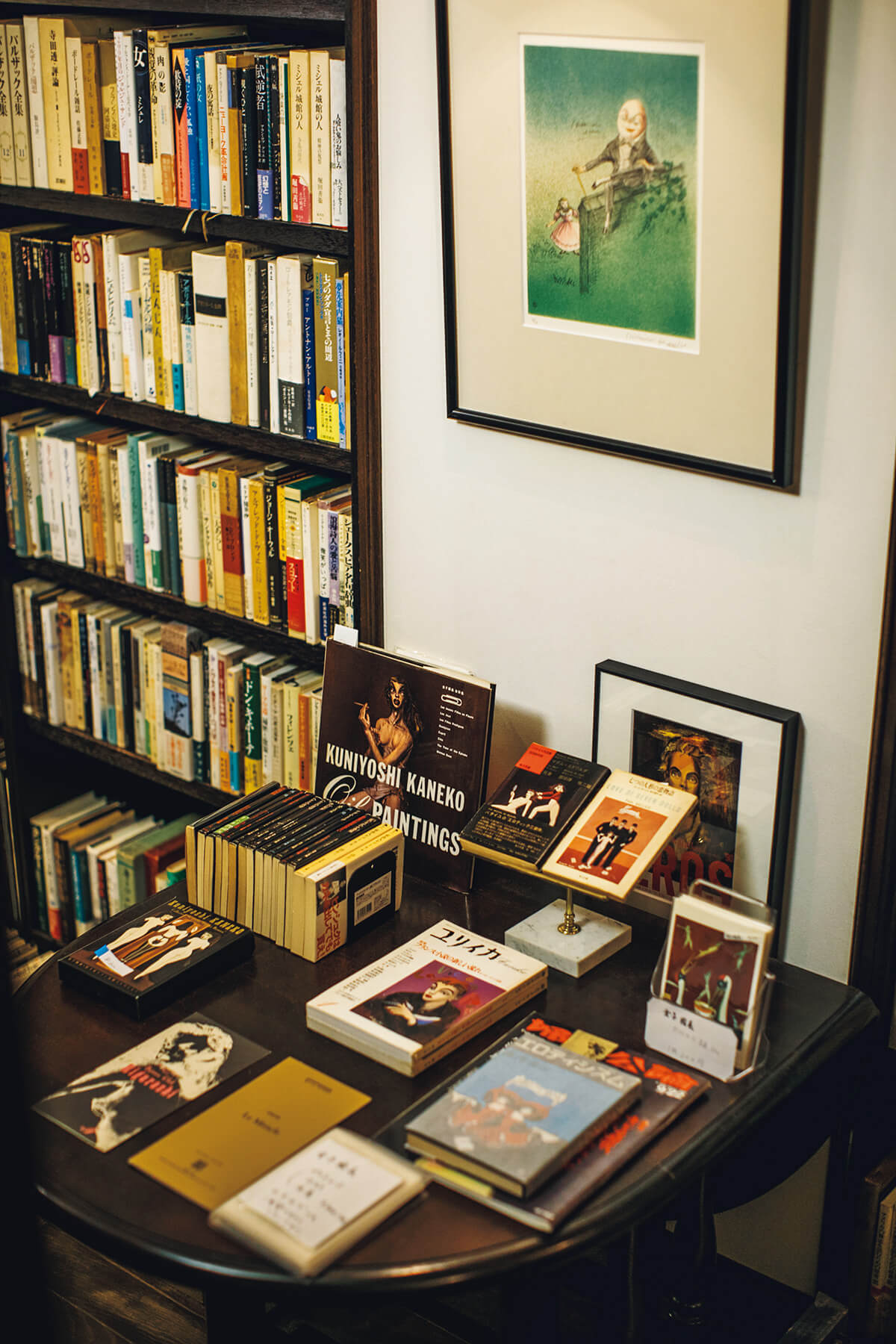
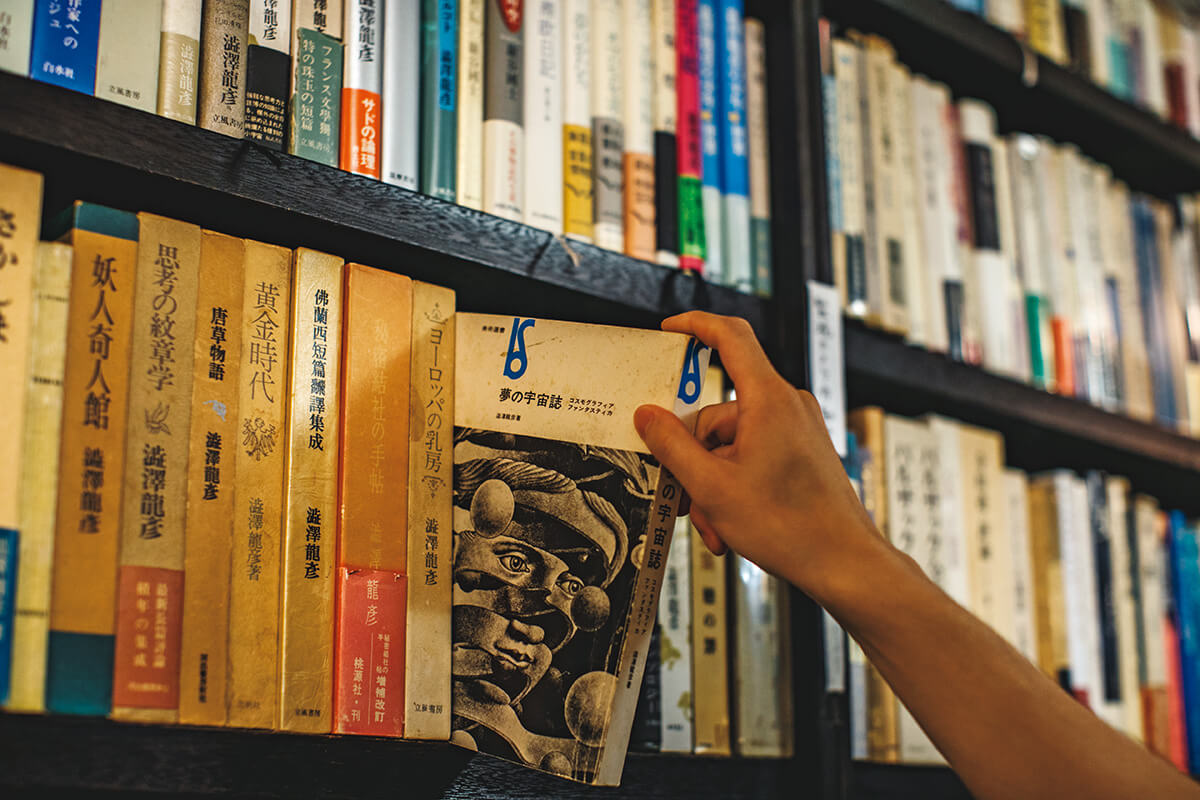
Many of the books from the Astarte Bookstore era remain, and are available for viewing and purchase. 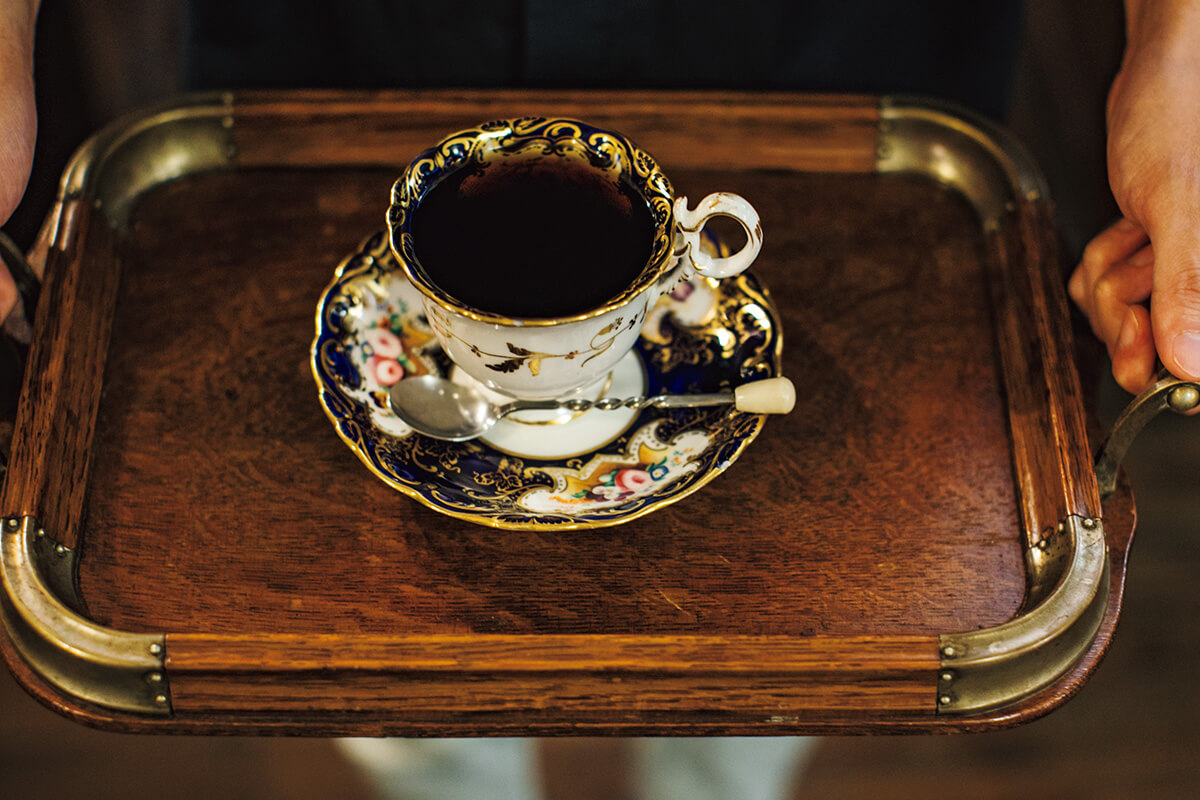
They also inherited the trays and coffee cups. Coffee costs 900 yen.
"At my previous two stores, I was also conscious of wanting to create spaces where people could read books at their leisure, but Astarte's collection contains many books that are difficult to collect on your own. This will allow you to immerse yourself in a richer world of books," says Saijo.
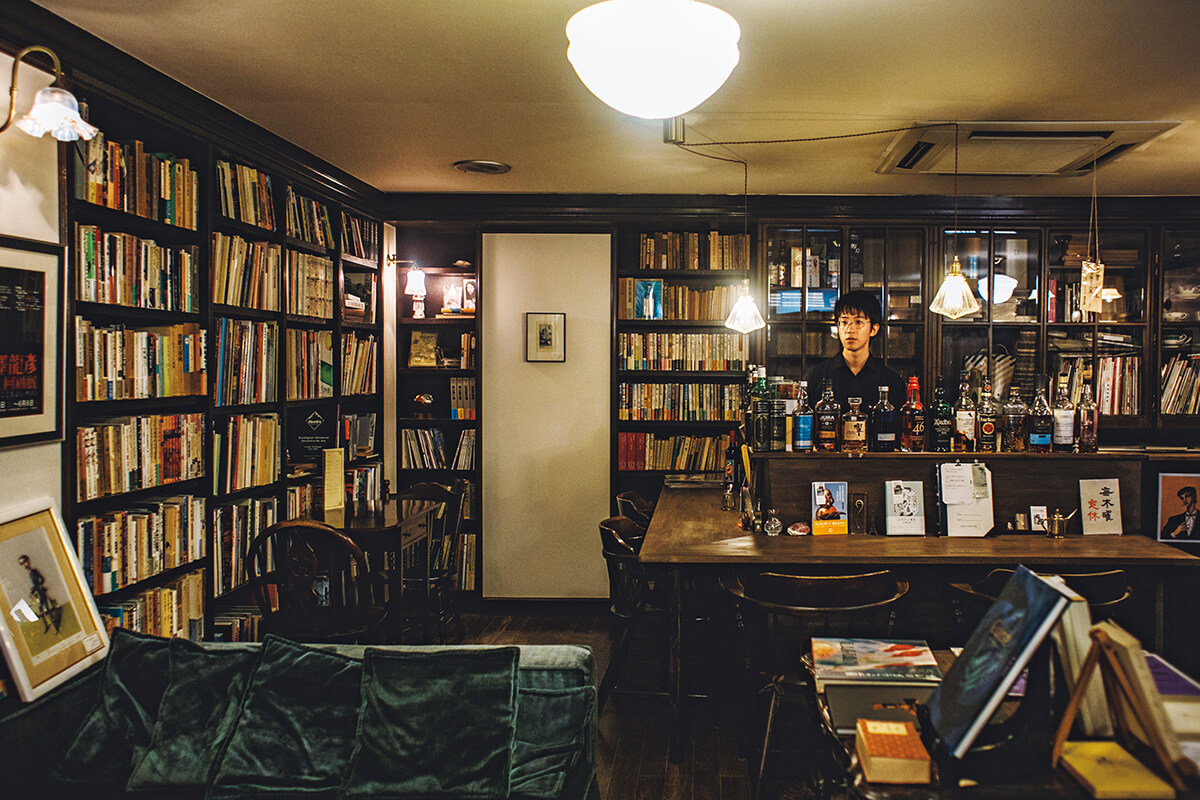
While continuing to operate as a secondhand bookstore, the store has also been remodeled to function as a coffee bar, stocking coffee and whiskeys. In addition, the store has adopted the natural customer service style that was cultivated in the late-night cafe business.
"In terms of comfort, a moderate amount of relaxed atmosphere is important. We can't do the same thing as the original store, and even though the storefront may seem small, I want to make it a place that can welcome all kinds of people." As the store gradually expands its collection of accessible books, a new type of Astarte has begun under Saijo.
Go Saijo talks about the unseen aspects of Kyoto
Even in the same place, there is a feeling that can only be experienced at night.
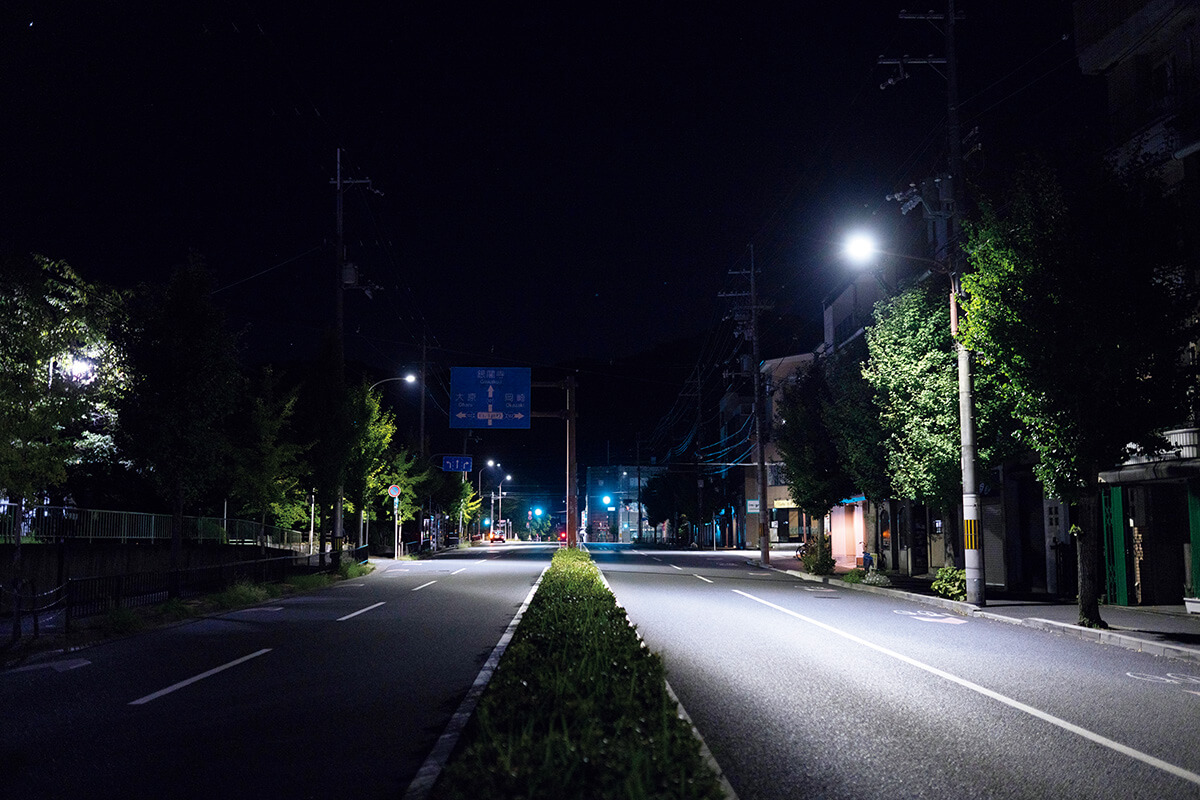
I wanted a place where I could get lost alone late at night, so I started a late-night cafe while I was still a student. I like the mysterious atmosphere that only comes late at night, something that you don't see during the day when society is moving. Just walking down Imadegawa Street at night gives you the feeling that time has stopped.
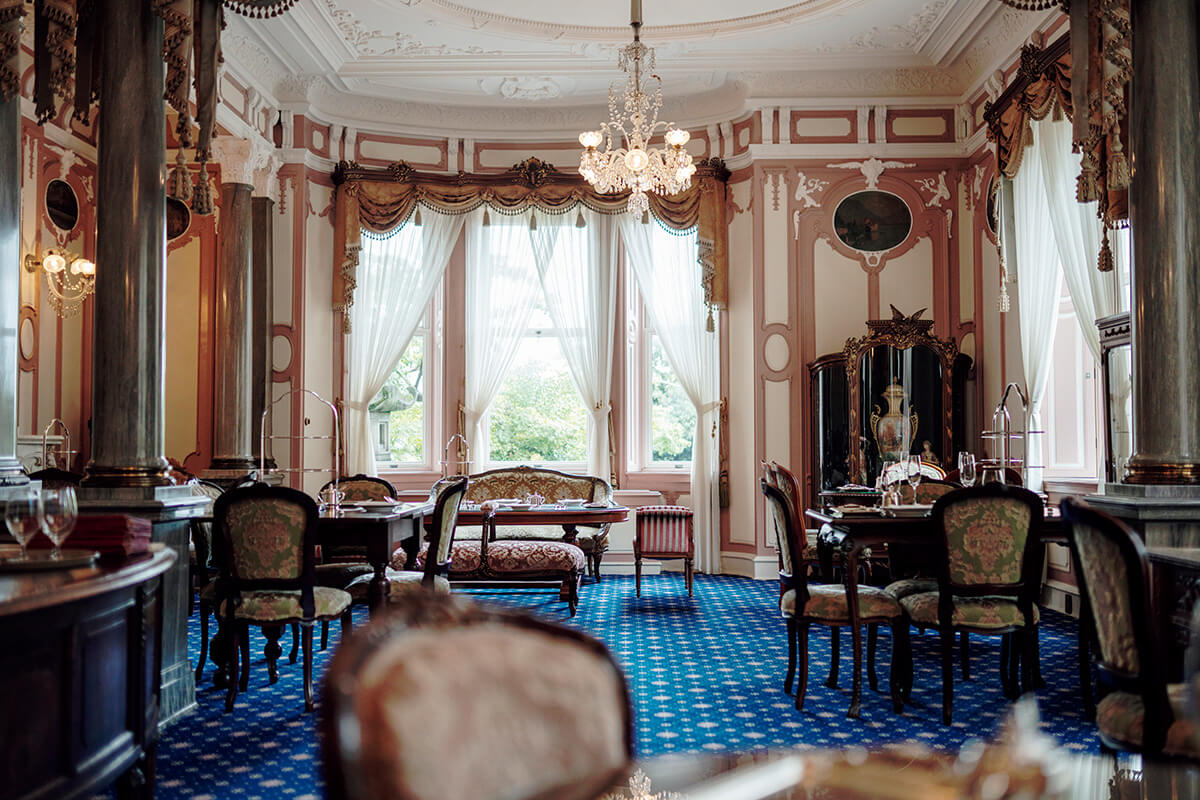
I'm also drawn to historical buildings. When I'm in a building that has the weight of time, I feel like I'm put into perspective and can let go of the things I'm carrying. There are many historical buildings in Kyoto, but I recommend Chorakukan, an attractive building that blends Japanese and Western styles.