










immigrant literature
Portraying diverse realities and challenging stereotypes
"Literary awards have tended to broaden their scope since 2000," says Hikaru Fujii. Translated books categories have appeared or been revived in the International Booker Prize and the National Book Award, and there is a growing trend to include works from a variety of countries, not just major language areas.
Furthermore, genres have diversified, with non-fiction writer Svetlana Alexievich and artist Bob Dylan winning Nobel Prizes. At the same time, Fujii says, there has been a rise in second-generation immigrants and writers fluent in multiple languages, and there is a trend toward "people without a mother tongue" that symbolizes the complexity of identity.
"I myself translate English-language literature that doesn't fit into the framework of a country, so I've had more opportunities to ask myself, 'What kind of literature is this?' In the novel Americana by Chimamanda Ngozi Adichie, the first African writer to win the National Book Critics Circle Award, the protagonist travels from Nigeria to the United States and then back to his homeland. In this way, contemporary immigrant literature often depicts migration back and forth. It's as if they're questioning the limits of talking about literature in terms of countries.
"Indian-American author Jhumpa Lahiri's first language is Bengali and her second is English, but she moved to Rome and now writes in Italian. There are also cases where authors move and change languages, as in the case of Yoko Tawada, who writes in Japanese and German. This makes you think about the limitations of discussing literature within a country."
Adichie, a leading immigrant writer, gave a talk at TED Global titled "The Dangers of a Single Story." She pointed out that stories told from a single perspective, that is, developed countries only write stories about Africa from a one-sided perspective. Writers weave stories in an attempt to shake up the stereotypes that surround immigrants.
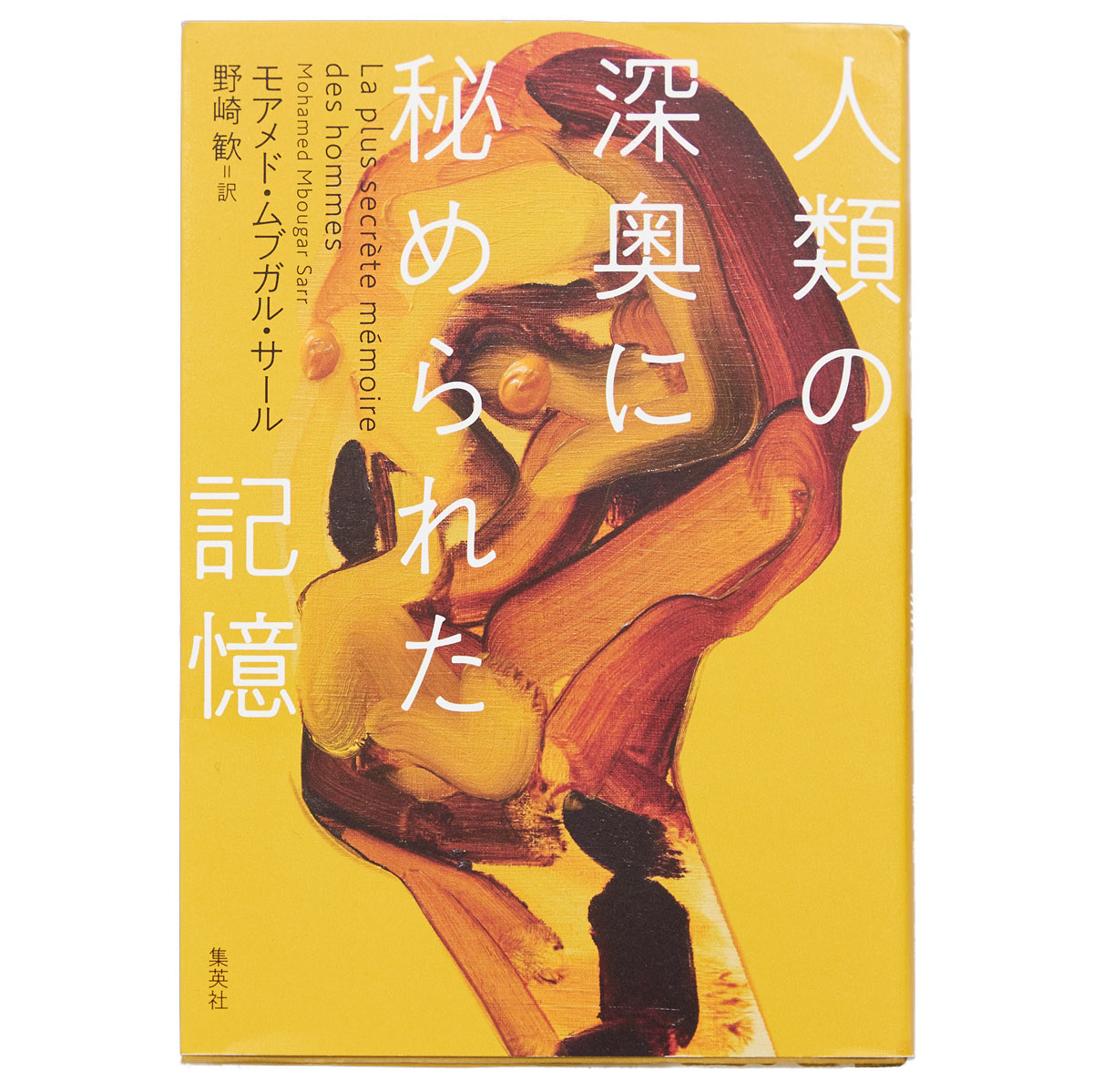
"Diverse realities that cannot be contained in a single story are occurring simultaneously in their home countries, while immigrant writers are always faced with the complexities of being caught between their homeland and the country they migrate to, and I feel that they are writing their works while struggling every day to avoid reproducing a stereotypical image. In recent years, Senegalese writer Mohamed Mbungal Sarr has been overwhelmingly skilled. The supernatural settings that appear in his novels are a reflection of the mystical image of Africa that is often projected by the French, and as readers continue reading, they become aware of their own unconscious prejudices.

This book delves into the mystery of the disappearance of a Senegalese author who writes novels in French. "Saar is well aware of the dual nature of his own background, and writes stories that go beyond common sense, taking into account what is expected of African authors in France. He skillfully exploits the dangerous paradigm of the French perspective, shaking up our preconceptions."
Thanks to the work of Saar and Nobel Prize-winning author Abdulrazak Gourna, African literature has flourished in multiple languages, and in Japan, the Kokusho Kankokai has launched the "The Joys of African Literature" series. Excellent translators like Awaibara Fumiko have also played a major role.
Korean literature
A depiction of division and suffering that cannot be overlooked, in line with the current global situation
The Korean literature boom that occurred in Japan after the publication of "Kim Ji-young, Born 1982" is still fresh in our memory, but it seems that it has only been in the last 10 years or so that Korean literature has become popular internationally.
"In 2015, I visited Seoul to attend a conference on the topic of translation. At the time, Korean literary scholars were concerned about why Korean literature wasn't being read around the world, and with the support of the Korean government, they signed a contract with a small American publisher to translate and publish five works, hoping that this might lead to a breakthrough. The following year, Han Kang won the International Booker Prize for "The Vegetarian," and last year he won the Nobel Prize, which instantly raised his profile. This year, an English translation of "Never Say Goodbye" was published and has received rave reviews."
One of the reasons why his works have not been read abroad is said to be that many of them are based on history or tradition, and are long and local in content.
"Han Kang has said that she wants to explore the two extremes of human nature: violence and conscience. While the themes she deals with are universal, as Korean literature scholars point out, the origins of her work lie in the progress of Korean society, such as the Gwangju Uprising. As is evident in Cho Se-hee's best-selling book, The Little Ball Launched by the Dwarfs, there are times when a local understanding is required to understand her work. However, it is also important to look at local events, such as massacres during the Cold War structure or the deployment of troops to the Vietnam War, from a perspective that transcends national borders.
Furthermore, science fiction has developed in a unique way in Korea. We can see examples of talented writers like Kim Cho-yop using their science fiction imagination to shed light on real society from a different angle, questioning "other ways of being people and society." Octavia E. Butler, a popular African-American science fiction writer in Korea, said that it is only natural for minorities to choose science fiction as a way of being. "You could say that science fiction is deeply connected to social division and oppression."
middle eastern literature
Escaping a conservative environment and seeking freedom of speech
In contrast to the Korean trend, Fujii said, "Neither science fiction nor thrillers have had a strong presence in Middle Eastern literature." Traditionally, poetry has been the primary focus of Middle Eastern literature, and novelists from the 20th century onward have had to contend with its influence. Genre fiction has remained a minor genre, and there has also been the issue of suppression of expression in each country.
"For example, Iraqi writer Hasan Brasim witnessed turbulent social events such as the Iran-Iraq War and the invasion of Kuwait, and he wrote violent novels that reflected those experiences. As a result, his works were sometimes banned in the Middle East. He was originally a filmmaker, but he moved to Finland to escape government pressure, and has continued to create works that have received high praise in Europe.
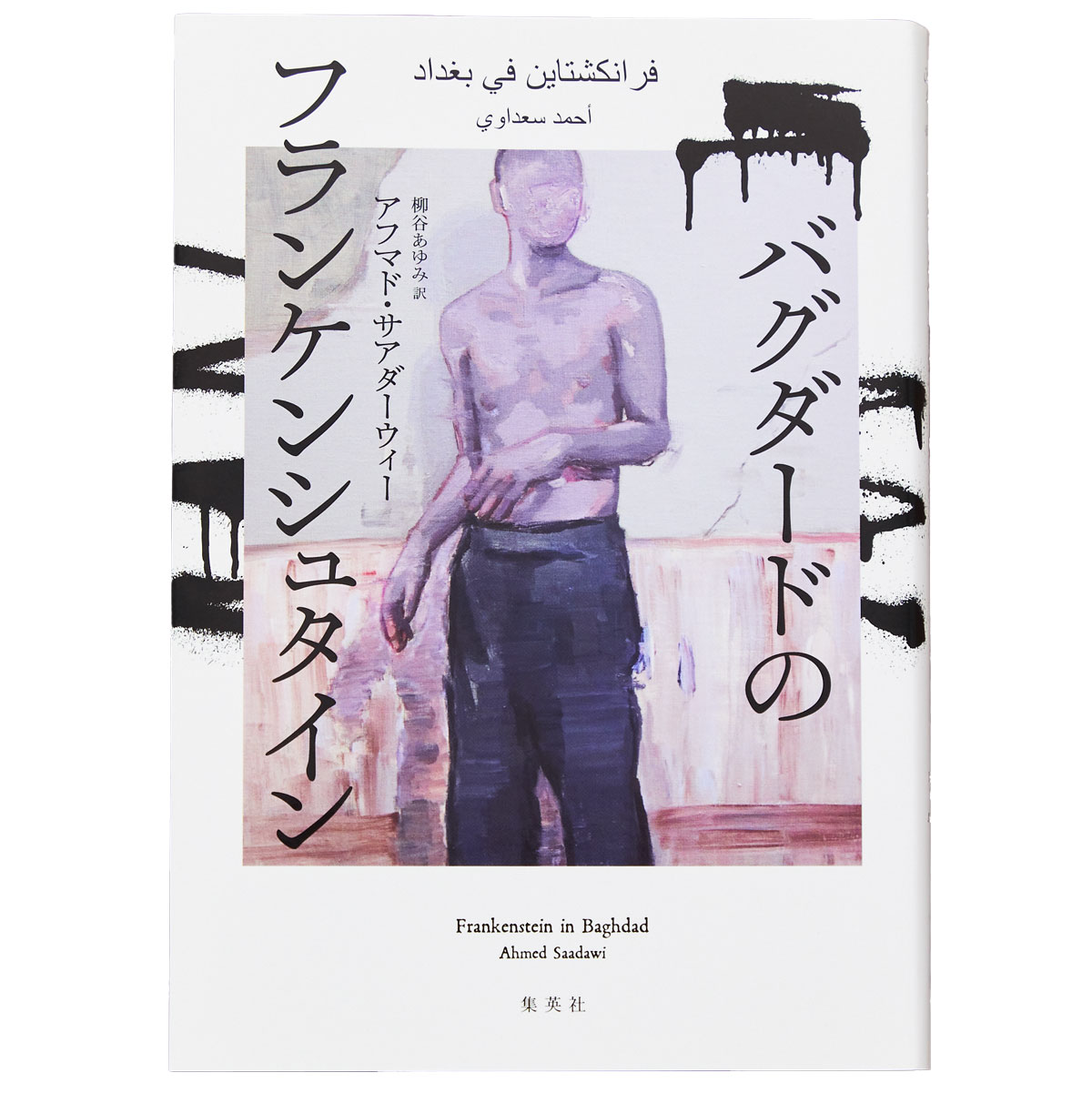
Meanwhile, science fiction and dystopian novels have flourished in the Middle East since the 2010s. Ahmad Saadawi won numerous awards for his novel "Frankenstein in Baghdad."

The dystopian novel, set in the author's hometown of Baghdad, has been licensed in 30 countries. "It's a nightmarish story set in a time when terrorism is occurring in the real world, where people create humans by picking up the bodies of people dismembered in a suicide bombing and begin their revenge. It's a very disturbing novel, but that's what makes it interesting, and the English translation by a British translator has been highly praised."
The achievements of female writers cannot be overlooked. Palestinian writer Adaniya Shibley has received international acclaim for her work, "Insignificant Details," which depicts, through the female body, how Palestinian land is seized and controlled by Israel through violence.
Since 2010, young Palestinian writers have become active in the English-speaking world. This may be due in part to the fact that Palestine was a former British colony, and that there are publishers in the UK who are keen to translate Middle Eastern literature into English, as well as excellent translators. I hope that authors like Isabella Hammered will be introduced in Japanese in earnest.
Latin American literature
Literature by a new generation: different from "One Hundred Years of Solitude"
When we think of Latin American writers, Colombian author Gabriel Garcia Marquez comes to mind. His novel "One Hundred Years of Solitude" created a huge global boom, and it gave rise to a new generation of writers who were conscious of not repeating the same images.
"The new generation of writers share a common approach to magic realism, where fiction and reality intersect, an attitude of not reproducing the chaotic image of Latin America, and a tendency to create stories set against the backdrop of today's highly urbanized Latin American society. A prime example of this is Roberto Bolaño. Known for works such as "2666," I believe he would have been a candidate for the Nobel Prize if he were still alive.
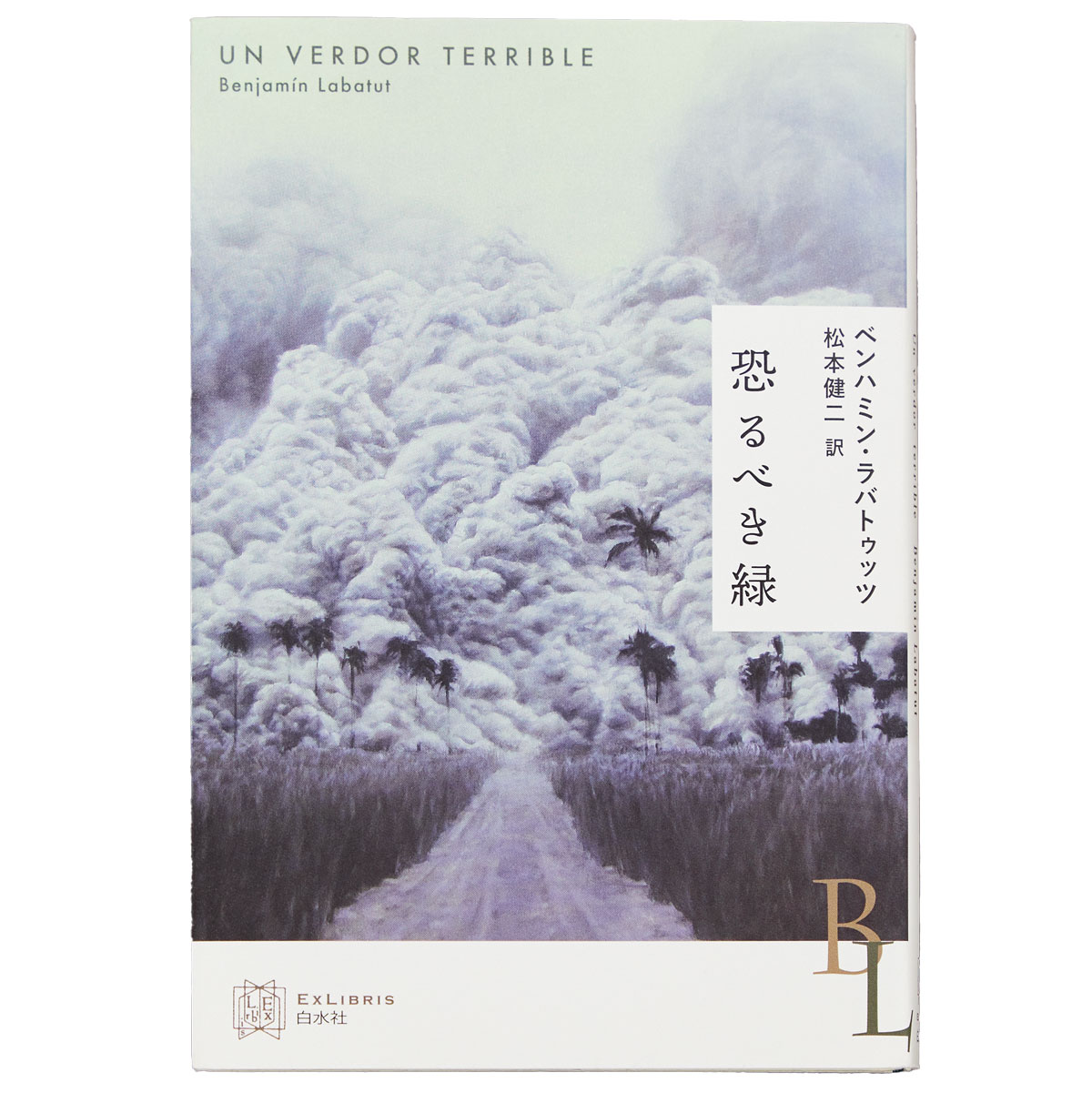
Alejandro Zambra's novel "Bonsai" is written in a minimalist style that, as the title suggests, strips away all unnecessary elements from the story. This work, born from the sensibility of a new generation, has a different appeal to "One Hundred Years of Solitude." I recently found Benjamin Labatutz's novel "The Terrible Green." The writing style makes it difficult to distinguish between fiction and reality, and I was drawn into his unique worldview.

This is fiction inspired by real scientists and mathematicians who lived around the time of World War I. "There are a lot of characters like mad scientists. It's a story about people who try to see beyond the bounds of what science and mathematics are, which are fixed in certain categories, such as human life and death and the truth of the world. I was drawn in by the way the story smoothly transitions from true events to fiction."
Who are "we"? A story that cannot be told on a national level
A new literary award, "THE CLIMATE FICTION PRIZE," specializing in climate change, was established in June 2024. It was launched in response to the lack of literary works on the topic, despite it being a common issue for all of humanity. Fujii explains that the question of who "we" refers to comes up as we increasingly face events on a scale that cannot be discussed on a national level, such as climate change, immigration, and refugees.
"Though it may be a bit forceful, Kazuo Ishiguro has depicted the precariousness of drawing the line between 'we' and 'us.' In 'Never Let Me Go,' he depicts friendship with a clone, and in 'Clara and the Sun,' he depicts friendship with an AI, questioning the meaning of beings that do not belong to the category of human. The question of where to draw the line between 'we' is becoming increasingly pressing in every society.
As the civil war intensifies, debate is also taking place over the acceptance of refugees. Is it acceptable to talk only about the people in this country? Writers are responding keenly to this reality that cannot be overlooked. Both Ali Smith and Jenny Erpenbeck write about refugees from the perspective of British and German writers, and Ali Smith is participating in the "Refugee Tales" project, in which she pairs up with refugees in refugee camps to weave stories.
"In addition to the issue of human movement, there is also the issue of climate change. With temperatures in Japan approaching 45 degrees Celsius, I think we will see a trend of writers seriously tackling this issue. I believe that literature depicting phenomena that transcend national boundaries will continue to gain momentum in the future."

The four-part series, set in a Britain shaken by Brexit, begins with "Autumn." "I write about contemporary exclusionary tendencies, superimposing them on the period when Jewish refugees fleeing Germany during World War II were held in concentration camps. This four-part series conveys a sense of crisis about the division that arises when lines of "we" are violently drawn, while also allowing readers to fully appreciate the power of stories and art."