









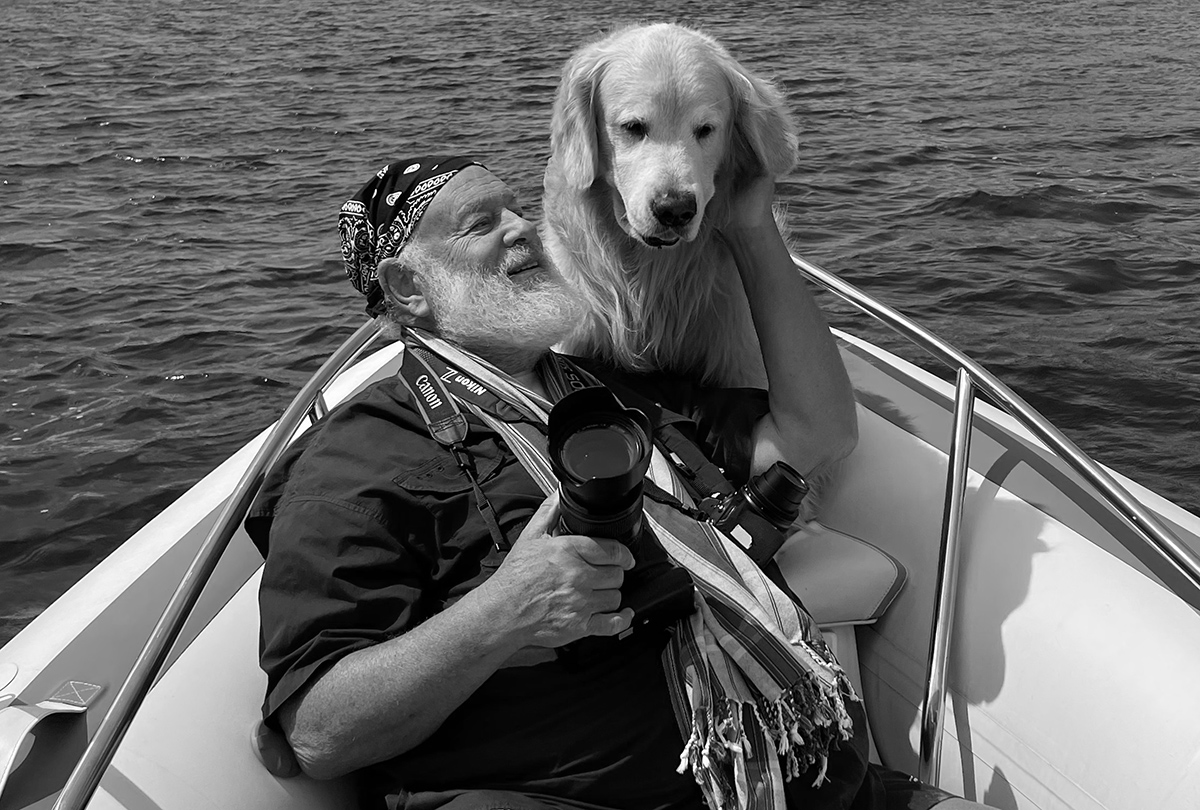
"By the way, do you have a dog?" the photographer asks over the Zoom screen. "No, I used to have one, but I don't have one anymore," he replies, to which she winks and says, "I see. Since I don't have children, I'm surrounded by lots of dogs. I even sleep with them in my bed." During the interview, a dog was playing at his feet, and he smiled, seeing it as a happy incident rather than a nuisance.
Photographer Bruce Weber is a living legend in the photography world. Born in Pennsylvania in 1946 and raised in Ohio, he studied filmmaking at New York University and photography in numerous photography seminars. He began his career in the late 1960s. Known for his work on major campaigns for Calvin Klein, Ralph Lauren, and Abercrombie & Fitch, as well as for Vogue and Vanity Fair, Weber has produced numerous landmark photobooks. This September, Taschen will release a comprehensive collection of his work. Titled "My Education," this massive 564-page volume weighing 3.4 kilograms is a retrospective of Weber's best images from his career spanning more than half a century. The book begins with an anecdote about a visit to the Lumière Brothers' museum, the inventors of motion pictures, and delves into the lessons he learned from the many master photographers he encountered. It serves as a documentary not only of Weber's life but also of the history of photography. In other words, he presents us with a grand vision that could be called "our photographic education" rather than "my photographic education."
Weber is a relatively private person, and we finally managed to secure his permission for this interview. In a surprisingly candid interview, the living legend sums up his career and shares his love of photography.
Self Portrait
© 2025 Bruce Weber
First, I asked him why he decided to publish a retrospective book at this time.
"I'm still young enough (laughs), but I wanted to tell lots of stories to people, and that's how it ended up being such a large volume. Last year, I had a photo exhibition at the Prague Museum in the Czech Republic, but the book wasn't ready in time for it. So I decided to take more time to finish it. It was like an introspective interview with myself. I also wanted to express my gratitude to the people I've worked with up until now -- Franca Sozzani (former editor-in-chief of Vogue Italia, who died in 2016), Grace Coddington (creative director of American Vogue), Dennis Friedman (fashion editor), and others. I also wanted to honor model Stella Tennant (Stella Tennant died in 2020 at the age of 50. According to her family, the cause of death was suicide). This is because Stella was a woman I worked with in many ways. I also wanted to honor my wife, my dogs, and many other people."
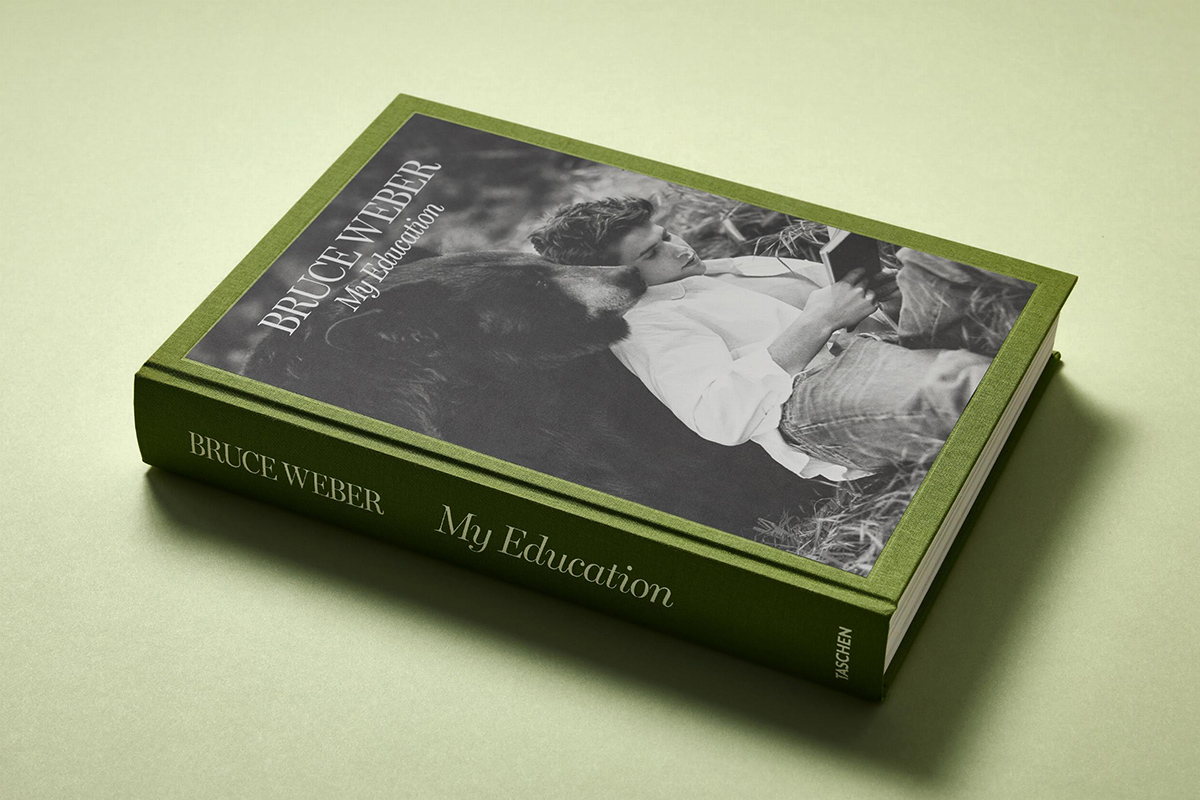
"Bruce Weber. My Education" Cover
As for an anecdote about dogs, Weber vividly remembers the large number of dog lovers who came to his photo exhibition in Japan. This happened when he came to Japan for the exhibition "The True Store and Gallery," which was held at a special venue in Aoyama to coincide with the publication of the August 15, 2005 issue of Brutus magazine, which featured a special feature on Bruce Weber called "ALL ABOUT BRUCE WEBER," and the release of the film "Letters to True," which was based on his beloved dog.
"So many people came to the opening, and I was happy to see that many of them brought their dogs. I've had the opportunity to work with a number of Japanese creative people, and a year and a half ago I worked with Yohji Yamamoto. I love his clothes. I've also done some work with Comme des Garçons. Comme des Garçons sells my T-shirts in their store in London."
The retrospective photo exhibition in Prague was apparently initiated at the request of the other party, but Weber was not feeling well during the preparations and the exhibition. During this time, many thoughts crossed his mind.
"I'm doing very well now. Looking back, photographers are a strange breed of people. Photographers believe they will live forever, because they photograph so many people and the photographs live on. When I was young, I used to think I would never age. I still think I'm young inside, my heart and my mind. Age doesn't make that much of a difference, because the people I've met have always been youthful. For example, when I photographed the poet Allen Ginsberg, he was in his 70s, but he looked incredibly youthful. The animal behaviorist Jane Goodall was also very young. Franca Sozzani looked like a teenager.
But the world is changing so rapidly, especially in fashion. I feel so bad for young photographers and models just starting out. They don't have the same opportunities that we had in our time. In the past, when hiring new people, it didn't matter if they were famous, had a hit song, or had a lot of Instagram followers. None of that mattered. It was more about who they were as a person, how they expressed it, and their style. I miss that atmosphere so much.
That's why I wrote so much text in this book, because text is as important to me as photography. I want to be able to explain something to people who don't know something. What it felt like, how wonderful it was for me, and for other photographers, and for editors and magazines. It was a golden age. I think this book represents my golden age."
Whether the subject is a model or an actor, from documentary subjects to many animals including dogs, Weber's photographs have a consistency that makes them instantly recognizable as his. Many of his photographs are in black and white, and he often uses film cameras, but there is more to them than that. There is a two-dimensional, sculptural power in his work using light and shadow, a sense of intimacy and tension, and above all, a respect for his subjects. How did he develop his unique style?
"I'm not really conscious of my own style. If I have a style, I think it comes from deep within me. I recently did a book signing for this book at Dashwood Books, a store specializing in photography books in New York. There were a lot of people waiting in line to get my autograph, and one young guy in the queue asked me, 'I'm 22 years old and I've hit a creative wall. What should I do?' I told him, 'When I was younger, I used to line up at autograph signings for my favorite photographers. So the answer is, go out and spend time with people. That's what's important.'"
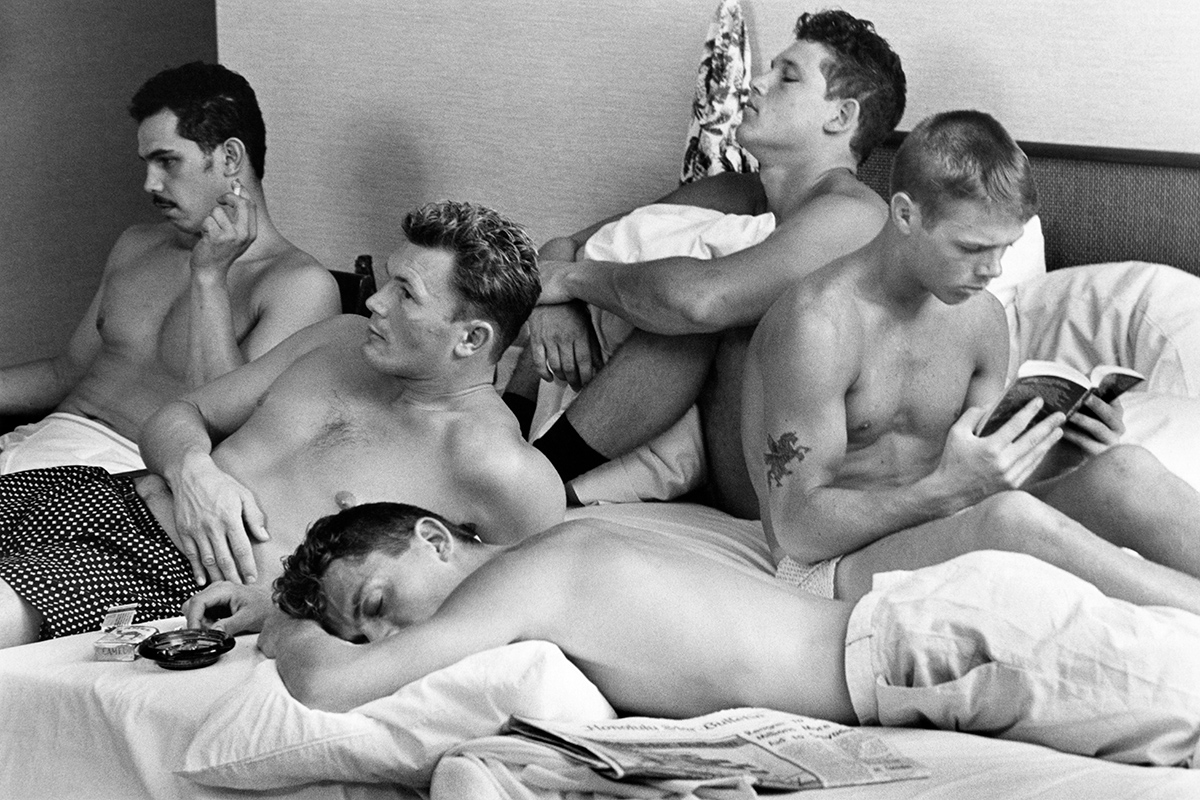
Bruce Weber
On leave in Waikiki, Hawaii, 1982.
“Bruce Weber. My Education” p.134
© 2025 Bruce Weber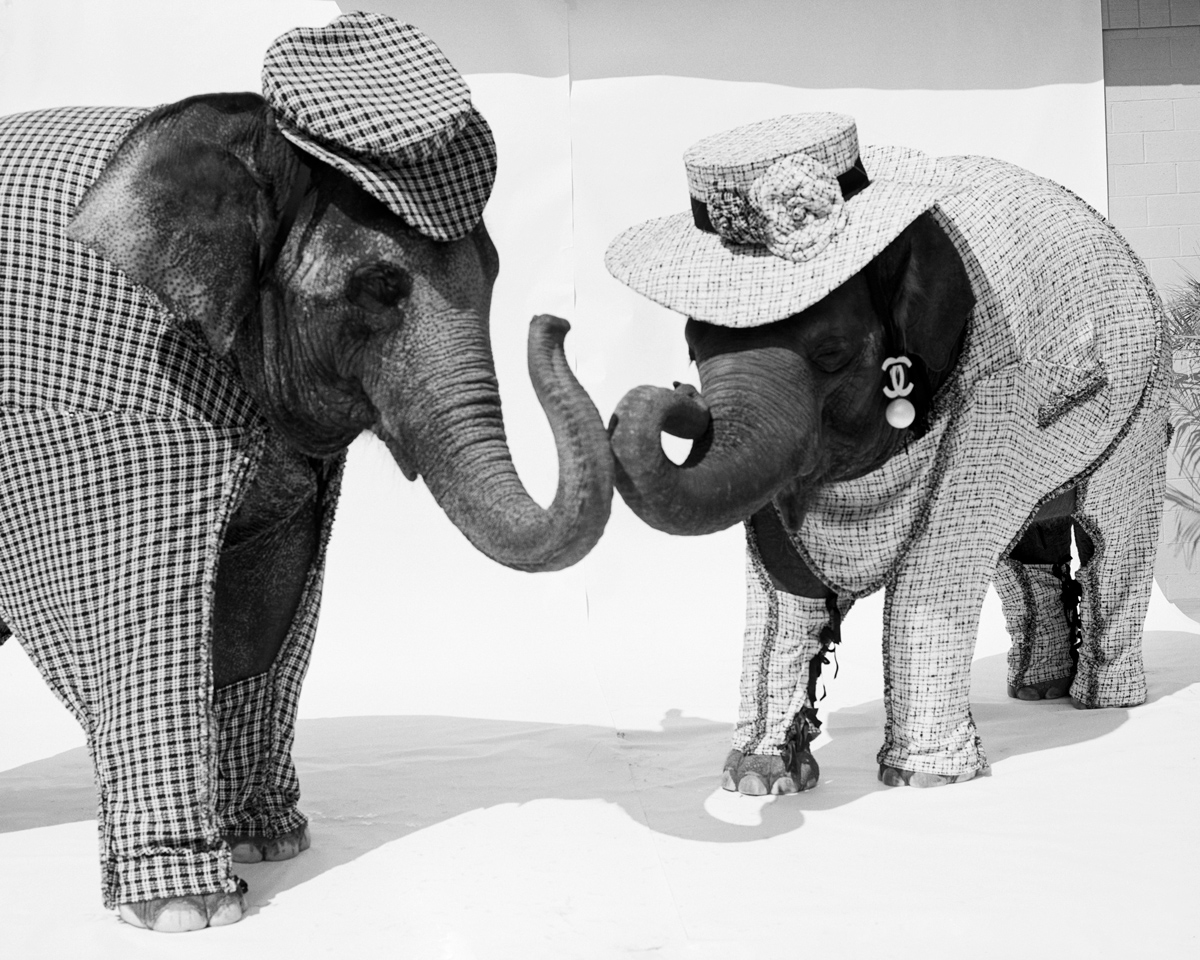
Bruce Weber
Tai and Rosie in Chanel, Perris, California, 2004.
“Bruce Weber. My Education” p.176
© 2025 Bruce Weber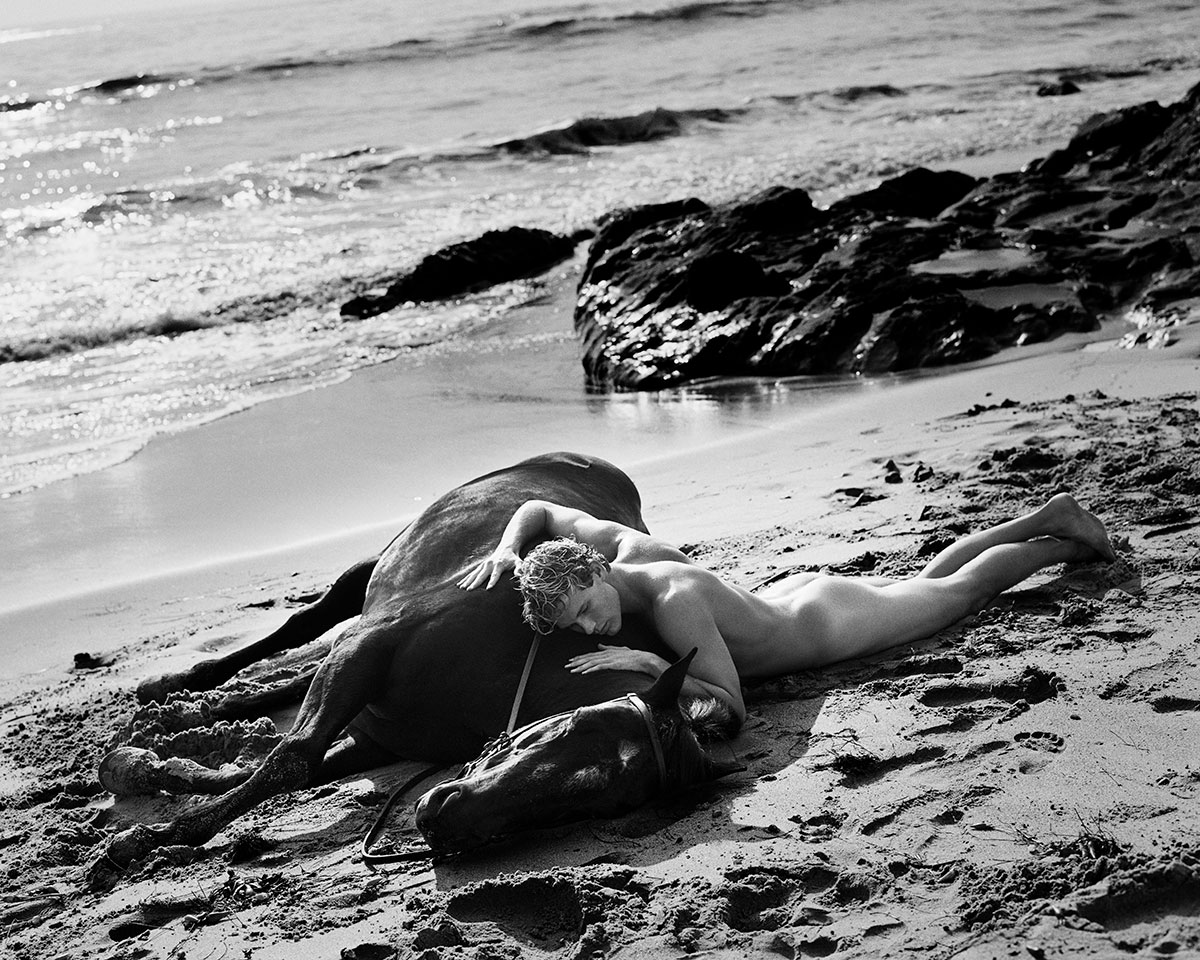
Bruce Weber
Johnny and his pal, Santa Barbara, California, 2000.
“Bruce Weber. My Education” p.220
© 2025 Bruce Weber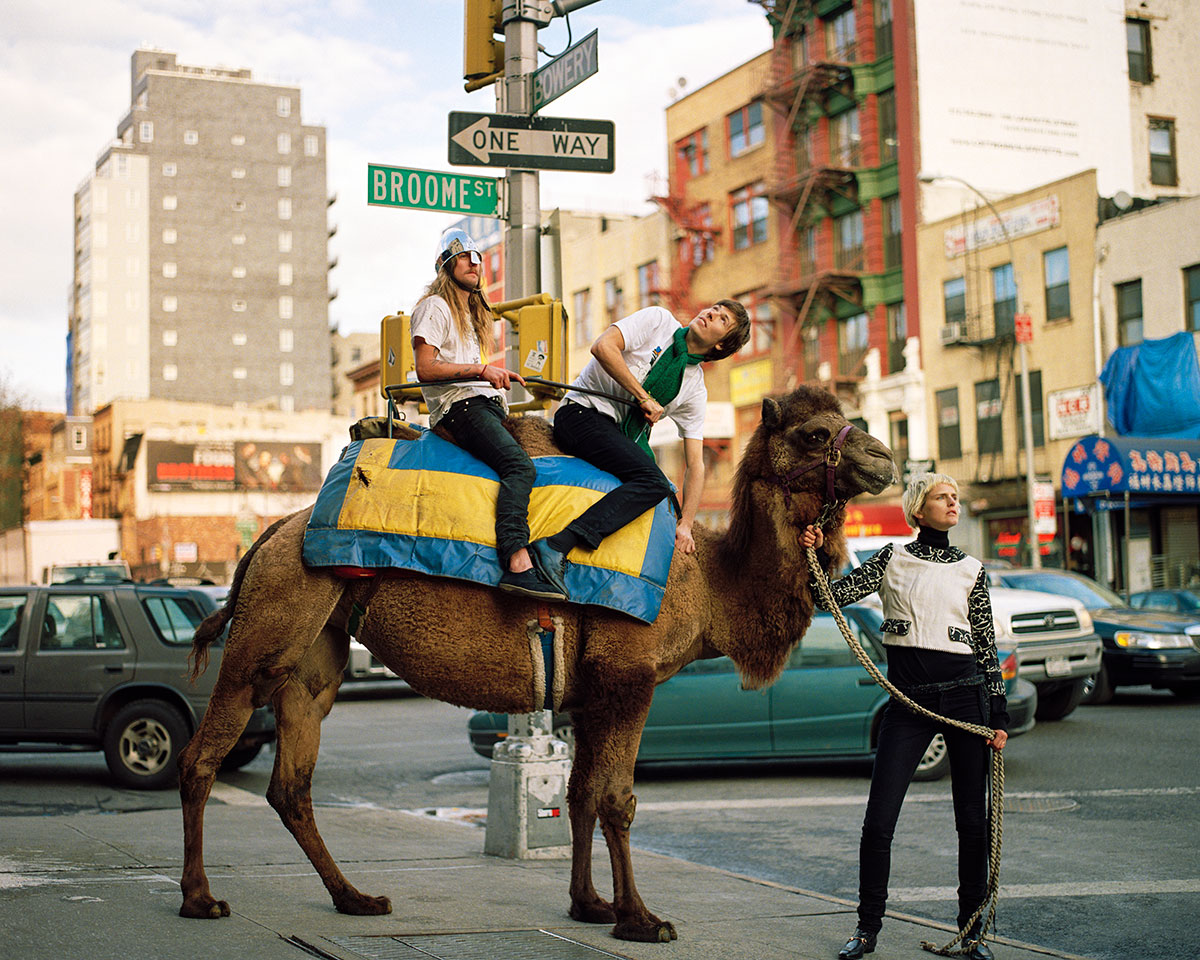
Bruce Weber
Stella Tennant with Dash Snow and Ryan McGinley, “The Renegades,” W magazine, New York City, 2005.
“Bruce Weber. My Education” p.476
© 2025 Bruce Weber
As the title suggests, My Education chronicles Weber's invaluable "educational" experiences. He honestly describes his encounters with photography giants Richard Avedon, Diane Arbus, and Lisette Modell in New York and what he learned from them.
"I met Diane Arbus when I was attending film school at New York University, where she taught. One day, we went to a trendy cafe together. I was a broke student, but luckily I had enough money to pay for coffee. Diane was photographing the photographer Frederick Eberstadt at the time, and I had photographed him many times, so she asked me, 'Do you want to take photographs like me?' I said, 'That's simply impossible. I'm not you.' She said, 'OK, let's sit down and talk.' We became close friends. Diane would sometimes call me at 3 a.m. I met my wife around that time and we started living together, and she wouldn't hesitate to call me at 3 a.m. It was crazy. She was depressed at the time, and she would tell me that on the phone.
But I really understood the struggle that Diane was having, because it's a struggle that a lot of photographers have: 'Am I doing the right thing? Are my photos what I believe in? Do I still love my photos? Will they hold up over time?'
The last time I saw Diane Arbus was on Fifth Avenue in New York. She was so weak she couldn't cross the street. I happened to be there, saw her, and said, "Come over here. I'll hold your hand and walk with you." And we walked together. That was the last time.
I also attended Lisette Arbus's photography seminar, and she was Diane's teacher. Lisette told me that one day she received a large envelope in her apartment, and when she opened it, rose petals fell out. She immediately understood that Diane had said goodbye. When the petals fell to the floor, it dawned on her that Diane had passed away. (Diane Arbus committed suicide in 1971 by slitting both wrists in the bathtub of her New York apartment. She was 48 years old.)
Lisette was a wonderful teacher. I couldn't help but fall in love with this older woman. It was love at first sight. One time, after class, she invited all the students to go to a restaurant, but for some reason, no one wanted to go, so I went with her. The restaurant was in the West Village, a place where transsexuals, drag queens, prostitutes, and musicians all hung out. I was a very serious kid, like I went to a Baptist college in Ohio, and I'm Jewish, so I was just a very serious, uptight person. So I'd never been to a place like that, and it surprised me. And I was like, 'Wow, this is what New York is like!' So I started making photographs for Lisette, using subjects that my classmates didn't want to make. They thought, 'There's no need for depth in these photographs,' or 'That's not cute, I don't want to see that.' But Lisette was always there for me.
Learning from Richard Avedon was also a great experience. I did a little bit of modeling when I was younger, and I was invited to shoot with Avedon a few times. He was always funny and a real troublemaker. For example, if someone said, 'I want this model photographed to look amazing,' Avedon would pour water over the model's head. It would mess up their hairstyle and ruin everything. But in the end, it would be, 'Wow, what a great look!'"
Joe McKenna, another legendary stylist and frequent collaborator of Weber's, is the subject of a chapter in Weber's book, and in response to this article, McKenna reflected on his encounter with Weber:
"I met Bruce in a photo studio in 1985. He was shooting a campaign for Gianfranco Ferre Jeans, with Uma Thurman and Billy Baldwin as models, and Franca Sozzani as stylist. It was an exciting shoot. We started working together, and one time Bruce asked the models to get wet in the shower, fully clothed. They came out dripping wet, and Bruce continued photographing. I was amazed. As a stylist, I'd never thought of getting my client's clothes wet! It seemed like such a bold move to me. His shooting style was fascinating: he would move around handheld, change lenses, stand on a chair, sit on the floor, and always look for the 'different' shot. I'd never seen a photographer shoot like that, and I haven't seen one since."
Weber's career as a photographer has not always been smooth sailing. Since 2017, he has been sued by several male models for sexual harassment during past photo shoots, a case that was settled in 2021. This lawsuit led to Weber distancing himself from Condé Nast, a major publisher known for magazines like Vogue, as well as several luxury brands. While the truth of the matter is unknown (please carefully read the series of newspaper articles—not blogs or social media—to make your own judgment), it is undeniable that the sexual harassment scandal surrounding photographers, including this one, has led to a sharp decline in erotic expression in fashion photography as a whole. Since then, no one has taken sexually explicit photographs. I believe this is a great loss for photographic expression, as I believe the pursuit of eroticism in visual art is an extremely essential theme. So, in this era of cancel culture, how can we maintain an erotic element in photography?
"That's a good question. When I look at other photographers' photographs, I want to know how they feel about their subjects. I often tell people, both men and women, 'Don't marry a photographer' (laughs). Because photographers are people who are always in love. They fall in love with women, men, horses, God, and the forest. And photographers are the kind of people who say, 'I had to meet this person,' or 'I'm crazy about this horse,' or 'I want this car, I want to sleep in this car.' But the intimacy in my photographs doesn't come from my own life. I come from a very small rural town, and as a child I was very naive and shy. But when I became a photographer, I had to take pictures of people at parties, stripping off their clothes and acting all messy. At first I was confused, thinking, 'How can I do that?' Because I had never experienced anything like that. So I had no choice but to fantasize. So I read a lot of books by great authors who beautifully described physical relationships between people. And I began to think that it was a beautiful thing.
When I was working on the Calvin Klein Obsession campaign, I photographed two models I met in Brazil, a female model named Luisa and a male model named Rick. I was so immersed in the job, I never thought I'd say this myself, but I told them, 'Take off all your clothes, put on your bathrobes, walk to a swing under a big tree, look at each other, and lean against each other until you feel like you'll never let go.' And they swayed on the swing, pressed tight against each other, the wind ruffling the trees. When we were done, I felt, 'Wow, they did this for me. They did it because they wanted me to be happy, and to take beautiful pictures.' I showed the photos to Calvin Klein himself, and he said, 'I want these photos in magazines all over the world!' That was a different time. I felt a strong responsibility to them. I always feel a responsibility to everyone who helps me create these intimate photographs. Whether it's women and men, women and women, men and men. I have a deep respect for them. That shoot got me thinking about intimacy and realizing how important it is."
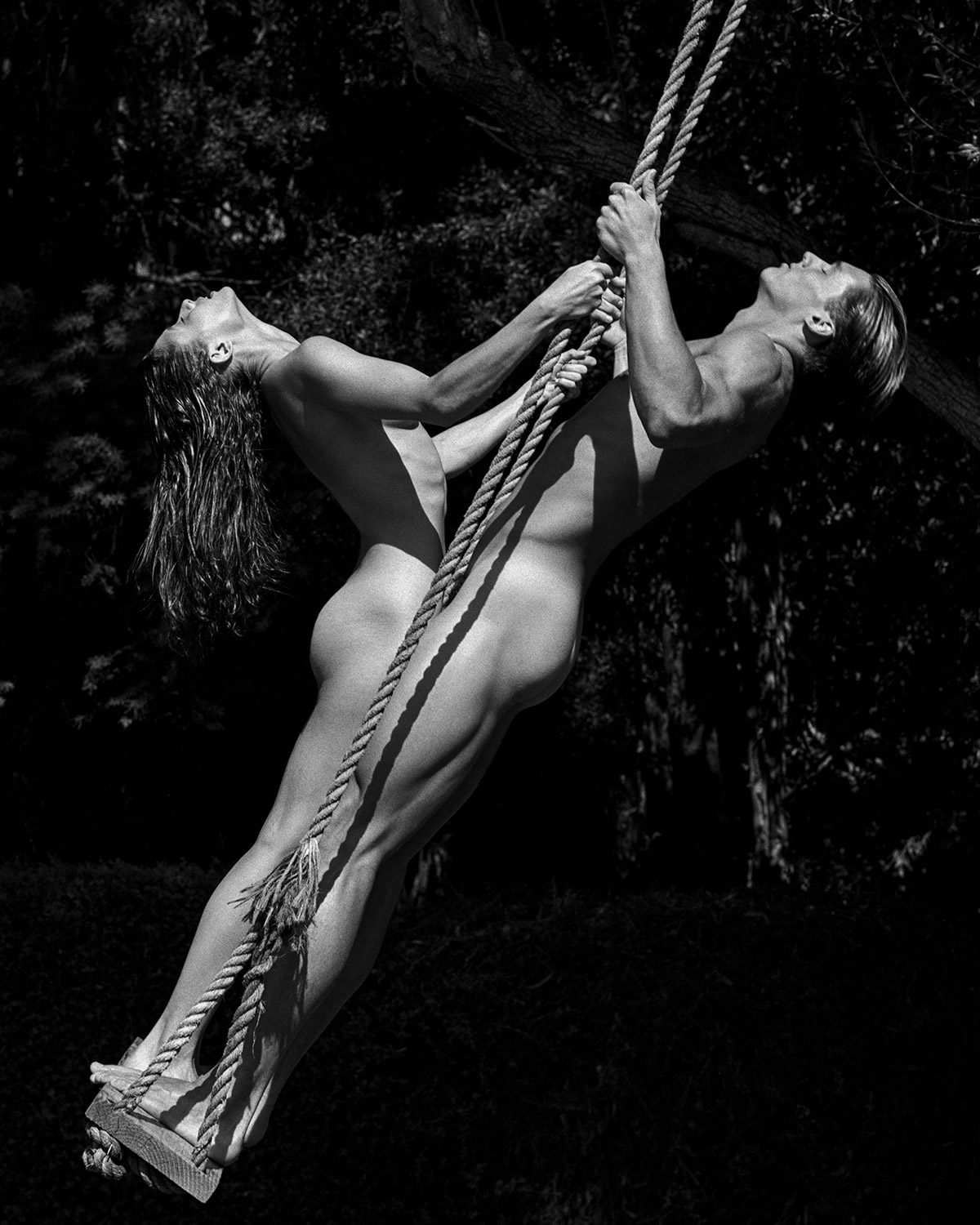
Bruce Weber
Nathalie Gabrielli and Ric Arango, Santa Barbara, California, 1987.
“Bruce Weber. My Education” p.288
© 2025 Bruce Weber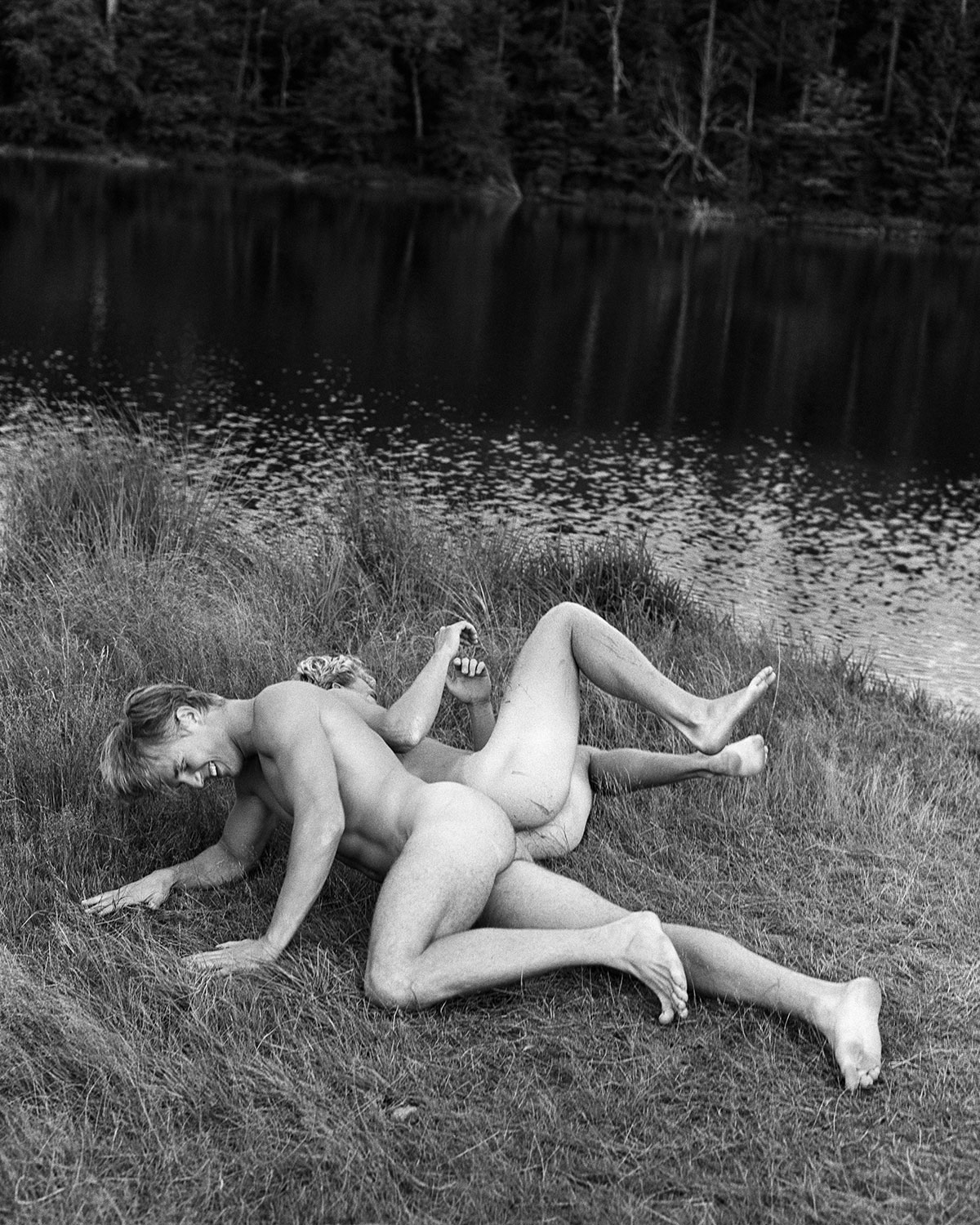
Bruce Weber
Jason and Christian on the island at Bear Pond, Adirondacks, New York, 1989.
“Bruce Weber. My Education” p.195
© 2025 Bruce Weber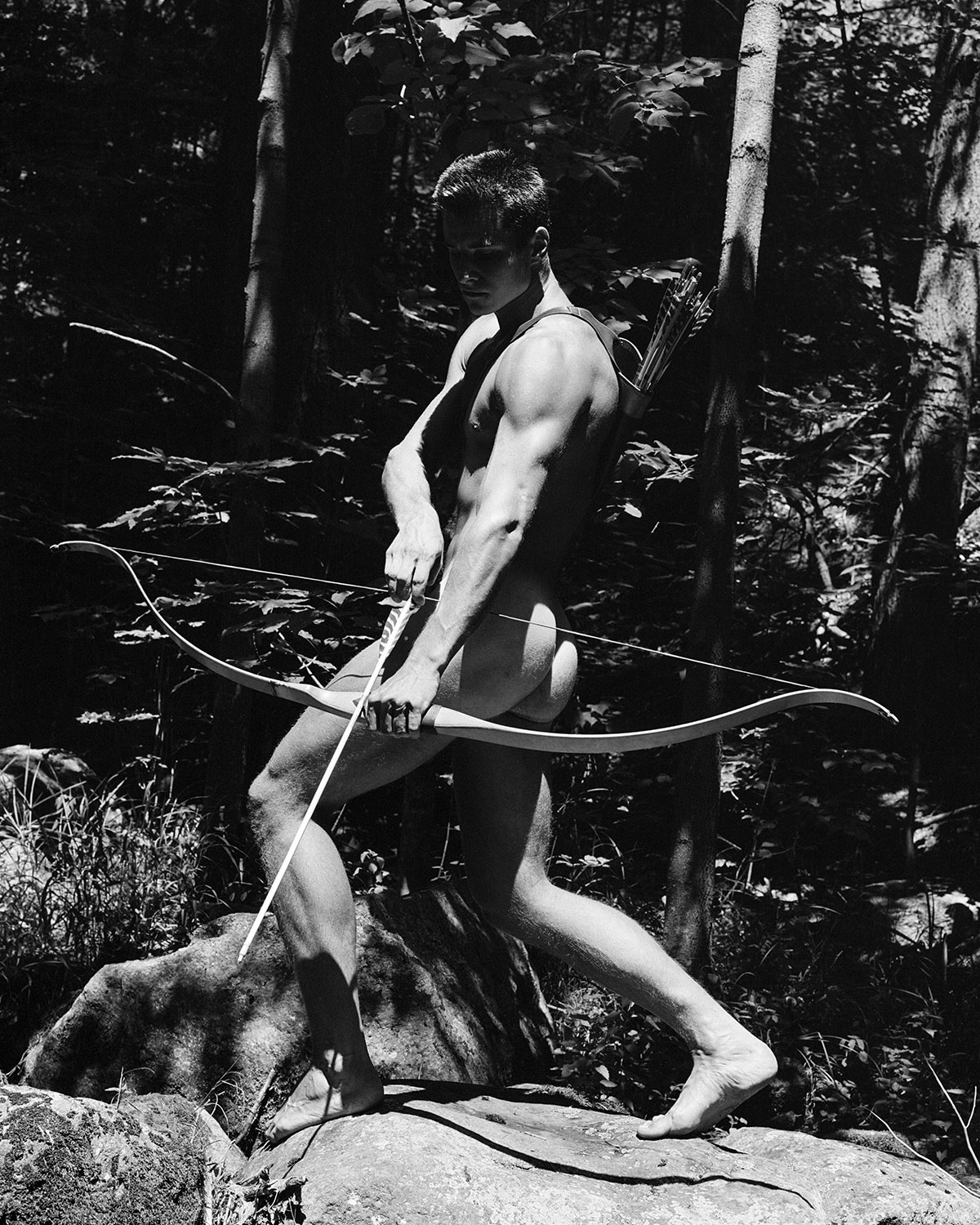
Bruce Weber
“Another Country: Adventures in the Adirondacks,” photographed for British Vogue in Adirondack Park, New York, 1983.
“Bruce Weber. My Education” p.375
© 2025 Bruce Weber
Weber is known for photographing many celebrities, but his celebrity portraits are characterized by an intimacy that makes them seem as if they are not professional shoots.
"I was in London photographing a famous actress, and she said to me, 'Bruce, you've photographed all my boyfriends, haven't you? They're all actors.' I said, 'Maybe so. I realize that now.' And then a thought occurred to me: 'I'd like to know what your boyfriends have thought of you, because right now I'm falling in love with you.' I was in love with her, and I said, 'I want you to come up the stairs, like we've been drinking and laughing and dancing late into the night, and then you come up the stairs.' And I said, 'I want you to take off one piece of clothing with each step.' And she slowly walked up the stairs, slowly began to take off her clothes, and when she got to the top, I understood why so many men fell in love with her. There was an incredible dignity to it, an absolute confidence to show her complete nakedness, to bare her heart and her soul."
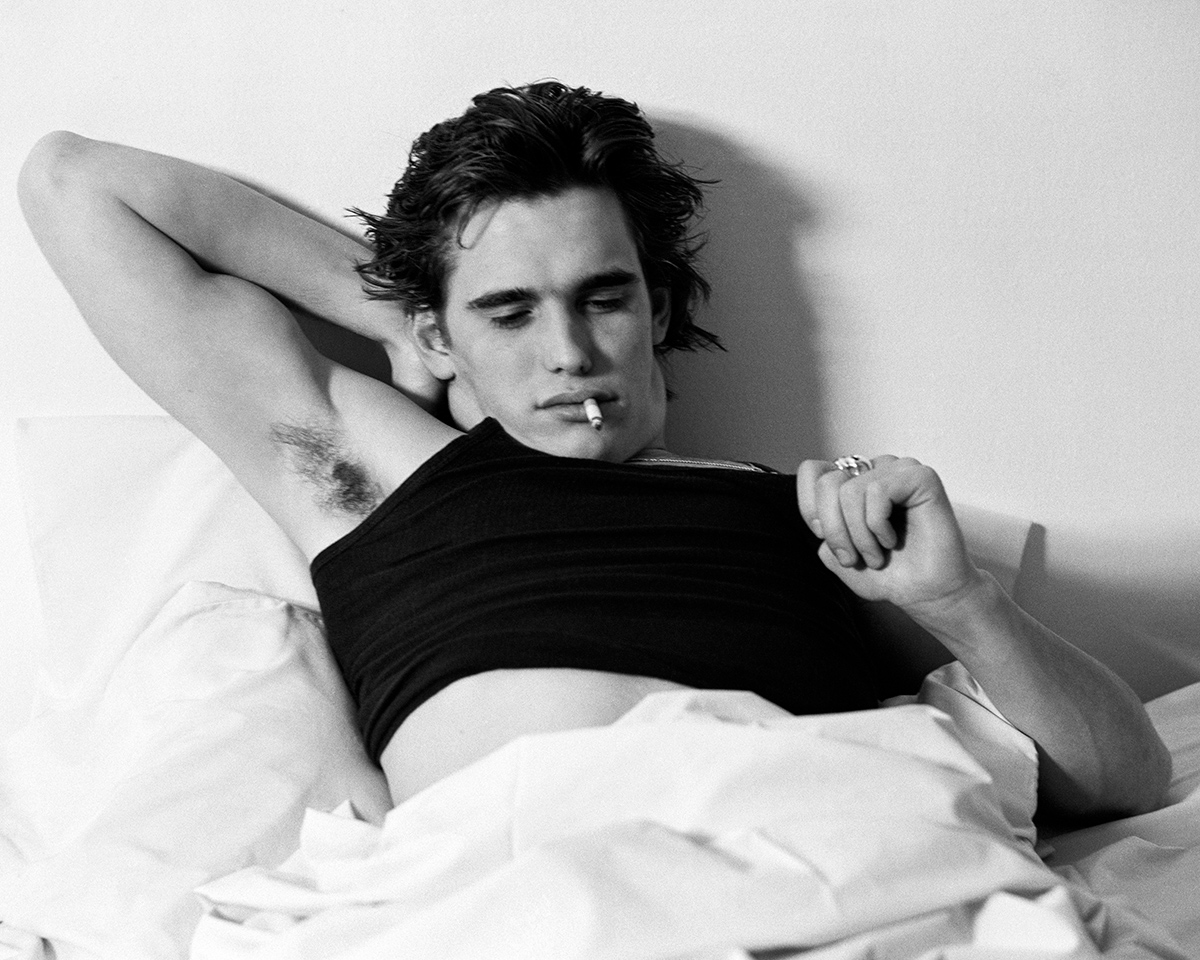
Matt Dillon, New York City, 1983.
“Bruce Weber. My Education” p.252
© 2025 Bruce Weber
Stylist Joe McKenna also praises Weber's ability to "fall in love" with any subject and capture them in a personal way.
"I think what sets Bruce apart is the fact that his photography is so personal. Whether it's landscapes, dogs, portraits or fashion, there's an immediate quality to Bruce's work that is uniquely his own."
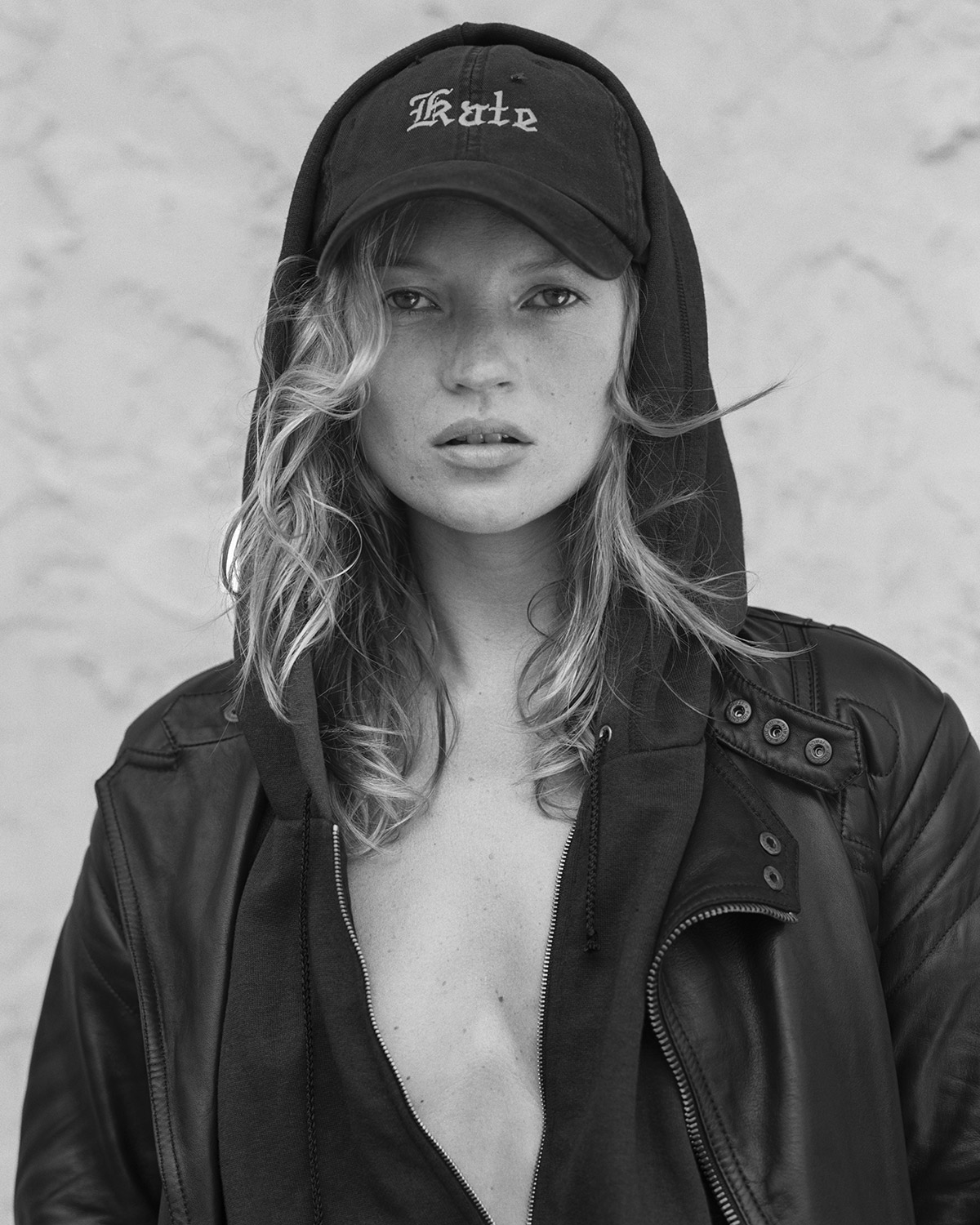
Kate Moss, Miami, Florida, 2003.
“Bruce Weber. My Education” p.163
© 2025 Bruce Weber
However, the current environment surrounding photography is anything but optimistic. In the media, moving images are becoming mainstream, and still images are being pushed to the margins. How does Weber view this crisis? And what is his definition of photography today?
"Those questions make me think deeply. All I can say about a photograph is simply how it makes me feel. I don't have all the answers because I'm still a photographer in progress. I just hope my photography gets better because I'm no longer afraid of the things I used to be afraid of.
When I lie in bed at night, or when I'm traveling to shoot, I imagine myself lying in bed with the important people in my life. I'm alone, sometimes traveling for months to shoot. But I imagine myself lying in bed with dogs frolicking around my legs, some of them leaning on my arm, others sleeping with my arm around their shoulders. Your desires, your emotions, what you've seen, mean something to someone—that's what people expect from a photograph.
People say, "Photography is just about pressing the shutter, right?" But it's not. Sometimes I take pictures of people I don't like. But if I find their hands adorable, I might just take a picture of their hands. And then I'll think about those adorable hands. And suddenly, I start to like them. As I walk around with my camera, I think, "Maybe the person I meet around the next corner will be the person I'll spend the next life with." But that never happens. I might take a photo by chance, and never see them again, because it only takes three seconds to take a photo. But I think it's important to remember that that moment will last forever, and that it will be eternal to me as well. And even after I'm gone, people will look at my photos and wonder, "What did that photographer think of that subject?" The subject might not have cared that much, but each photographer has their own feelings.
When I was shooting for Abercrombie & Finch, I had a bunch of couples go into a pond. They were all kissing, and I couldn't help but mutter, "Oh, if I were younger, I'd love to be in that photo! I'd love someone to take a photo of me in that." I finished taking the photos with that feeling, and they came out of the pond. They were all so friendly, the men were so kind to the women, the women were so kind to the men, and the two women were so intimate with each other, and the two men had their arms around each other. I felt so elated seeing that, and I knew I'd done something good for them, and it was good for me, too. After we finished shooting, everyone got out of the pond, dried off, got dressed, and we were driving off when a police car approached. The officer asked us, "We've received a report that there are a lot of nude people in the pond. Did you know?" I replied, "I didn't see anything." (Laughs)
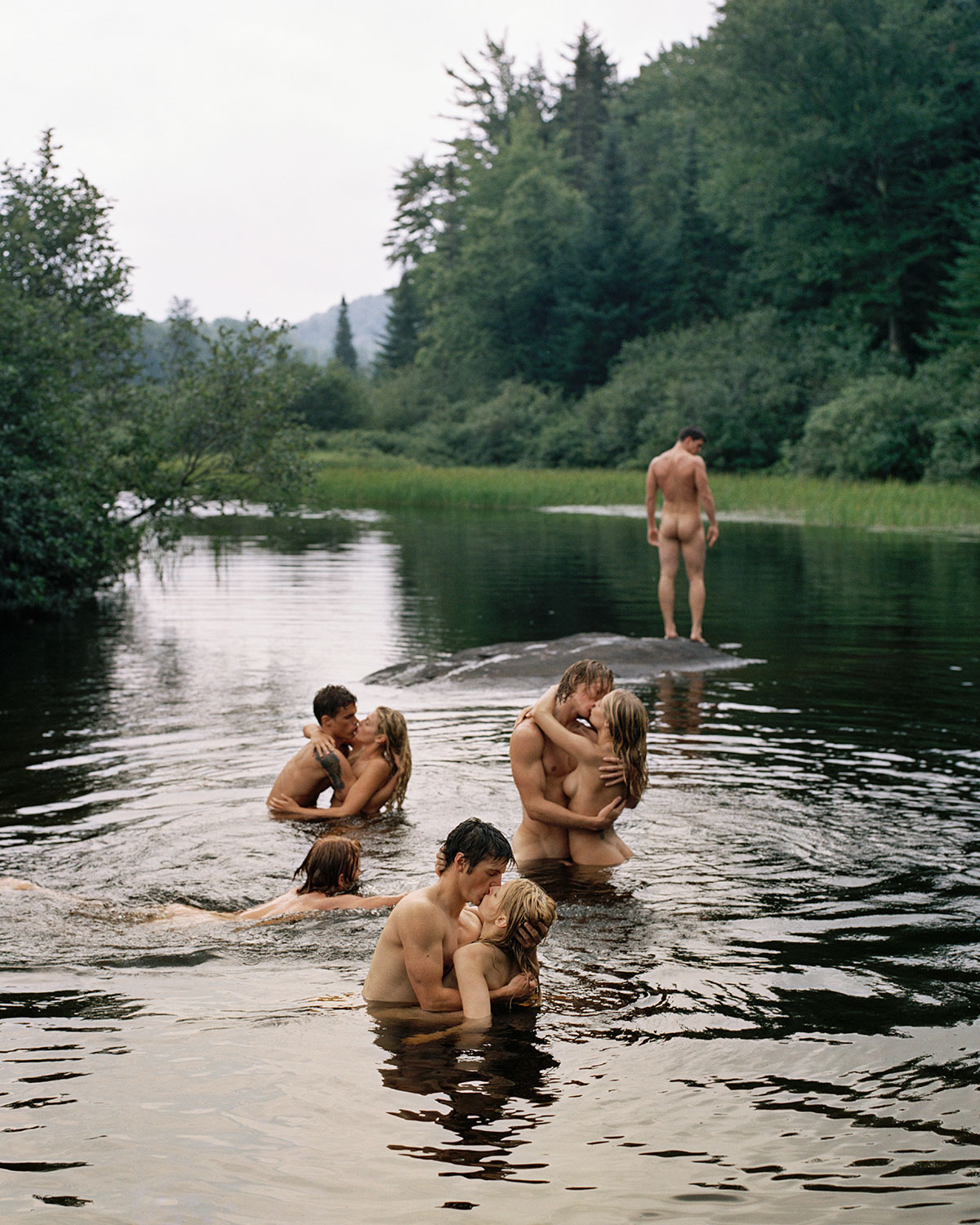
Adirondacks, New York, 2003.
“Bruce Weber. My Education” p.243
© 2025 Bruce Weber
"My Education" is sure to become a monumental work in the history of photography. It delves deeply into the origins of photography, and deals with themes that are multidisciplinary yet deeply personal. As its title suggests, "My Education" proclaims Weber to be a lifelong student of photography, but how does he maintain his abiding passion and respect for photography?
"When my father first came to New York, I had just started working in advertising for Calvin Klein, and Times Square was filled with billboard advertisements. My mother had passed away just before that, and my father had brought his girlfriend with him. My father was actually a bohemian type of person, and he had lots of girlfriends and boyfriends. I asked him, 'Dad, when you're walking through the theater district of Times Square, and you look up, you see all these Calvin Klein billboards, right? Have you seen them? I took all those photos.' As you know, that famous Calvin advertisement features a male model lying down in just his briefs. My father got mad at me and said, 'Bruce, you need to live your life seriously.' (Laughs) I still feel like I'm standing on my father's shoulders: how to behave, what is right. And that conflict is still with me today. What I consider to be the best photos are also the ones that cause me certain problems.
My wife, Nan Bush, and I don't have any children. Instead, I have a lot of dogs in my life. When I was a kid, I wanted to have 10 kids. But as an adult, I realized that wasn't possible. I don't go to basketball games with my son or watch my daughter perform in a school play. So my life is in the pictures, not in the house.
I don't have children, but I'm very proud of all my past assistants. They're not obligated to become photographers or continue in photography, but I want them to be happy and proud of what they do. My former assistants sometimes send me photos, and some I like and some I don't (laughs). I ask them, 'Why did you take this photo?' They sometimes answer, 'Well, I don't really know myself. Someone around me suggested I take this photo.' I respond, 'Didn't I teach you to stand up and fight for yourself?' That's all I want to say to young people."
This month's top 10 trending photos
-
10: Akina Nakamori by KIZEN for VOGUE JAPAN nov. 2025
It's surprising to read about Akina Nakamori's comeback story not in a women's weekly magazine but in Vogue Japan. The photos are by KIZEN, a Chinese-born graduate of Nihon University College of Art, and have a fashionable feel.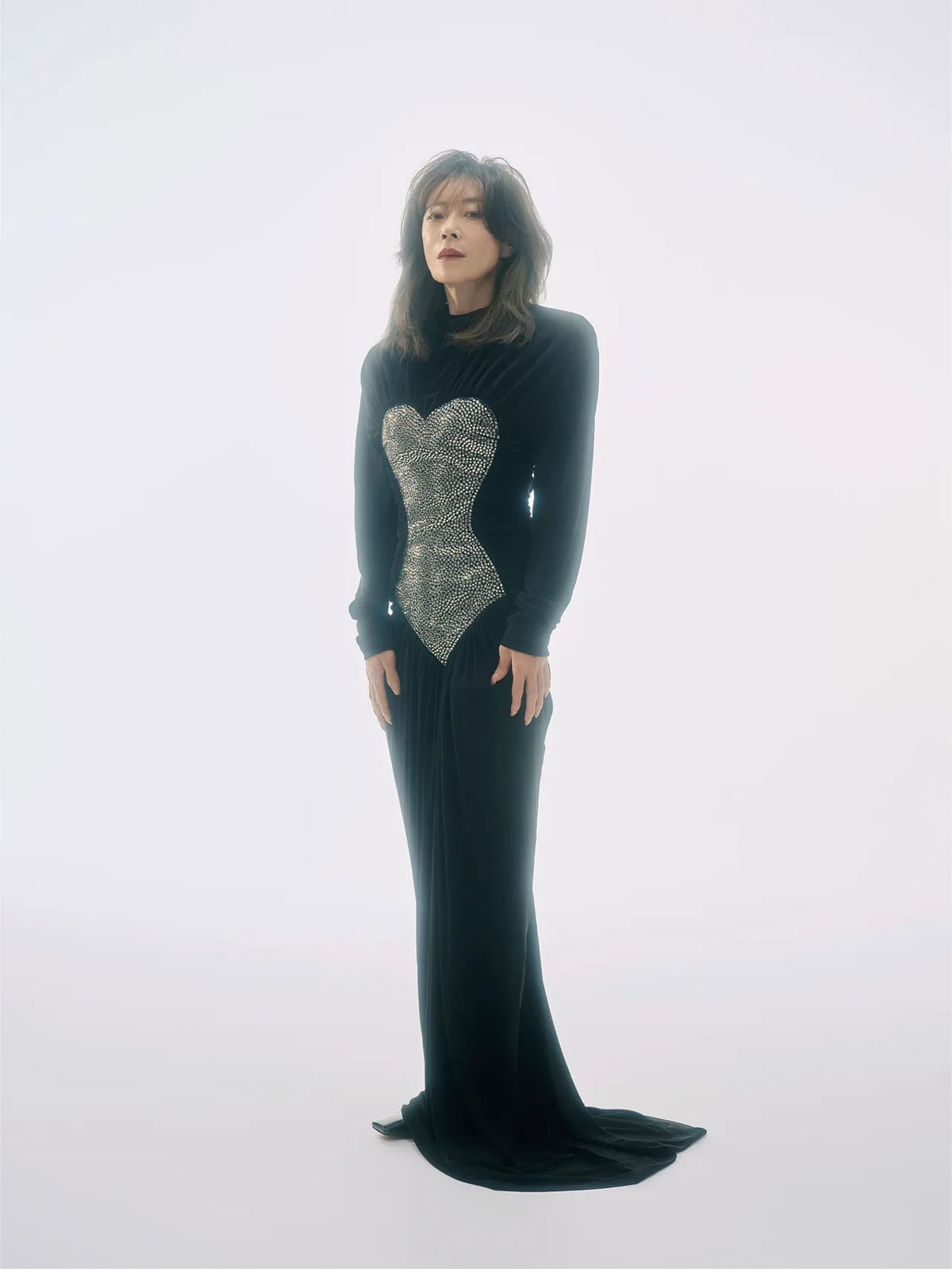
10:中森明菜 by KIZEN for VOGUE JAPAN nov. 2025
中森明菜の復活ストーリーを女性週刊誌ではなく『ヴォーグ・ジャパン』で読めるという意外性。写真は中国出身で日本大学芸術学部卒のKIZENによるモード感ある仕上がり。
https://www.vogue.co.jp/article/akina-nakamori-new-chapter -
9:Charli xcx by Charlotte Wales for POP MAGAZINE Issue 53 Autumn / Winter
Charlotte Wales portrays British musician/singer Charli XCX as an icon of the era with her '80s-inspired tone and gimmicks.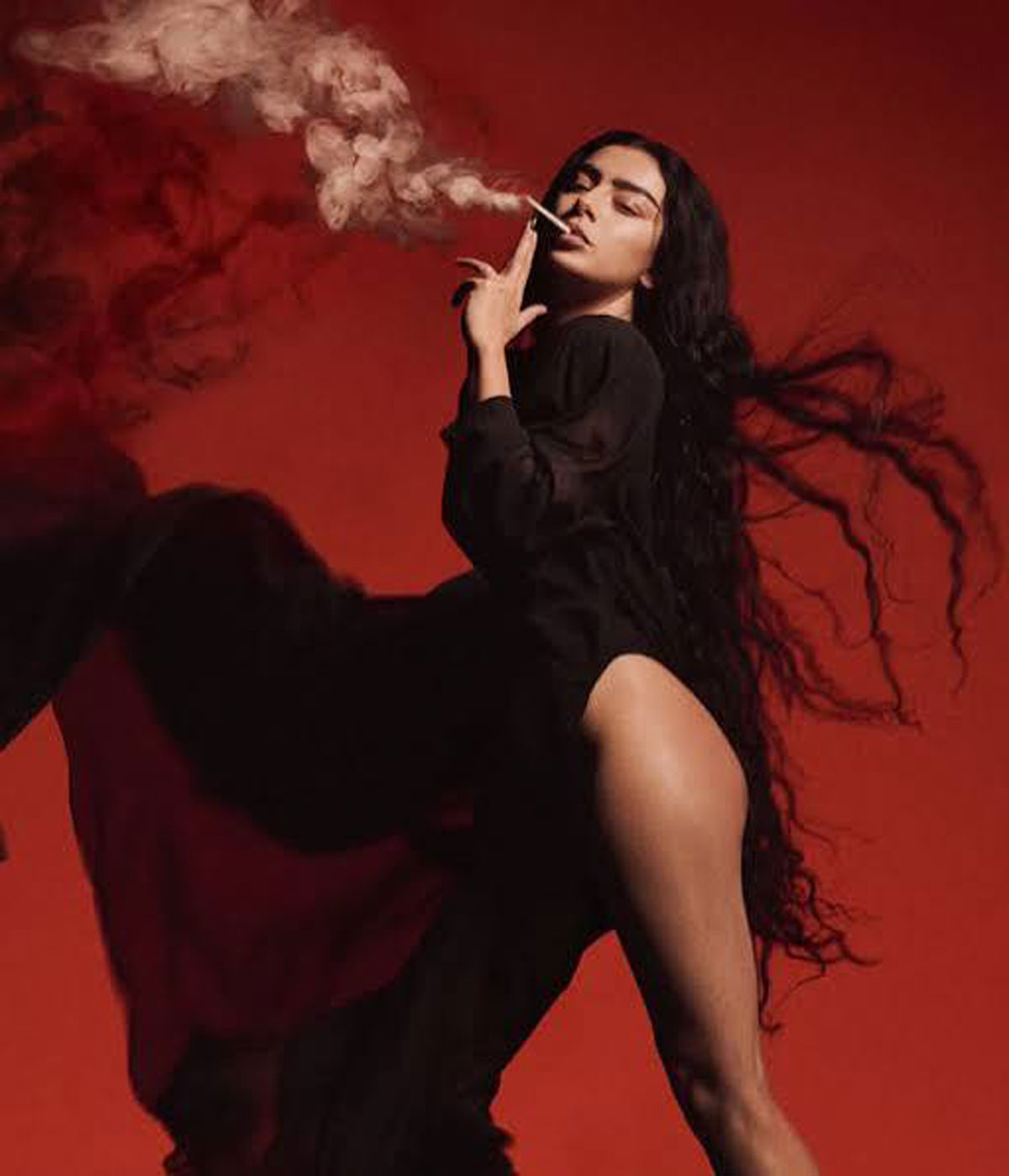
9:Charli xcx by Charlotte Wales for POP MAGAZINE Issue 53 Autumn / Winter
英ミュージシャン/シンガーのチャーリー・XCXをシャルロット・ウェールズが80年代風トーンとギミックで時代のアイコンとして描き出す。
https://www.thepop.com/covers -
8. "Eddington" directed by Ari Aster
Ari Aster and A24 present a tragicomedy about a mayoral election in a rural Midwestern town during the COVID-19 pandemic. A sheriff with a Trump-like personality divides the town, leading to a violent, absurdist Western-style shootout. A powerful film critique of America today.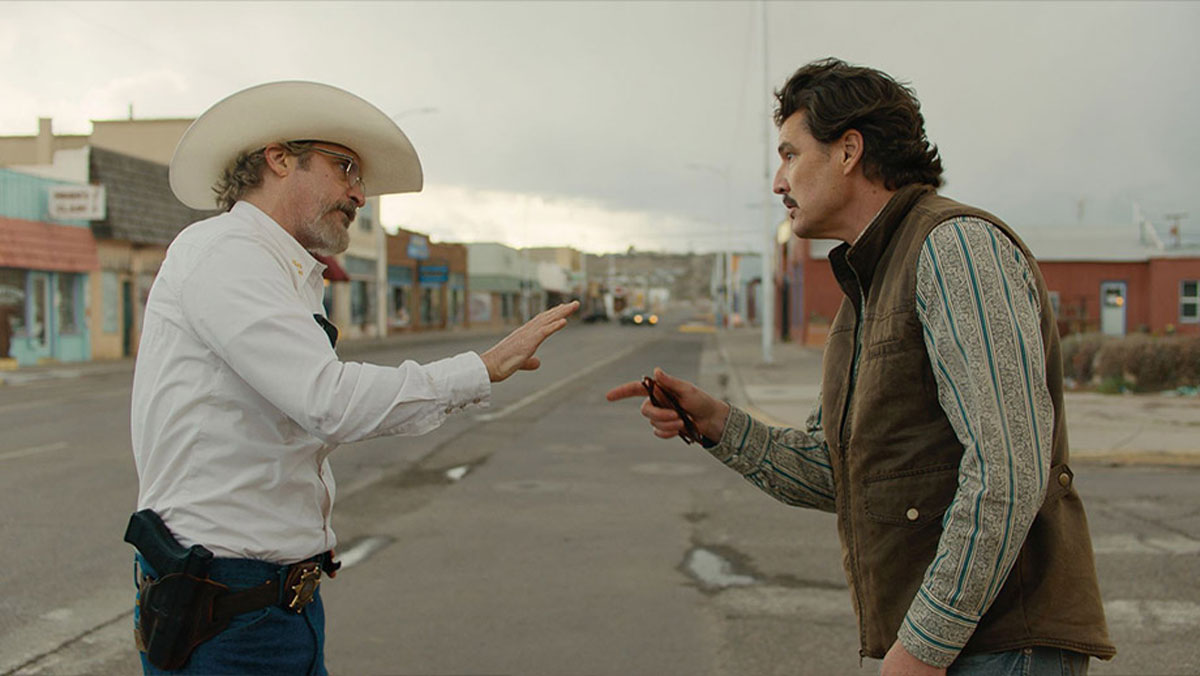
8:『エディントンへようこそ』監督:アリ・アスター
アリ・アスター×A24による、アメリカ中西部の田舎町でのコロナ・パンデミック下における市長選の悲喜劇。もろトランプ的な性格の保安官が街を二分し、最後は不条理西部劇と呼べるドンパチへ。映画による今のアメリカへの強烈な批評。
https://a24jp.com/films/eddington/ -
7: “For the Love of Fashion” by Steven Meisel for W magazine Fall 2025
Steven Meisel teams up with his friend Karl Templer for the first time in a long time to create a serious fashion story. The level of perfection is high. I'm captivated by the emperor's outstanding sense of fashion.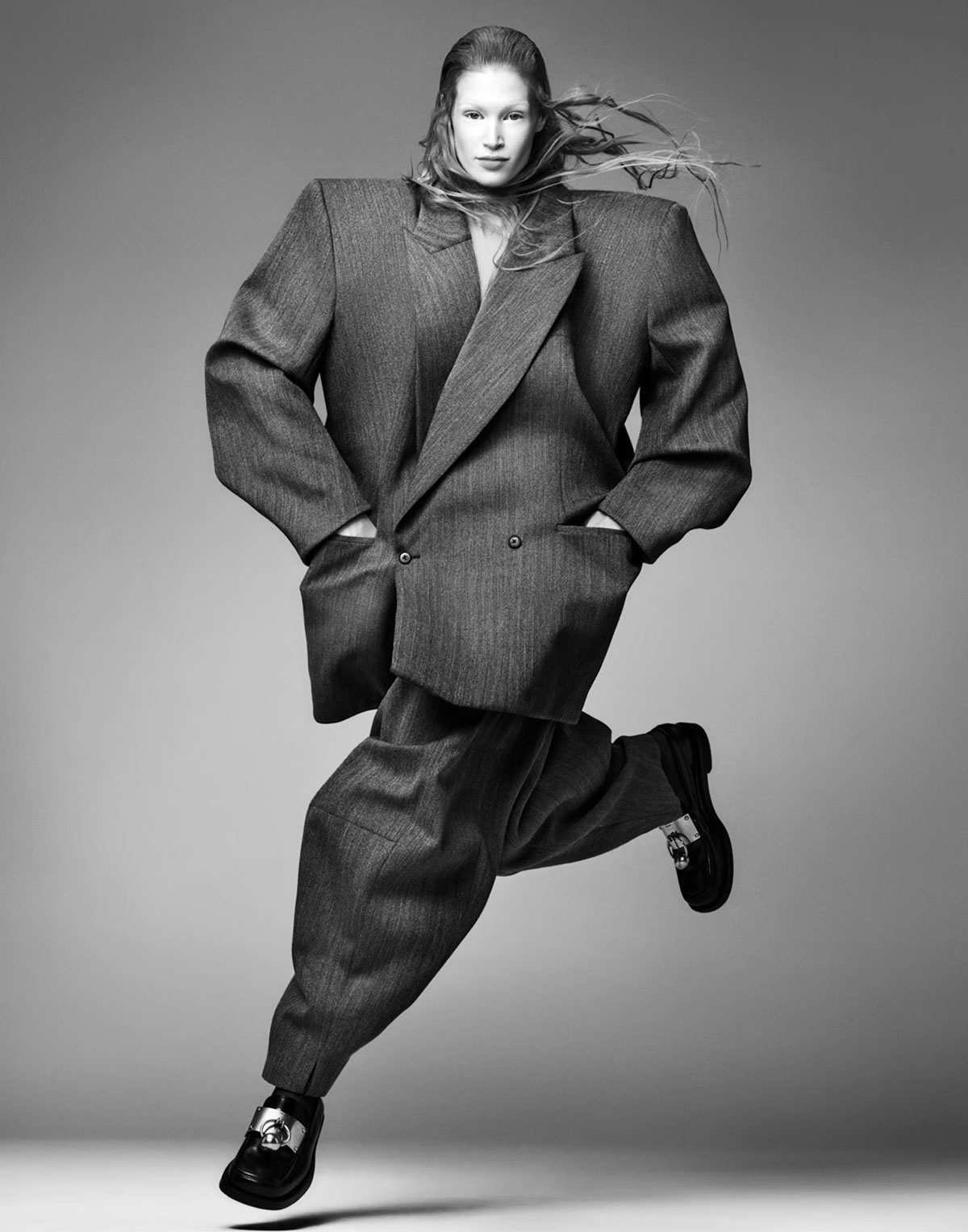
7:“For the Love of Fashion” by Steven Meisel for W magazine Fall 2025
スティーヴン・マイゼルが盟友カール・テンプラーと組んだ久々の本格ファッション・ストーリーの完成度の高さ。帝王の抜群のモード感に惚れ惚れ。
https://www.wmagazine.com/fashion/steven-meisel-karl-templer-fall-2025-model-portfolio -
6. Mari Katayama "Synthesis" (SPBH Editions/MACK)
This new photo book brings together works taken in Katayama Mari's home studio in Gunma over the past six years, since the birth of her daughter. As the title, which means "synthesis," suggests, the book is a powerful work that conveys her determination to create her own image and identity.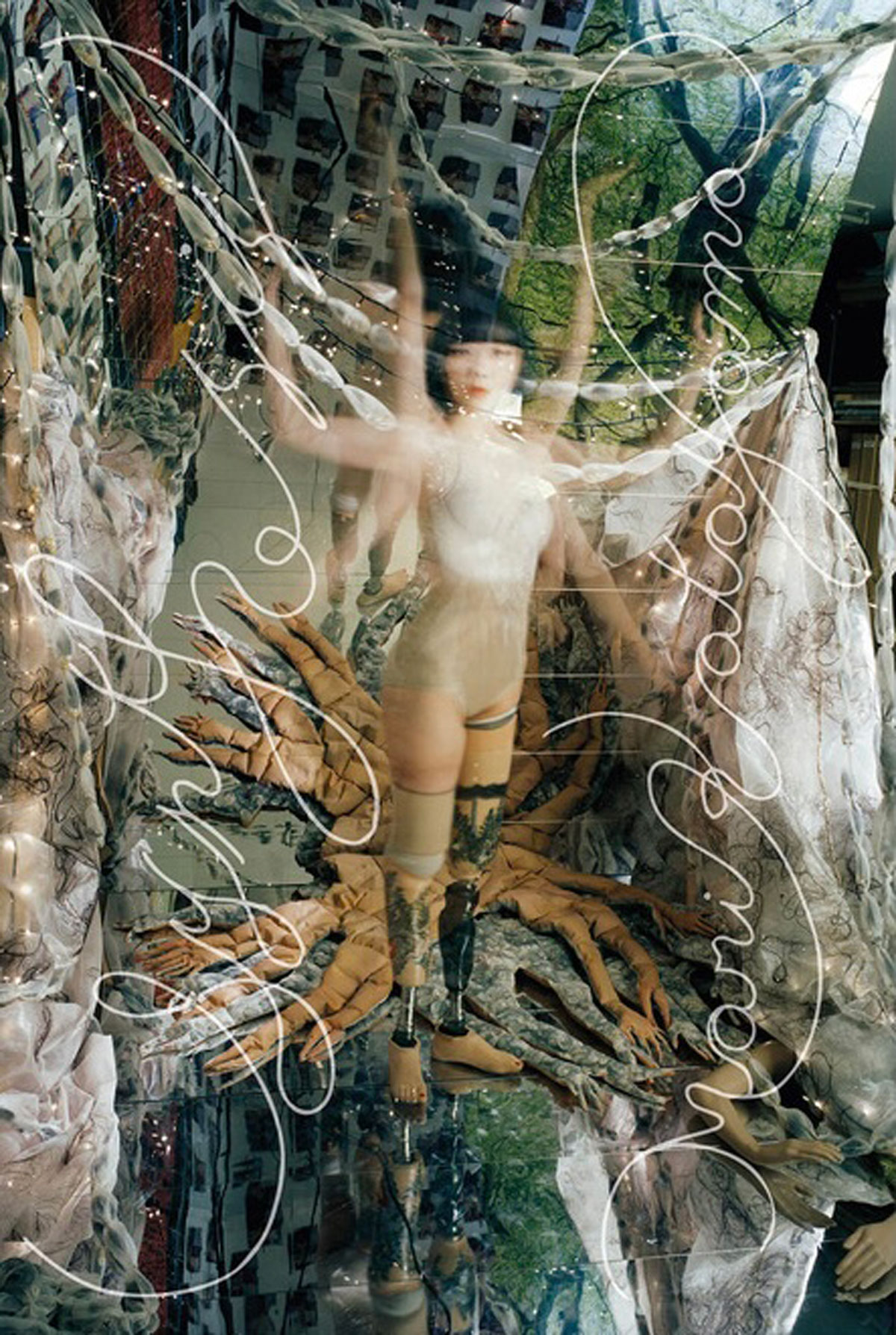
6:片山真理『Synthesis』(SPBH Editions/MACK)
片山真理の自分の娘の誕生からの過去6年間の群馬での自宅スタジオで撮影された作品をまとめた新作写真集。「合成」を意味するタイトルのように、自らのイメージ、そしてアイディンティティをつくり上げていこうという意思を感じる力強い仕上がり。
https://mackbooks.co.uk/products/synthesis-mari-katayama?srsltid=AfmBOoomIxpmMpWNjdvUMuRMQMcBVWdYJuLyrXmbn264mDtV5LtiQUDj -
5. "Led Zeppelin: Becoming," directed by Bernard McMahon
This documentary on the music of Zeppelin was created with the assumption that it would be viewed in IMAX, and features stunning visual and sound design. It also has a brilliant historical perspective that reinterprets Zeppelin within the history of popular music.
5:『レッド・ツェッペリン:ビカミング』監督:バーナード・マクマホン
ツェッペリンの音楽ドキュメントはIMAXで観ることを前提に作られた、脅威の映像・音響設計。ツェッペリンをポピュラー音楽史の中で捉え直す歴史観を持った構成も見事。
https://zep-movie.com/ -
4: TAKASHI HOMMA “Portrait of J” (Dashwood books)
Takashi Homma's new book from Dashwood Books in New York is a collection of portraits of Japanese people. It's interesting that there are many portraits of photographers.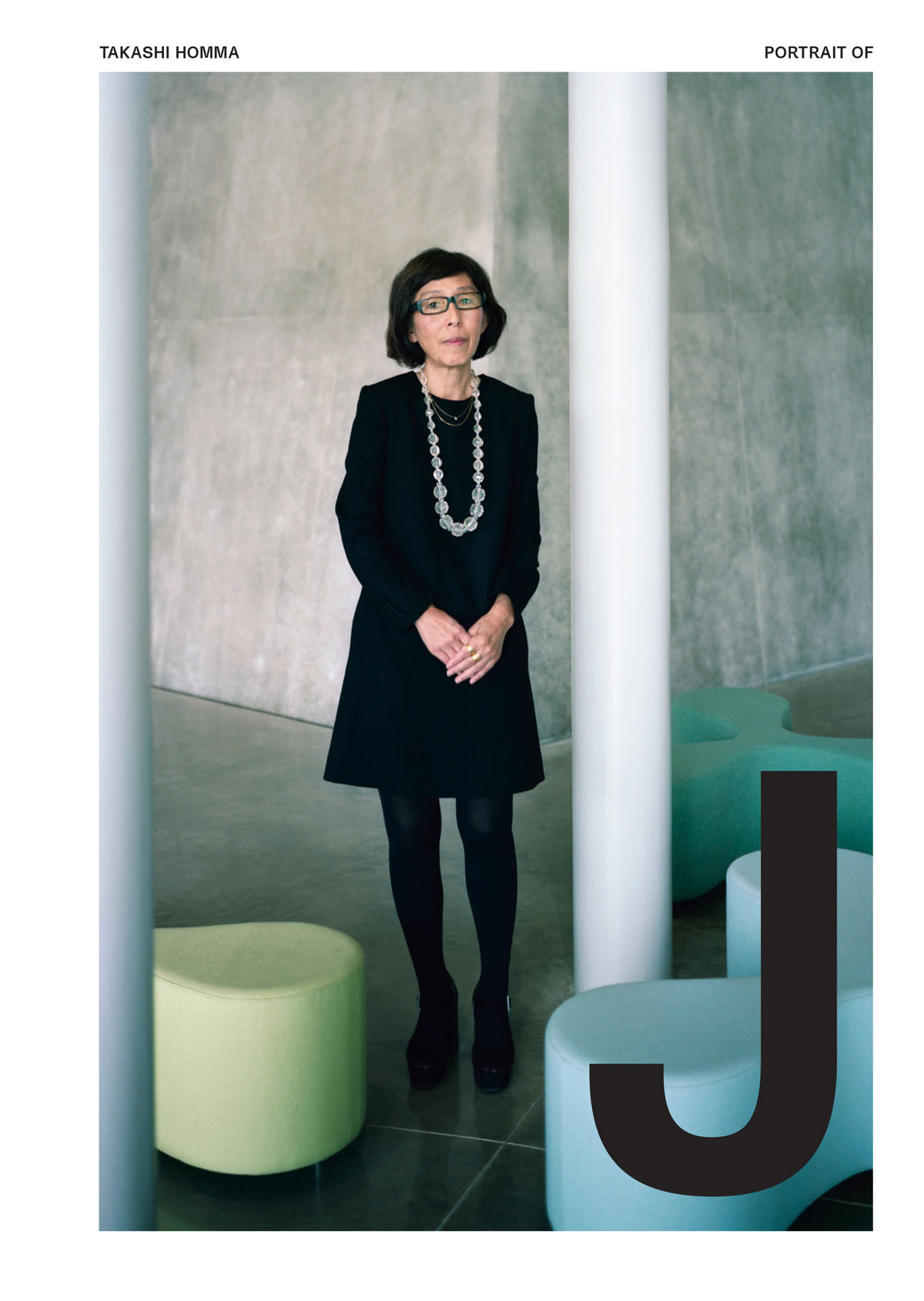
4:TAKASHI HOMMA『Portrait of J』(Dashwood books)
ホンマタカシのNYダッシュウッド・ブックスからの新刊は、日本人のポートレイト集。写真家のポートレイトが多いところが興味深い。
https://www.dashwoodbooks.com/pages/books/28716/takashi-homma/portrait-of-j -
3. "One Battle After Another" by Paul Thomas Anderson
PTA's latest work and his biggest masterpiece is an invention of new cinematic grammar disguised as an action movie. It's a squid movie that you'll discover more about after watching it twice.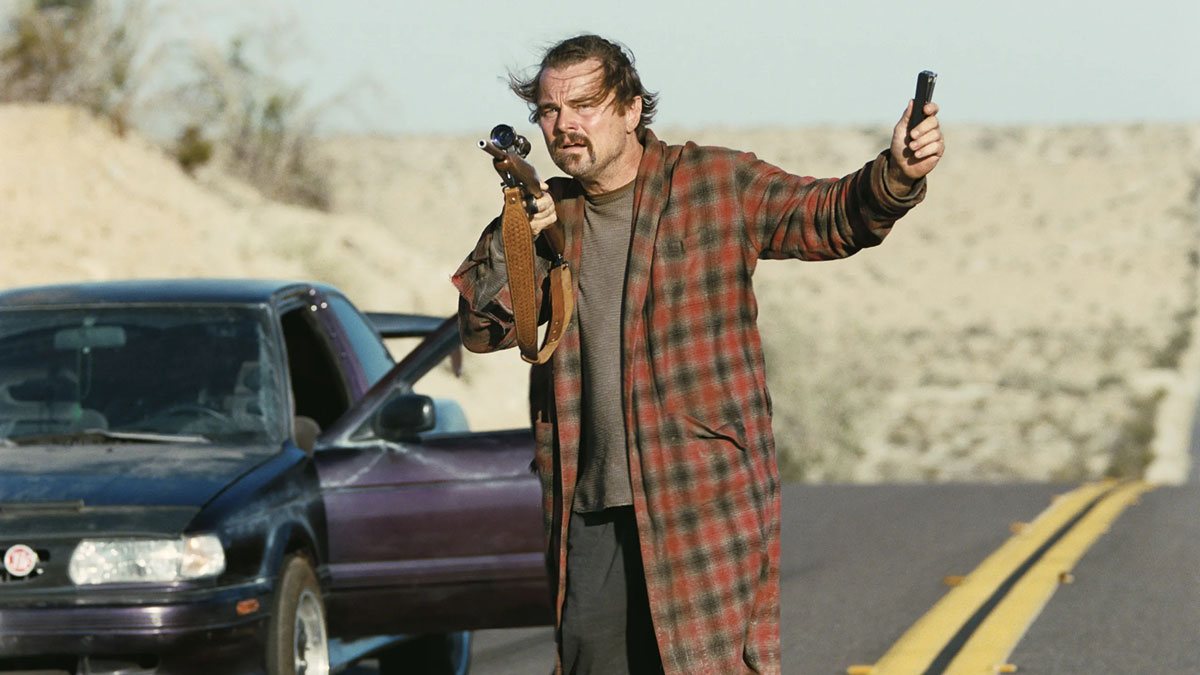
3:『ワン・バトル・アフター・アナザー』監督:ポール・トーマス・アンダーソン
PTAの新作にして彼の最大の大作は、アクション映画のふりをした映画の新しい文法の発明。二度見ていろいろ発見するスルメイカ映画。
https://wwws.warnerbros.co.jp/onebattlemovie/index.html -
2: Mark Borthwick “'Out of Date': Pola Pan 1984-1996” (Rizzoli)
This extensive volume brings together Mark Borthwick's work, shot on 35mm black-and-white instant Polaroid film, "Pola Pan." From fashion to celebrity portraits to intimate documents, the works are brought together with the same aesthetic sense, creating a happy marriage of subject and medium.
https://www.rizzoliusa.com/book/9780847899913/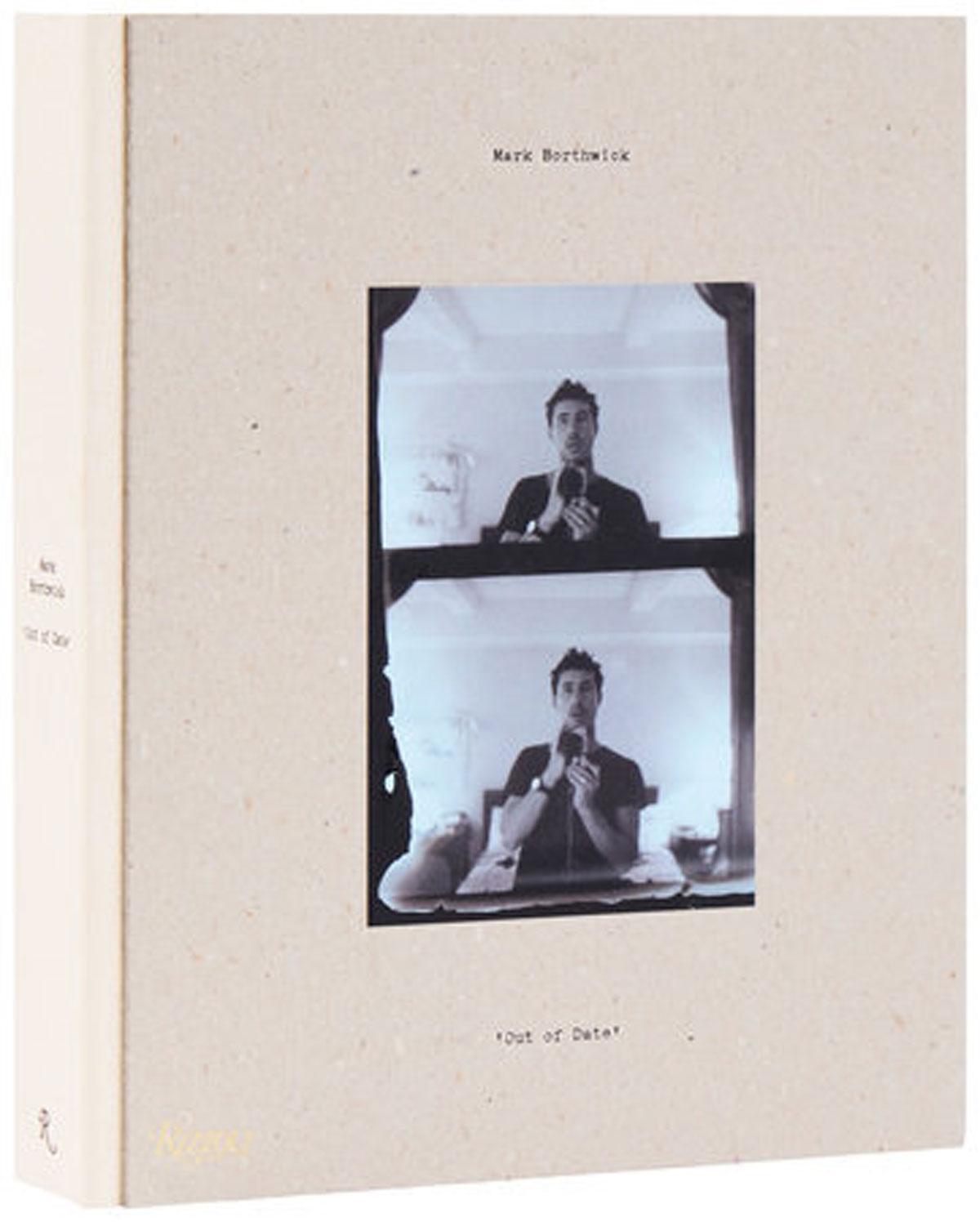
2:Mark Borthwick “‘Out of Date’: Pola Pan 1984-1996”(Rizzoli)
マーク・ボスウィックの35mm のモノクロインスタントポラロイドフィルム「Pola Pan」で撮影した作品をまとめた大著。ファッションからセレブのポートレイト、プライベートなドキュメントまでまったく同じ美意識でまとめられた、題材とメディウムの幸福な結婚。
https://www.rizzoliusa.com/book/9780847899913/ -
1. "Jam Session: Ishibashi Foundation Collection x Chikako Yamashiro x Lieko Shiga" @ Artizon Museum
The sheer power of Lieko Shiga 's exhibition, with its gigantic tarpaulin prints covering the entire venue, is palpable. Shiga's 21st century folk tales and myths will leave a lasting impact on the history of Japanese and global photography.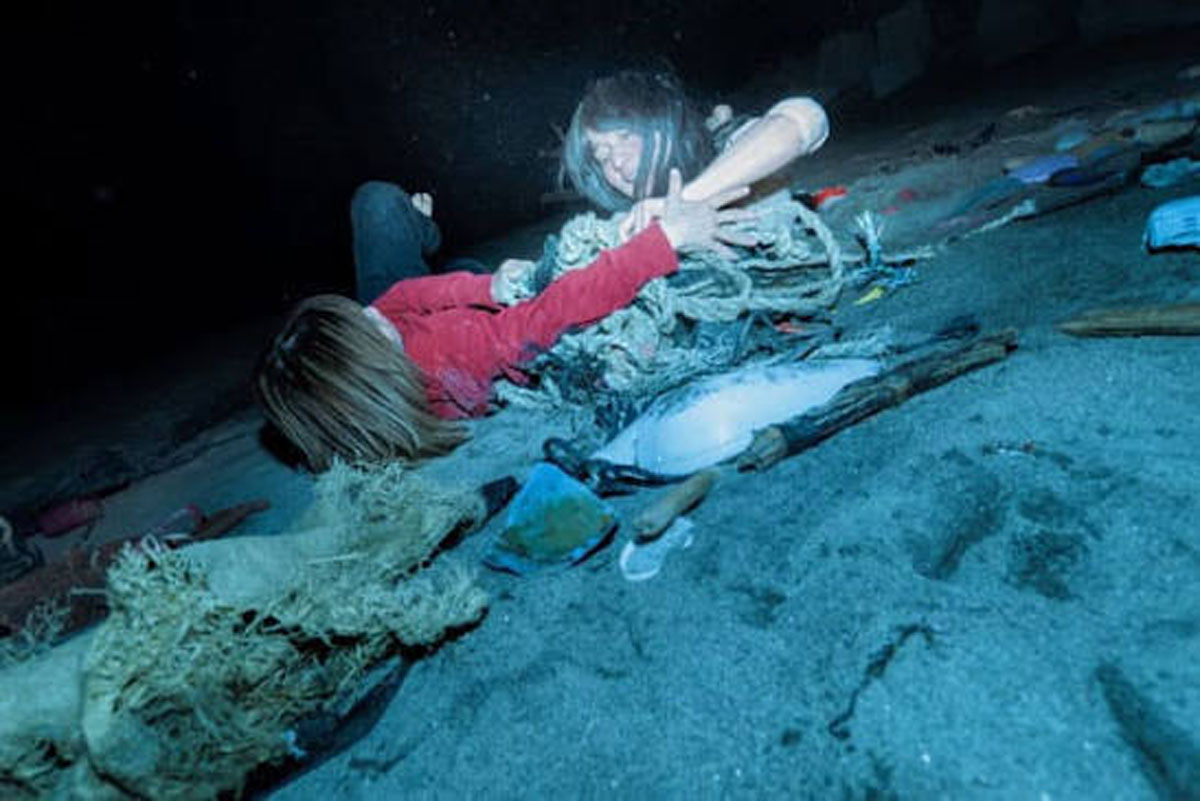
1:「ジャム・セッション 石橋財団コレクション×山城知佳子×志賀理江子 漂着」@アーティゾン美術館
会場全体を覆い尽くす巨大なターポリン・プリントによる志賀理江子の展示の鬼気迫る迫力。志賀による21世紀の民話であり神話。日本の、世界の写真史に残るインパクト。
https://www.artizon.museum/exhibition_sp/js_yamashiro_shiga/