










Five memorable spots you'll find in Ogikubo, a place beloved by literary greats of the past

From the Meiji to Taisho eras, Ogikubo was known as "Kamakura in the west, Ogikubo in the east." It flourished as a villa area close to the city center, and is a town with a history beloved by cultural figures such as writers Osamu Dazai and Akiko Yosano, and music critic Motoo Otaguro.


Even now, if you venture a little away from the hustle and bustle in front of the station, you can still find small, famous shops where artisans show off their skills. We visited five shops, each with its own story, from a long-established manju shop to a world-class Neapolitan pizza.

photo: Naoto Date / text: Nozomi Hasegawa

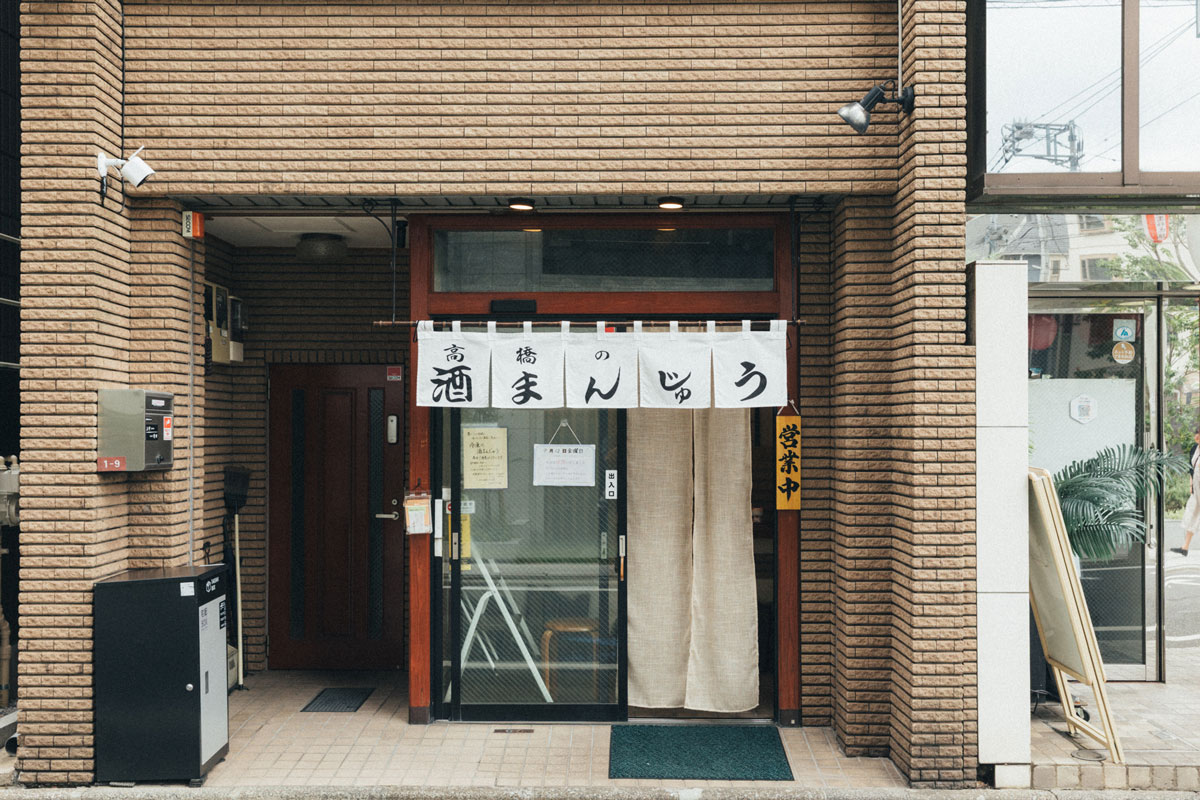
Takahashi's Sake Manju

Once you try it, you'll never forget the rich aroma of sake manju.

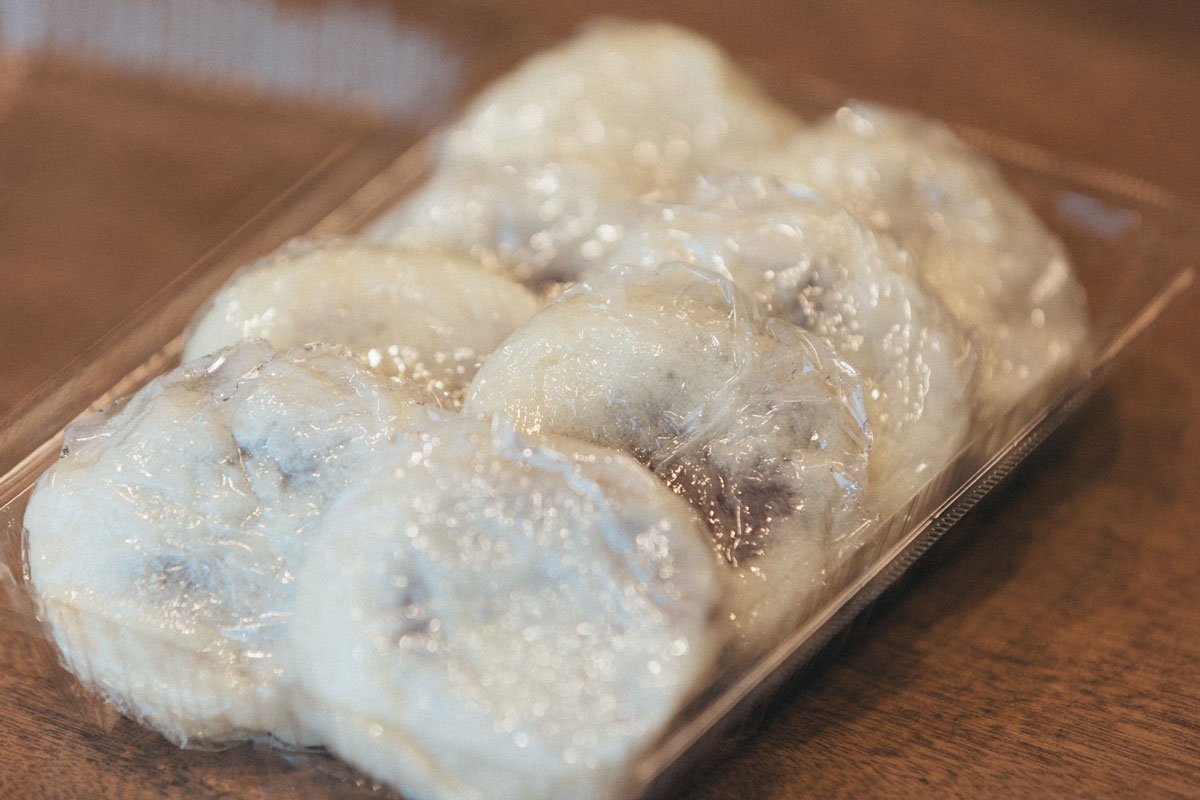
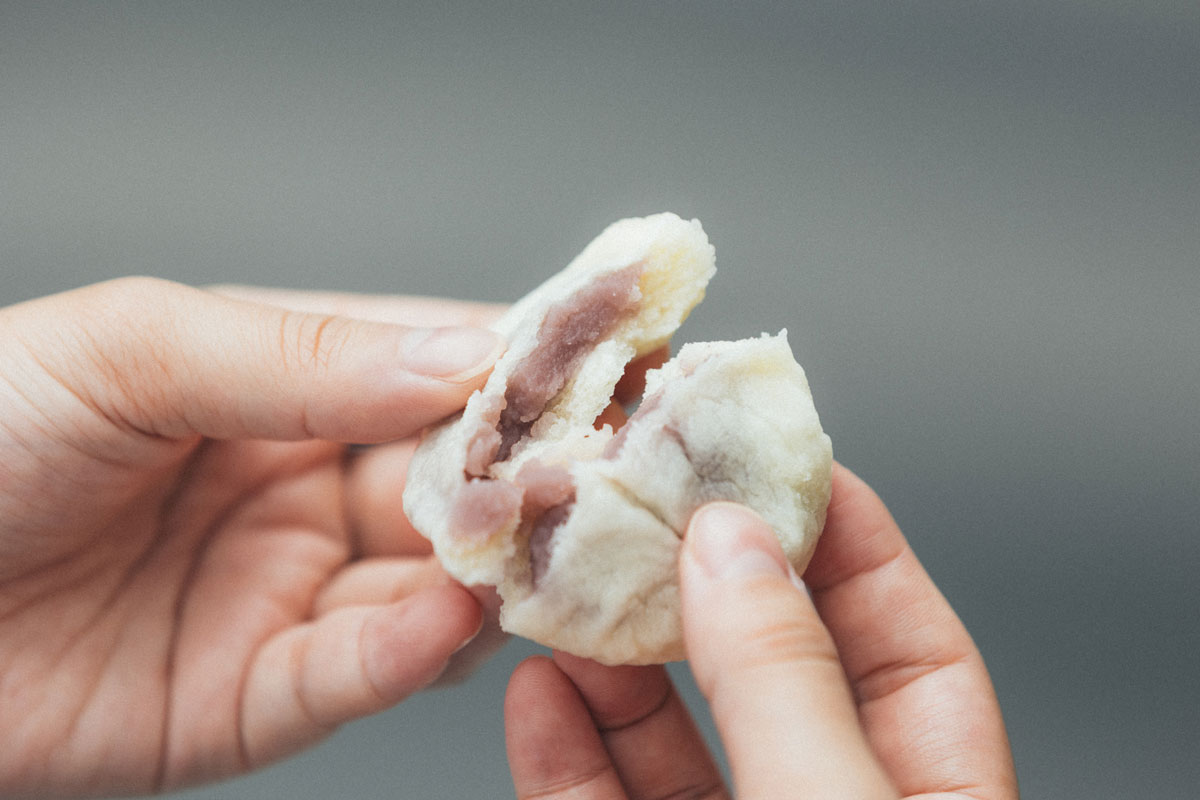
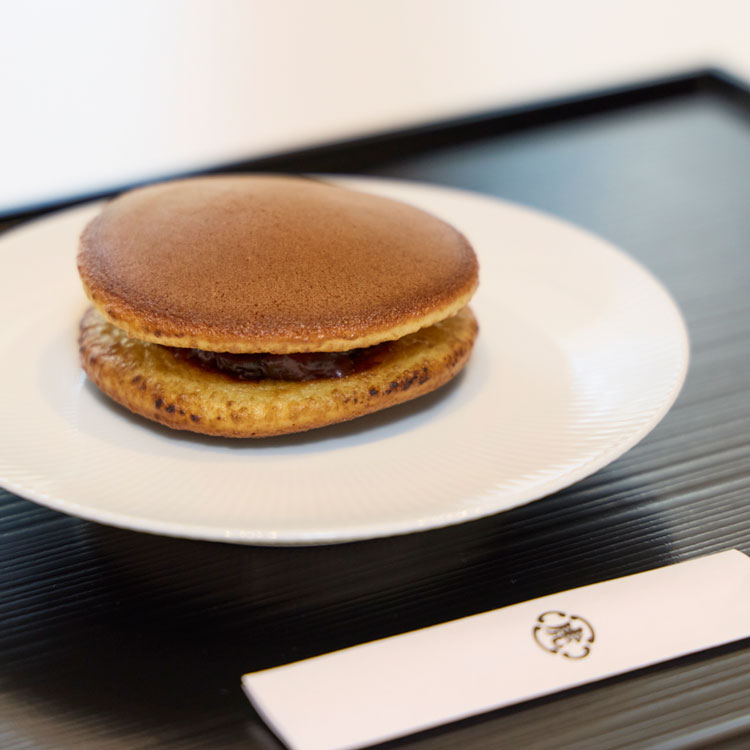
Since its founding in 1985, the shop has been dedicated to "sake manju." The soft and chewy dough is wrapped around smooth and refined koshian bean paste. With one bite, the subtle aroma of sake fills your mouth.

"We ferment the dough, which is made with rice koji and fresh yeast, overnight, and then steam it the next morning while it rests on a wooden shelf called a 'muro'. Finally, we hand-wrap each one in smooth bean paste made with Hokkaido red beans. They finish steaming around 9:30, so they're still piping hot when we open at 10," says third-generation owner Yokota Tomoko. They have many loyal fans, and are often sold out by advance order. We also recommend dipping them in batter and frying them as tempura. Each one costs 130 yen.

Sushi Red Vinegar Takayama

A relaxing time to savor the profound depths of Edomae sushi

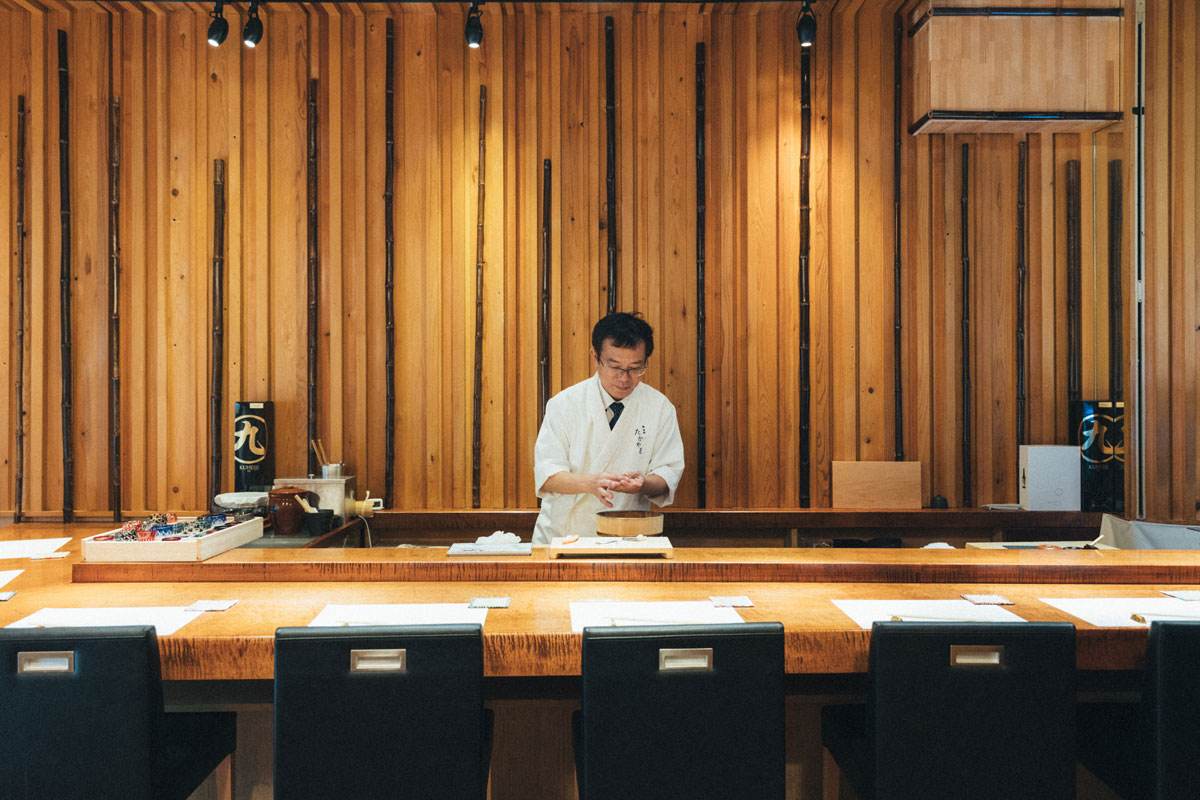
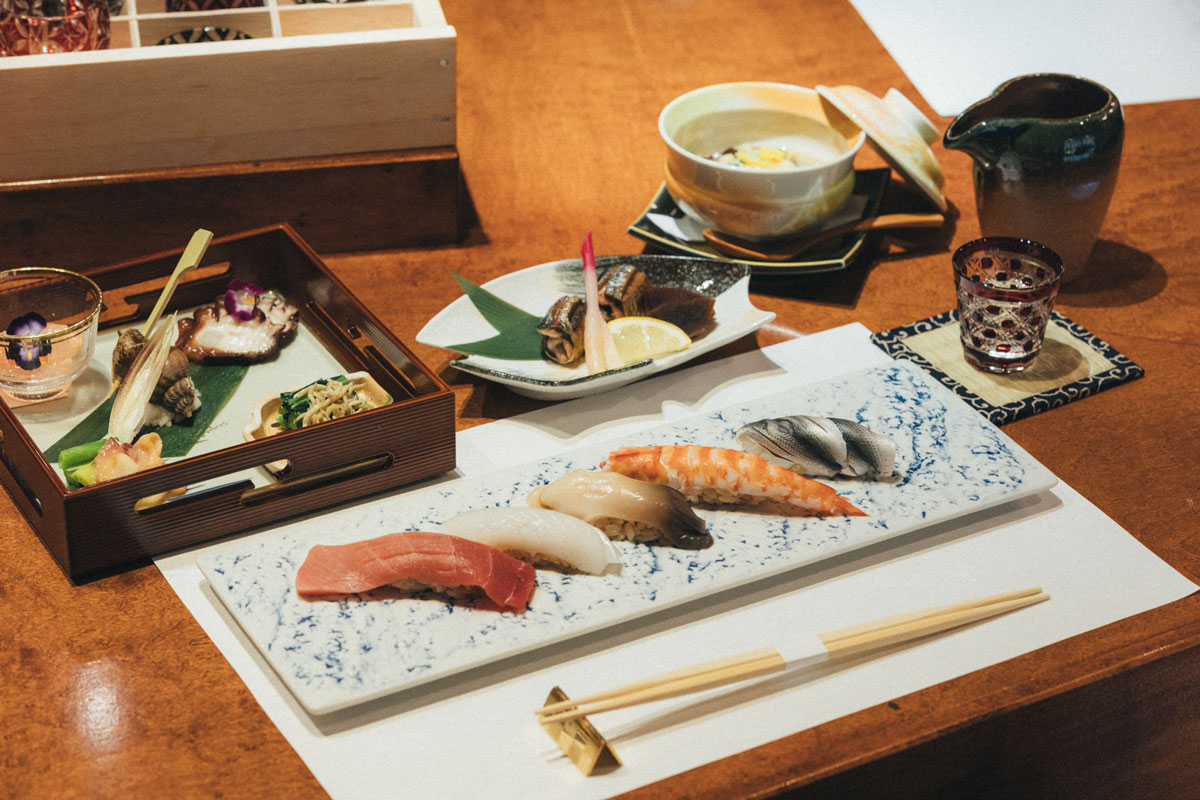
Sushi Akasu Takayama is scheduled to open in June 2025. Guests can enjoy authentic Edomae sushi in a high-ceilinged, open space. Manager Nobuyuki Iguchi personally visits Toyosu Market to select the finest seasonal seafood. The sushi rice is made with red vinegar from Kisaichi Brewery, which has a history of over 100 years. The rich, mellow flavor of the vinegar, made from sake lees aged for a long time, brings out the umami of the toppings.

There are two menus: the "Omakase Course" (13,000 yen) and the "Takayama Course" (22,000 yen). Starting with beautiful appetizers, the course continues with nigiri and sashimi made with seasonal seafood. Whichever course you choose, the first nigiri is medium-fatty tuna. "Mid-fatty tuna, with its rich umami flavor, is the perfect dish to enjoy when you're hungry," says Iguchi. Conversation with Iguchi, who has a gentle personality, is pleasant, and once you've visited, you'll want to return.


Suginami Animation Museum

Experience the behind-the-scenes of anime production in the birthplace of anime

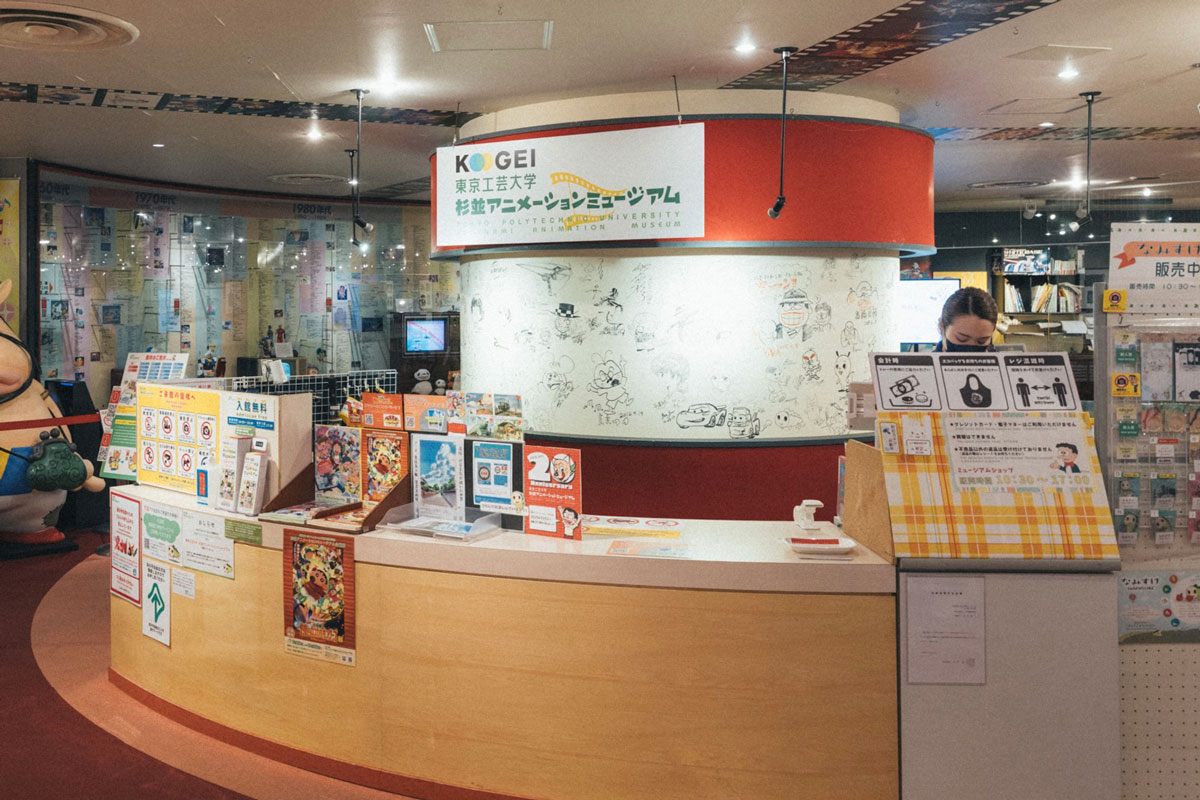
Suginami Ward is known as the "city of anime," boasting the largest number of anime production companies in Japan. The Suginami Animation Museum is the only museum in Japan where you can learn about the history and production process of anime. The honorary director is Shinichi Suzuki, an animator known for his role as Koike in "Obake no Q-taro."

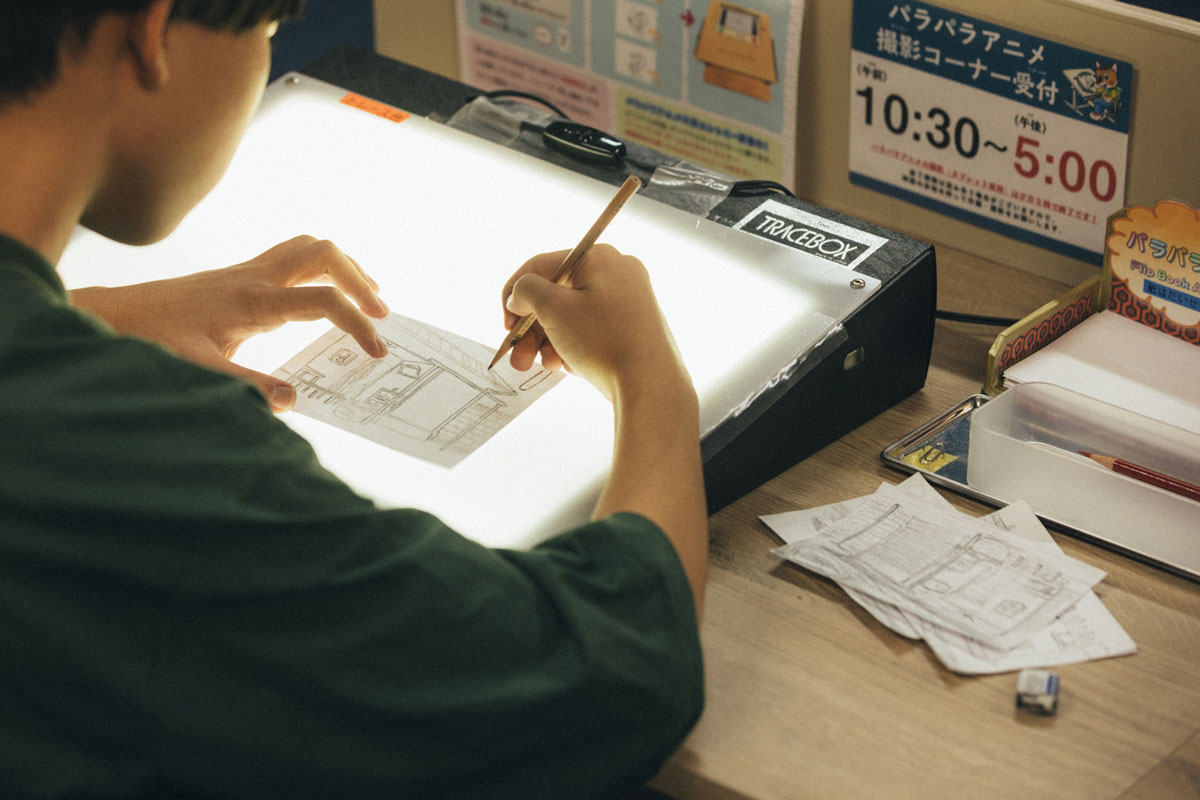
Inside the museum, there is a wall-to-wall history timeline, a recreated production desk exhibit with animation directors and art directors, a dubbing experience, a hand-drawn animation production corner, and more, all packed into one floor. There is also a theater and library, making it a valuable space where you can immerse yourself in anime all day long.

tomato

European-style curry that recreates the unforgettable taste of his training days

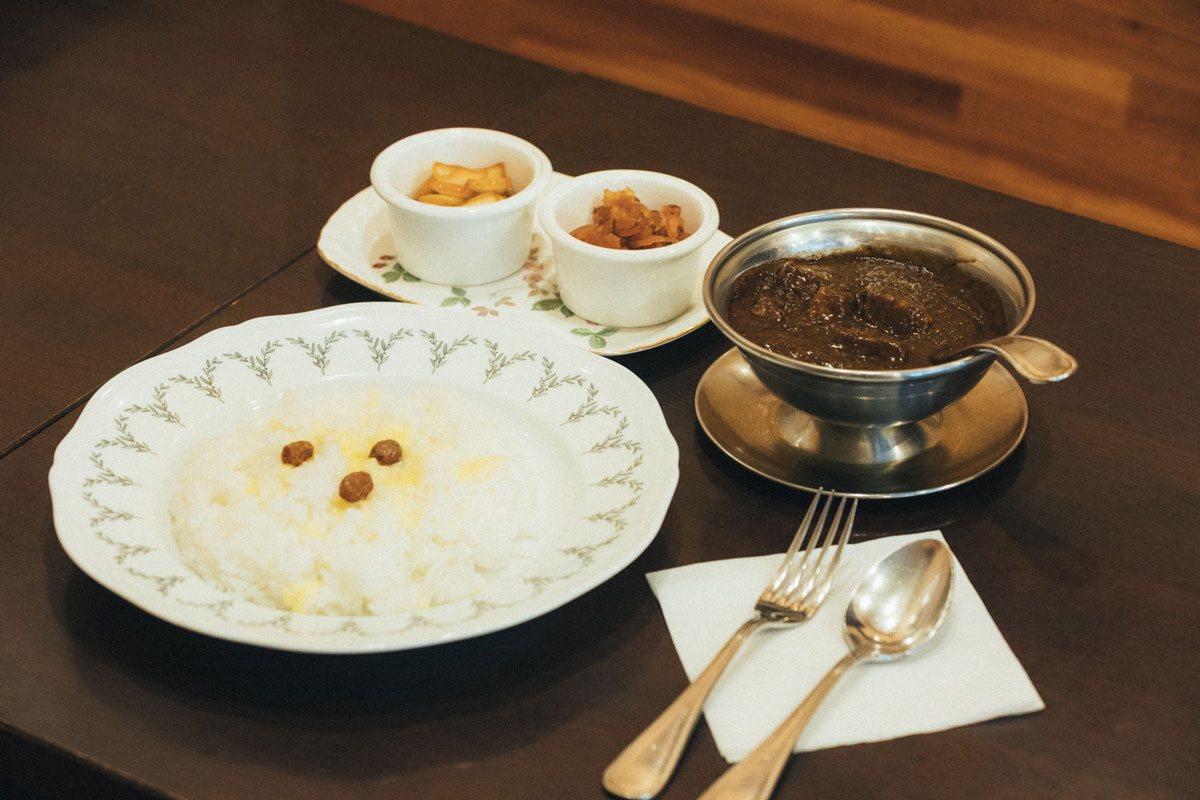
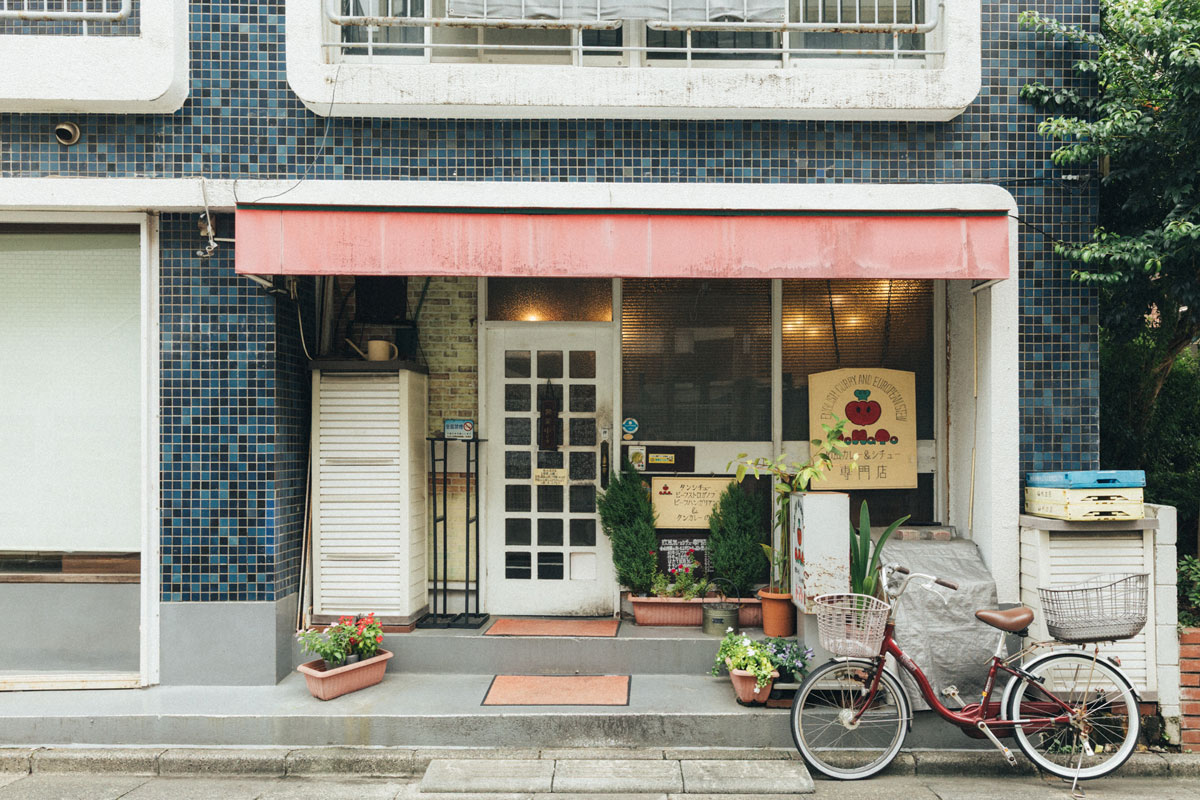
Tomato is a restaurant specializing in European-style curry and stew. Owner Kiyoshi Omino trained at a restaurant in Osaka before going independent. He says that his classic Wagyu Beef Java Curry was inspired by the staff curry he made during his training days.

"The head chef at the time would make curry for me once a month. It had just the right balance of spiciness and sweetness, and was so delicious I still remember it to this day. I went through a lot of trial and error to achieve that same taste."

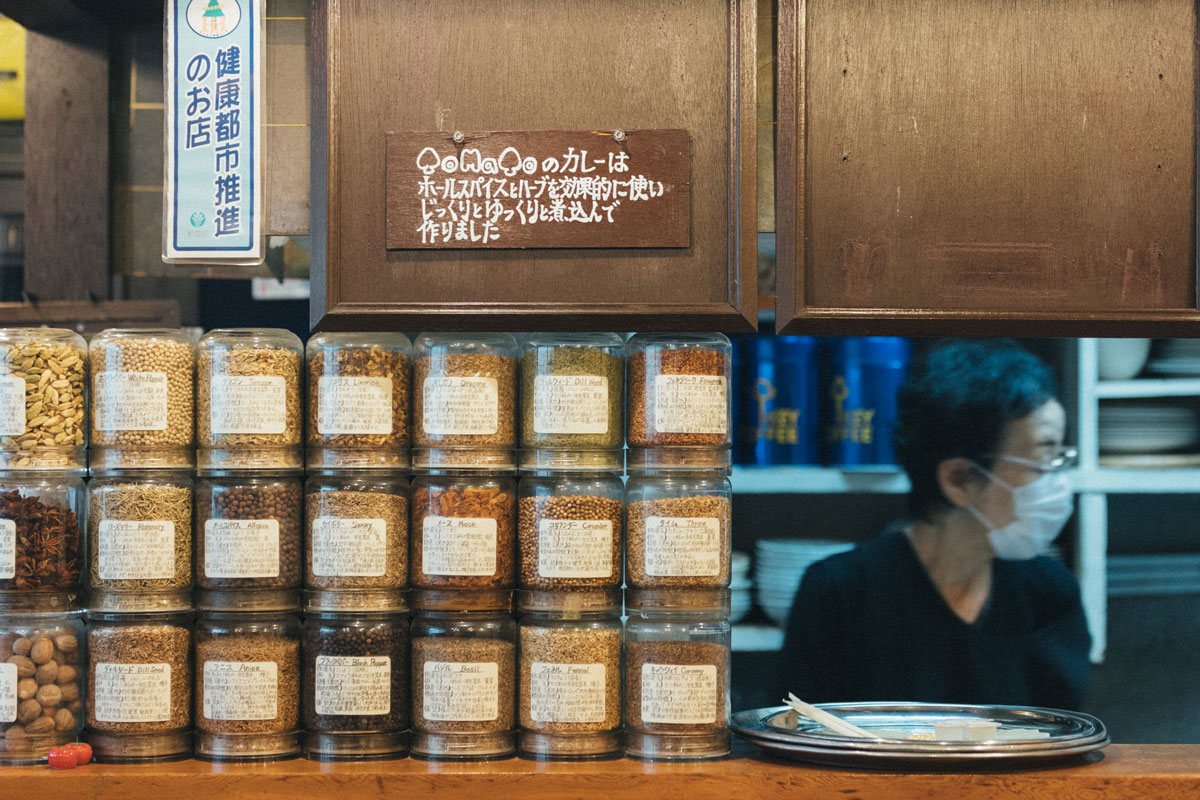
This curry, which is filled with chunks of tender, domestically raised Japanese Black beef, is made with 36 kinds of whole spices and herbs. The rich flavor is layered with the heat of the spices, followed by a gentle sweetness. The gorgeous aroma of the spices that fills your nose is also very pleasant.

Pizzeria Trattoria Da Okapito

Enjoy the essence of Neapolitan pizza in the heart of Ogikubo

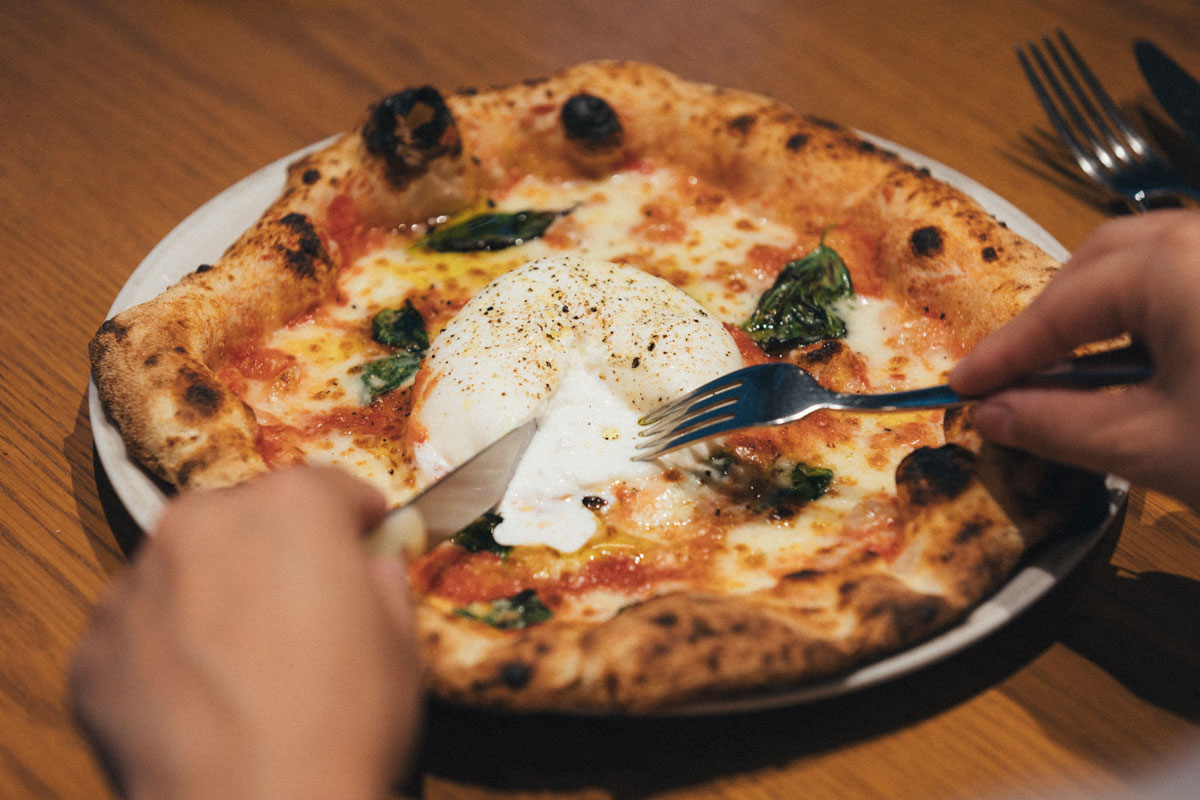
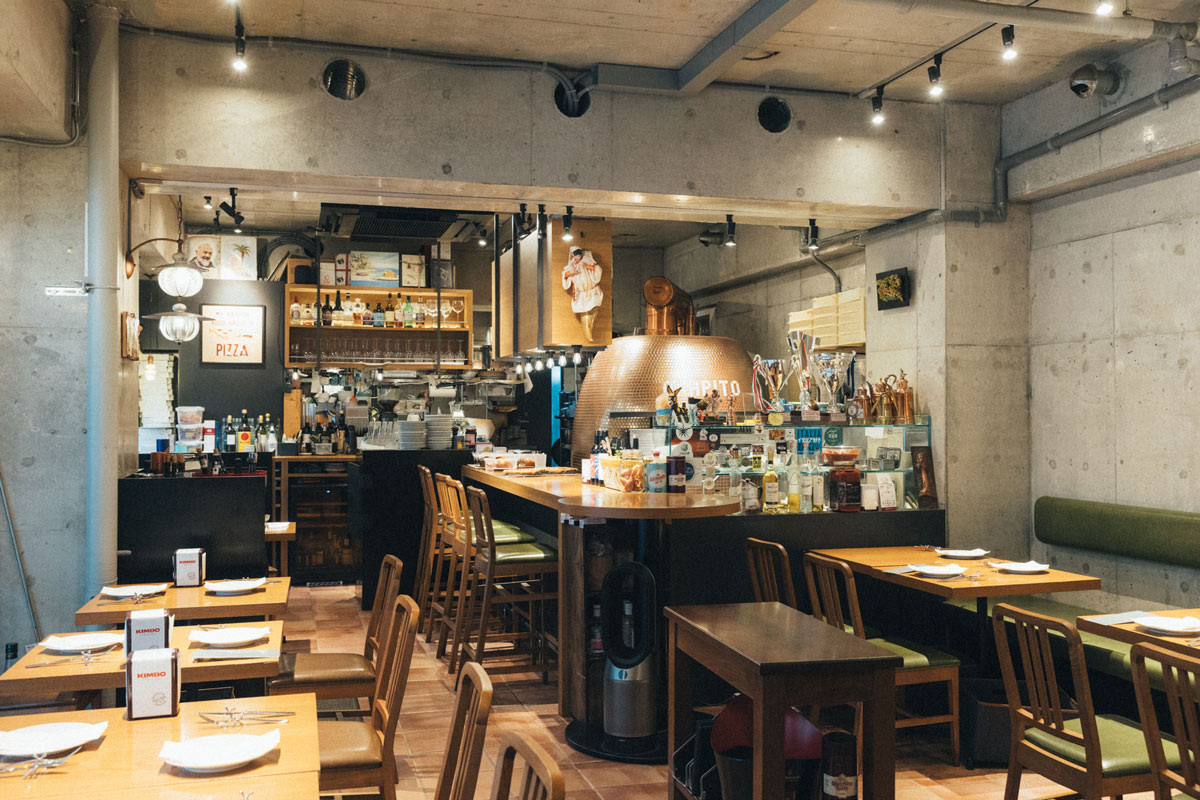
This restaurant serves Neapolitan pizza and traditional Italian cuisine, run by a chef who placed third in the Neapolitan Pizza World Championships in 2019. The menu changes daily to use seasonal ingredients from around the country, but the highlight of the restaurant is the Margherita Burrata.

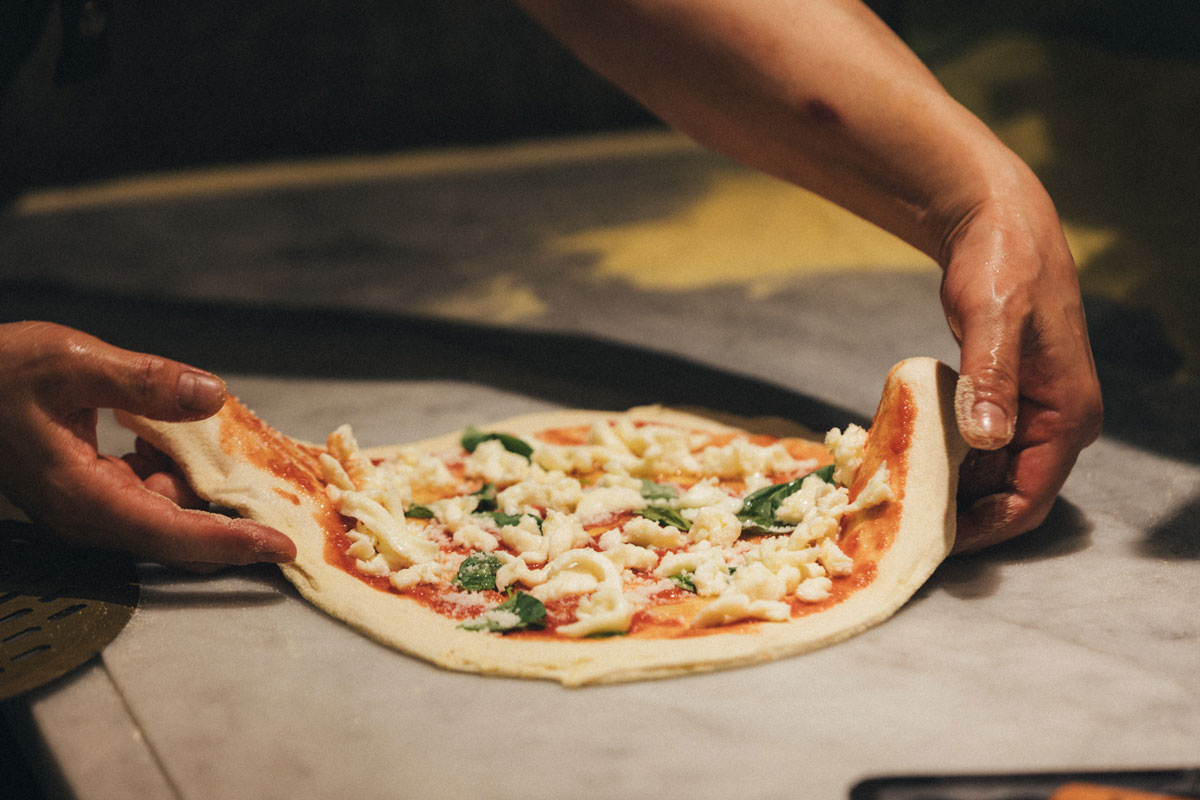
The dough, made with only flour, yeast, salt, and water, is rolled out, topped with tomato sauce and ingredients, and then placed in the store's wood-fired oven. It is baked in one go at a high temperature of 400-450 degrees. You can't help but be captivated by the light and beautiful process. In the center is a "genuine" fresh burrata that arrived just a few hours ago from Naples. Its rich and refreshing flavor, combined with the acidity of the tomatoes and the bitterness of the arugula, gives you a real Italian feel.

Manga artist Tooru Kiyono recommends these 5 relaxing spots in Kamata

A nostalgic town filled with downtown atmosphere. Minowa's shops are perfect for a leisurely stroll

Higashi-Nagasaki, where new and old cultures intersect. Five small shops where you'll find your favorites

Enjoy traditional flavors in Ginza. 5 timeless restaurants

Tsukiji is a world-class crossroads of Tokyo's food and culture. 8 stylish spots you'll want to visit

That shop worth going out of your way to visit! 5 must-visit spots in Eifukucho

SHARE ON

FEATURED MOVIES
Featured Videos

BRUTUS
OFFICIAL SNS
Brutus Official SNS

FEATURED MOVIES
Featured Videos