










Ryo Asai 's new work, "In the Megachurch," is now complete. He discusses the power of otaku, fandom, and novels with sociologist Hitoko Tanaka.

Ryo Asai highly recommends "Otaku Culture and Feminism" as a companion book to "In the Megachurch." We had the opportunity to have a conversation with the author, sociologist Hitoko Tanaka.

photo: Takako Iimoto / text: Hikari Torisawa

Ryo Asai and Hitoko Tanaka discuss the power of otaku, fandom, and novels

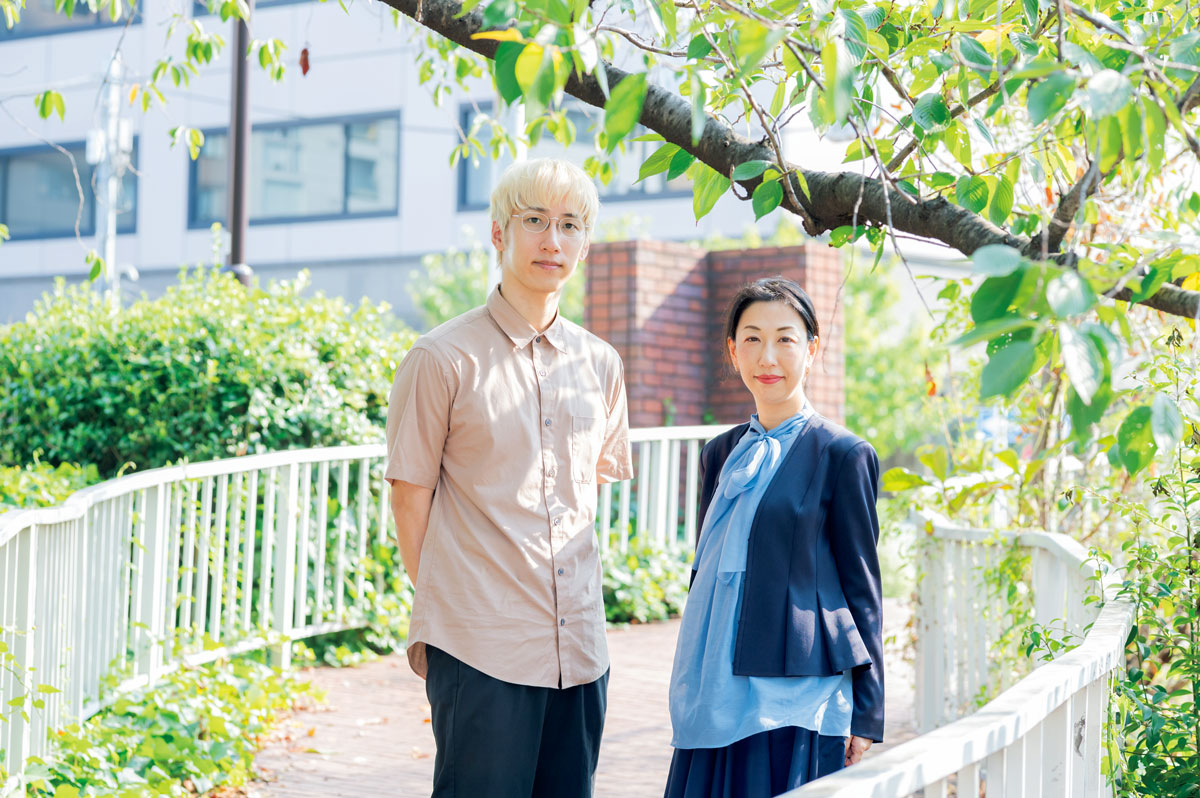
Portraits of Ryo Asai and Hitoko Tanaka
(Left) Ryo Asai, (Right) Hitoko Tanaka

Tanaka Hitoko

I was thrilled by the clever structure in which the two "Sumi-chans" start from completely opposite points and then cross paths! I read the whole thing in one go, wondering what kind of fan Asai himself is.

Ryo Asai

I've been a fan of Hello! Project ever since I saw the show "ASAYAN," but I'm not the type to do much "oshikatsu," or fan activities. I'm a passive fan who is satisfied with the songs and live performances, so I've always admired my friends who are enthusiastic about active fan activities, such as pilgrimages to sacred sites and spreading the word on social media.

Tanaka

Although Asai and I have different ways of expressing ourselves, I was surprised to find that the themes we want to address are quite similar.

Asai

In your book "Otaku Culture and Feminism," you wrote something that made an impression on me: "I absolutely do not want to take a position that simply condemns and criticizes women who say that otaku activities and fan culture are an important connection to society."

In depicting the fandom economy this time, I absolutely wanted to portray the brilliance of the people within it, in addition to the dark side of its structure. The love and drive that blooms despite being aware of the contradictions in the fandom economy. I find it truly dazzling.

Tanaka

The story is told from the perspectives of three people of different ages and backgrounds. The one I felt closest to was Yoshihiko Kubota, 47. His words struck me as saying, "I thought that in life, what you've done up until now will come back to you," but "From now on, what will come back to you may be what you haven't done up until now, rather than what you've done up until now."

I was 32 when I realized that if I just worked, I wouldn't have any friends. Realizing this was not good, I started visiting places related to my otaku hobbies, and eventually I got hooked on 2.5-dimensional theater, and all was well.

Asai

Supporting idols is a place where you can connect with others based on your very personal desires. On the other hand, the more passionate you are, the more likely you are to be used for marketing purposes.

Tanaka

While many people enjoy themselves while balancing their lifestyles and income, it seems that an increasing number of young people are becoming obsessed with otaku in extraordinary ways. With their only foothold in otaku, they are thrown into the otaku rat race without being able to see themselves objectively. Now that this is becoming more and more apparent, I want young people to read this novel.

Each character has their own unique personality and differences, and the character designs are wonderful, making you want to grow attached to them and follow them.

Asai

I wrote from three perspectives: those who build fandoms, those who become obsessed, and those who were once part of them. I particularly wanted to make the process of those who become obsessed compelling.

I was tired of the idea that the gateway to becoming a fan is romantic love, so I wrote an introverted character who becomes devoted to the object of their support, and who overlaps their own sense of ethics, ideas, and philosophy of life with the object of their support. I have the impression that this type of fan image is on the rise.

Tanaka

The way the novel incorporates and approaches modern topics, such as the MBTI personality test, is impressive, as is the way it approaches them. The story's structure is also impressive, capturing modern Japan while also making it feel like it could have happened in a different time or context!

Asai

I felt that universality was essential precisely because contemporary keywords appear frequently. Fandom is essentially a group of people who truly want to achieve something. When you think about it that way, there are natural overlaps with the trends of the masses during elections and wars. I wanted to write about that ambiguity with the same resolution.

I often write novels that neither encourage nor condemn themes, or do so to equal extents, but while this approach captures the themes as they are, it requires the premise that reality is peaceful. If this were not the case, novels that encourage and condemn something would be more in demand. I feel a sense of crisis about how long I can continue writing this way.

Tanaka

That's true, but I'd like to see more posts about men's communication!

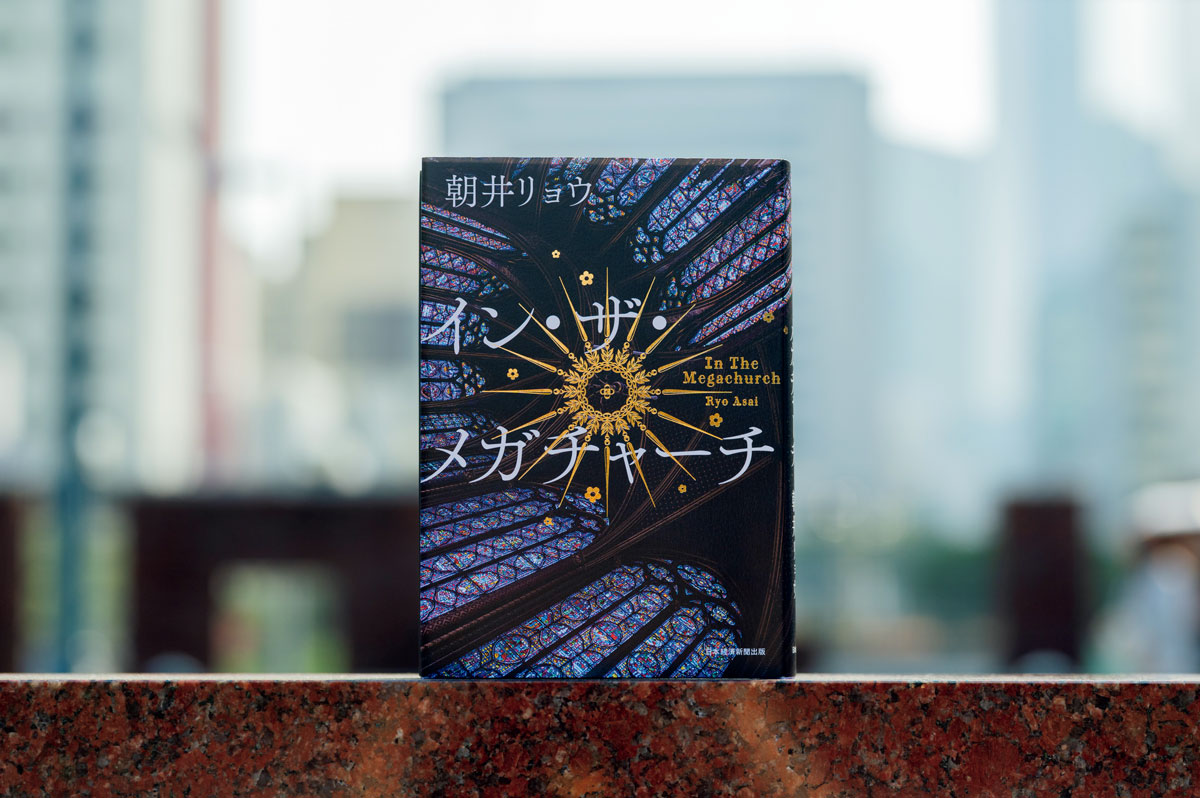
Ryo Asai 's new work "In the Megachurch"
"In the Megachurch"
This novel vividly depicts modern Japan, a place riddled with fan activities, faith, solidarity, loneliness, and salvation, centered around the fandom economy and the narrators Yoshihiko Kubota, who works at a record company, Sumika Muto, a university student, and Ayako Sumikawa, who supports actors. Published by Nikkei Inc., 2,200 yen.

SHARE ON

FEATURED MOVIES
Featured Videos

BRUTUS
OFFICIAL SNS
Brutus Official SNS

FEATURED MOVIES
Featured Videos