










TORAYA GINZA
〈とらや〉初の試み!職人作りたての甘味が楽しめる店
〈とらや〉は室町時代後期の京都で創業し、後陽成天皇の在位中(1586年~1611年)より御所の御用達となった。その後の東京遷都に伴って、京都の店はそのままに、東京にも進出。そんな〈とらや〉と銀座の街との関わりはおよそ80年前、1947(昭和22)年の〈とらや銀座店〉開業時まで遡る。
2024年4月には〈TORAYA GINZA〉と名前を変え、リニューアルオープン。特筆すべきは、職人の手仕事を眺めながら和菓子が味わえる予約制のカウンター席が設置されたこと。これは全国の〈とらや〉の店舗にはない、〈TORAYA GINZA〉のみのサービスだ。
職人による作りたての味わいは、テーブルやテラス席でも堪能できる。なかでも人気なのが、焼菓子「焼きたて『夜半の月』」。注文ごとに職人が銅板で皮を焼き上げ、北海道十勝産の小豆を丁寧に炊いたあんを挟んで提供する。仕上げに皮をバーナーで炙ることで香ばしさが漂い、また皮の熱によりあんの食感はとろっと。
他にも季節の生菓子や定番の羊羹、あんみつ、お汁粉もオンメニュー。スパイスやフルーツを使用した商品があるのも〈TORAYA GINZA〉ならではだ。
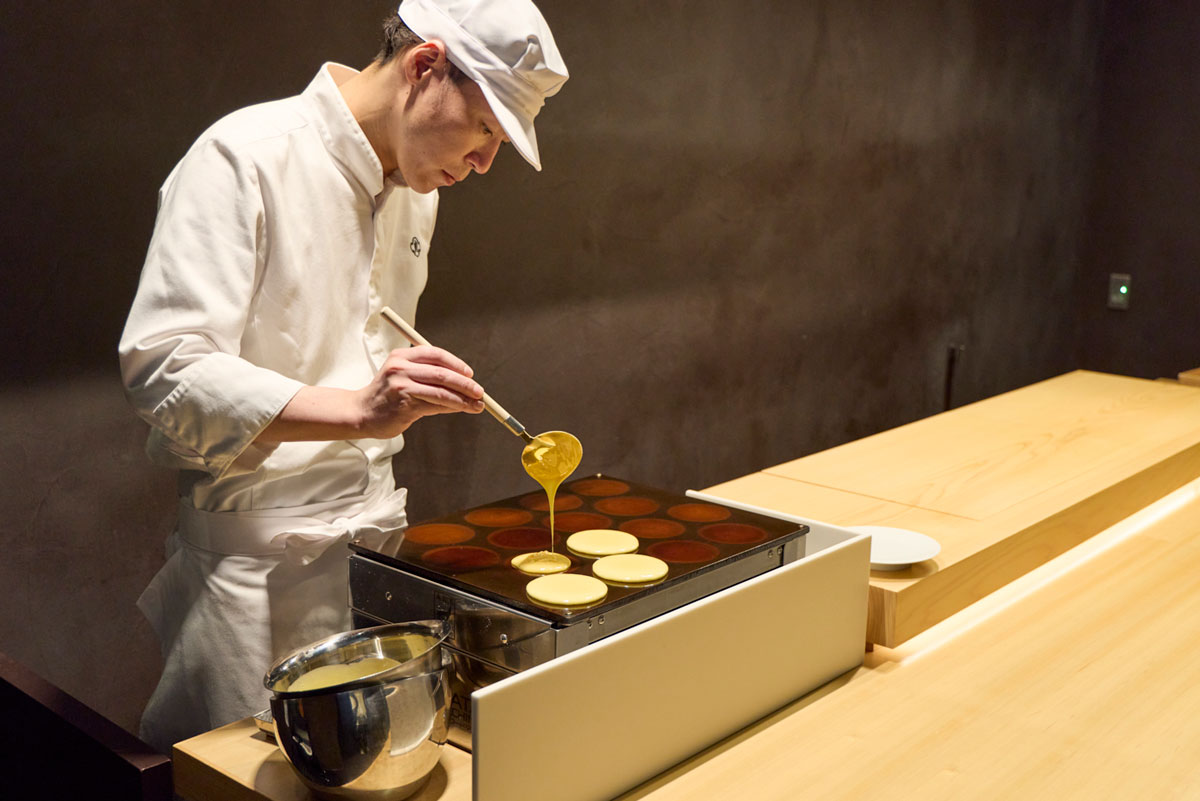
和菓子職人の作る様子を眺められる、カウンターの特等席はわずか4席。利用するには、HPにある予約システム「TableCheck」からの予約が必須だ。 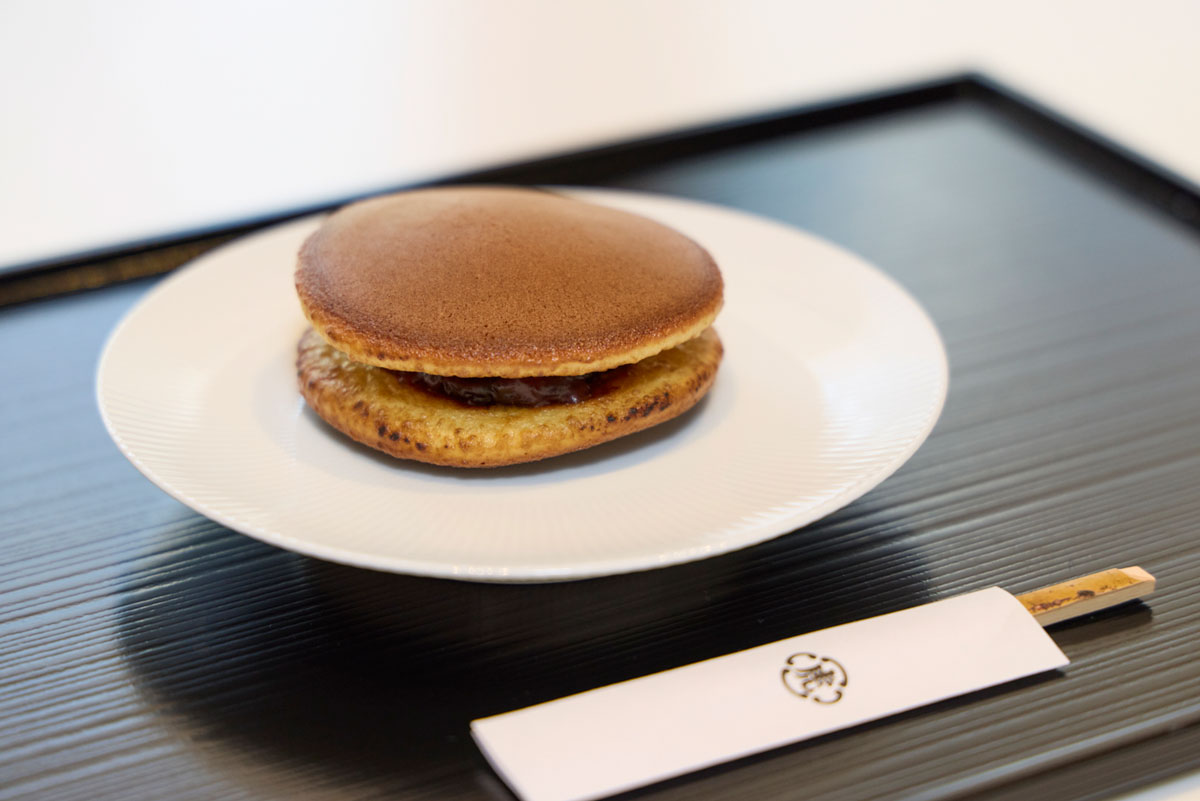
焼菓子「焼きたて『夜半の月』」。1994年に〈とらや パリ店〉で誕生したひと皿を日本に逆輸入、〈TORAYA GINZA〉では焼き立てを提供する。これに飲み物が付いて1,958円。 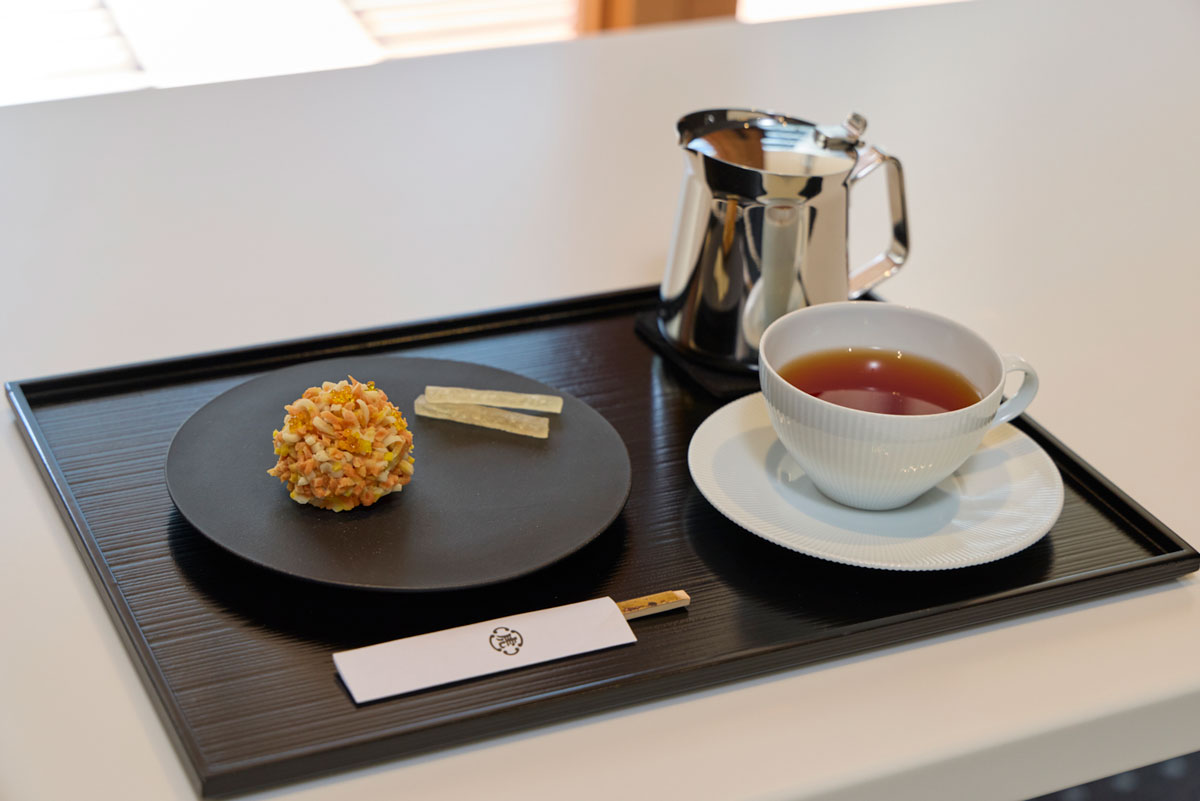
「TORAYA GINZA限定生菓子」飲み物付き2,090円。2025年10月の生菓子は、白あんに濃く煮出した金木犀茶を混ぜ込んだそぼろを付した『木犀花』。中の白あんにも金木犀茶の茶葉が忍ばせてある。こちらの一品も注文ごとに職人が手作りして提供する。 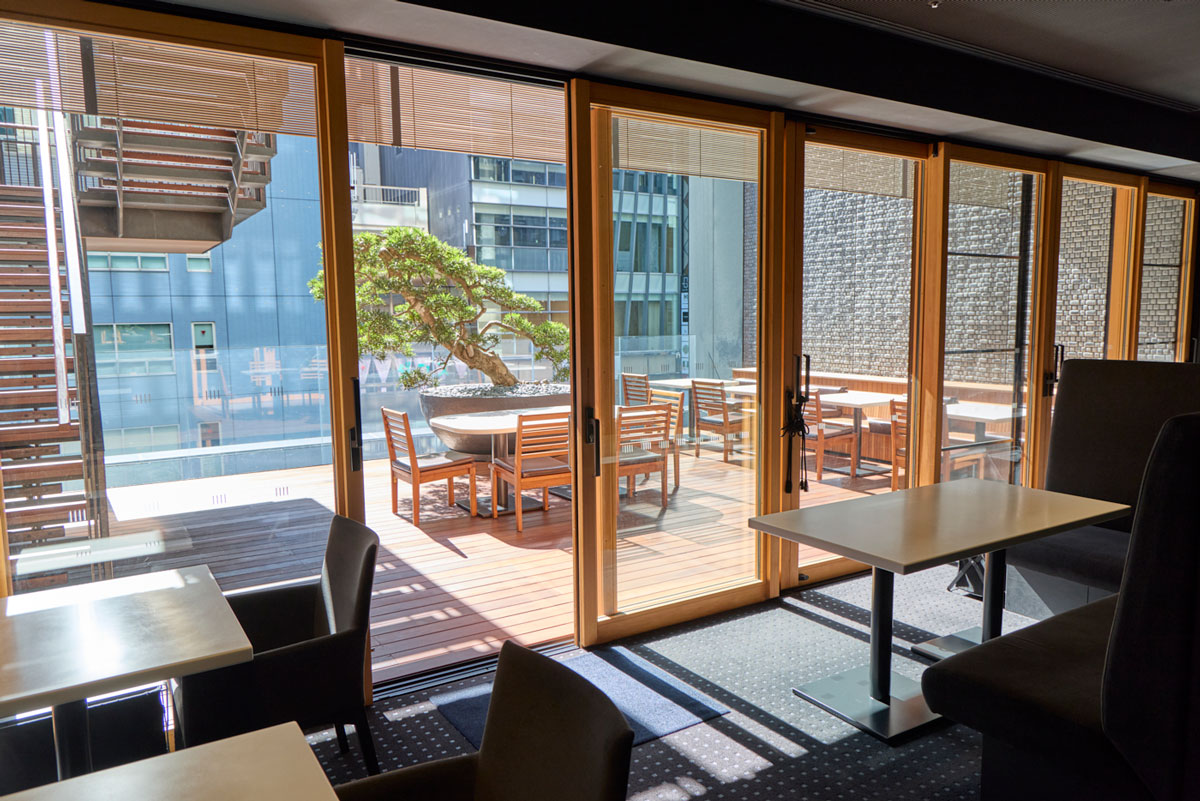
銀座すずらん通り沿いにあるビルの入り口から、エレベーターで4階まで上がる。陽光が降り注ぐテラス席もあり。〈とらや 赤坂店〉を手がけた建築家・内藤廣のデザイン。 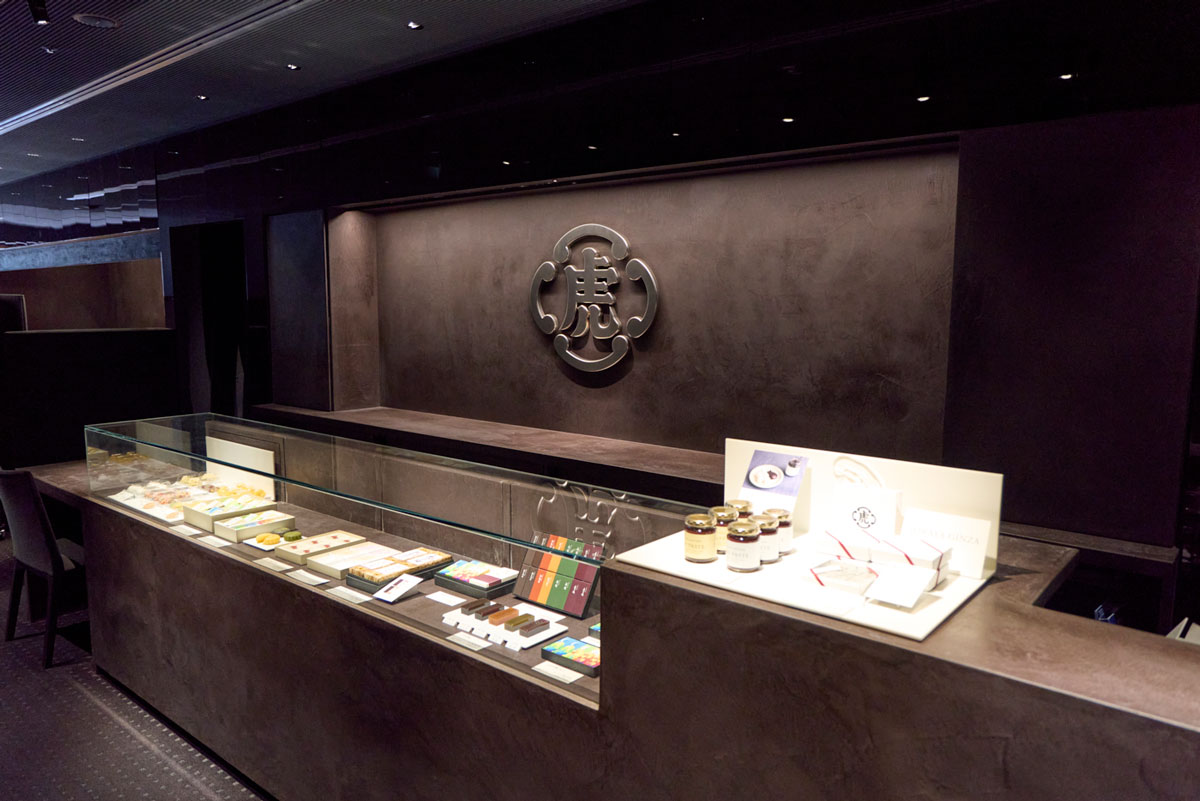
イートイン手前にある、物販コーナー。伝統的な和菓子の素材に加え、果物やスパイスなども使用したひとくちサイズの羊羹「ちぐさかん」1箱(9個入)2,484円は、〈TORAYA GINZA〉限定の商品。味は季節により変わる。
銀座千疋屋 銀座本店
フルーツパーラーが人気を誇る果物専門店
2024年に130周年を迎えた〈銀座千疋屋〉。1894(明治27)年に初代が東京・日本橋の〈千疋屋総本店〉から暖簾分け、銀座8丁目にフルーツ専門店を創業した。1913(大正2)年には同じ場所に店舗を新築、建物2階を“果物食堂フルーツパーラー”と名付けた。こうして〈銀座千疋屋〉は、世界で初めて「フルーツパーラー」をオープンさせた店として知られるようになる。
1931(昭和6)年には宮内省(現在の宮内庁)御用達を拝命。戦後の1947(昭和22)年に銀座5丁目に姉妹店を建設。1999年から銀座本店が現在の場所に移転して営業を続けている。
2017年に店舗がリニューアル。1階は果物売場、2階はフルーツパーラーという造りは、初代の頃と同じだ。フルーツパーラーで人気なのがパフェ。たとえば秋なら和栗など旬の果物が主役となるが、1年を通して人気なのが「マスクメロンパフェ」。
静岡産のマスクメロンは、一つの茎に一つの実だけを実らせる「一茎一果」農法で育てられる。甘味、食感の柔らかさに秀で、マスク(麝香)の芳香も素晴らしく、日本トップクラスの品質を誇る逸品。他には約100年前に〈銀座千疋屋〉が初めて提供したとされる「フルーツポンチ」に、オンメニューして80年以上が経つという「フルーツサンド」。これら伝統の味わいも堪能できる。
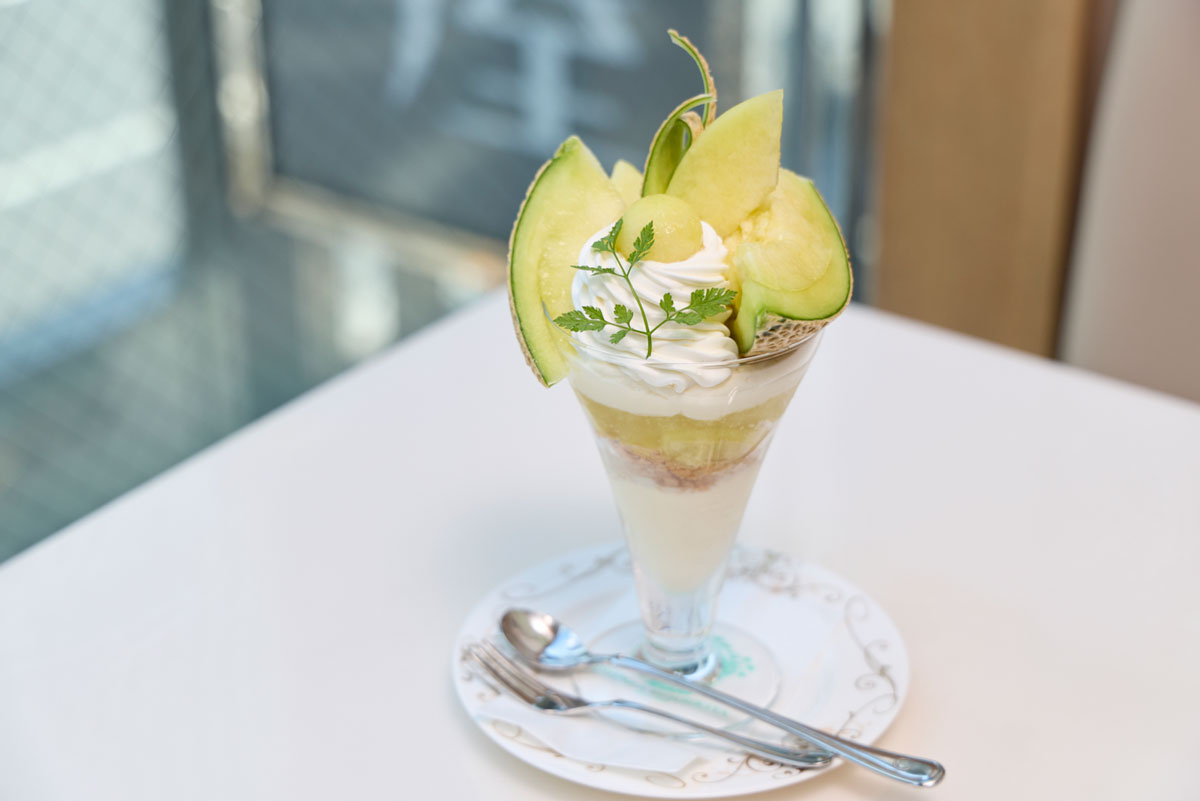
「マスクメロンパフェ」3,300円。グラスの下から、バニラアイス、フィアンティーヌ、マスクメロン、エルダーフラワーゼリー、ホワイトチョコクリーム、メロンシャーベット、ホイップクリームが美しい層を成し、その上にマスクメロンが皮ごとのる。 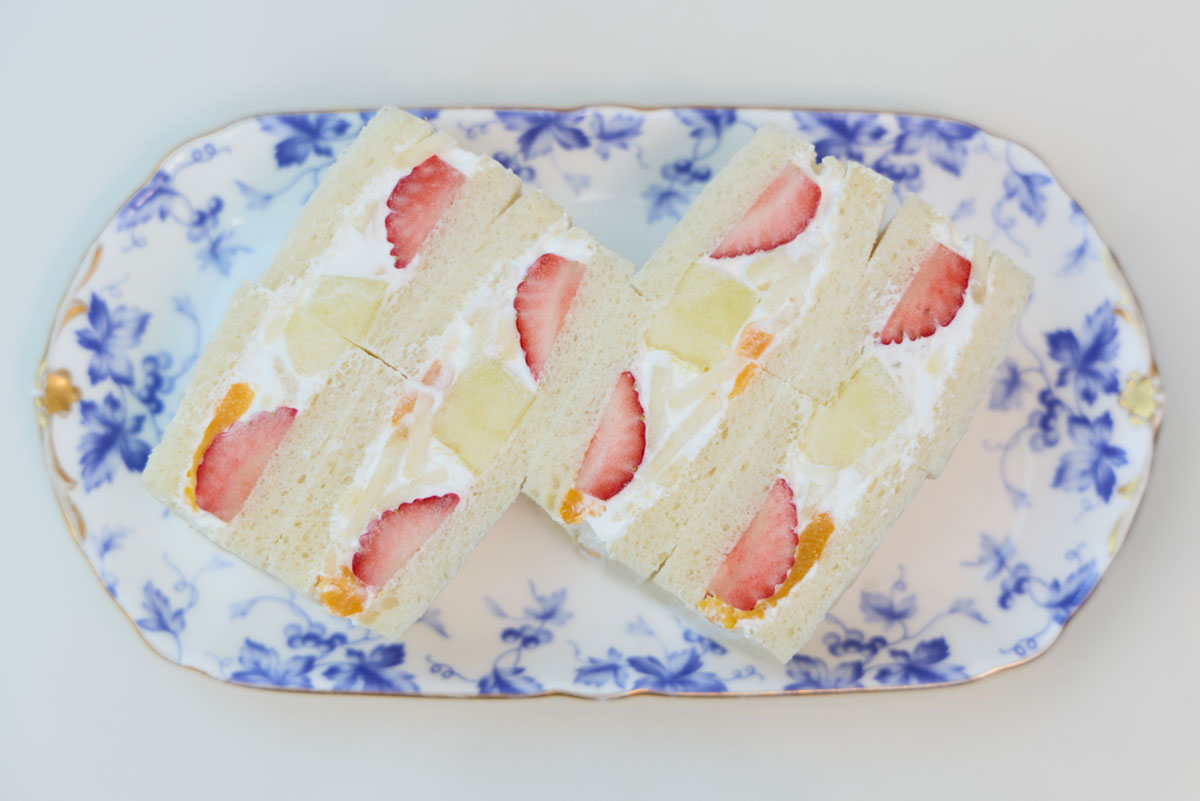
イチゴ、リンゴ、黄桃、マスクメロン、栗の断面が美しい、フルーツサンド1,540円。食パンも自家製。また平日11時~13時限定で、サンドイッチに季節のカットフルーツ、セットドリンクが付いたサンドイッチランチ1,870円もあり。 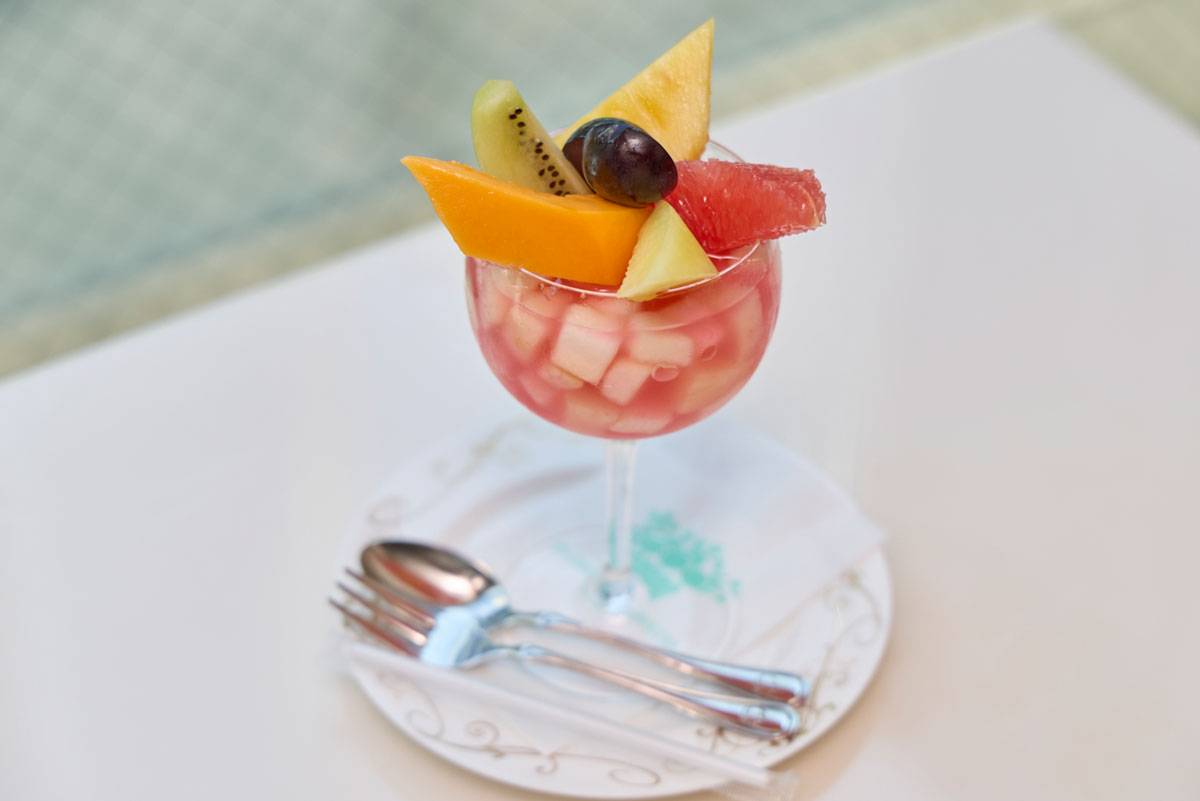
フルーツポンチ1,320円。赤ワイン入りのシロップで漬け込んだパイナップル・りんご・洋梨・黄桃をたっぷりとグラスに盛りつけ、大ぶりな季節のカットフルーツを添える。 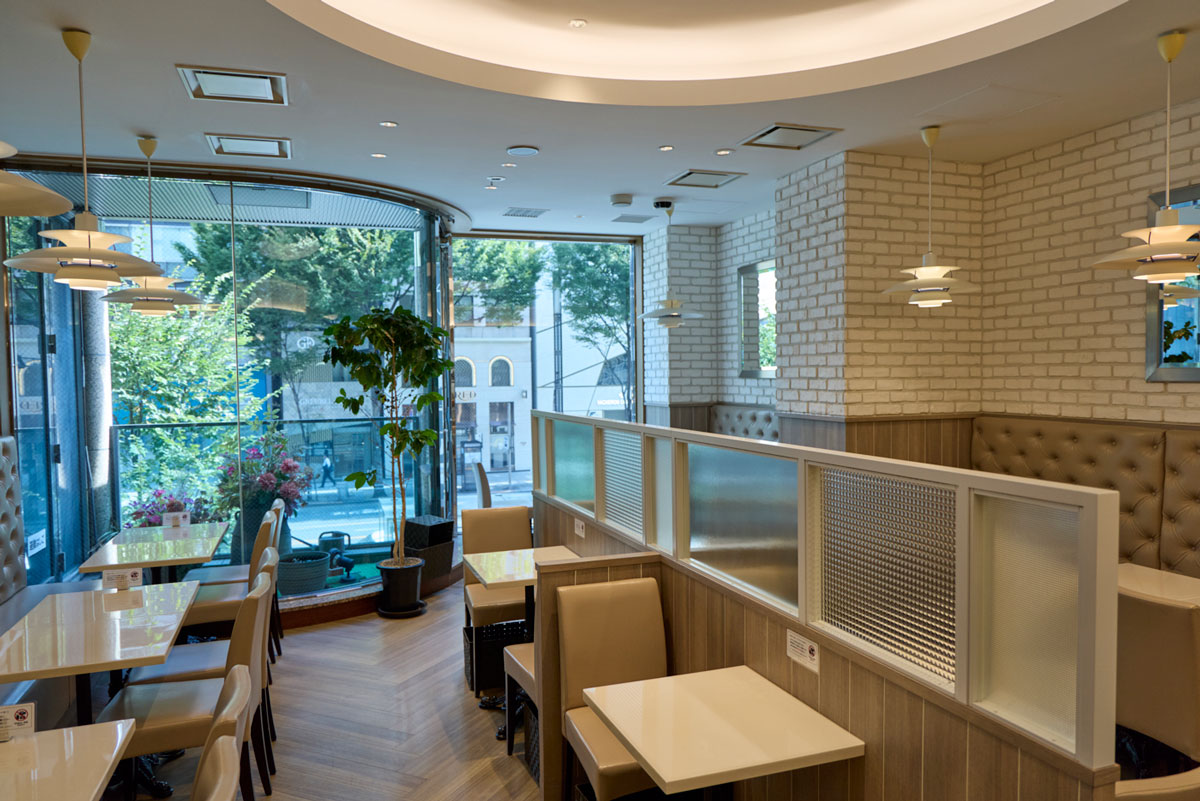
ビル2階にある〈銀座千疋屋 銀座本店 フルーツパーラー〉。窓際の席は眼下に、晴海通りが走る。 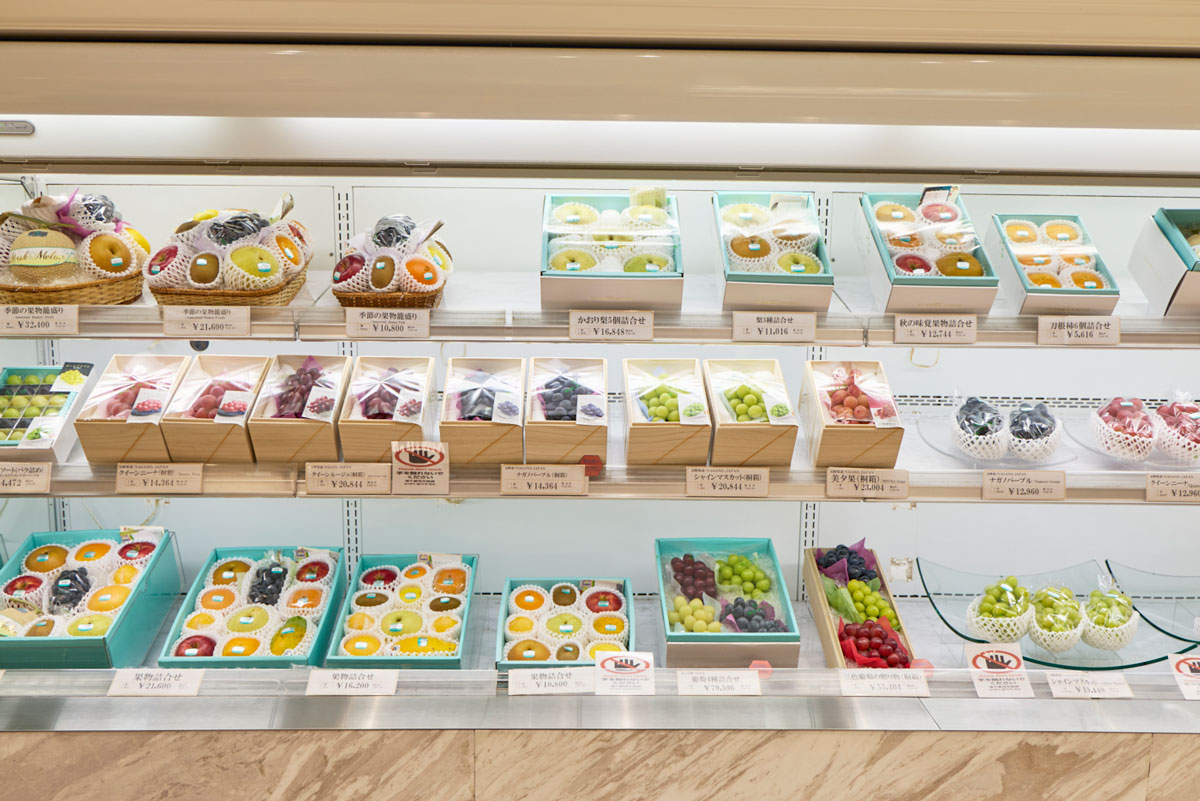
1階のフルーツ売場。〈銀座千疋屋〉が厳選に厳選を重ねた旬の果物が並ぶ。2階で提供しているケーキやフルーツサンドはテイクアウトも可能。 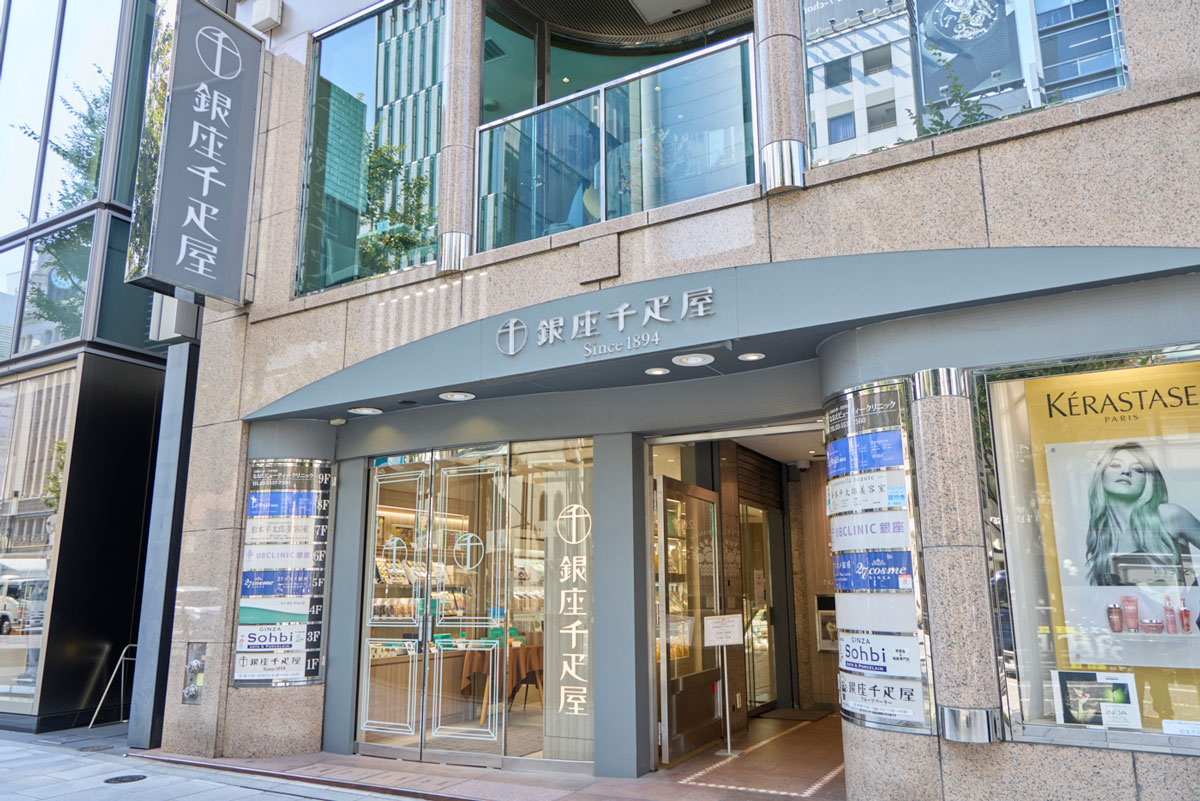
銀座5丁目のニュウ銀座千疋屋ビル1階が〈銀座千疋屋 銀座本店〉のフルーツ売場、2階がフルーツパーラー。
MATSUZAKI SHOTEN(銀座 松﨑煎餅 本店)
瓦せんべいの可能性を追求する、創業220年超えの菓子匠
1804年(文化元年)に東京・芝で創業し、1865年(慶応元年)に銀座へ移転。創業220年の歴史を誇るのが、歌舞伎座そばに本店を構える〈銀座 松﨑煎餅〉。現社長の8代目・松﨑宗平さんの時代になっても変わらない名物が、季節の絵柄をあしらった瓦せんべい「大江戸松﨑 三味胴」。小麦に砂糖、卵を加えて練った生地を丁寧に焼き上げた伝統の一品だ。
一方で、伝統の瓦せんべいを大胆にアレンジした「大江戸松﨑 格子」など、新味も続々と登場。イートインスペースでは、銀座6丁目の和菓子店〈空也〉のあんづくりの技術を受け継ぐ新ブランド〈ぎんざ空也 空いろ〉とコラボしたデザートや、おしるこを提供する。またドリンクのみの注文でも、お茶請けで瓦せんべいが付くサービスがある。
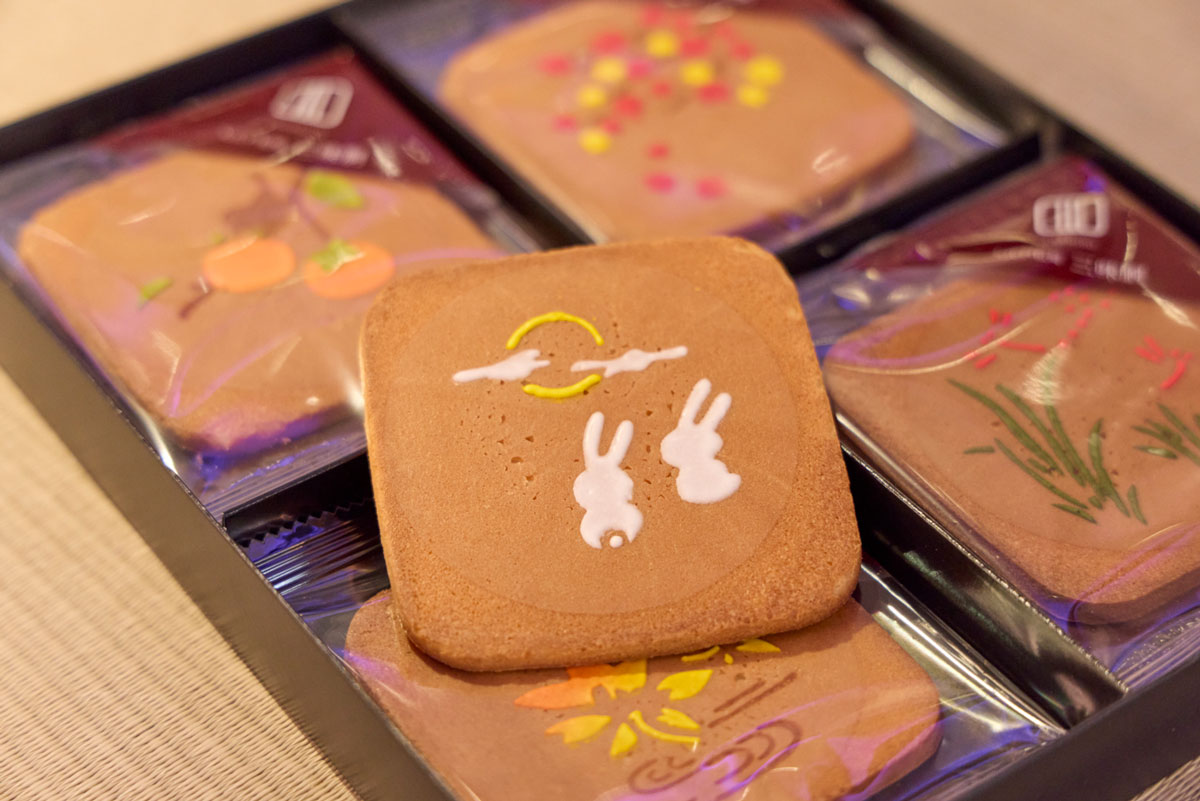
「大江戸松﨑 暦 16枚入り」2,916円。初秋には「お月見うさぎ」や「柿」の絵柄が入る。1枚単位(195円~)からの購入も可能。 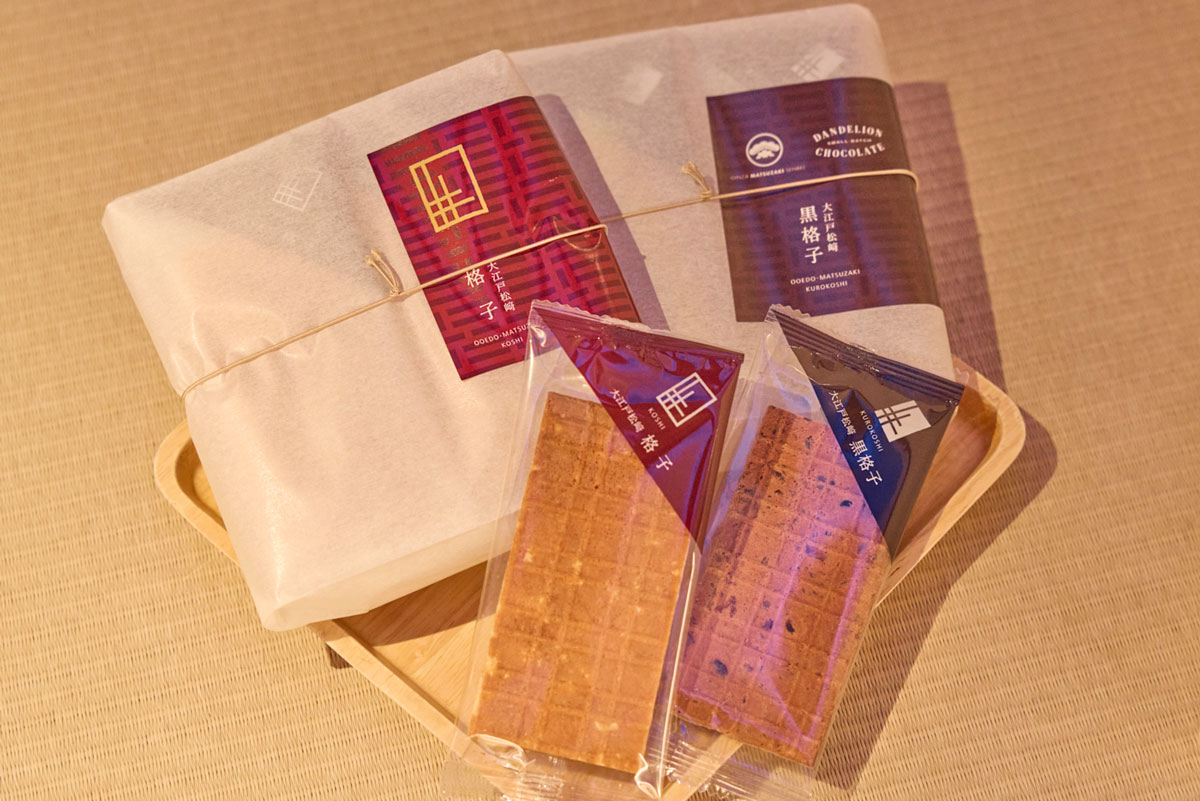
「大江戸松﨑 格子 6枚入り」(左)648円は、生地に砕いたピーナッツが。「大江戸松﨑 黒格子 6枚入り」(右)864円は、生地に蔵前〈ダンデライオン・チョコレート〉のカカオニブとチョコレートが練り込まれた瓦せんべい。 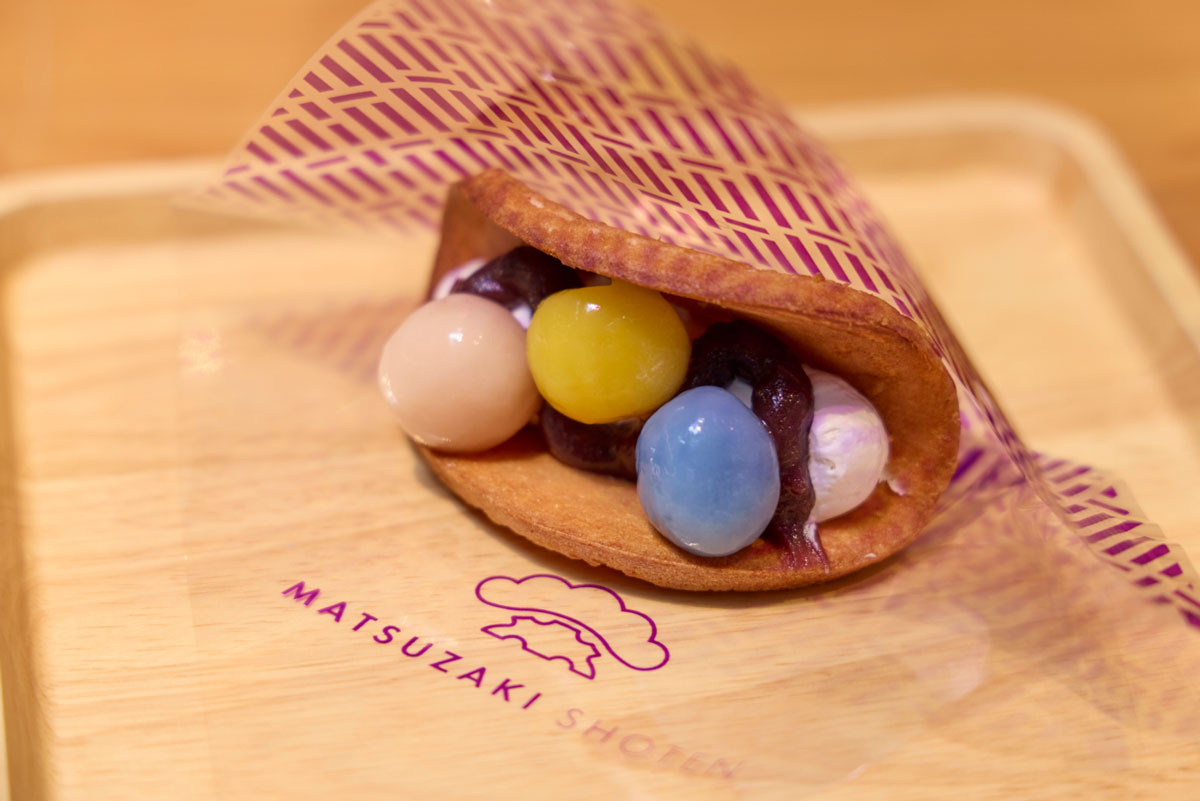
「松﨑ろうる with ぎんざ空也 空いろ」440円は、柔らかな食感に仕上げた〈銀座 松﨑煎餅〉の瓦せんべいの中に、店舗で作る白玉、生クリーム、〈ぎんざ空也 空いろ〉の粒あんを忍ばせたコラボスイーツ。テイクアウトも可能。 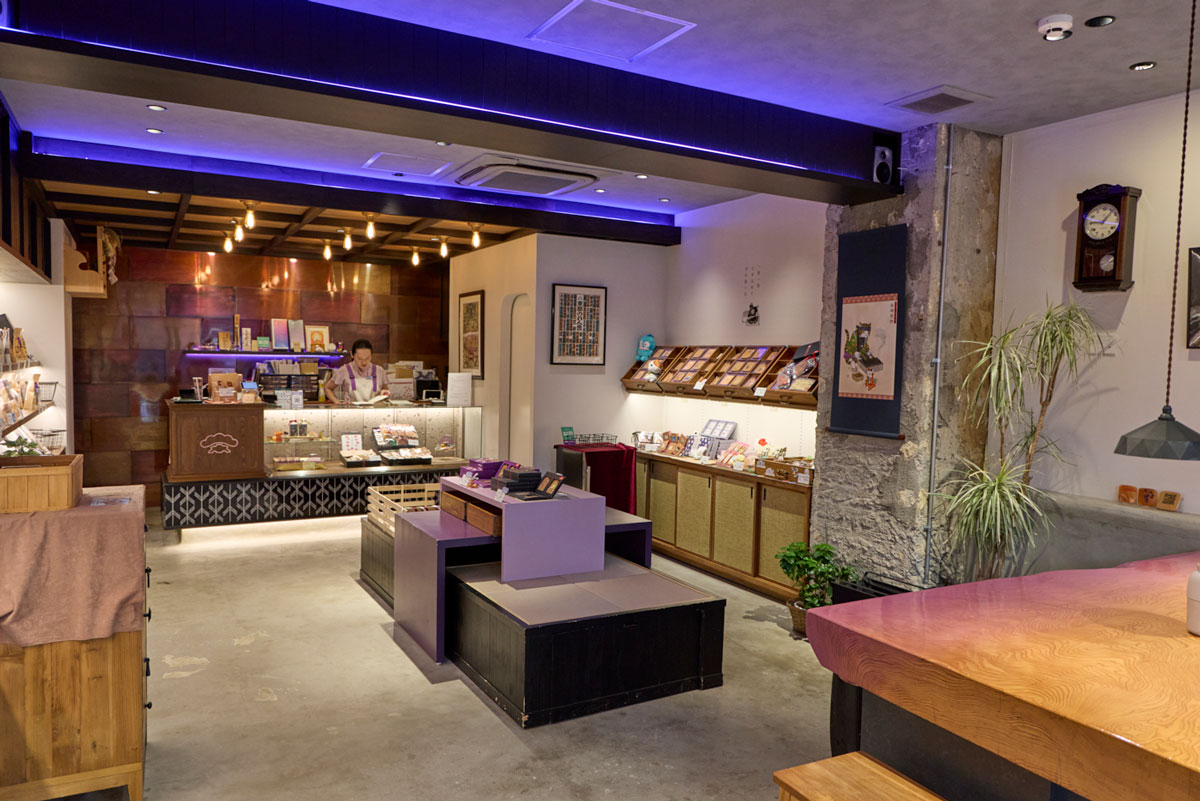
奥行きのある店内。入り口すぐの場所にイートインスペースがある。 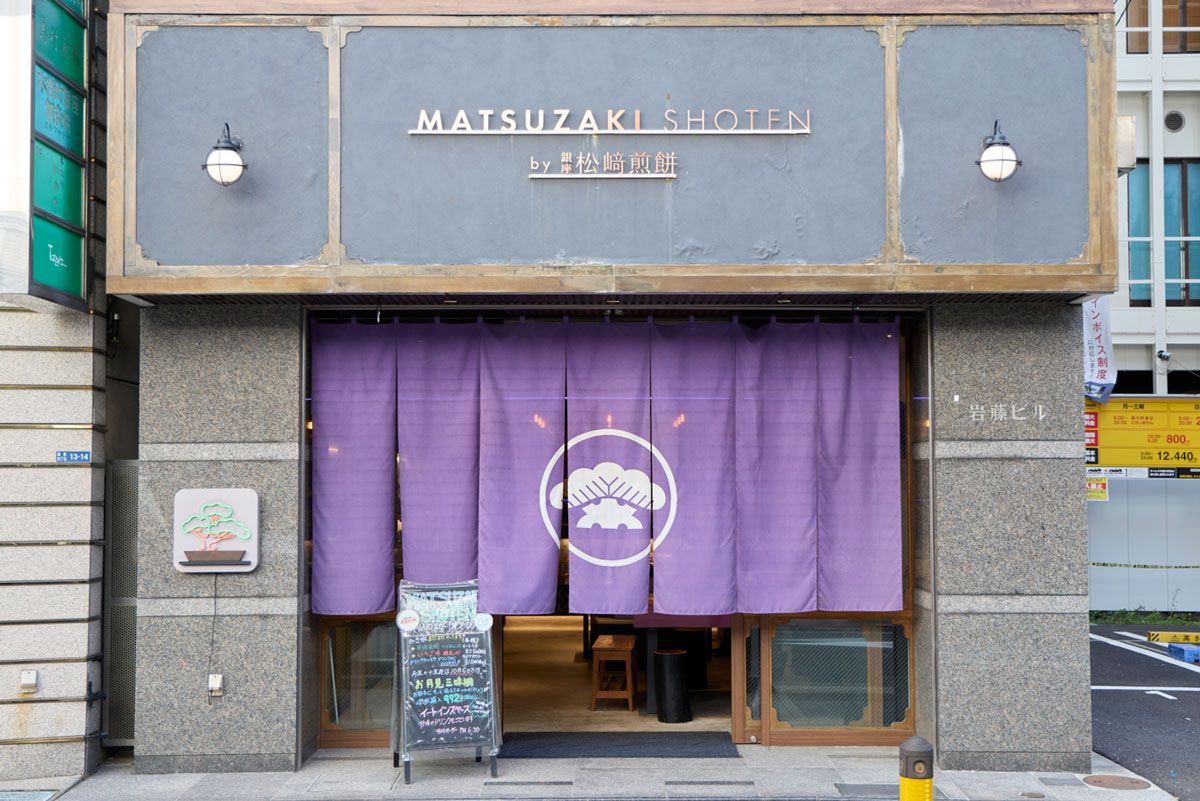
歌舞伎座から木挽町通りを挟んだ立地。紫の暖簾が目印だ。*2026年に近隣に移転予定
木挽町 よしや
歌舞伎座の俳優からも愛される、どら焼きの名店
歌舞伎座のすぐ北側にある細路地に佇むのが、1922(大正11)年創業の和菓子店〈木挽町 よしや〉。もとは上生菓子なども扱っていたが、今は歌舞伎俳優たちも贔屓にする「どら焼き」のみを販売する。
一晩寝かせて甘味を落ち着かせた、最高級の北海道十勝産小豆で作る粒あん。皮は毎朝銅板で焼き上げられ、その1枚ごとに、あんが挟み込まれていく。どら焼きが皮を半分に折った独特の半円形なのは、「化粧をした俳優さんたちが食べやすいようにと、初代が考案したと伝え聞いています」と3代目の斉藤大地さん。
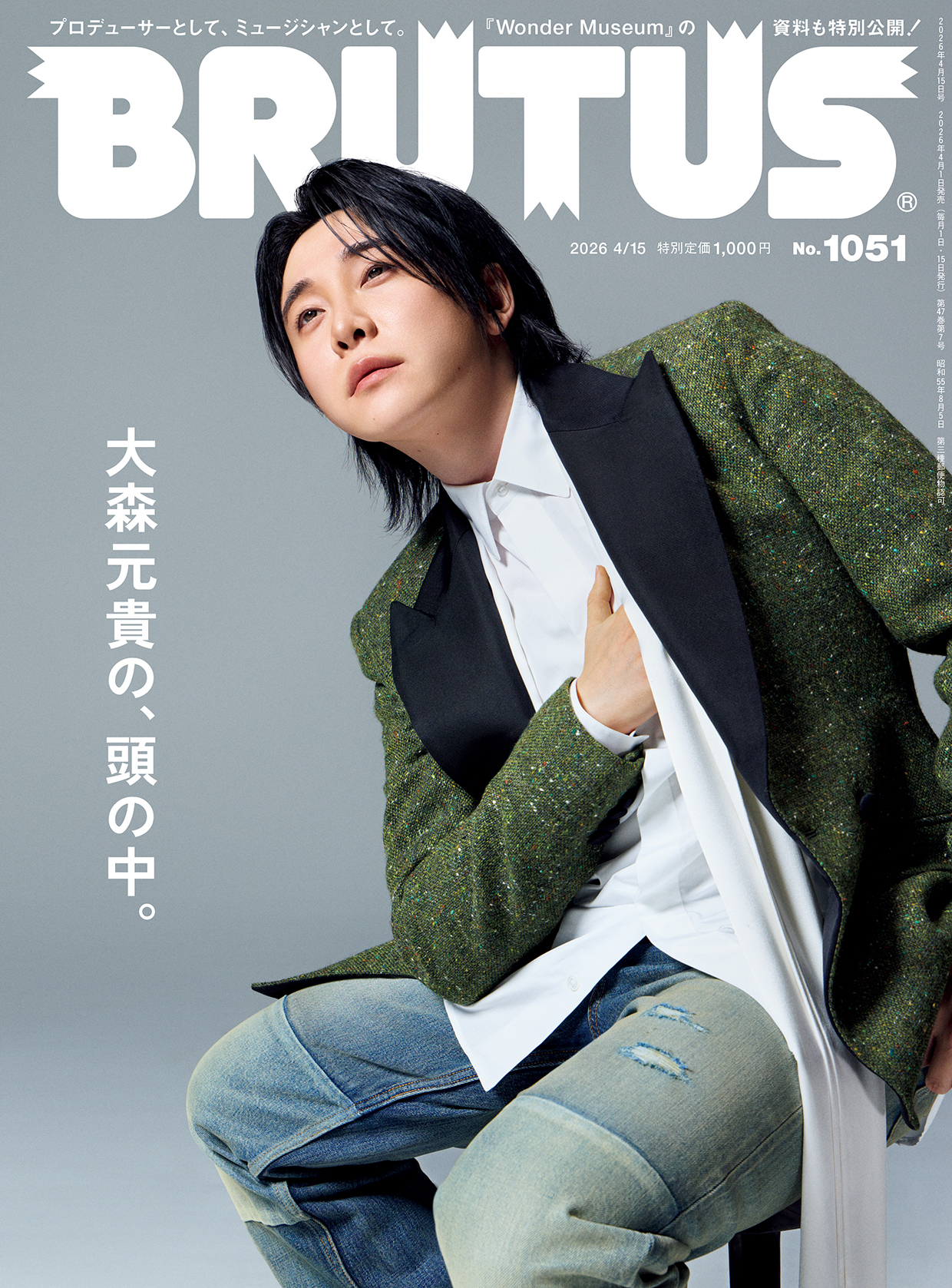
皮はモチッとした食感で、あんは甘さ控えめだから、甘党以外からも支持を得るどら焼き。贈答用としての需要も高く、その流れで誕生したのが、会社や個人の焼印を押すサービス。かく言う『BRUTUS』編集部も、このどら焼きを手土産にすることは多い。予約の際は、雑誌名フォントの「B」の文字の焼印を付してもらうように依頼している。記念に自分だけの焼印を作れば、贈り先との会話も弾むはずだ。
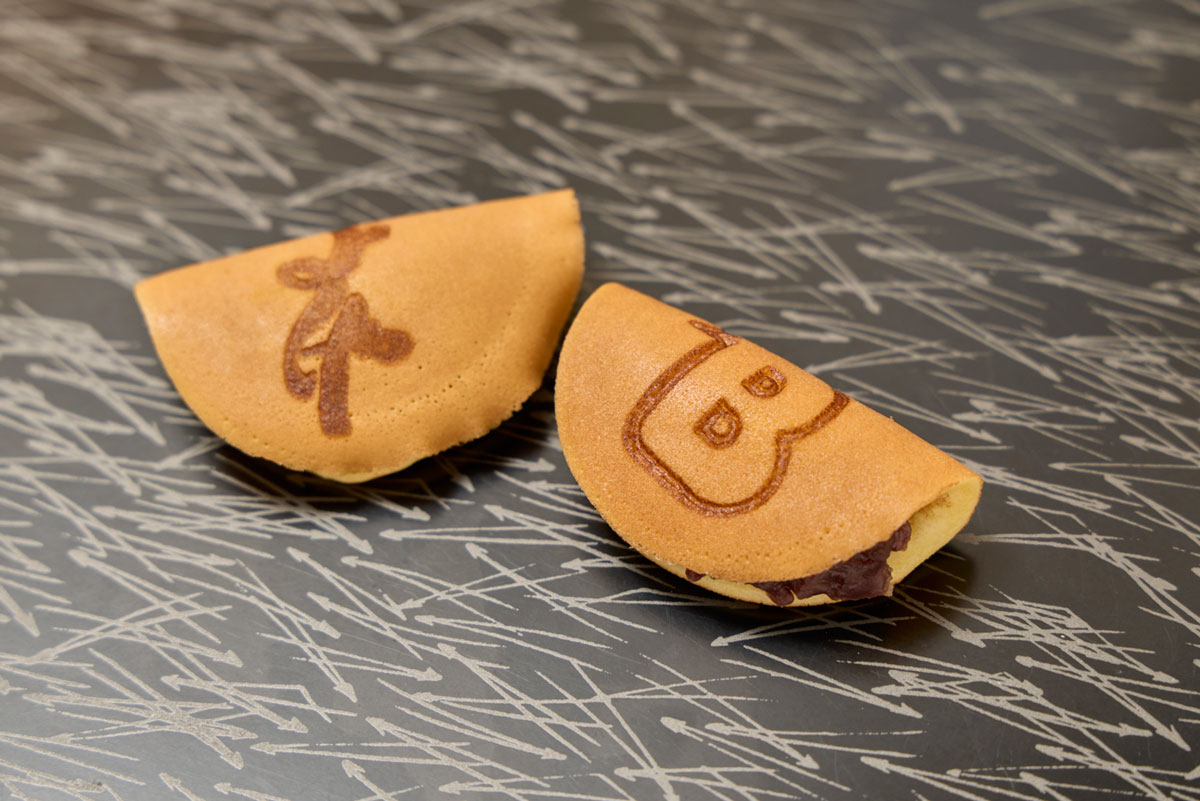
どら焼き1個184円。皮の弾力のある食感は、生地を手捏ねするため(もち粉は不使用)。左が〈木挽町 よしや〉。右は『BRUTUS』編集部が手土産用に依頼する「B」の焼印入り(※BRUTUSの焼印のどら焼きは一般販売はなし)。ちなみにオリジナル焼印の製作費は25,000円~。 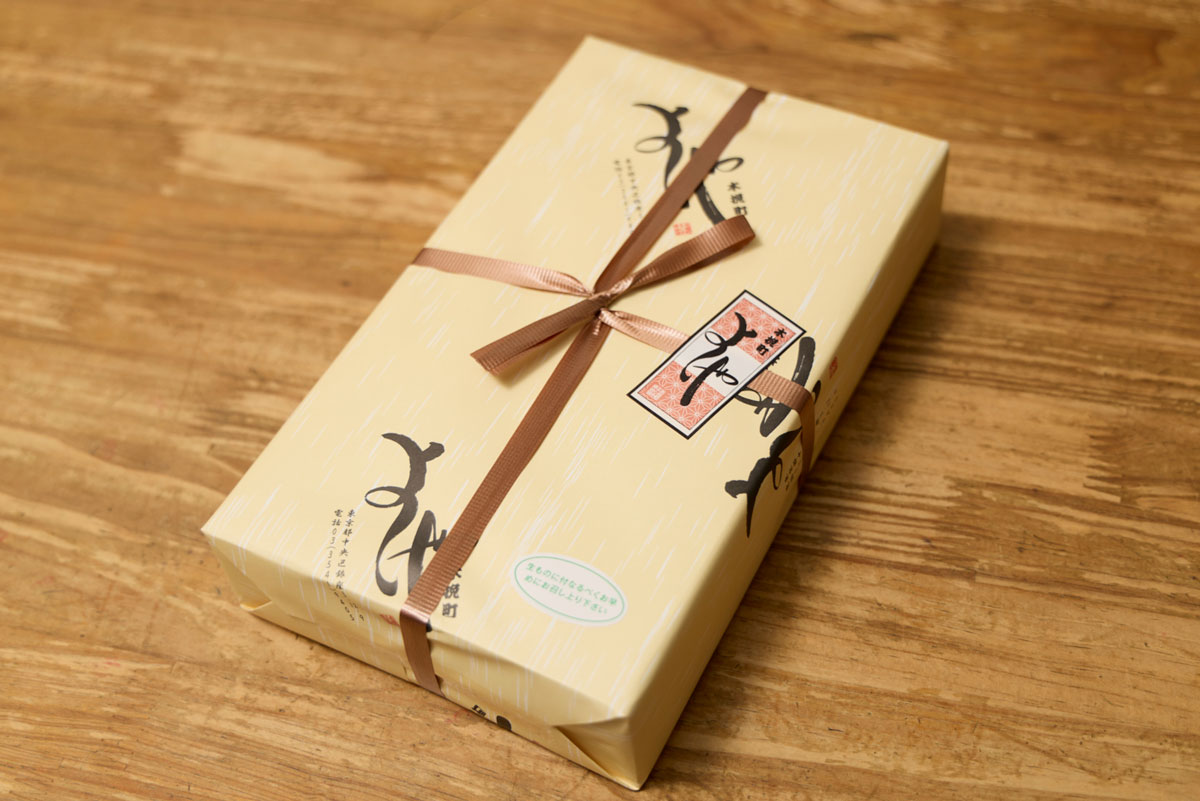
箱詰めは5個入918円から可能(写真は15個入2,754円)。売り切れ仕舞いも多いので、電話で予約しておくのがおすすめ。 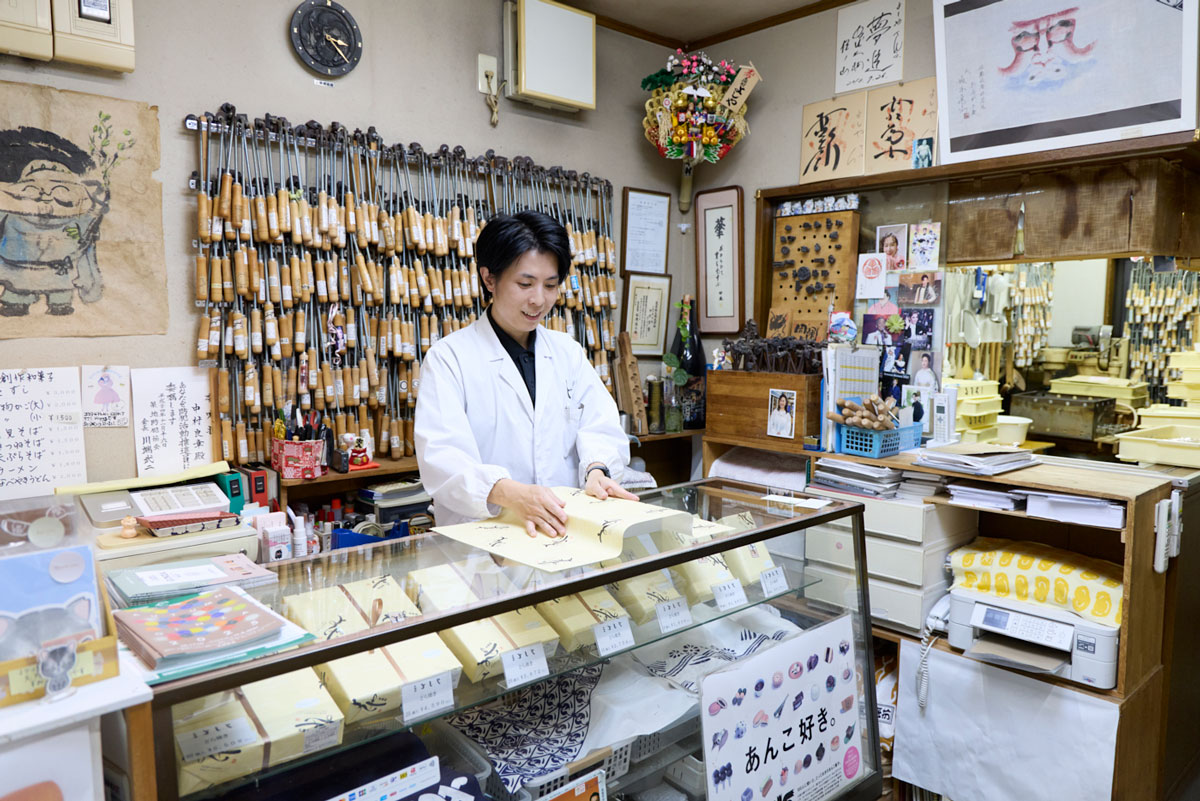
〈木挽町よしや〉3代目の斉藤大地さん。その背後にぎっしりと並ぶのが、焼印の数々。別の場所で保管しているぶんも含めると、焼印の数は1万本を超えるとか。 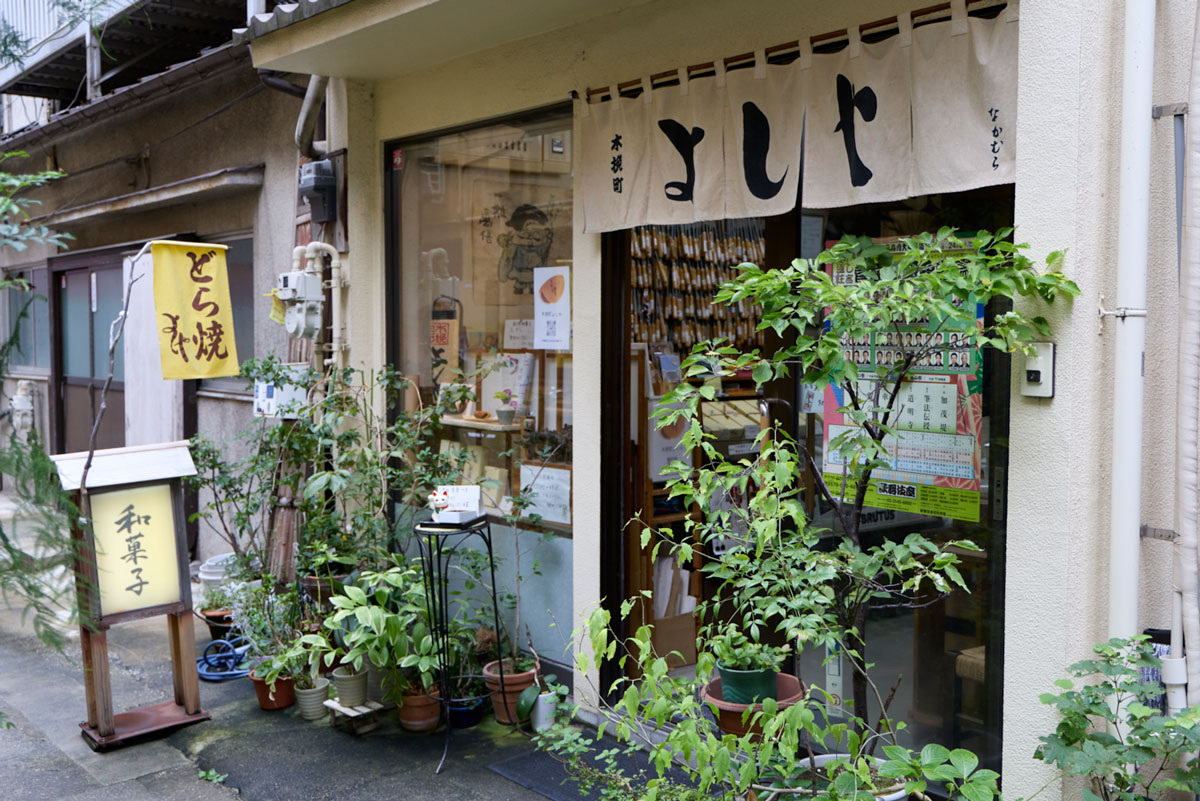
歌舞伎座のすぐ裏にありながら、昭和の雰囲気が漂う路地にある。ちなみに『BRUTUS』編集部があるマガジンハウスから徒歩10秒の距離だ。
共楽
シンプルな味わいが評判の中華そば店
初代・中野太一郎さんが、屋台から創業。「いつから営業を始めたか正確には分からないのですが、銀座2丁目の現在の場所に店舗を構えたのが、今から約70年前の1956年(昭和31年)と聞いています」と、店を切り盛りする3代目の和彦さんは言う。
銀座の至便な場所にありながら、醤油ベースのスープに、中太ストレート麺を使用した「中華そば」は千円札を出してもお釣りがくる850円。シンプルかつ、味わいのまとまりに秀でたこの一杯を求め、多くのファンが連日、行列をなしている。
麺は自家製で和彦さんが営業終了後に打ち始め、一晩寝かせてから提供。大ぶりのチャーシュー、メンマはもちろん、ワンタンも餡だけでなく、皮まで自分で作る。その3つの具材がのった「チャーシューワンタンメン」を頼めば、麺が隠れるほどの大盤振る舞い。この立地とボリュームで、1杯1,350円とは驚きだ。
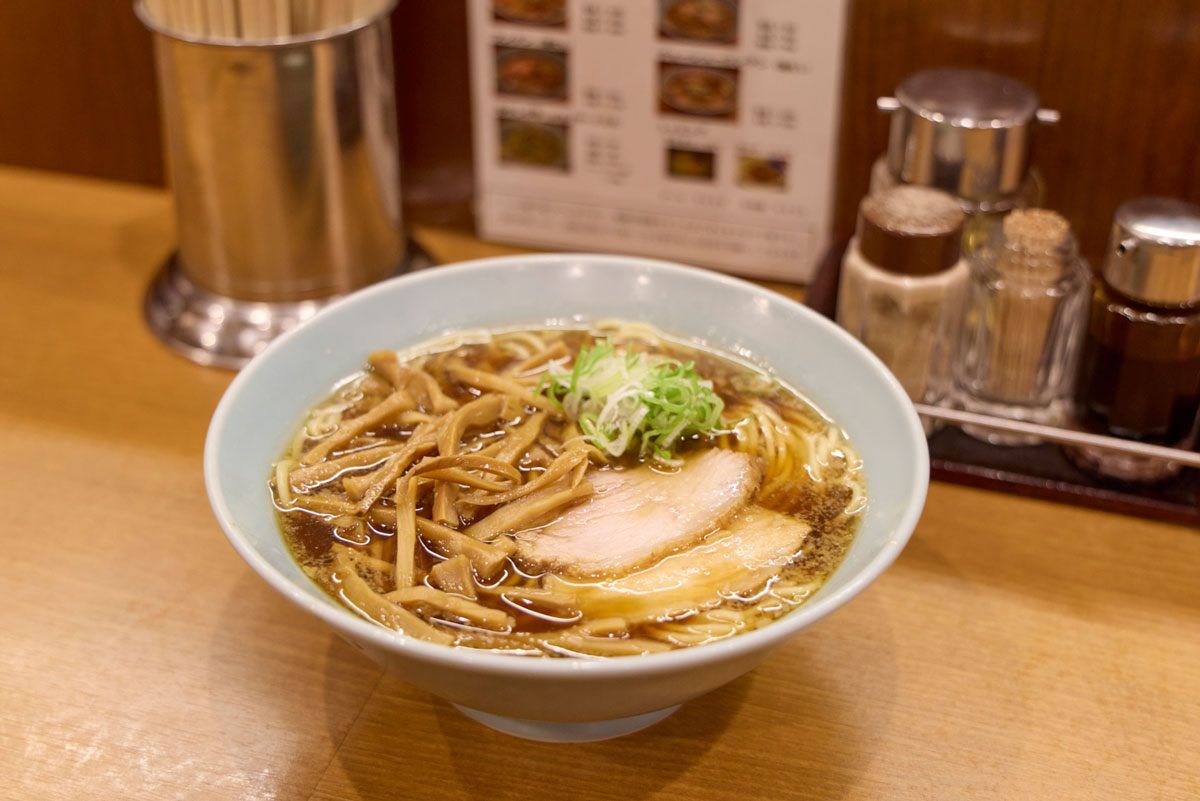
「竹の子そば 普通」1,050円。細長い竹の子が椀に浮かぶさまが美しい。 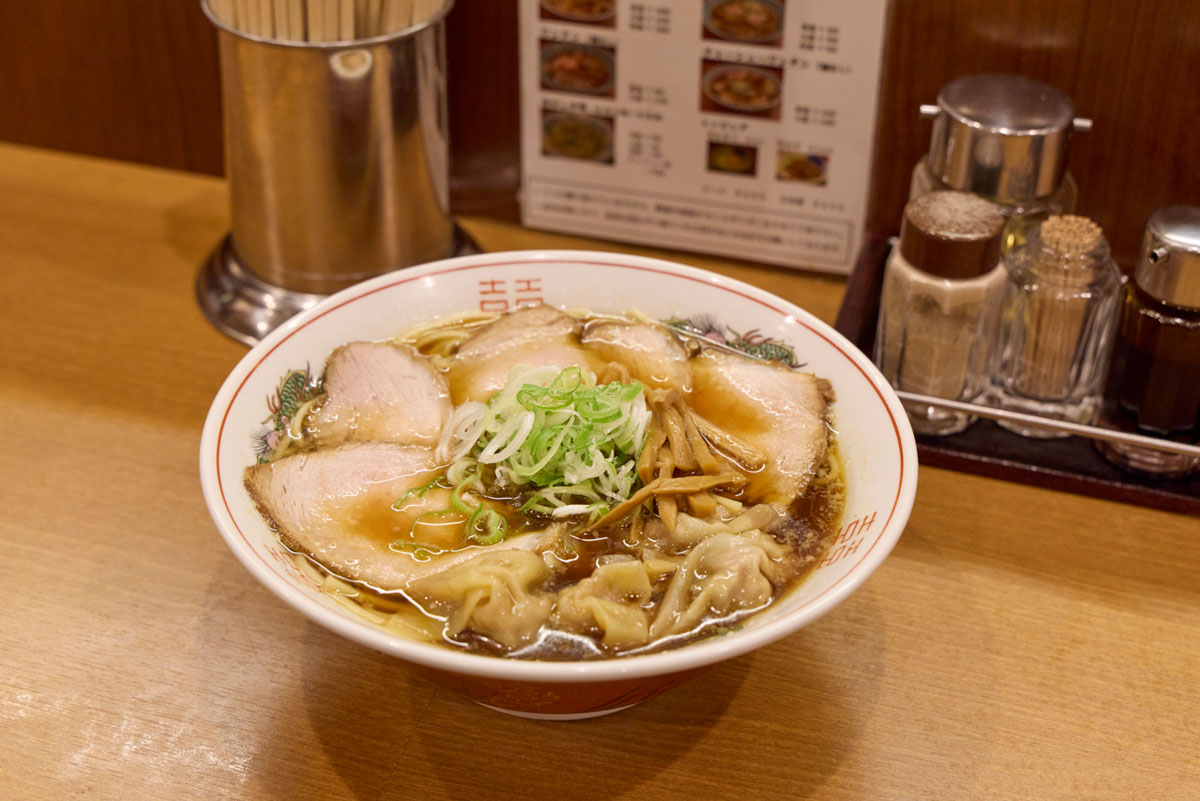
「チャーシューワンタンメン 普通」1,350円。チャーシューは豚のモモ肉を使用。ワンタンの餡は挽き肉のみ。トッピングが醤油スープを吸い込むことで、さらに旨味が増していく。 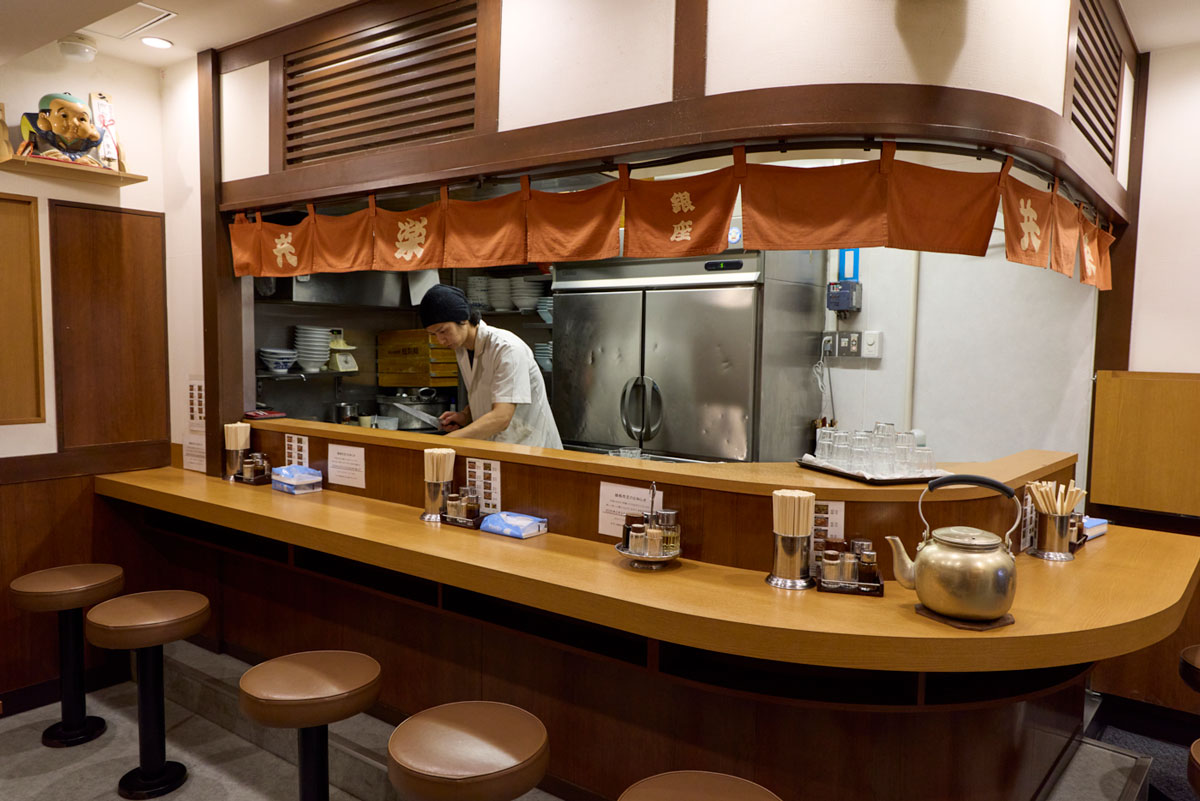
厨房を切り盛りする和彦さん。また2代目の父・喜久雄さんも、営業日には必ず1時間ほど厨房に立つ。 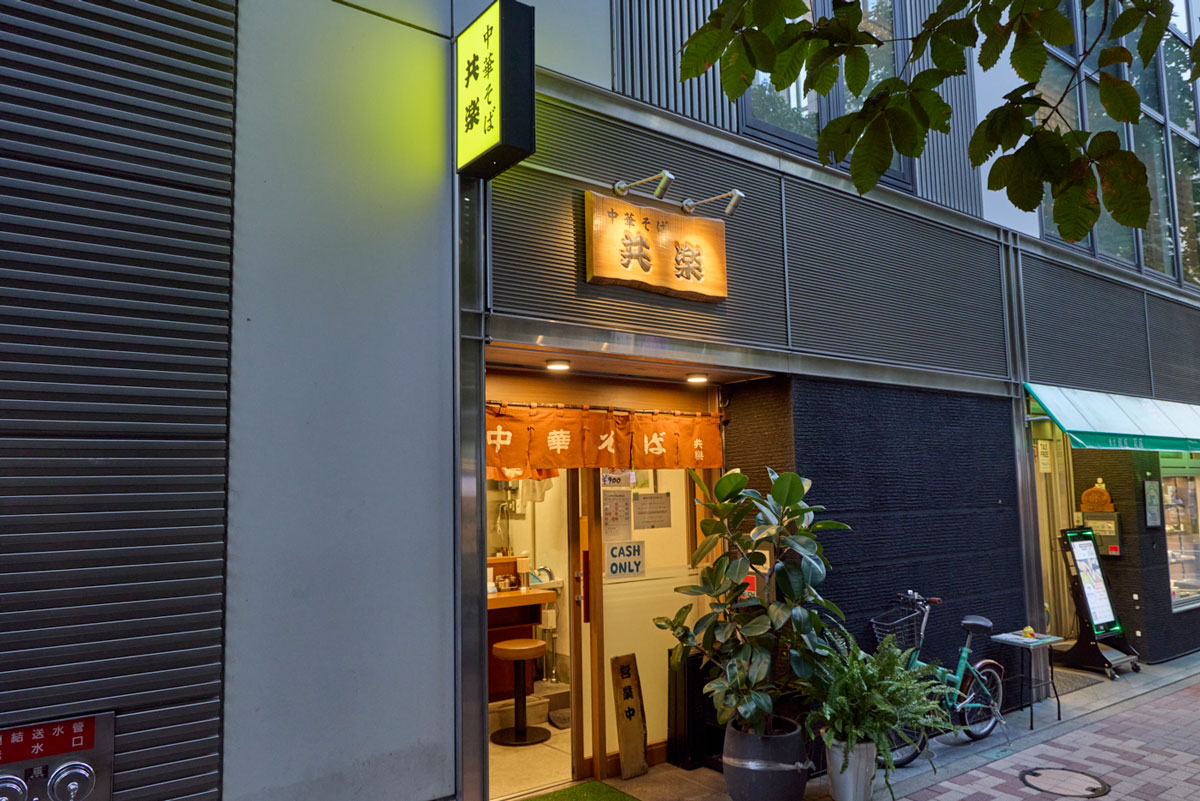
入店していたビルの建て替えに伴い、2019年にリニューアルオープンした。