










Enjoy tea while watching the flowing Kamo River. Will you spend your time in a tea room or at an inn?
For both residents and travelers, the Kamogawa River is one of the first places that comes to mind when talking about their favorite places in Kyoto. "When I returned to Kyoto, where I spent my student days, I was reminded of the presence of the Kamogawa River. If I was going to set up a base, I wanted it to be close by," recalls owner Mantaro Kojima.
His roots lie in the now-defunct pottery maker Ikerindo Ikerindoh Hanhichi, Aichi Prefecture, and he had many opportunities to come into contact with tea ceremony utensils and antiques from a young age. With utensils around, it was only natural that he would become interested in tea. He has studied various types of tea, from the tea ceremony to literati sencha.
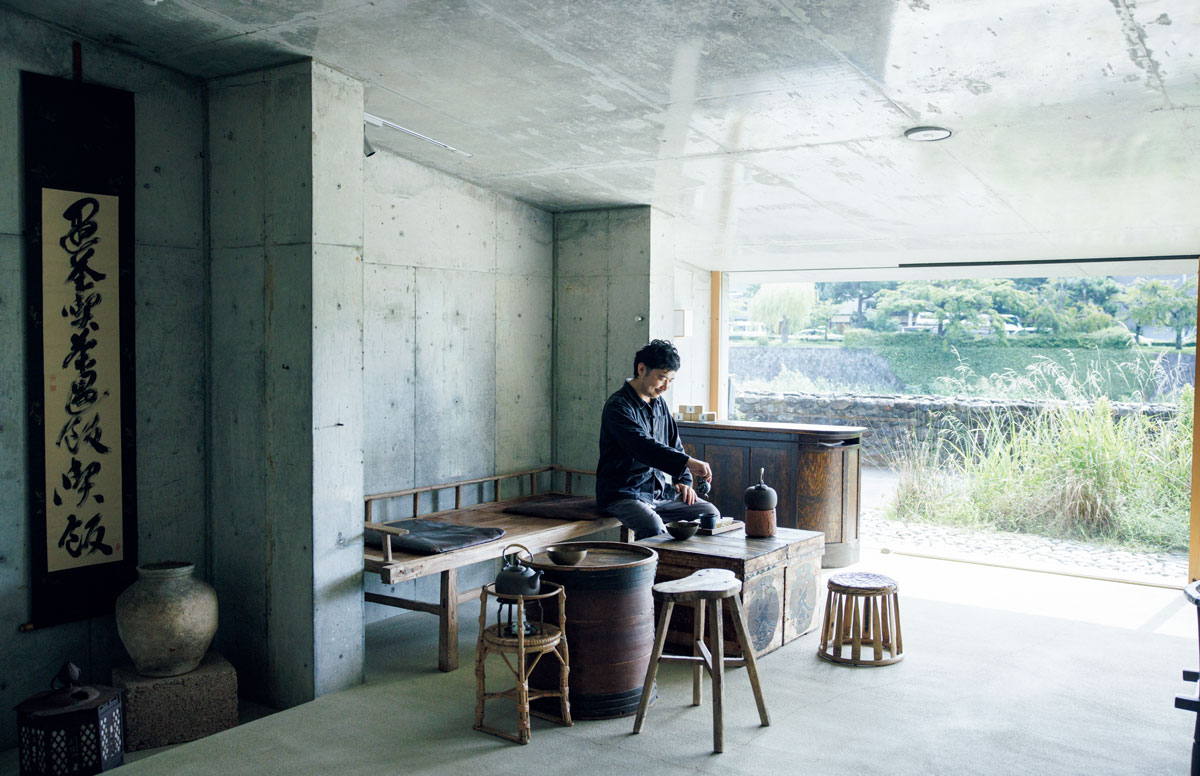
When the townhouse inn Kamohan opened in 2015, the tea house/tea art room Ikehan was built next door to welcome guests. In 2012, a well was dug and the Kamohan Main Hotel and Ikehan Annex Tea House, a tea room that anyone can easily visit, were built. The exposed concrete is combined with period furniture and tools.
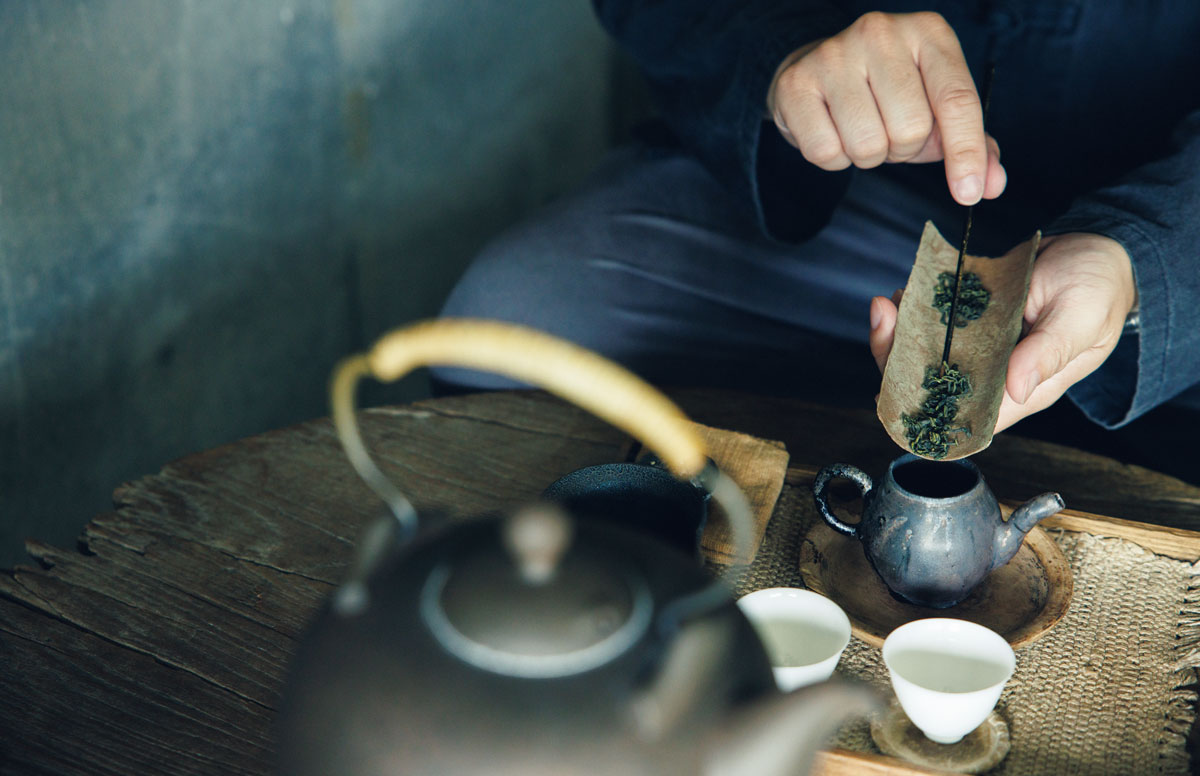
"There is a saying by Murata Juko, who is said to be the founder of wabi-cha tea, that goes, 'confuse the boundary between Japanese and Chinese.' Here, I wanted to express the wabi-sabi of modern Japan," says Kojima. The piece is filled with a new aesthetic sense, created by Kojima, who is also a collector of antiques and art.
Kamohan Main House is a lodging facility with a stepped space overlooking the Kamo River. With one room per floor, the spaciousness makes the view even more luxurious.
At the Ikehan Annex on the first floor, you can choose your favorite tea leaves from a selection of rare varieties, and then do as you please. You can brew as many times as you like, and the generous hospitality will help you relax and unwind.
"From a modern perspective, the time spent brewing and drinking tea may sometimes seem unproductive. But if you take a step back from your everyday life, many things come to mind, and it could actually be said to be productive. Perhaps that's why I chose to immerse myself in the world of tea. Here, I often see people I'm not particularly close with communicating through tea. I sometimes feel that it fulfills the role of a reception room or tea room, which are no longer built into homes," says Kojima.
Both the inn and the teahouse are located on the banks of the Kamo River, gently connecting people and time through tea.
The owner of the famous Ikehan Branch restaurant talks about the space in Kyoto
A flameless fireplace, a condensed pilgrimage. Immerse yourself in the silence that brings space to your soul.
Mountains tower on three sides, right next to the city. A river runs through the center of town, preserving its natural shape, shaping the flow of energy. The ancient capital's streets, seen from the mountain, reveal a blank space of sky, and I feel that this is the source of the town's power. The hearth on Mount Daimonji, where the bonfires are awaiting, is incomplete, evoking a sense of emptiness.
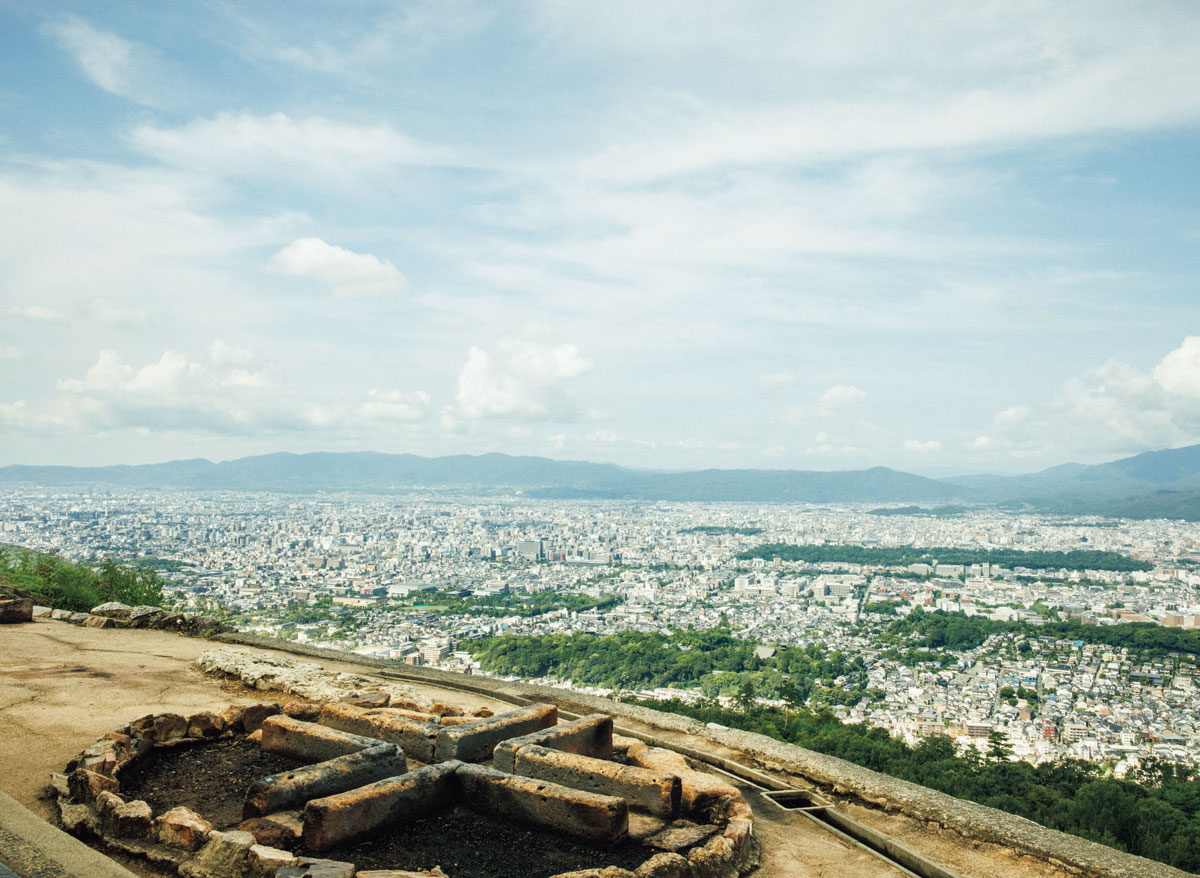
It is one of the 36 peaks of Higashiyama, stretching from Mount Hiei to Mount Inari, and stands 465m above sea level. Every year on August 16th, the Gozan no Okuribi fires are held, and it is known for the character "dai" (large) being lit. Of the climbing routes, the most popular is the Ginkakuji route, which takes about 50 minutes to reach the fire pit. The panoramic view of Kyoto Gyoen, Shimogamo Shrine, the great torii gate of Heian Shrine, Kyoto Tower, and the mountains surrounding the city of Kyoto is breathtaking. Kojima climbs the Keage route, which starts from Hyuga Taisha Shrine near Keage subway station, crosses the summit, and descends to the fire pit. This route takes about two hours.
The Omuro 88 Temple Pilgrimage condenses the long pilgrimage around the entire island of Shikoku into one mountain and two hours. This condensation creates a spiritual expansion. "How do we fill this space?" The answer depends on the state of our minds.
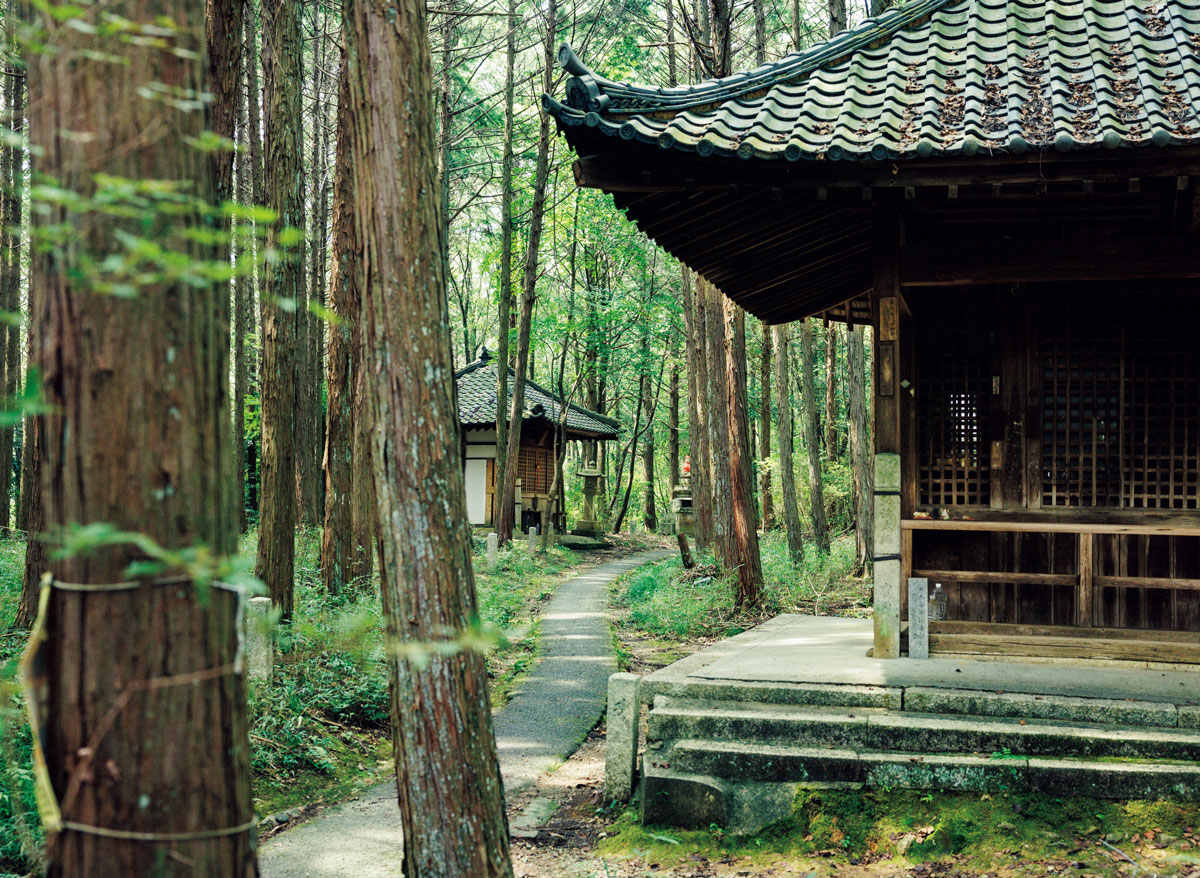
Its history is long, dating back to 1827 (Bunsei 10). At a time when pilgrimages to Shikoku were difficult, the 29th head priest of Ninna-ji Temple, Prince Sainin, requested that sand from the 88 sacred sites of Shikoku be brought back and buried on Mount Joju behind the temple, where 88 halls were built, creating a sacred site. The pilgrimage, which begins at the west gate of Ninna-ji Temple, takes about two hours and is said to bring the same blessings. The pilgrimage path, rich in nature, is enveloped in cedar trees and the scent of the earth, and the more you walk, the more your soul will be soothed. The views from the scenic spots also make the pilgrimage a memorable one.