








Interview with Miho Nakazono, who is working on the morning drama series "Anpan": How to write a script for a morning drama

Affectionately known as "Asadora," the morning drama series is an essential part of Japanese mornings. Each episode is 15 minutes long, broadcast five days a week for six months, but how does this flagship drama series of NHK come to be? We asked Miho Nakazono, the screenwriter of "Anpan," eight questions.

This article is currently available as a special feature in the BRUTUS issue "NHK no Tsukurikata" (published August 16, 2025). For more details, click here.

photo: Masanori Kaneshita(portrait) / hair & make: Hiroyuki Mikami(portrait) / text: Fuyu Kimata / edit: Emi Fukushima

Q1. When did you start planning the story, and at what pace do you write?

A. It took about two and a half years from deciding on the subject to finishing the book. I wrote and revised without a moment to catch my breath.

It was early 2011 when I was asked to write the script for the morning drama series for the first half of 2025. First, there was a meeting to decide on the subject matter, and my wish to write about Takashi Yanase and his wife was accepted.

From there, I spent six months developing the plot. I decided on the general development up to the final episode, and from around autumn 2011, I started writing one episode every day. Until the production announcement was made in October of the same year, both my scriptwriting and the subject matter were kept strictly secret.

After discussing the script with the producer and director and completing the first draft, the content is adjusted taking into account the balance between location and studio shooting and the schedules of the cast.

I always have three weeks' worth of work going on at the same time, writing the first draft and revising it. This process requires a lot of brainpower. I feel it requires a different kind of special skill than weaving a story. I finished writing the final episode in the summer of 2013. It took me almost two and a half years.

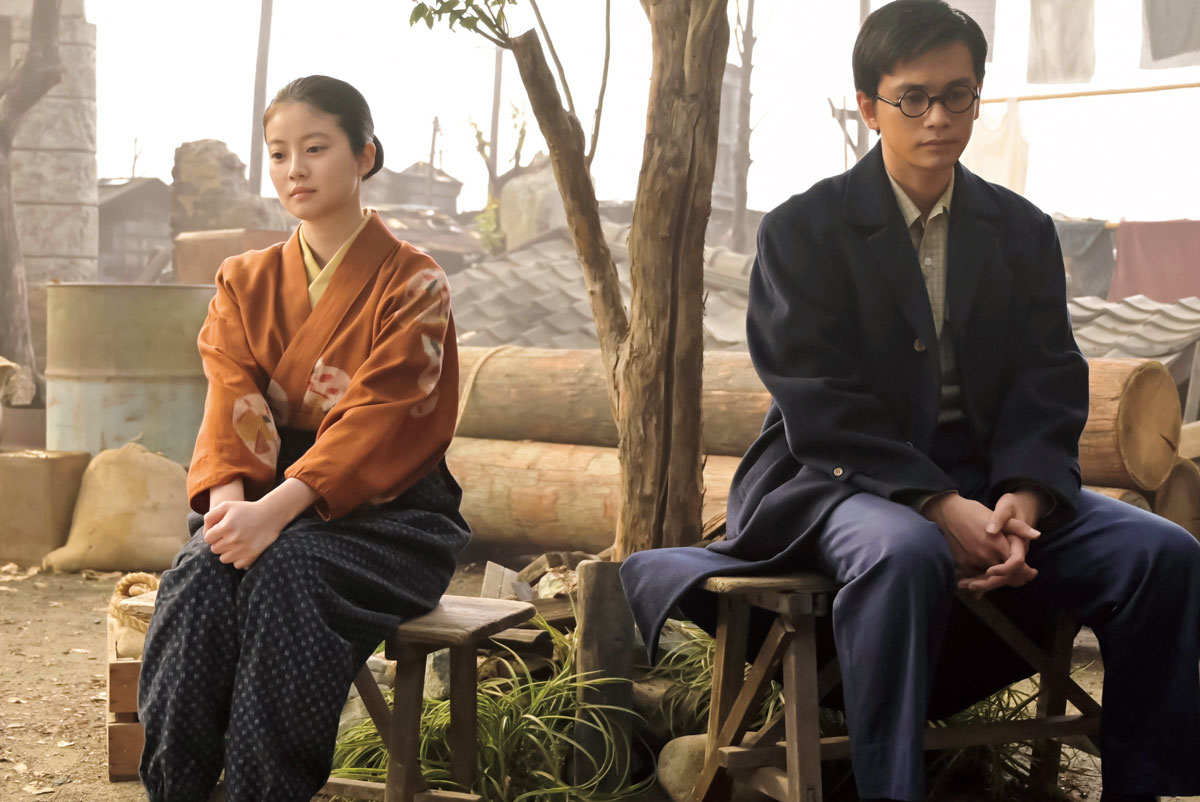
TV drama series "Anpan"
©NHK

Q2. What do you consider important when depicting a woman's life?

A. Rather than portraying innocent women, I try to portray them as independent and strong.

I always want to write stories that support female viewers, especially women who are struggling socially, such as those in non-regular employment.

Before writing "Hanako and Anne," I thought that the role of a morning drama heroine was like a "freshly washed white handkerchief" and that it wasn't for me. When I was suggested to write about Muraoka Hanako, the translator of "Anne of Green Gables," it was because they were hoping to write a drama about a strong, independent woman who breaks through a male-dominated world. I thought that Muraoka, who was born into a poor family and had a hard life, would fit the desire of viewers to root for her.

Besides, it wouldn't be interesting if all the women in morning dramas were pure and innocent. For example, Tomiko, the mother of Takashi (Kitamura Takumi) in "Anpan," is a free-spirited character, and while some staff members were worried about her strong quirks, it was reassuring to see Nanako Matsushima, who played the role, agree with the image of the foul-mouthed Tomiko.

TV drama series "Anpan"
©NHK

Q3. When modeling your character after a real person, how do you stay true to historical facts?

A. With the help of our excellent historical research staff, we will depict as faithfully as possible the parts for which there are documents.

In the case of "Anpan," I corresponded with Yanase when I was a child, and there are many books written by Yanase himself, so I had no trouble finding reference material. In particular, the story of his younger brother, Chihiro, is almost entirely based on historical fact.

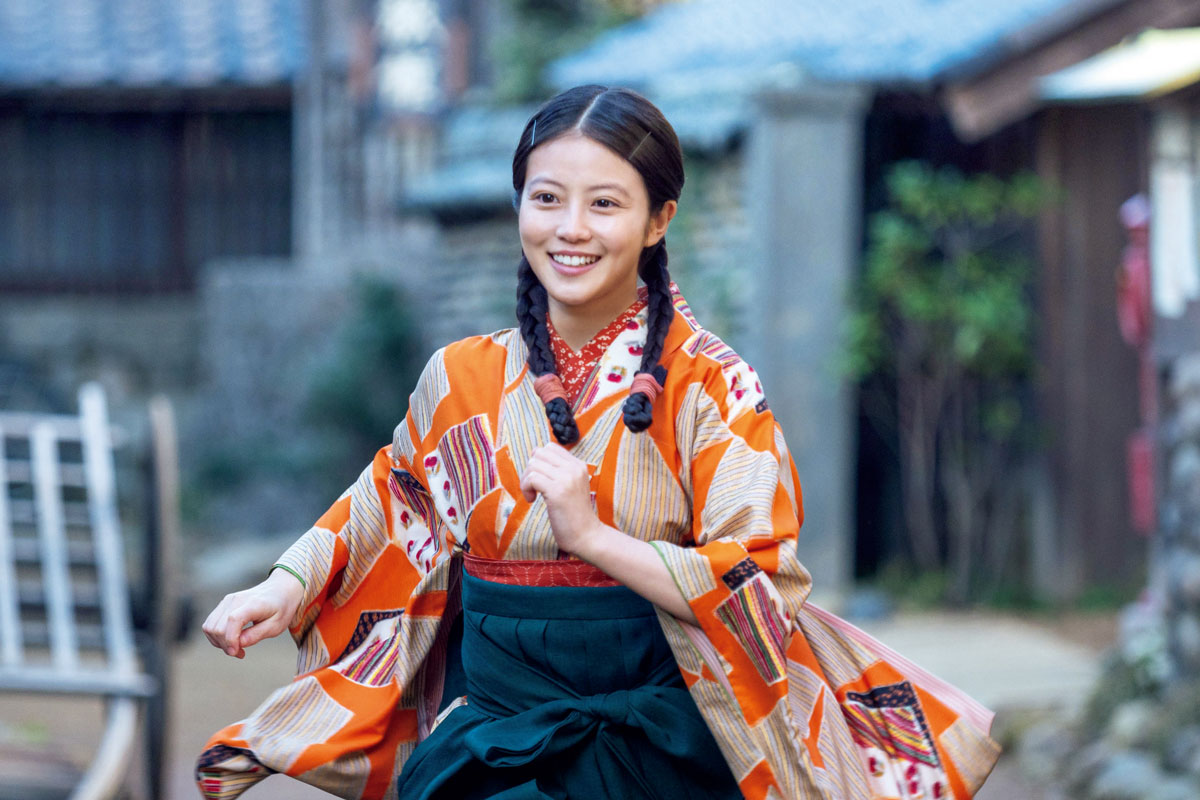
However, initially, there were only about five pieces of information about his wife, Nobu. She lost her father at a young age. She was a fast runner. She was nicknamed "Idaten Onobu." She met Yanase at the Kochi Shimbun newspaper company...etc. Then, in 2024, news broke that she had a husband named Komatsu Soichiro, so they quickly created a story where they got married once before Taka.

I want to be as faithful to historical facts as possible when it comes to real people, so I get help from an excellent historical research staff. In particular, NHK's Omori Yohei is an important person who is indispensable for morning dramas and taiga dramas, as he gives me advice from a production perspective.

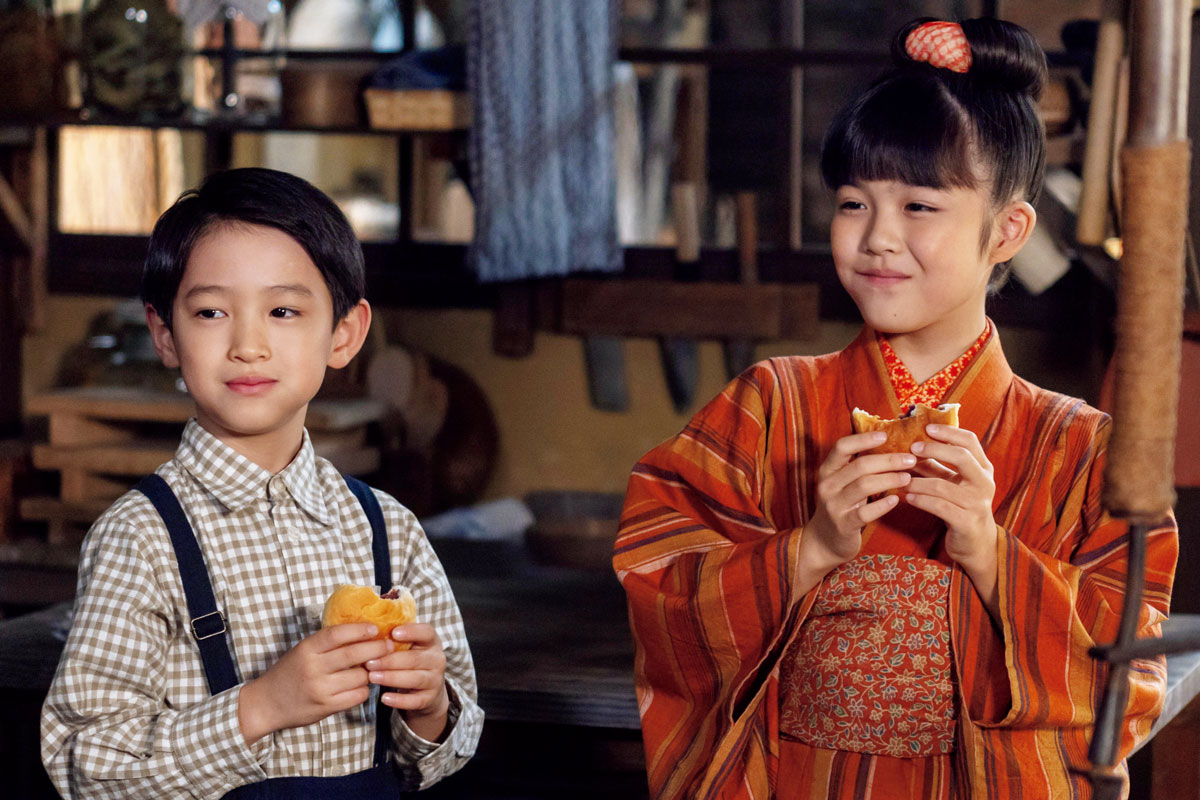
TV drama series "Anpan"
©NHK

Q4. Are there any difficulties in telling a story within a 15-minute episode time frame?

A. Depicting the beginning, development, twist, and conclusion in 15 minutes feels like repeatedly sprinting a short distance.

Okada Yoshikazu, who wrote three morning dramas (Churasan [first half of 2001], Ohisama [first half of 2011], and Hiyokko [first half of 2017]), told me, "You think that morning dramas are like a marathon, don't you? But it's not. It's a short-distance sprint where you can't rest every day."

In a marathon, you can slow down a little in the middle of a long run, or get pumped up and pace yourself. Commercial TV drama series with about 10 episodes are a bit like a marathon, but morning dramas have to create a beginning, development, twist and conclusion within each 15-minute episode, and you have to sprint at full speed every episode.

There's no time to stop and think if you can't come up with an idea along the way. You have to use everything in your repertoire and write in one go. Sugako Hashida wrote "Oshin" (1983-84) in her late 50s. Writing at that high a quality in a year is a miracle.

TV drama series "Anpan"
©NHK

Q5. What did you pay particular attention to when depicting war in the morning drama?

A. I wanted to portray the image of a militaristic girl who certainly existed at the time, honestly and directly.

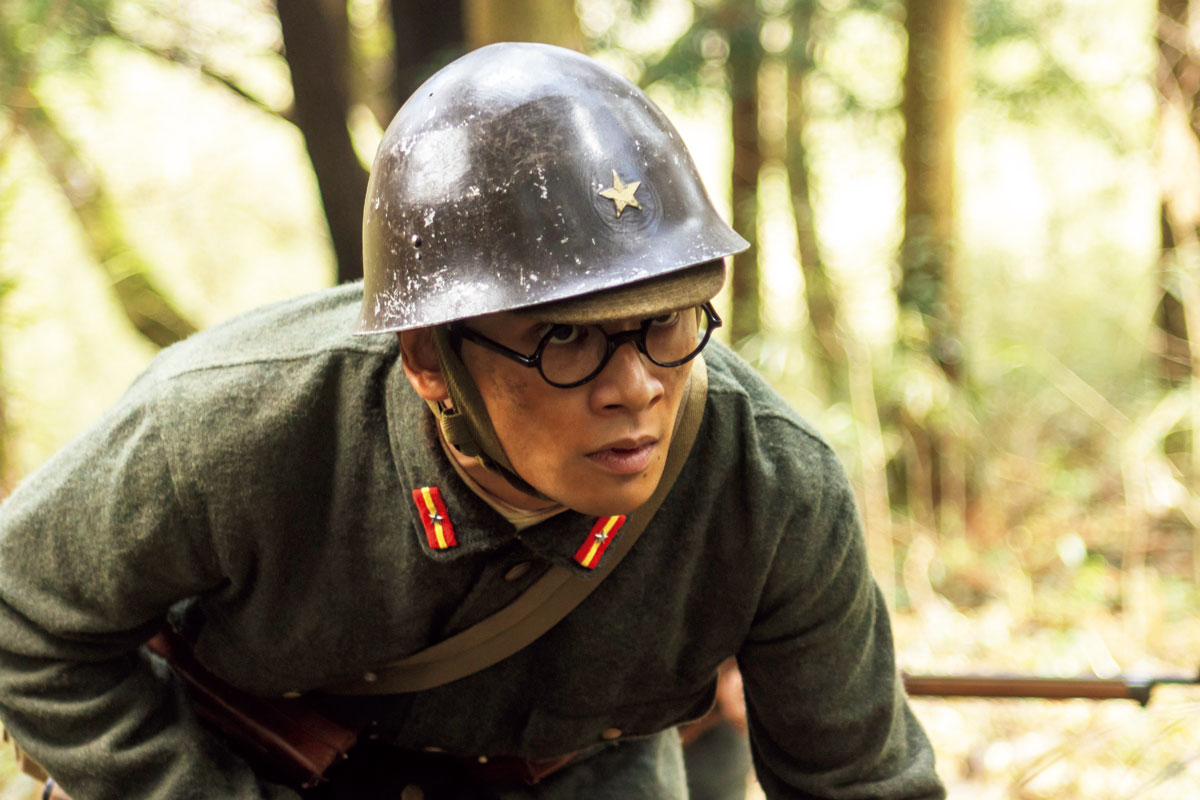
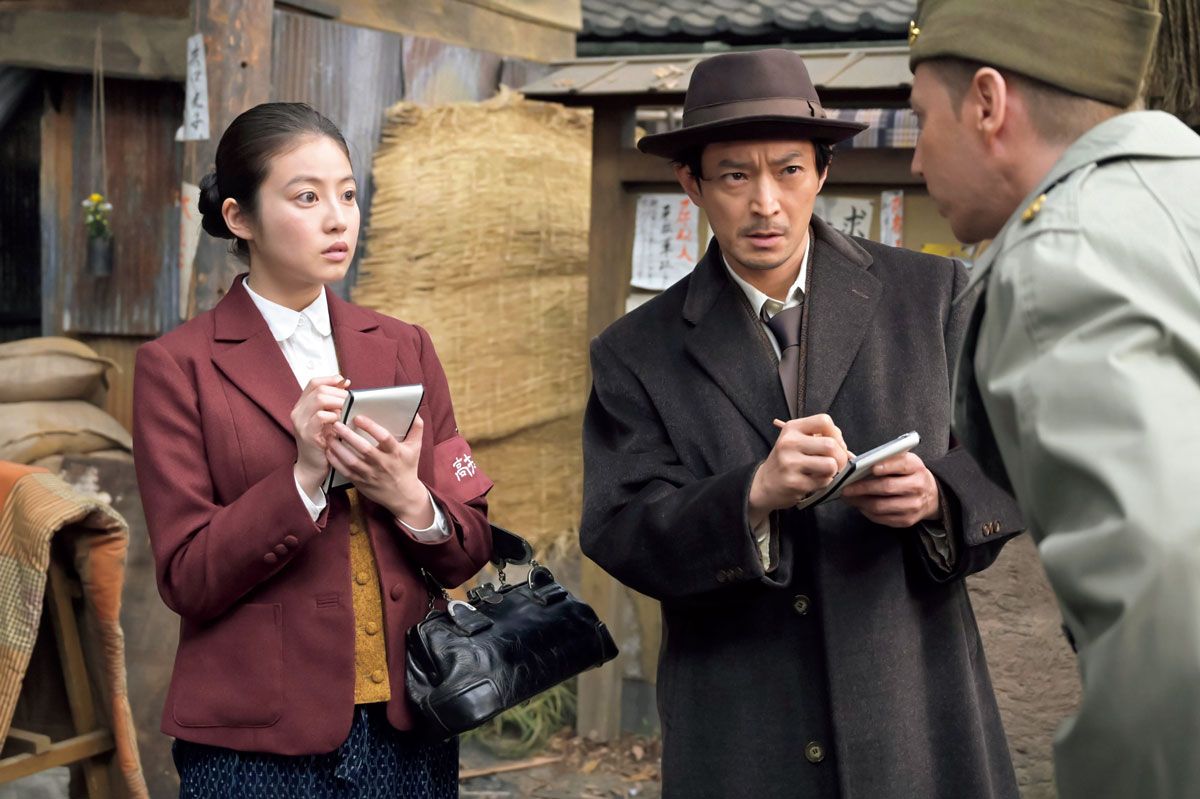
Hanako (Yuriko Yoshitaka) from "Hanako and Anne" participated in war propaganda on the radio during the Sino-Japanese War and was reprimanded by her best friend Renko (Yukie Nakama). Nobu (Mio Imada) from "Anpan" taught children about militarism during the Pacific War.

In many morning dramas, the heroines have spoken out against war, and I worried that a heroine who preaches "for the sake of her country" would surely not be well-liked given modern values.

However, in her autobiographical morning drama "Haru yo, Koi" (1994-95), Sugako Hashida declared that during the war she "dedicated herself to her country without hesitation," and in "Imotako Nankin" (2006 fall season), based on the life of Tanabe Seiko, the heroine was portrayed as a militaristic girl. It's true that the stronger a girl's sense of justice was at the time, the more likely she was to be like that. I wanted to portray that truthfully and without lying.

TV drama series "Anpan"
©NHK

Q6. What points do you keep in mind when creating the characters of the supporting characters?

A. They can be mean, quirky, or cheeky. I enjoy drawing characters who aren't great.

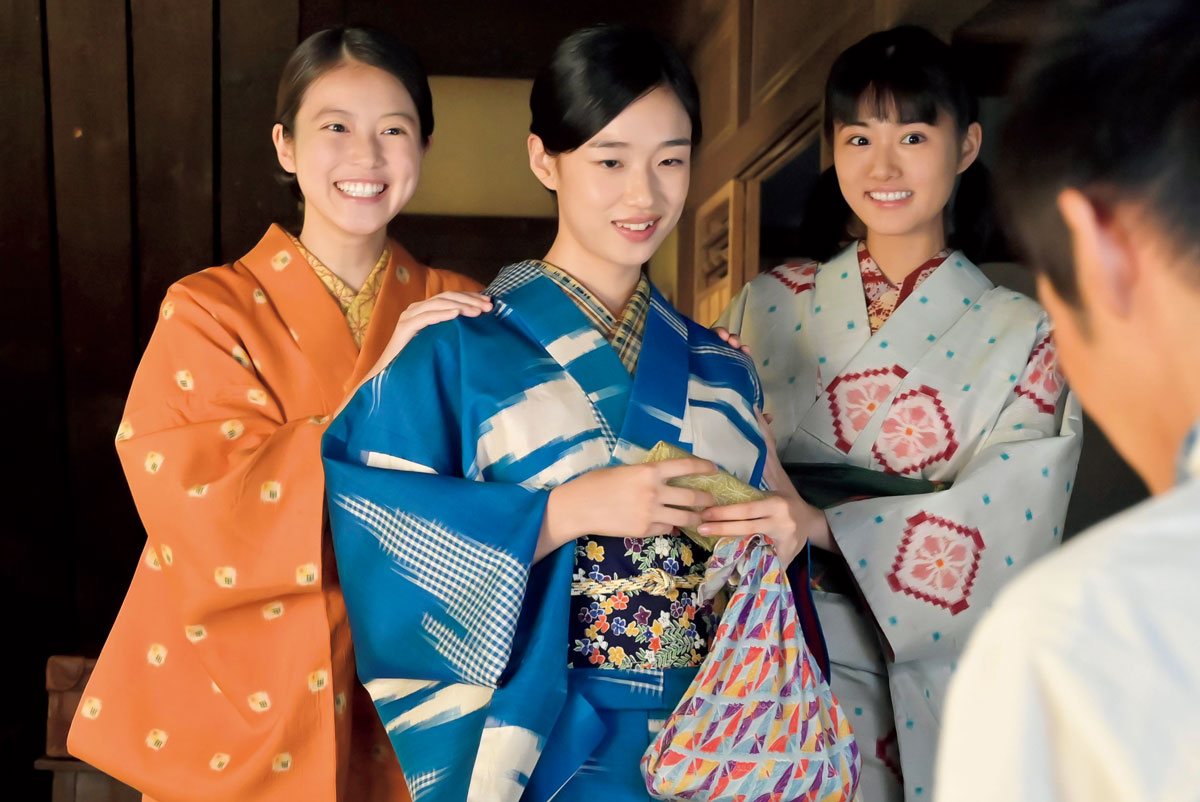
In morning dramas, there are always characters who appear, such as the protagonist's best friend or first love, and if the setting is wartime, the National Defense Women's Association is a must. For some reason, it's usually a group of three. In "Anpan," I wrote Tamie (Ikezu Shoko) of the National Defense Women's Association, and when I watched it on air, there was a group of three (laughs).

I love drawing supporting characters. Yanase's "Anpanman" has been recognized by the Guinness World Records as the anime series with the most characters, and I feel a sympathy for him in that respect. The more quirky the supporting characters are, rather than being impressive, the more appealing they are, so it's fun to create them.

Although all the characters are naturally loved because they are broadcast every day, characters who are mean to the main character tend to be disliked. However, I wrote one character towards the end who is extremely cheeky. This is an episode I had planned from the beginning, so please look forward to it.

TV drama series "Anpan"
©NHK

Q7. Will viewers' real-time reactions affect the outcome of the story?

A. I understand your thoughts... but it's difficult to incorporate them into the process.

In "Anpan," Go (Kanata Hosoda), who works as a live-in stonemason at Nobu's family home, is very popular, and I received many voices expressing regret over his death in the war. Even acquaintances of mine asked me to make it seem like he died in the war and then have him reappear at the end of the film.

Apparently, in the past, morning dramas would sometimes listen to viewers' pleas not to let a character die, and have them appear longer than planned. However, the production of today's morning dramas progresses quickly, and the script is almost finished by the time it airs, so unfortunately it is difficult to incorporate viewers' opinions. In recent years, the pace has accelerated even further due to the influence of work style reforms, making it even more impossible.

Speaking of reactions, whenever I write a morning drama, there are people who ask me to use them as a model for the next one. In fact, a certain famous acquaintance of mine has also said that to me (laughs).

Q8. What is the fun part about making a morning drama?

A. It gives energy, shows hope, and moves people's hearts. It's a place that can create the atmosphere of a Japanese morning.

When I was a child, my family used to watch morning dramas. My mother always thought it was normal to watch them, whether she found the content interesting or not. They are an indispensable part of the morning, like the air we breathe. They are often said to be a substitute for a clock, but it's rare to find such a high-quality substitute for a clock.

When I write scripts for morning dramas like this, I try to write something that will cheer up viewers for the rest of the day. Nowadays, more people are watching via streaming, but people all over Japan are watching the same show at the same time at the start of their day and being moved by the words and actions of the characters. It's an honor to be able to write such a drama.

I even think that if Asadora disappeared, NHK would cease to exist, or worse, television would disappear altogether in Japan. I hope they continue to produce it for a long time to come.

No.1037 "How NHK is Made" Pop-up Banner

SHARE ON

FEATURED MOVIES
Featured Videos

BRUTUS
OFFICIAL SNS
Brutus Official SNS

FEATURED MOVIES
Featured Videos