










Based in Okinawa. A rare cup of tea at the unknown Chinese tea specialty shop, Chanrou Uukou

On a slightly cloudy afternoon in Urizun, I was lured by the aroma of fragrant Chinese tea and headed to Chanrou Uukou, a Chinese tea specialty shop in central Okinawa, to experience the after-meal tea ritual beloved by writers of old.

photo: Makoto Nakasone / text: Yoko Fujimori

A newly renovated teahouse in the south

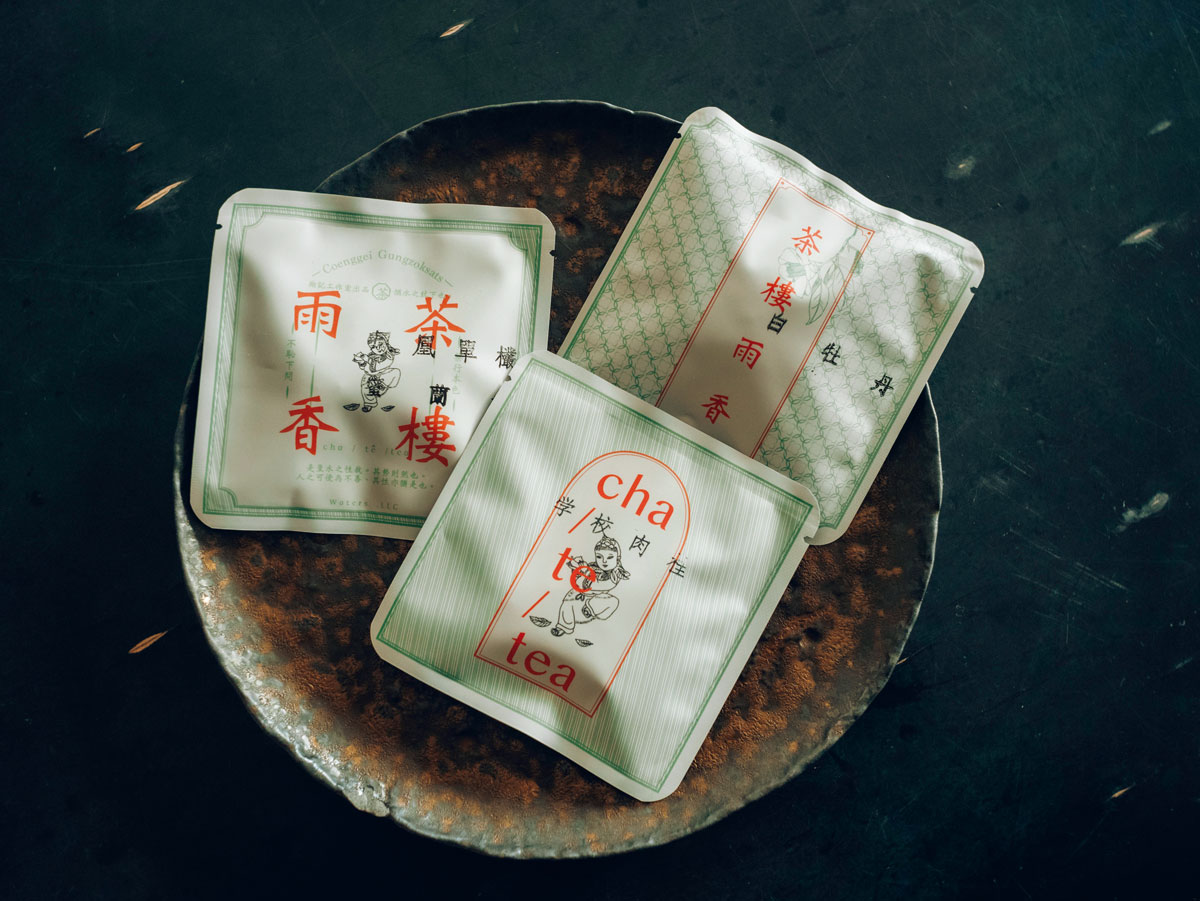
Charou Uka is an unknown Chinese tea specialty store based in Okinawa. When I saw the store's Instagram, I was immediately captivated. The beautiful, lustrous tea leaves, which reveal the high quality of the tea leaves and the advanced tea-making techniques, the tasteful tea utensil arrangement, and the vermilion logo and packaging design that will capture the hearts of Chinese tea lovers. This is no ordinary store... but who exactly is it?

The shop is located in central Okinawa, along the Ginowan Kitanakagusuku local road. Owner Yamauchi Makoto opened the teahouse on the second floor of his own clothing and miscellaneous goods store in December 2021. This spring, the first floor area, which was previously a general goods store, was renovated and reopened as Pulse, a shop selling tea leaves, tea sweets, and antique Chinese tools. When I visited the store on an April afternoon, the high-ceilinged old building was filled with the gentle rays of urizun (the spring season in Okinawa), making it the perfect place to enjoy tea.

They only deal in tea leaves from mainland China, and their specialty is the Phoenix Dancong oolong tea grown in Phoenix Mountain in Chaozhou City, eastern Guangdong Province. As the name "Dancong" (single tree) suggests, this rare tea is known for its low production volume, as it is made using only tea leaves picked from a single tea plant. Yamauchi has been visiting Chaozhou for many years for his company's business, and is very familiar with the town. He now visits almost every month, visiting producers in person in search of better tea leaves.

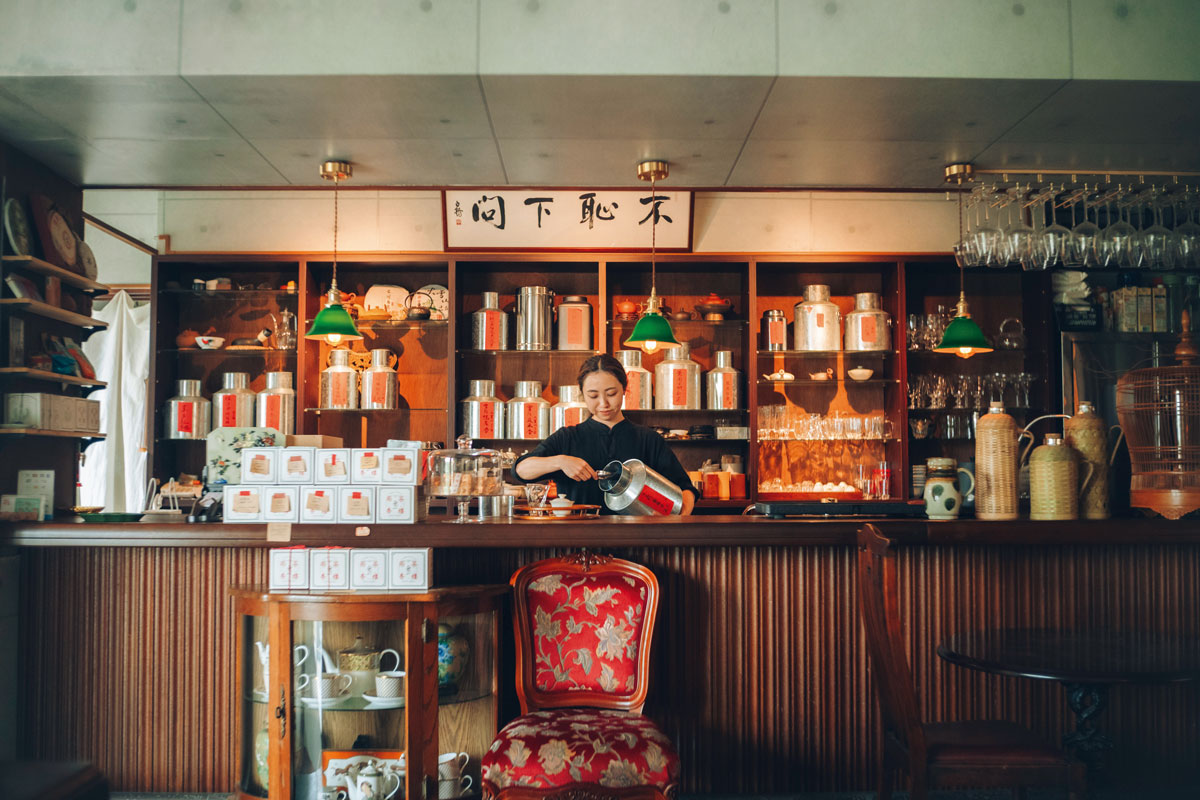
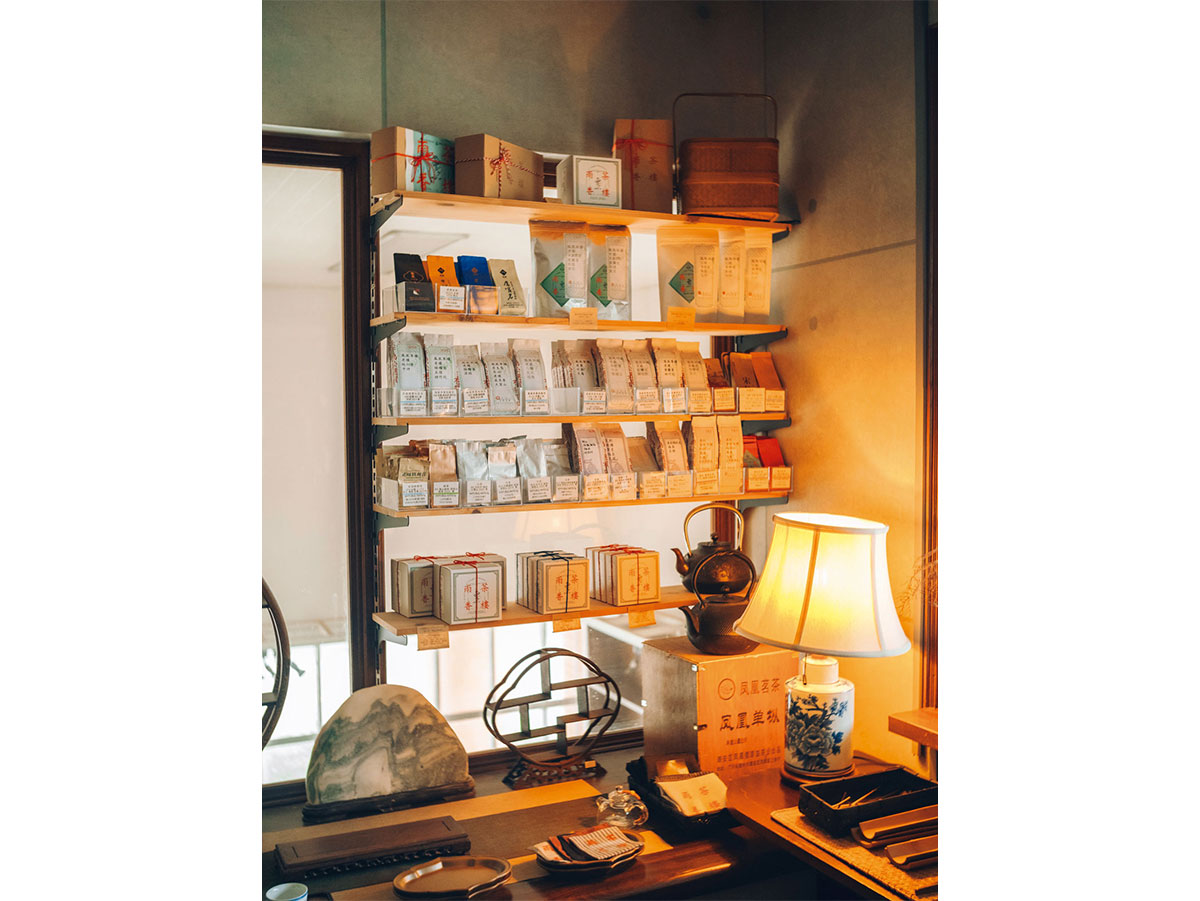
Counter area of the teahouse
The counter area of the tea house. There are Yachimun pitchers for serving water, homemade baked goods, tea bags, and more. The tea tins on the wall, which were purchased in Teochew, actually store tea leaves, and the gesture of taking tea from the tins for each order is part of the tea house's scenery. On a shelf is a phrase from the Analects of Confucius: "Fu Shame ka Inqun" (meaning there is no shame in asking for guidance from juniors or younger people).

The owner's connection with Chinese culture dates back to his time studying abroad in Beijing during his university days as a way to "discover himself." He eventually used his language skills to join a textile trading company, and later founded his own company in his hometown of Okinawa. While visiting China for business meetings, he rediscovered the deliciousness of the tea served there.

"Tea makes me feel relaxed, and, mysteriously, business negotiations go more smoothly. I use Chinese to build relationships of trust with producers and purchase tea leaves that I think are good. More than anything, I wanted to introduce the way local people enjoy tea."

That's why at Charou Uka, the staff will first pour the tea in front of you, and then you can do as you like. There is no tense tea ceremony style, and the shop's rule is to simply enjoy the time you spend drinking tea.

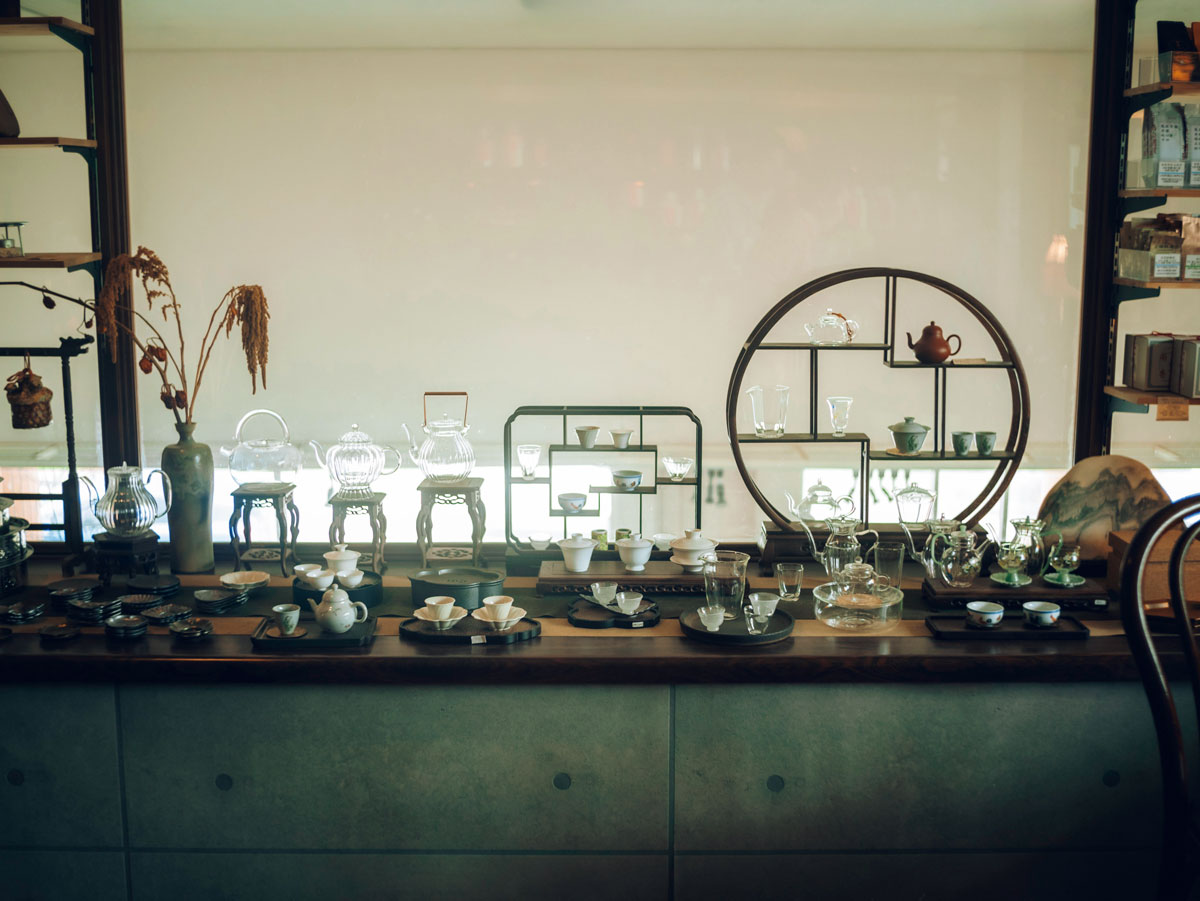
Tea utensils popular in Chaozhou, Guangdong Province, China, the home of tea
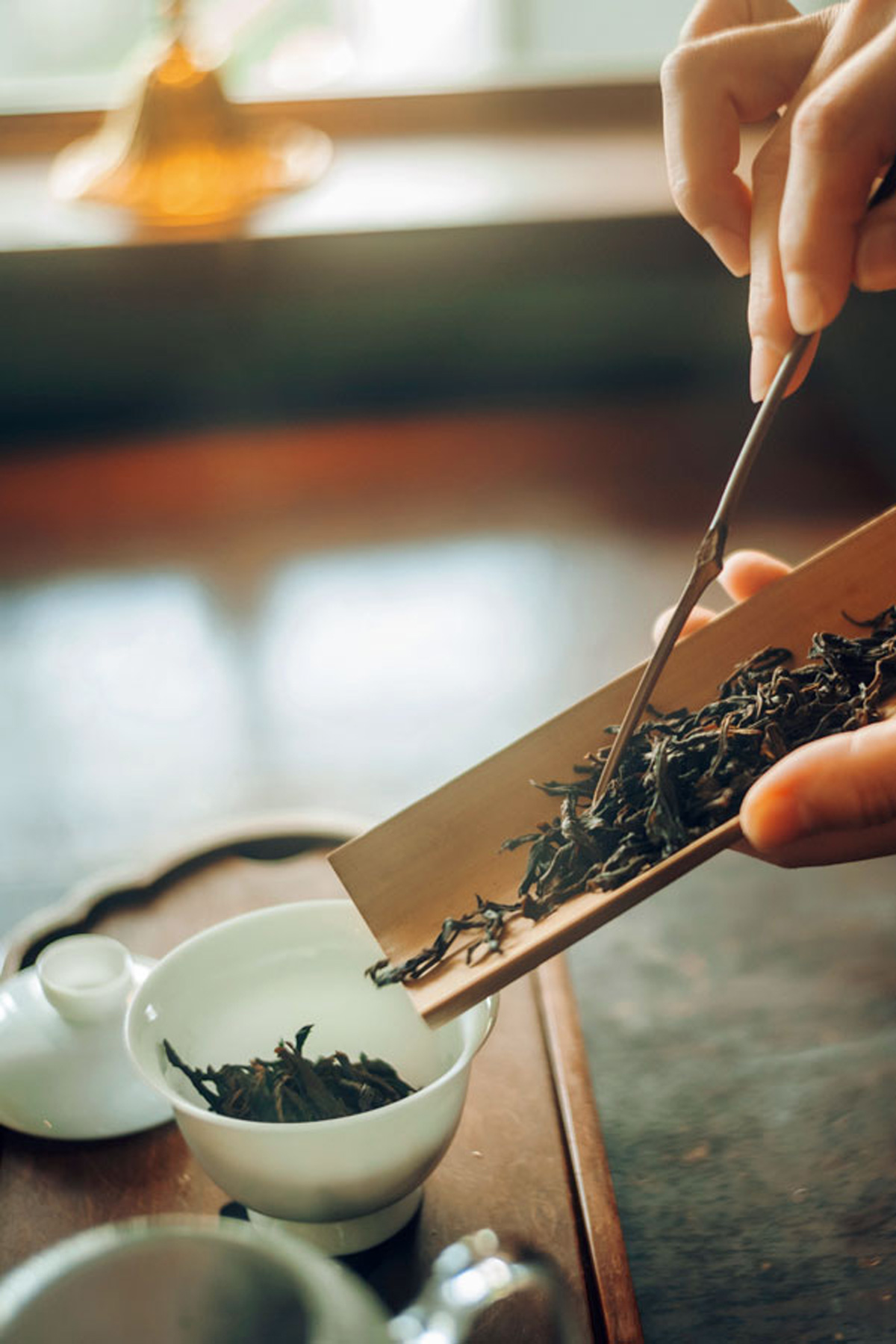
A gaiwan (lidded teacup) is a type of tea utensil popular in the tea town of Chaozhou, Guangdong Province, China, and is so thin that tea leaves can be seen through it. In the afternoon light, when hot water is poured into it, the teahouse is enveloped in steam and a sweet aroma.

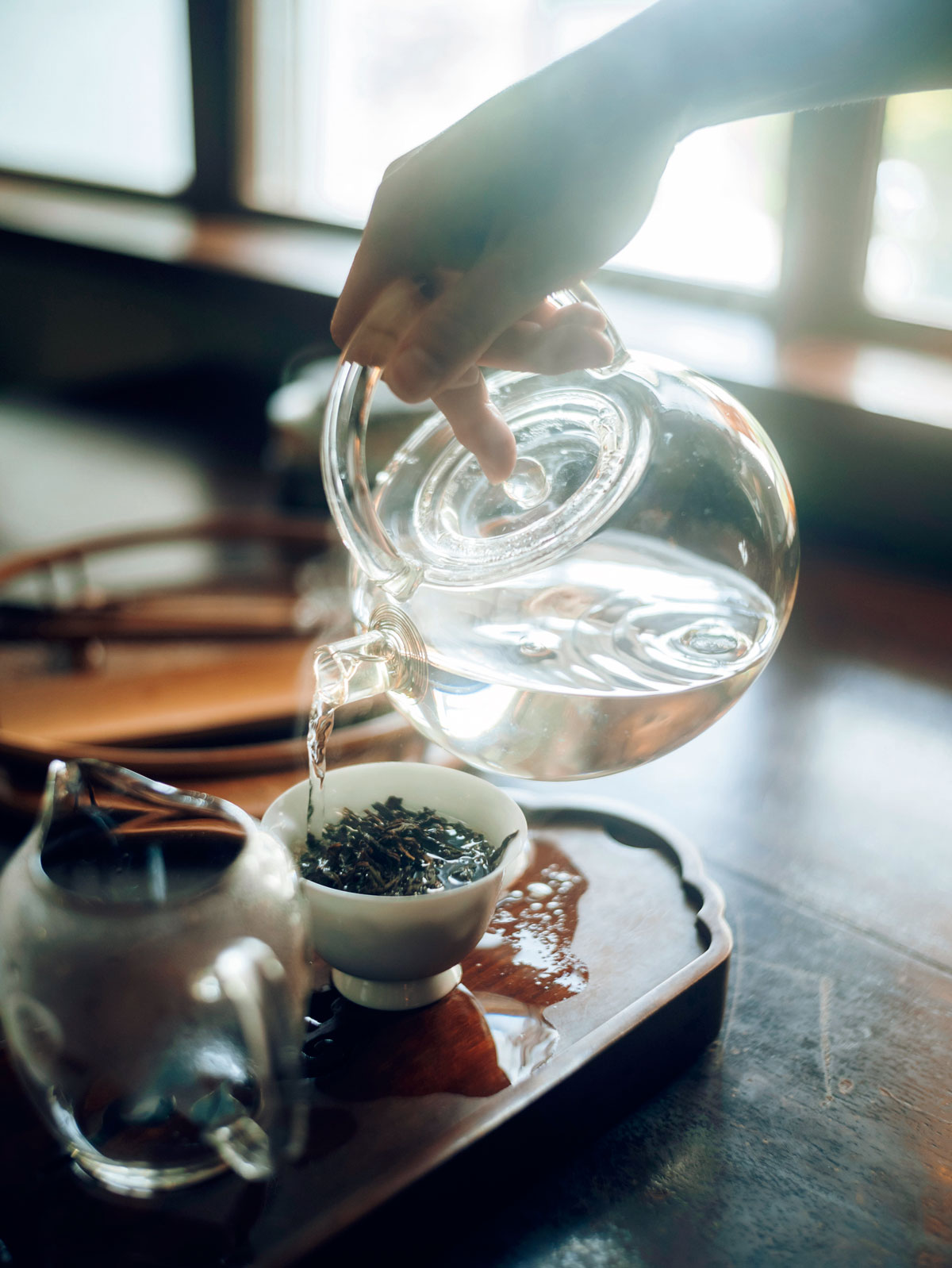
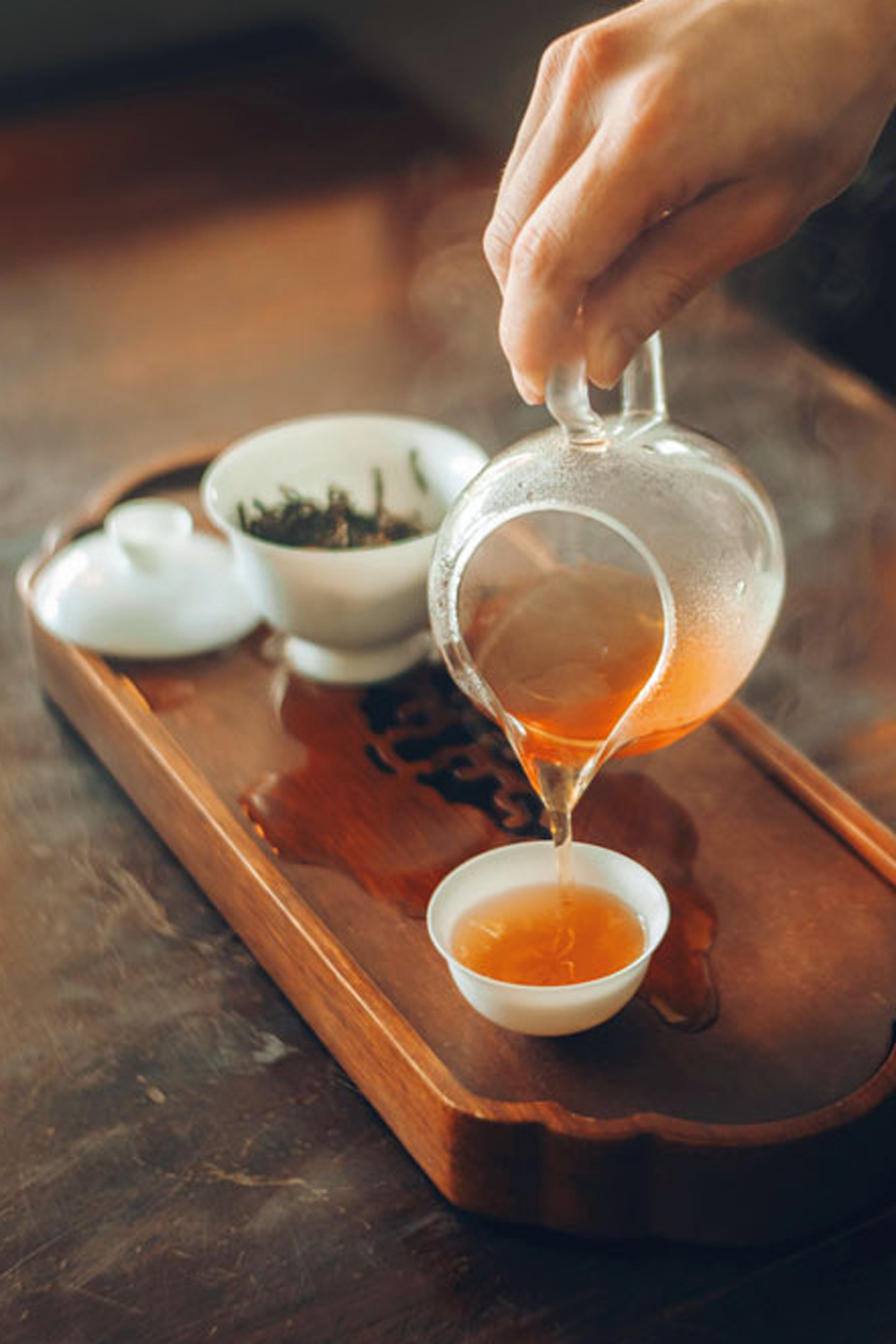
Many of the tea utensils were also purchased from famous historic Teochew kilns and workshops. For example, when brewing "Phoenix Dancong Honey Orchid Fragrance," a lidded bowl that is thin enough to allow the tea leaves to show through is used. Since Phoenix Dancong is brewed by pouring hot water over it and brewing it instantly without steaming it in the tea utensil, a thin bowl that does not lose heat to the tea utensil is suitable. The tea brewed in this way shines crimson red, and when savored in a light, thin teacup, the sweet flavors of lychee, dried fruit, and honey spread throughout the mouth. The aftertaste is so long...!

Finally, when I asked him why he chose here and not Naha, he replied, "Because it's my hometown. It's the pride of Chubu." Ah, that makes perfect sense. Traveling all the way here to taste a rare cup of tea is sure to be a meaningful tea experience.

Although Chinese tea is generally categorized, the brewing method varies depending on the type of tea, such as green tea, white tea, or black tea known as Pu'er tea. This is the Phoenix Dancong method, which uses boiling water and is characterized by a quick extraction without steaming.

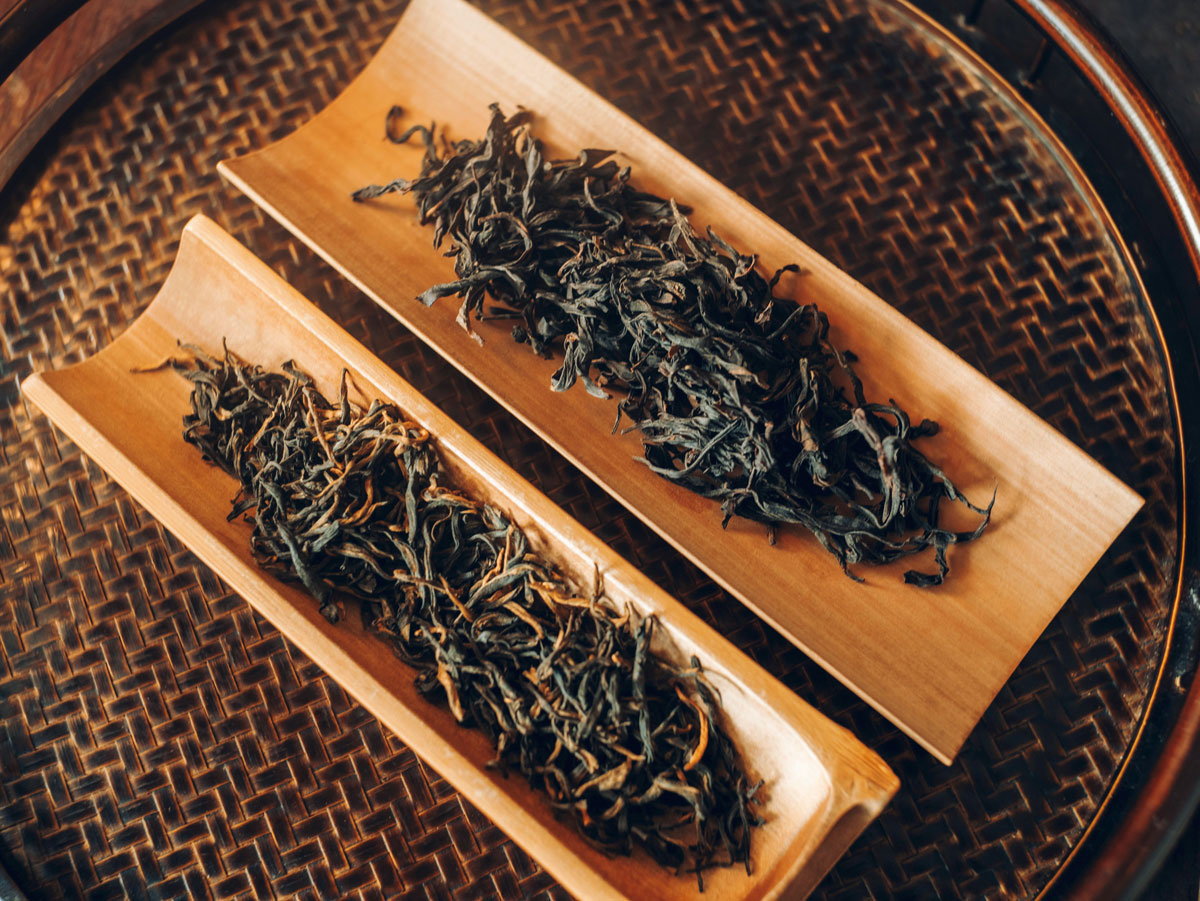
Right: "Fenghuang Dancong Laocong Mi Lanxiang" from Tianzhukeng. Left: Yunnan black tea village.
Look at the beauty of these fresh, glossy tea leaves! Among the teas recommended by Yamauchi, right: "Fenghuang Dancong Laocong Mi Lan Xiang" from Tianzhukeng. Left: "Yunnan Old Tree Black Tea Dasi Township" black tea, made only from tea leaves of 200 to 1000 years old trees in Dasi Township, Fenghuang County, the home of Yunnan black tea. The deep sweetness reminiscent of honey and honeyed sweet potato is impressive.

SHARE ON

FEATURED MOVIES
Featured Videos

BRUTUS
OFFICIAL SNS
Brutus Official SNS

FEATURED MOVIES
Featured Videos