









Providing an opportunity for people to encounter Korean tea
--When I saw the name P&P, I was surprised that it didn't contain the word "tea," even though it's a tea brand.
P&P
The name wasn't chosen simply because I felt like dealing with tea. When I started the brand, I was thinking about what I wanted to achieve through tea. At that time, I happened to come across David Hockney's art book "Portraits and People" in a bookstore, and I realized that it was about "facing yourself and interacting with people through tea." Just as you can paint a completely new world using paints and brushes, I want to express a worldview through tea.
I thought this name was perfect. Incidentally, the other name that remained on the shortlist until the end was "Heisenberg's uncertainty principle." It may be a bit of a difficult name, but I wanted to convey the feeling that it opens up gaps in our thinking.
-Please tell us how the brand was launched.
P&P
I had been working for a company for a long time, but I had always wanted to find a job that would last me a lifetime. When I felt that the time had come, I quit my job and took a slightly longer break.
During the closure, I did only the things I loved - reading books, writing, making videos, cooking, drinking tea, and meditating - and repeated these things every day like a form of training. As I spent my days like this, I suddenly wondered if I could turn the things I loved into a job. This led to my current activities, and I launched my business in June 2023.
What first got you interested in tea?
P&P
When I was living in London, I was drawn to the world of European-style black tea, and from there my interest expanded to include teas from China, Taiwan, and East Asia. There is a cultural aesthetic to British afternoon tea, Chinese tea, and the Japanese tea ceremony.
On the other hand, in Korea, people brew large amounts of tea such as Cassia tea, barley tea, and corn tea, and drink it almost like water. I was really drawn to the idea of "tea = everyday water." Also, Korean tea is made with natural ingredients such as corn syrup, Jerusalem artichoke, and mugwort. I found their approach to being close to nature intriguing.
--I thought it was interesting that you paired books with tea. When do you plan this?
P&P
I don't have a specific season or target in mind, but rather choose my pieces according to the inspiration and feelings that arise within me as time passes and the seasons change. For example, this year's winter in Korea was extremely harsh and long. That's why when spring arrived, the scenery felt so lyrical and idyllic.
Also, there is a theory that the word "spring (봄)" comes from the Korean verb "to see (보다)." These elements naturally came together under the theme of "Seeing an idyllic spring," and I chose three books and teas with Miyazawa Kenji and the poet Park Kyung-ri in mind.
-Currently, the only places where you can experience P&P tea are online and at pop-up events?
P&P
That's right. Recently, in April, I held a pop-up with the theme "Theatre of Hypothesis," and curated books and teas under the theme of "silent theater." When I serve tea to guests, I change the type of tea and strength depending on their personality, preferences, and the situation they are in, as well as the order in which I brew the tea and choose tea utensils that suit them. The time I spend brewing tea, paying careful attention to these little things, is a very enjoyable and happy time for me.
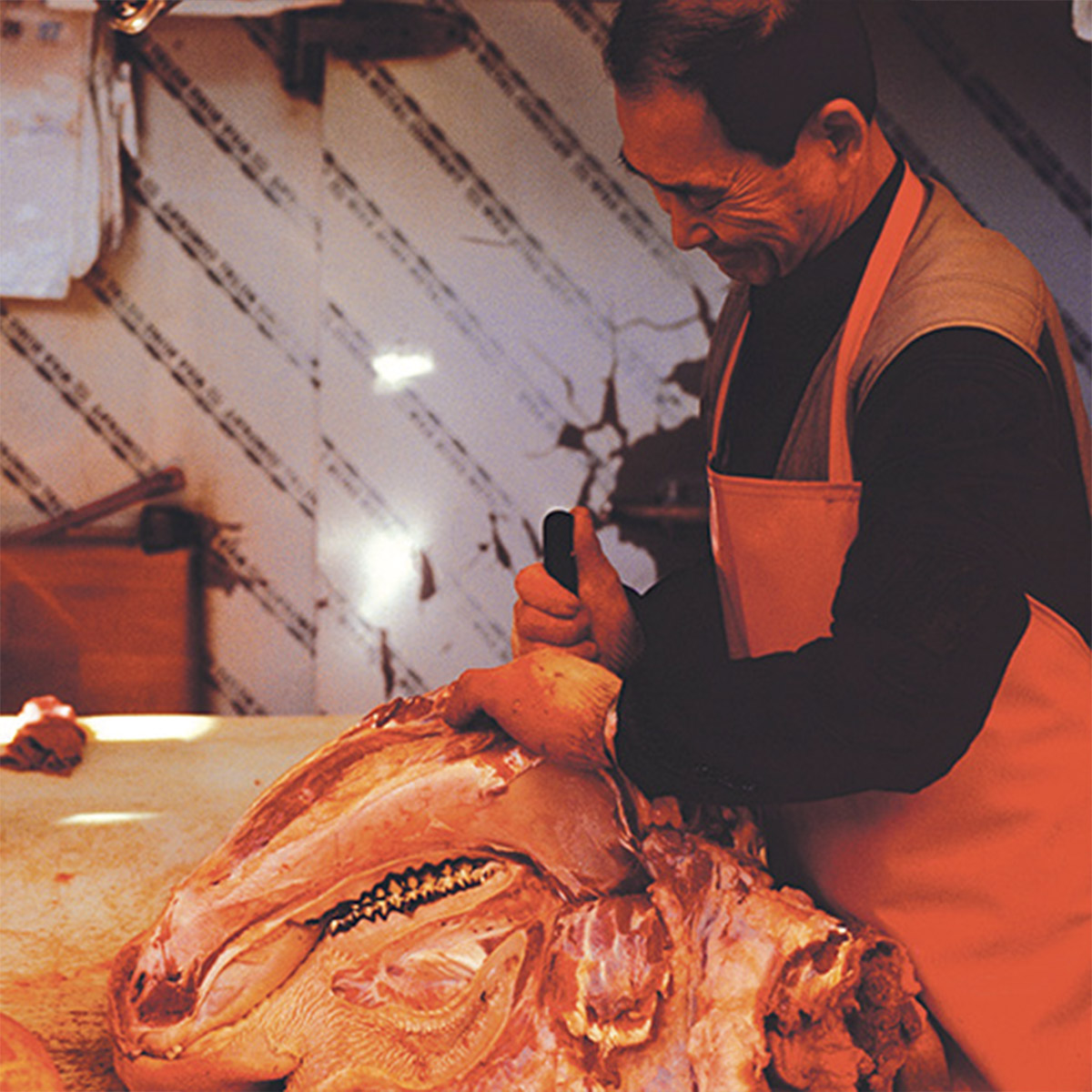
Music, pottery, and literature for a fixed-point observation of contemporary Korea
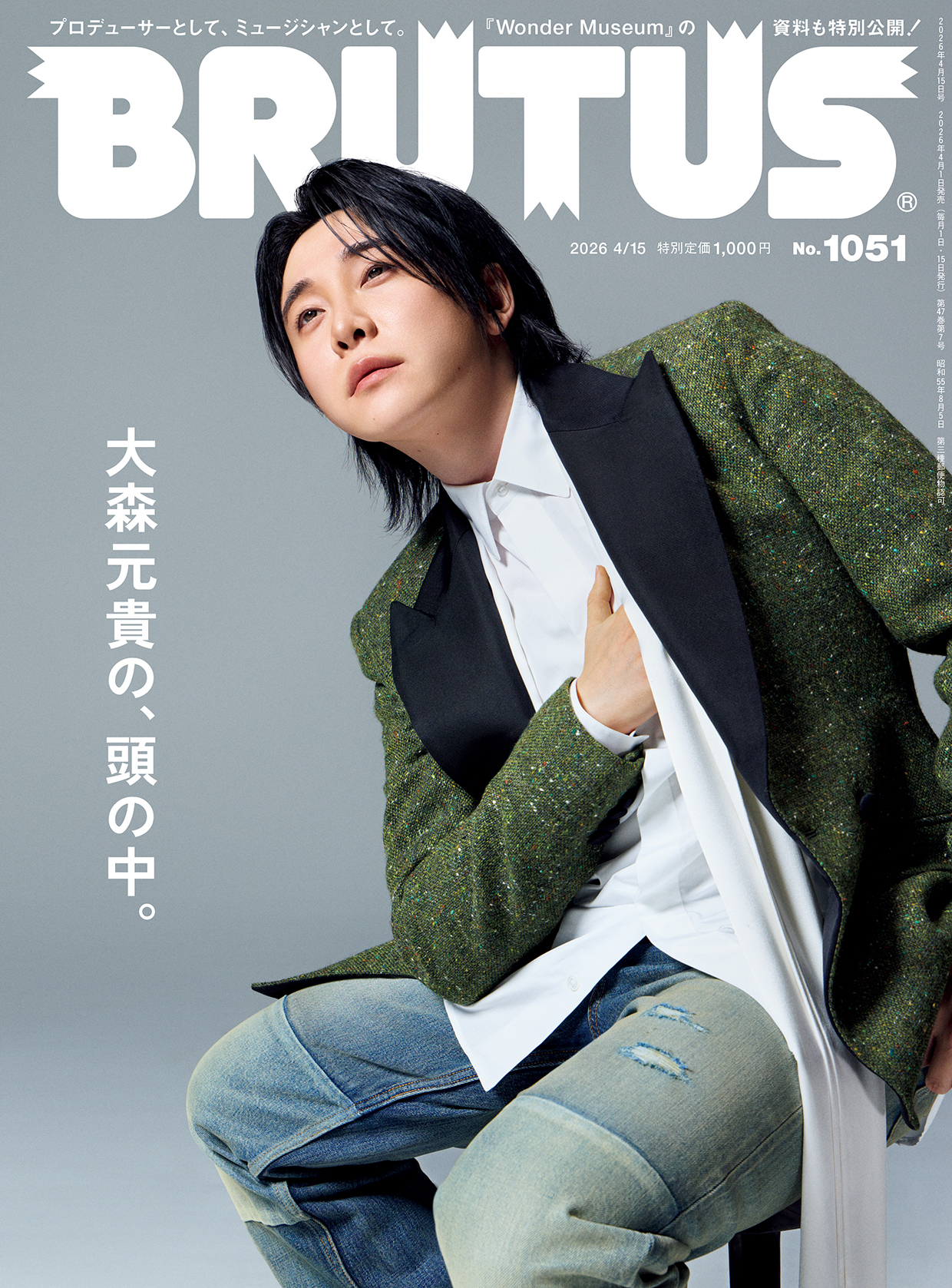
Music

The name means "borrowed mouth." "He's a musician who was active in the indie punk band Muki Muki Manmans. His song titles, such as 'Borrowed Mouth,' 'Swollen Feet,' and 'Broken Mirror,' have a poetic sensibility that's appealing, and I often listen to them when I want to organize my thoughts while traveling."
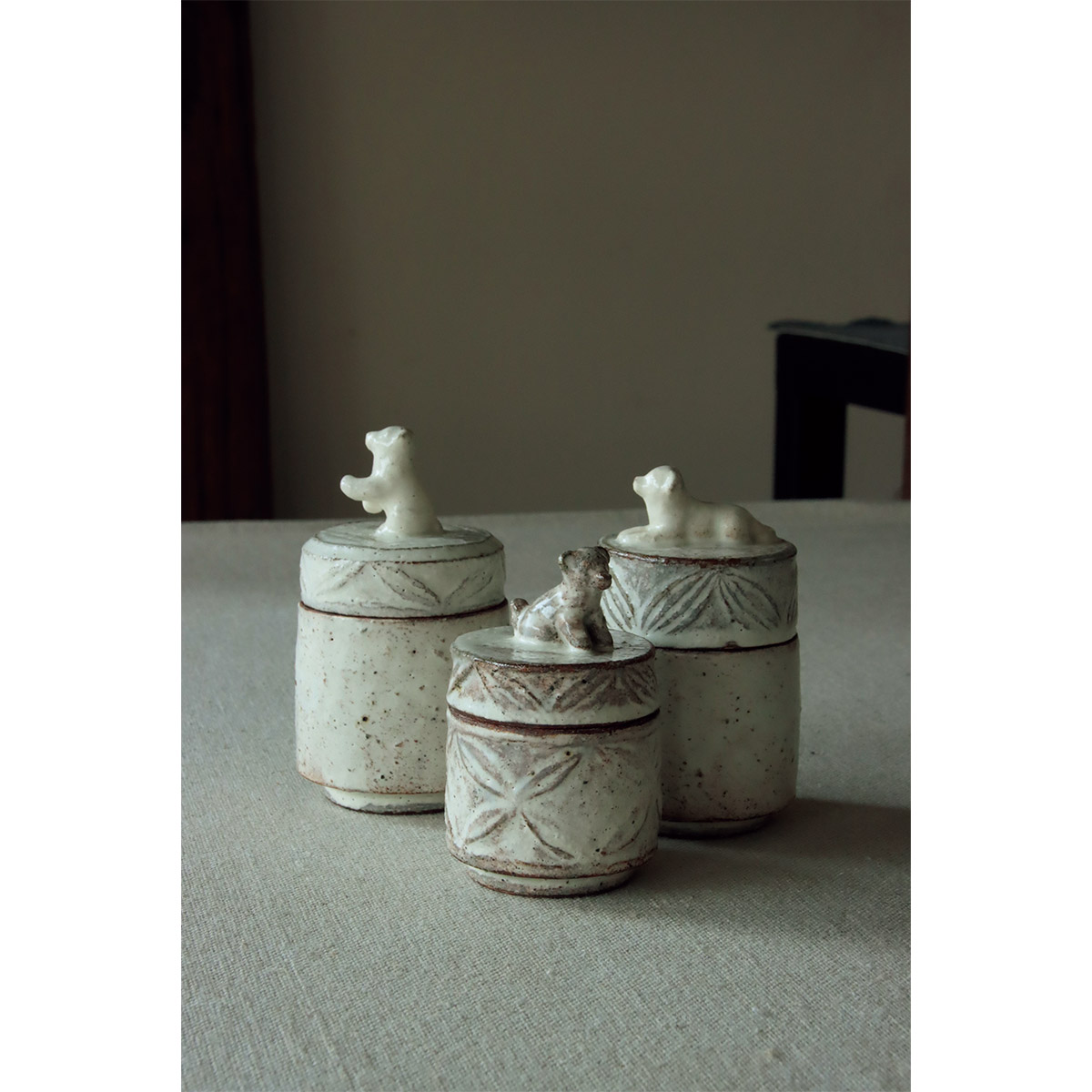
Pottery

A studio run by a husband and wife ceramic artist. "I feel an exquisite fusion of Korean and Japanese culture, and I personally use them often." From August 22nd to 31st, at RICORDO (1-12-11 Ikuno-nishi, Ikuno-ku, Osaka City, Osaka Prefecture | map) and held the "Chang Hoon-chung Workshop Exhibition."
Instagram: @jang_hun_seong_pottery
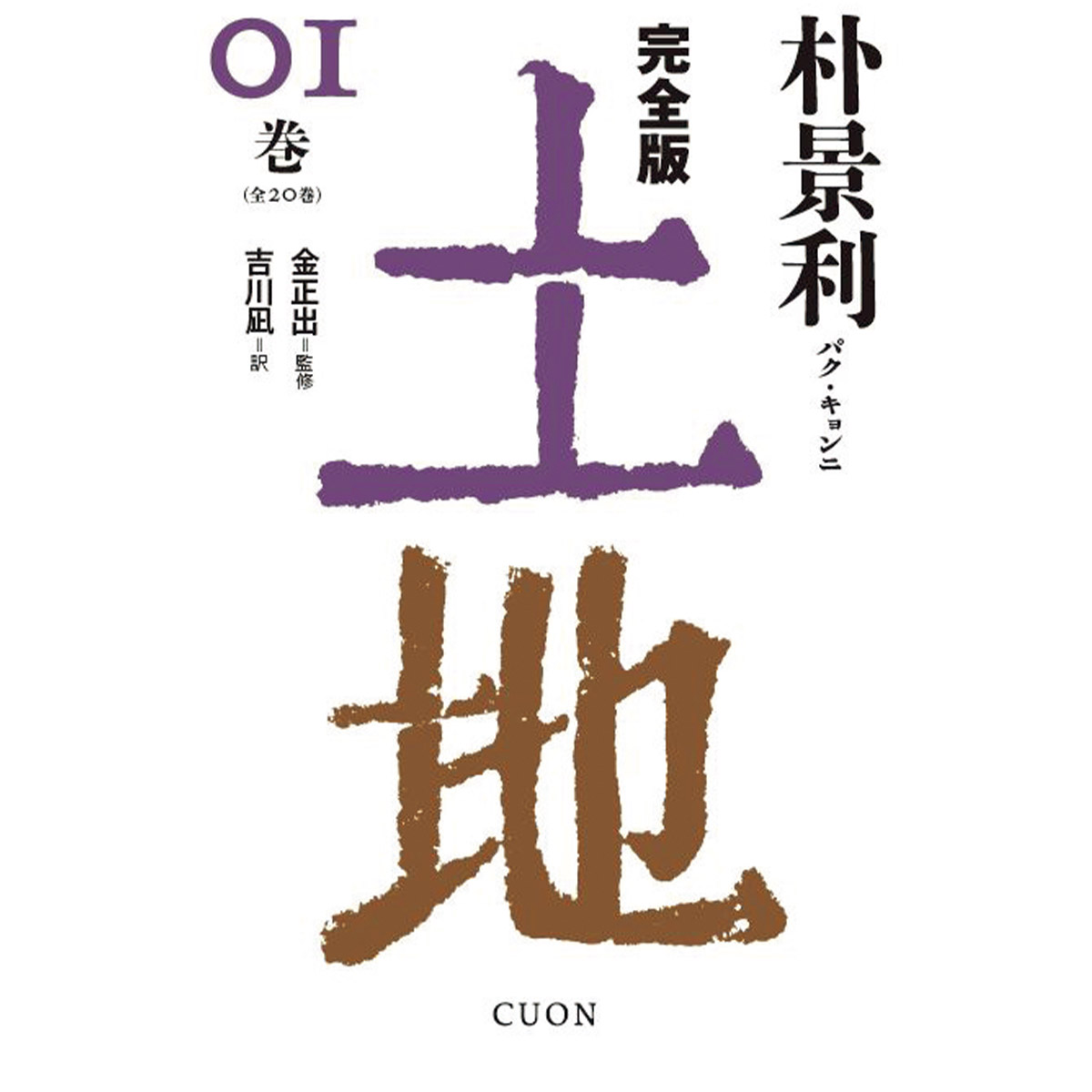
Novelist

He is one of Korea's leading novelists. His most famous work is the epic novel "The Land" (20 volumes), which he wrote over a period of 25 years starting in 1969. "He lived a simple life, but his writing gives the feeling of liberation. For me, he is a guiding light in life."