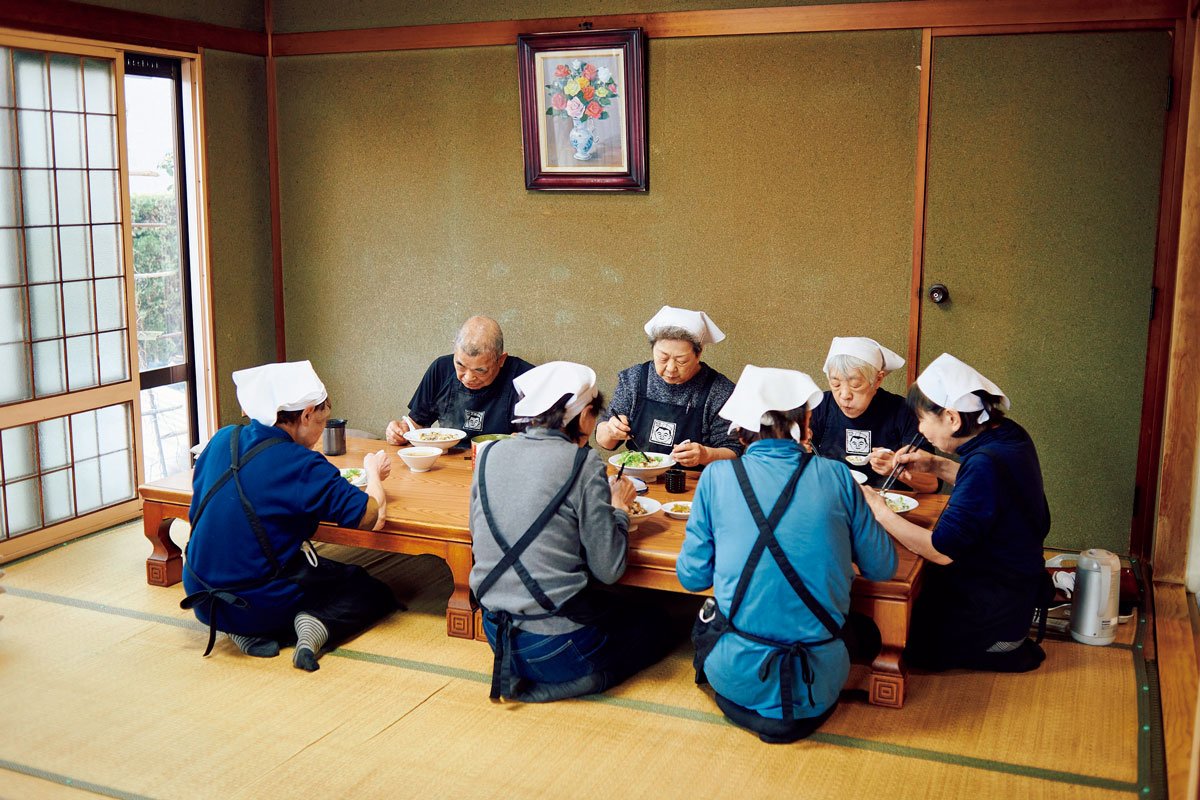











"The restaurant is open until 2pm, so if you come at 1:30pm you can take photos," I was told, so I headed to a residential area in Akita City. On the glass door of the restaurant in the corner was a sign that read, "A taste for connoisseurs." Despite the unfortunate rain, and 30 minutes left until closing time, there was a line out the door. The restaurant is open from 11am to 2pm. It is open only during these three hours, and serves food for 100 people every day.
When speaking of Chinese cuisine in Akita, many people mention Mori. Of course, there are also loyal regulars who come from outside the prefecture. "Once you experience our flavor, there's no escaping it," laughs owner Horioka Sakari. He works alone in the kitchen, wielding a large wok. Horioka trained at Meguro Gajoen and Sanno Hanten, and also participated in training in China, the birthplace of Chinese cuisine. He was poached as head chef for a project to build a naval port in Libya, where he showed off his skills.
A shark fin with a verse from the Quran written on it in Libya was displayed on the wall of the tatami room. Arabic writing is not something you'd expect to find in a local Chinese restaurant, but it suits this restaurant well, which is strange.
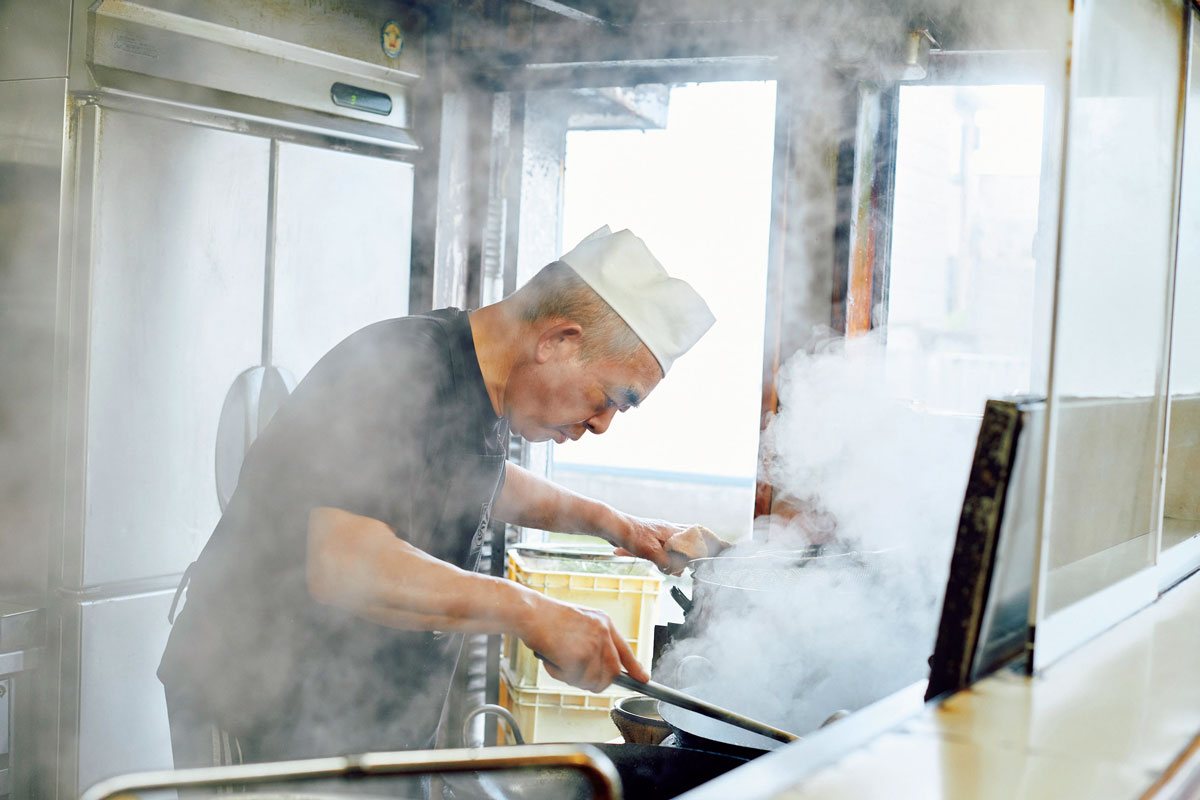
"When Chinese cuisine first came to Japan, there were no seasonings or anything like that available for sale, so everyone had to make it themselves."
They don't rely on pre-made products, and instead make everything in-house, from seasonings made from lactic acid fermented chili peppers, to chili oil and ham (cured meat). What's more, they grow chili peppers and coriander, which are rarely available in Japan, in a field next to the store. "Try this coriander, it's completely different from other places," they said, handing me some. When I bit into it, the aroma spread softly and there was no bitterness, so I ate it all up. At the time of our visit, the field only contained Fukuchi White Six-Clove Garlic and coriander, but in the summer, the field is said to be overflowing with a variety of vegetables, including bitter melon, chayote, and morning glory.
The stir-fried liver and leek set meal that gave birth to fan goods
The restaurant's specialty is the stir-fried liver and leek set meal. Many fans say, "I can only eat liver and leek here," and the Morioka-based silkscreen T-shirt specialist 6JUMBOPINS was so impressed that they even created a T-shirt with the "LVNR" (liver and leek) logo.
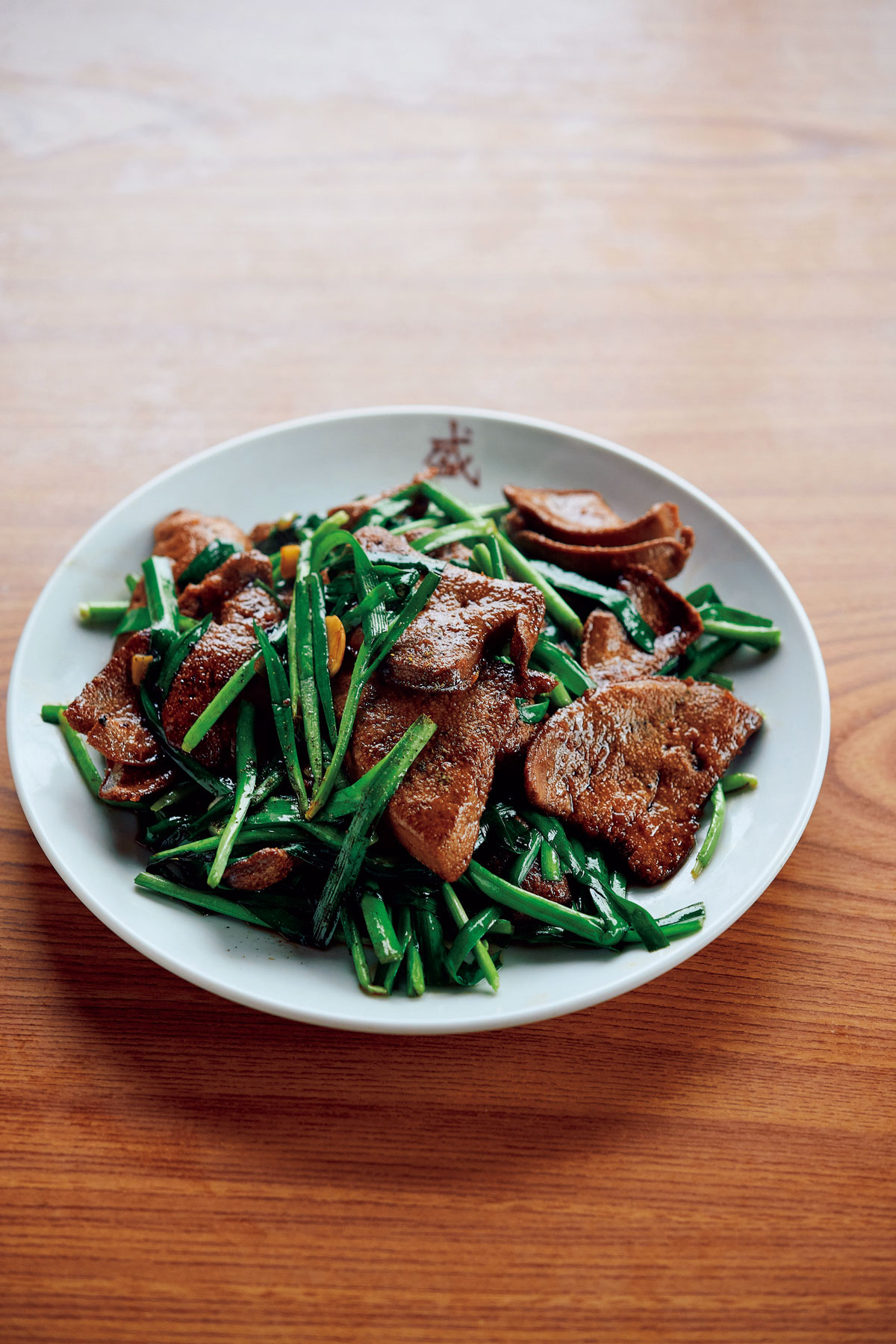
"Every day, we use 10 kg of liver from eight pigs slaughtered that morning. It's delicious because we serve it within 24 hours."
The chives are cut while still fresh, so they have sharp edges, no particular odor, and are firm. The chives, of which 100 bunches are used every day, are quickly stir-fried over high heat, giving them a pleasant texture, and the fresh garlic grown in the fields adds a crisp accent.
Of course, liver and leek is not the only dish recommended. There is mapo tofu, which is made with coarsely ground meat and has a satisfying tingling and spicy kick, mixed fried rice, where every grain of rice is coated in oil, making it light and fluffy yet moist, and swan ramen, which is enveloped in a thick sauce with a sour and spicy flavor - all of them are masterpieces. "Eat the food while it's hot, because that's the best way to enjoy it," I was urged, and once I took a bite without even taking a photo, I couldn't stop eating, which was a problem. Even after I finished eating, my stomach was still warm and delicious... what is this? This is what they mean when they say it grabs hold of your stomach.
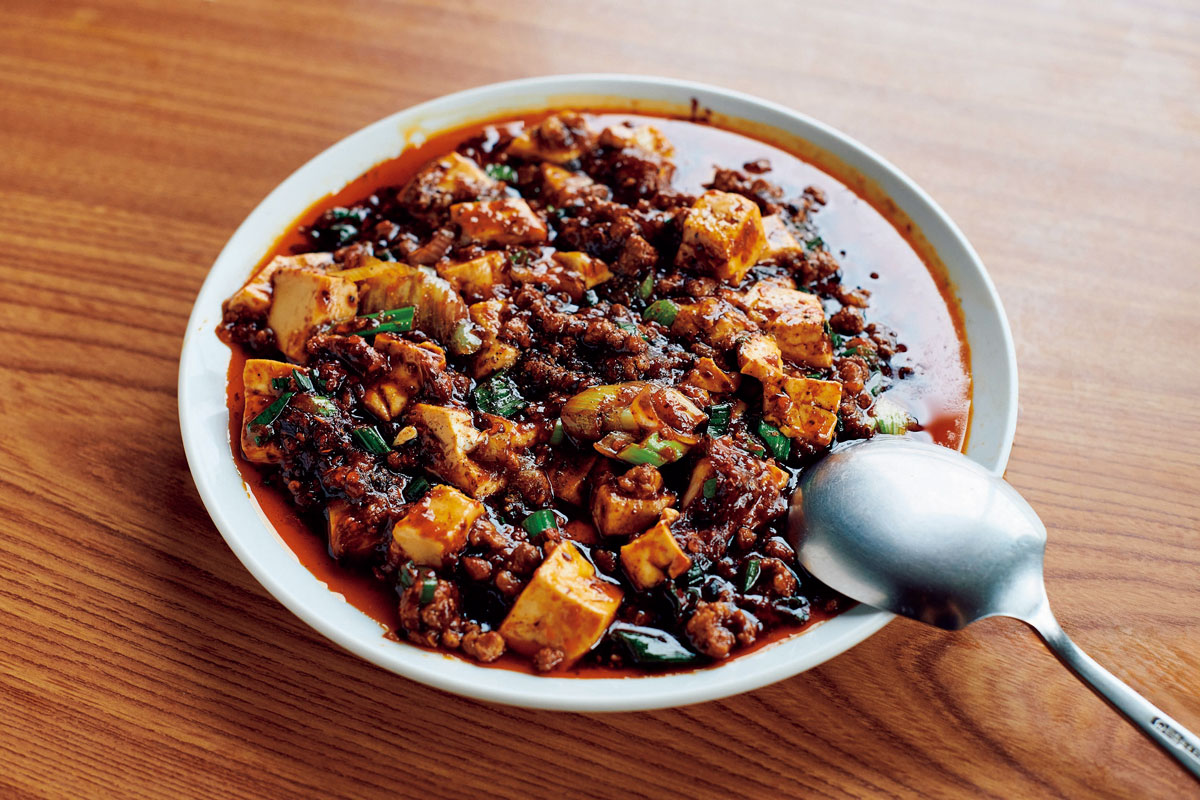
The famous mapo tofu, which is on par with liver and leek, is priced at 1,500 yen for a set meal. The first two bowls of rice are free. 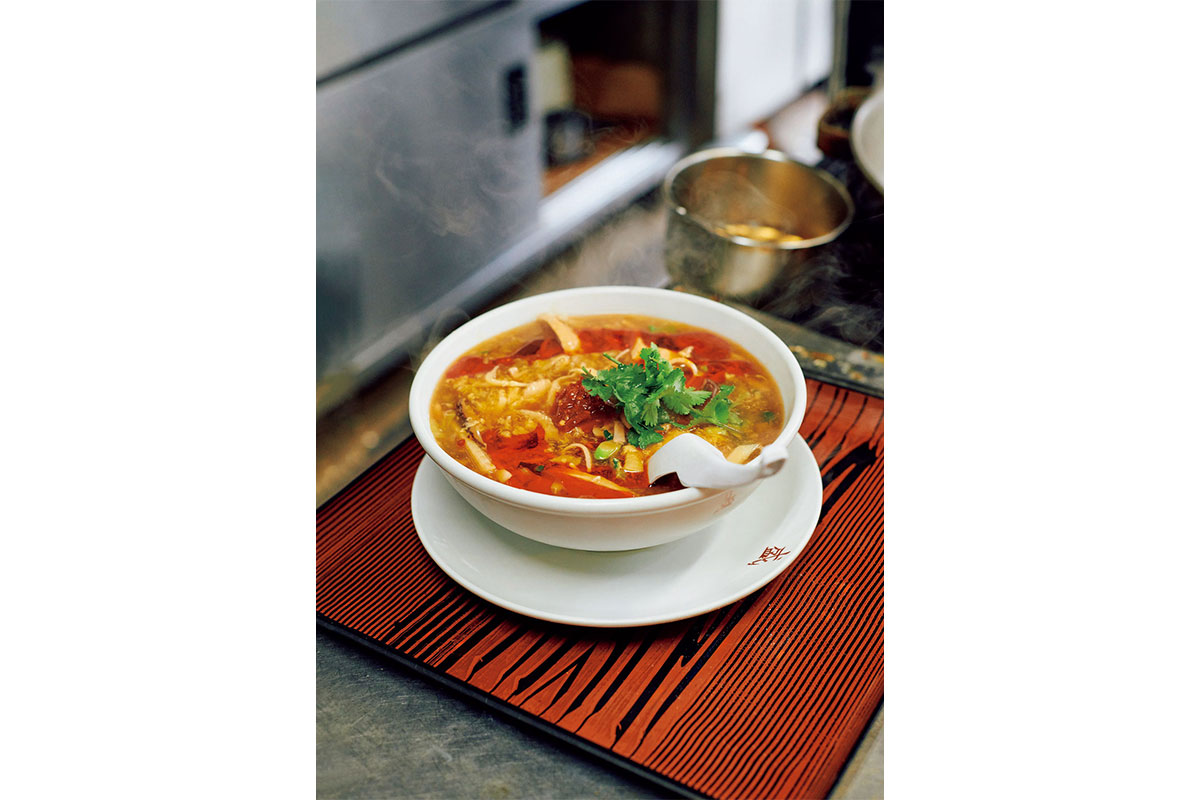
Swan ramen noodles with a thick, creamy sauce, 1,500 yen. 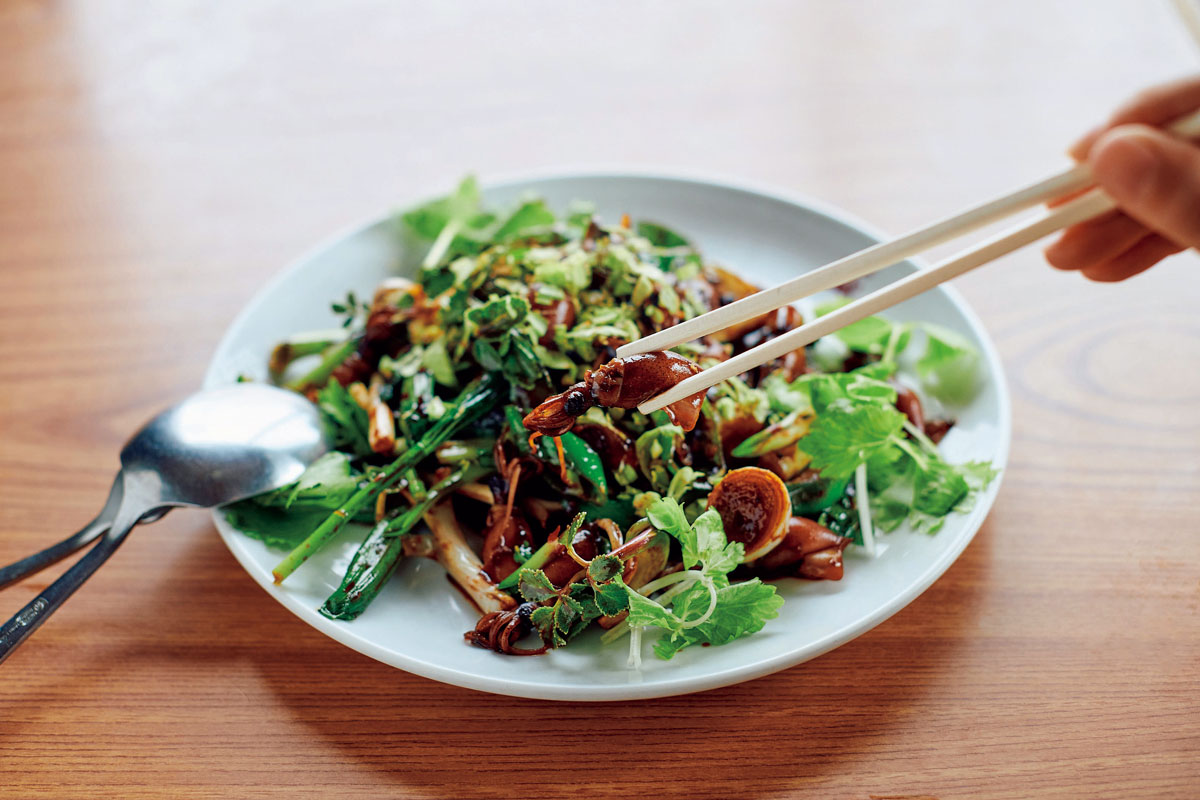
The special set meal for the day was a sweet and spicy miso stir-fry of wild vegetables and firefly squid, priced at 2,500 yen.
Horioka has been a chef for 60 years, but says, "Cooking is a deep subject. I still have a long way to go." When asked, "You've been doing this for 60 years, and you still have a long way to go?" he replied, "Well, China has a history of 4,000 years. Compared to that, 60 years is nothing," showing his endless appetite for cooking.
His current concern is that he has no successor. "The restaurant may not exist next year," he says, but he hopes that his Chinese restaurant, a local treasure, will continue to exist for many years to come.