










An illustrated guide to rare plants. Hoya, a climbing epiphyte with charming flowers

"It looks cool, but it seems difficult to grow..." Thanks to advances in LED lighting, it's now easier than ever to try growing plants like these. Among the plants that are compatible with LED lighting, we've put together a collection of bizarre and attractive plants, including the Hoya.

photo: Akira Yamaguchi / text: Shogo Kawabata / special thanks: Akihiro Ito

What is a sea squirt?

This climbing plant belongs to the Apocynaceae family and is widely distributed in tropical regions such as Southeast Asia and Australia. It is characterized by beautiful star-shaped flowers, and some species even give off a sweet fragrance. It is an epiphyte that often takes root in trees or rocks. The genus name is named after the British gardener Thomas Hoy.

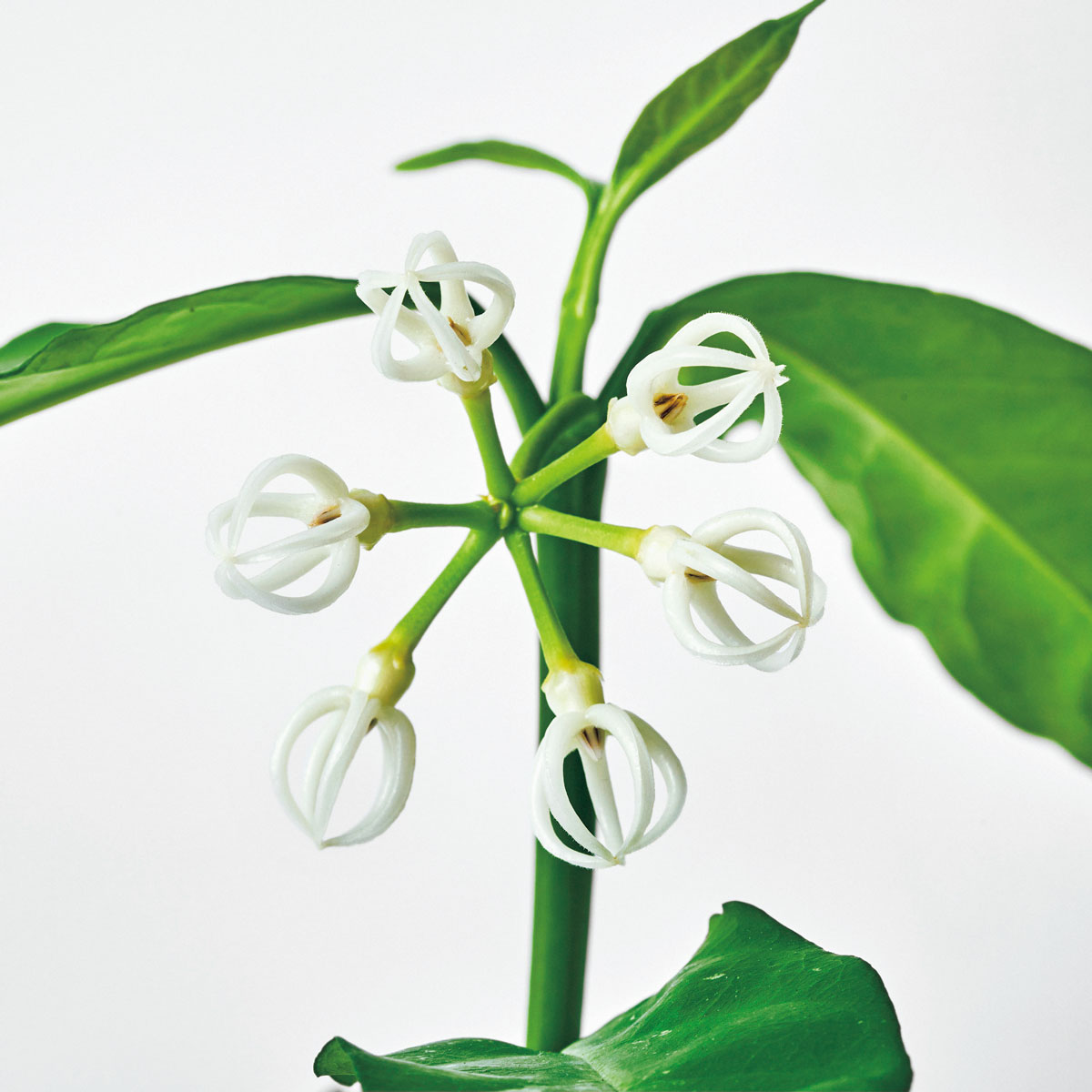
Hoya desiplae

Hoya desiplae
Hoya decipulae

This relatively new species was discovered on the Indonesian island of Sumatra and described in 2019. The flower blooms with its tip closed rather than opening, creating a strange shape resembling a vajra. It is easy to cultivate and is not a climbing plant, making it easy to train.

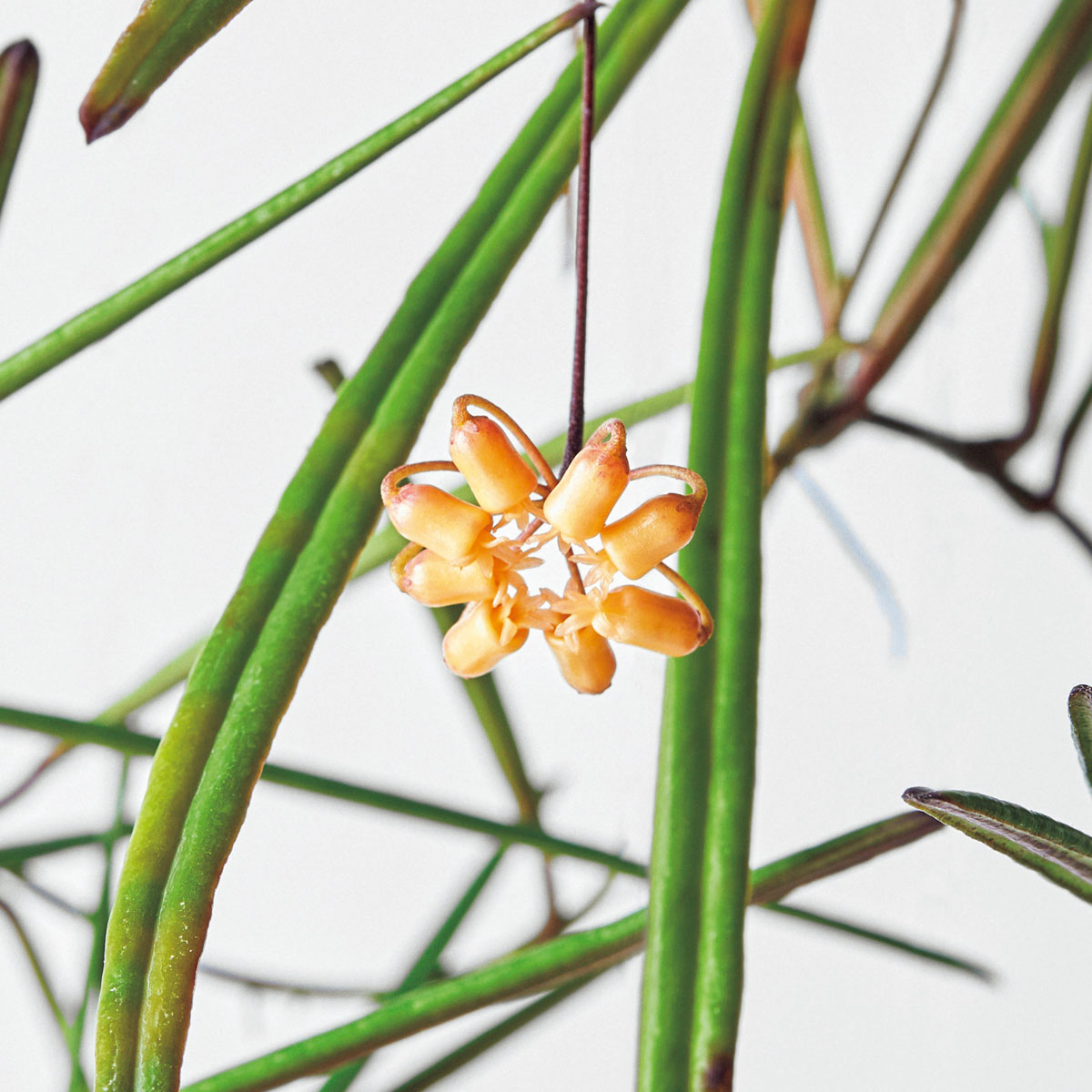
Hoya insularis

Hoya insularis
Hoya insularis

This relatively new species was discovered in eastern Borneo and described in 2020. It has thin, stick-like leaves and UFO-shaped flowers. The sight of each small flower blooming facing inward in a circle is truly mysterious.

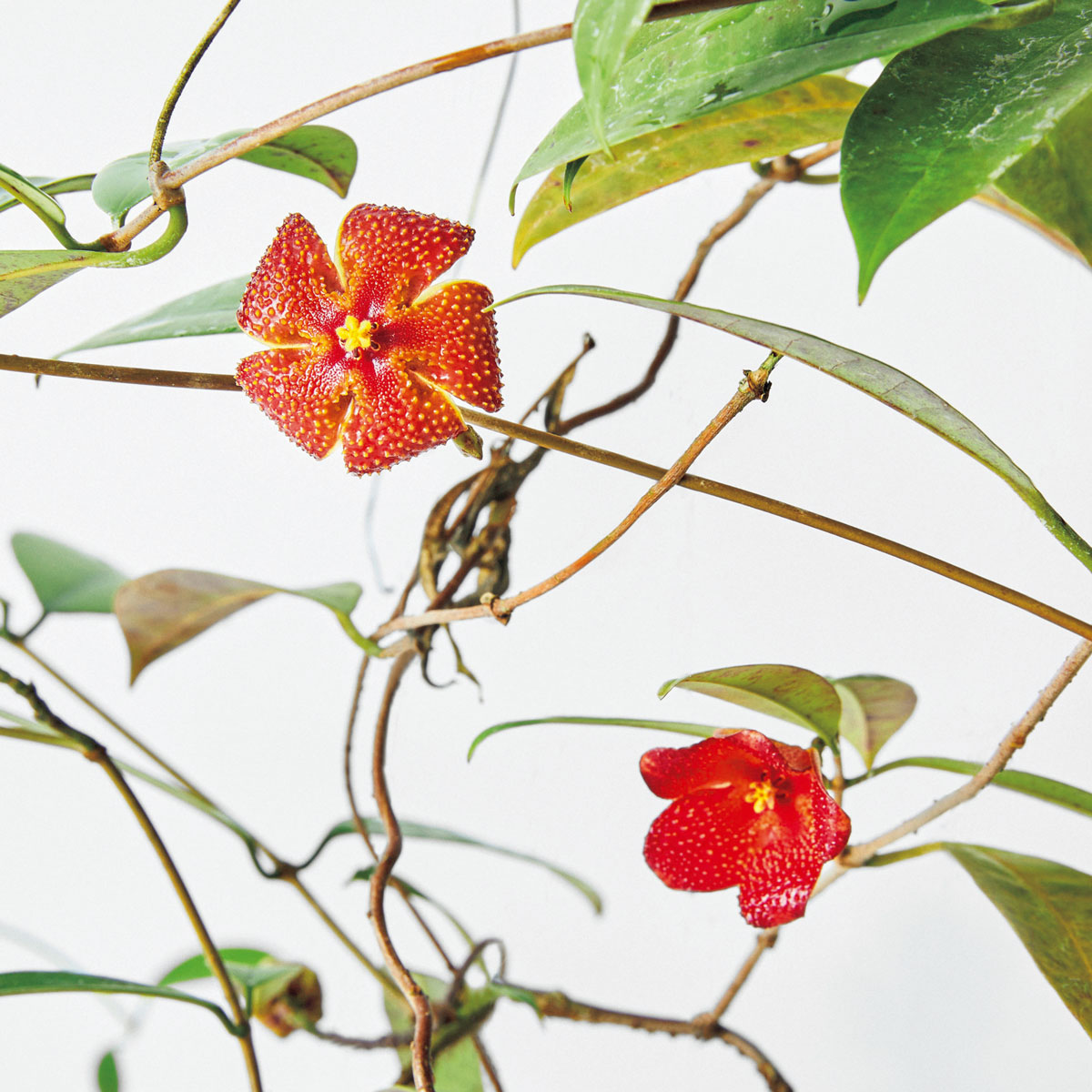
Philantella unknown species

Philantella unknown species
Phyllanthera sp.

It grows wild on the Mentawai Islands in Indonesia. It resembles the Hoya genus, but belongs to the Periplocoideae subfamily, which also has many unknown species in the Apocynaceae family. It grows on long vines and produces multiple, solitary flowers. The flowering period is short, lasting only two or three days.

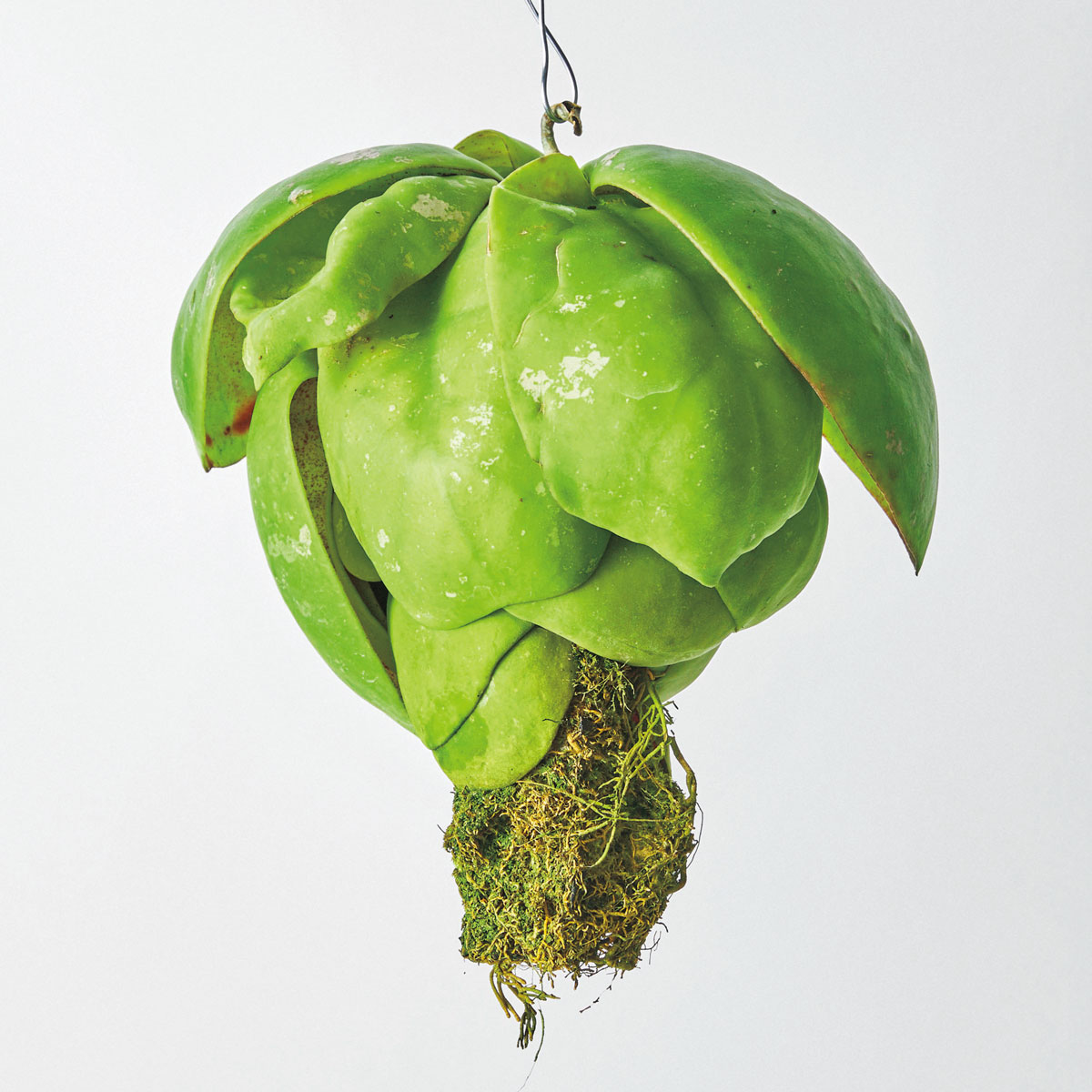
Hoya mitrata

Hoya mitrata
Hoya mitrata

Found in Borneo and elsewhere. This ant plant has overlapping leaves that create cavities that become ant nests. The undersides of the leaves turn purple to provide shade suitable for ant nests. When exposed to strong light, the plant continues to curl up, allowing it to grow compactly.

SHARE ON

FEATURED MOVIES
Featured Videos

BRUTUS
OFFICIAL SNS
Brutus Official SNS

FEATURED MOVIES
Featured Videos