










An illustrated guide to rare plants: Bromeliads, which prefer damp and humid conditions

"It looks cool, but it seems difficult to grow..." Thanks to advances in LED lights, it's now easier than ever to try growing plants like these. Among the plants that are compatible with LED lights, we've put together a selection of the bizarre and fascinating bromeliads.

photo: Akira Yamaguchi, Tetsuya Ito(Aechmea) / text: Shogo Kawabata / special thanks: Tetsuya Onda, Takaki Ito(Encholirium), Fumio Fujikawa(Aechmea)

What is a Bromeliad?

This family of plants is found mainly in the tropical and subtropical regions of Central and South America. Other popular species include Tillandsia, also known as air plants, tank bromeliads such as Aechmea, which store water in their leaf rosettes, and terrestrial species such as Enchorylium and Pitka Irnia. Tillandsia, in particular, has been popularly cultivated using LEDs in recent years.

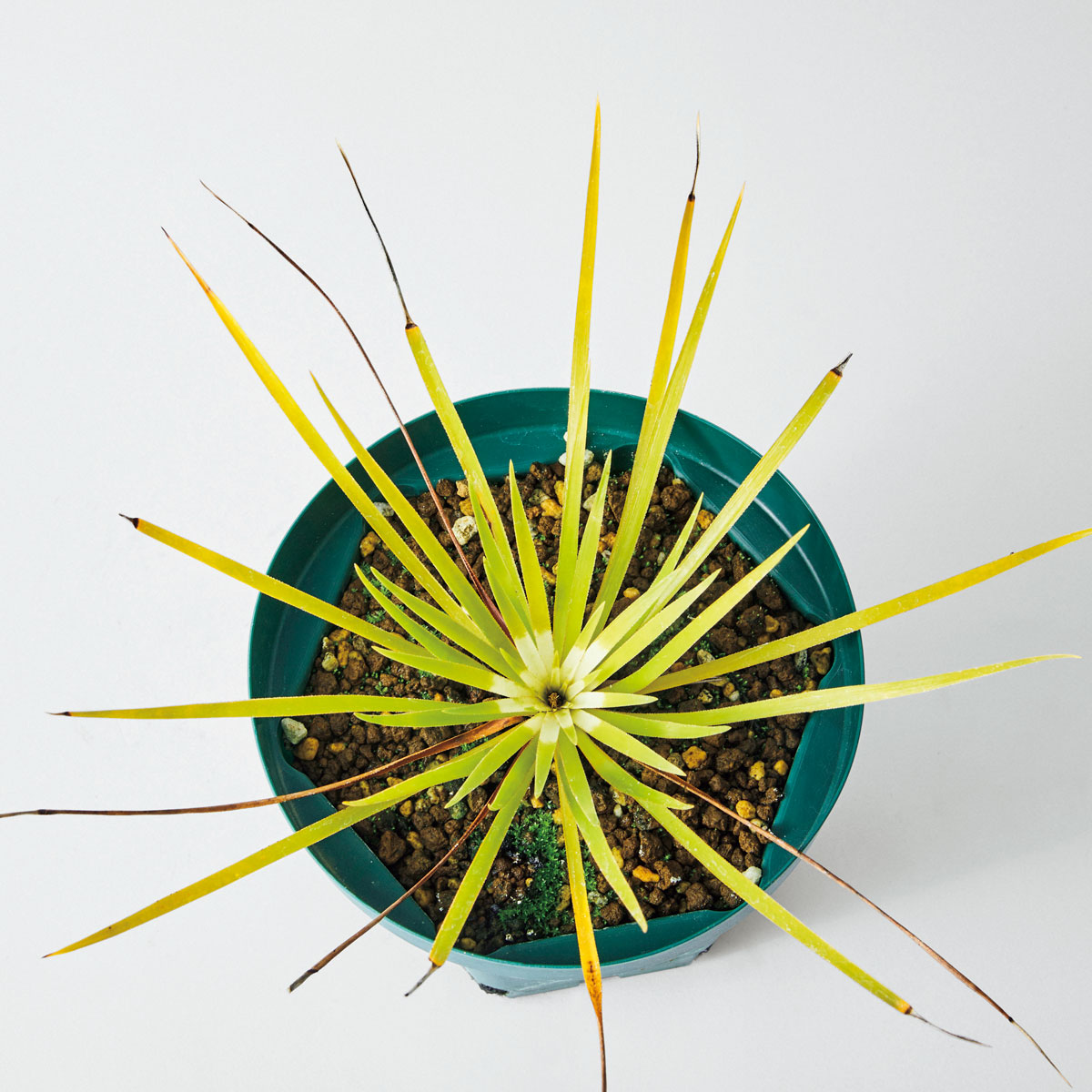
Navia Lactea

Navia Lactea
Navia cf. lactea

This bromeliad is from Amazonas, Venezuela. The photo shows it after flowering and the color has faded slightly, but it produces yellow flowers, and the center of the rosette turns white when in bloom. It prefers a warm environment, making it easy to maintain indoors using LEDs.

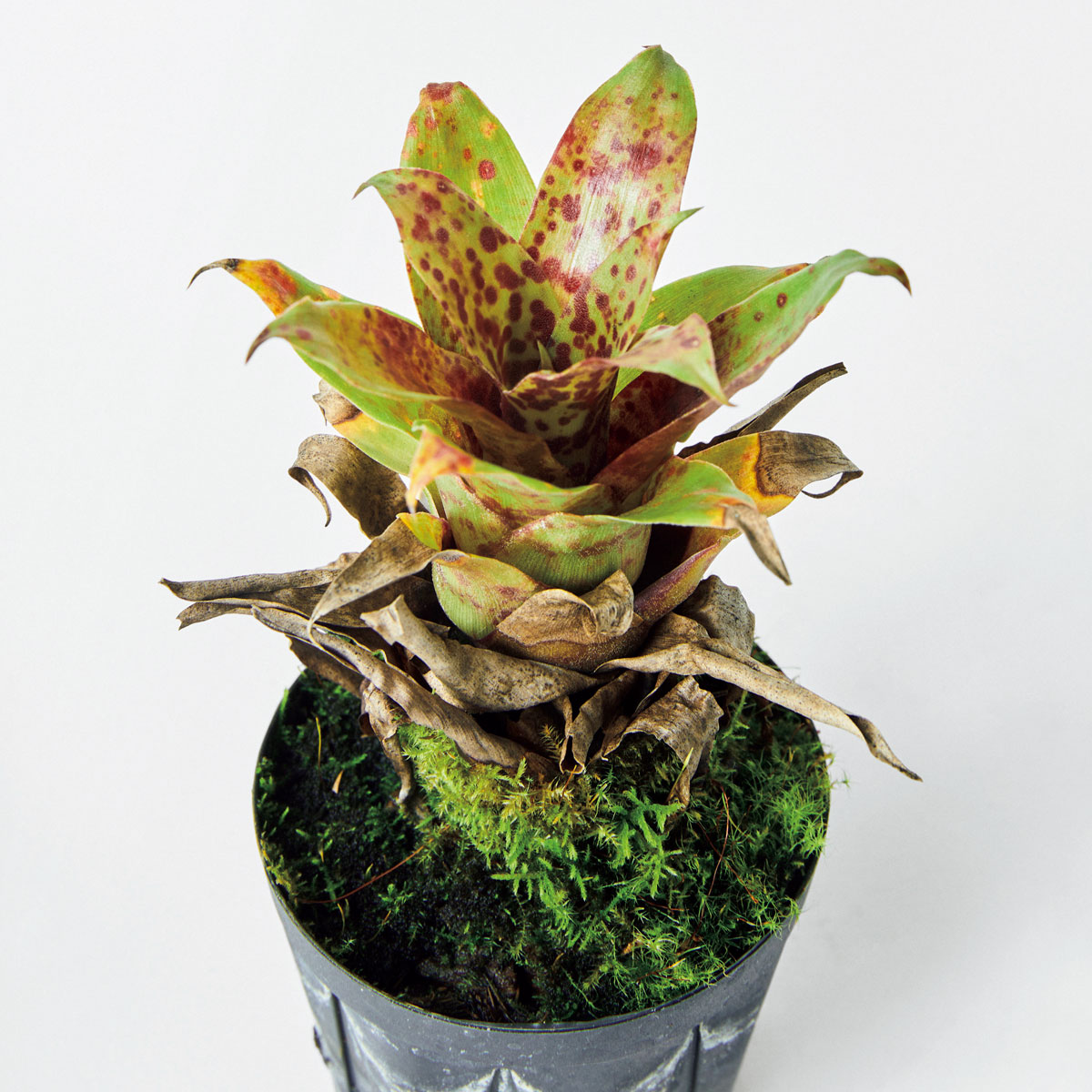
Lacinaea spiculosa

Lacinaea spiculosa
Racinaea spiculosa

This specimen is from Amazonas, Peru. There are many varieties and a wide variety of leaf patterns. Lacinaea prefers cool, humid environments and was previously considered difficult to cultivate, but the use of LED lights and glass cases has made it easier to cultivate.

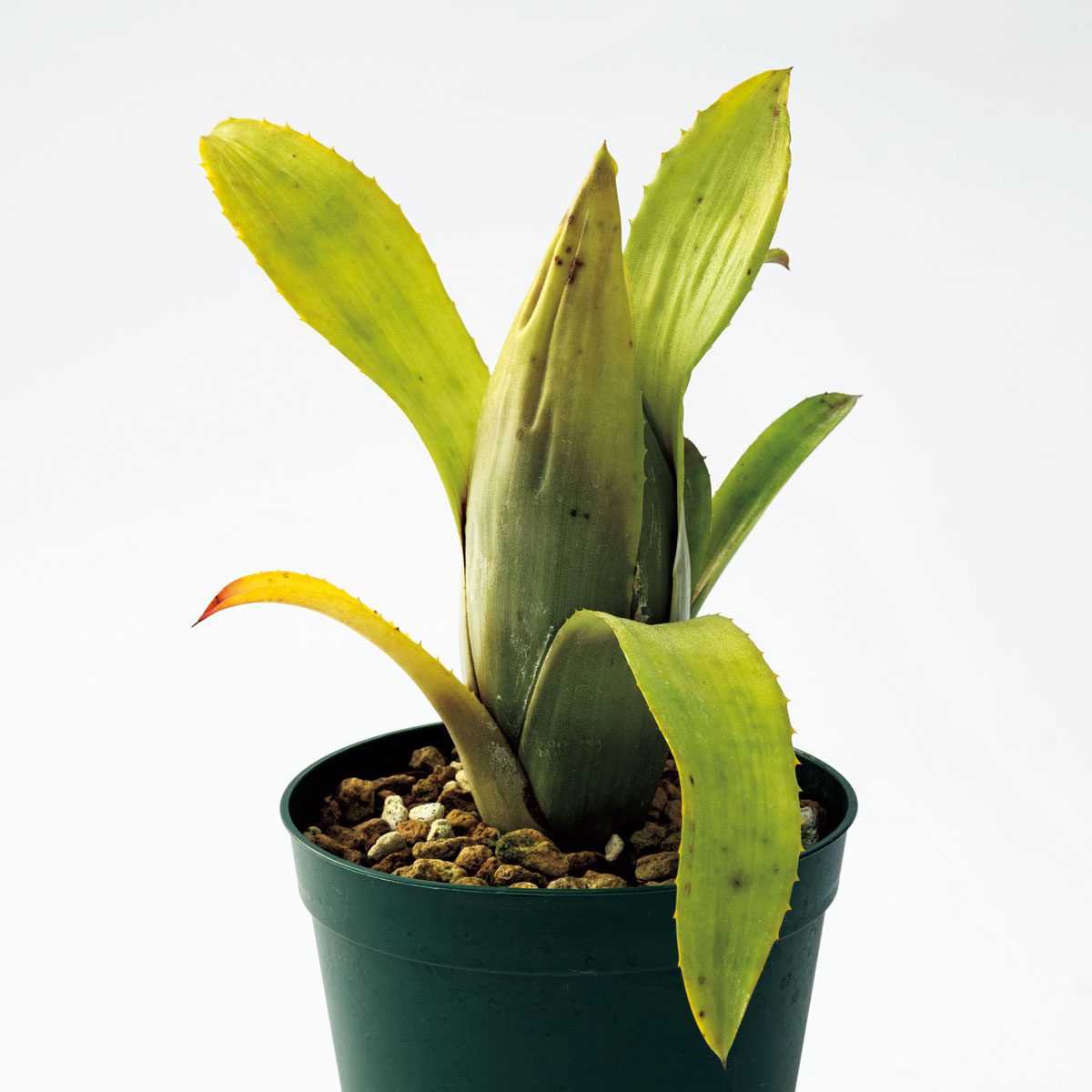
Aechmea brassicoides

Aechmea brassicoides

It is native to the Guiana region. The leaves of the rosette are very hard, and in the center, the leaves overlap to form a dome-shaped hollow structure. There is a theory that this is an ant plant called Domatia. The flower stalk breaks through this dome and blooms.

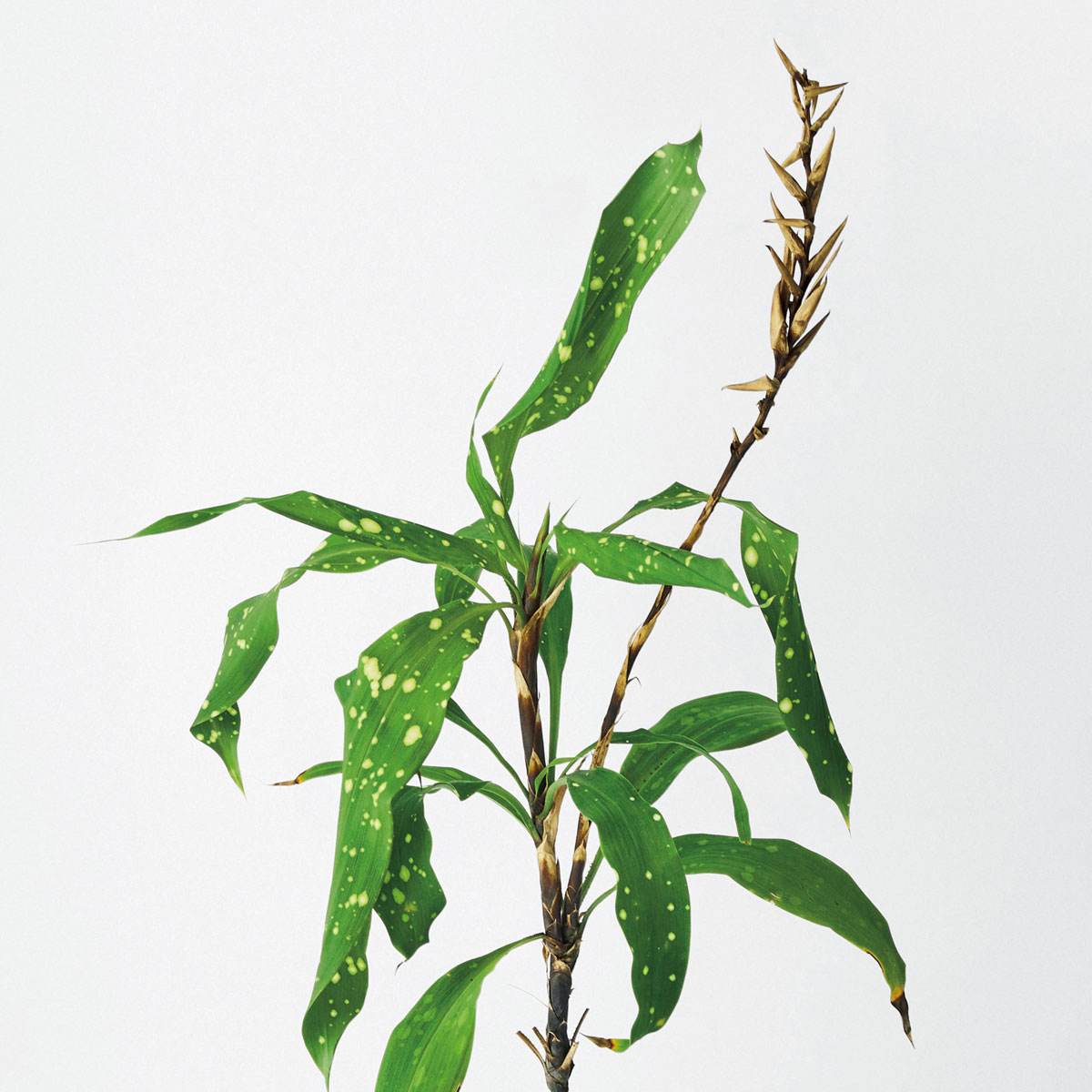
Pitcairnia bronniatiana var. ornata

Pitcairnia bronniatiana var. ornata
Pitcairnia brongniartiana var. ornata

Originating from Ecuador. Star-like spots appear on the leaves, and the stems extend and develop leaves at regular intervals. Roots grow from the base of the leaves, allowing it to climb trees like an epiphyte. It prefers high humidity, but does not require a cage. Keep it in a constant humidity environment with plenty of water.

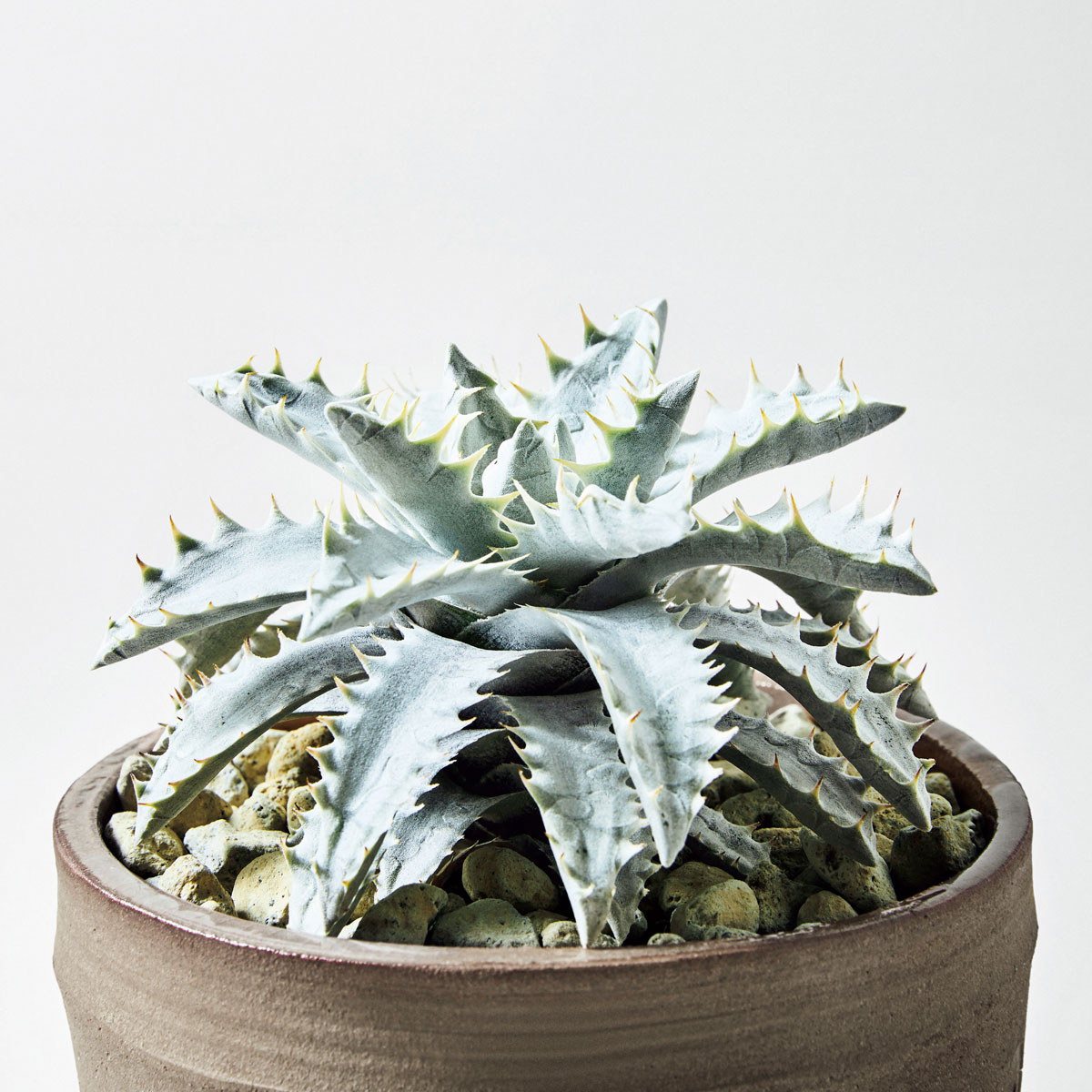
Enchorylium agavoides

Enchorylium agavoides
Encholirium agavoides

This species is endemic to the state of Minas Gerais in Brazil, living only in a limited area of less than 10 km2. The rosettes are small, measuring up to 10 cm in diameter, and in their natural habitat they grow in clusters filling the small gaps in rocky areas.

SHARE ON

FEATURED MOVIES
Featured Videos

BRUTUS
OFFICIAL SNS
Brutus Official SNS

FEATURED MOVIES
Featured Videos