







「日本は僕にとって、ただの場所じゃなくて、一種の精神的な空間なんだ。自分の内面を映し出す鏡みたいなもの。観光客が増えすぎて大変だって話もよく聞くけど、それはパリも同じさ。でも、僕にとって日本は観光のための場所じゃなくて、もっと内面的な旅なんだ」と語るのはオリヴィエ・ザーム(Olivier Zahm)。
1992年に創刊されたフランスのインディペンデント・ファッション誌『Purple Fashion』(パープル・ファッション 以下通称『パープル』と略)のファウンダーであり編集長であるザームは、渋谷にあるセルリアンタワー東急ホテルのラウンジでそう語る。『パープル』の最新号となる2025年春夏号は「The Tokyo Diary Issue」と銘打たれた東京特集号。今やハードカバーで462ページもの巨大なヴォリュームになった『パープル』だが、実はこの創刊時のスタイルは日本の雑誌文化に強く影響されている。
「僕たちが1990年代に東京に来たとき、日本の印刷文化はとても活発だった。そして日本独自の雑誌の小さな判型に影響を受けたんだ。ファッション雑誌も小さな判型で作れるのではと気づいた。日本人は、本質を突き詰めて、限られたスペースにたくさんの情報を詰め込む方法を知っているよね」

日本の写真家もザームにとって重要な存在だ。特に、長年にわたり『パープル』に寄稿し続けるホンマタカシ(Takashi Homma)と鈴木親(Chikashi Suzuki)はこの東京特集号でも中心的写真家となっている。鈴木親との出会いをザームは思い起こす。
「鈴木親は17歳か18歳のときにパリの『パープル』編集部のベルを鳴らして、僕と当時のパートナーのエレン・フライスに『僕は「パープル」の大ファンで、アンダース・エドストローム(写真家、映像作家)の大ファンなんです。ぜひ「パープル」で仕事がしたい』と売り込んできたんだ。僕は『来週〈マルタン・マルジェラ〉の新作コレクションの発表があるけれど、僕がスタイリストをやるから、親は撮影しないか?』と提案したんだ。彼はとても喜んで、すぐに最初の撮影をしたよ」
鈴木親本人にとってもこのエピソードが深く心の中に刻まれている。「学生のときにパリ市立近代美術館で行われた“l'hiver de l`amour bis”という展覧会のカタログの中にあったアンダース・エドストロームが撮影した〈マルタン・マルジェラ〉のドキュメントを見たことで、僕はパリ行きを決意して彼の元を訪れたんです。
初対面でブックを見てくれた後に、アンダースは『パープル』の編集部に連絡してくれ、そこからキャリアがスタートしました。“l'hiver de l`amour bis”の展覧会をキュレーションしたのは『パープル』のオリヴィエとエレンで、そのことは二人に会ったときに知り、自分がパリに来た理由は全て繋がっていたんだと感動したのは今でも思い出します」

Noir Kei Ninomiya photographed by Chikashi Suzuki from Purple #43, The Tokyo Diary Issue All looks including shoes, from the Noir Kei Ninomiya Spring/Summer 2025 Runway Collection 
Noir Kei Ninomiya photographed by Chikashi Suzuki from Purple #43, The Tokyo Diary Issue All looks including shoes, from the Noir Kei Ninomiya Spring/Summer 2025 Runway Collection
ホンマタカシの場合は、ザームがホンマの初写真集『Babyland」(リトル・モア 1995年)に刺激を受けて、ファックスしてすぐ依頼したという。ホンマは『パープル』との出会いをこう語る。
「そもそも『パープル』はzineみたいなアンダーグラウンドな冊子で、今も昔も、そういうものが好きだった。最初はエレンと出会って、オリヴィエとは必ず彼が東京に来ると滞在しているホテルの朝食で、一緒にお喋りをします。あるときはホテルオークラで、そして今回はセルリアンです」
ザームは日本の文化に、西洋にはない「脱・個人主義」な美学を感じるという。
「日本の素晴らしいところは、とても規律正しくて、コード化された社会であることだと思う。一方で、非常に集団的な社会でもある。西洋の文化では、個人主義が重要な価値観だけど、それは消費主義と自己中心的な価値観に基づいた、かなり表面的なものだ。日本のアーティストたちは自分のエゴにはあまり関心がないように見える。彼らは自分の作品を心から愛していて、非常に執着的で、非個人的な方法で自分のビジョンを追求しているように感じる。
これは、僕が『深い個人主義』と呼ぶもので、消費主義的な個人主義とは対極にあるものだ。例えば、アーティストで陶芸家の桑田卓郎さんのように、同じことを何度も繰り返して、少しでも完璧に近づけようとする、その姿勢にはいつも感銘を受ける。これはエゴを超越する試みだと思う。僕にとって、これは『深い個人主義』であり、表面的な消費主義的個人主義への反発だと思うね」
ホンマも最新号の東京特集でのザームの長文の巻頭言を読んで、安堵する。

Best of the Season Spring/Summer 2025 photographed by Takashi Homma from Purple #43, The Tokyo Diary Issue 
Best of the Season Spring/Summer 2025 photographed by Takashi Homma from Purple #43, The Tokyo Diary Issue
「ロラン・バルト(哲学者)を持ちだすところに、まだオリヴィエも初期『パープル』の知的なジャーナリズムが残ってて、よかったなと思いました」
ファッション雑誌の編集長として、ザームは日本の写真に魅了され続けており、創刊号から今号まで日本の写真家を途切れることなく起用し続けている。
「日本の写真はとても本質的で、グラフィックで、詩的で、繊細なんだ。西洋の写真家は、一般的に文化全体と対話する傾向が強くある。言い換えると、西洋文化における写真は、ポップカルチャーへの批評なんだ。ナディア・リー・コーエンやマーティン・パーのような写真家を見ればわかるだろう?日本の写真にはそのような皮肉な視点がない。日本の写真家は写真の本質を徹底的に追求していると思う」
『パープル』は日本の写真を世界に発信する上で大きな役割を果たすメディアになったが、長年のコントリビューターである鈴木親はこのような問題意識を持つ。
「オリヴィエが見ている東京の写真は、ファッションやコマーシャルの世界のものでなく、もう少しコアなところかもしれません。何でも上手に撮れるのが一流という日本の価値観でなく、ある分野だけしか撮っていない人にファッションを撮らせたりと写真家の独自性を編集者が構築していくようなイメージです。90年代の日本だと雑誌も多かったので同じようなことも可能でしたが、今はすぐ反応のあるものを求められるので、昔よりは新たな表現で活躍できる方が出にくいのかもです。90年代のパリも経済的にきつかった分、『パープル』や『selfservice』が出たので、今の日本でも新しい世代で新しいものが作られることを期待しています」
一方でザームは今のデジタル中毒状況に強い危機感を持つ。
「今の時代、消費主義は物だけでなく、デジタルなイメージにも広がっている。SNSやデジタルプラットフォームであふれるイメージは、今や中毒的な消費財になっている。だから僕は、デジタルの世界から少し離れて、もっとアートに触れるべきだと思っている。デジタルの世界は暴力的で孤立感を強めるものだ。アートやファッションに触れることが、もっと自分らしく生きるための道だと思う。アートは自分を映し出す鏡であり、外骨格のようなものだ。テクノロジーはむしろ人を孤立させる。だからこそ、紙の雑誌に戻るべきだと思う」

Dualité by Brioni and Lalique photographed by Olivier Zahm from Purple #43, The Tokyo Diary Issue 
Dualité by Brioni and Lalique photographed by Olivier Zahm from Purple #43, The Tokyo Diary Issue
雑誌や印刷物の未来に対してザームはポジティヴな視点を持っている。
「人々は本当に面白くて違いのあるコンテンツを求めるようになっていくはず。僕はラグジュアリーブランドともよく仕事をしているんだけど、彼らが今も雑誌をファッションのためのクリエイティヴなプラットフォームとして高く評価していること、印刷雑誌のクオリティや特異性を重視していることを幸運に思うね。だから、デジタルと戦う必要はないんだ。デジタルメディアは自然に崩壊していくと思う。今や誰もテレビを見なくなったようにね。デジタルノイズなしに、アートやファッションと本当に個人的に向き合える場所は雑誌しかないんだよ」
インディーズ精神を維持し続けるザームは新世代に彼なりの期待がある。
「僕は若者の10パーセントに向けて雑誌を作っている。なぜなら、その10パーセントは野心的で、20歳の頃の僕のように、新しい別の世界を求めているからだ。彼らはオルタナティヴを求めている。SNSにあふれる動画は、社会のシステムを変えたいとは思わない大衆によって自己生産されているだけで、大衆は既存のシステムの中でパフォーマンスしたいだけ。しかし新しい世代はシステムそのものを変えたいと思っている。システムに立ち向かい、システムを壊したいんだよ(笑)」
今月の流行写真 TOP10
-
10:『メガロポリス』監督:フランシス・フォード・コッポラ
巨匠コッポラの私財投げ打ち超大作は、下馬評どおり物語の破綻した大失敗作なれど、コア映画ファンはコッポラの大スクリーン投影の走馬灯と思って見るべし。
10:『メガロポリス』監督:フランシス・フォード・コッポラ
巨匠コッポラの私財投げ打ち超大作は、下馬評どおり物語の破綻した大失敗作なれど、コア映画ファンはコッポラの大スクリーン投影の走馬灯と思って見るべし。
https://hark3.com/megalopolis/ -
9:有村架純 by 田中雅也 for GINZA June 2025
ファッション・アイコン的でない有村架純を見事にモード的に演出。山本マナのスタイリング力に脱帽。
9:有村架純 by 田中雅也 for GINZA June 2025
ファッション・アイコン的でない有村架純を見事にモード的に演出。山本マナのスタイリング力に脱帽。
https://ginzamag.com/categories/magazzine/509588 -
8:Alice Poyzer for IMA S/S 2025
自閉スペクトラム症を公言する英女性写真家アリス・ポイザーの動物&剥製との繋がりを描く写真のユーモアと不穏さ。
8:Alice Poyzer for IMA S/S 2025
自閉スペクトラム症を公言する英女性写真家アリス・ポイザーの動物&剥製との繋がりを描く写真のユーモアと不穏さ。
https://imaonline.jp/imaproject/ima_magazine/IMA_2025_Spring/Summer_Vol.43/ -
7:Gigi Hadid by Annie Leibovitz for VOGUE US April 2025
モデル兼起業家として大活躍のジジ・ハディッドをアニー・リーボヴィッツが20年代ジャズエイジ風に仕上げる。
7:Gigi Hadid by Annie Leibovitz for VOGUE US April 2025
モデル兼起業家として大活躍のジジ・ハディッドをアニー・リーボヴィッツが20年代ジャズエイジ風に仕上げる。
https://www.vogue.com/article/gigi-hadid-april-cover-2025-interview -
6:“femmeculine” by PICZO for Them magazine Summer 2025
男性/女性の境界を溶かすような男性メイクのフォトセッション。PICZOの写真力が冴える。
6:“femmeculine” by PICZO for Them magazine Summer 2025
男性/女性の境界を溶かすような男性メイクのフォトセッション。PICZOの写真力が冴える。
https://themmagazine.net/magazine/mens-beauty/#google_vignette -
5:水原希子by Bon Duke for VOGUE JAPAN June 2025
水原希子を『ヴォーグ』ならではのスタッフィングで妖艶でダンディなキャラに変身。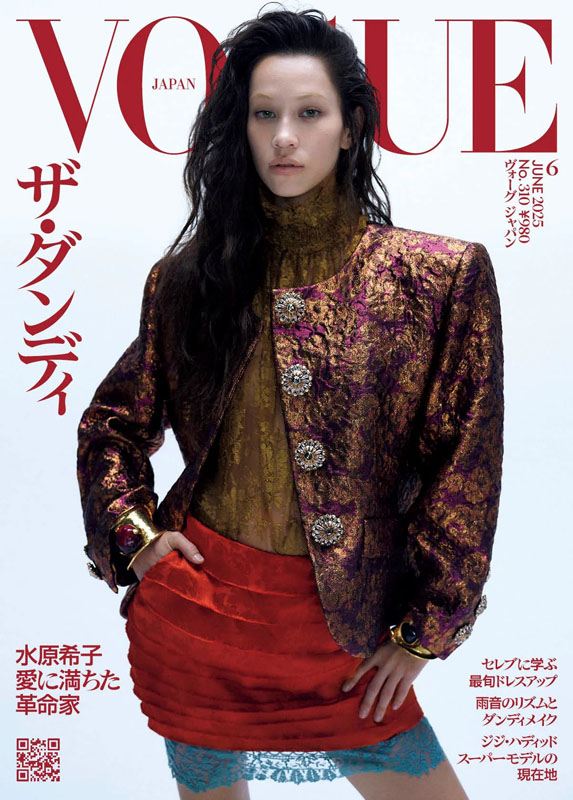
5:水原希子by Bon Duke for VOGUE JAPAN June 2025
水原希子を『ヴォーグ』ならではのスタッフィングで妖艶でダンディなキャラに変身。
https://www.vogue.co.jp/article/2025-june-cover-story-kiko-mizuhara-interview -
4:Margaret Qualley by Petra Collins for i-D S/S 2025
『サブスタンス』でのぶっ飛び演技で注目のマーガレット・クアリーをペトラ・コリンズがより虚構の偶像として描く。
4:Margaret Qualley by Petra Collins for i-D S/S 2025
『サブスタンス』でのぶっ飛び演技で注目のマーガレット・クアリーをペトラ・コリンズがより虚構の偶像として描く。
https://spotlight.i-d.co/margaretqualley -
3:Wolfgang Tillmans “THINGS MATTER, DINGE ZÄHLEN” (Walther König)
ヴォルフガング・ティルマンスのドイツでの個展カタログは、現時点での集大成的内容。日常とグローバルな社会と歴史がリンクする巨視的視点。
3:Wolfgang Tillmans “THINGS MATTER, DINGE ZÄHLEN” (Walther König)
ヴォルフガング・ティルマンスのドイツでの個展カタログは、現時点での集大成的内容。日常とグローバルな社会と歴史がリンクする巨視的視点。
https://twelve-books.com/products/wolfgang-tillmans-things-matter-dinge-zahlen-by-wolfgang-tillmans -
2:『ラ・コシーナ/厨房』監督アロンソ・ルイスパラシオス
ニューヨークの巨大レストランを舞台にした一日の狂想曲は現代の『蟹工船』でありレストラン版『戦艦ポチョムキン』。カメラワークが見事。
2:『ラ・コシーナ』監督アロンソ・ルイスパラシオス
ニューヨークの巨大レストランを舞台にした一日の狂想曲は現代の『蟹工船』でありレストラン版『戦艦ポチョムキン』。カメラワークが見事。
https://sundae-films.com/la-cocina/ -
1:Romain Laprade “DISTANCES” (YVON LAMBERT)
仏『ヴォーグ』のグラフィックデザイナーだったロマン・ラプラードのモダニズム建築写真集はまさにグラフィックな詩。
1:Romain Laprade “DISTANCES”(YVON LAMBERT)
仏『ヴォーグ』のグラフィックデザイナーだったロマン・ラプラードのモダニズム建築写真集はまさにグラフィックな詩。
https://www.yvon-lambert.com/blogs/exhibitions/romain-laprade-distances-2025?srsltid=AfmBOopgT290JrFqqA8d7dOdtkjY_f_hMma-QN8xkpw15tfuCk5Zsj8M