





How has coffee evolved in Korea, the land of iced Americanos? We spoke with Kim Byung-gi of Fritz Coffee Company

In Korea, where coffee has evolved so uniquely that it is no exaggeration to say that "coffee = iced Americano," how has specialty coffee been accepted and spread? Key figures explain the history.

photo: Tetsuya Ito / text: Koji Okano / coordination: Saliy Higashiyama

Half a century of Korea's coffee scene, where domestic trends and international trends intersect

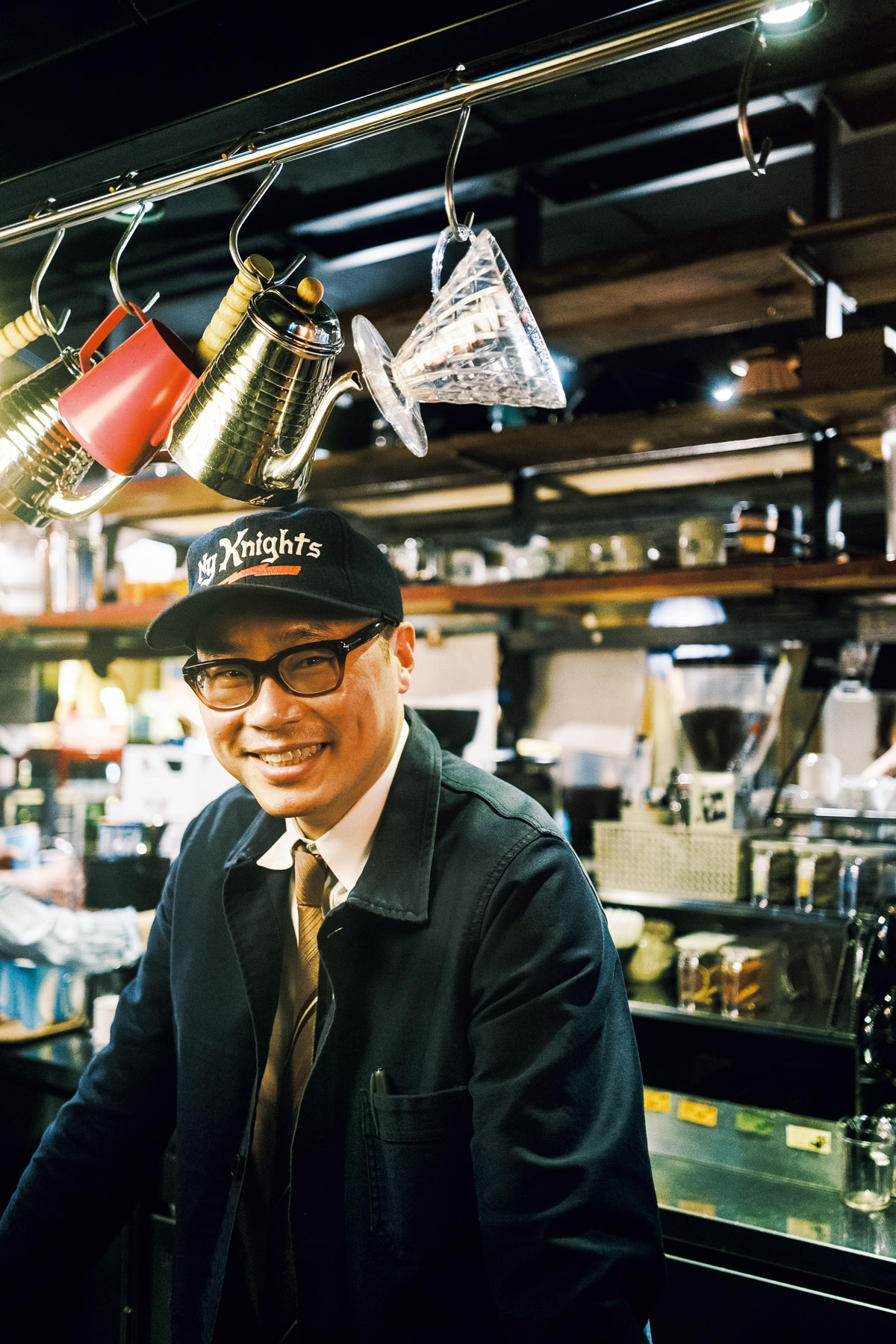
Kim Byung-gi, CEO of Fritz Coffee Company, is now a leader in the Korean coffee industry. His turning point came in 2009, when he and his friends founded the roastery cafe Coffee Libre in Seoul, becoming perhaps the first in Korea to offer specialty coffee.

"I owe my success to the achievements of my predecessors from my hometown. First of all, Bohemian, which opened in Seoul in 1988, is probably Korea's first roastery cafe. Its owner, Park I-chu, grew up in Japan, and he helped spread the deliciousness of Nel and filter drip coffee to Korea. Park is the first generation in the Korean coffee industry, and his students are the second generation."

Park moved to Gangwon Province to open a new store, so Kim began working at Bohemian, which had been taken over by the second generation. After learning roasting and brewing, he opened Coffee Libre, and in 2014 Kim went independent, founding Fritz Coffee Company in Seoul. During this time, a colleague from his time at Bohemian opened Anthracite Coffee in Seoul and Coffee Temple on Jeju Island. Kim refers to himself and his team as the third generation, having brought specialty coffee to the Korean coffee industry.

"Meanwhile, waves of change were also coming from overseas. First, Starbucks Coffee arrived in Korea in 1999. At the time, there were almost no roastery cafes, so if you wanted a good cup of coffee, you went to Starbucks. Espresso-based drinks also suddenly became more accessible. The iced Americano, which is served quickly and can be enjoyed quickly, became a staple for busy people in Seoul."

The second wave came from Australia around 2015. Baristas with experience in Melbourne and other places brought with them the local cafe culture, which focuses not only on the flavor of the coffee but also on the space.

"The third wave was the arrival of the American coffee brand BLUE BOTTLE COFFEE in 2019 and the Norwegian coffee brand FUGLEN in 2024. When the former arrived in Seoul, people had to wait in line for four hours. Koreans, who prefer fragrant coffee, suddenly started drinking light roast coffee."

Kim says that with diversifying tastes and the wide variety of specialty coffees available, drinking coffee at home is also becoming popular. The current state of the Korean coffee scene is one in which you can enjoy a delicious cup of coffee anytime, anywhere.

Kim Byung-gi

SHARE ON

FEATURED MOVIES
Featured Videos

BRUTUS
OFFICIAL SNS
Brutus Official SNS

FEATURED MOVIES
Featured Videos