










Soju becomes hard liquor: The potential of a distilled spirit with a 700-year history
Over the past decade, a number of internationally acclaimed bars have opened in major Asian cities. Top bartenders are turning their attention to local distilled spirits, keen to discover flavors that cannot be found in globally distributed gins and other drinks.
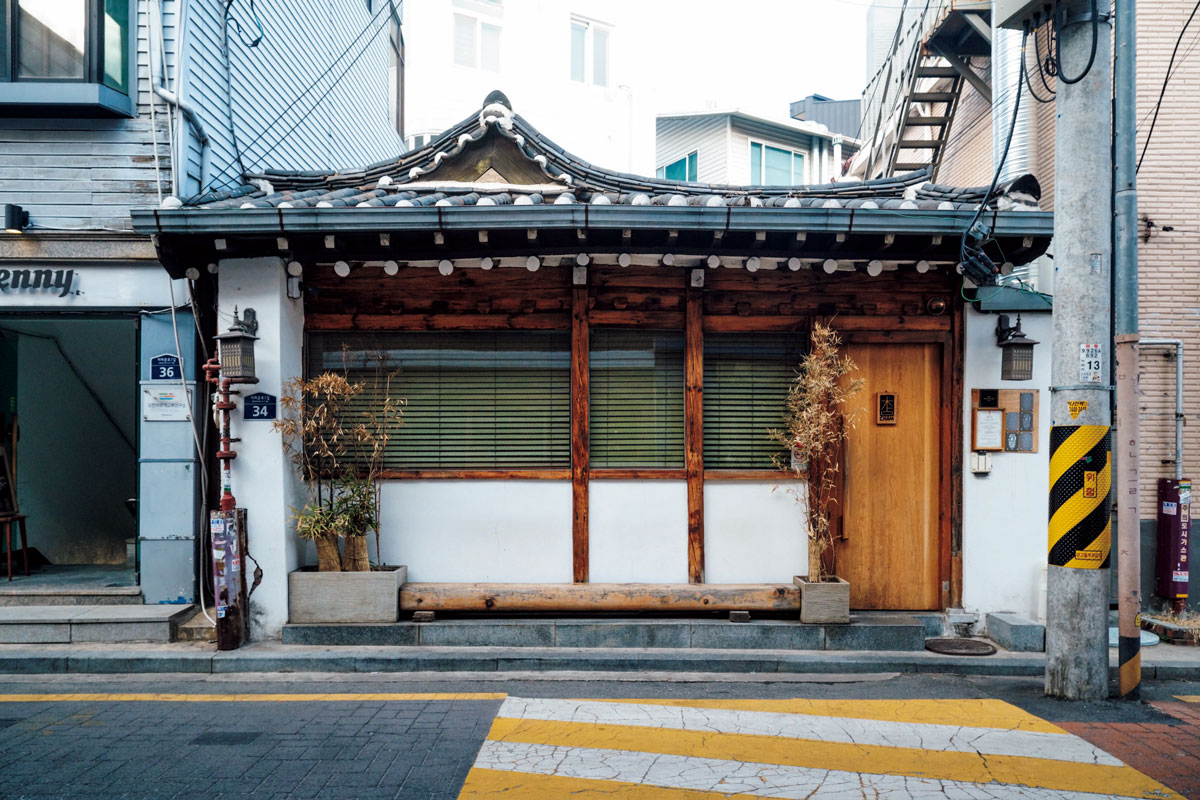
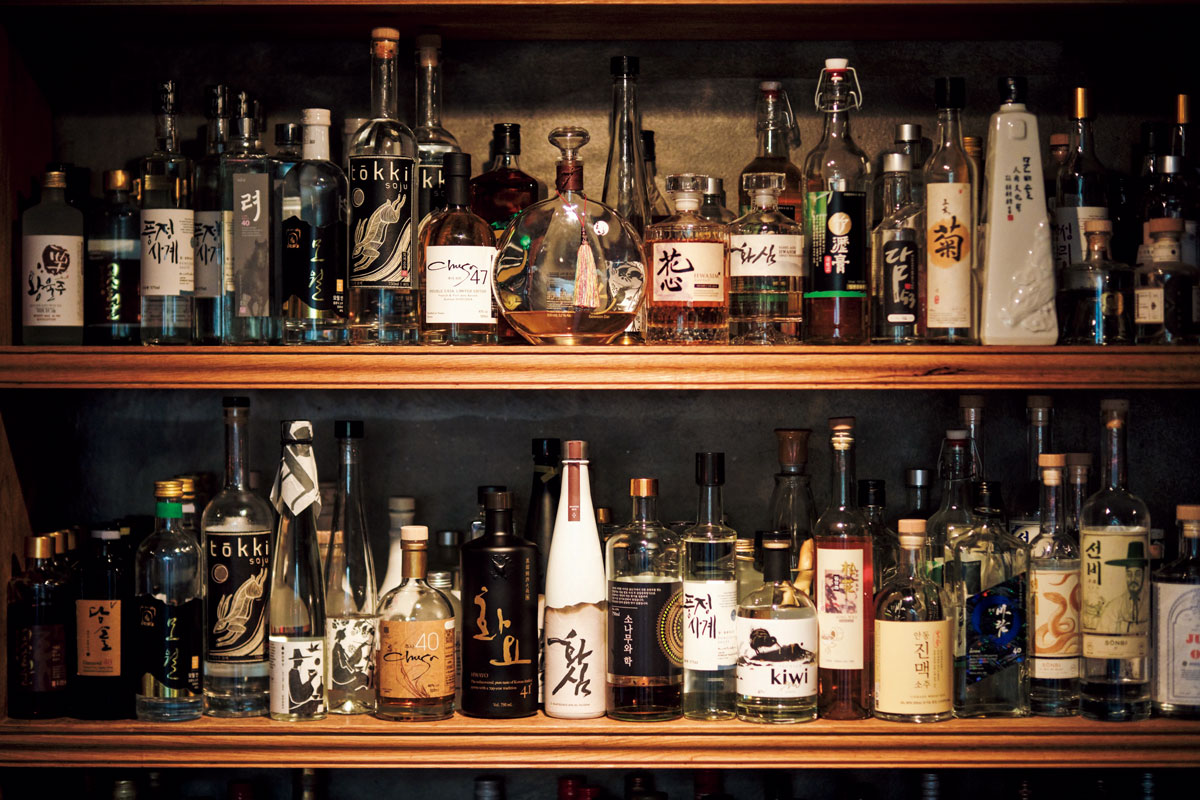
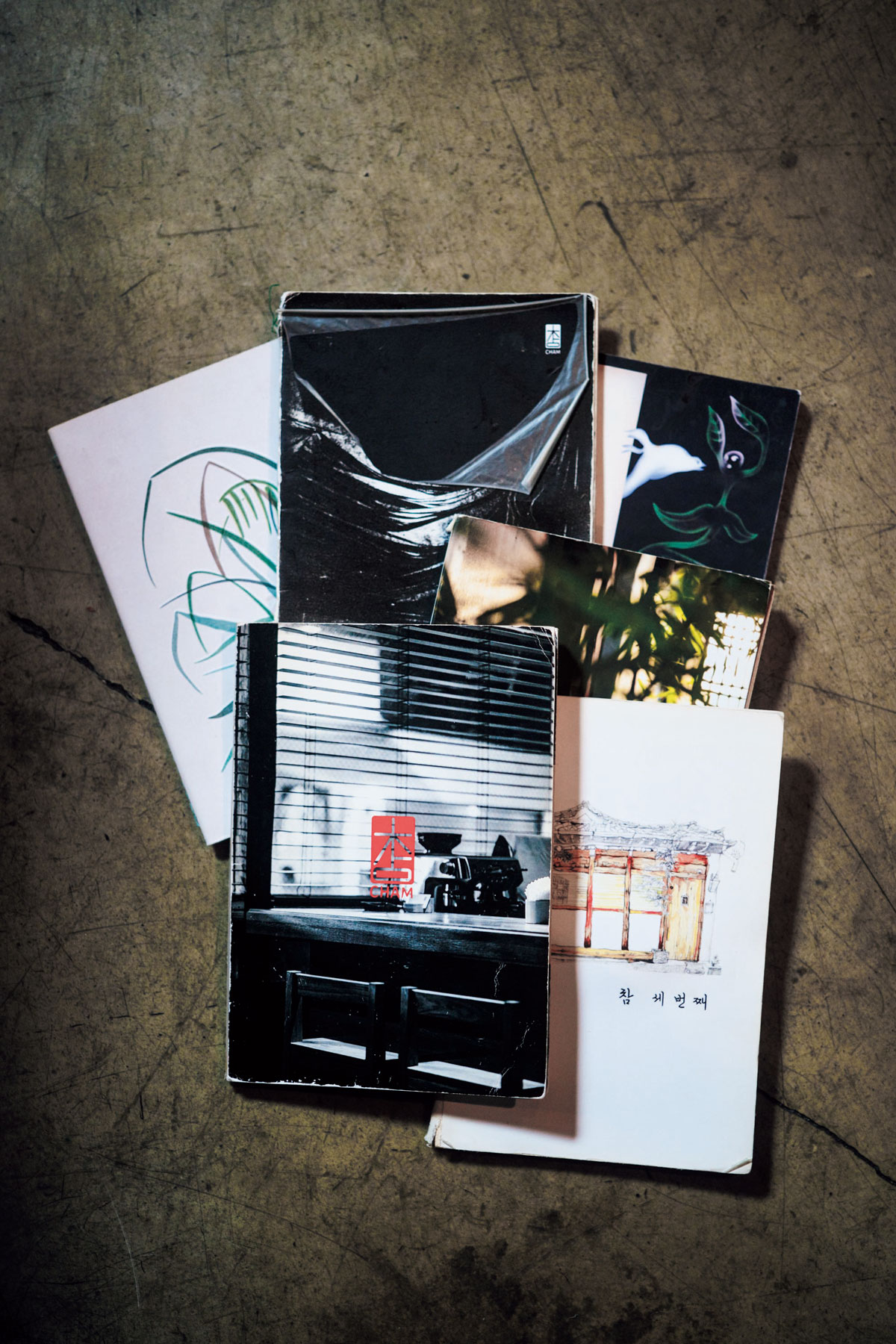
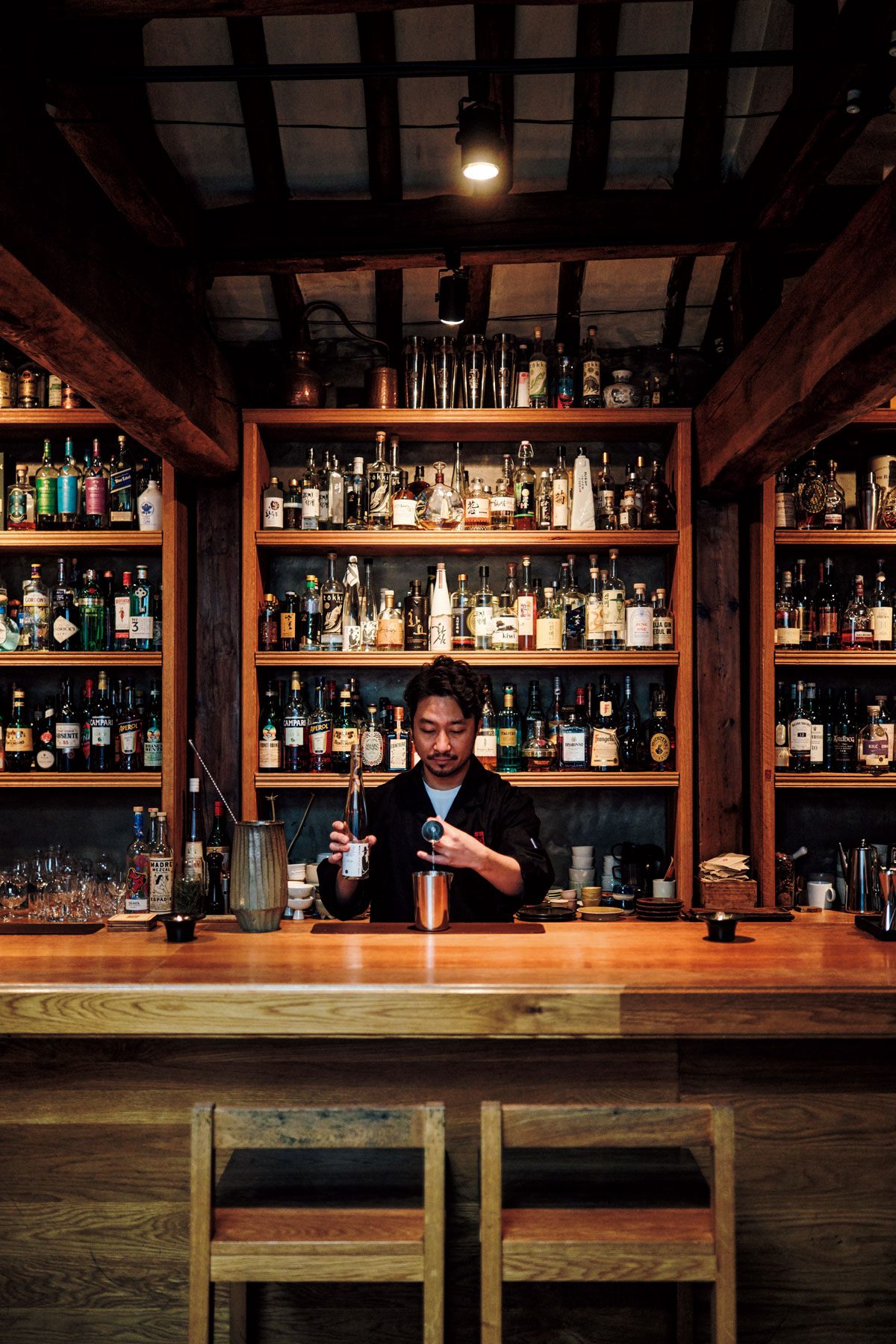
Bar Cham also ranked 20th in the 2024 Asia's 50 Best Bars. Owner-bartender Lim Byung-jin began to take an interest in traditional Korean alcoholic beverages, particularly soju (soju), after winning the WORLD CLASS 2015 KOREA FINAL, a competition to determine the best bartender in Korea. Its appeal lies in its rough yet punchy sweetness. Because of its distinct character, it's easy to incorporate into cocktails, he says.
Soju was first produced in the 14th century as a pot still made from rice, but production was banned during the food shortages of the 1960s. Instead, low-alcohol distilled sojus such as Chamisul and Jinro became popular with the common people. However, the production of these "green bottle" sojus also declined dramatically in the 1970s, when a "one distillery per road" rule was enacted, causing the number of distilleries to plummet.
"The turning point came during the 1988 Seoul Olympics. There was a need to provide high-quality traditional Korean alcoholic beverages to foreign guests, and the government led a reevaluation of Korean national alcoholic beverages. As a result, Andong Soju from North Gyeongsang Province, which is said to be the origin of soju, attracted attention."
Deregulation in 1991 allowed the traditional rice-based soju production method to be revived, and in 1996 it became possible to build new distilleries.

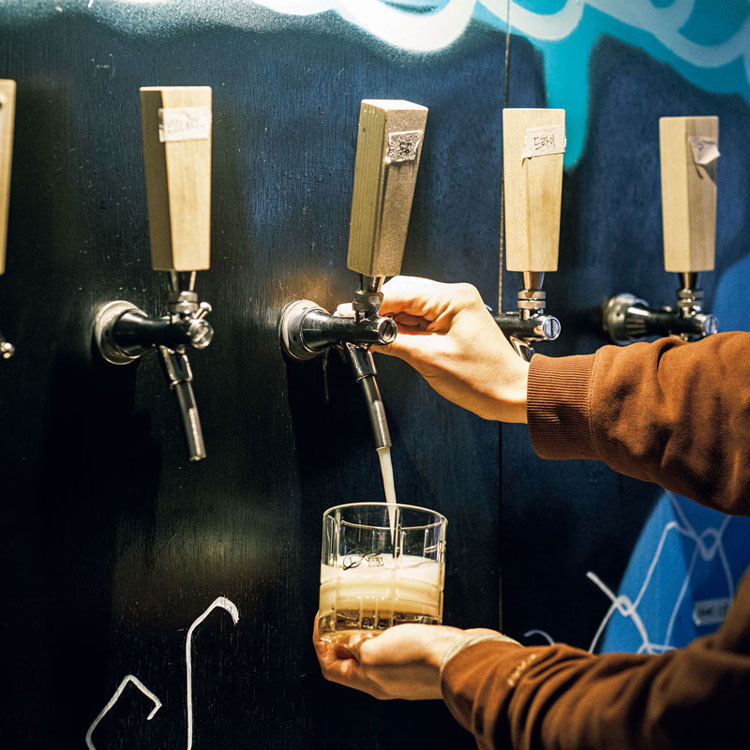
"Soju made using traditional methods is gaining popularity as a luxury item in Korea, and even large companies, such as Gwangjuyo's Hwayo and Hite Jinro's Ilpoomjinro, are playing a major role in popularizing distilled soju. It's no longer uncommon to find traditionally made soju in local bars. Park Jae-beom, a musician who is also famous in Japan, is producing soju.
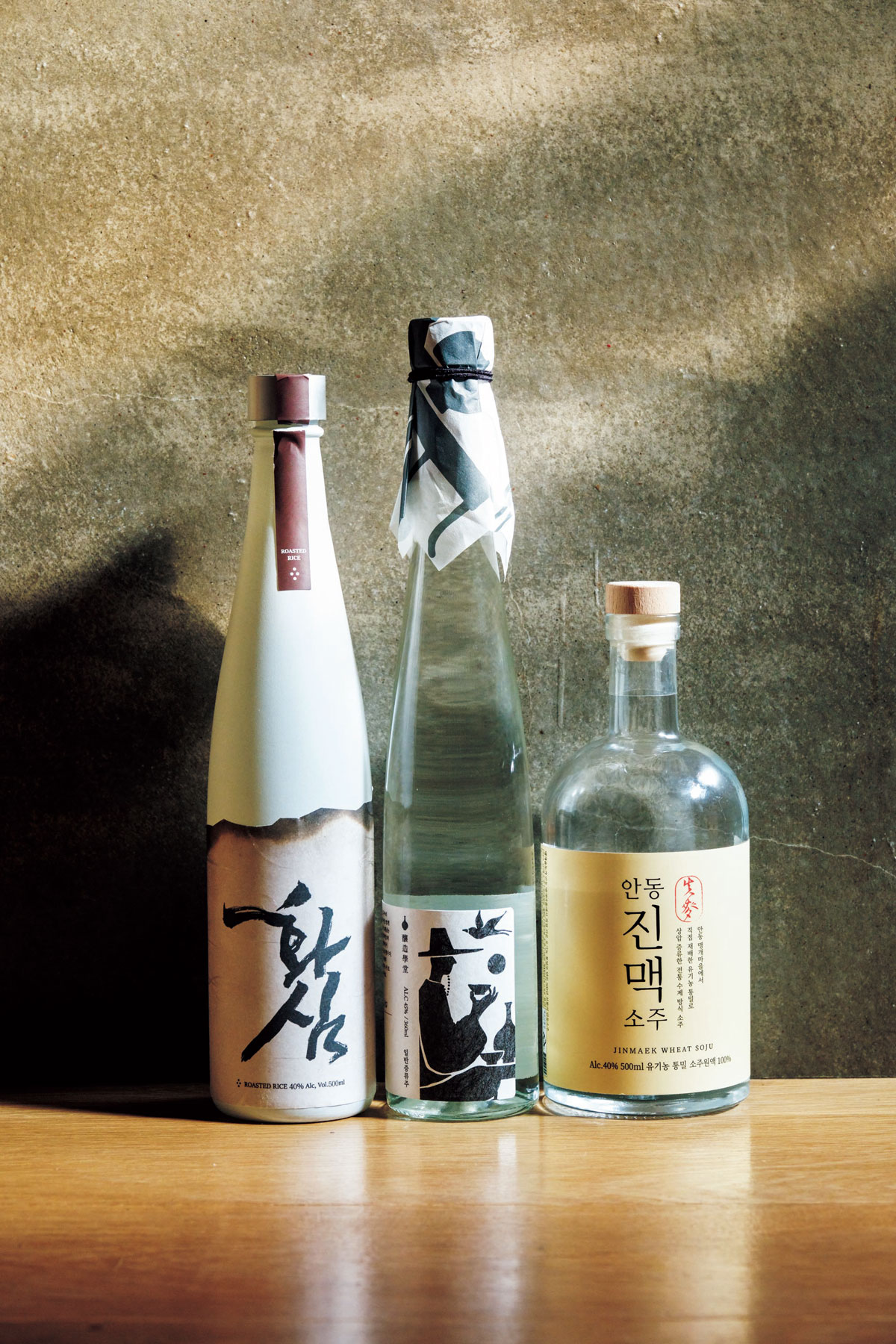
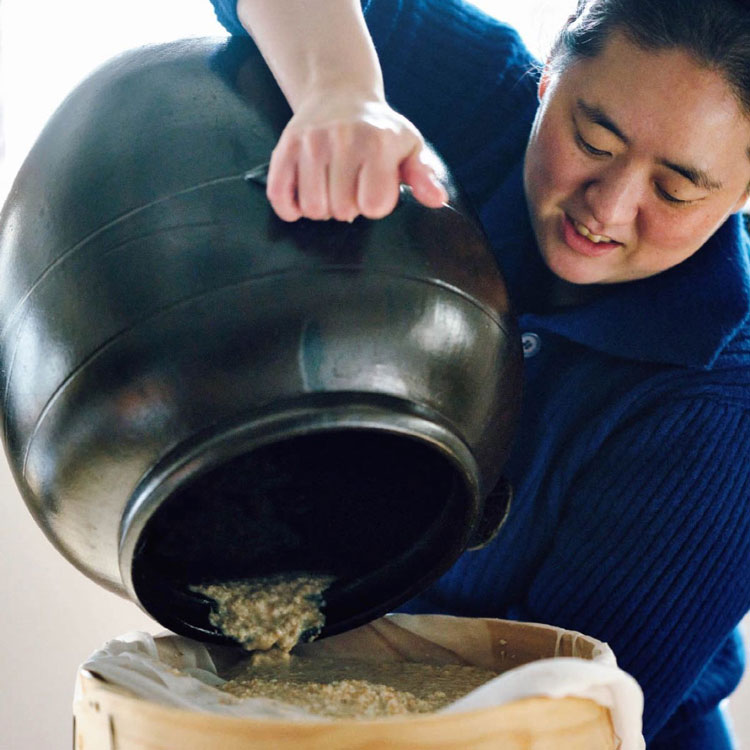
In recent years, young brewers have also been striving to make their mark. Leading the way is HWASIMJUJO in Guri, Gyeonggi Province. Distiller Oh Su-min returned to Japan after studying whisky making at Ardbeg Distillery on the Scottish island of Islay. She has been working hard to create a soju that resembles the flavor of Scotch. "HWASIM" has a striking smoky aroma, achieved by roasting and distilling rice."
Meanwhile, Lim is drawn to the local flavor of soju. "Seo" from the distillery Yangjohadang in Yeoju, Gyeonggi Province, is a soju made from sweet potatoes, a local specialty renowned nationwide.
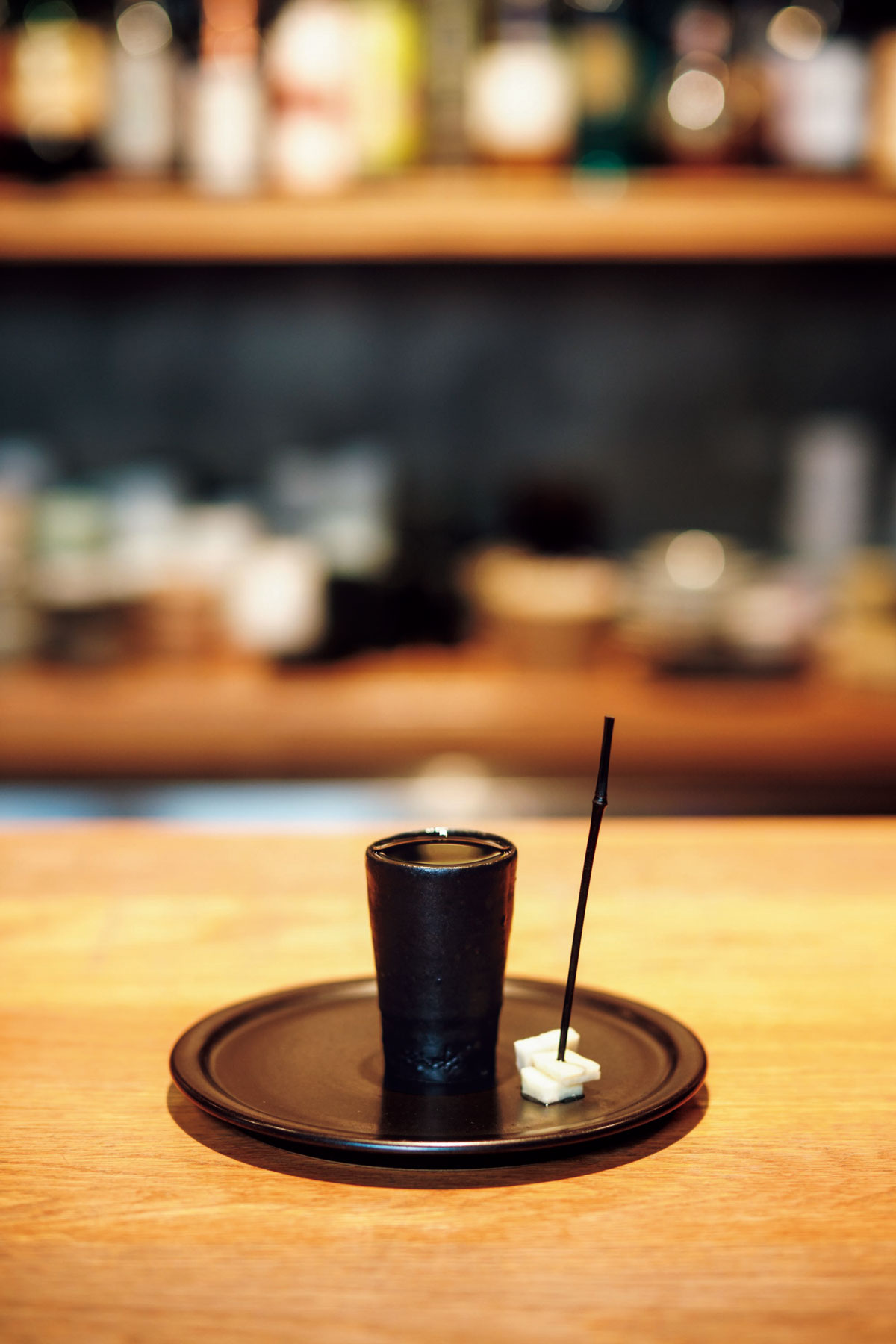
"Yeojutobongchae is a cocktail that is an adaptation of the martini. It is based on domestic craft gin and "Nishi." Authentic bars have the impression of being solemn places, don't they? But if you know there is a cocktail made with soju, which is derived from sweet potatoes, don't you think it makes it a little easier to go? (laughs)
I also recommend pairing it with suyuk (boiled pork or beef). I want to create a menu that combines soju from various regions with the local specialties of each region, allowing you to experience the terroir. That's why I always use traditional Korean alcohol, including soju, in my cocktails."