









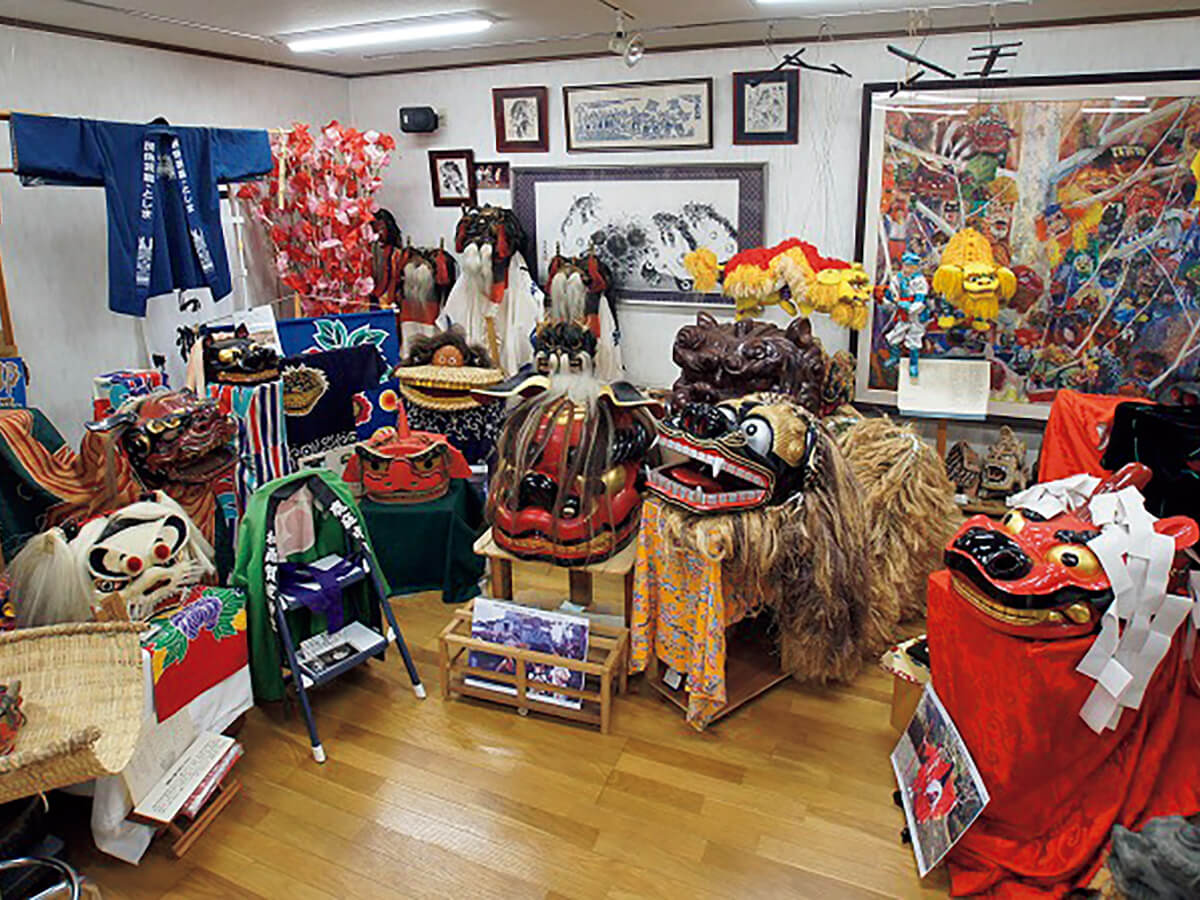
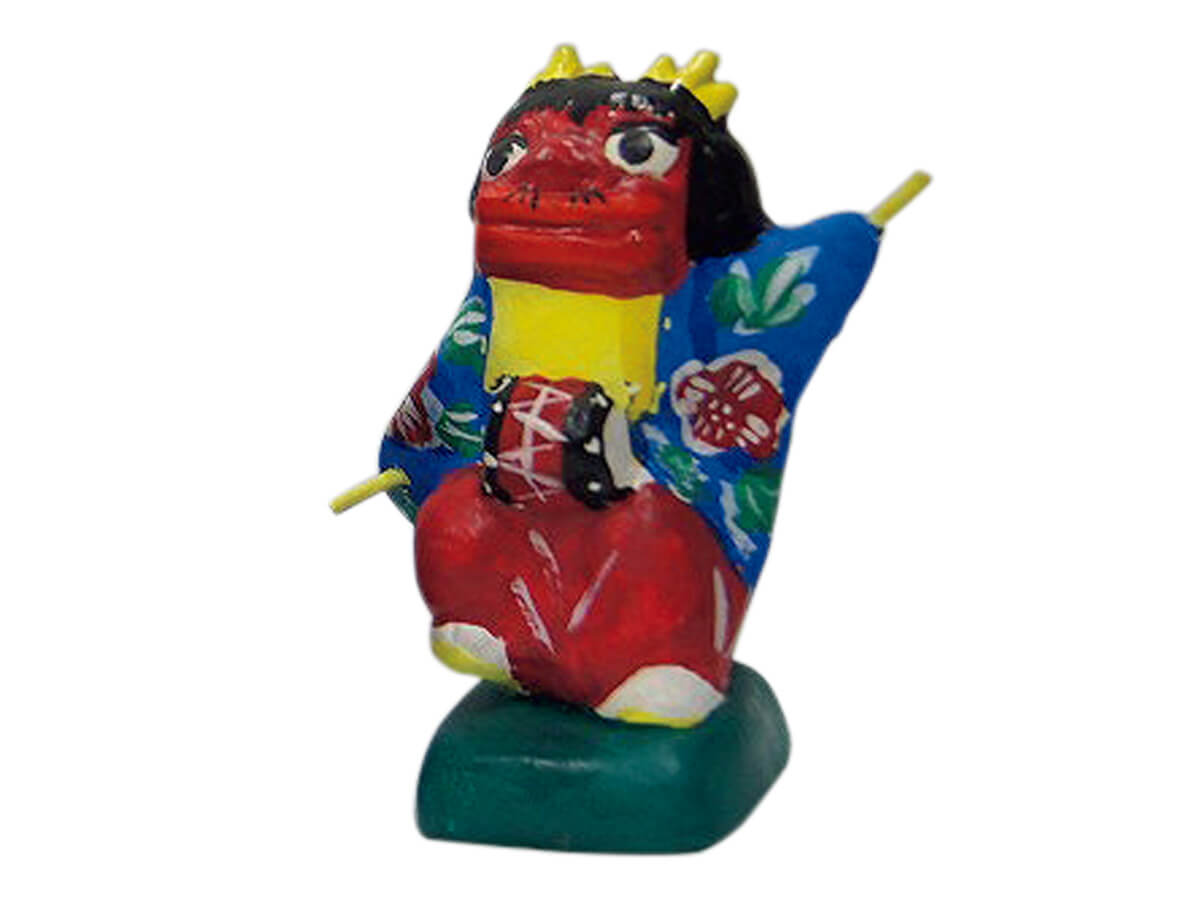
Lion Museum (Shiraoka City, Saitama)
A New Year's tradition: 2,000 animals welcome you!
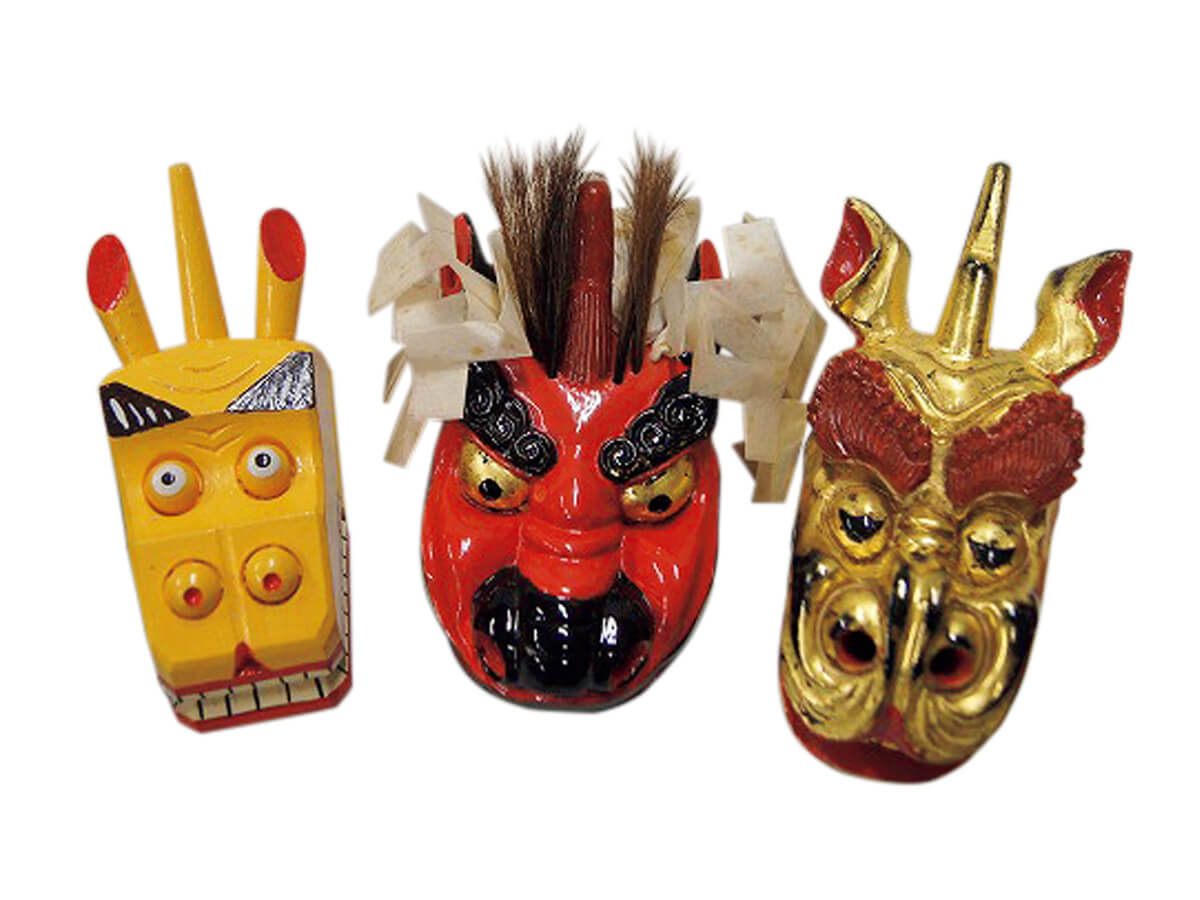
Lion dances, which are performed to ward off evil spirits and pray for bountiful harvests, are performed in approximately 7,000 locations across the country and are the most common folk performing art in Japan. Their roots lie in ancient China and India, and they are widespread throughout East Asia.
Museum director Yuichi Takahashi began collecting lion toys after seeing them at a senior colleague's house. Since then, he has collected over 2,000 items at his own expense over the past 45 years. We hope you will come and experience the various forms of lion dance culture in Asia and Japan in this space.
Bunshin Historical Museum (Kanagawa/Yokohama City)
A collection by a world-renowned tattoo artist. Learn about carved folklore
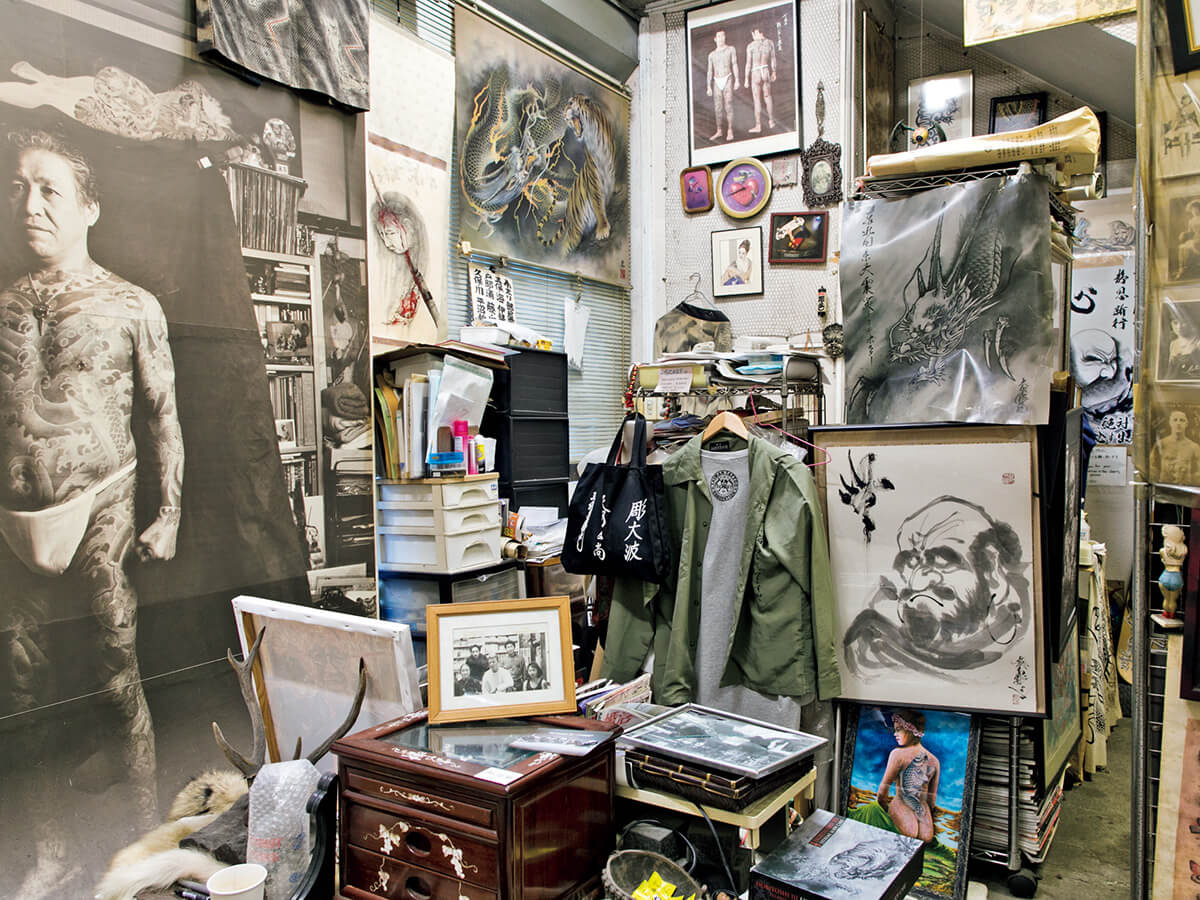
Tattoos are tattoos. Here, the world-renowned tattoo artist, Horiyoshi III, will exhibit historical and folklore materials on tattoos that he has collected over 40 years.
The museum is home to materials from all over the world, past and present, including hand-carved needles and ink, Japanese tattoo sketches, and even folk art related to Polynesian and Ainu tattoos. From the Edo period tattoos that firemen inked as a symbol of courage to modern tattoos as a form of self-expression, you'll discover that tattoos have a deeper history than mere decoration.
Fukufuwa Shinmen, Japan Mask History Museum (Higashiizu Town, Shizuoka)
1,000 masks carved by hand
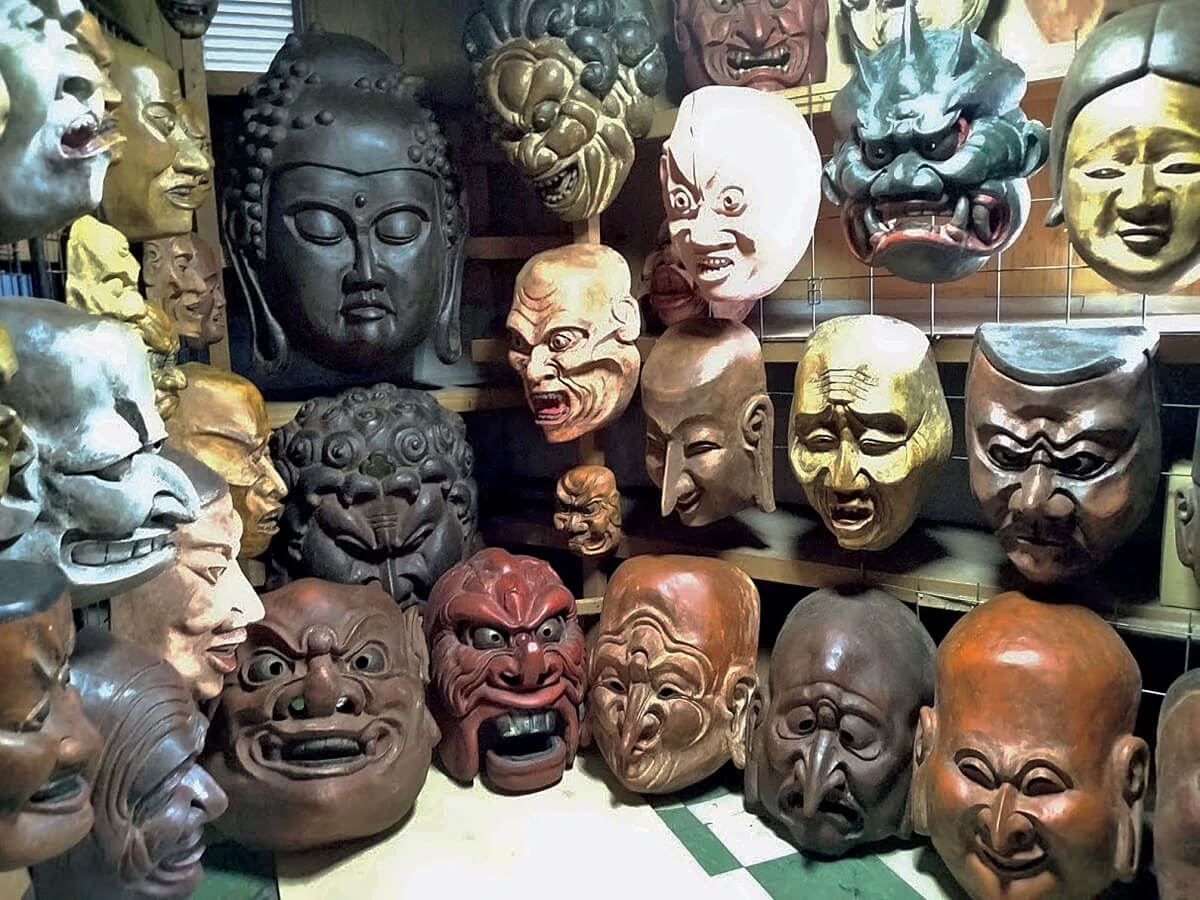
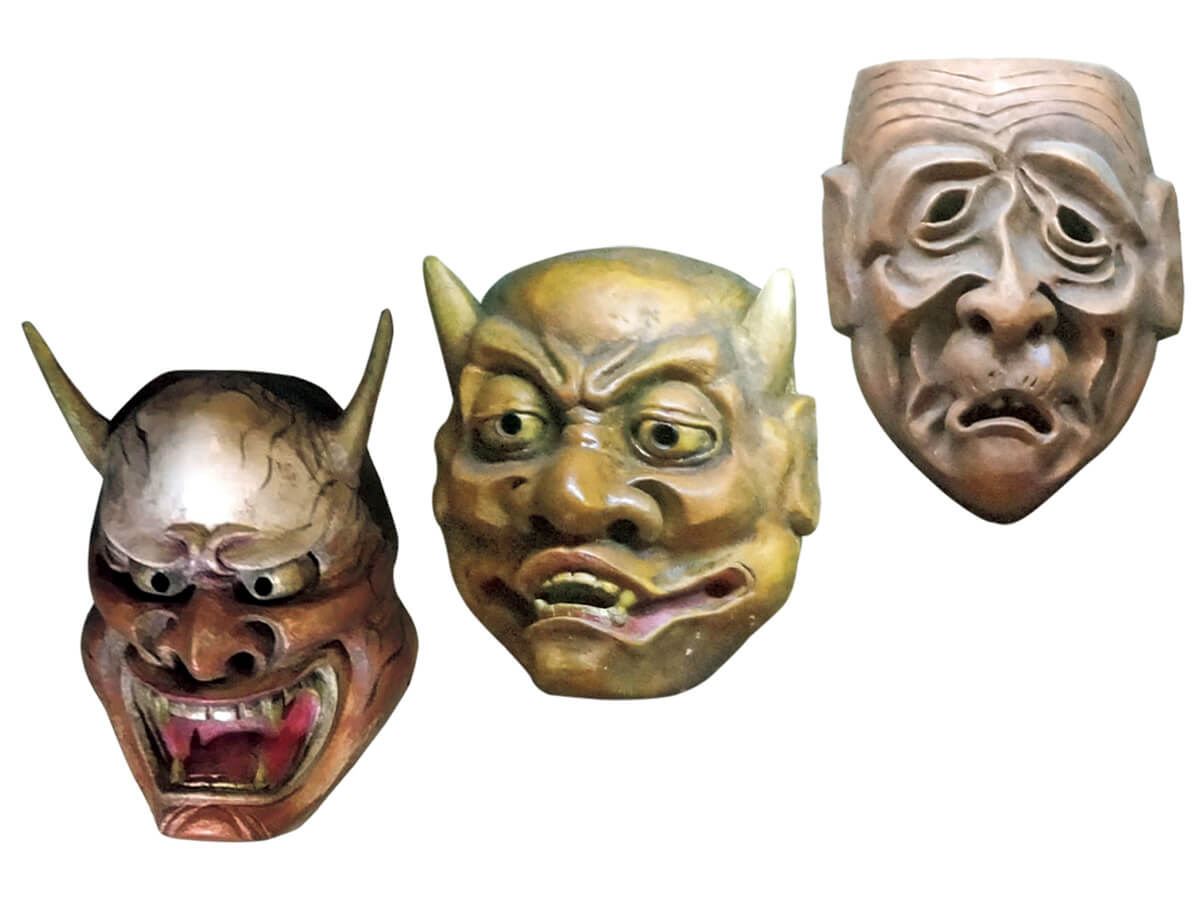
The museum exhibits masks that director Kenji Kimura has been making for 45 years. It is a museum where you can also learn about history. After taking over his father's souvenir shop, he started making masks in search of unique products that other stores could not find, but before he knew it, he became obsessed with the masks himself and started collecting them.
Approximately 650 pieces will be on display, faithfully recreating traditional Japanese masks such as Noh masks and Dengaku masks, while incorporating Kimura's aesthetic sensibilities. By 2023, he will have finally achieved his lifelong goal of creating 1,000 masks.
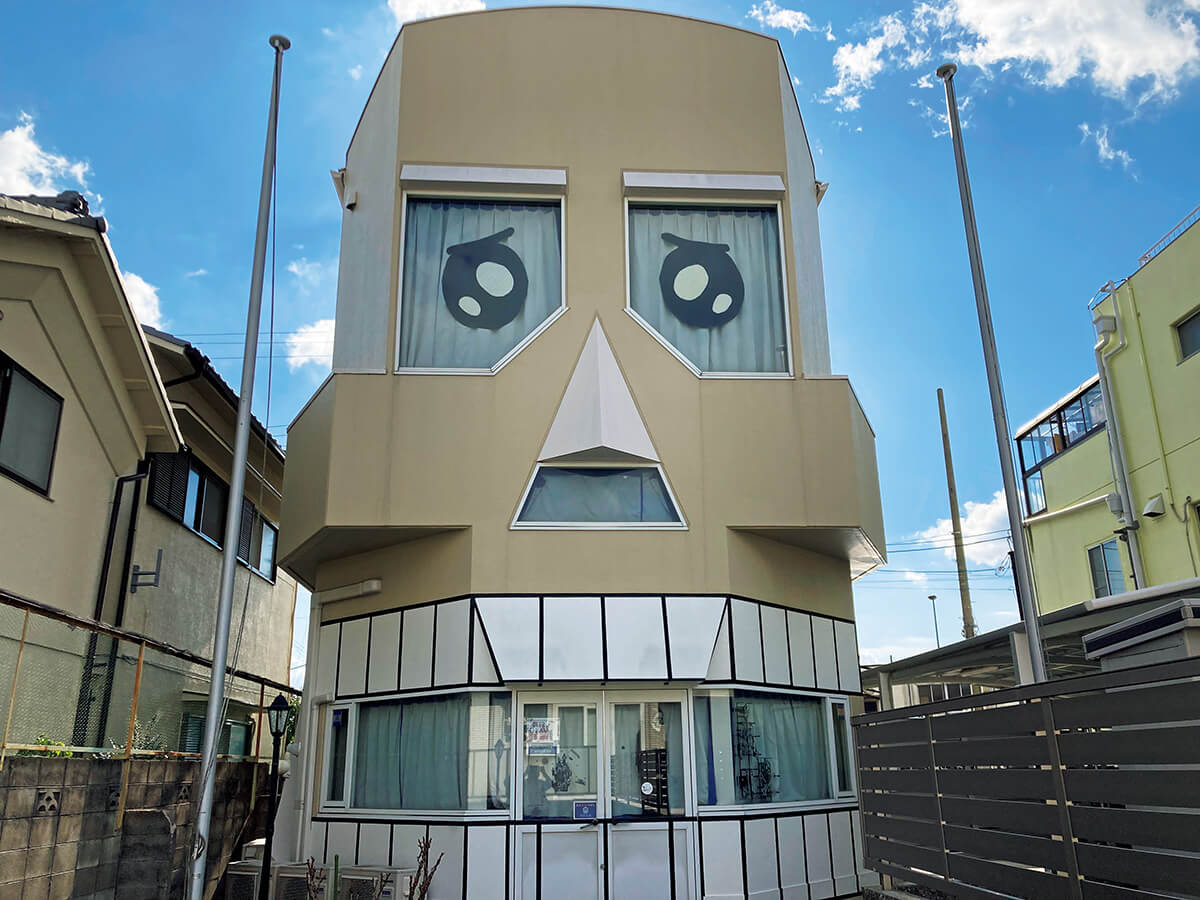
A unique skull house that looks at human life and death
The world's first skull museum. It houses nearly 8,000 items collected by the late Professor of Neurosurgery, Keiji Kawamoto. From actual specimens and deformed skulls to T-shirts and accessories, anything with a skull motif is included.
Skulls are often avoided due to their ominous image, but the museum's theme is "thinking about our lives through death." Skulls are a universal part of us all. This will be an opportunity to think deeply about life.
Telephone Museum (Osaka/Osaka City)
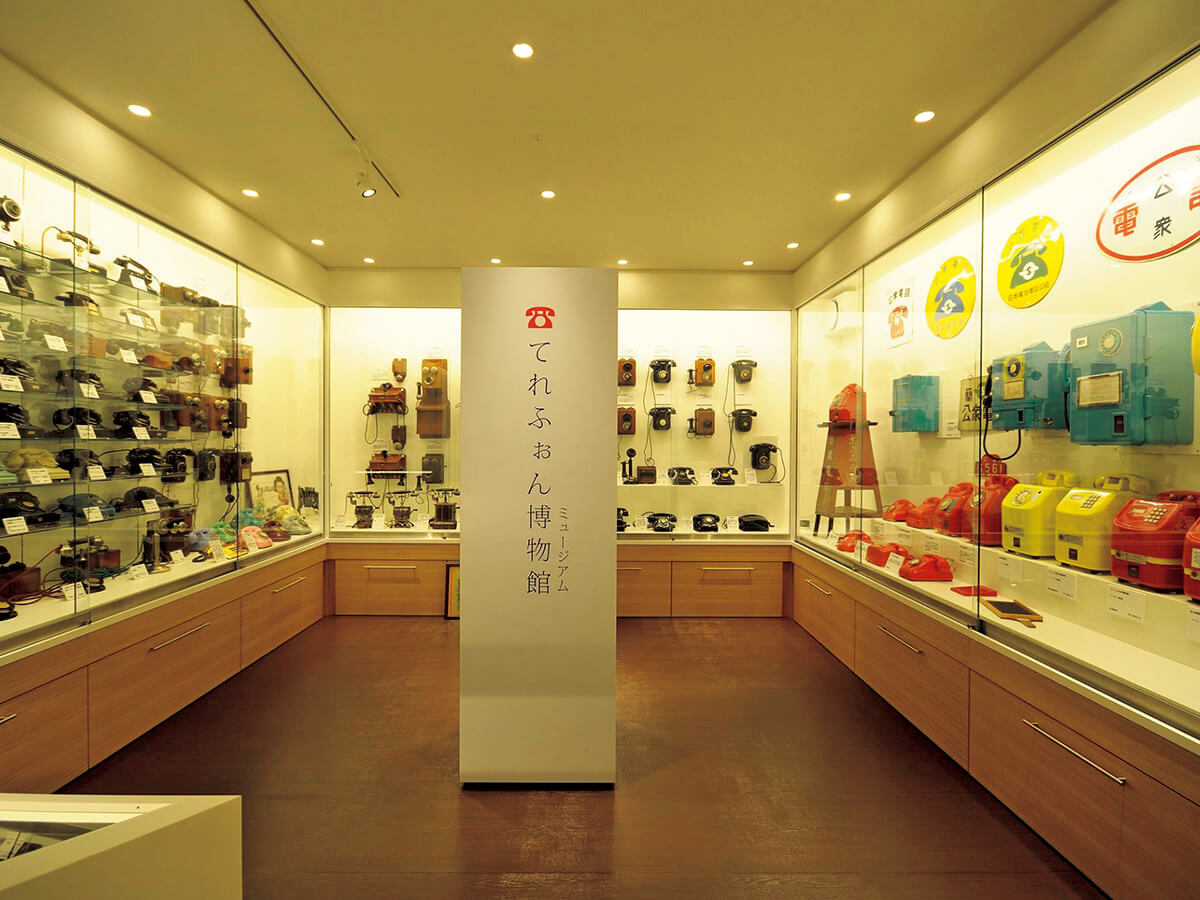
Before you know it, there were 850 telephones. A museum born from a spirit of inquiry
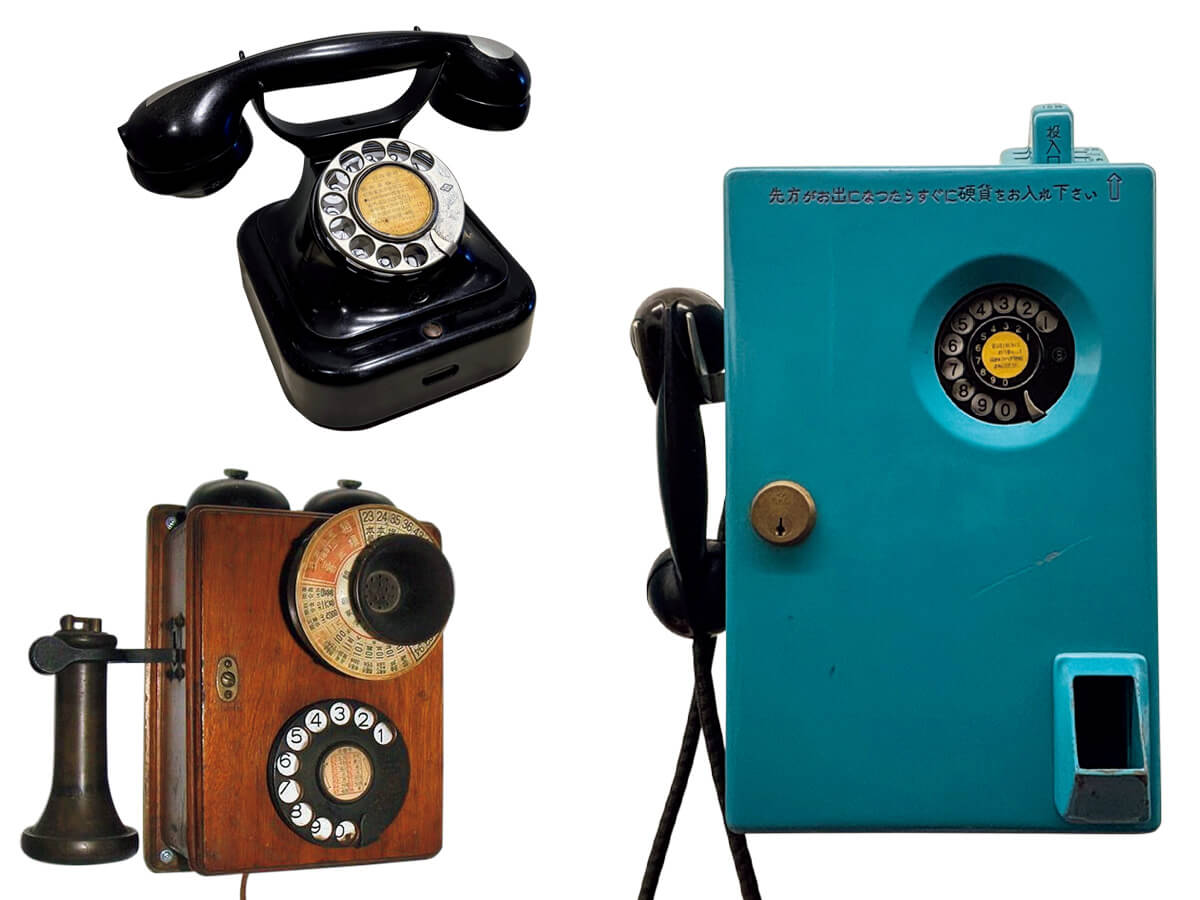
This museum is run by a telephone collector who is passionate about collecting materials related to landline telephones, which are disappearing in this age of smartphones. Inside the museum, there is a wide selection of old analog telephones, including wall-mounted telephones and public telephones from before the war to the 1950s.
The museum's director, Hideyuki Inatani, is such a passionate person that he enrolled in a university correspondence course after entering the workforce and wrote a graduation thesis on the history of telephones. The museum also has a wealth of materials, such as catalogs, posters, and telephone directories, that tell the story of the evolution of technology to date.
Timetable Museum (Tokyo/Nakano)
A time travel through the past woven through 800 timetables
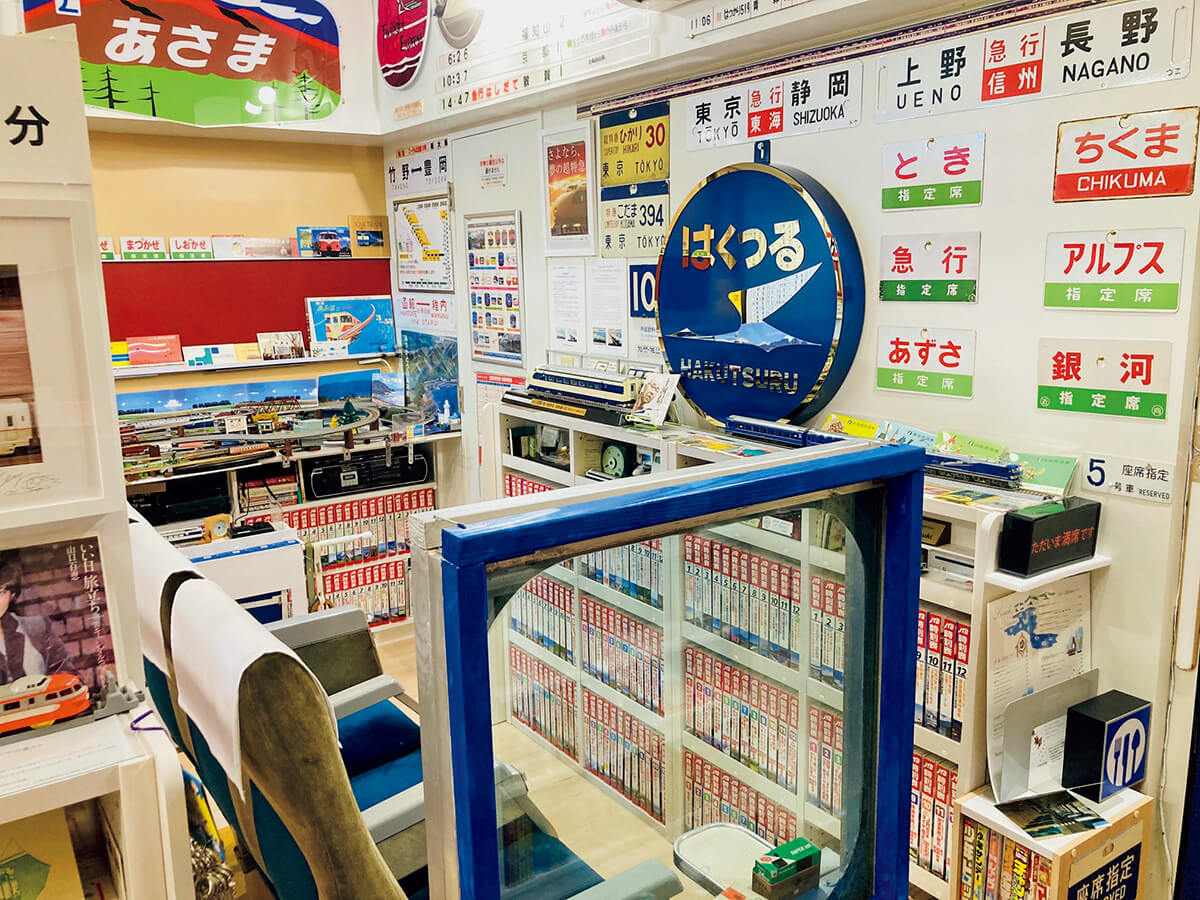
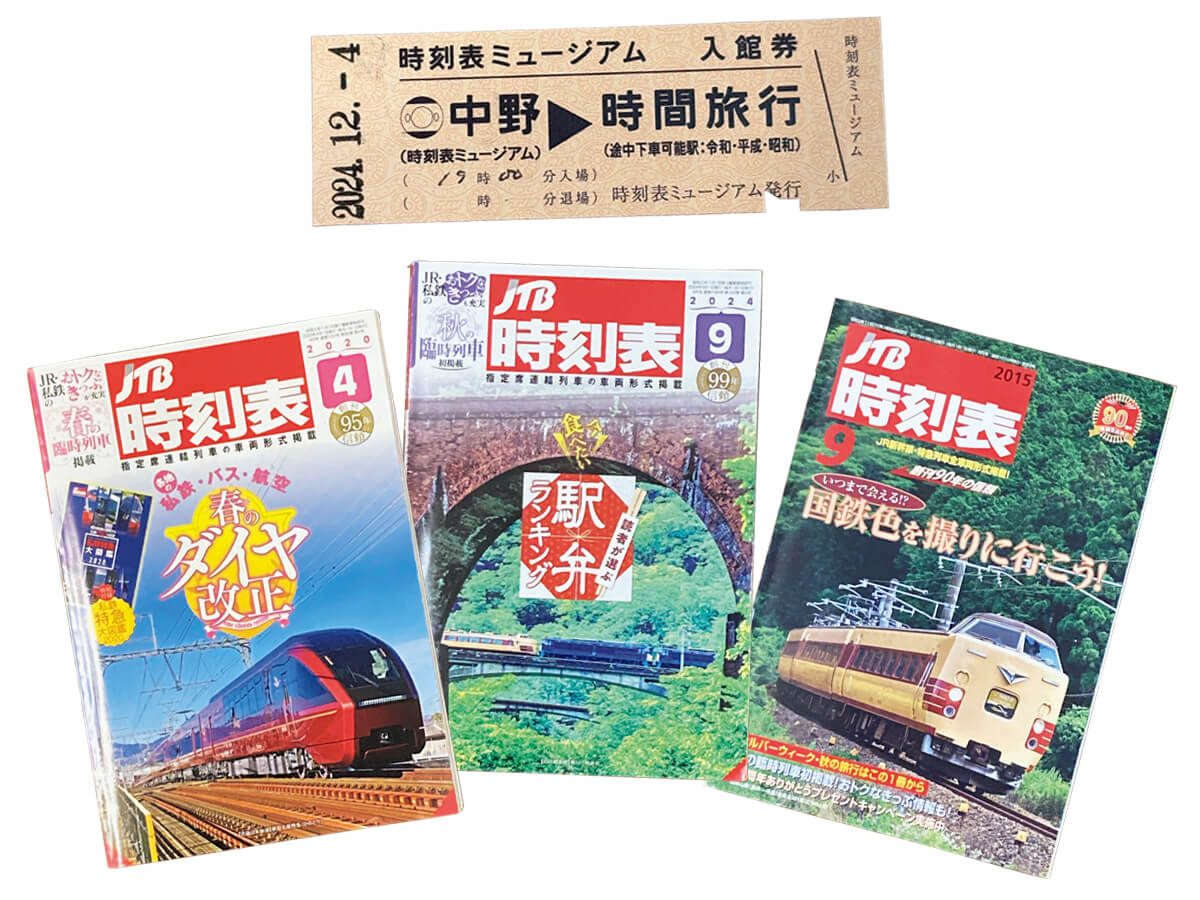
"Now, let's set off on our time travel!" The "head conductor," Tetsuya Suzuki, welcomes us with the sound of the train rolling. His father taught him how to read a timetable when he was in elementary school. Since then, he has purchased the JTB Timetable every month since he was in junior high school, and has collected over 800 issues in the last 40 years.
In 2022, he renovated his home and opened his dream museum. The museum is filled with nostalgic railway items such as timetables, tickets, and station signs, allowing visitors to relive train journeys from the Showa era.
Museum of Extinct Media (Tokyo/Kanda)
Rediscovering nostalgic memories: Disappearing media
Paper and stone have survived as recording media for thousands, even tens of thousands of years. In contrast, photography has a history of about 200 years and video about 150 years. While the speed of their evolution has been remarkable, behind the scenes, many devices have retired from use.
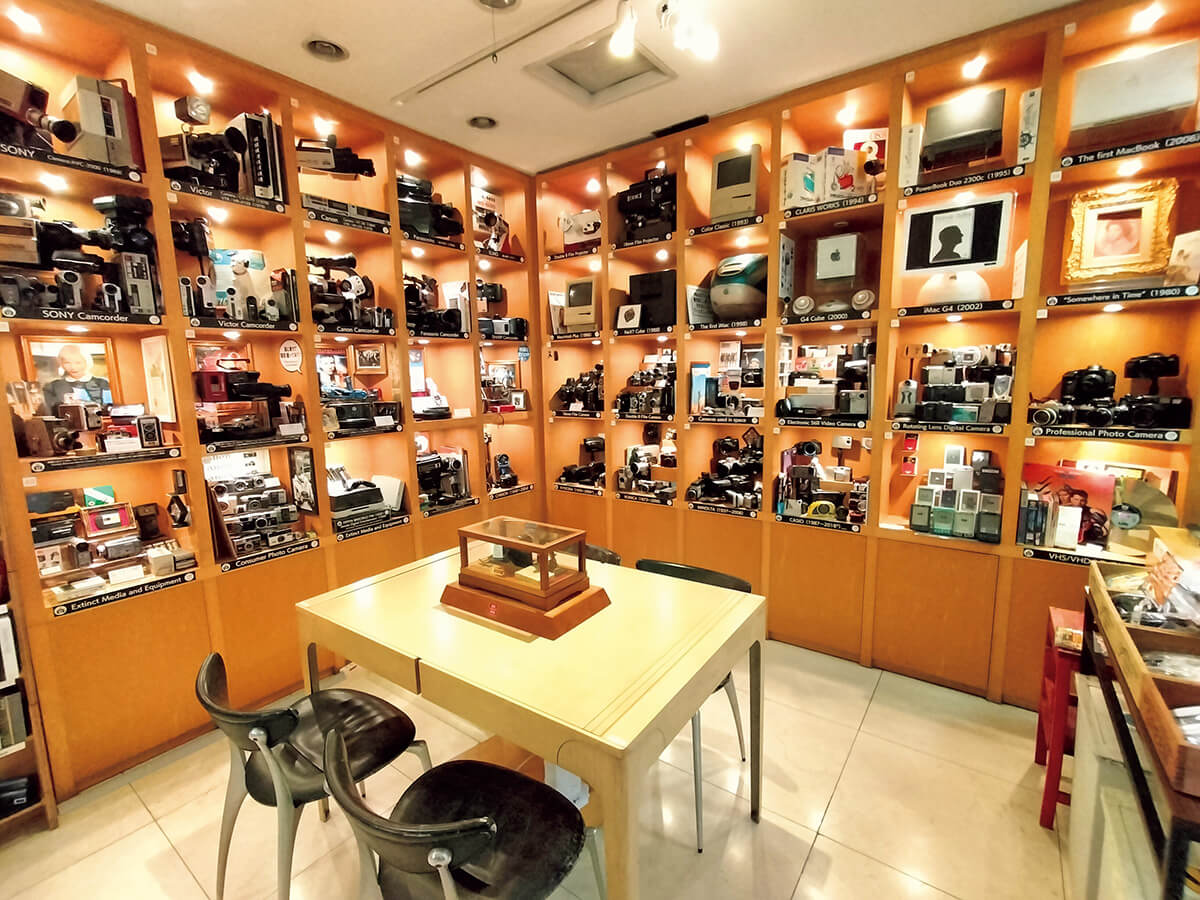
The museum exhibits around 1,500 pieces of media equipment that have become obsolete due to technological advances, such as 8mm film cameras and PHS phones. 80% of these were donated by visitors. You can freely pick up any of the items, and their weight, texture, and feel will suddenly bring back nostalgic feelings.