









The Atomic Bomb Museum (Higashimatsuyama City, Saitama)
Scenes from the atomic bombing that took over 30 years to paint
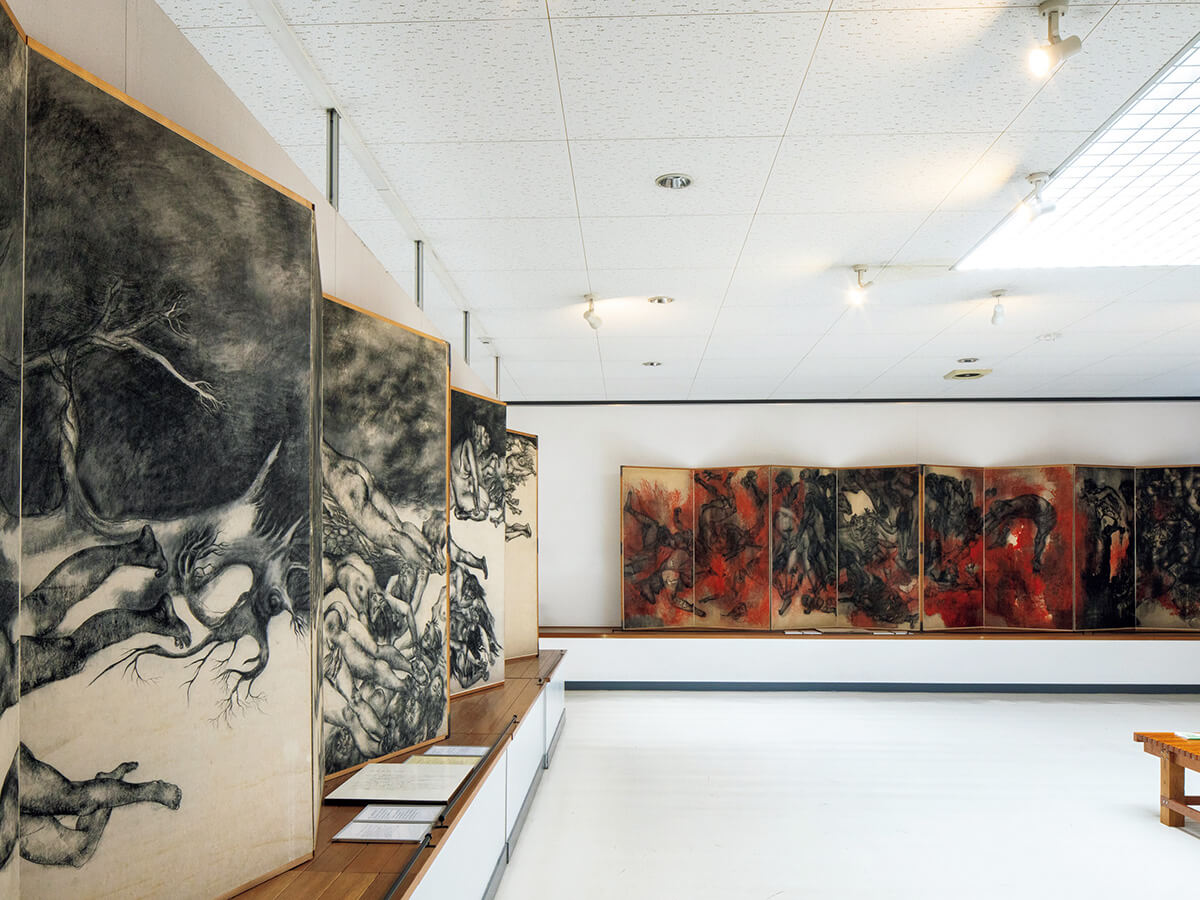
"The Atomic Bomb" is a series of 15 paintings by the artist couple Iri and Toshi Maruki. The couple went to Iri's hometown of Hiroshima immediately after the atomic bombing and spent about a month providing relief amid the rubble. Even after returning to Tokyo, they were unable to forget the scene, and spent 32 years creating the series "The Atomic Bomb."
The museum will have a permanent exhibition of 14 pieces, excluding the 15th piece, which is housed at the Nagasaki Atomic Bomb Museum. In this work, people are depicted almost life-size on a large screen measuring 1.8m high and 7.2m wide. You will be overwhelmed by the looming landscape.
Hiroshima Peace Memorial Museum (Hiroshima/Hiroshima City)
Showing the devastation of the atomic bombing and passing it on to future generations
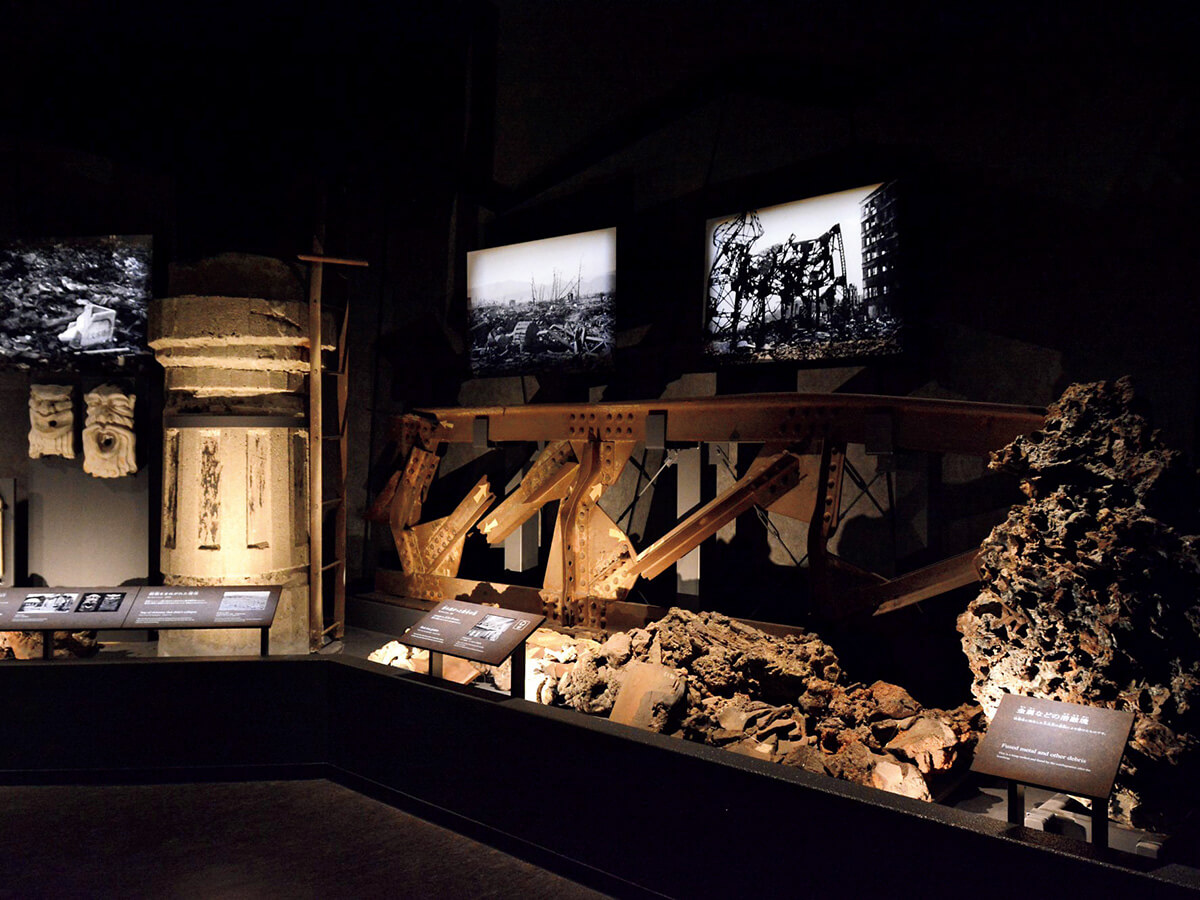
At 8:15 on August 6, 1945, the first atomic bomb in human history was dropped on Hiroshima. As early as 1949, the Atomic Bomb Reference Materials Display Room was established, and materials related to the atomic bombing began to be displayed to the public. The main museum building opened the following year within Peace Memorial Park, which opened in 1954 after renovating the area near the hypocenter.
The exhibition conveys the power of the atomic bomb and the enormous, long-term damage it caused, and stresses the importance of peace, through projection mapping that shows the peaceful streets of Hiroshima reduced to ashes in an instant, fragments of buildings that still show the figures of people at the moment the bomb was dropped, and images of the survivors after the bombing.
Kaiten Memorial Museum (Shunan City, Yamaguchi Prefecture)
Carrying on the spirit of the troops and praying for peace
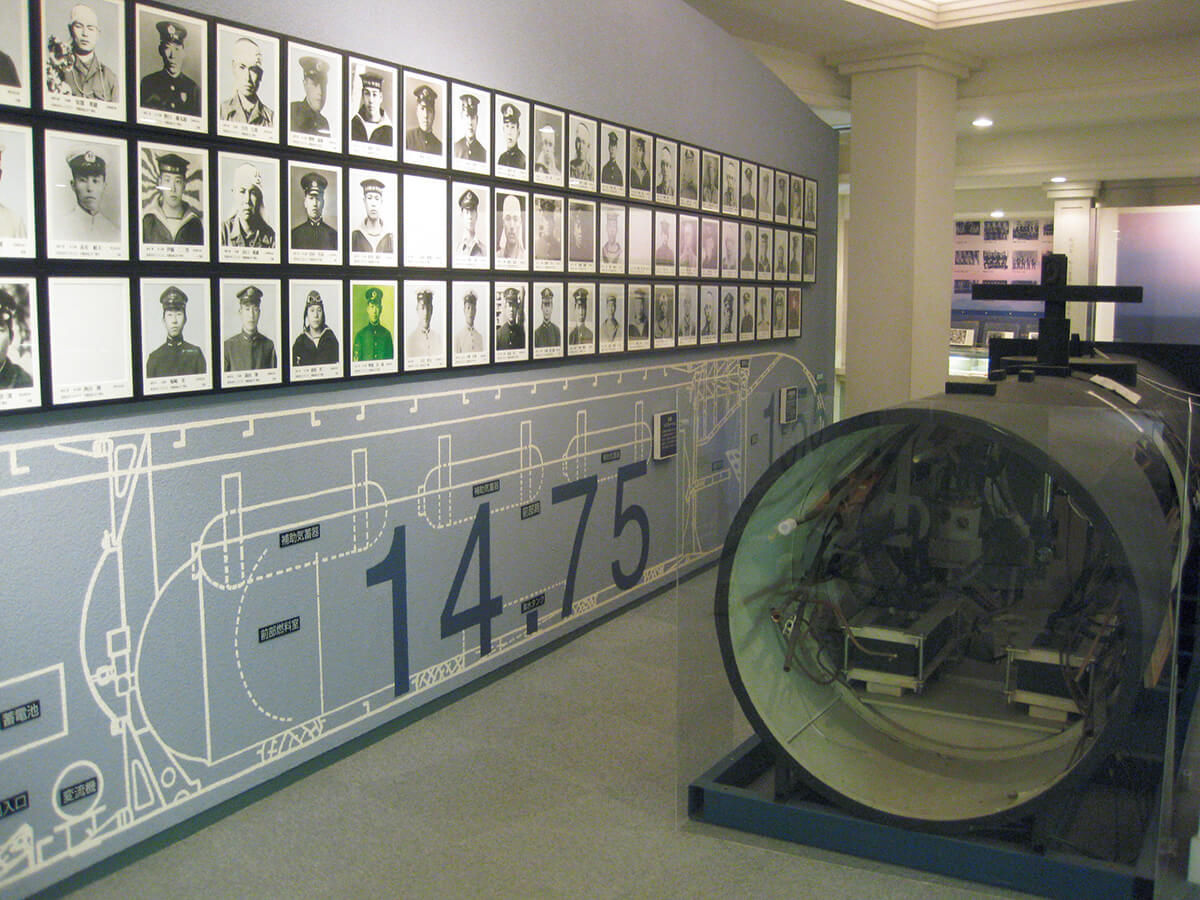
The Kaiten human torpedo was a suicide weapon created towards the end of the Pacific War with the hope of "turning the heavens and turning the tide of the war." It was 14.75m long, with a body diameter of 1m and seating for one person. It was equipped with 1.55 tons of explosives at the tip, and was said to be able to sink even a large ship with a single shot if it hit its target.
The crew members were young people around the age of 20. The museum has a collection of approximately 1,300 items, including the wills, personal effects, letters, and military uniforms of crew members who died in battle, and about 300 items are on display. We hope you will think about peace through the history of the Kaiten.
Nagasaki Atomic Bomb Museum (Nagasaki/Nagasaki City)
Communicating the threat of the atomic bomb and the importance of peace
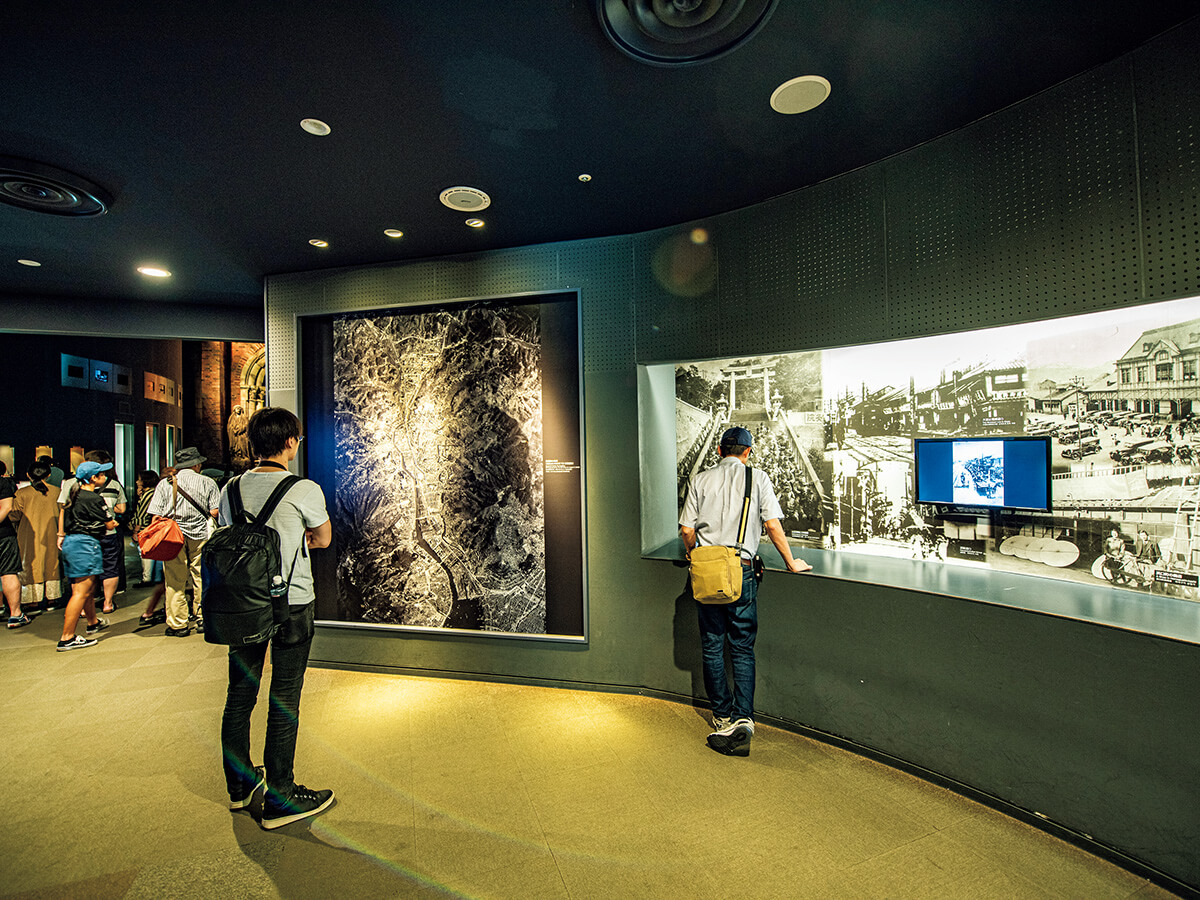
At 11:02 on August 9, 1945, an atomic bomb was dropped on Nagasaki, resulting in approximately 150,000 casualties. The museum displays documents, photographs, and explanatory panels along themes such as "August 9, 1945," "The Damage Caused by the Atomic Bomb," and "A World Without Nuclear Weapons."
Starting with the 11:02 Clock, where time stopped when the atomic bomb was dropped, the exhibit features relocated parts of buildings destroyed by the bomb. A life-size model of the Fat Man atomic bomb that was actually dropped on Nagasaki is also on display, and its sheer size is overwhelming. Experience the situation at that time in life-size and think about war.
Chiran Special Attack Peace Hall (Kagoshima/Minamikyushu City)
Reflecting on the importance of war and life
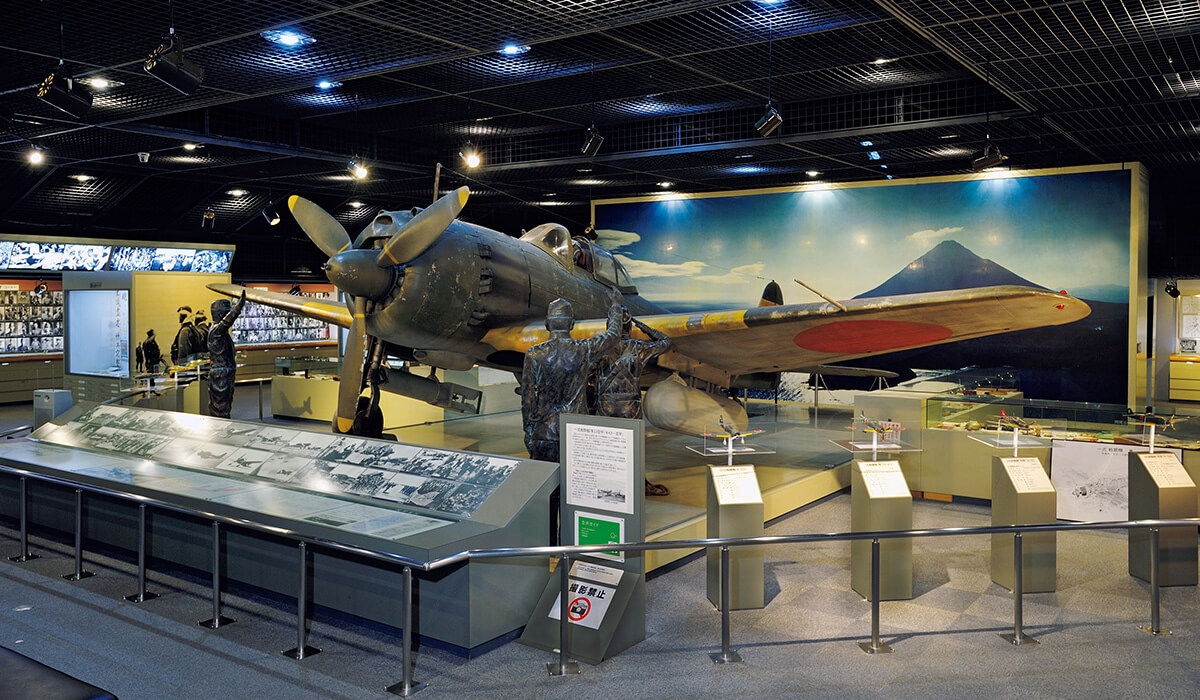
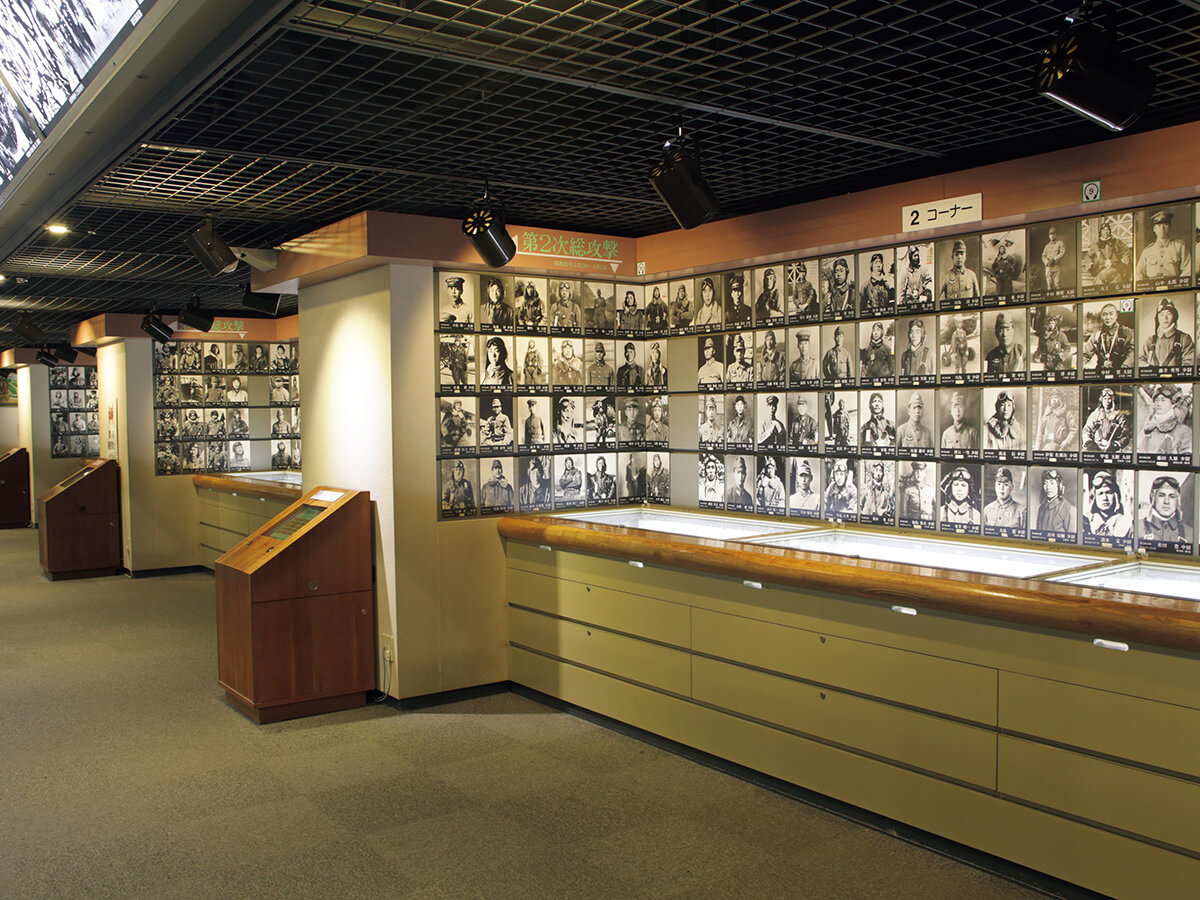
The aerial suicide mission was a life-threatening operation in which fighter planes equipped with 250 kg bombs would crash into enemy ships and sink them. There were 22 bases in Okinawa, Taiwan, and elsewhere, but Chiran, located at the southernmost tip of the mainland, had the highest number of suicide missions. Of the 1,036 total suicide mission deaths, 439, or nearly half of the total, were launched from Chiran Air Base.
The museum traces the history of the suicide attacks through approximately 6,000 items, including portraits of young kamikaze pilots, fighter planes such as "Hayabusa" and "Hayate", military uniforms, wills, and video testimonies from surviving members. There are also lectures (time-limited) by storytellers.
Himeyuri Peace Memorial Museum (Itoman City, Okinawa)
Learn about the war experiences of teenage girls
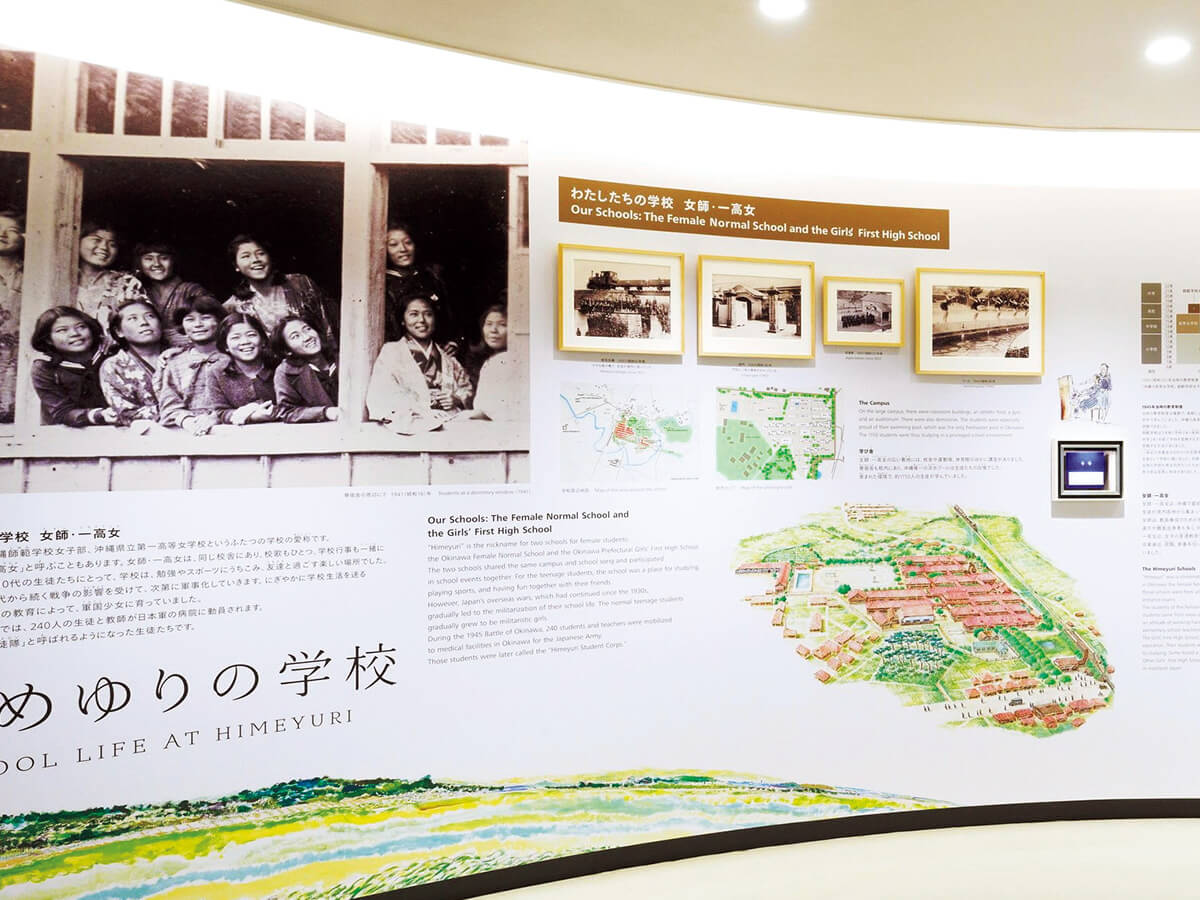
During the Battle of Okinawa at the end of the Pacific War, teenage students were also mobilized to the battlefield. The Himeyuri Student Corps consisted of 240 students and teachers from the Okinawa Normal School's women's department and Okinawa Prefectural First Girls' High School who were mobilized as nurses to work in Japanese military hospitals. 136 of them died on the battlefield.
The museum was established in 1989 by the Himeyuri Alumni Association on the grounds of the Himeyuri Monument. It conveys the Himeyuri wartime experiences through photographs, actual documents, illustrations, and video testimonies. The video testimonies of survivors are particularly worth seeing. It's a must-see when visiting the Himeyuri Monument.
Okinawa Prefectural Peace Memorial Museum (Itoman City, Okinawa)
Focusing on the horrific reality of the Battle of Okinawa
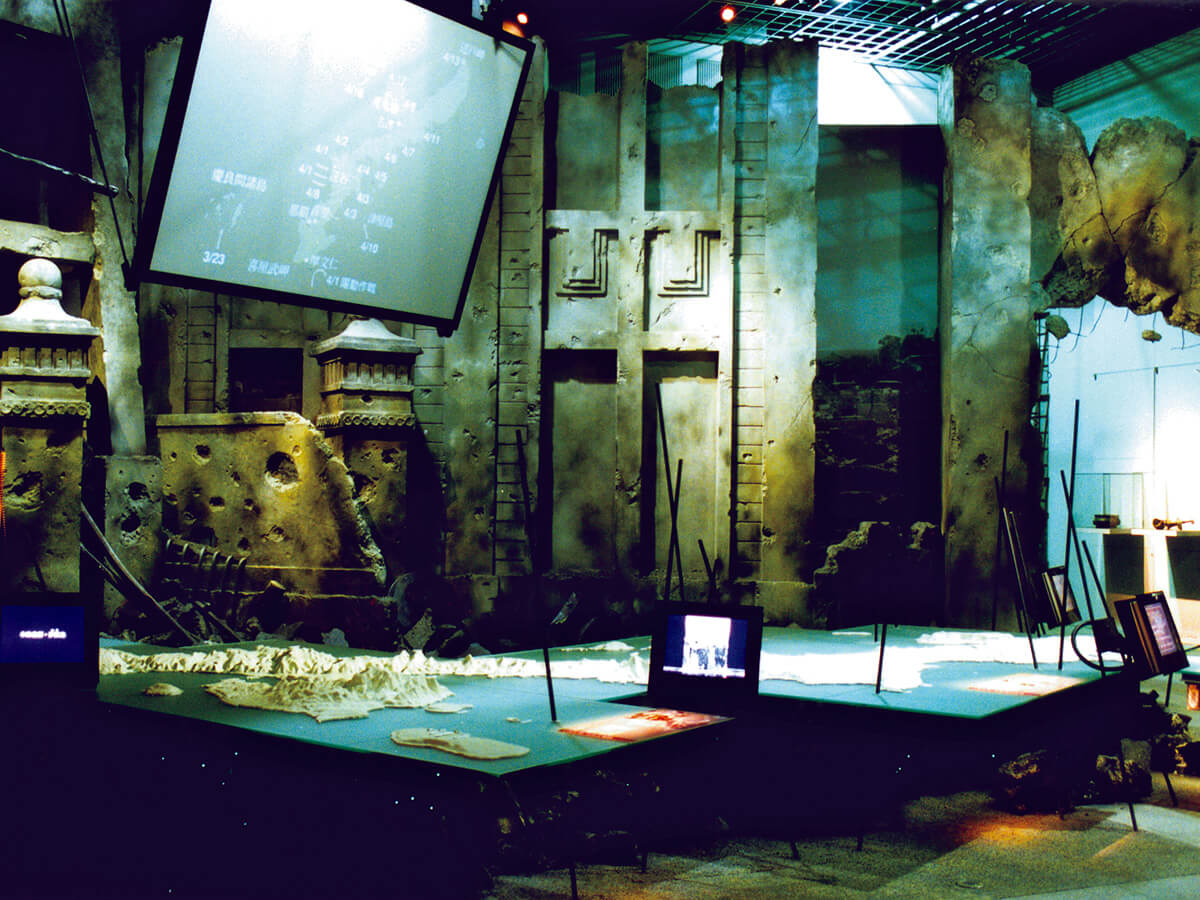
The Battle of Okinawa was the largest ground battle at the end of World War II, mobilizing the entire Okinawan population, and is notable for the fact that the number of civilian casualties outnumbered the deaths of both Japanese and American troops. The museum opened in 1975 to convey to future generations the reality of the Battle of Okinawa as experienced by the residents.
The permanent exhibition on the second floor covers the history leading up to the Battle of Okinawa, the details of the battle, the hellish battlefields, and testimonies from survivors. It also introduces the postwar American occupation and the movement for reversion to Japan, providing a deeper understanding and reflection on Okinawa and the war, as well as the issues that continue to this day.
Mugonkan Memorial Museum for Art Students Fallen in War (Ueda City, Nagano)
The soul infused into the works of young art students
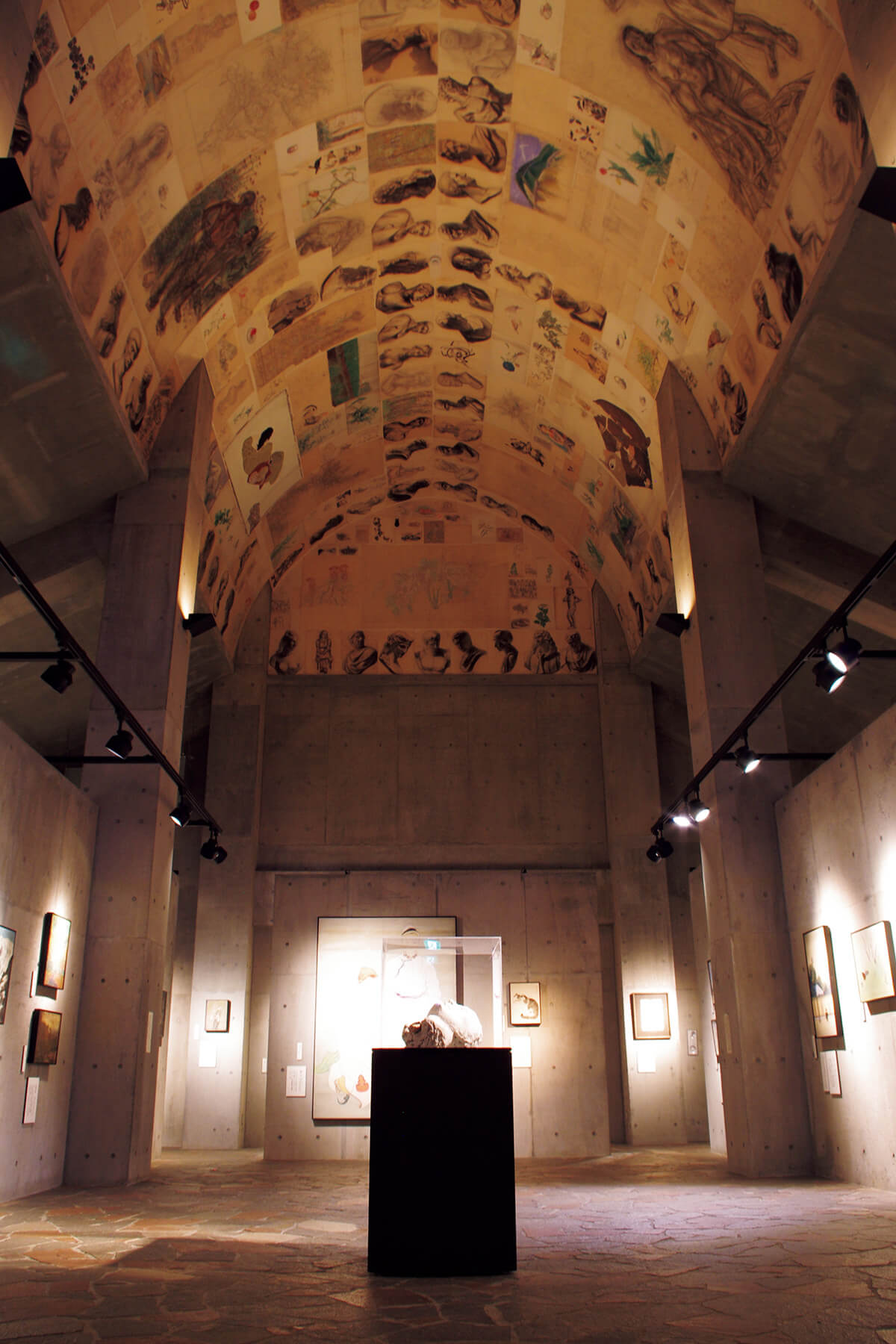
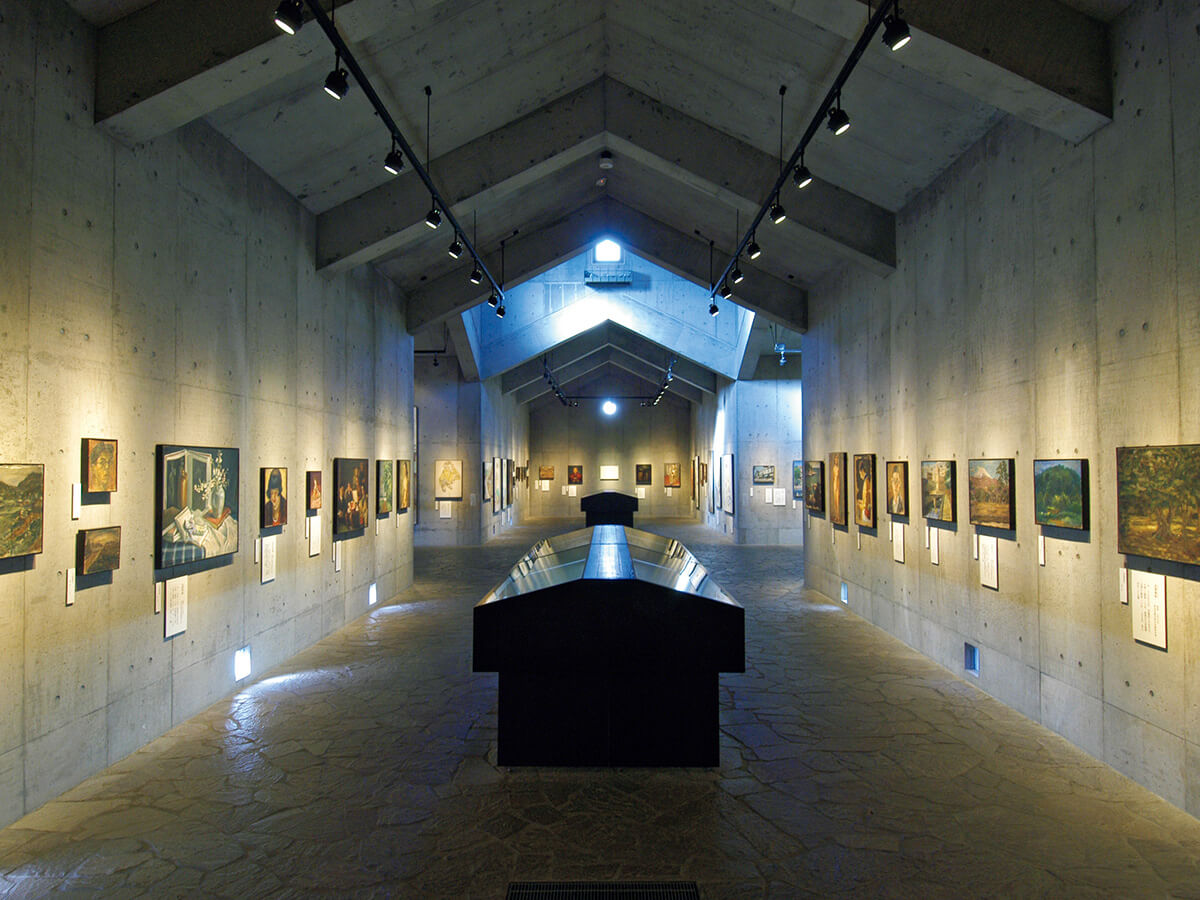
The museum was founded in 1997 by Seiichiro Kuboshima, who ran the Shinano Drawing Museum (now closed) in Ueda City, Nagano Prefecture, which exhibited works by artists who died young. He visited Nomiyama Gyoji, a painter who had served in the war, and the families of art students who died in the war all over the country to collect their posthumous works.
The exhibit features works by art students who pursued a career in art but died during the war before they could achieve their goals. The museum currently houses 900 works by 140 artists. Yayako Uchida will become co-director in June 2024. We hope to capture the pure desire to paint that overflows from the paintings.