




The anonymous research institute becomes a war museum. 80 years after the war, author Erika Kobayashi visits the Noborito Laboratory

War museums collect documents and testimonies to convey the tragedies of the harm and suffering caused by war. Writer Erika Kobayashi visits the university museum, which stands on the site of a former weapons development laboratory. Her life's work, telling the story of women, atomic bombs, and balloon bombs, is born from unraveling that history.

photo: Mie Morimoto / text: Keiko Kamijo

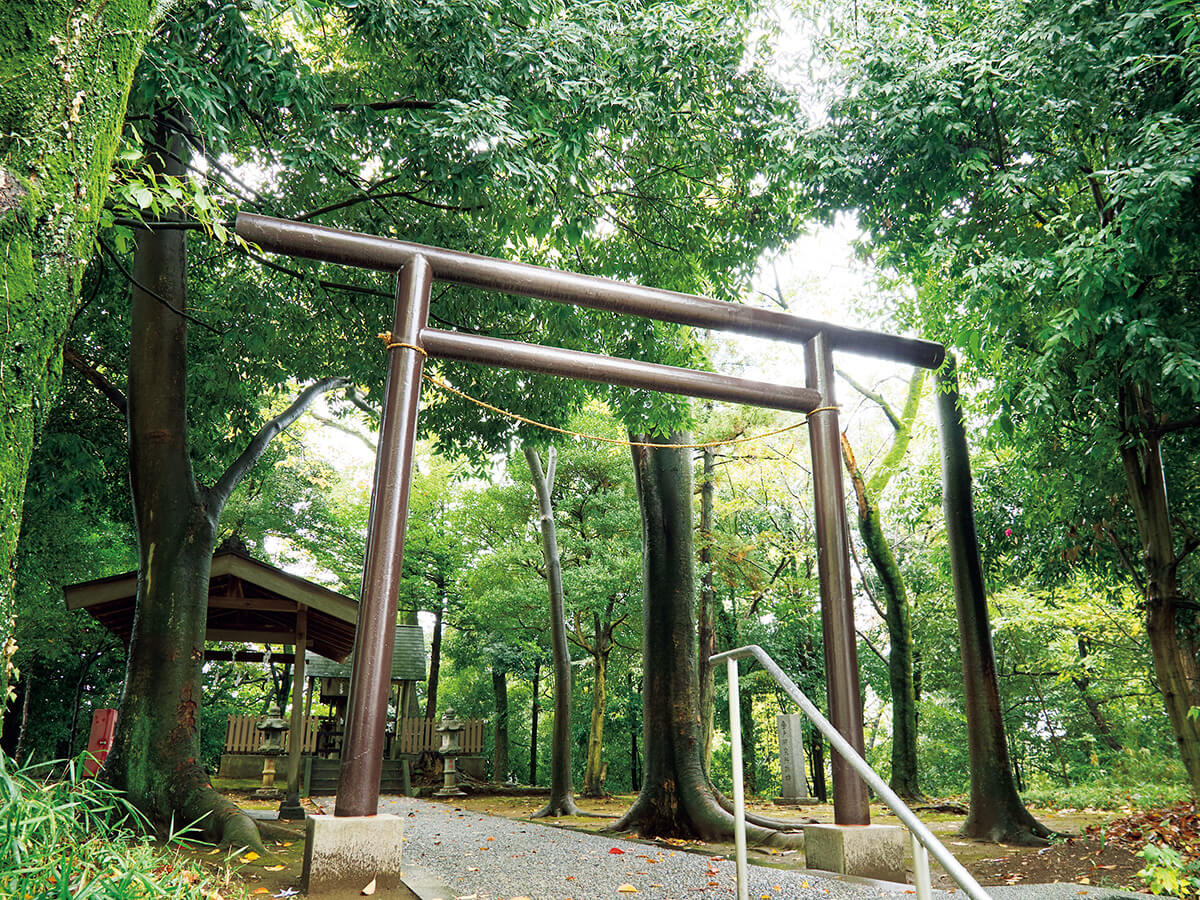
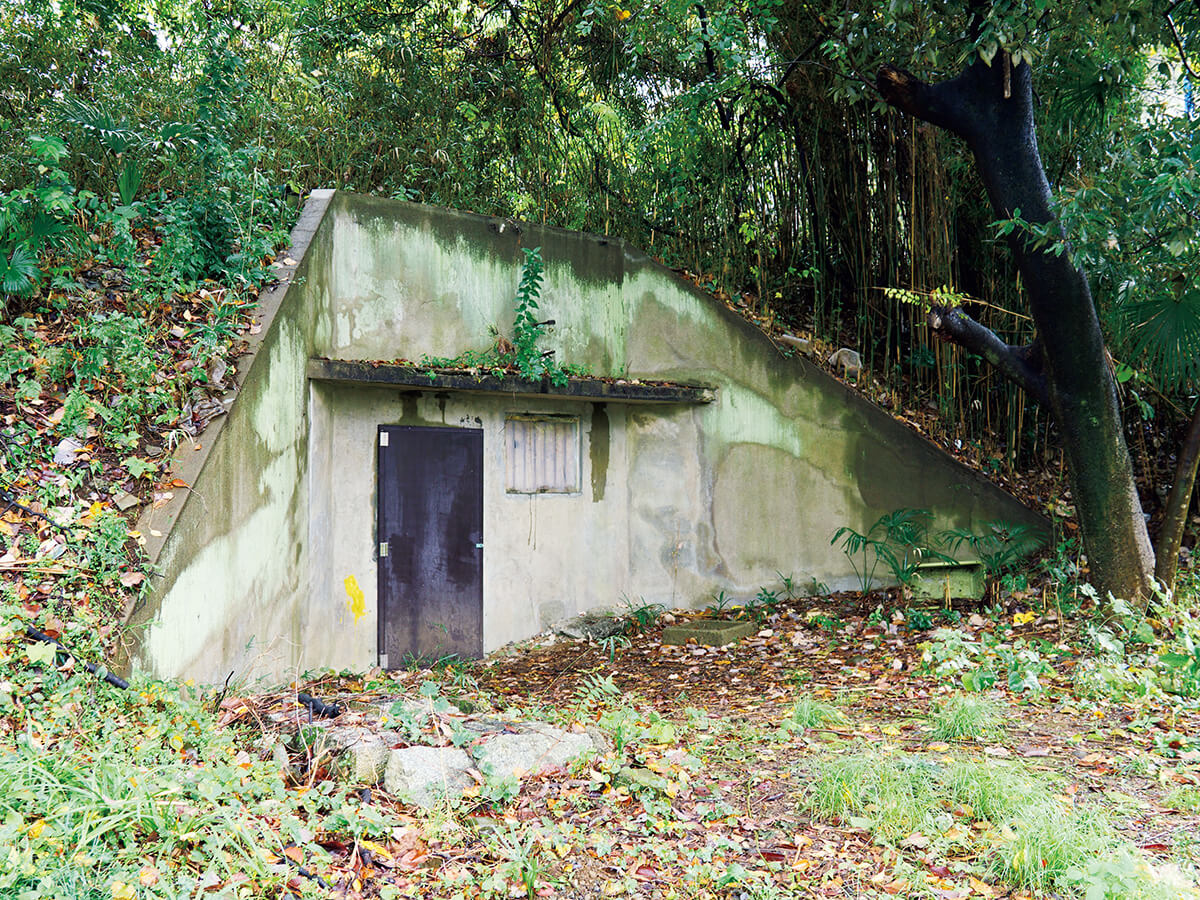
Deep inside Meiji University's Kochi Campus, the Meiji University Noborito Laboratory for Peace Education Museum sits quietly. Noborito Laboratory was established by the Imperial Japanese Army before the war, and its official name was the 9th Army Technical Research Institute. However, because its activities were top secret related to the secret war, it was given the code name Noborito Laboratory.

The museum preserves and opens to the public the building where the Second Department was located. I visited the museum with Erika Kobayashi author of "Girls Make Balloon Bombs" (Bungeishunju), a novel that tells the story of the secretly developed balloon bomb production there from the perspective of the girls who worked on it.

"I visited the place even before I wrote the novel, looked at documents, and listened to what people had to say. This is where the research institute actually stood, and the building is the same one that was used at the time. When I come here, I can get a sense of what people were thinking at the time," says Kobayashi.

Secret warfare is about intrigue and propaganda. This research institute researched and developed weapons and equipment for espionage activities. Therefore, after the war, most of the research materials were disposed of, and those involved kept quiet.

Why was this secret research facility opened to the public as a university museum? There, we met a teacher who steadily continued his peace education activities, a high school student who took notes to find out what happened, and a former staff member who, despite feeling guilty, spoke out in the hope of passing on what they had done to the future.

The Noborito Laboratory Institute was located on a vast site of 330,000 square meters, and at its peak had over 100 buildings, with approximately 1,000 people working there, divided into three departments, a factory, and an administrative office.

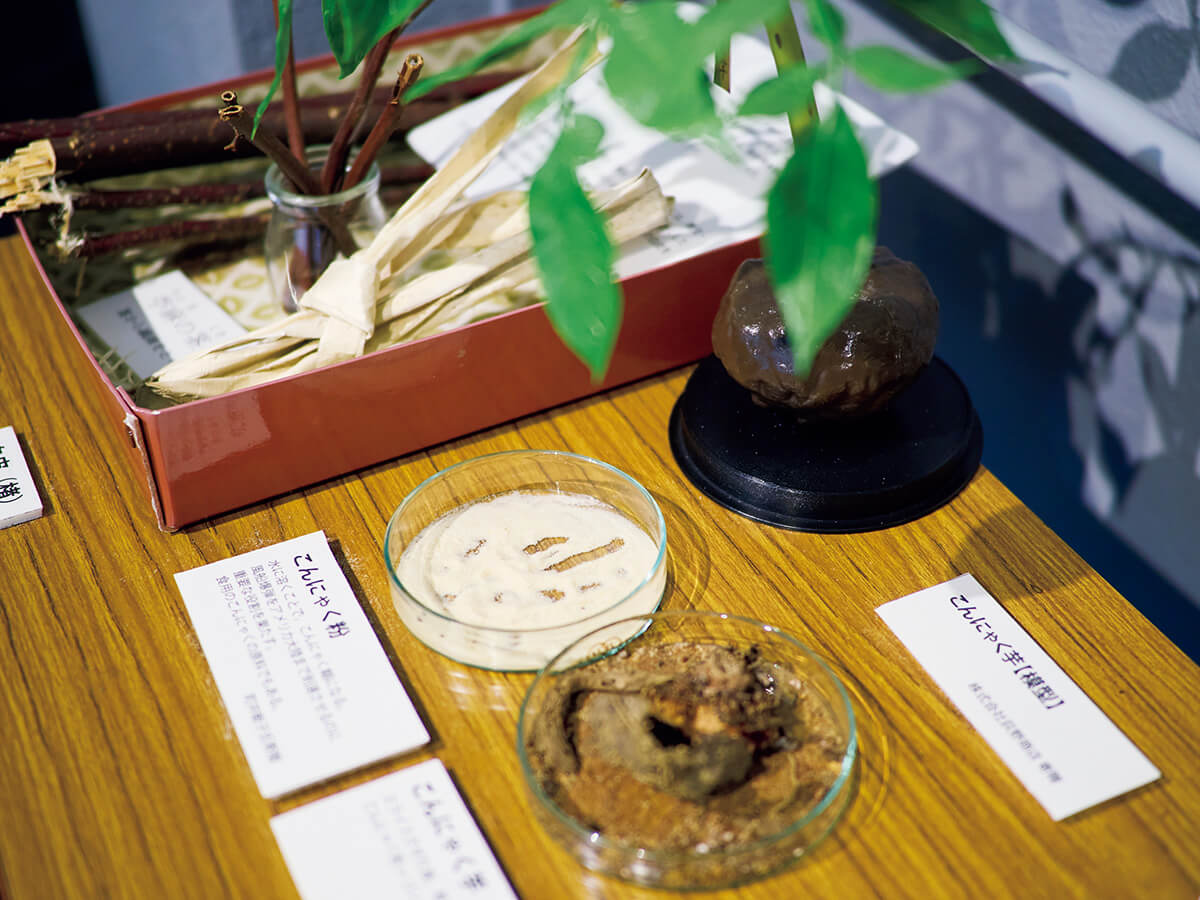
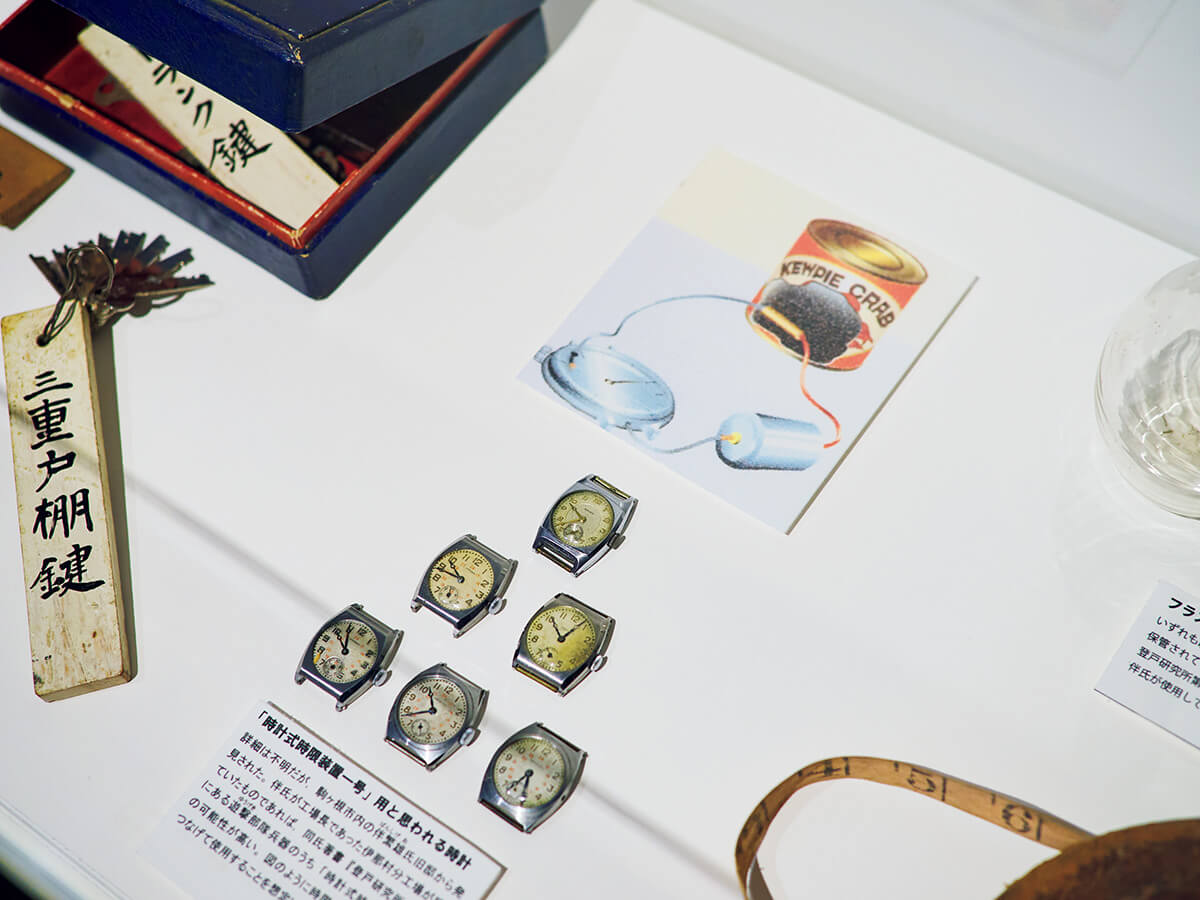
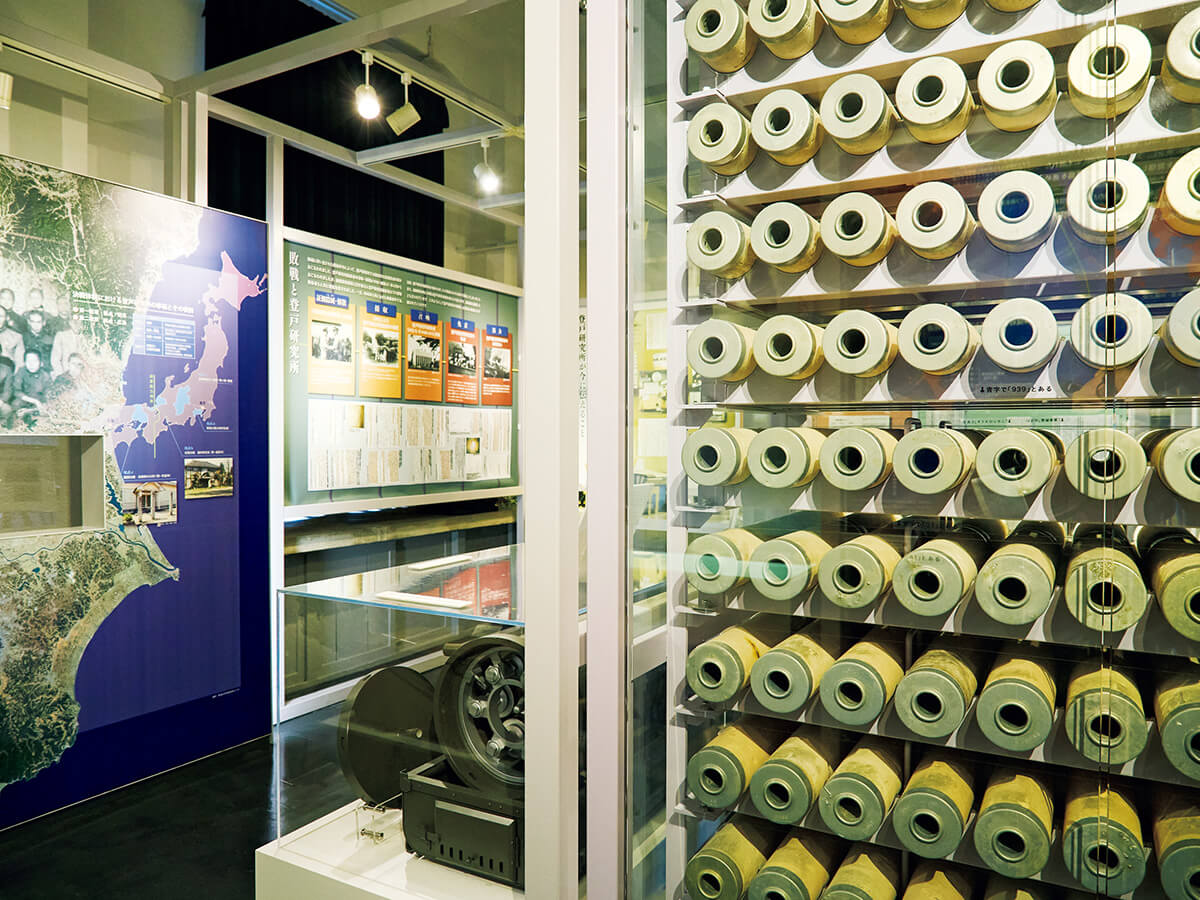
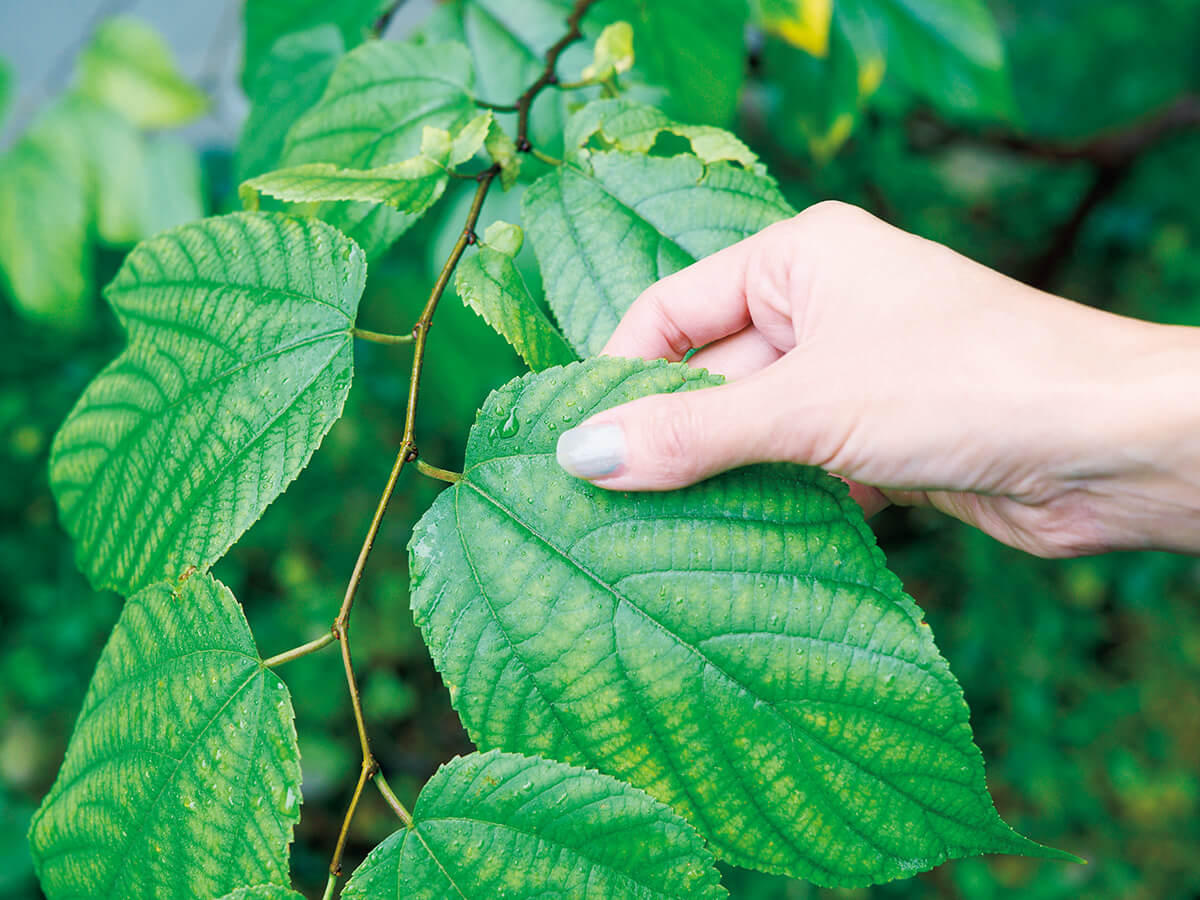
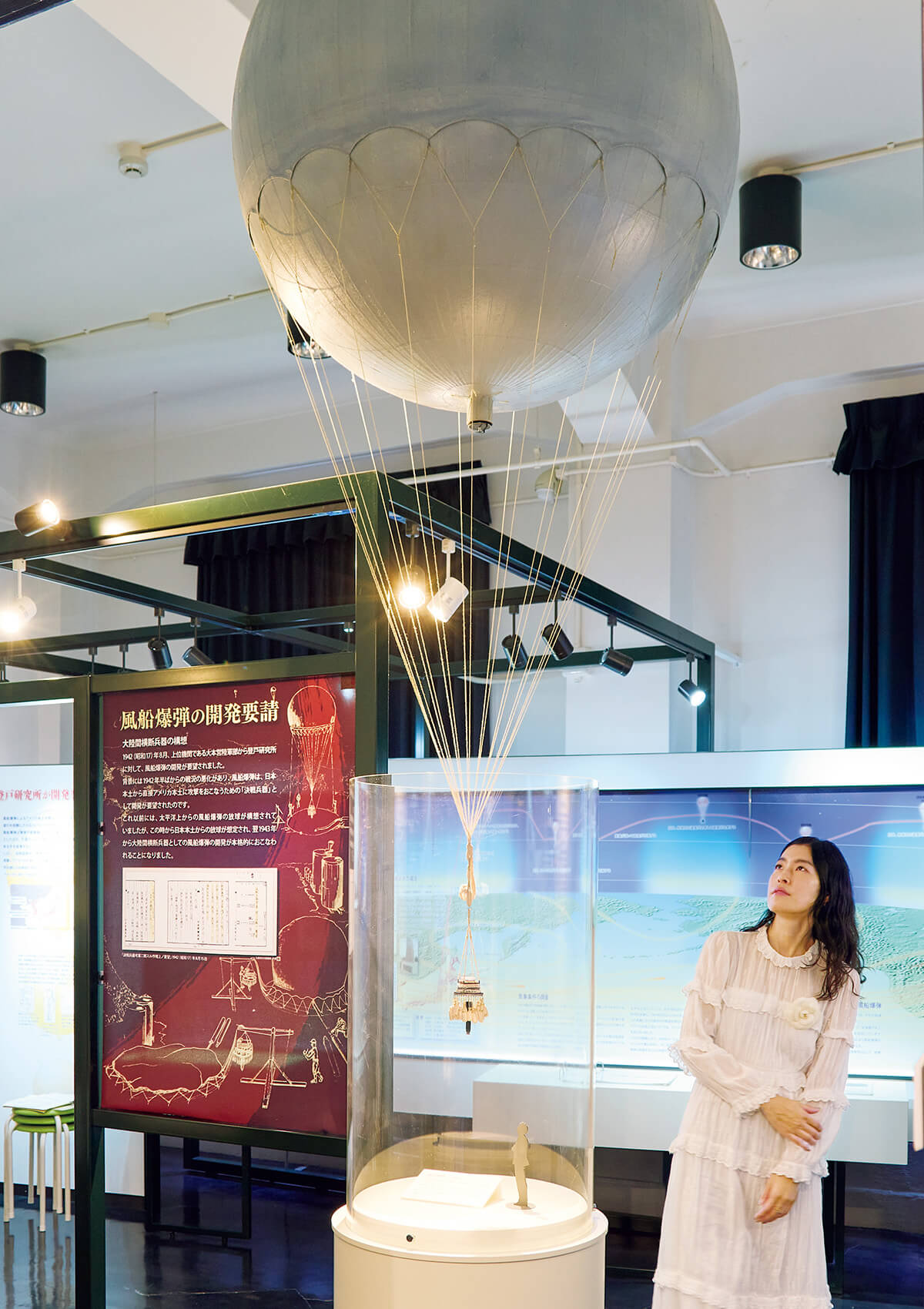
The first department was mainly involved with physics, and was responsible for wireless communication devices, radio wave beams, balloon bombs, and superhuman beams. Of these, the one that was put to practical use was the "balloon bomb." It was a balloon with a diameter of about 10 meters made from kozo washi paper pasted together with konjac paste, and was equipped with an altitude maintenance device, incendiary bombs, and a bomb. The balloon bombs were all handmade, starting with growing the raw materials such as konjac yam and kozo. The washi paper was made, the glue was made, and the balloons were pasted together by hand. The exhibition room displays washi paper recreated based on documents, and visitors can touch the real thing.

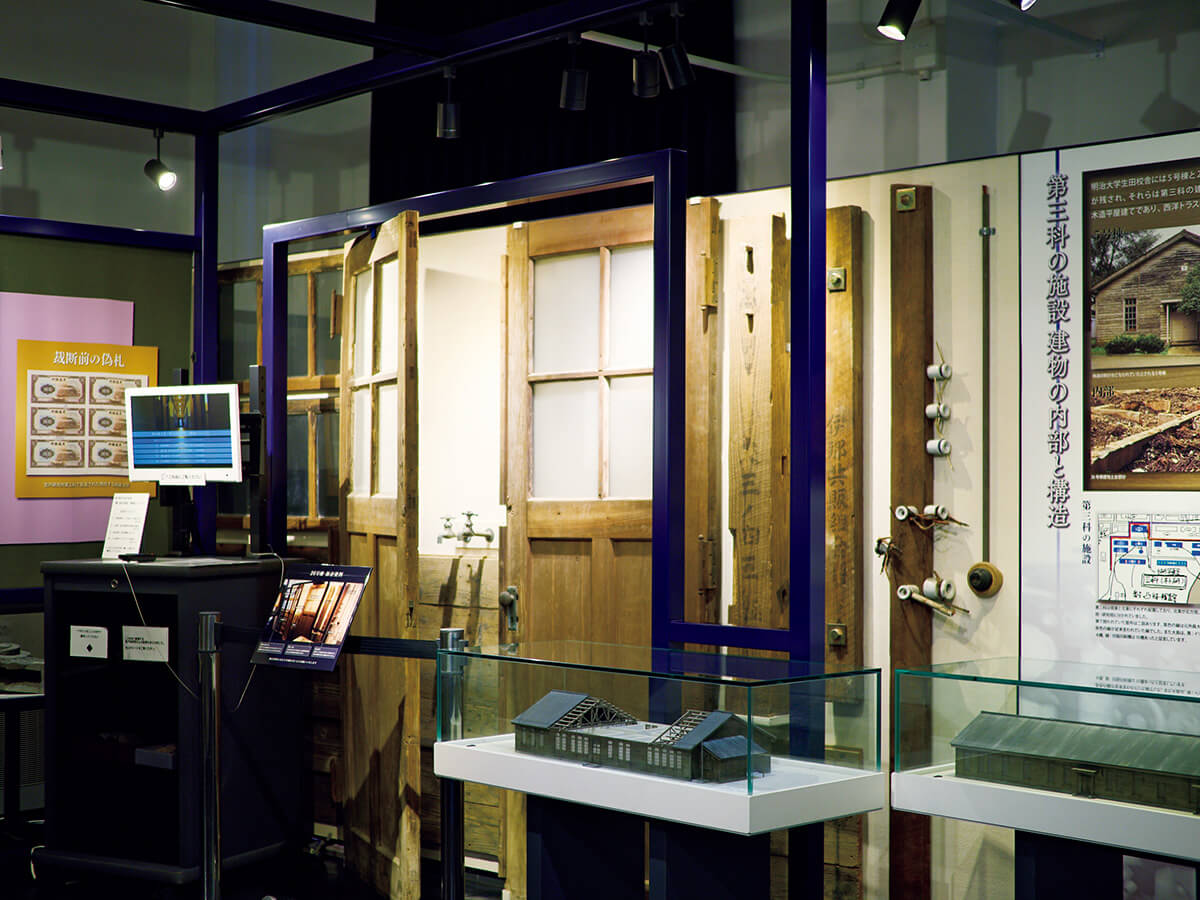
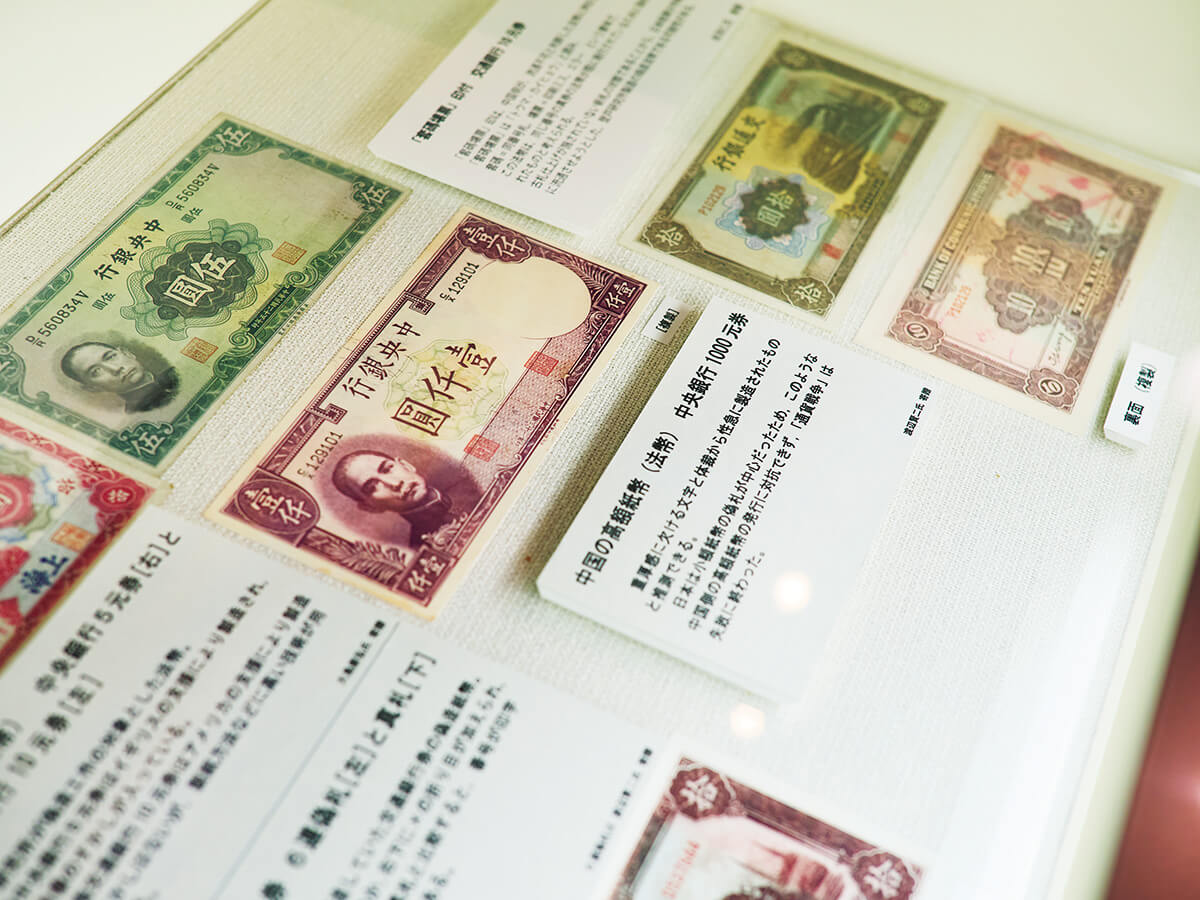
The second department studied chemical weapons in general, poisons, biological weapons, etc. The third department studied counterfeiting of money and passports for economic subversive operations.

Activities by high school students and local residents unearth the history of the institute

After Japan's defeat in the war, the documents were disposed of and the Noborito Laboratory was closed. From around 1950, former staff members began to speak about the inner workings of the institute in magazines and other publications, and it was also featured in an NHK program.

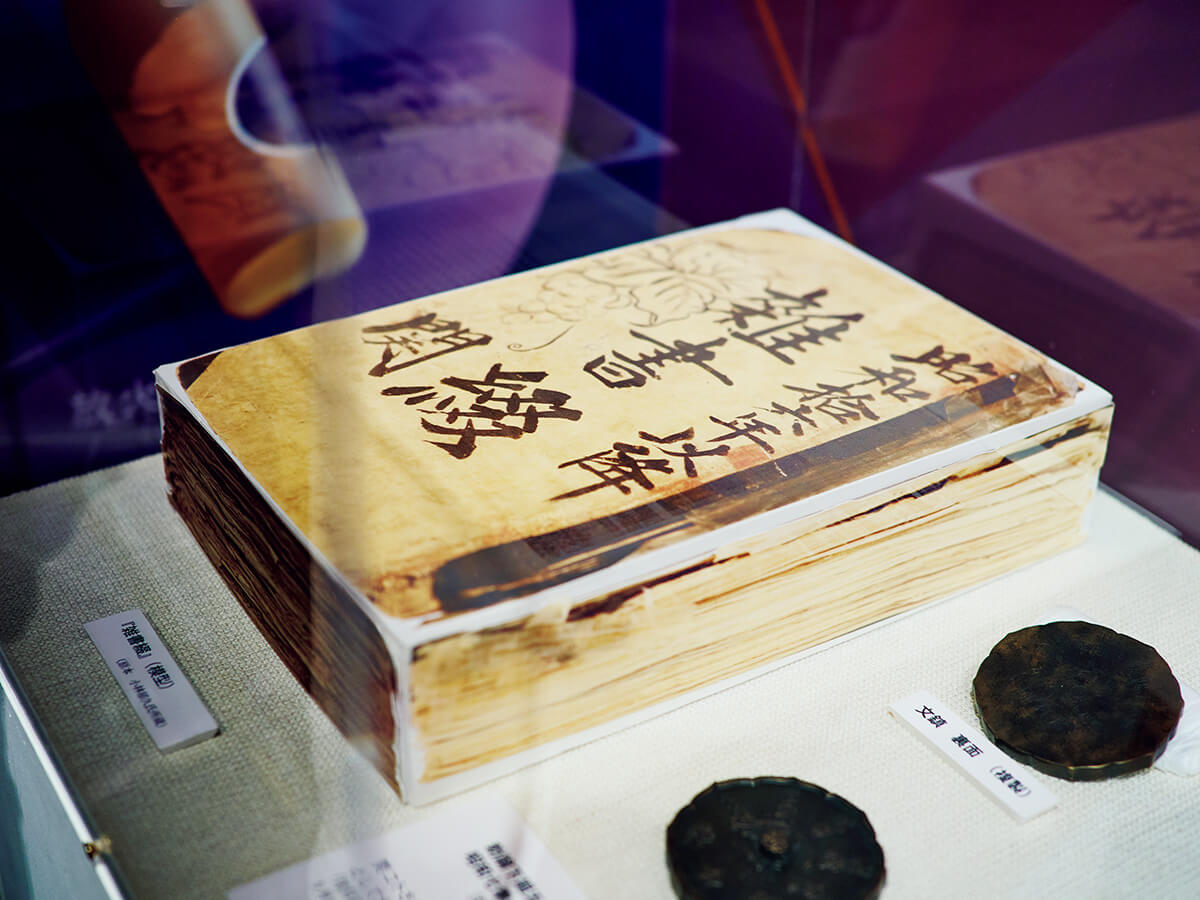
Excavation of the research institute by Kawasaki residents began around 1982. Local historians and residents recorded the former site and began holding tours of the surrounding area. Then, in 1985, "Peace Education Classes" were launched in Kawasaki City. Through the activities of high school students, the first-class document "Zatsusho Tsuzuri" was provided, which was the deciding factor in establishing the museum.

"A young girl who once worked as a Japanese typist at our Army Noborito Laboratory secretly brought home over 900 sheets of typed paper that she was unable to burn when our war ended and treasured. She handed them over to a teacher in this city of Kawasaki who was conducting a peace education class with her students at a local high school." (From "Girls Make Balloon Bombs")

The girl's name was Seki Koto. She was 15 years old at the time and enrolled in the second department, where she studied Japanese typing. To check her own improvement in skills, she was allowed to copy one document per day, which she would ask the guard to let her take home. Although she didn't know what was written on them, they were treasured by the girl. These documents were the first step in revealing the true nature of Noborito Laboratory.

Inheriting the history of aggression and linking it to a peaceful future

"Without these activities, Zatsusho Tsuzuru might have been disposed of. I think it was a truly miraculous series of events that made this museum possible. We must not forget that Professor Watanabe Kenji, who received the materials, took high school students on walks around the institute almost every month," says Kobayashi.

After that, despite many twists and turns, including negotiations with Meiji University, the museum opened in 2010. Professor Watanabe and his colleagues, who have been active for over 30 years, were especially moved. Curator Yuriko Tsukamoto still conducts interviews about the institute.

"Now that we have a place where we can preserve our memories through the ages, many former staff members come and talk to us. The museum has also become a place where people living after the war can unleash the burden they carry with them, harboring feelings of guilt over their involvement in the aggression."

The "tours" held twice a month by museum director Akira Yamada and Professor Kenji Watanabe alternately are so popular that they fill up quickly every month. If you have read Kobayashi's novel, it will be even more moving.

This museum has meticulously researched the unknown aspects of the war and shed light on the history of aggression. It is a wonderful place to reflect on what happened at the time, at the site of the research institute.

Interior of the Meiji University Noborito Laboratory Peace Education Museum, Kanagawa
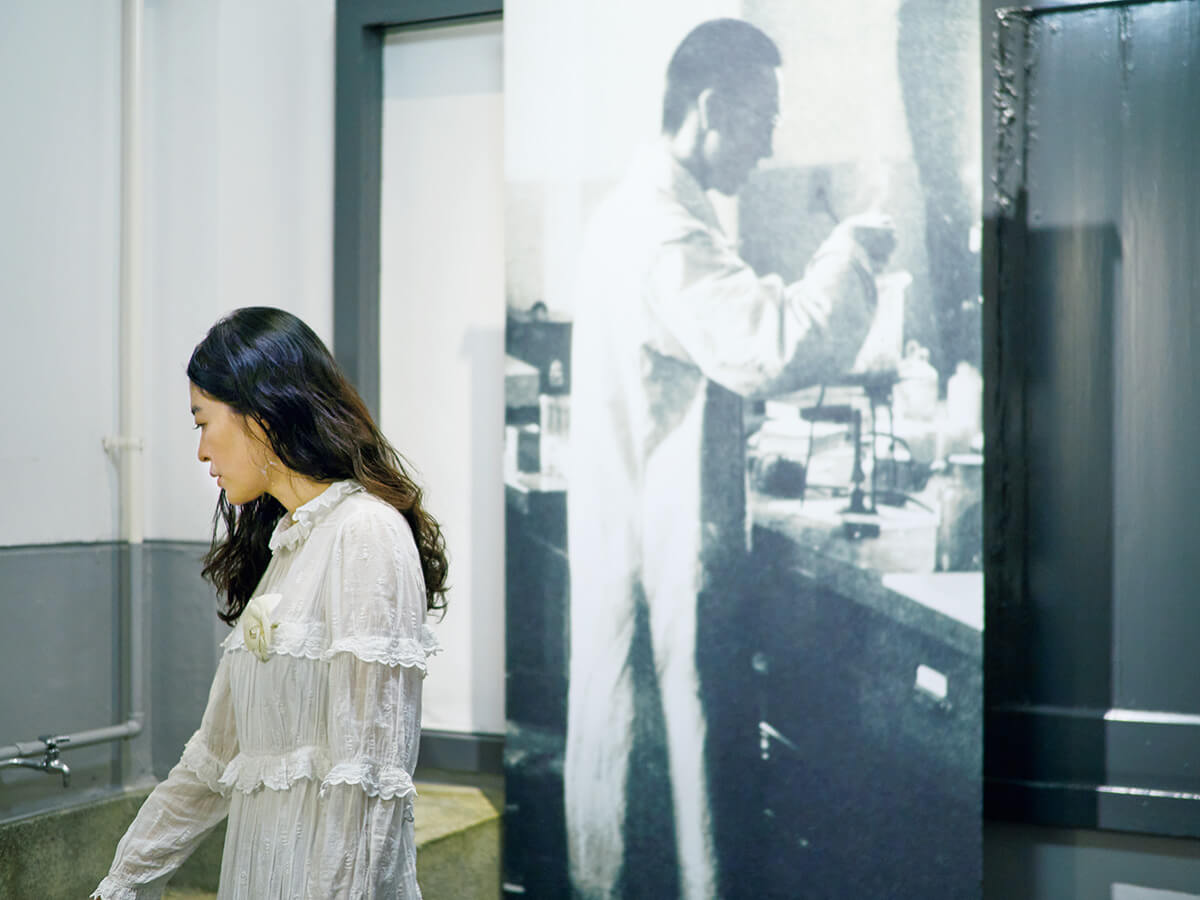
Kobayashi gazes at a 1/10 scale model of a balloon bomb, commonly known as "Fu-go," in the museum's "First Department Room." The actual size was about 10 meters in diameter.

What's under this ground

Text and illustrations by Erika Kobayashi

Girls are gathered together to make giant balloons by pasting together pieces of washi paper with konnyaku glue. The setting is the Tokyo Takarazuka Theater in Yurakucho. The coveted Takarazuka Revue has been turned into a factory. The girls work there instead of studying. They secretly give nicknames to their teachers and soldiers, laugh together, and sing "Wild Rose" during lunch breaks. Soon, the city of Yurakucho is also bombed, and two classmates are killed.

I was shocked to read about the events that took place during the war in Tokyo, Japan, where I was born and raised. The war I knew was all about the devastation of air raids and hunger due to food shortages, so I couldn't really imagine things like entrance exams and menstruation that continued even in the midst of all that.

To begin with, the events of World War II that I read about in textbooks and history books were dominated by men, such as politicians and soldiers. And even when girls appeared, they were usually portrayed as tragic victims of the war. But were girls really just pitiable, powerless beings?

The giant balloons made by the girls were filled with hydrogen, bombs were attached, and they were released from the Pacific coast toward America. Approximately 9,600 balloons were released, and carried by the westerly winds across the Pacific Ocean in about two days, with approximately 1,000 reaching the American mainland. These were balloon bombs, or "Fu-go" weapons.

One of the bombs fell into the woods in Bly, Oregon, killing five Sunday school students and a pregnant woman married to a pastor, the only casualties on American soil during World War II.

Another bomb struck power lines near the Hanford Site, where plutonium was being refined for the core of an atomic bomb as part of the Manhattan Project, causing a power outage that shut down the reactor and is said to have delayed the production of the atomic bomb by three days (incidentally, a plutonium-based atomic bomb was dropped on Nagasaki, and its primary target was Kokura Arsenal, which manufactured balloon bombs).

By the way, there were a few encounters that led me to learn about the existence of balloon bombs. One was when my mother heard about it and told me that a sister who was giving a Bible lecture at a parent-teacher meeting at the Catholic school I attended had once made balloon bombs at the Tokyo Takarazuka Theater.

The other reason is that I learned about the Hanford Site incident while writing manga and novels about the history of nuclear weapons over the years, and also visited Okunoshima.

Okunoshima, commonly known as Rabbit Island, is an island in the Seto Inland Sea that became a hot topic after YouTuber Hikakin was seen frolicking with a large number of rabbits in an abandoned building. Just when I was drawing about poison gas in my manga "Children of Light," a friend living in Onomichi sent me a postcard informing me about an island in Japan that also produced poison gas.

By the way, poison gas was developed during World War I by a scientist at the Kaiser Wilhelm Institute in Berlin, Germany, but the research into it and its distribution on the battlefield also involved a man who was researching radioactivity at the same institute (and was a research partner of Lise Meitner, who later discovered nuclear fission), so that's what I was depicting.

So, on my visit to Okunoshima, while admiring the rabbits and touring the small Poison Gas Museum, I learned that balloon bombs were also made on the same island. I also learned that they were made by young girls.

In addition, I learned that a young girl who once worked on the island, producing poison gas and balloon bombs, was mobilized to provide relief in Hiroshima after the atomic bomb was dropped and was exposed to radiation when she entered the city (the details are in the art book "Okunoshima: Stories of Mobilized Students" by Okada Reiko, a girl who once worked there; the illustrations are wonderful!).

So, after returning to Tokyo, I began researching balloon bombs, and eventually discovered the existence of Noborito Laboratory, which had developed them, and so I went to visit the Meiji University Noborito Laboratory for Peace Education Museum.

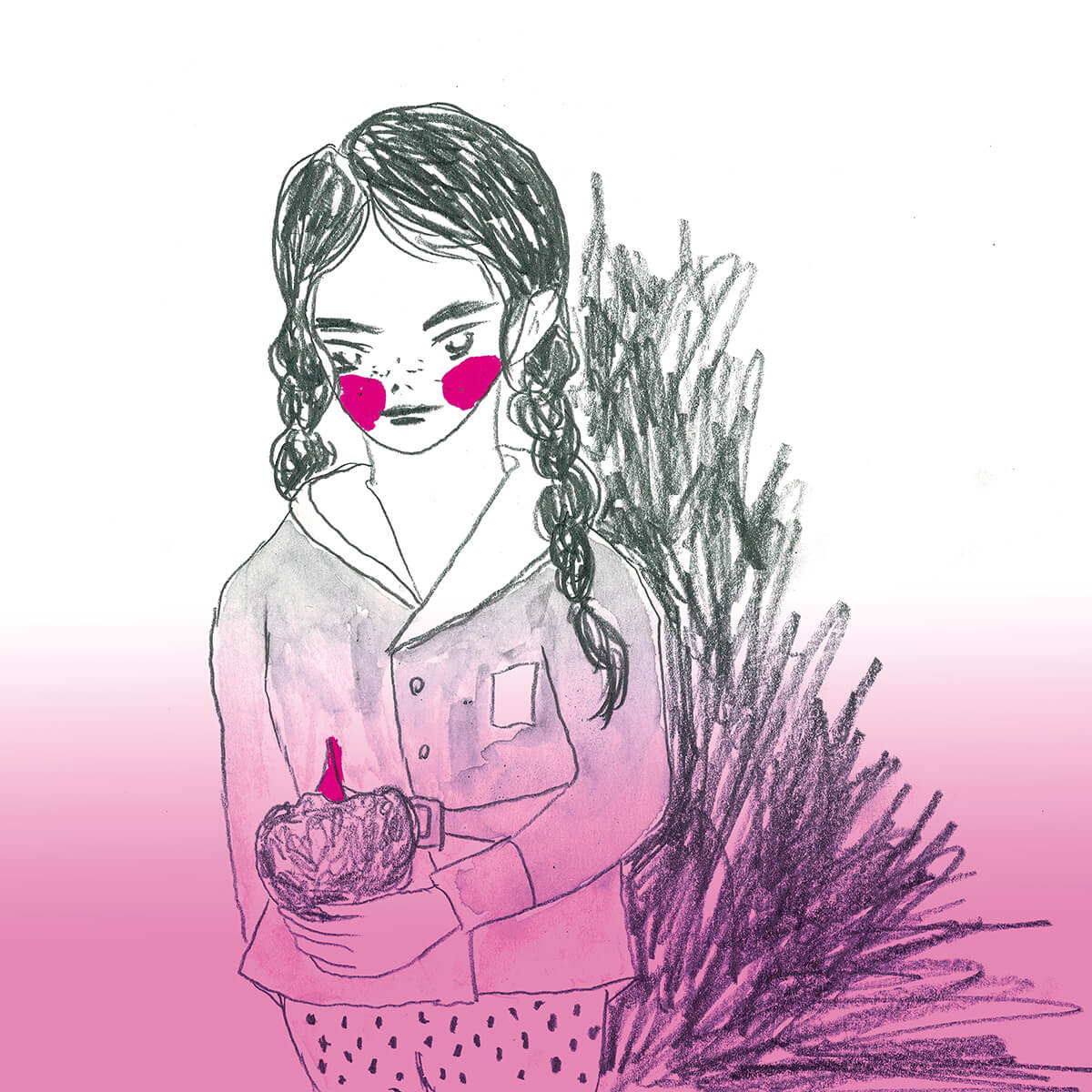
Illustration Erika Kobayashi

I walk in front of the Tokyo Takarazuka Theater in Yurakucho, along the dock deck of Okunoshima, along the road where Hiroshima's trams run, and through the university campus in Noborito.

Now I walk on this ground. It is a path where girls once walked chatting with their friends, a path where girls once walked with swollen, frostbitten hands, a path where girls once died and were carried away, a path where girls once walked when they were no longer girls.

When the war ended and we were defeated, we burned and buried all the documents we had collected up until then. We filled up the air raid shelters. We buried the rubble of destroyed houses and buildings.

Brand new roads and new buildings will be built there. One by one, girls will die, and many things will be forgotten. But what was once there will never be forgotten. Just as the lives of each and every girl who walked there will never be forgotten.

Archives, museums, monuments, and each individual one of them are trying to preserve what was once there. I rely on this as I continue walking.

SHARE ON

FEATURED MOVIES
Featured Videos

BRUTUS
OFFICIAL SNS
Brutus Official SNS

FEATURED MOVIES
Featured Videos