









Saito Soma traces his roots and visits the father of his masterpiece at the Osamu Tezuka Museum in Takarazuka, Hyogo

Osamu Tezuka continues to be respected and loved as the god of manga. Although we are well aware of his incredible achievements, we wanted to explore his accomplishments once again, so we went to the Takarazuka City Osamu Tezuka Museum with Saito Soma. Reuniting with his beloved works was also a journey to trace his own roots.

photo: Kenta Aminaka / hair & make: Shizuka Kimoto / text: Ikuko Hyodo, Soma Saito

Tracing the path from the dawn to the present

"There are almost no Japanese people who don't know about Astro Boy. Isn't that really amazing?" muttered Saito Soma. Astro Boy was Japan's first TV anime series. It was there that Saito's career as a voice actor began. And one of his favorite Tezuka works is Phoenix. The words "truly amazing" are surely filled with many emotions.

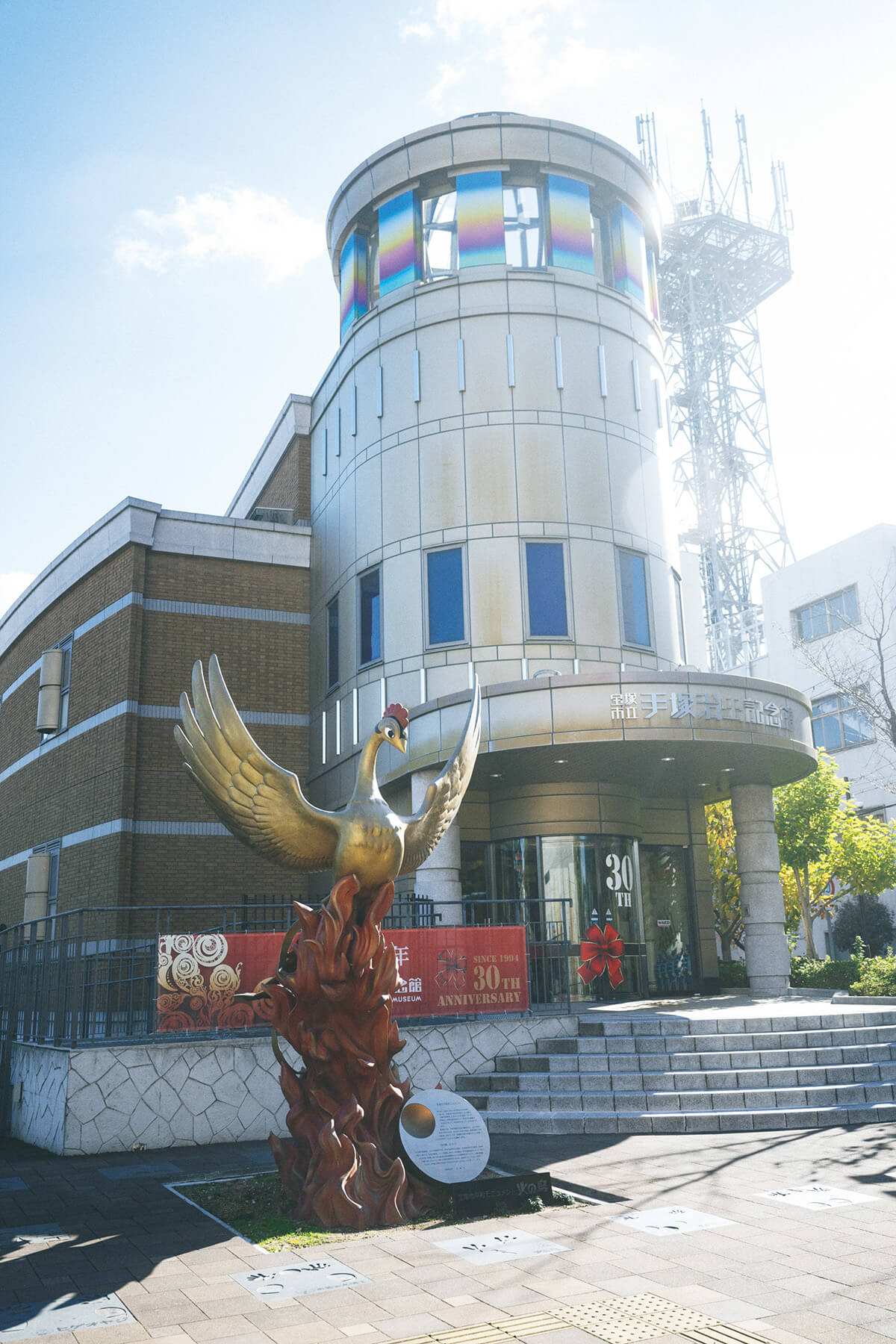
We visited the Takarazuka Municipal Osamu Tezuka Manga Museum in Hyogo Prefecture. Tezuka, who was born in Toyonaka City, Osaka Prefecture, spent his time in Takarazuka from the age of 5 to 24. Near the museum is the Takarazuka Grand Theater, home of the Takarazuka Revue, and is lined with large commercial facilities and apartment buildings. However, while Takarazuka exudes a modern atmosphere, it seems that in the past it was a much greener, more idyllic place than it is today.

In this place, where he could experience both rich nature and culture, young Tezuka chased his favorite insects, became acquainted with the fantasy of opera, imagined futuristic cities, and experienced the horrors of war, all while cultivating the foundations of his career as a manga artist. Director Mizuno Yasushi explains the origins of the museum as follows:

"Because he was such a great manga artist, various places related to him put their hands up as potential locations for the museum. And, taking into consideration the wishes of his family, it was decided to build it in Takarazuka, which he loved and considered his 'spiritual hometown.'"

The Osamu Tezuka Manga Museum, which opened in 1994, five years after his death, will celebrate its 30th anniversary in 2024. Furthermore, "Phoenix," which Tezuka considered his life's work, is also receiving increasing attention as it celebrates its 70th anniversary since its serialization began. This is the perfect time to look back on his achievements while celebrating the anniversary.

The rich expressions of the letters and lines can only be felt when viewed up close

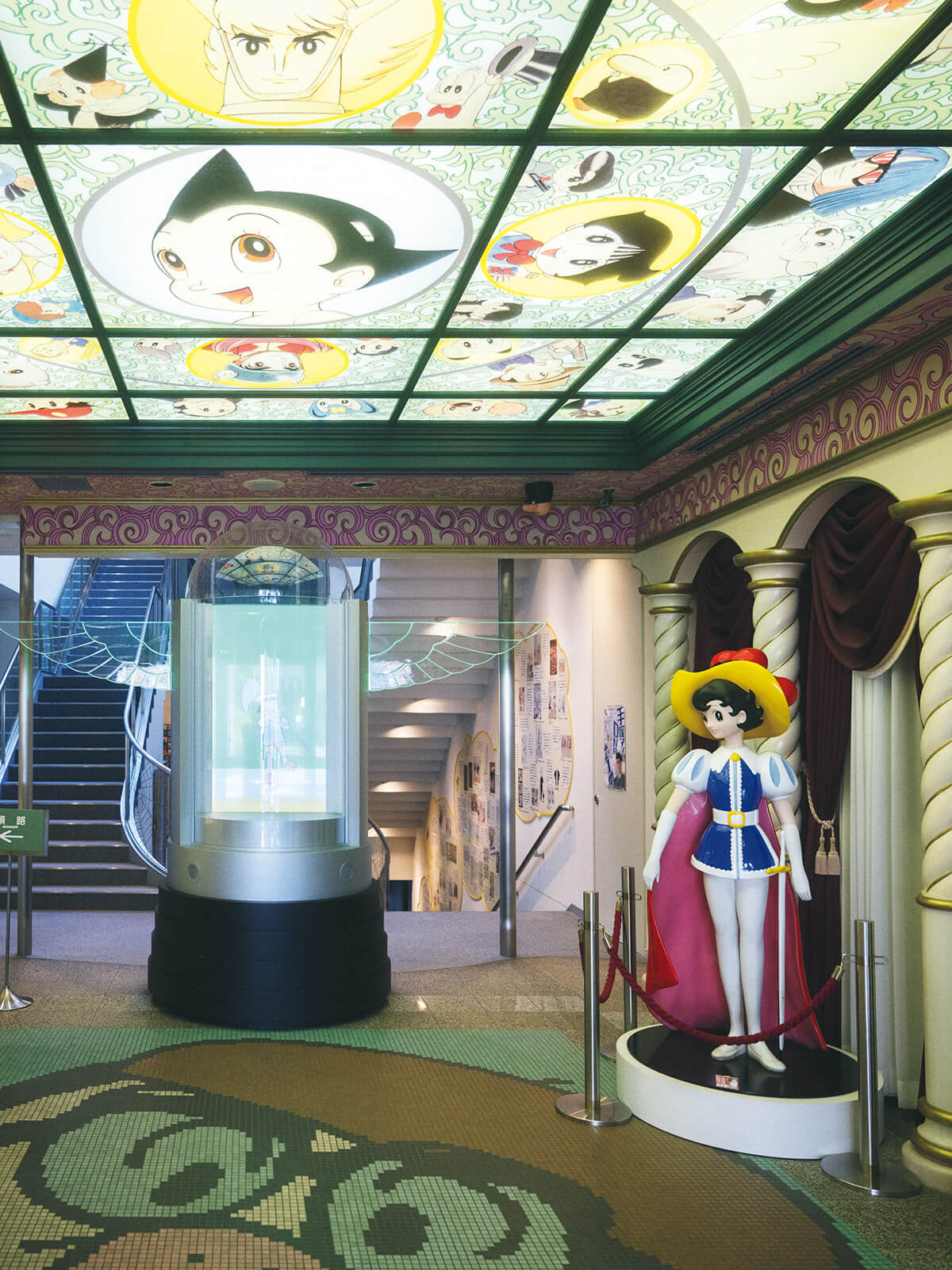
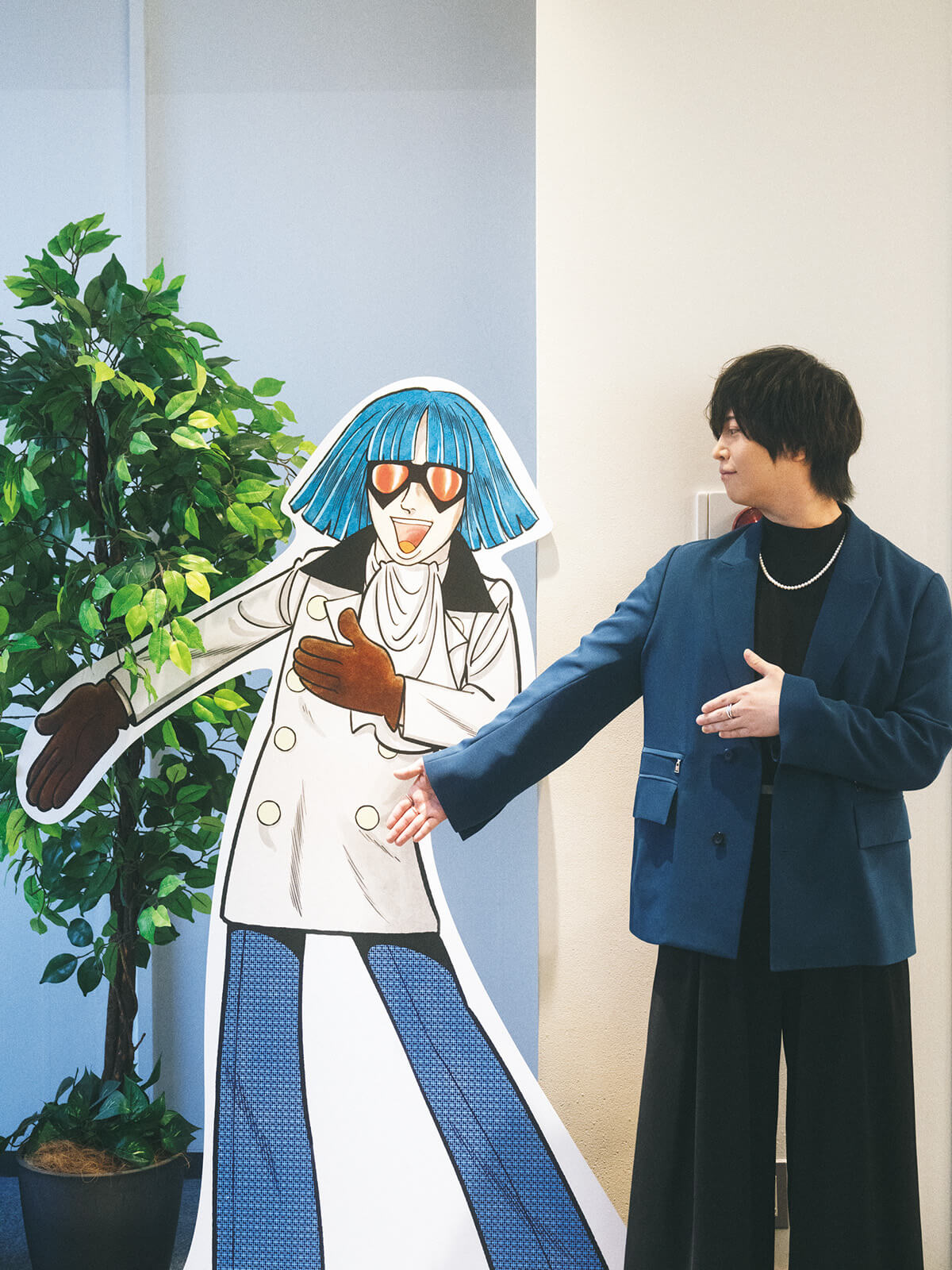
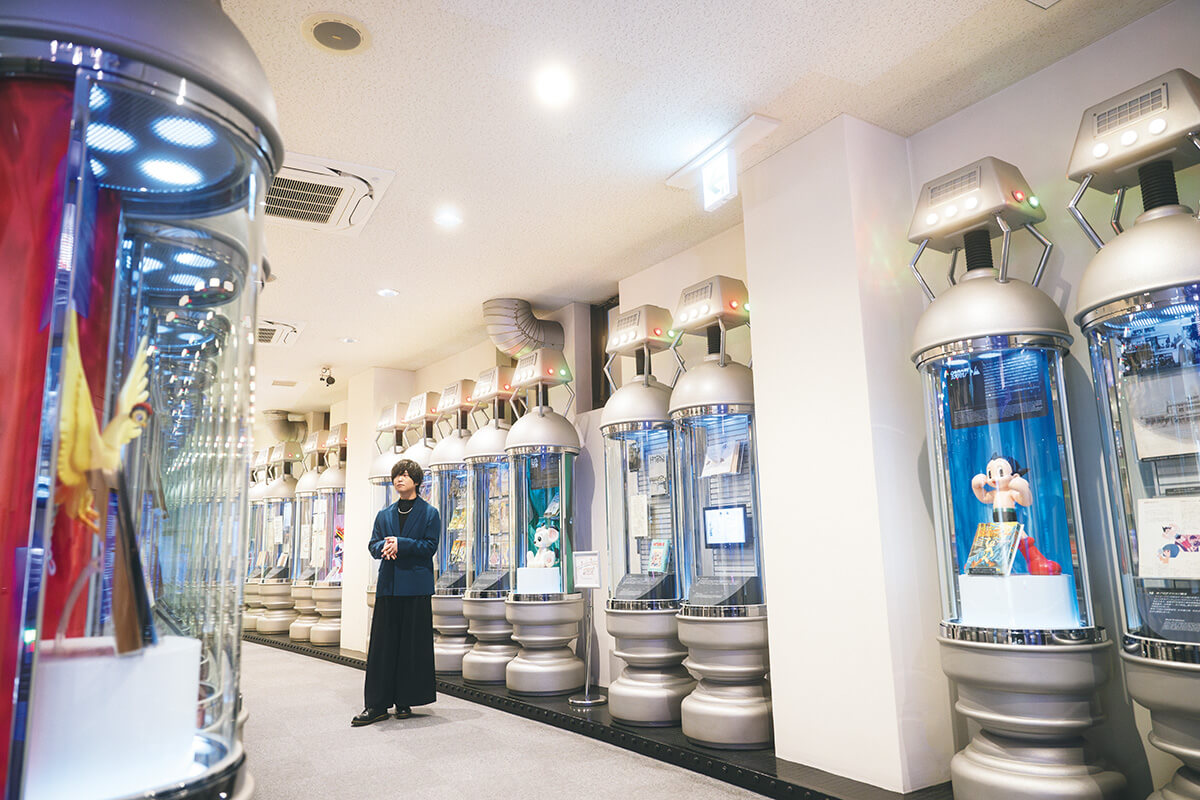
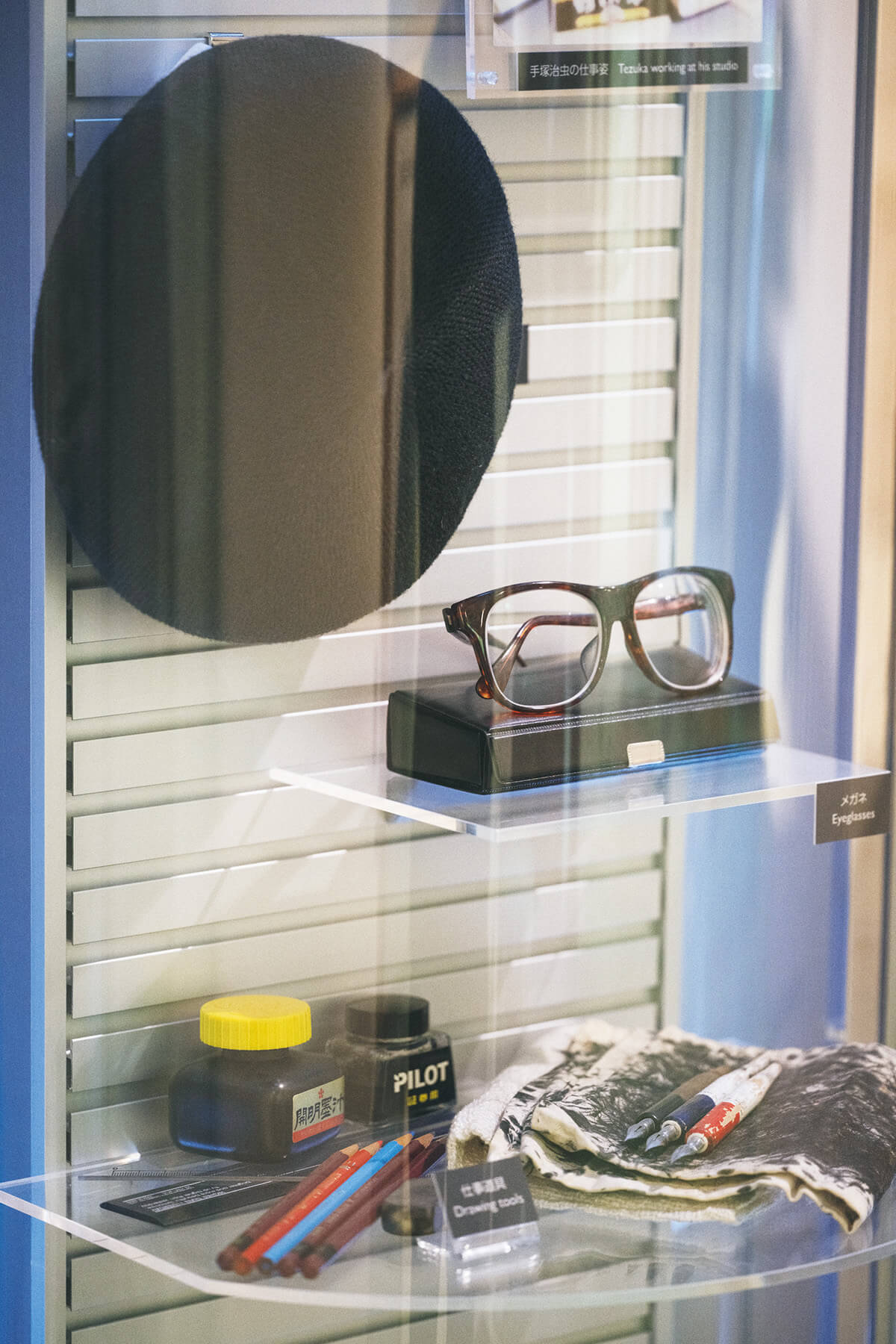
Passing through the entrance where familiar characters welcome you, you'll immediately be captivated by the permanent exhibition on your left. Rows of capsule-shaped showcases are modeled after the life support devices that appear in "Phoenix: Future Chapter." Inside the capsules where Dr. Saruta attempted to revive extinct animals are stored items related to his work, such as his trademark beret, a well-worn pen, and his medical degree.

It's a playful production, as we can vividly feel the existence of Tezuka, who is called the god of manga, through a life support machine. Saito is fascinated by the capsule with the theme of "hand-drawn characters."

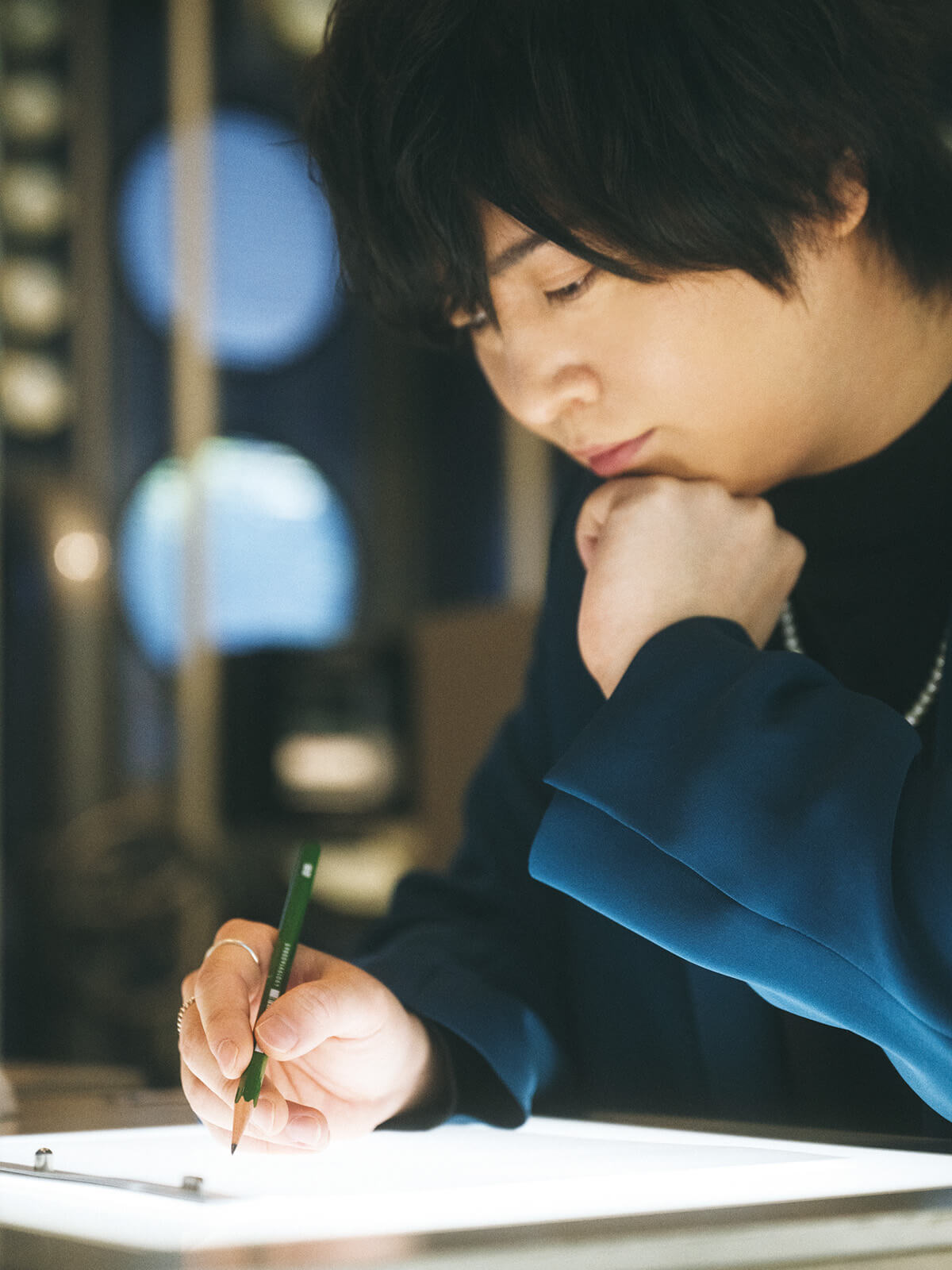
"Not only did he create the illustrations, but he also created the title logos and everything else himself, so he was in charge of the overall design. I've heard an anecdote that Tezuka-sensei was able to draw beautiful straight lines without using a ruler, and you can feel expression even in the letters and lines. Being able to see them up close like this really draws your eye to the way the details are drawn."

The "Theme Exhibition Shelf" on the second floor displays precious manga drawn during her time at Takarazuka. One of these, "Pinpin Seichan," drawn in pencil on straw paper, looks particularly old...

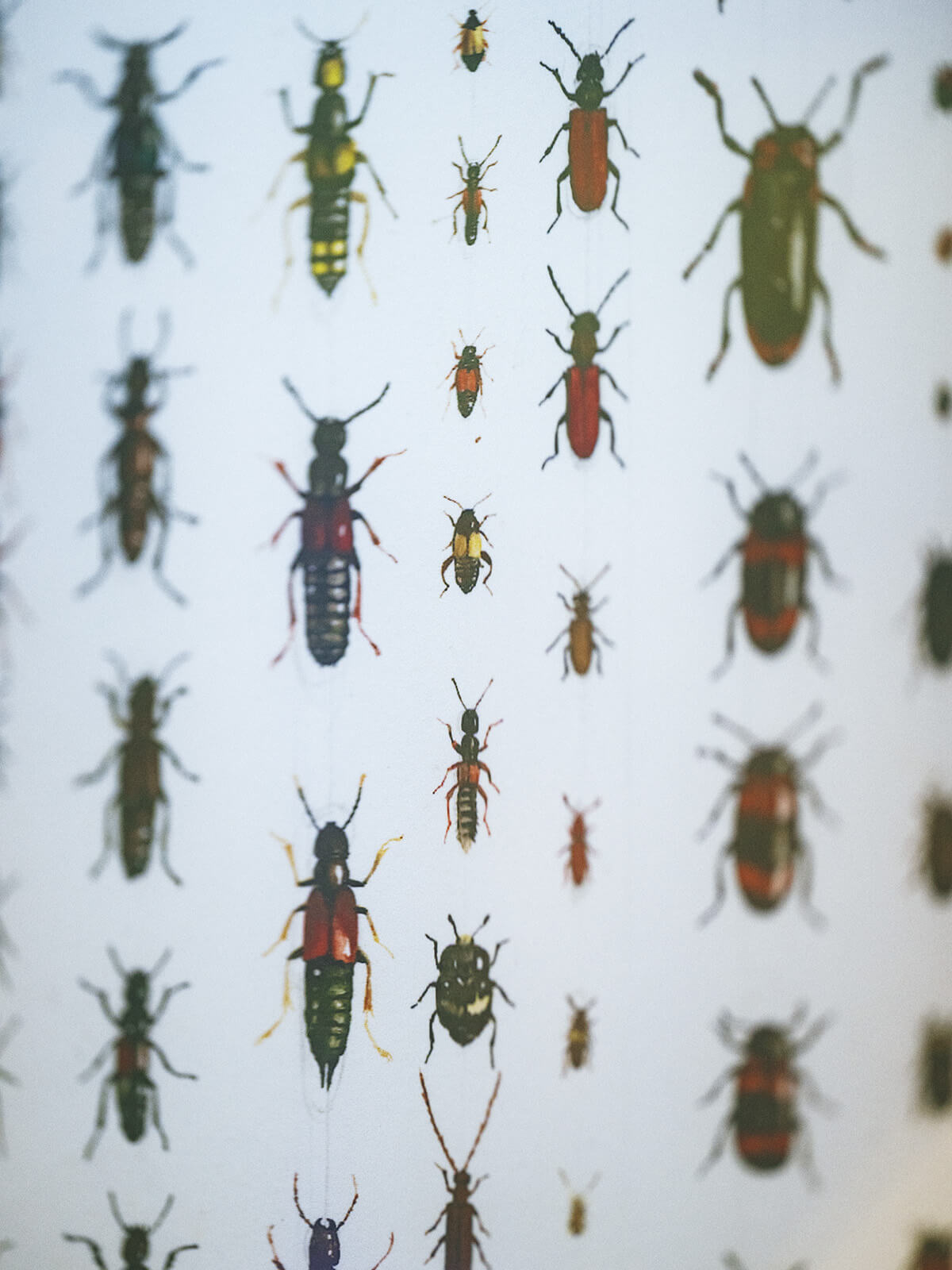
"It's shocking that he was already drawing manga of this quality at the age of eight. I thought the butterfly exhibited next to it was a specimen owned by the artist himself, who loved insects, but it turns out it was all hand-drawn."

A copy of Tezuka Osamu's insect encyclopedia
A copy of an insect encyclopedia. The quality is so high that at first glance you might think it's a photograph.

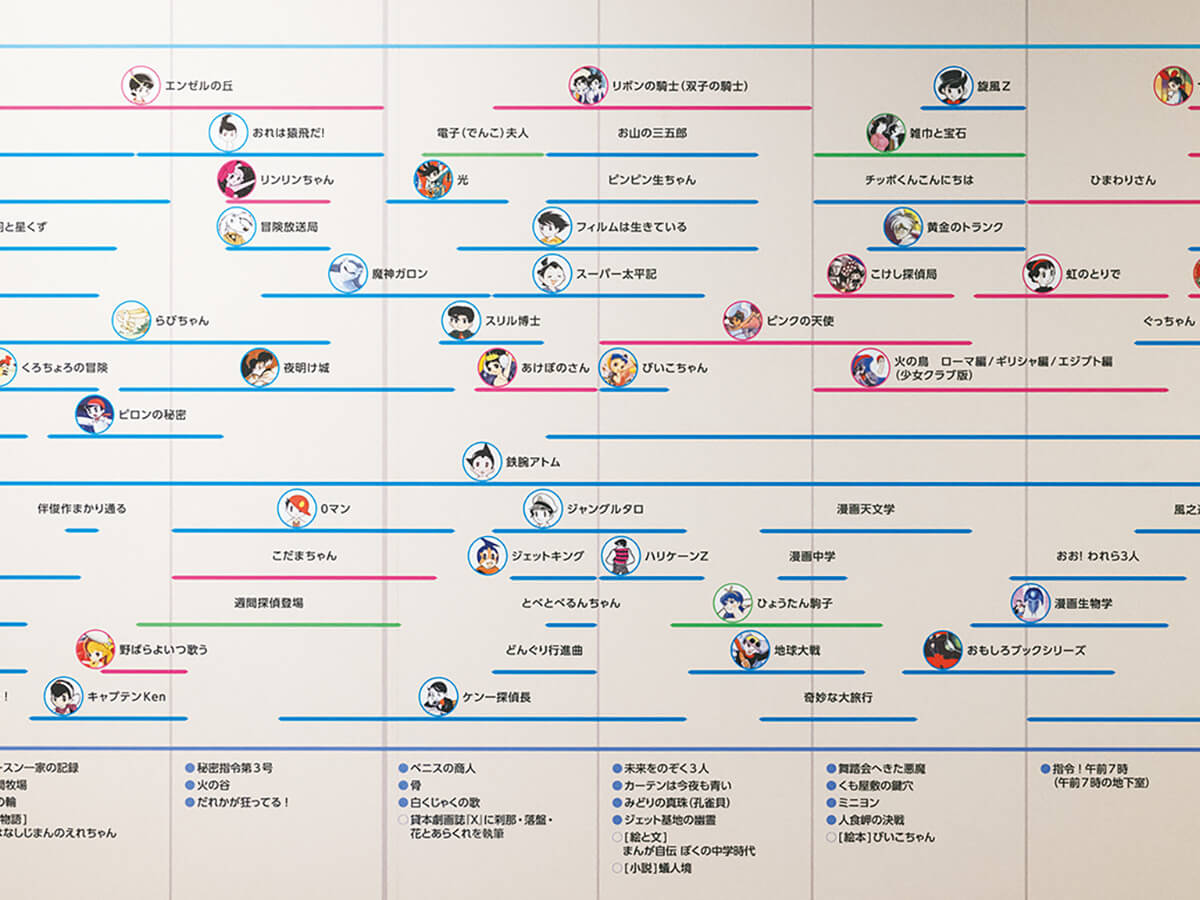
The sheer number of works he published before his death at the age of 60 is immediately apparent from the timeline displayed inside the museum. Saito, who has read quite a few of his works, including short stories, has a favorite, the somewhat obscure "Seven-Colored Parakeet." It seems he was secretly searching for the character while wandering around the museum.

"The Rainbow Parakeet can disguise himself as any person, making him the ultimate actor. I never imagined it would become my profession when I borrowed it from the school library as a child, but before I knew it, it had become my profession."

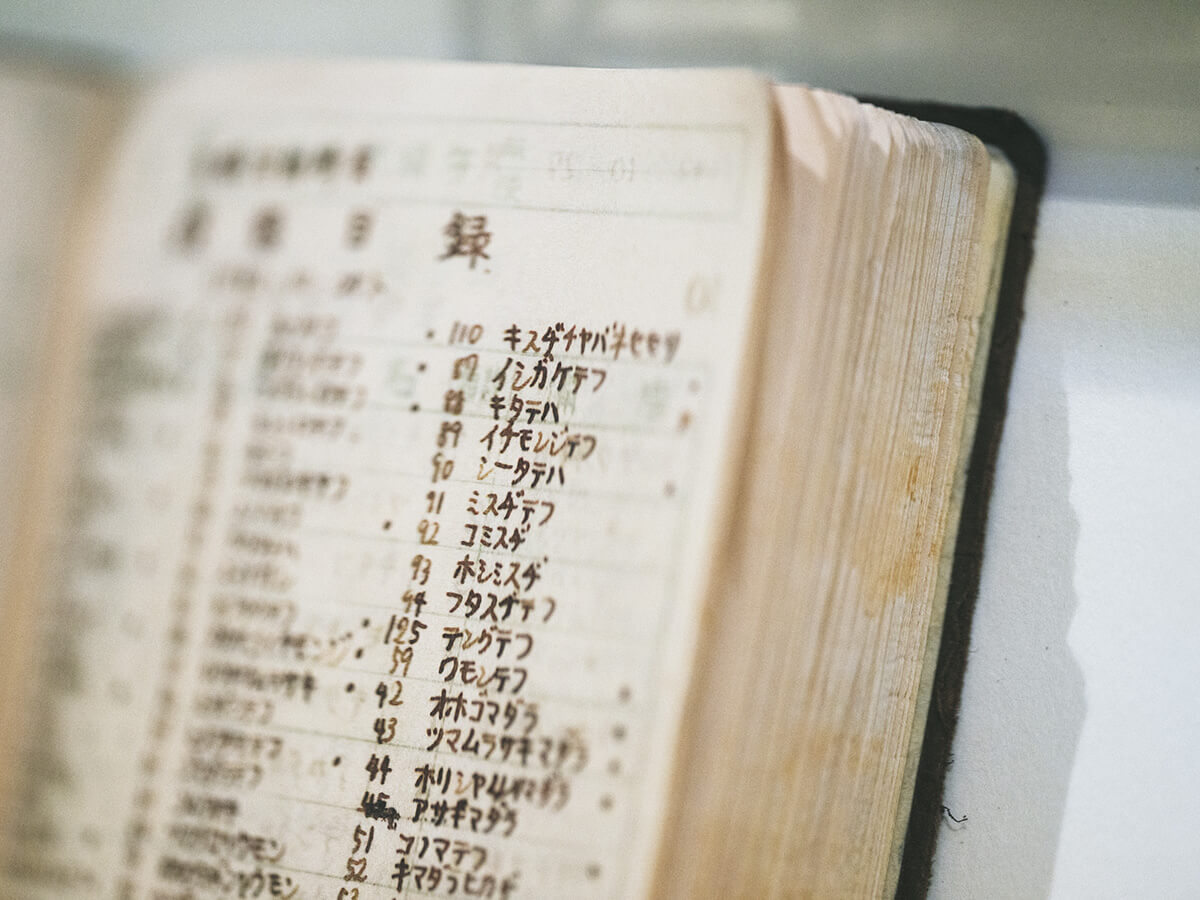
Tezuka Osamu's Insect Diary
This is an insect diary he kept when he was around 14 years old. Tezuka's real name was "Osamu," but he learned about an insect called a "ground beetle" in an insect encyclopedia he borrowed from a friend, and adopted the pen name "Osamu."

A unique viewing experience at the museum where you can immerse yourself in the world of the work

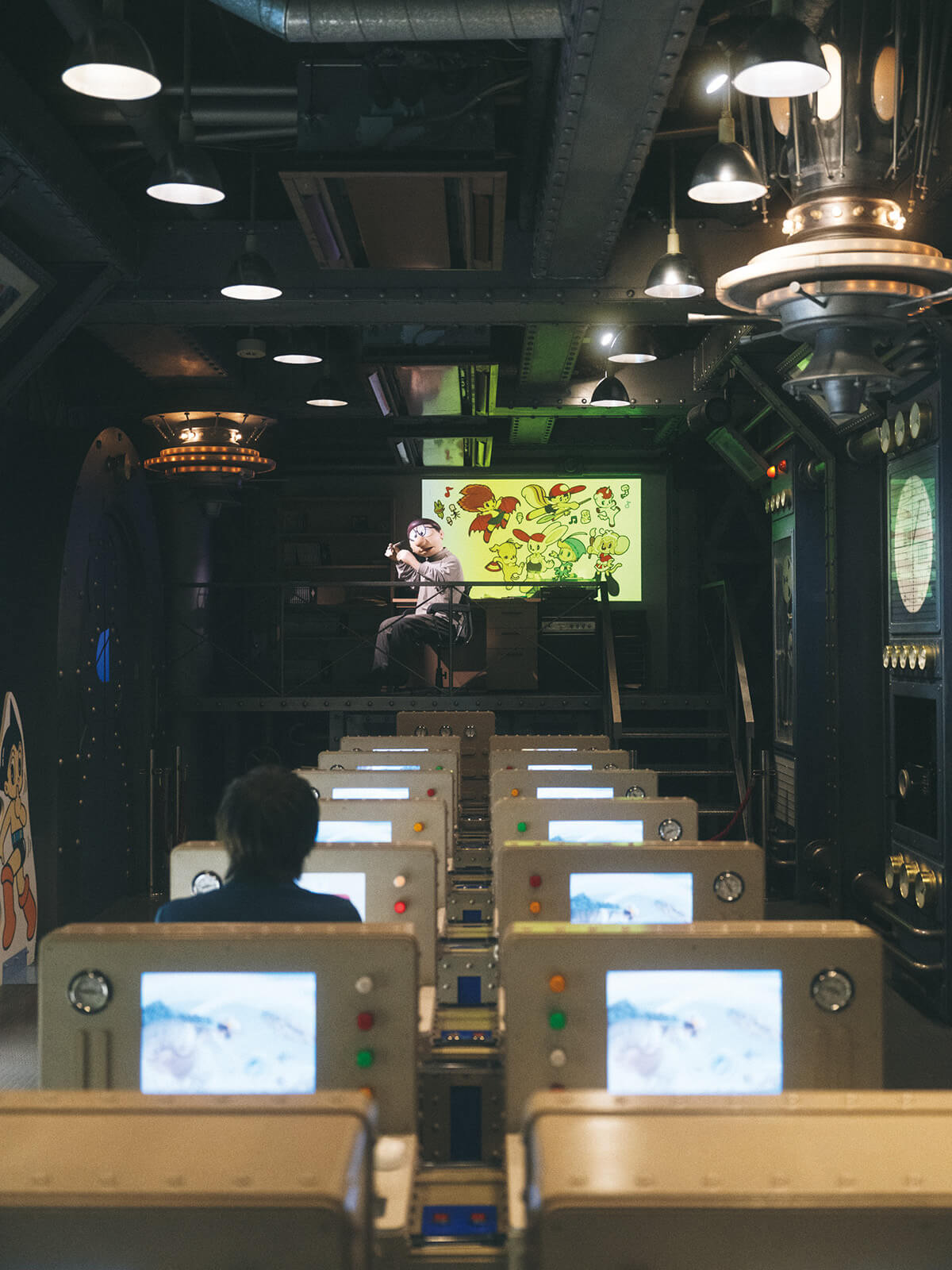
The Gth floor, which is modeled after the robot factory from "Astro Boy," is a floor where you can feel the passion for animation. Saito seemed interested in the panel that explained how innovative this anime was.

Hyogo <Takarazuka City Tezuka Osamu Manga Museum> Works Chronology
A timeline of Tezuka's works serialized in manga magazines, magazines, etc. There is an anecdote that he only slept for three hours every three days, but this clearly shows how many serializations he had going on at the same time.

"The professor seemed to think that anime and manga have different methods of expression, and it was stimulating to learn about that difference so succinctly. We say "anime lies" in a positive sense, but for example, in the world of anime, even though people are so far away that they can't be heard, somehow they can have a conversation in a cool whisper. I think that's the rhythm that only anime can add to the fiction, and that's what makes it interesting.

I had always taken it for granted, but it was definitely Tezuka who created the foundation for these ideas. I was reminded once again that Tezuka's works are inseparable from me."

The experience of viewing art in a space like a memorial museum, where the building itself is unified by the worldview of the artist and their work, is exceptionally immersive. This overlaps with Saito's own journey to trace his roots.

"It's really great to be able to get a sense of the environment in which a work was created and what the artist was thinking at the time. I thought it was a truly enriching experience to be able to forget the hustle and bustle of everyday life and immerse myself in it. Anyway, I now have an incredible number of Tezuka works I want to read, so I'll be going through them carefully before I go home (laughs)."

Hyogo "Takarazuka City Tezuka Osamu Manga Museum" permanent exhibition recreating the world of "Phoenix: Future Chapter" and voice actor Saito Soma
The permanent exhibition recreates the world of "Phoenix: Future Chapter" and introduces Tezuka's life in chronological order. You'll want to take your time to look at the 40 capsules.

Saito Soma writes about the interview

"Where the Muse is" Text by Saito Soma

Although I have had the opportunity to visit museums in Tokyo or its suburbs, it is difficult to find the time to visit museums further away. In the second half of 2024, I was touring around the country on a live tour, but due to schedule constraints, I didn't have much free time.

At that time, while I was shooting for a web serial as usual, I was approached by my editor, Mr. T, about this project. Thinking this was a chance, we quickly put together the details, and before we knew it, the day had arrived.

I knew about the Osamu Tezuka Manga Museum, but this was my first time visiting. It was a rare experience to be able to experience firsthand the impressive body of work he created in Takarazuka, the place where he himself spent around 20 years.

Not only were there personal items such as the glasses and beret he actually used, but the love for Tezuka's works was evident everywhere on display, and it brought a smile to my face. I also smiled when I saw a panel for "Seven-Colored Parakeet," a work I personally love. I had a very fulfilling time. Now I feel like rereading "The Phoenix."

By the way, after taking the photos, I headed to the Kobe City Museum to check out the "De Chirico Exhibition." I walked down the spiral staircase, looked at the exhibits, and bought a lot of merchandise. It was a wonderful museum that I would definitely like to visit again if I have the opportunity.

Changing the subject, the other day during a radio recording I received a letter asking, "Do you have a dream of having a regular place to stay?" As a book lover and writer, I naturally answered that I did, but as I was writing this, it occurred to me that, although it's a little different from a regular place to stay, having a regular museum to visit would also enrich my daily life.

Ideally, it should not be extremely large, but rather have a miniature garden-like atmosphere with a tranquil feel - a place where you can just drop in on a sunny holiday afternoon and spend some time daydreaming.

Although the artworks and exhibits stored there never change, it's a place where I somehow always feel both a sense of security and artistic inspiration. I want to find a place like that where my muse lives - a museum of my own.

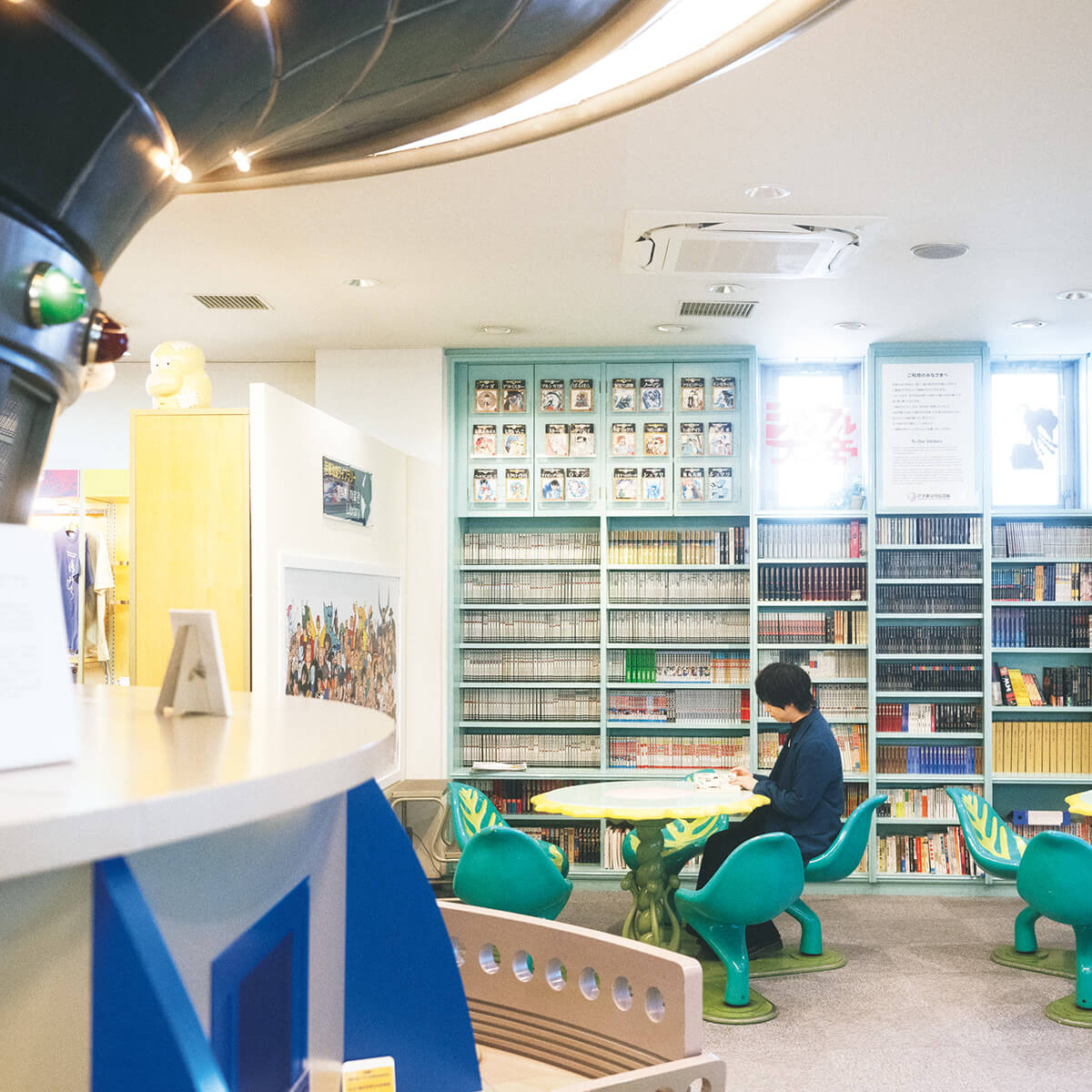
Hyogo <Takarazuka City Tezuka Osamu Manga Museum> Library
The library houses approximately 2,000 of Tezuka's works. Some people spend the whole day here.

SHARE ON

FEATURED MOVIES
Featured Videos

BRUTUS
OFFICIAL SNS
Brutus Official SNS

FEATURED MOVIES
Featured Videos