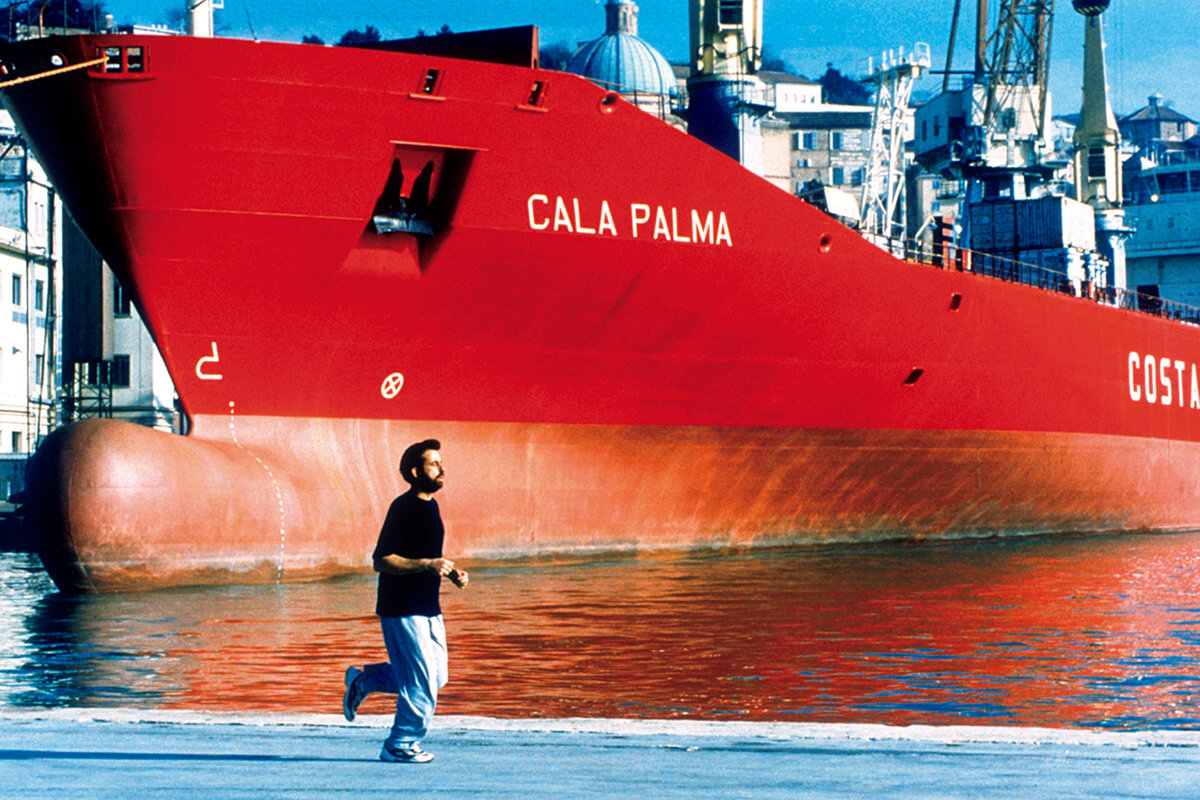











Gus Van Sant, Aki Kaurismaki, Victor Erice... there are directors whose films are all deeply moving and deeply moving. One of them is Nanni Moretti, who won the Palme d'Or, the highest award at the Cannes Film Festival, for "The Son's Room," which depicts the helpless grief of a father who loses his beloved child.

Giovanni, a psychiatrist who lives with his wife, daughter, and son, makes it a daily habit to run. One day, he invites his son to join him for a run, but is forced to go due to a sudden appointment. That afternoon, his son dies in an accident. Moretti directed, co-wrote, and starred in this film, which won the Palme d'Or, the highest award at the 54th Cannes Film Festival. Everett Collection/Aflo
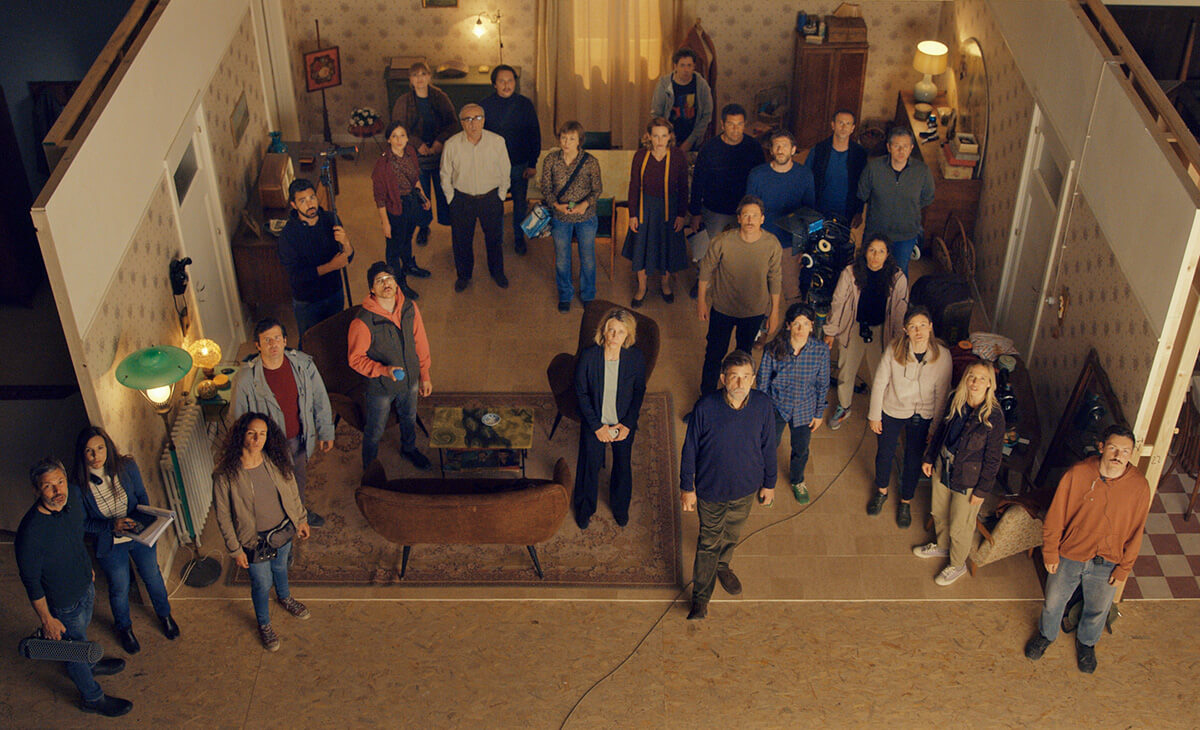
"See You at Cinecittà," released in Japan in November 2024, is a film that can be said to be the culmination of his career and is centered around film itself.
"Initially, I thought it would be a political film about the Soviet invasion of Hungary in 1956, but it just didn't seem to work. I shot another film, 'Three Keys,' while I was still planning it, and then when I got back together with the screenwriter, we decided to make it about the life of a director who was trying to make a film about this subject."
Cinecittà, the title of the film, refers to the venerable film studio where a wide variety of films have been shot, from Italian masterpieces such as "Roman Holiday" (1953/USA) and "La Dolce Vita" (1960/Italy-France) to action blockbusters such as "Gladiator" (2000/USA). Furthermore, the film talks about many other films that have shone in cinematic history, such as "Fugitive Zone" (1966/USA), "Lola" (1960/France), and "A Short Film About Murder" (1988/Poland).
There's even a scene where he calls architect Renzo Piano himself to ask him how great Apocalypse Now (1979, USA) is. The elderly director Giovanni in the film, who has a great respect for the history of film and speaks freely of his love for it, looks exactly like Moretti himself.
"They are all important works to me. As Giovanni says in the film, the history of film is different from real history. I believe that filmmakers show us how the world should be."
Film director Giovanni is preparing his new film, but the actors misread the theme, the props crew is unsure of the historical events of the 1950s, and his wife, a producer who has supported him for 40 years, asks for a divorce.
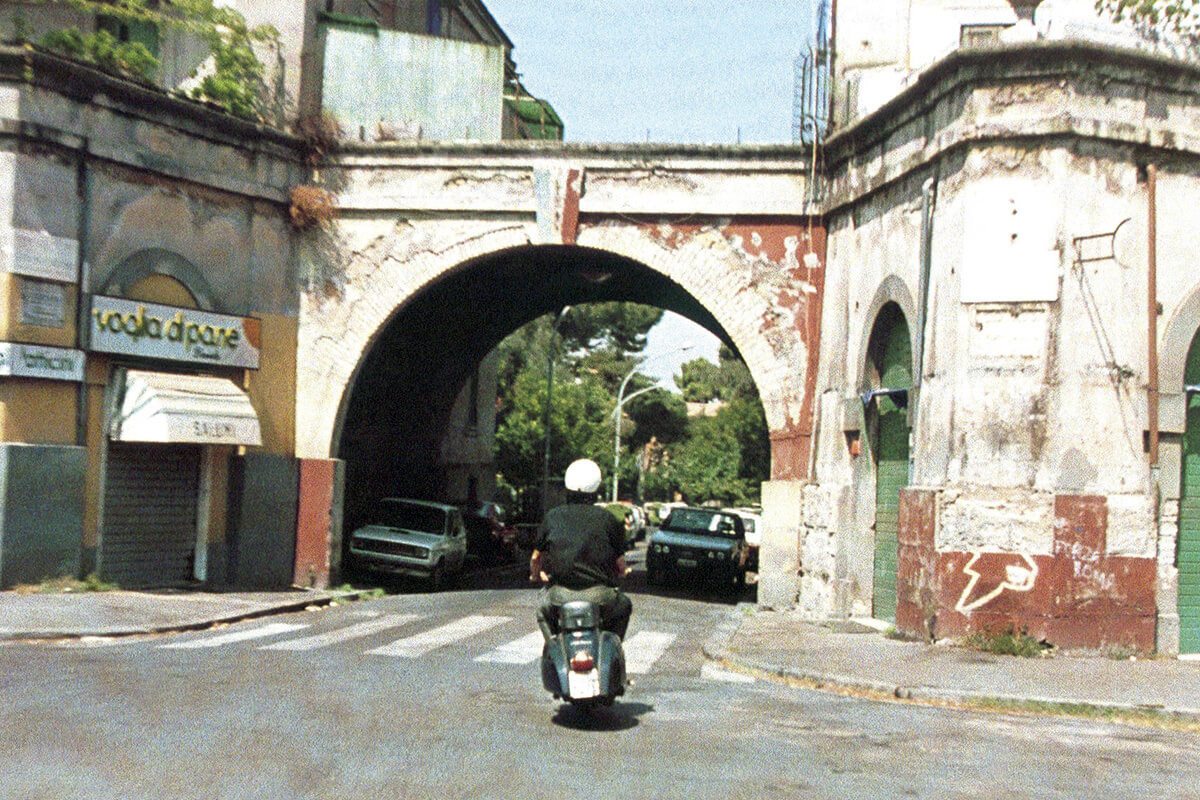
In many of Moretti's films, he stars in a comical role, sometimes singing and dancing. Even in his previous film, "Dear Diary," the cheerful background music playing during a Vespa tour of Rome is Angélique Kidjo's "Batonga." Yet, all of his films leave behind an indescribable, heartfelt feeling. Why is that?
"I can't give a rational explanation for the scene where Giovanni rides an electric scooter through Rome at night, or when the people around him start singing the song and it turns into a huge chorus. It's something I wanted to film, and something I wanted to see as a viewer."
The unselfish motivation of simply photographing what one wants to see may also move the viewer's heart.
"The final scene is a homage to Fellini. After filming, I wanted to see the faces of the actors who had been involved in my films, so I shot a follow-up scene."

This three-part cinematic essay includes "Riding a Vespa," a tour of the city of Rome on a moped, and "Island Hopping," a boat trip around the Aeolian Islands, home to the World Heritage site of Stromboli. The film features music by Nicola Piovani, who also worked on "Life is Beautiful." Moretti directed, wrote and starred in the film, which won the Best Director award at the 47th Cannes Film Festival. Everett Collection/Aflo
Nanni Moretti thinks, The true nature of "sinking"
The quotes bring back moving memories of the films left behind by our predecessors.
I was honestly moved and thought, this is the kind of scene I wanted to see.