











There are many masterpieces of photography that feature windows. Photographers from all over the world, past and present, have continued to create numerous outstanding photographic images using windows as their subject, or with windows in mind. There is a reason for this: the camera itself is a metaphor for windows and rooms.
The camera obscura (Latin for "dark room"), the principle behind cameras, is a technique used since ancient Greek civilization. It is based on the optical principle that when a hole is made in a pitch-black room, external light shines in and the outside view is projected upside down onto the opposite wall.
The pinhole camera, from the dawn of photography, also worked on the same principle: by drilling a hole in a pitch-black box and placing a photosensitive plate or film on the other side, an image could be fixed there. A piece of glass that focuses light is embedded in the hole, which becomes the lens. This is the basic structure of a camera that continues to this day. In other words, a camera is a room in which the light of the outside world and its reflections are projected and fixed through the lens, a window.
If a camera is a portable "dark room," what can a photographer present from the perspective of the inhabitant of the "dark room" to the bright world outside? This is an eternal theme for many photographers. Philosopher and critic Roland Barthes defined photography as "a bright room."
According to Barthes, photography is "flat in every sense" and "the reason we cannot delve deeper is because of the power of its clarity." However, Barthes goes on to talk about his love for the "brightness" of this flat and clear photograph.
The crucial difference between looking at the world outside from a window and looking at the world through a camera is time. Looking at the world outside from a window is an ongoing act, but looking at a photograph that results from looking at the world through a camera is a confirmation of an act in the past. Looking at the world outside from a window is a way of experiencing the passage of time, but the view of the outside captured in a photograph is a frozen preservation of time, the death of time.
Within a single photograph, time is both alive and dead. People are fascinated by the ambiguity of photography. Therefore, masterpieces that feature windows as their subject, or that are taken with windows in mind, can also be said to be photographs that ask the question, "What is a camera, and what is photography?" Taking a photograph of a window using a camera, which is a metaphor for windows and rooms, becomes an act of contemplating the higher concepts of photography.
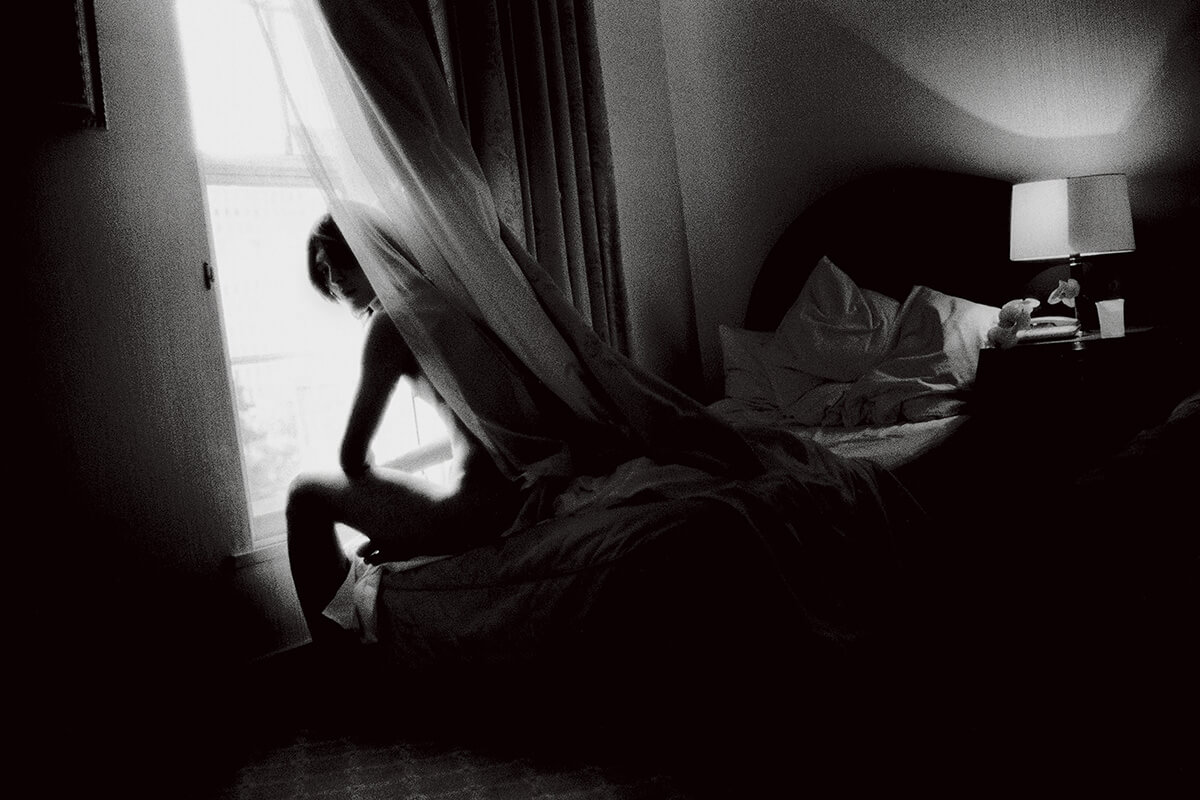
One photograph that reaffirms the camera's role as a "dark room" is Nomura Sakiko Nomura 's black-and-white series of male nudes in closed rooms. In Nomura's male nudes, the window serves as a collector of outside light, but also as a wall separating the outside from the intimate world inside.
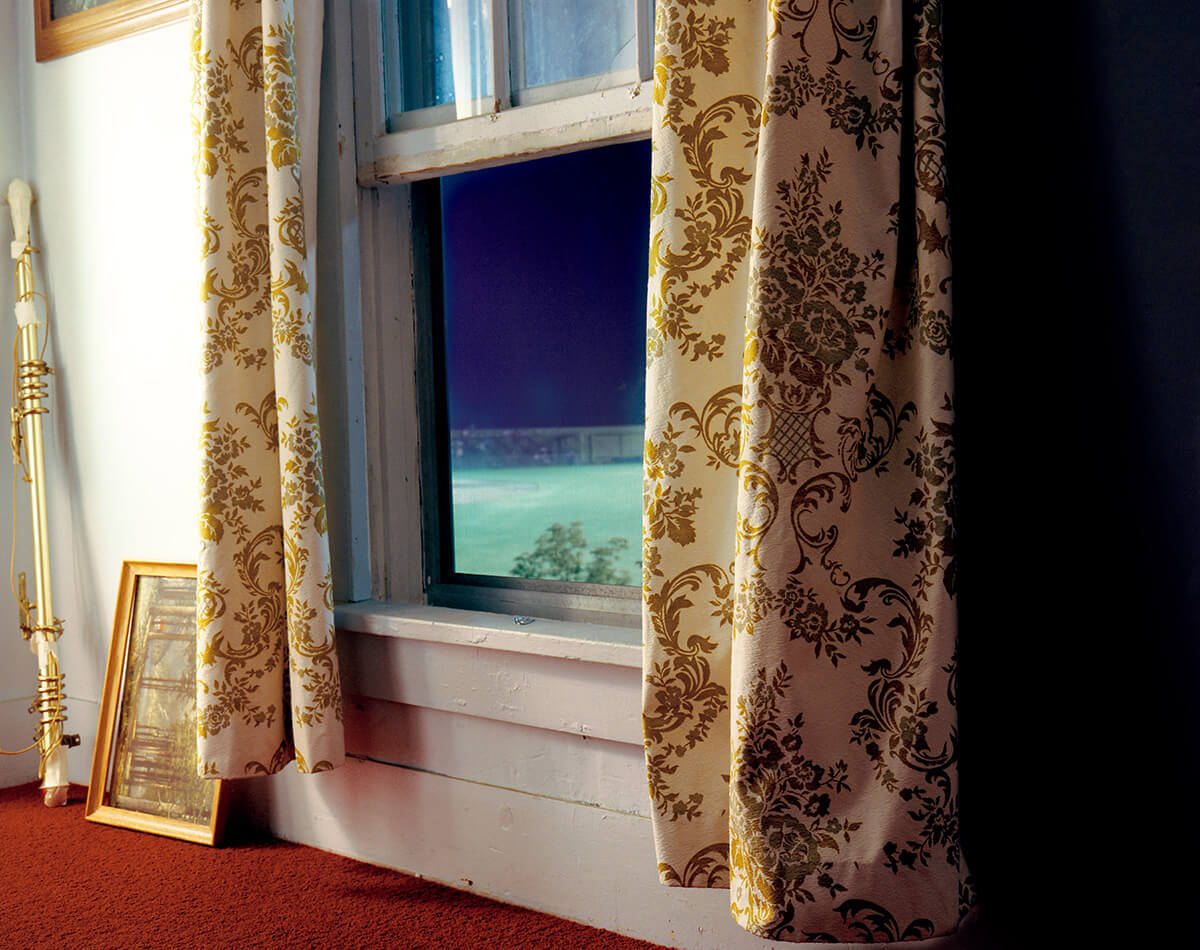
Windows, which frequently appear in the photographs of Gregory Crewdson, who continues to take large-scale photo setups, are a symbol of something that blocks out the mysterious outside world, yet makes you unable to help but gaze upon it; in other words, a symbol of morbid fascination.
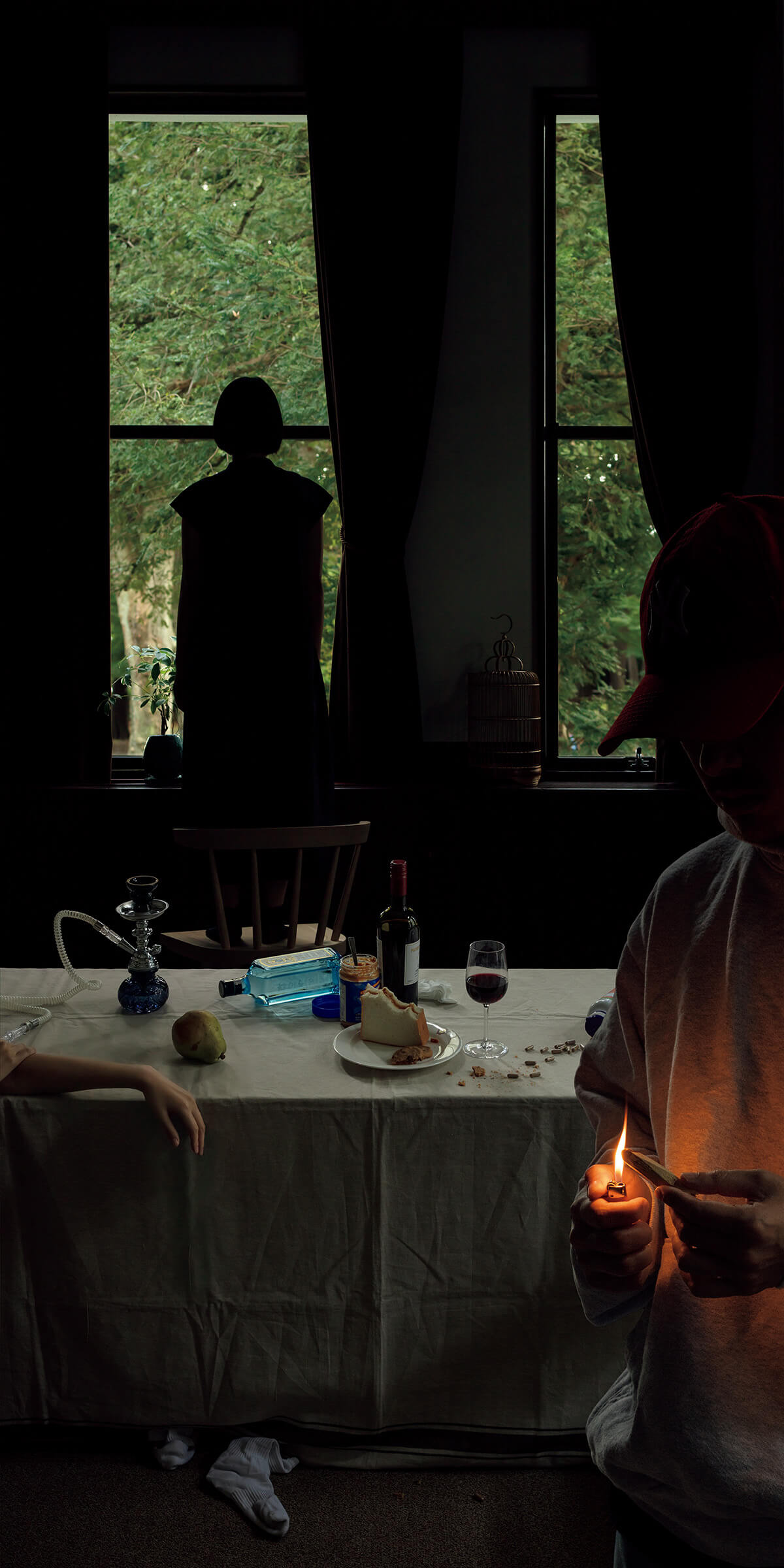
For Toshimitsu Komatsu's photography unit, System of Culture, which produces conceptual "still life photographs" that reference masterpieces of painting, the window is a symbol that symbolizes the painterly quality of photography.
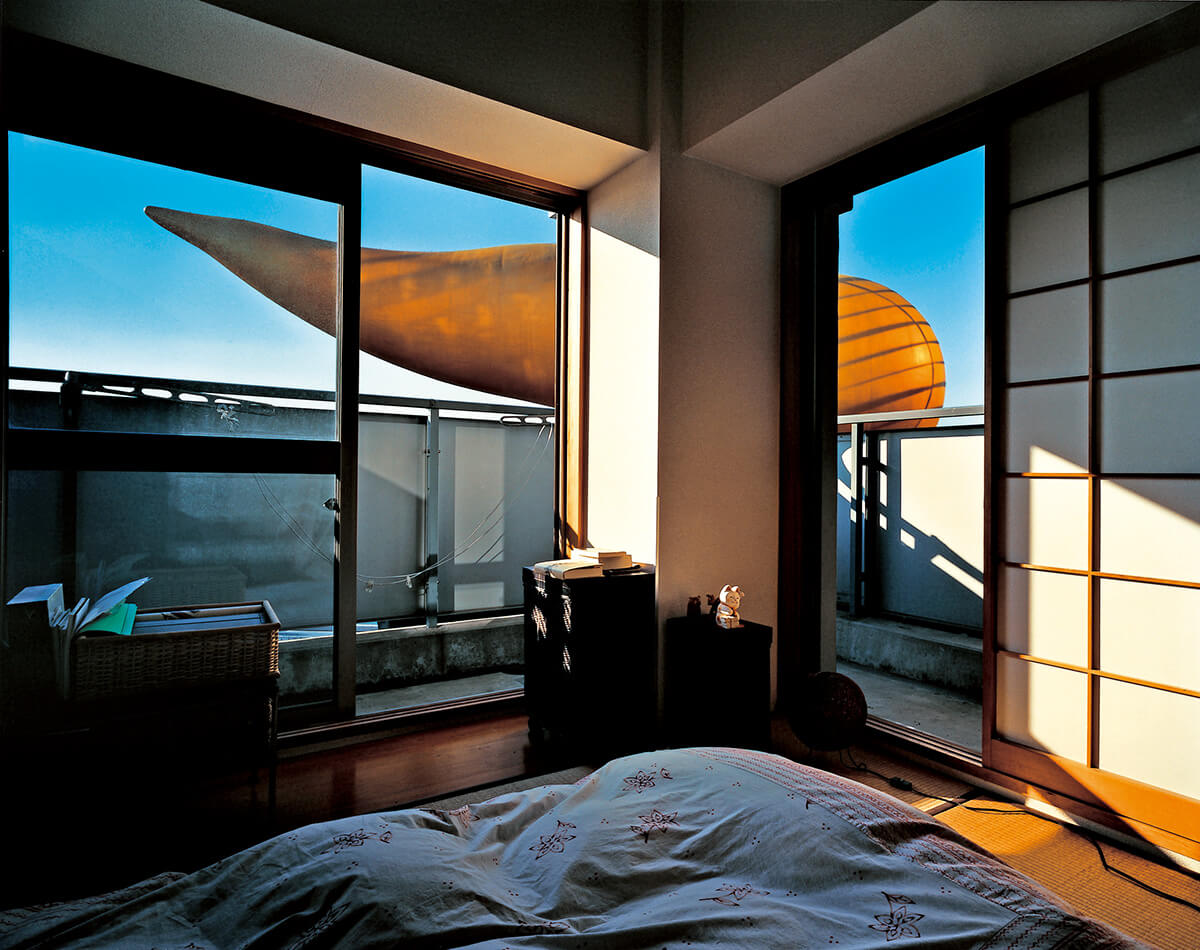
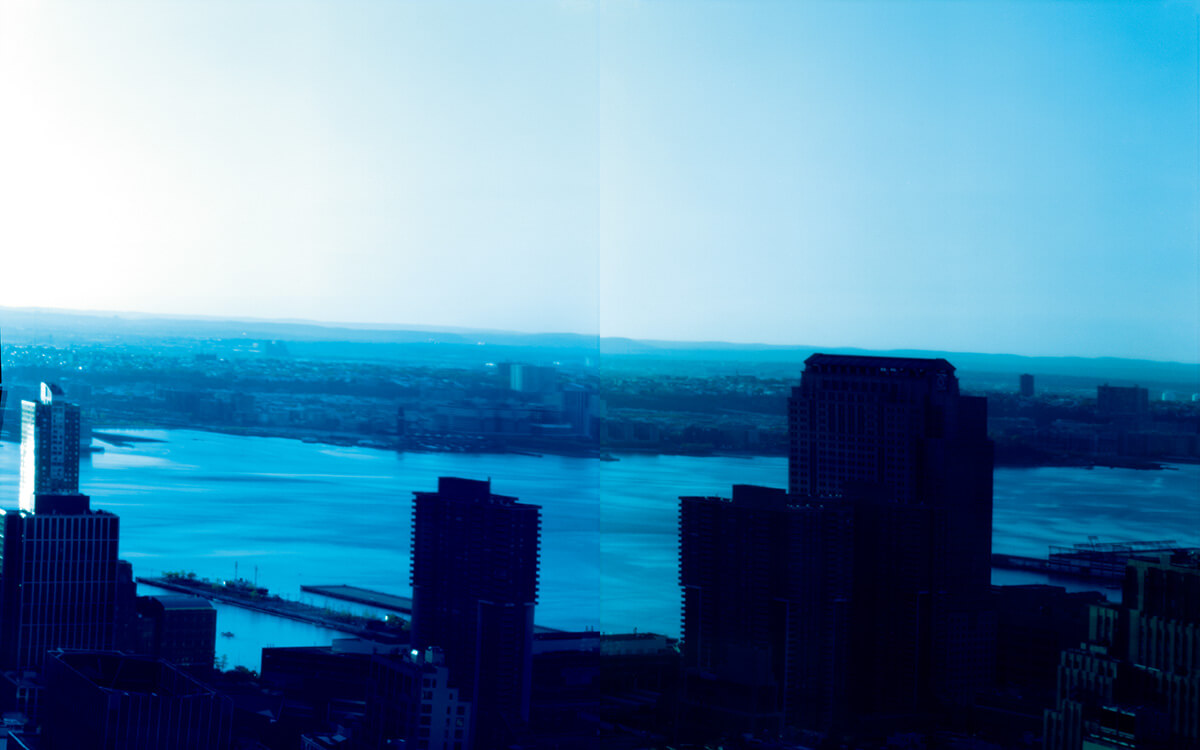
By presenting the landscape of Tokyo through the windows of rooms, Nakano Masaki turns various rooms in Tokyo into camera obscura. Tokyo is a city of photography. Takashi Homma's series, in which he photographs the landscapes of cities around the world by turning the rooms of those cities into pinhole cameras, is also a practical work that shows how the camera is a metaphor for windows and rooms.
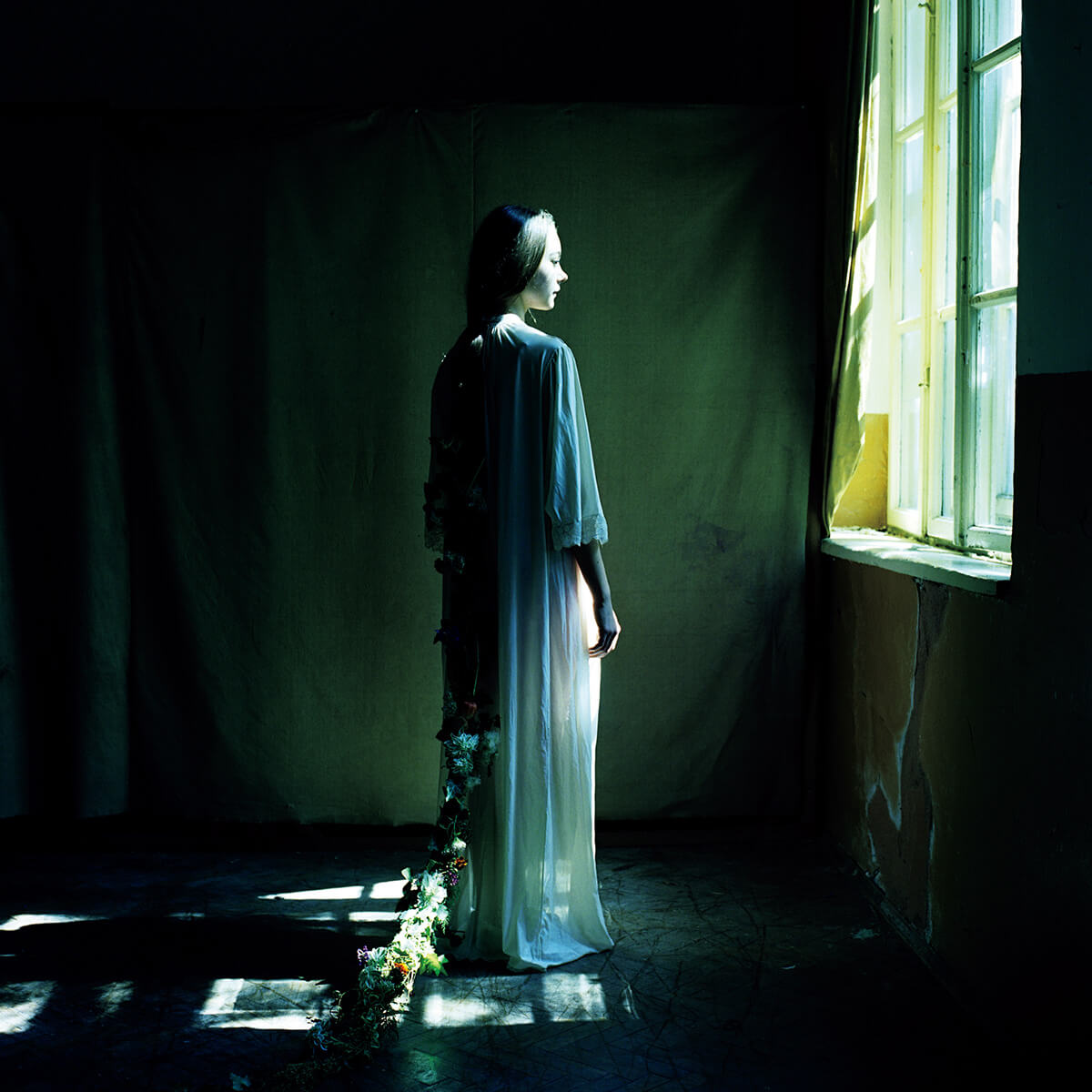
For Yamamoto Ayaka, who takes portraits of foreign girls who cannot communicate through language with the serenity of classical paintings, windows are a circuit of light that connects the classics with the present.
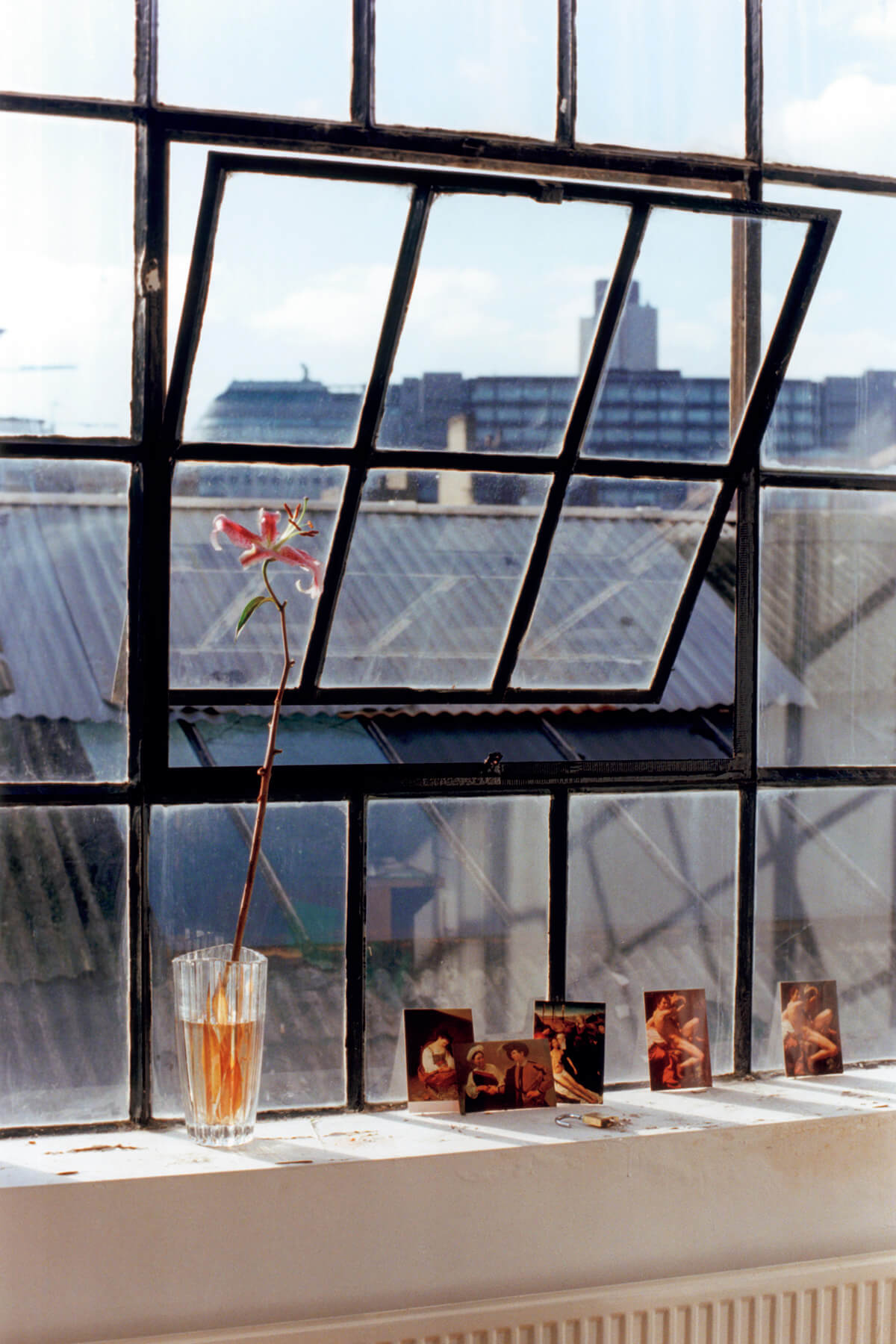
Wolfgang Tillmans sees the world as equal, yet quietly presents the historical and political nature of what he sees. For him, too, windows are symbols that connect him to the world and history.
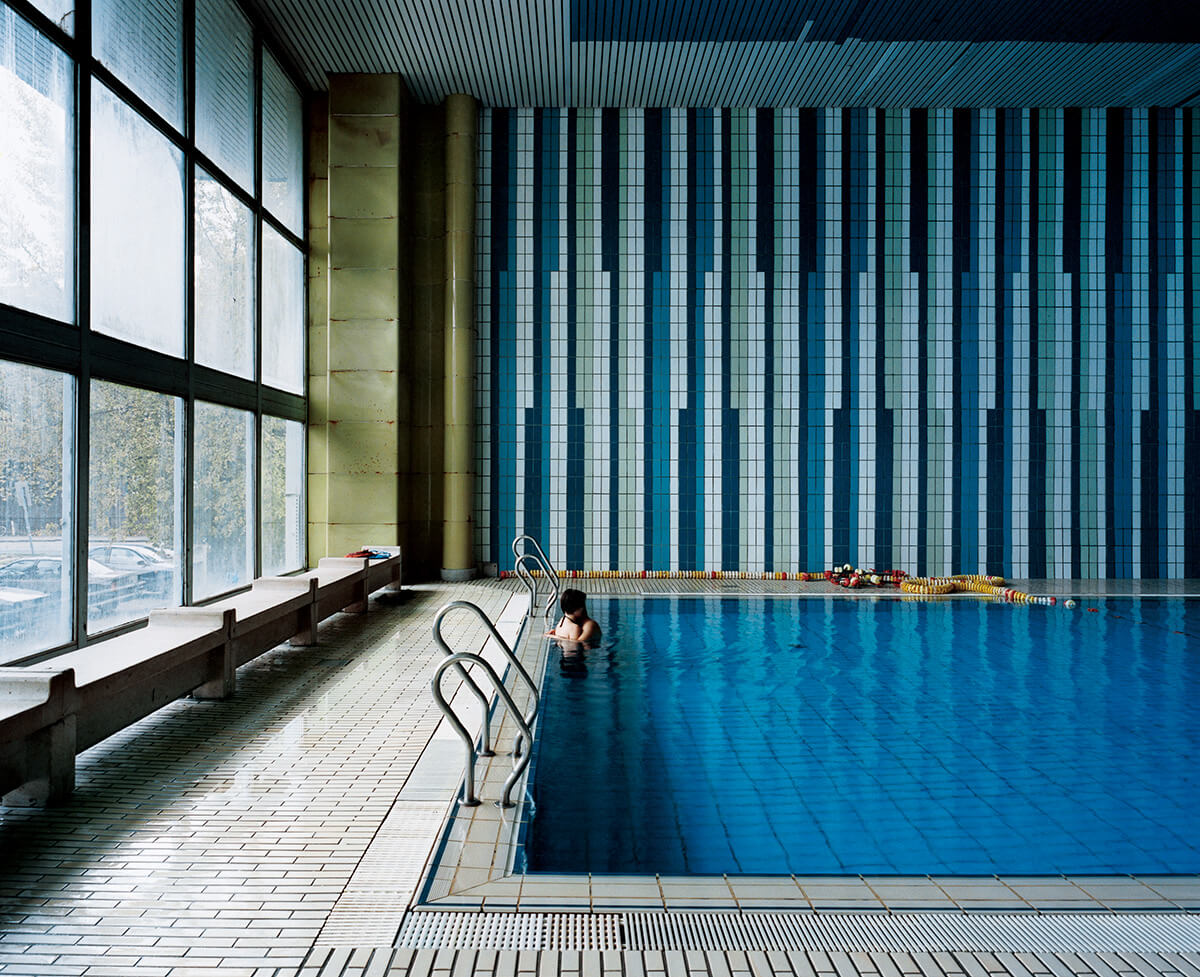
Yoneda Tomoko, who takes advantage of the documentary qualities of photography to evoke history and memories lurking beneath the surface, photographed her in Hungary after the collapse of the Soviet Union. The photograph captures lovers in a heated swimming pool, and the soft sunlight streaming in through the large windows gives the impression of the sunny side of history.
Barthes's "Camera Lucid" is considered a theory of photography that pays homage to Marcel Proust's "In Search of Lost Time," but his photographs of windows are, so to speak, records of "the search for lost time and light." The view, time, and light will never return. That is why they are so precious. The meta-act of "looking at a photograph of a window" provides us with a subjective moment to reexamine both the world and ourselves.