








Commentator: Teruyuki Hashimoto (SF book critic, researcher)
THEME 1: The wave spreading from the UK and the US to China
Chinese and African authors expand the diversity of science fiction
Science fiction novels originated in the UK and the US. They were born and nurtured by 20th-century magazine culture. For this reason, they were Anglo-American in nature for a long time. For example, the World Science Fiction Convention (Worldcon), which brings together science fiction fans and professionals, has been held over 80 times, but the only countries where English is not an official language are Germany, the Netherlands, Japan, Finland, and China. Most English-speaking science fiction writers are white, with very few African-American or Asian writers. Science fiction has been a place where only a select few can dream.
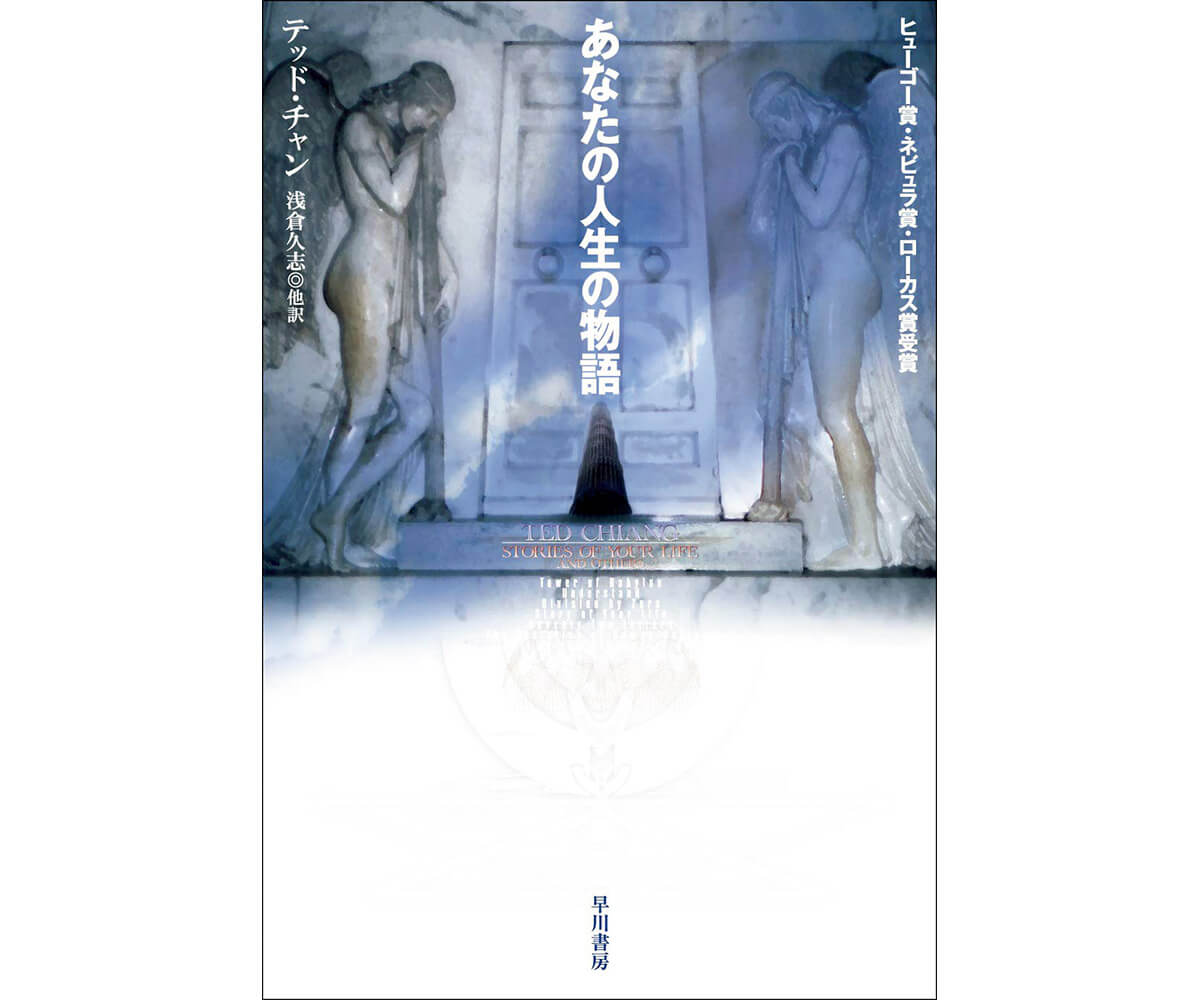
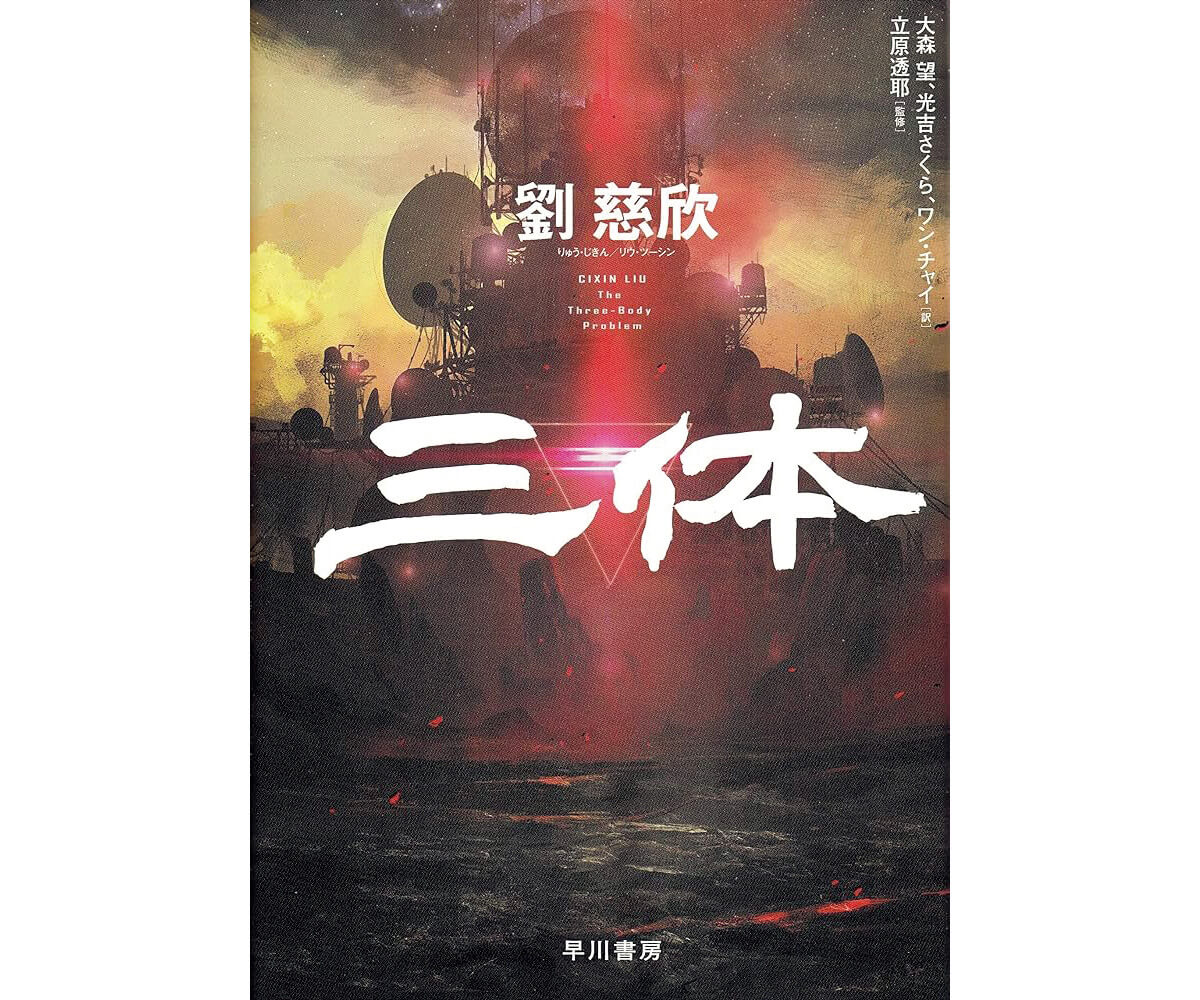
However, things began to change in the 2010s. First, Ted Chiang's short story "Story of Your Life" was made into a film. Ken Liu began translating and introducing works by Chinese authors, popularizing Chinese science fiction worldwide with works such as Liu Cixin's "The Three-Body Problem" and Hao Jingfang's short story "Folding Beijing." African-American authors who gained popularity at that time included N.K. Jemisin and Nnedi Okorafor.
Jemisin's "Destroyed Earth" trilogy, which began with "The Fifth Season," achieved the unprecedented feat of winning the Hugo Award for Best Novel for three consecutive years. Also, in 2016, the Black sci-fi magazine "FIYAH" was launched, and in 2018, the film "Black Panther" attracted a lot of attention.
Director: Ryan Coogler / Release date: 2022 / A sequel set in Wakanda, a fictional African nation with advanced scientific technology. The previous film, Black Panther, was the first Marvel film to feature a black protagonist, and the first superhero film to be nominated for Best Picture at the Academy Awards. It was a huge hit. Photo: Everett Collection/Aflo
These changes were not achieved by the American science fiction world alone. The success of Scandinavian mystery novels, Barack Obama's presidency, the popularity of K-pop, the award-winning film "Everything, Everywhere, All at Once"... British and American science fiction was able to change because society has changed. Above all, it must have been the tireless efforts of racial minorities to create works and role models that didn't exist when they were young.
THEME 2: Rapidly Growing Korea and Traditional Europe
Reflecting social issues such as climate change and working conditions, as well as culture
In Korea, science fiction magazines did not last long, and professional writers and translators emerged from among enthusiasts who communicated sparingly online. For a long time, there were no full-time science fiction writers. However, in 2017, a professional writing organization called the Science Fiction Writers of Korea (SFWUK) was finally established. Since 2019, English translations of Korean science fiction have begun to spread around the world.
Yes, the Korean science fiction community is relatively new. That's why it's easy to get into and recommended even for those who aren't usually familiar with it. In her article "About Korean Science Fiction" in Vol. 7 of CHECK, author Jeong So-yeon wrote that Korean science fiction is sensitive to discrimination, political, and in recent years, has a strong interest in environmental issues and climate change. Due to the Korean literature boom in Japan, translations of Korean works are actually progressing at a rate equal to or greater than those in English-speaking countries.

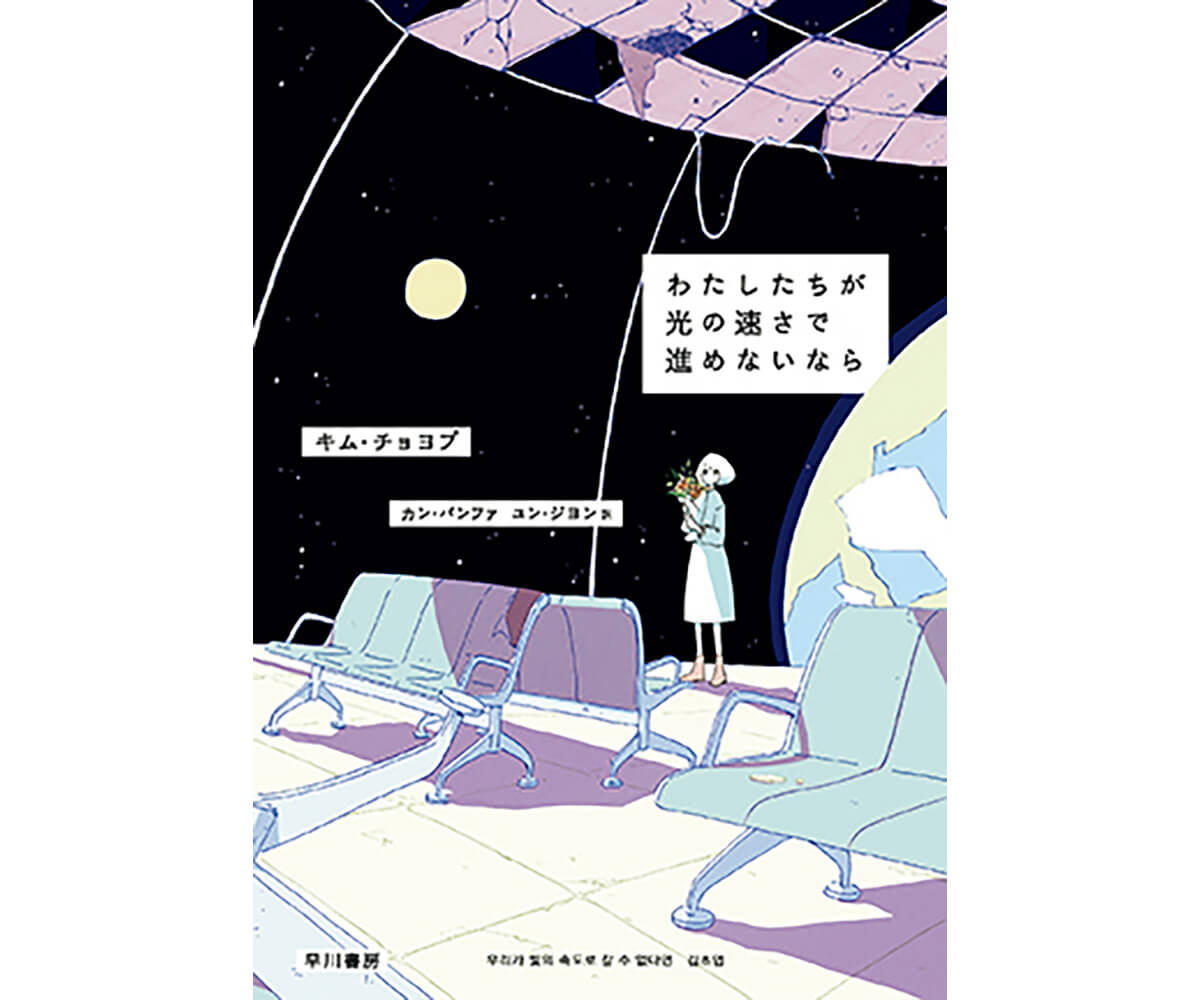
Author: Kim Cho-yup / Translators: Kang Bang-hwa and Yoon Ji-young / Japanese translation released in 2020 / The first collection of short stories by this talented writer born in 1993. "Several stories focus on elderly women, such as 'Spectrum,' a record of a grandmother's contact with aliens. While society's lack of understanding is repeatedly portrayed, hope remains rather than despair."
Director: Cho Sung-hee / Released in 2021 / Korea's first space sci-fi film, nominated for a Hugo Award. "It's a shame that it missed its theatrical release due to the COVID-19 pandemic. The story is set on a planet where environmental degradation has made it uninhabitable and corporations control the planet, creating a society of inequality. In this world, the crew of the spaceship "Victory" finds a girl-like robot." Netflix's film "Space Sweepers" is now streaming exclusively.
Works such as Jung So-yeon's "My Neighbor, Young-hee," Kim Bo-young's "How Similar?", and Bae Myung-hoon's "Tower" have been published one after another. In particular, up-and-coming writer Kim Cho-yup has become popular in Japan for his style of writing, which mixes longing for foreign lands, loneliness and the warmth of others, and criticism of society and humanity. It seems likely that his new works will be translated one after another in the future.
Meanwhile, Europe has long been a home to science fiction novels, thanks in part to the contributions of two "fathers of science fiction," Jules Verne with "A Trip to the Moon" and H.G. Wells with "The War of the Worlds." Since the second half of the 20th century, the influx of English-speaking works has led to a rise in non-English-language science fiction. In recent years, a growing number of works have been translated into Japanese. This collection offers a glimpse into the history and culture of each country, including a selection of masterpieces that reflect Greece's experience of a financial crisis; Qualityland by German author Marc-Uwe Kling, which depicts a society run by AI and ranked by a rating system; and a collection of Czech science fiction short stories.

Edited by Francesca T. Balbini and Francesco Varso / Translated by Nakamura Toru et al. / Japanese translation to be released in 2023 / "Because Greece has been hit by an economic collapse, many of the stories deal with economic, environmental, and immigration issues. This collection includes 11 fresh stories, including "Roseweed," about a job where you dive to find housing in a submerged city."
THEME 3: Fresh air from Africa and emerging trends in South Asia
African Futurism and other non-English-speaking writers expanding the New World
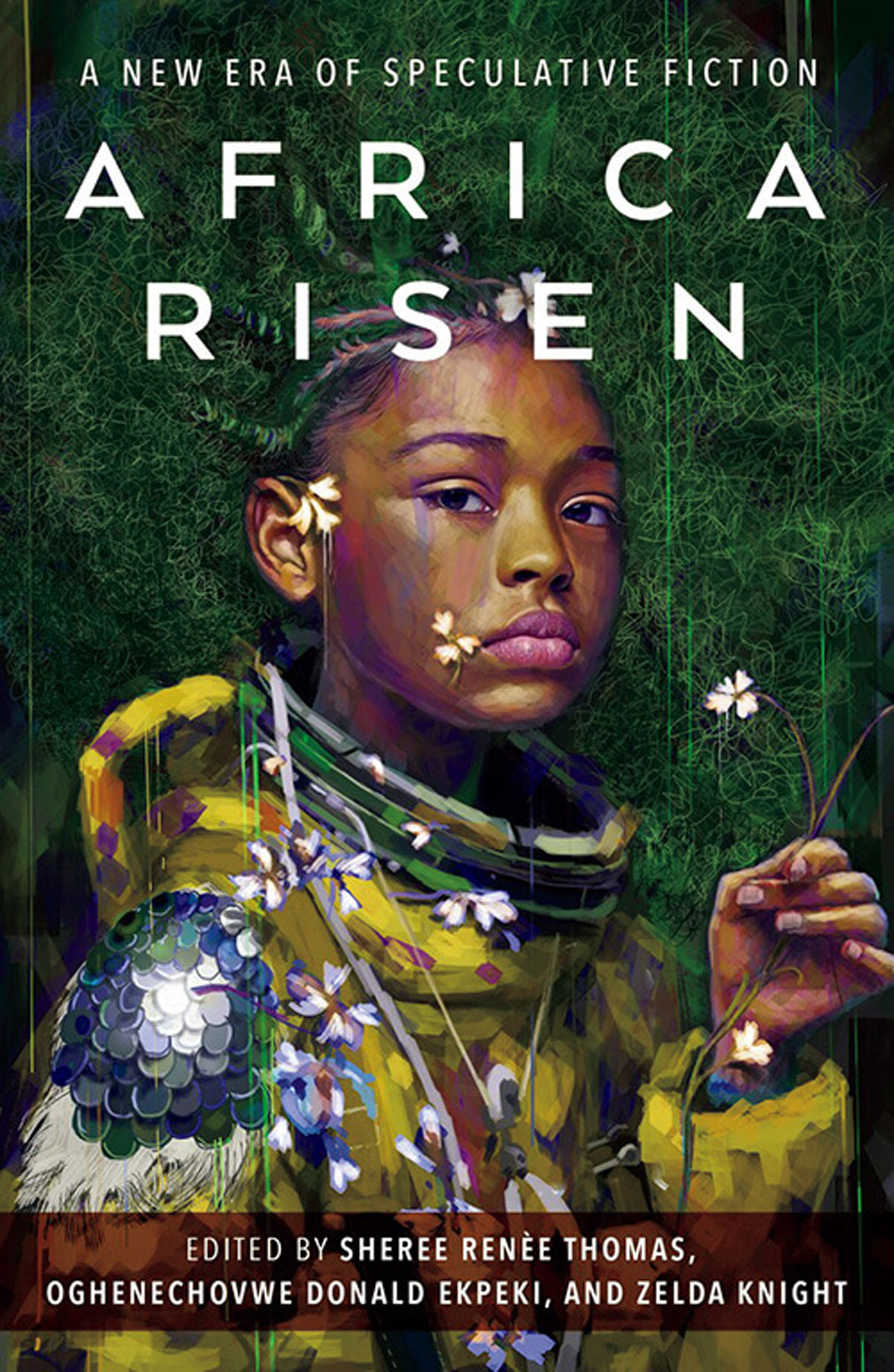
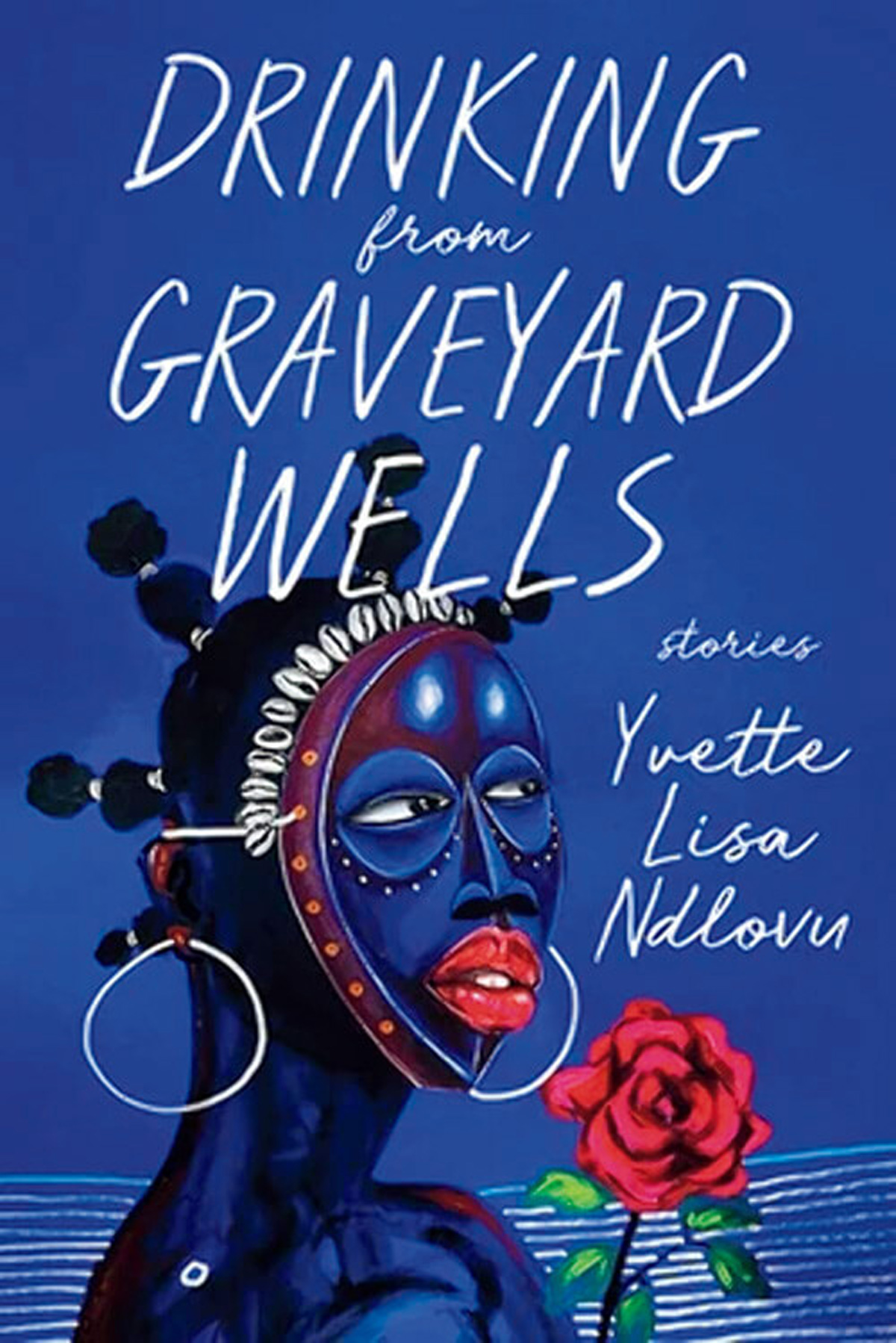
In Africa, novels and films from South Africa have begun to make inroads on the world stage, such as the film District 9. In 2017, the African Science Fiction Association established a literary award. Nigeria's Oghenechovwe Donald Ekpeke has compiled a series of African science fiction anthologies.
Thanks to this, it is clear that writers are being produced from Nigeria, Kenya, Botswana, and Zimbabwe. Although it is difficult to generalize, African science fiction also has a strong interest in social inequality and climate change.
Director: Neill Blomkamp / Released in 2009 / Johannesburg accepts aliens as refugees. However, the special residential area, District 9, turns into a slum, and a state organization carries out their forced relocation. This social suspense film, based on apartheid, was nominated for the 82nd Academy Awards. Photo: Everett Collection/Aflo
Furthermore, since the 21st century, it has become easier to start small publishing houses and web magazines. For example, in India, Zubaan Books in New Delhi publishes works by women authors, and Blaft Publication in Chennai publishes an anthology series of English translations of Tamil pulp novels.
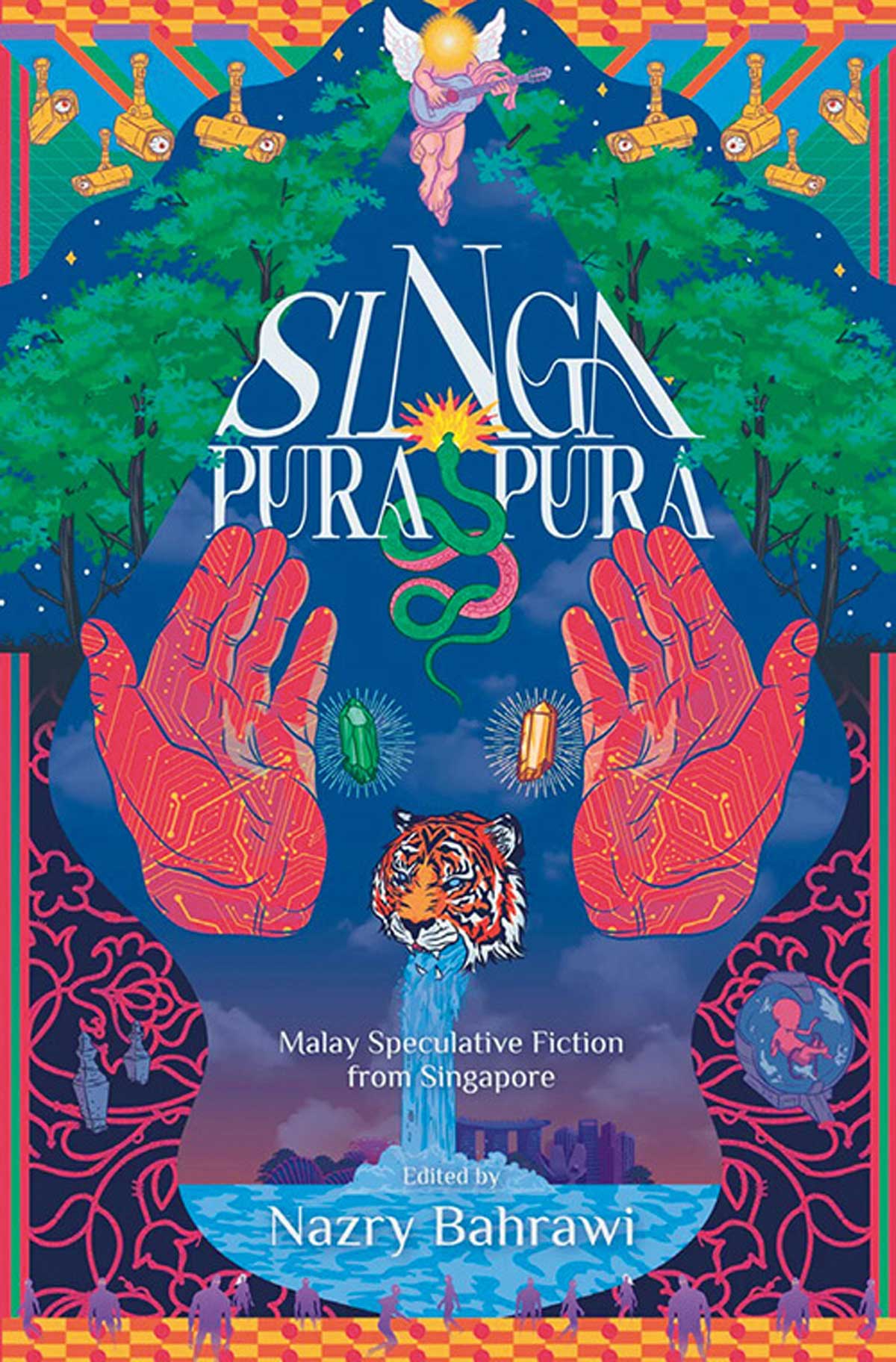
In the Philippines, the Chinese-Filipino science fiction anthology Lauriat was compiled, and in Singapore, the Southeast Asian science fiction magazine LONTAR was published from 2013 to 2018. In recent years, we have seen an increase in the number of works by South Asian authors from countries such as India, Pakistan, Bangladesh, and Sri Lanka.
Cultural bridging continues around the world, and English is used as a common bridge. Writers from countries where English is the official language have a better chance of publishing, and it's an official language because of the country's colonial past. It's still not a place filled with a sufficient diversity of voices.
Nevertheless, in recent years, Bengali and Malay science fiction anthologies have been translated into English, and the science fiction web zine Omenana now accepts submissions from French. Opportunities to see works and features that express not only race and nationality, but also ethnicity, gender, sexuality, personal characteristics, and disabilities are on the rise. In recent years, the number of foreign science fiction works translated into Chinese has also increased dramatically.

This Nigerian science fiction web zine publishes science fiction stories about Africa and African immigrants. It functions as a platform for authors to submit their works. You can also read an original novel by Wole Talabi, a Nigerian writer and leading anthologist of African writers. Courtesy of Omenana
It's only within the last decade that Japanese readers have been able to read a lot of science fiction from neighboring countries like China and Korea. Even we didn't know what kind of futures were dreamed of in nearby countries. Readers who enjoy the unknown should definitely try reading science fiction from other countries. Some dreams are different, while others are the same. A story written in a faraway country may evoke a strong empathy in you.