








なすがままに変化する本棚と、アイデアの接点となる本
階段の踊り場から会議室、個室のワークスペースまで、ここでは棚のある/ないにかかわらずあらゆる場所で本の背表紙を目にすることになる。その区分けや並べ方にルールはなく、文庫も漫画も新書も隔てなく同居している。
「アイデアは異分子と異分子の接点から生まれるもの。その飛距離は長いほど面白くなる。だからマルクスから天才バカボン、恋愛小説まで、関係ない本が混在している状態がいいんですよね。本ってタイトルだけ見てもインスピレーションが湧くし、会議が行き詰まった時の雑談のきっかけにもなる」とは、クリエイティブディレクターで編集者の嶋浩一郎さん。同じく編集者でプロデューサーの原利彦さんと東京・下北沢で手がける〈本屋B&B〉の書棚作りもその考えの下地になった。
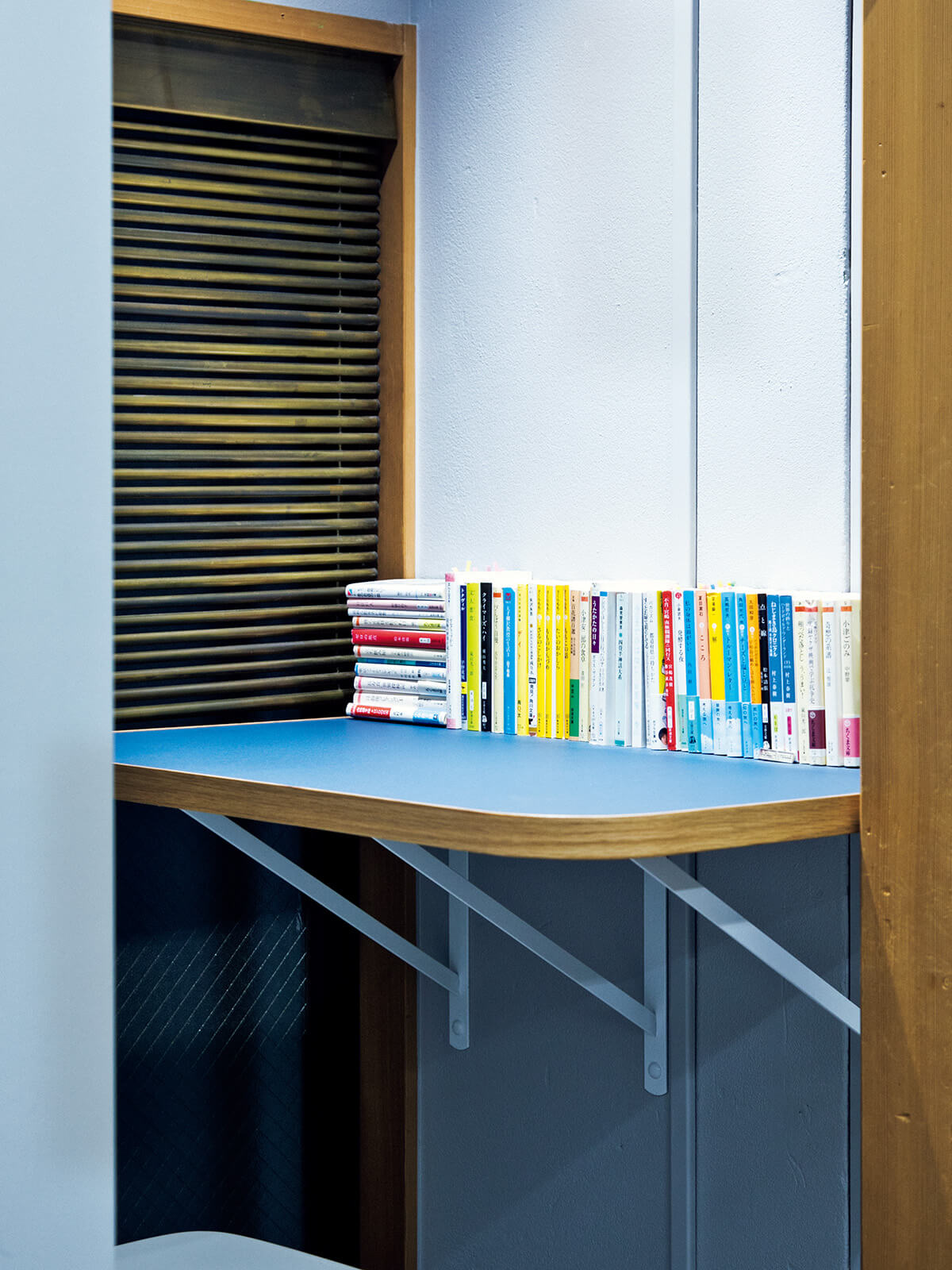
高くて狭い机の上にも文庫がぎっしりと並べられている。なぜか下巻や第2部しかなくて、冒頭を探すのが大変そうな村上春樹の小説も。 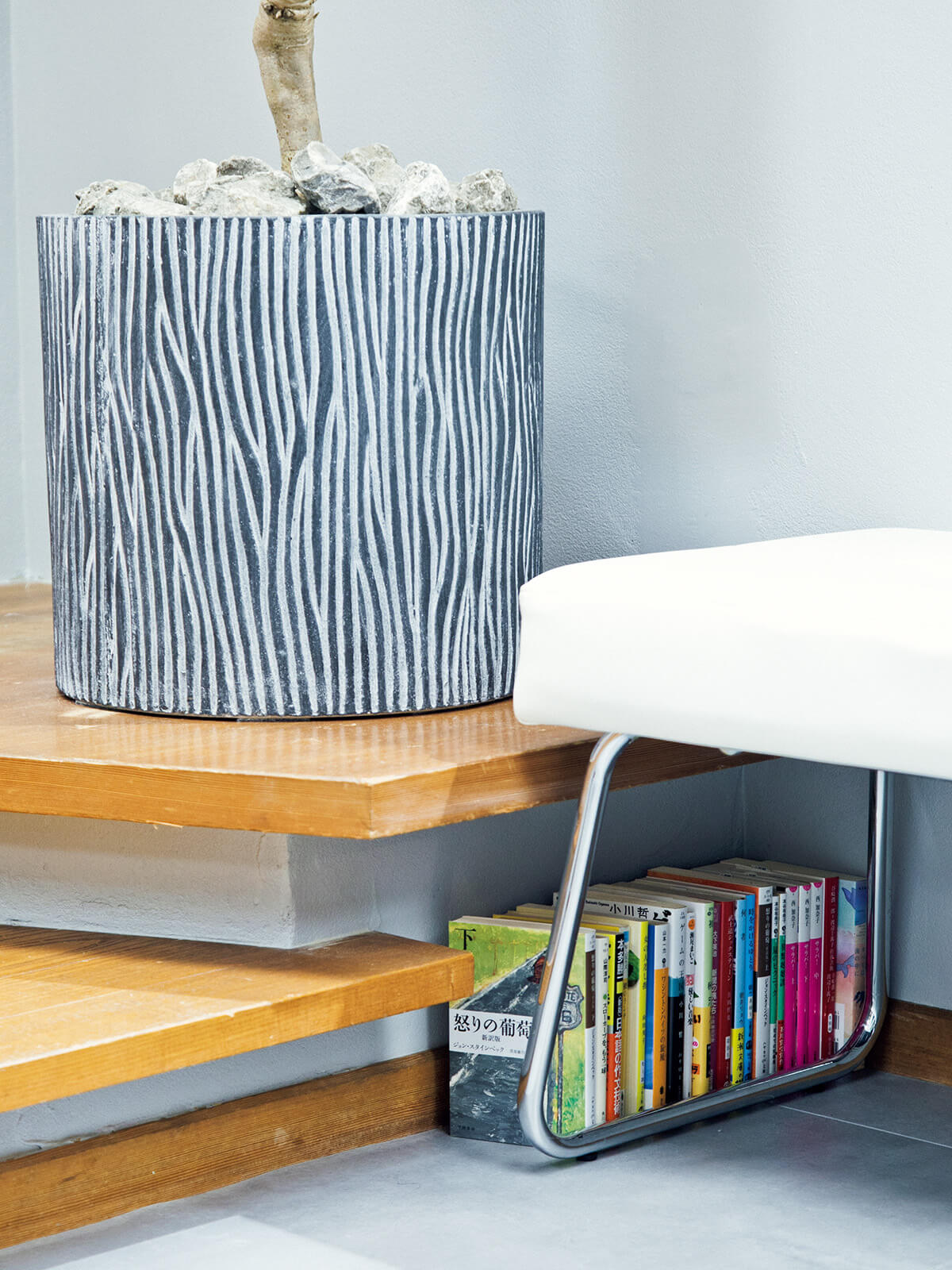
階段下の手を伸ばしにくい空きスペースも、決して無駄にはしない。本が増えるにつれて、こうした置き場がどんどん増えていきそうだ。
「スタッフが約50箱の段ボールにある程度、文脈ごとに整理してくれたものを意図的に分散させました。キッチンのそばに食の本を置いたり、音楽や映画の本が多めのブースがあったりもしますが、それぞれが趣向の異なるバラバラの棚になっています」(原さん)
「一人が作った本棚って完璧だけれど、誰も欲しくない本棚でもあるんですね。本屋をやっていて気づいたのは、ガウディ建築のように完成しない組み換えが、その面白さだということ。同じ本でも置かれる場所で違う印象を受け取れるから、誰かが読んで勝手にぐちゃぐちゃになるのがいい。なすがままの本棚が会話の発火点になる」(嶋さん)
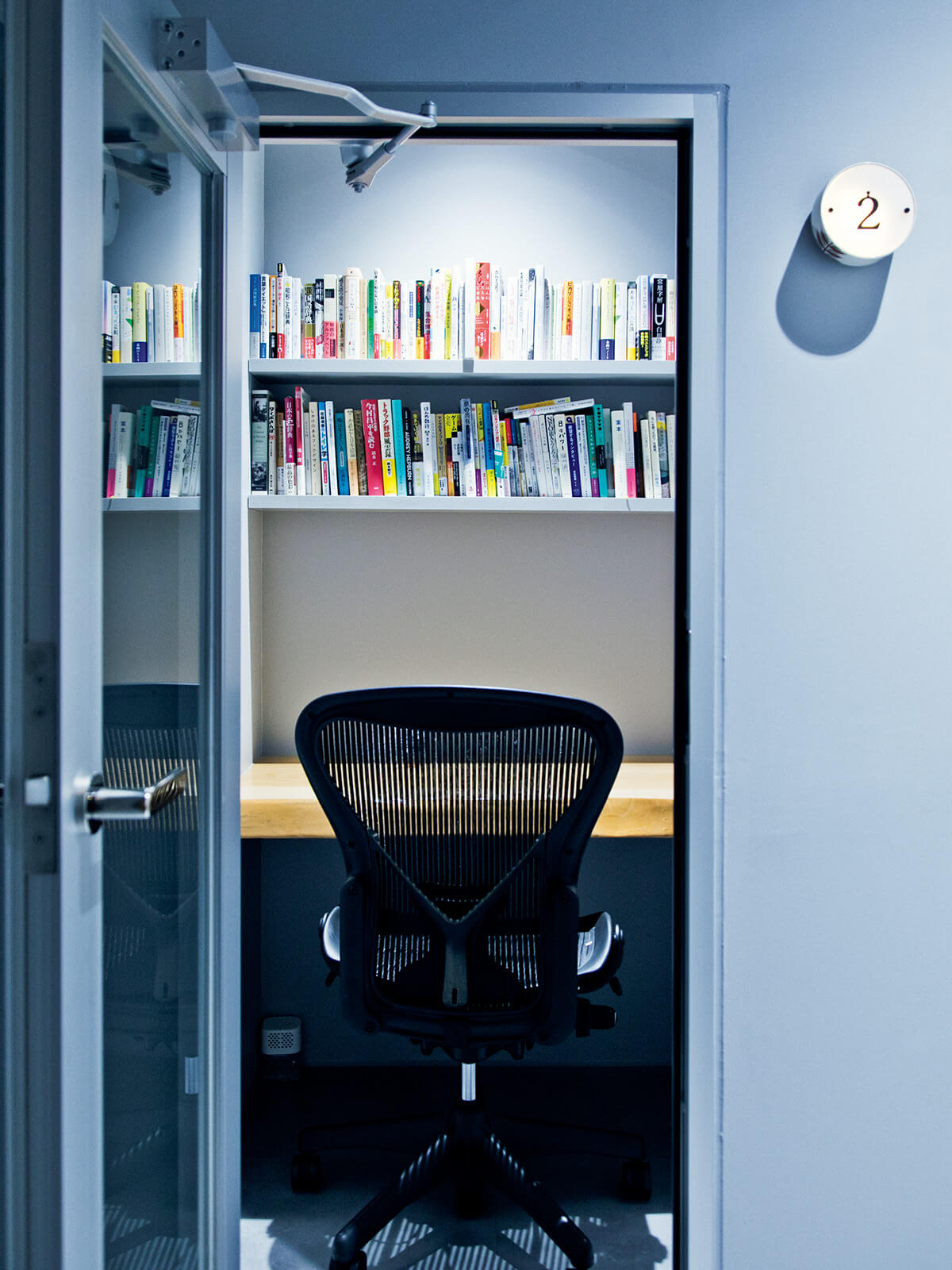
リモート会議用の個室ブース。アンドレ・ブルトン『シュルレアリスム宣言』に、鈴木則文『トラック野郎風雲録』が寄り添う絶妙さ。 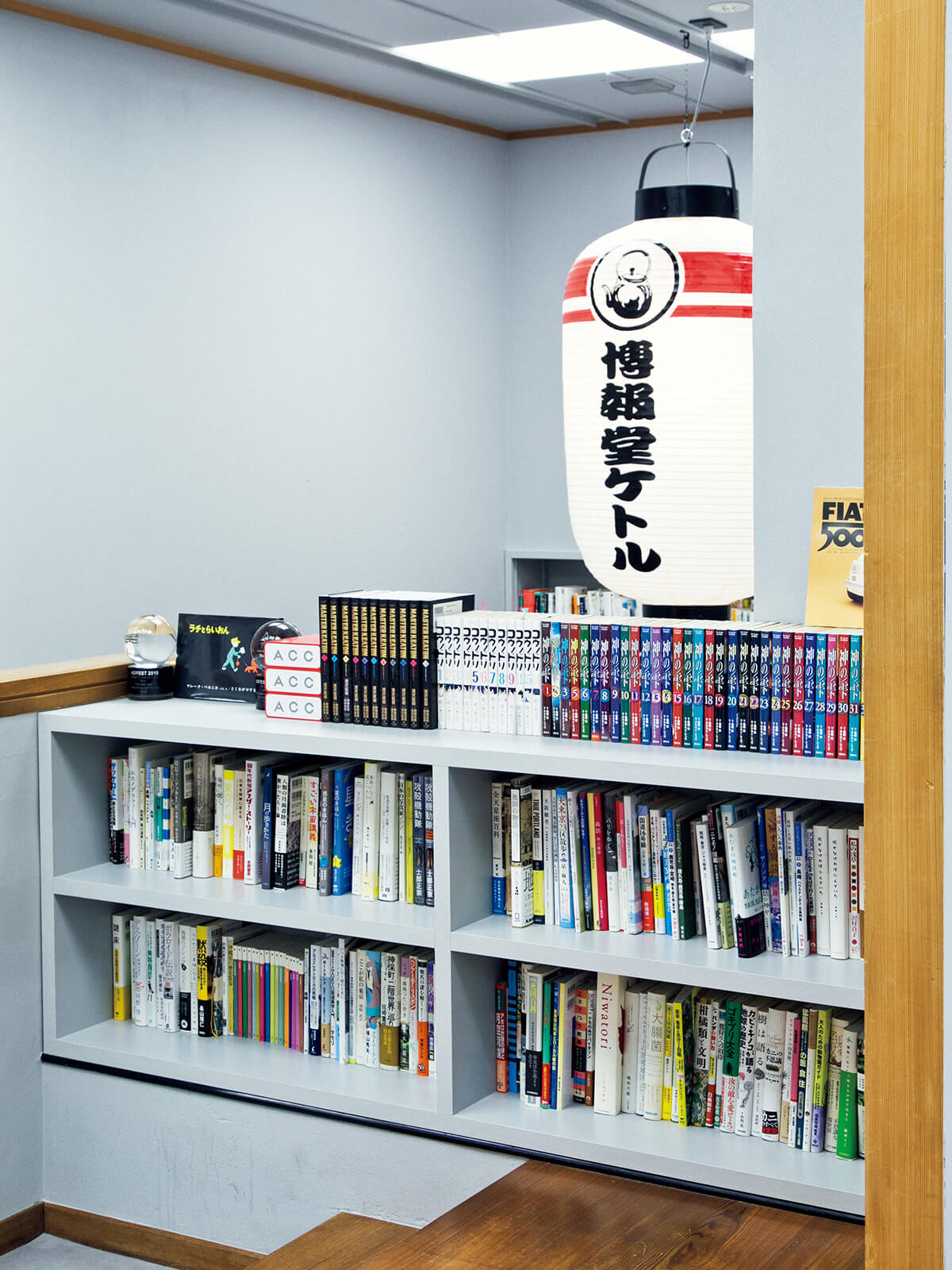
社名入りの提灯が掲げられた吹き抜けの階段スペース。巻数の多い漫画や大型本もあり、上り下りのたびにタイトルが目に入ってくる。 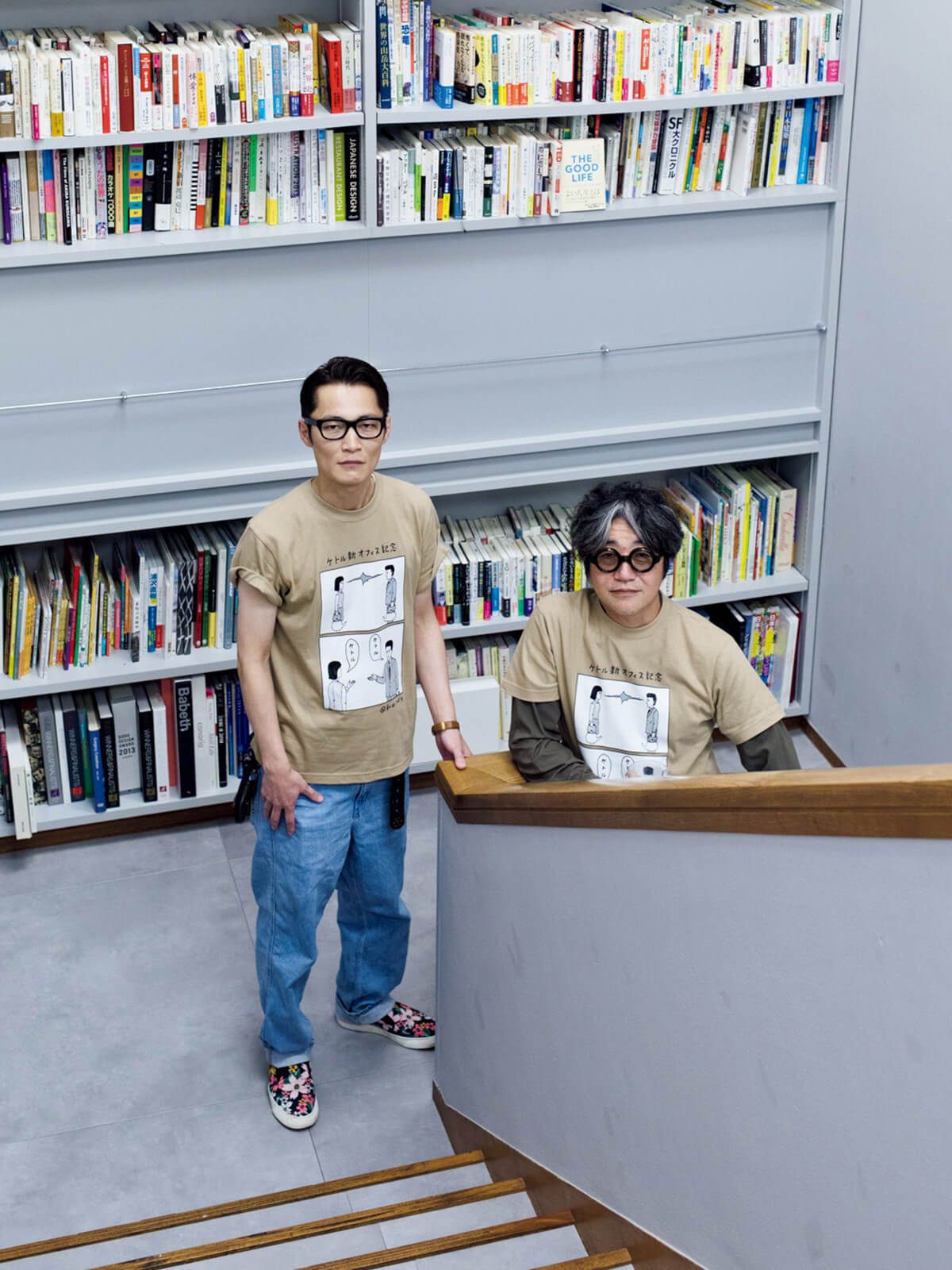
踊り場の本棚前。右から嶋浩一郎さん、原利彦さん。新オフィスのお披露目パーティ用のお揃いTシャツで。
集中するための密室で気になった漫画を開いたり、リモート会議中にタイトルの文字が目に留まったり、自分主導でない書棚が発見へと導き、思いも寄らぬアイデアの引き出しとなる。
「ダーウィンの『ミミズと土』も進化論であり、アフォーダンス・デザインの話であるように、本っていろんな結節点を持っているからこそ、触発されることができる。基本、よそ見をする人の方がクリエイティブ。集中しなくてはいけない場所をあえて注意散漫にすることで、ちょっとのスキマ時間をアイデア時間に変えることができる。アイデアの神様は、辺境からやってくるものなんですよね」(嶋さん)
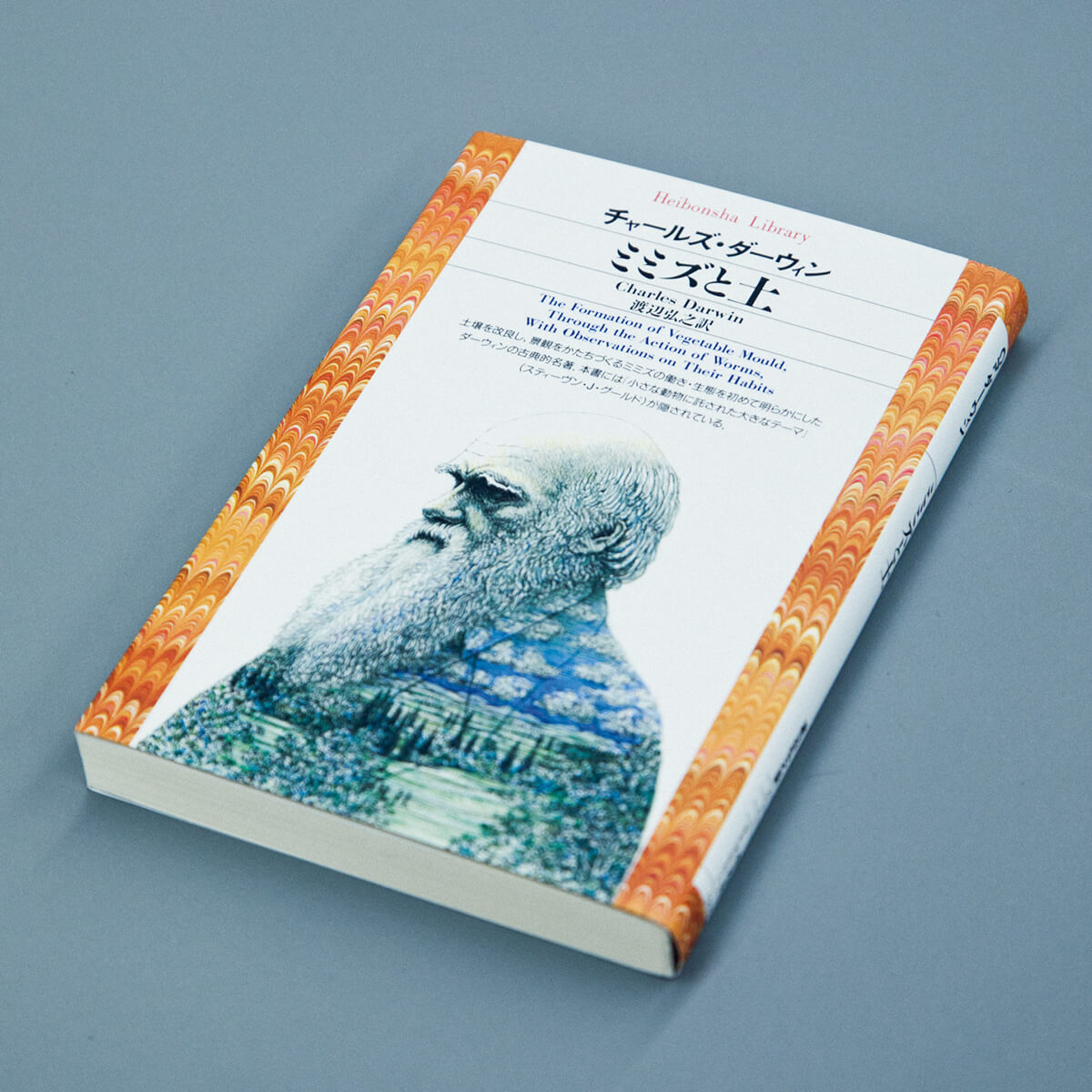
『ミミズと土』チャールズ・ダーウィン/著、渡辺弘之/訳
ミミズの働きや生態を明らかにした古典的名著。「蓋に最適と認識して葉で巣穴を塞ぐ、本能的な生態などが書かれ、アフォーダンス・デザインの一つの指標となった必読書」(嶋さん)。平凡社ライブラリー/1,320円。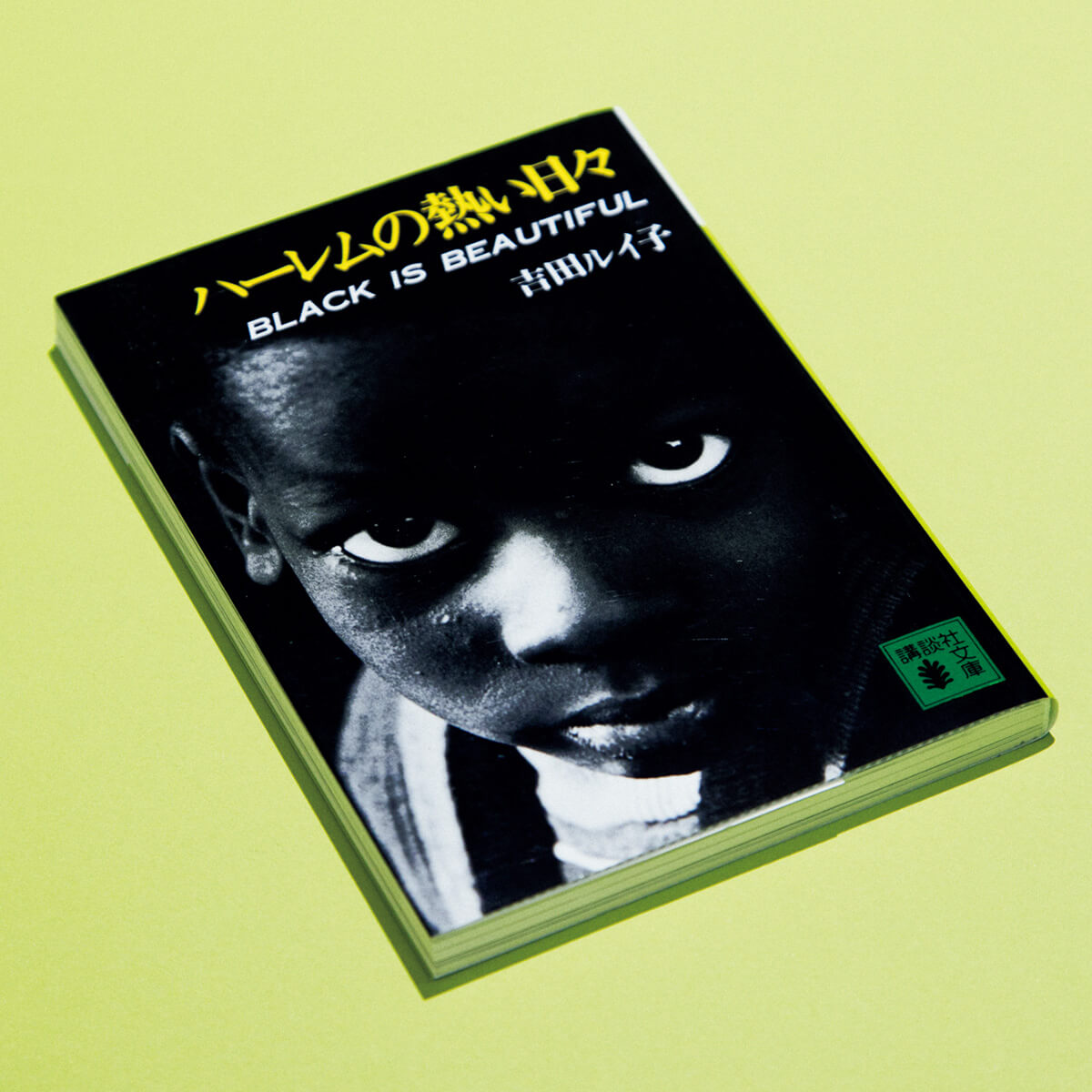
『ハーレムの熱い日々』吉田ルイ子/著
フォトジャーナリストによるNYハーレムのルポルタージュ。「HIP HOPが生まれた70年代、NYが最も危険な時代のスラム街を単身で訪れた著者による、真実を知る名著」(原さん)。講談社文庫/660円(電子版のみ)。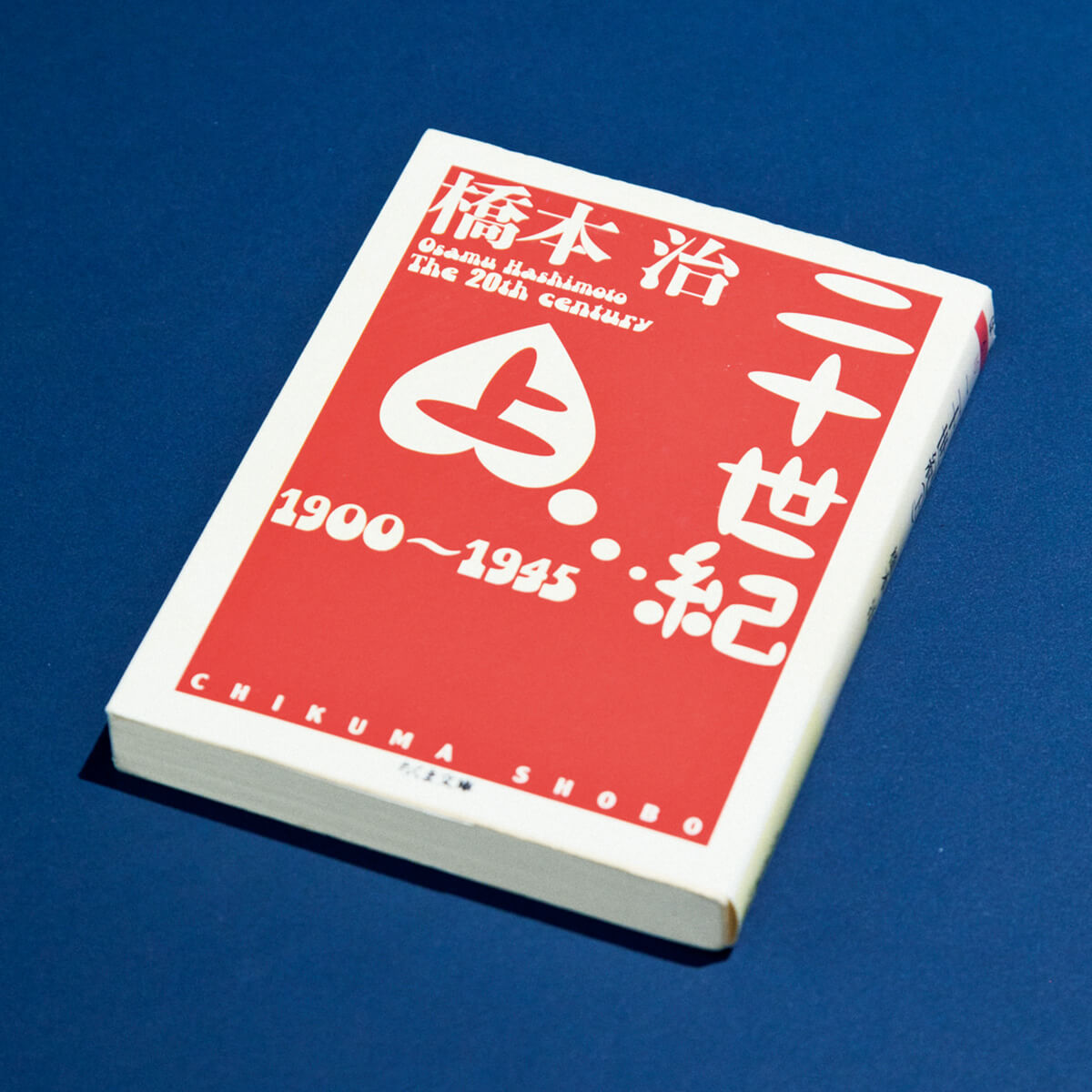
『二十世紀』橋本治/著
戦争、革命、宗教などの出来事を通し、20世紀とは何だったのか、1年ごとの動きを追い振り返る。「会話の引き出しを作る本。自室のトイレにも置きたい一冊」(嶋さん)。上下巻。ちくま文庫/各715円(電子版のみ)。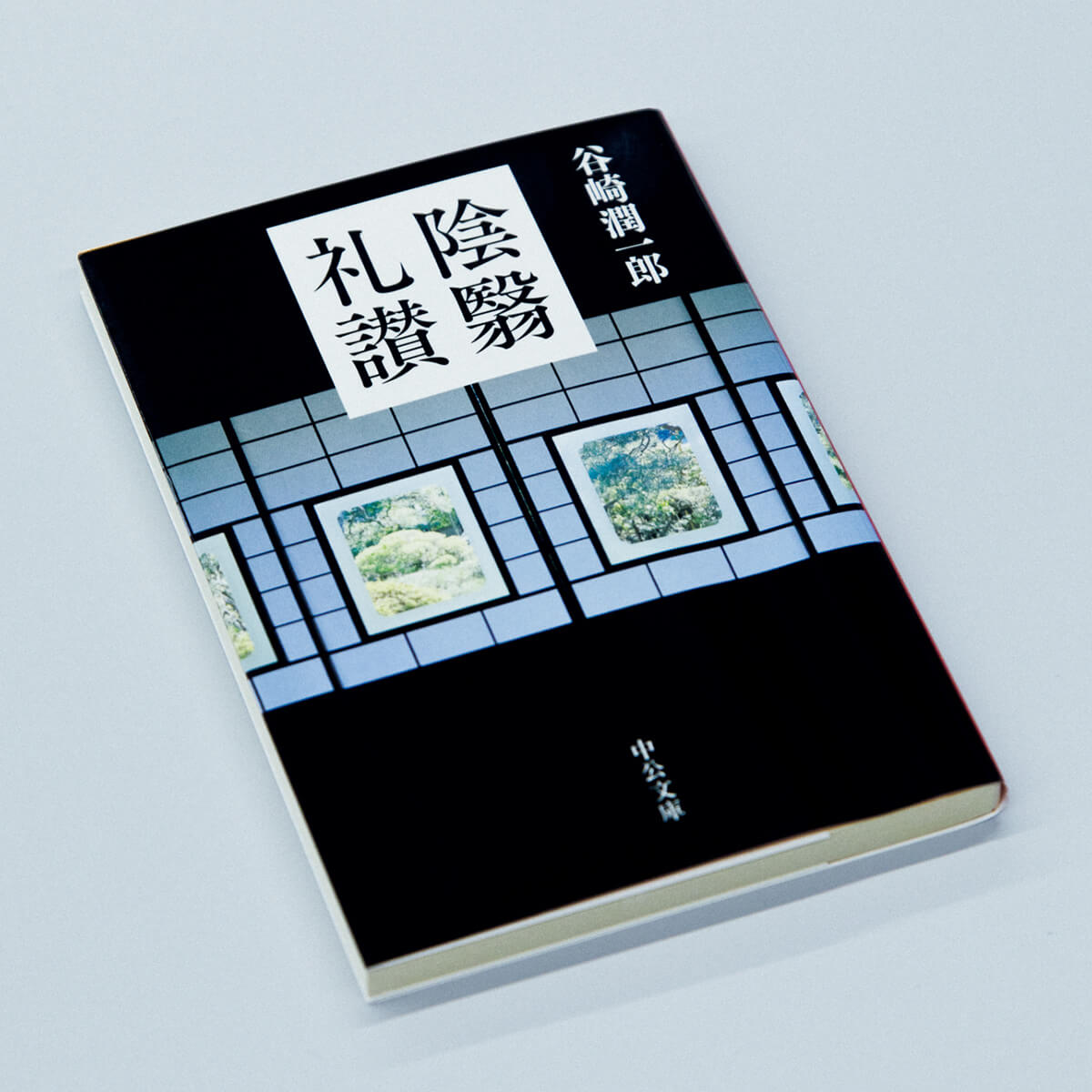
『陰翳礼讃』谷崎潤一郎/著
まだ電灯がなかった時代の日本古来の美の感覚、日本的な感性から生まれた芸術を論じた1933年初出の古典。「現代の空間デザインのアイデアにも通じる本として、読んでおきたい一冊」(嶋さん)。中公文庫/524円。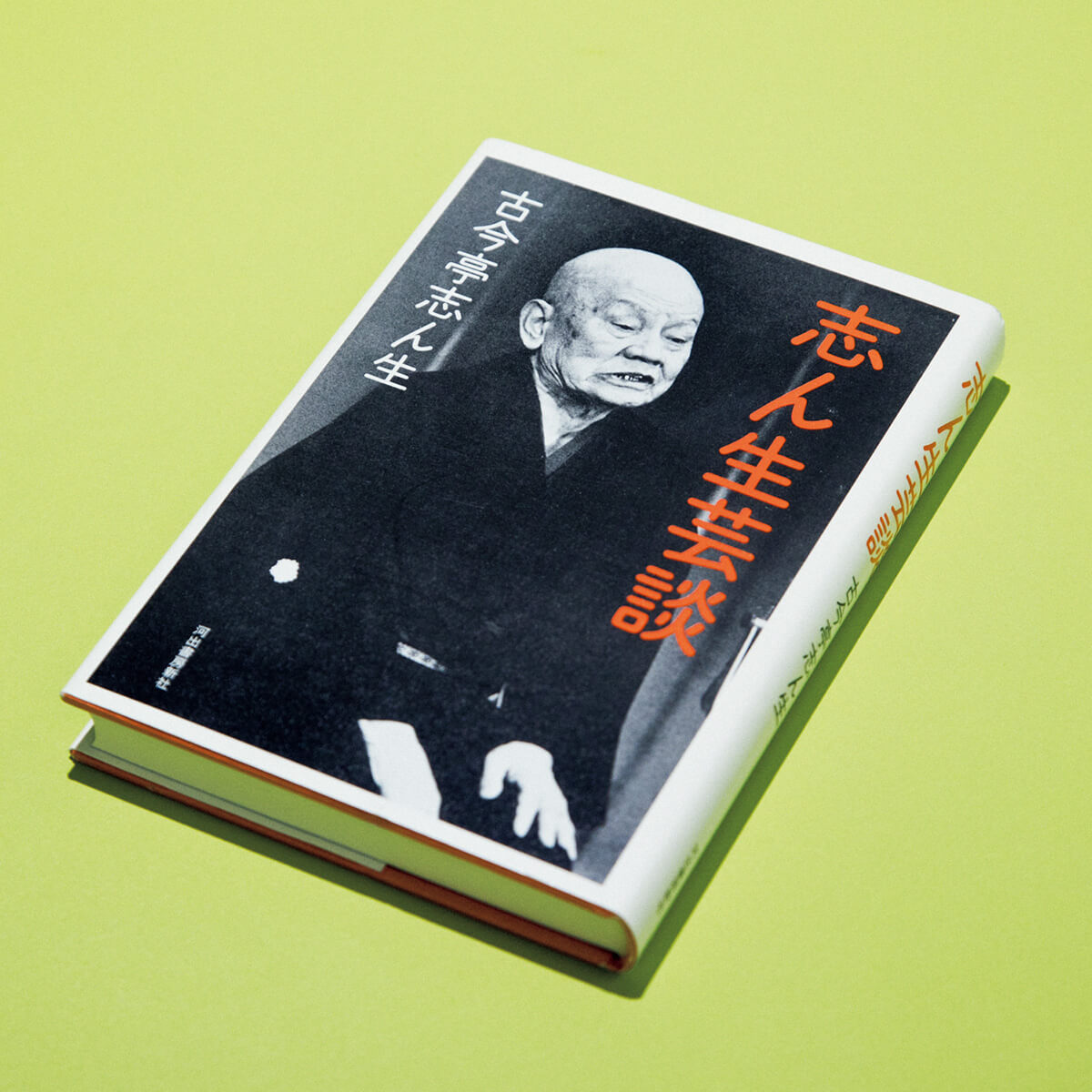
『志ん生芸談』古今亭志ん生/著
昭和に落語の神様といわれた著者の武勇伝や芸談を収めた人生論。「昔の人と突然書棚で出会って、酔っ払いでハチャメチャに仕事をする人でもいいんだというのを学んでほしい」(嶋さん)。現行版は、河出文庫/990円。