










ZANAT
Passing on traditional woodcarving from Bosnia and Herzegovina to the next generation
Konitz carving is an elaborate woodcarving technique that originated during the Ottoman Empire. Zanat is a brand that continues to carry on this traditional technique, which has been registered as an intangible cultural heritage. Founded by Gano Nikšić at the end of the 19th century, the advanced woodcarving techniques have been passed down through four generations of Bosnian-Herzegovinian designers, and the brand actively collaborates with international product designers.
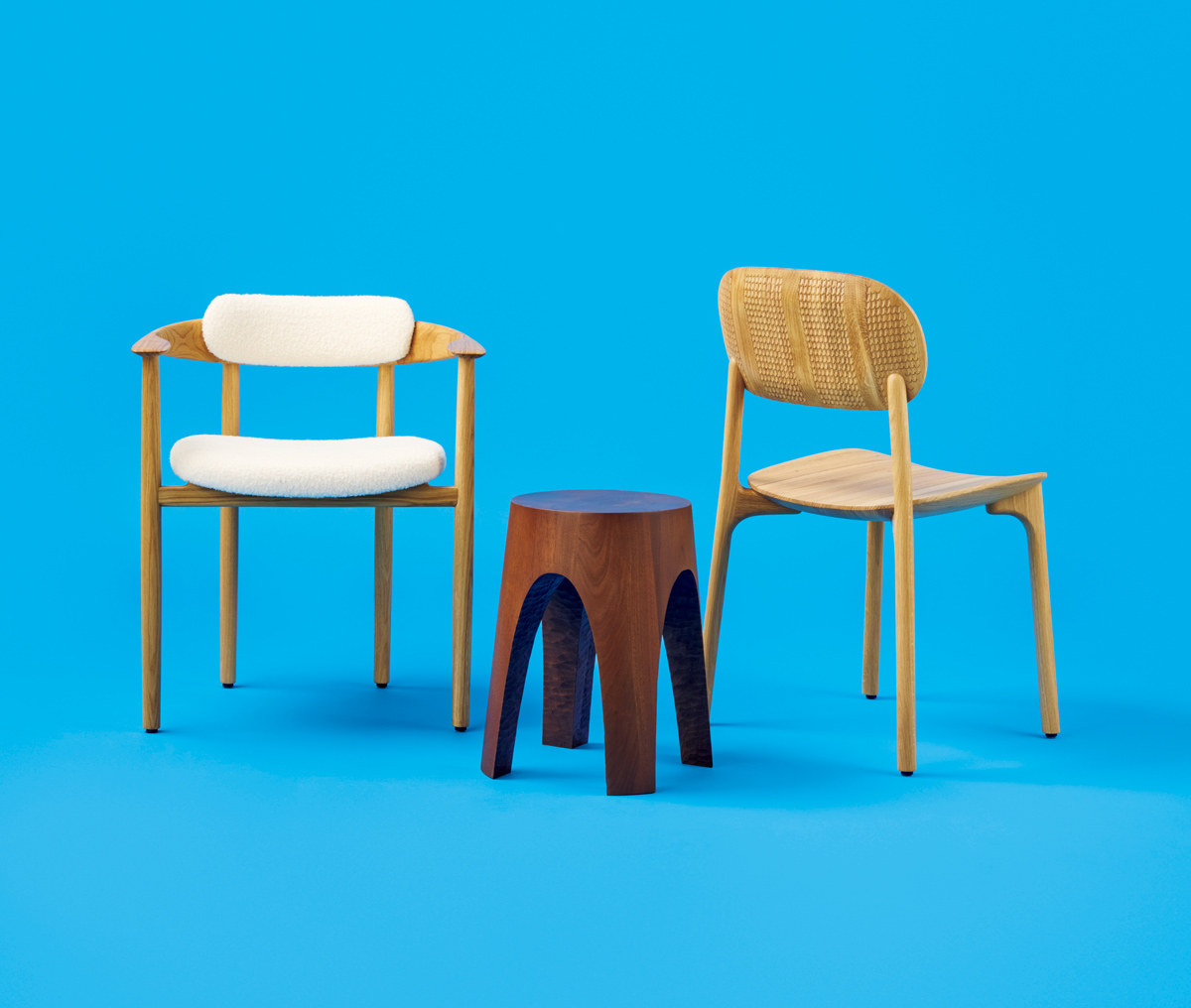
The new Mostar Stool was designed by Naoto Fukasawa and is inspired by the old bridge that spans the ancient city of Mostar. Mostar was destroyed during the Yugoslav conflict. After its reconstruction, it has become a symbol of multicultural coexistence, and it also contains a message of the country's history and peace.
The Saba Armchair by Patrick Norge is characterized by the delicate curves of the armrests, while the Unna Chair by Monica Foster is characterized by its intricately carved back. The products are made from FSC-certified wood from the country, and the company also engages in tree-planting activities in the area.
EETAL
Expanding the possibilities of sheet metal processing technology through the power of design
ETAL is a project launched by a precision sheet metal processing manufacturer founded in Nagasaki in 1957 to create new products using sheet metal. Sheet metal is a technique for processing thin plates of iron, stainless steel, and aluminum, and ETAL handles all processes from cutting to forming, welding, and painting.
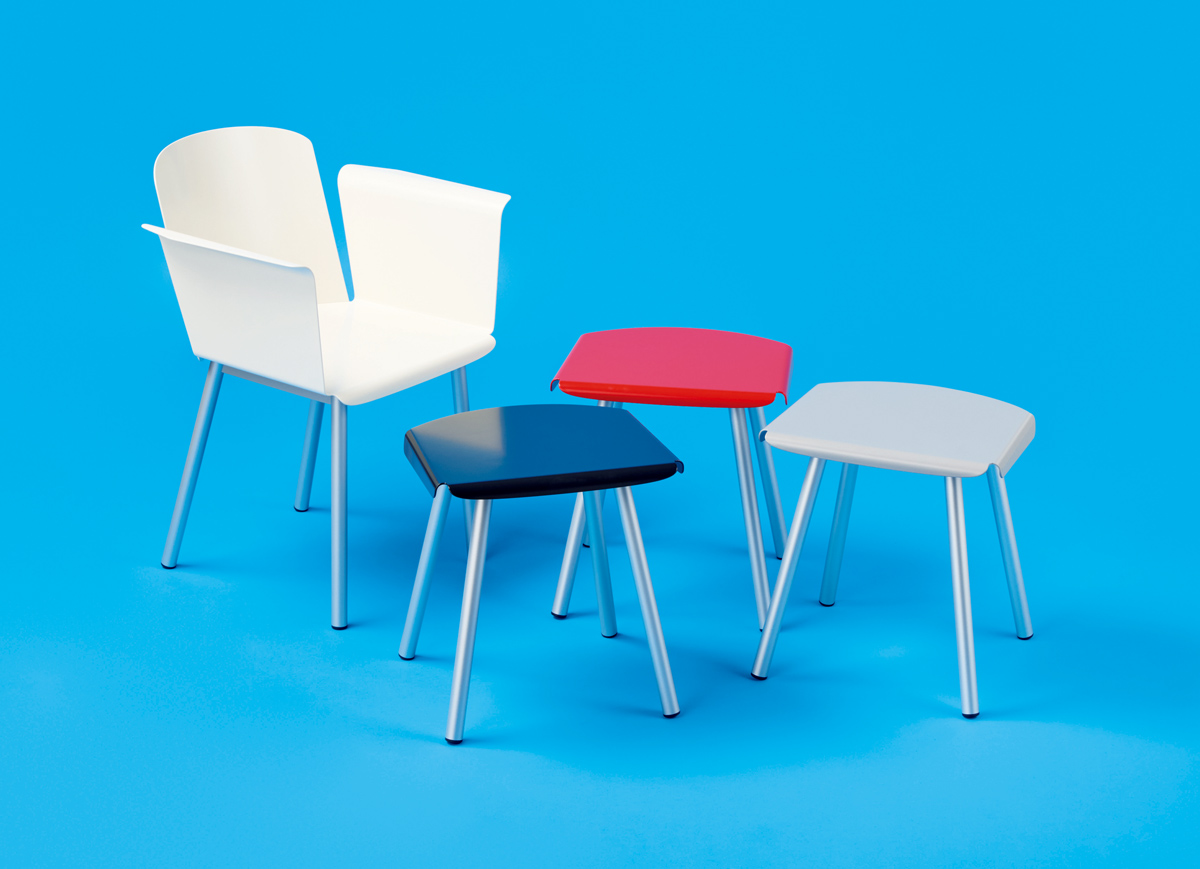
The "Hikou" series, created in collaboration with Korean product design studio Quoduo, is a collection of furniture made from processed aluminum. Light enough to be lifted with one hand, it is also durable and has the unique softness of aluminum that is not found in iron or stainless steel.
The chair's back is designed to bend slightly, gently supporting your weight. Both the chair and stool come in four colors: black, cream white, gray, and red. The reflection of light highlights the precision of the painting technique.
ITOKI × karimoku (Itoki × Karimoku Furniture)
A warm office chair that also contributes to forest conservation
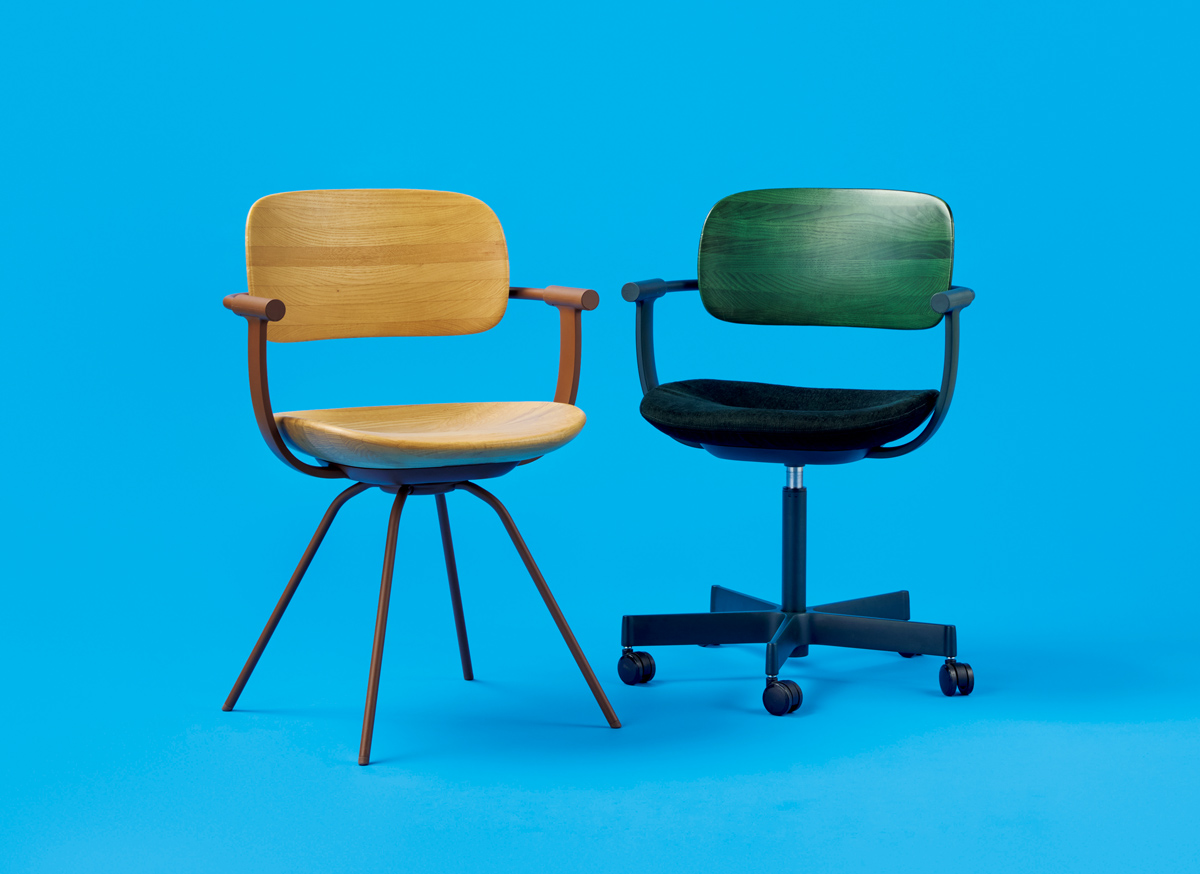
A new model using solid wood has been released for the Vertebra Zero San office chair, developed by ITOKI in collaboration with product designer Fumie Shibata. The wooden parts were supervised by Karimoku Furniture. Small pieces of chestnut wood are glued together and then carved to create smooth recesses in the seat and back. This creates a comfortable seating experience based on the ergonomics that ITOKI has cultivated.
The underside of the seat utilizes a technique called "finger jointing," which connects short pieces of wood vertically, making full use of wood that has lines or curves and cannot be cut to the required length. Using domestic chestnut wood also contributes to forest conservation. Working with a sense of wood contributes to the future of Japan's forests. The wooden parts are available in black as well as the clear and green shown in the photo.