










YENTA's Roblo
Head to the foot of Mt. Yoshida to buy unique bread whose flavor changes daily
You think there's no need to go all the way to Kyoto to buy bread and bring it back home? No, there's a reason why bread lovers in Kyoto flock here. The owner, Mayuko Yoshihara, is a self-taught bread maker.
He calls himself a "flour geek" and experiments with a variety of flours, mainly domestically produced. He bakes countless loaves of bread to create his own unique bread. This is why the taste and texture are one of a kind. You can only find it here. Lovro is a traditional Danish bread made from 100% rye.
They mix German rye flour with naturally grown rye from Hokkaido that is coarsely ground in-house, resulting in a surprisingly mild sourness that is characteristic of rye bread. They also offer a variety of other breads that do not contain dairy products. Many of the breads have a long shelf life and the flavor changes daily, so there is no end to the enjoyment you can enjoy even after your trip has ended.
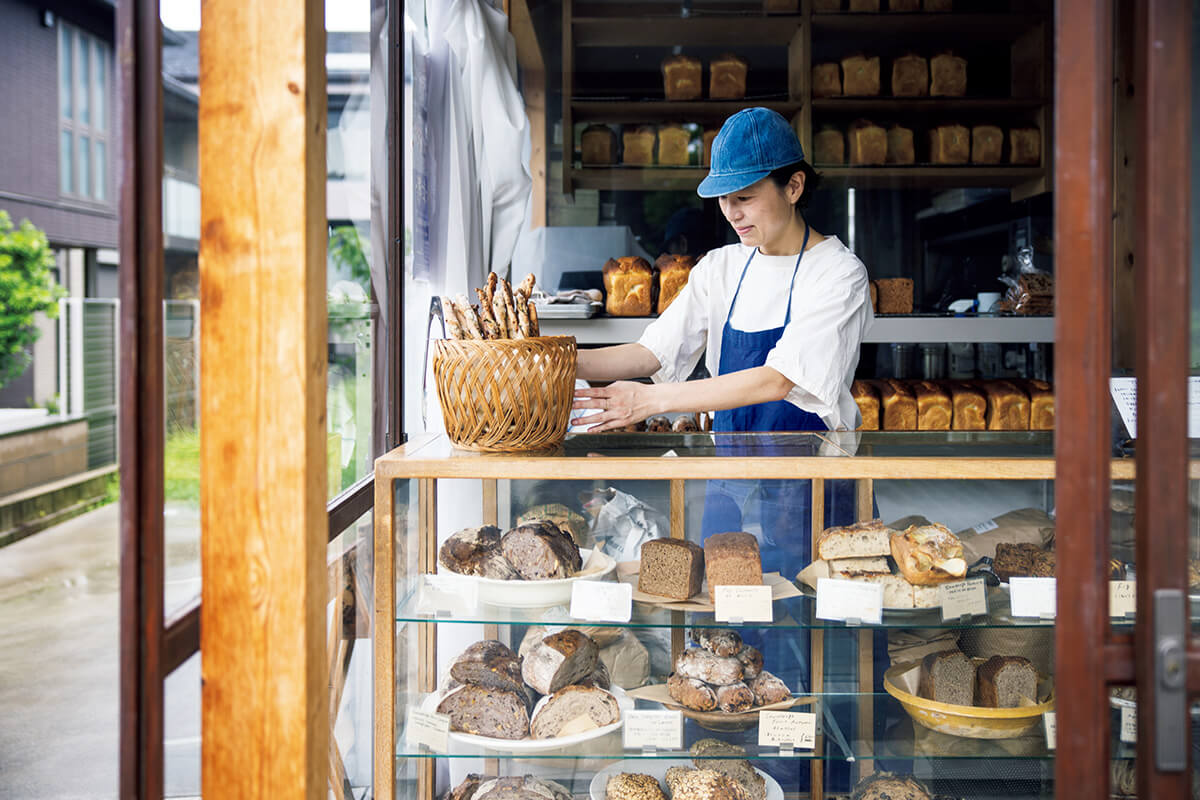
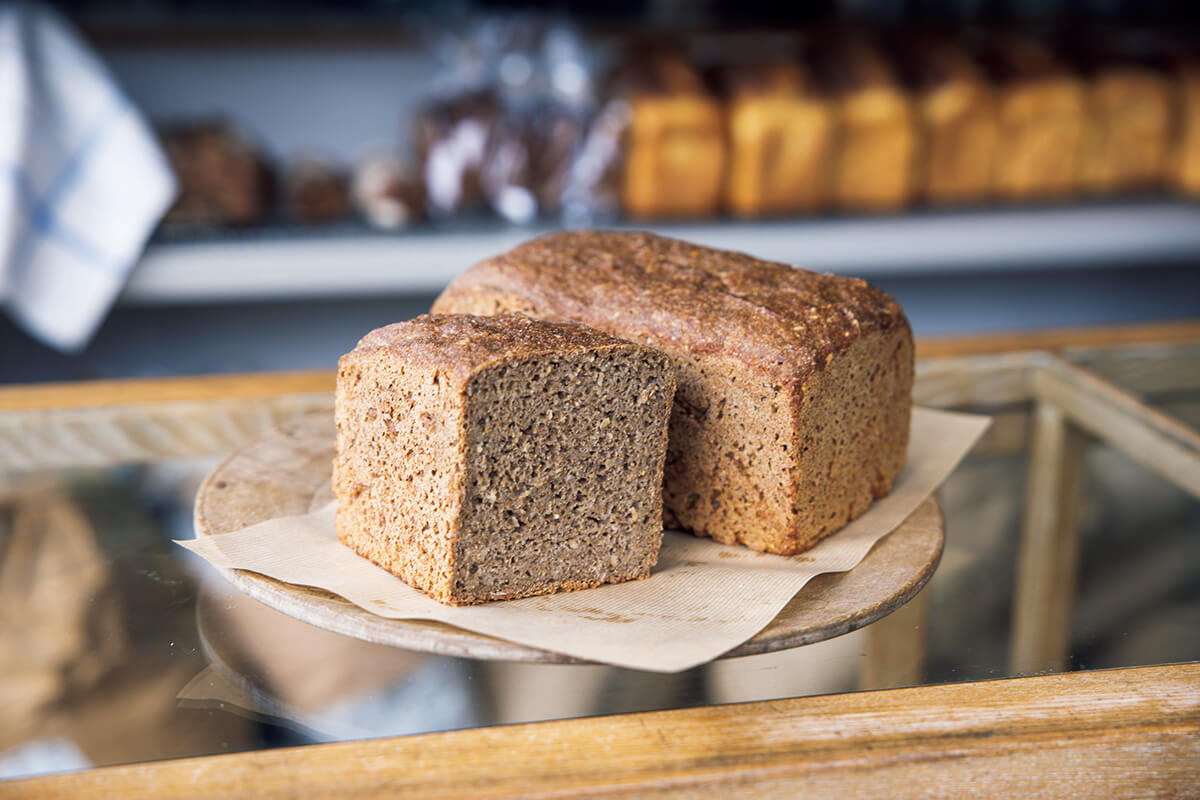
Loblaw half loaf (left) 750 yen, whole loaf (right) 1,400 yen. Made with rye sourdough, it's easy to eat and has a moist dough. The expiration date is about 10 days. 
Régis d. Pipelet white can
Enjoy French pastries packed with Kyoto flavor in Ichijoji, far from the hustle and bustle of the city.
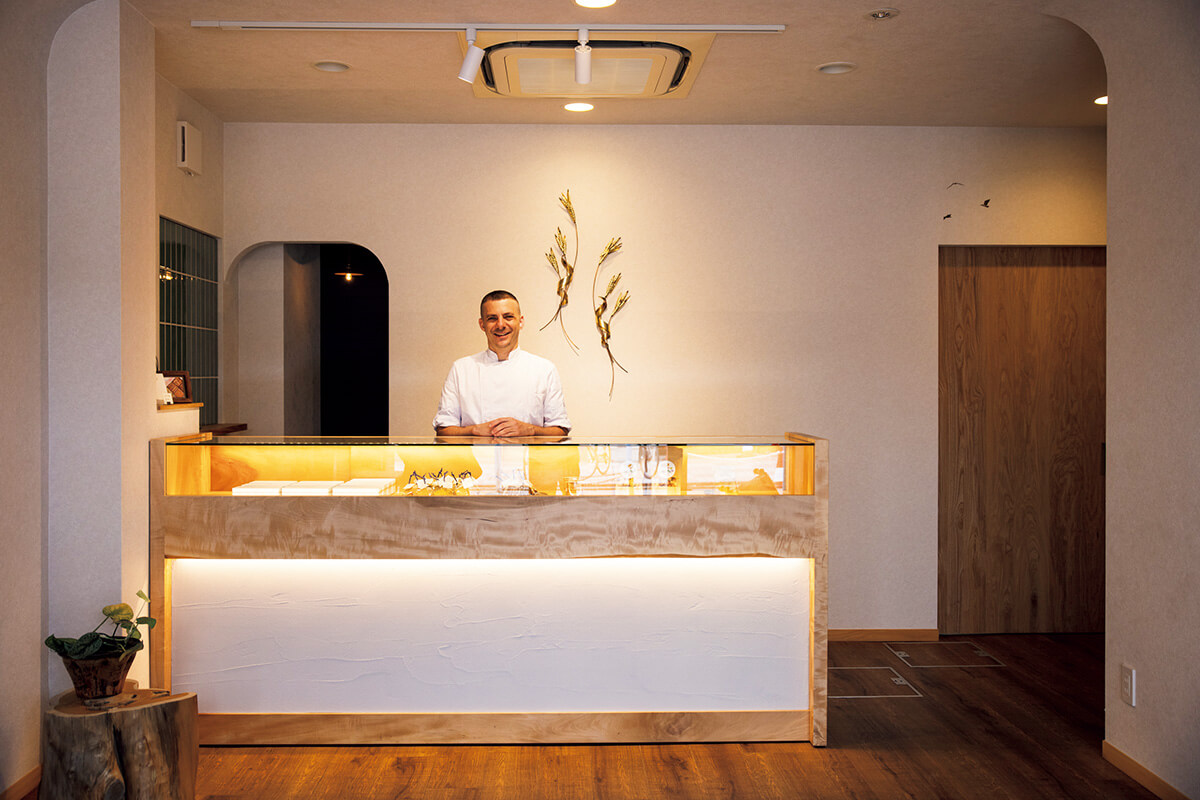
He wants many locals to visit his shop. Regis Demanet, who served as chef patissier for many years at Pierre Hermé in Tokyo and Kyoto, opened his shop in Ichijoji, away from the city center, with this in mind. In his quiet workshop, he silently creates sweets that can only be found here.
The sweets lined up are not just for their appearance or taste, but are full of flavor, with the taste of the ingredients spreading the more you chew them. They visit producers as much as possible to use ingredients that they are satisfied with. The biscuit tin is a symbol of this.
The star of the shop is wheat produced in Kyoto Prefecture, which is also displayed inside the shop. The four types of breads are baked using this medium-strength flour and the techniques they have cultivated over the years, and are filled with local ingredients such as Wazuka black tea leaves and Kameoka Soyogo honey.
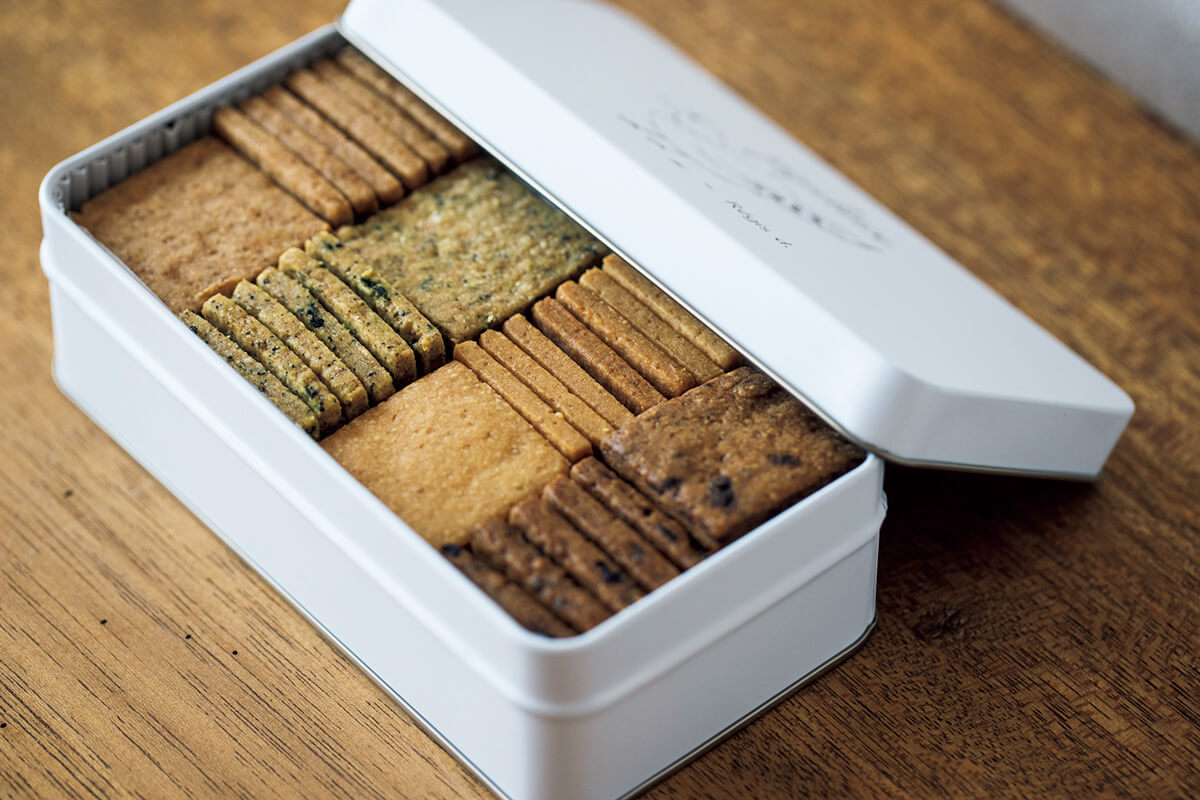
Pipelette white cans, 4 varieties, 300g each, 3,900 yen. Reservation required. One of the four varieties contains raisins soaked in cognac from Régis' hometown, Charente, France. 
Waffles from Ofudou Confectionery
Bring your own insulated bag to buy these fluffy, nostalgic waffles
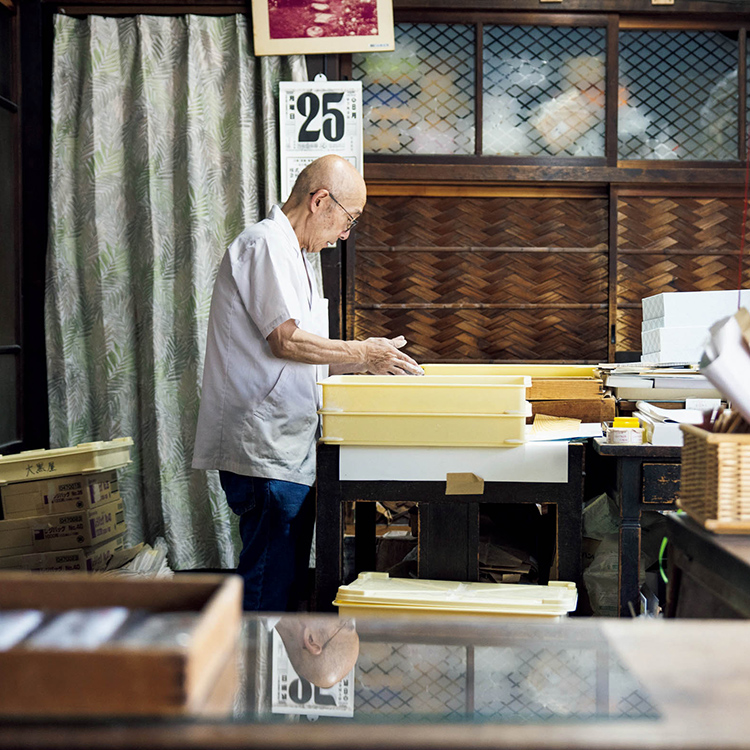
Kyoto food lovers unanimously agree that the waffles made by a long-established Western-style pastry shop founded in 1957 would be a great gift.
However, it is not the Belgian type, but a rare Japanese style, with custard cream wrapped in fluffy dough. It was started by the founder, who trained at one of Kyoto's most well-established Western confectionery shops, and the second-generation owner, Yoshiharu Sasaki, has continued the recipe unchanged.
The batter is poured one by one onto an original hot plate and cooked slowly at a low temperature. The secret to its fluffy texture is adding more egg whites than usual to the batter. The custard wrapped in the batter is also incredibly soft, with a gentle taste and texture. The best-by date is the day of purchase. Bring a cooler bag with you when you go to buy this delicacy.
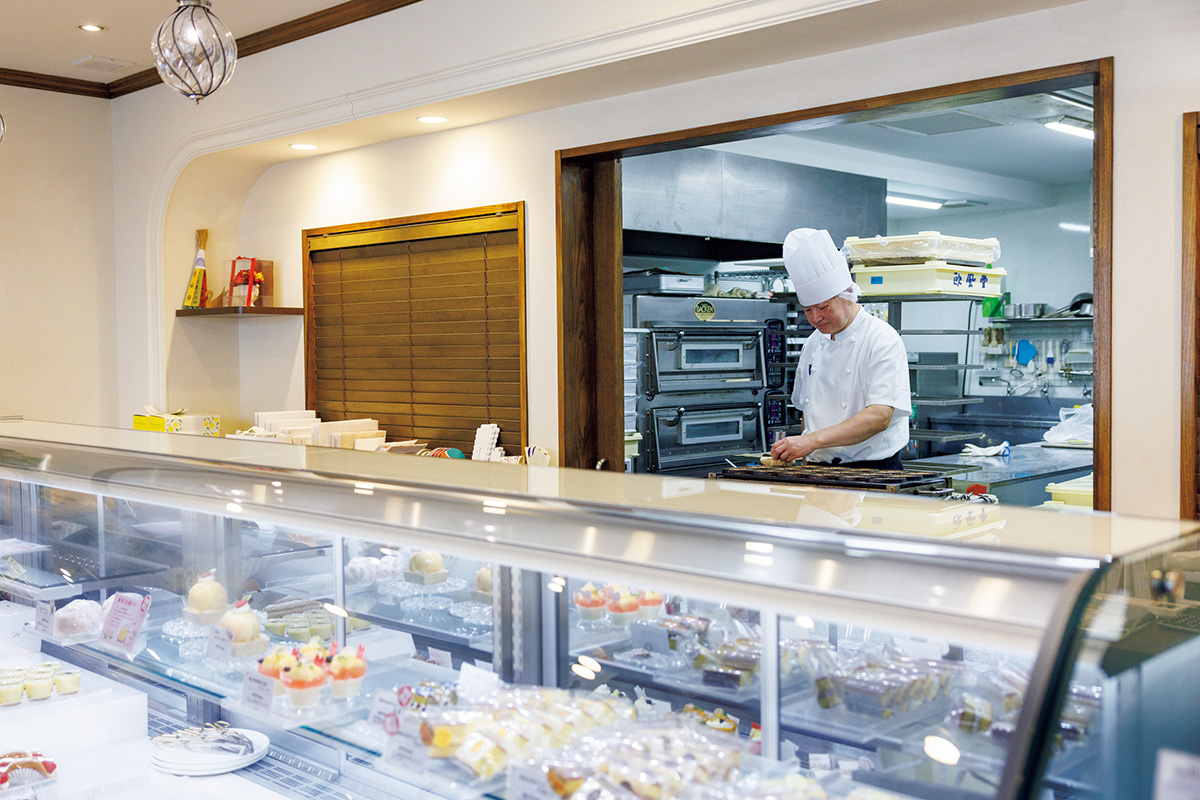
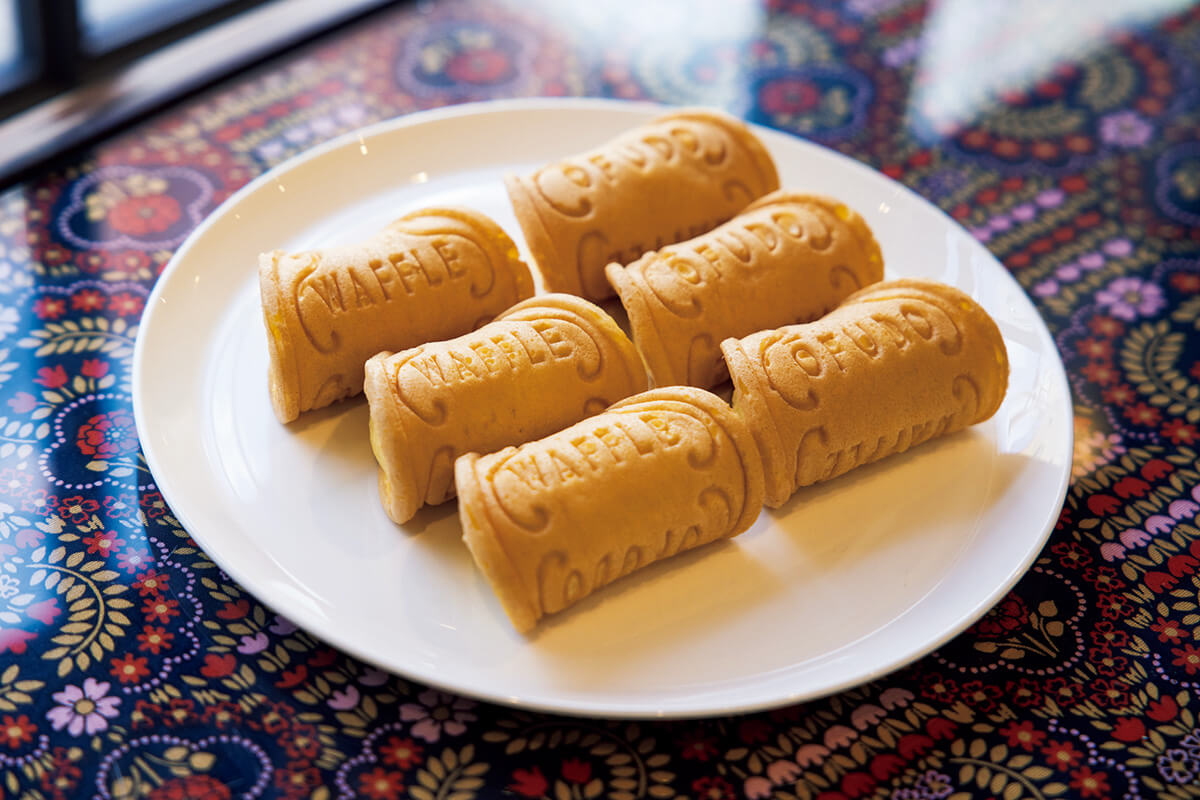
Waffles are priced at 280 yen each. They often sell out by mid-afternoon, so it's best to make a reservation. They also come in boxes of three or five for souvenirs. 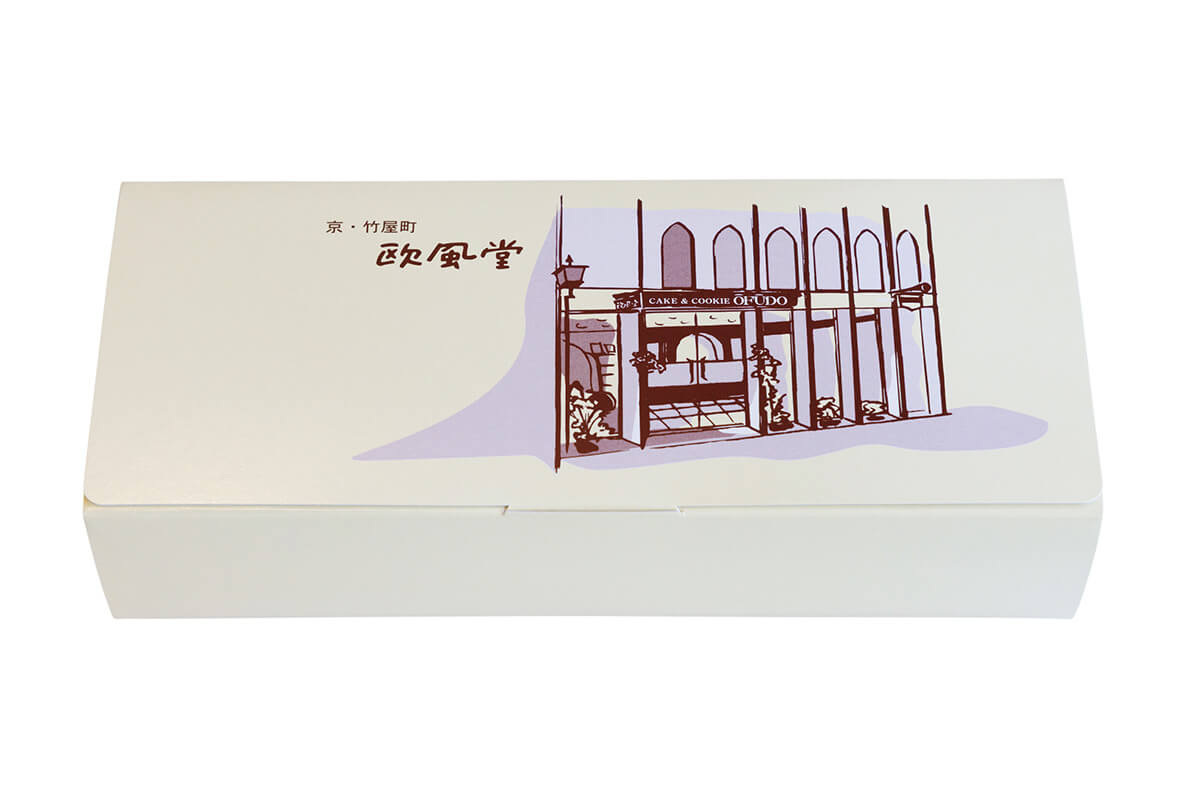
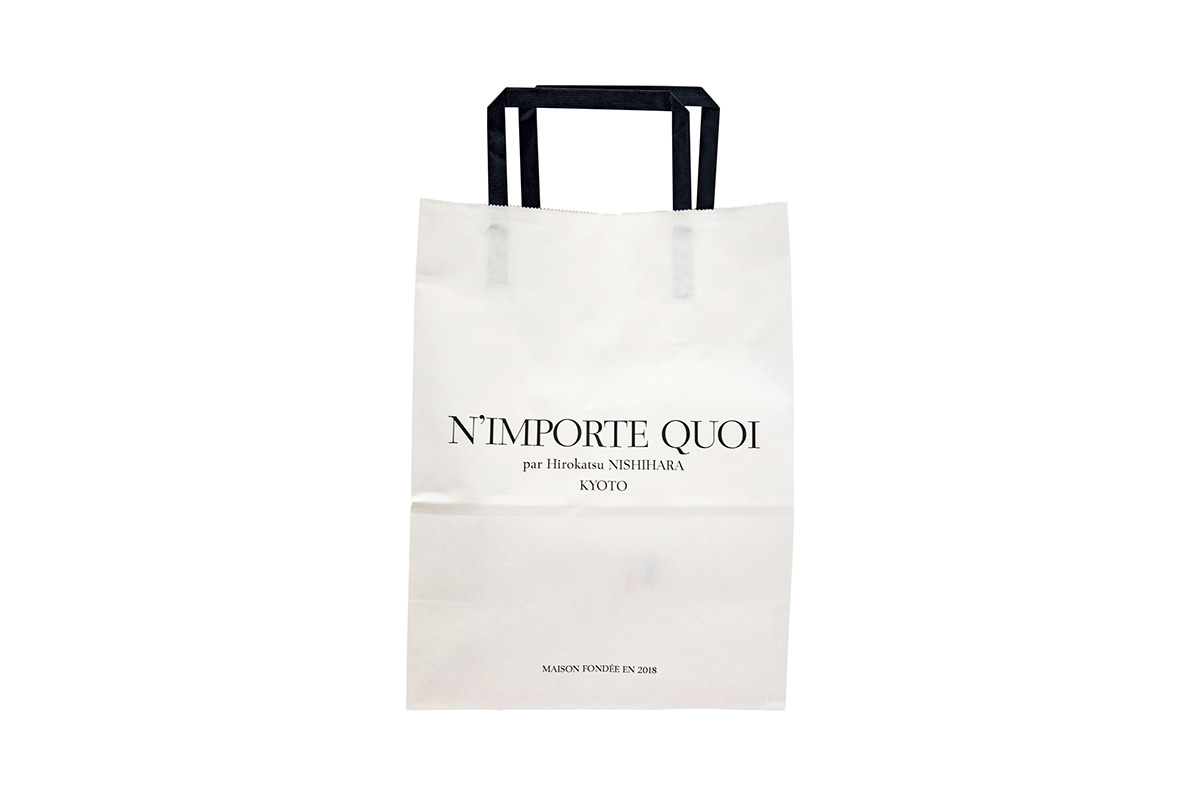
N'IMPORTE QUOI apple tart
A father-son collaboration that continues to create this classic apple cake, beloved by Kyoto confectioners
A pioneer of French pastries in Kyoto is Chef Kinzo Nishihara's Au Grenier D'or. Many pastry lovers eagerly await the apple tarts that are available here every autumn.
Although the store sadly closed, the tarts are still made at Nan Port Kwa, a patisserie run by his son, Chef Nishihara Hirokatsu. It takes four days to complete the tarts. The apples are sliced one by one, dipped in whipped cream, and then lined up and baked.
It takes more time and effort than it looks, but "it's my father's specialty, and it's also the cake that inspired me to become a pastry chef," says the father, who continues to make it with the same flavor while changing the apple varieties with the seasons. This Kyoto classic tart, passed down by father and son, can be stored at room temperature and makes a great gift.
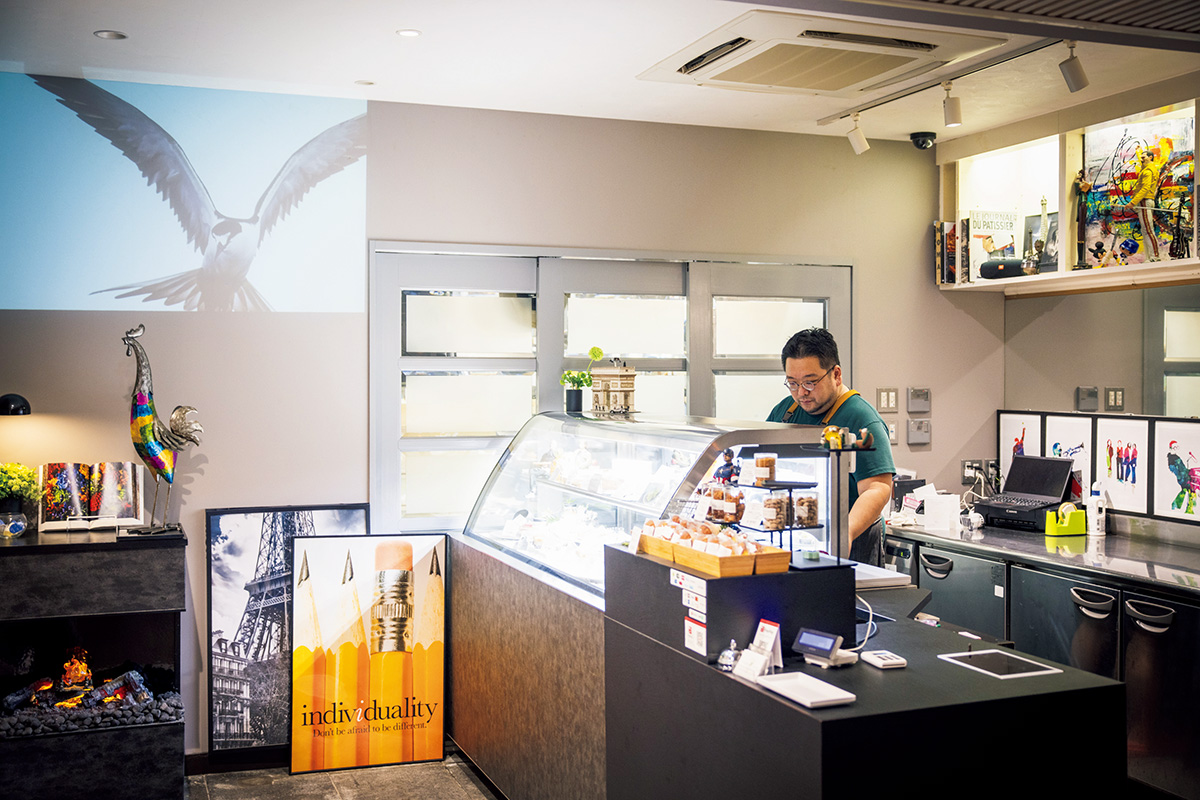
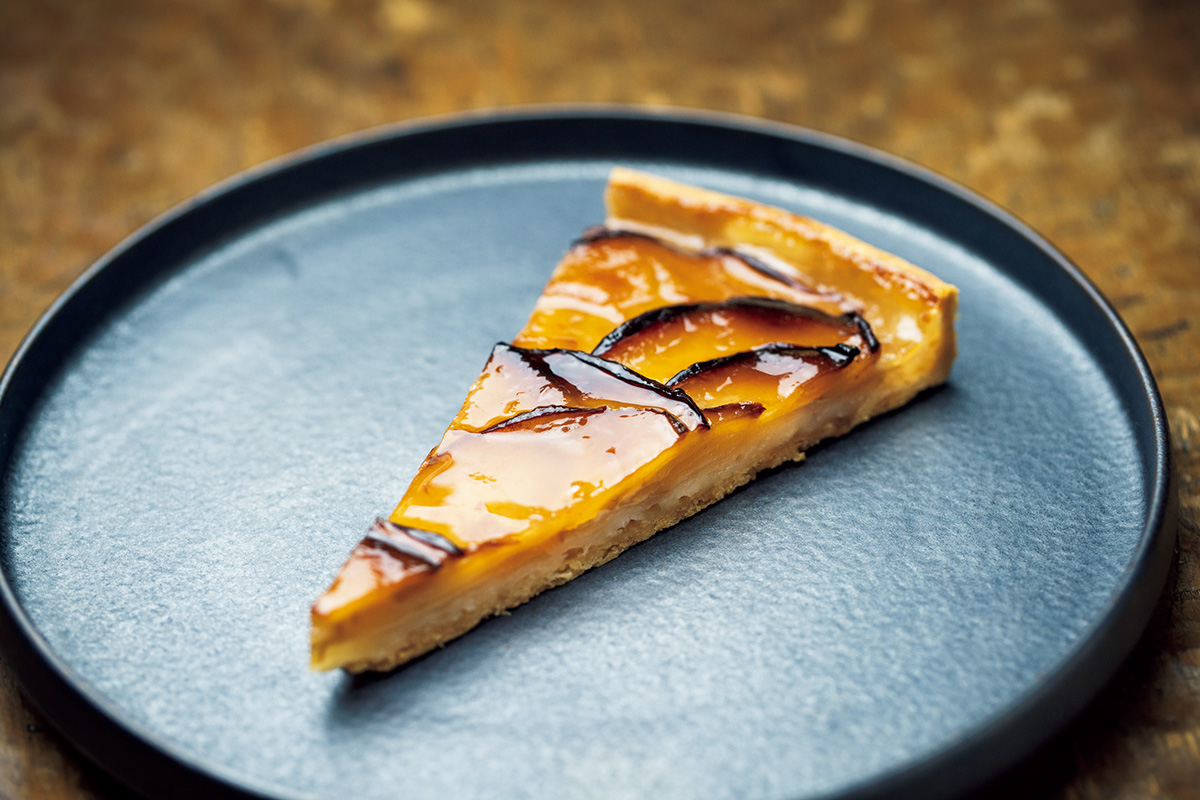
A slice of apple tart costs 520 yen. Starting with Tsugaru apples, they offer a variety of apples, including Kogyoku, Kurenai no Yume, and San Fuji, and are available until the summer. The expiration date is the next day.