











Kamamochi from Daikokuya Kamamochi Honpo
The 73-year-old shop owner hands over the mochi sweets with a "thank you" and they taste even better.
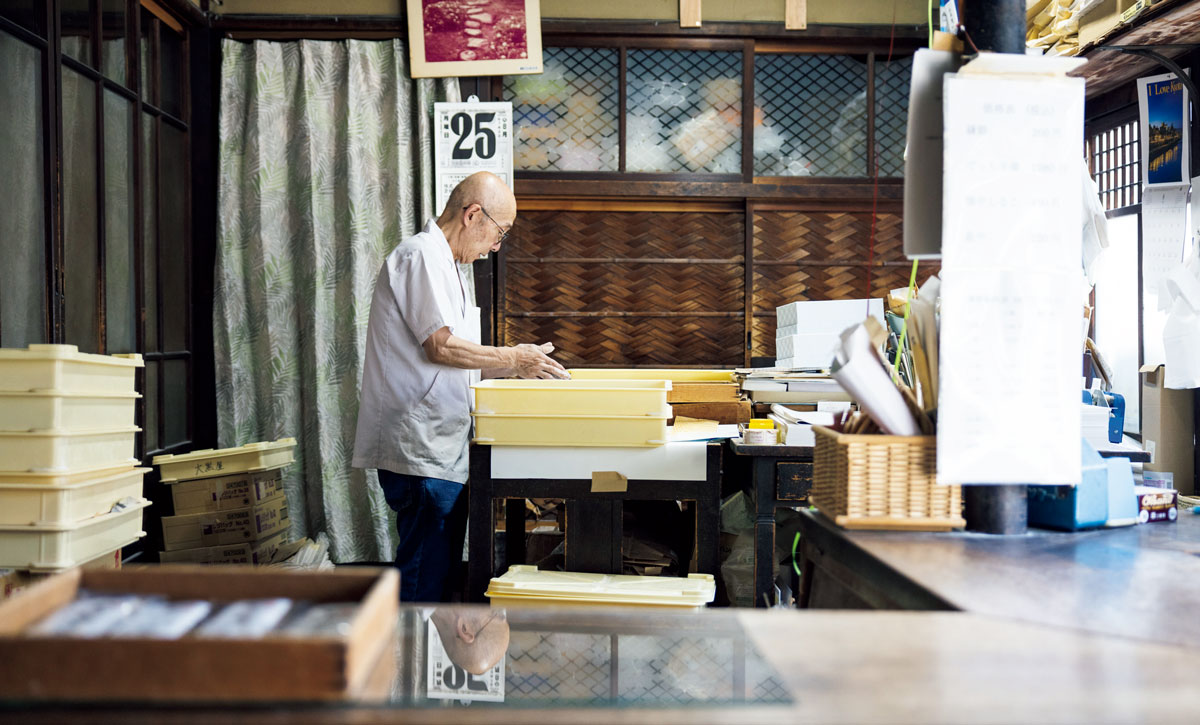
At 73 years old, Yamada Mitsuya runs the shop by himself, handling everything from cooking the bean paste to delivering and serving customers. The kamamochi tastes even better when you come to the shop and receive it from his flour-covered hands, which he has been making for nearly 50 years.
Yamada is the third generation owner of the shop. His grandfather, the first generation owner, inherited the recipe for this confectionery, which was sold at a tea shop at Kuramaguchi, and opened a confectionery shop in front of the current Amidaji temple gate in 1897.
While the gyuhi dough is still hot, it is wrapped around the smooth bean paste, and in the blink of an eye it is shaped into the shape of a sickle blade, symbolizing a good harvest, and then wrapped in a wooden strip. Not only is the gyuhi dough soft and smooth, but the smooth bean paste, which is cooked in a pot from 7am until 10pm, is also irresistibly smooth and elegant.
There are four types of sweets: kamamochi, decchi yokan, pocket sweet red bean paste, and monaka, all of which use different bean paste. 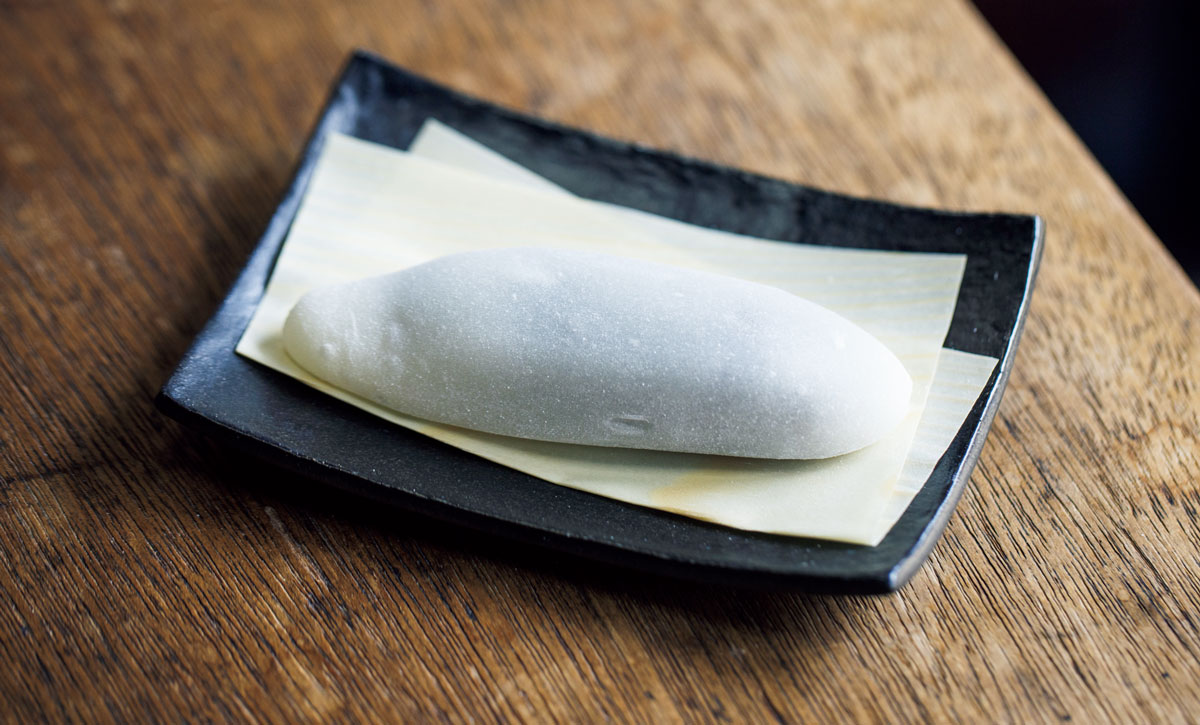
Each kamamochi is individually wrapped in a wooden strip to prevent the gyuhi from sticking, and costs 260 yen. There are a variety of sizes available, including a white box of four for 1,180 yen. The expiration date is three days. 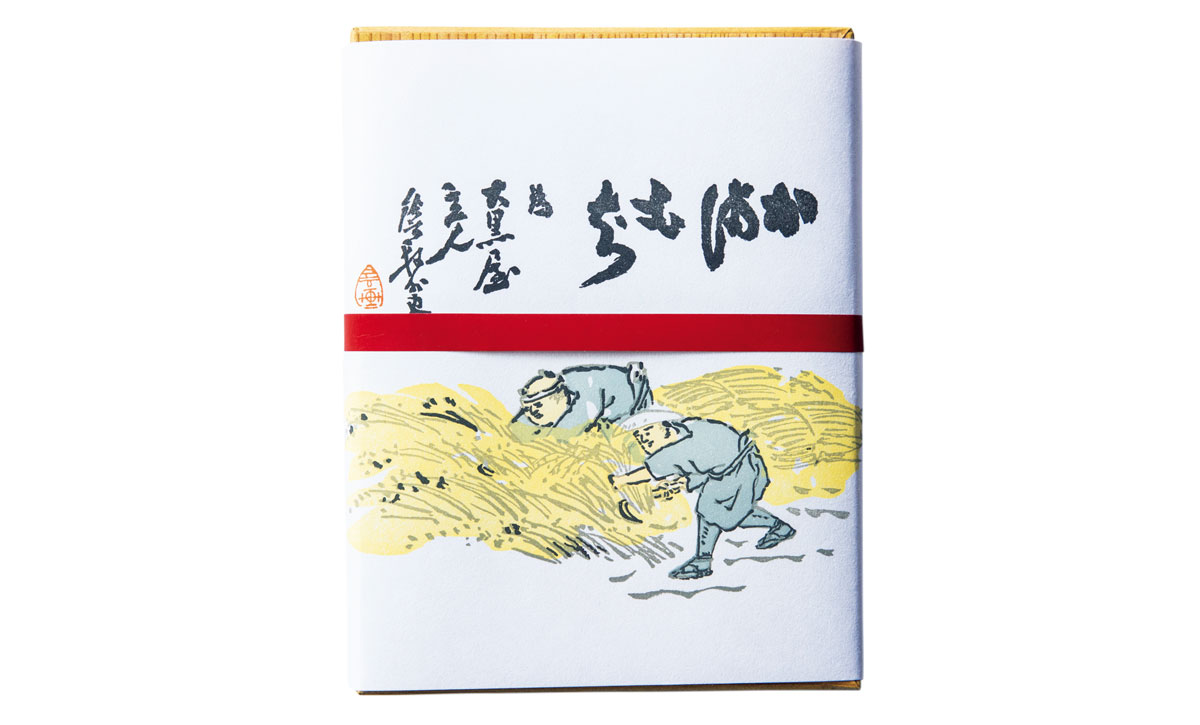
Package from Daikokuya Kamamochi Honpo.
Régis d. Pipelet white can
Enjoy French pastries packed with Kyoto flavor in Ichijoji, far from the hustle and bustle of the city.
He wants many locals to visit his shop. Regis Demanet, who served as chef patissier for many years at Pierre Hermé in Tokyo and Kyoto, opened his shop in Ichijoji, away from the city center, with this in mind. In his quiet workshop, he silently creates sweets that can only be found here.
The sweets on display are not just striking in appearance or taste, but are full of flavor, with the taste of the ingredients spreading the more you chew them.The shop visits producers as much as possible to use only ingredients that it is satisfied with.
The symbol of this is the biscuit tin. The main ingredient is wheat produced in Kyoto Prefecture, which is also displayed in the store. Using this medium-strength flour, the four types are baked using the techniques they have cultivated over the years and are filled with local ingredients such as Japanese black tea leaves from Wazuka and Soyogo honey from Kameoka.
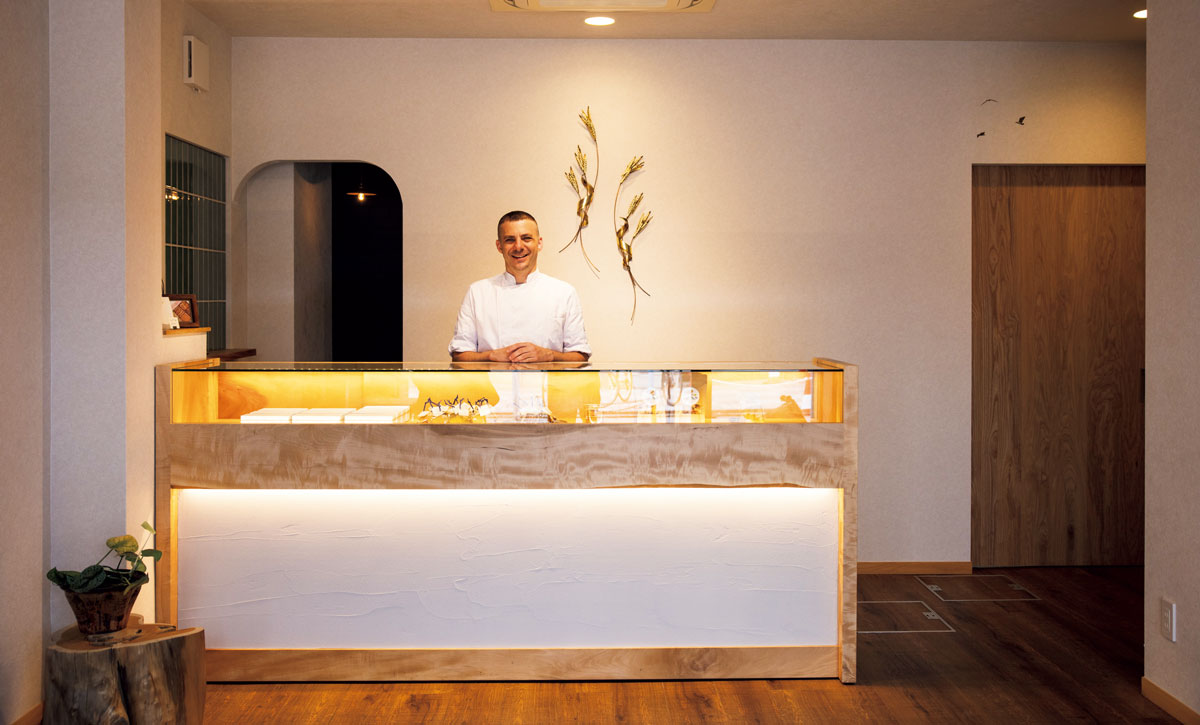
He fell in love with Kyoto, where he had worked for nine years, and opened the shop in June 2024. Its standard offerings include biscuits in packets that fit in Pipelette white tins. 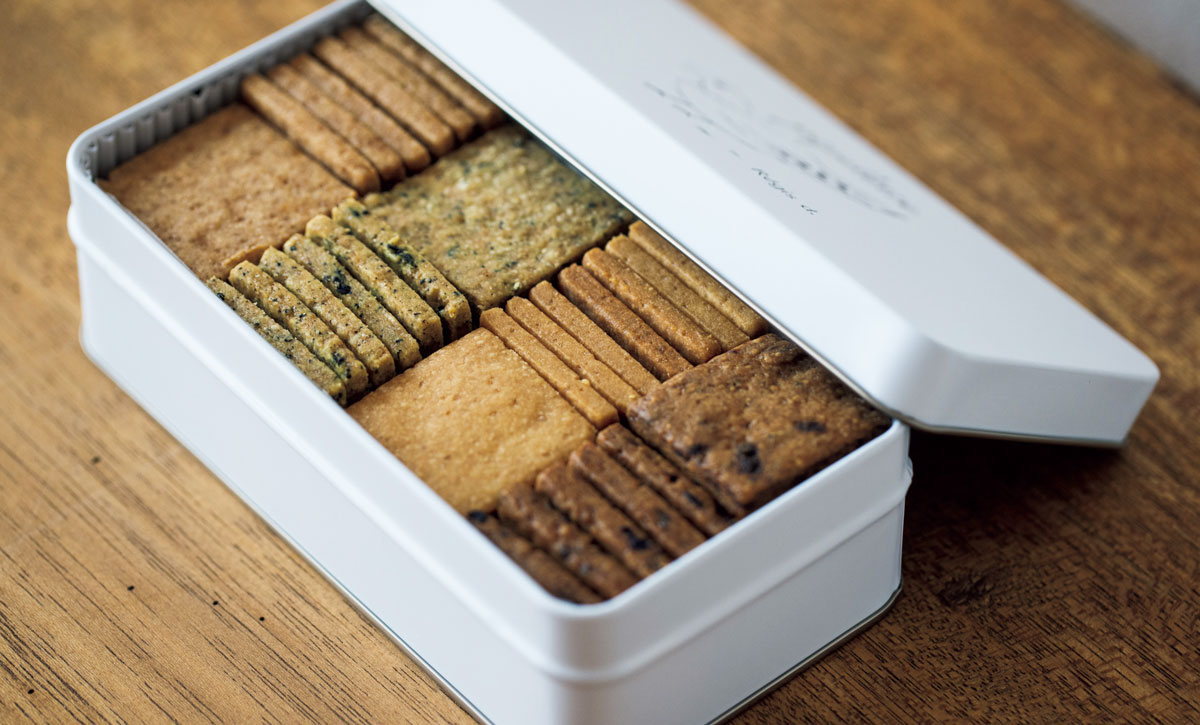
Pipelette white cans, 4 varieties, 300g each, 3,900 yen. Reservation required. One of the four varieties contains raisins soaked in cognac from Régis' hometown, Charente, France. 
Régis d. shop bag.
Original traditional crafts from POJ Studio
Bring home a piece of Kyoto travel memory along with Japanese craftsmanship
POJ Studio, which moved to a location near Kawaramachi in August 2025, is a shop constantly visited by tourists from overseas. It is a street-front store for a brand launched in 2017 by Tina Koyama, who was born and raised in Switzerland and worked at Twitter (now X) in Silicon Valley, USA.
The products are originals developed in collaboration with artisans from all over Japan, and everything from development to distribution is done in-house. "What we are conscious of is creating space for time. We hope that our products will help people take a step away from their busy daily lives and enrich their lives."
There are also many items with a connection to Kyoto, such as noren curtains made by a local father-son vegetable dyeing craftsman, and Sekimori Stone from a lantern shop in Kameoka that has been in business for six generations. This shopping will be meaningful in the sense that it supports activities to pass on the local craftsmanship to the next generation.
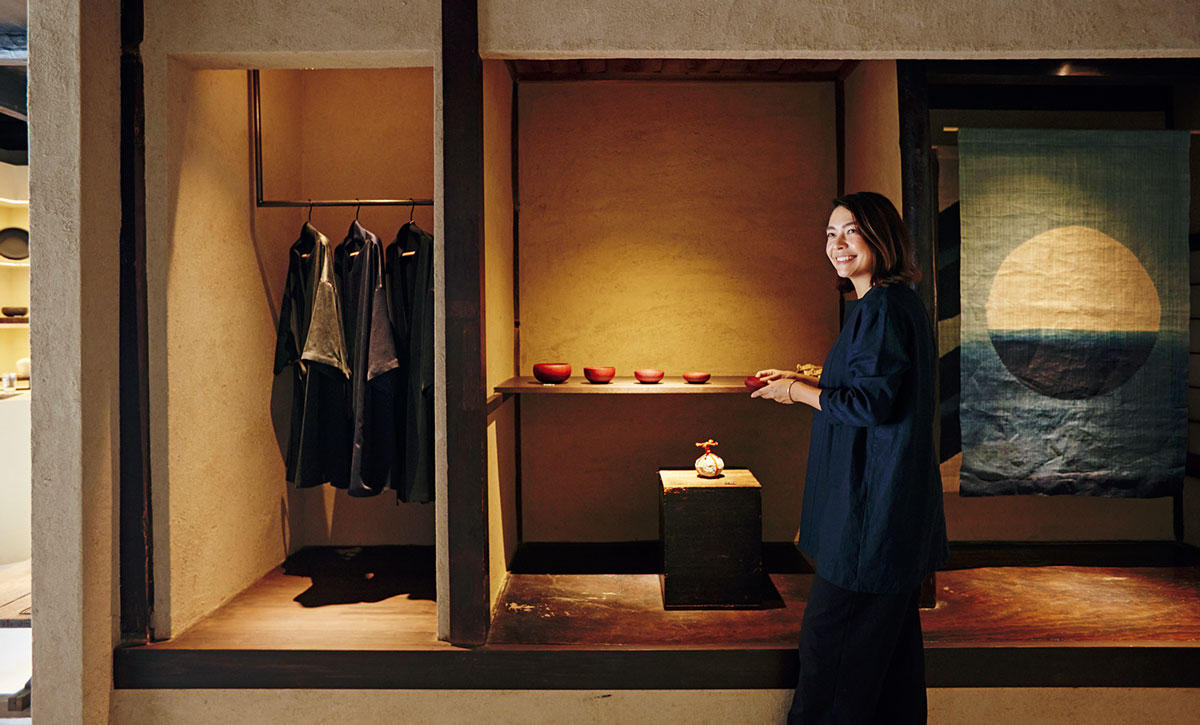
Koyama's goal is to create a design that "fits in both dark spaces like townhouses and bright Western homes." 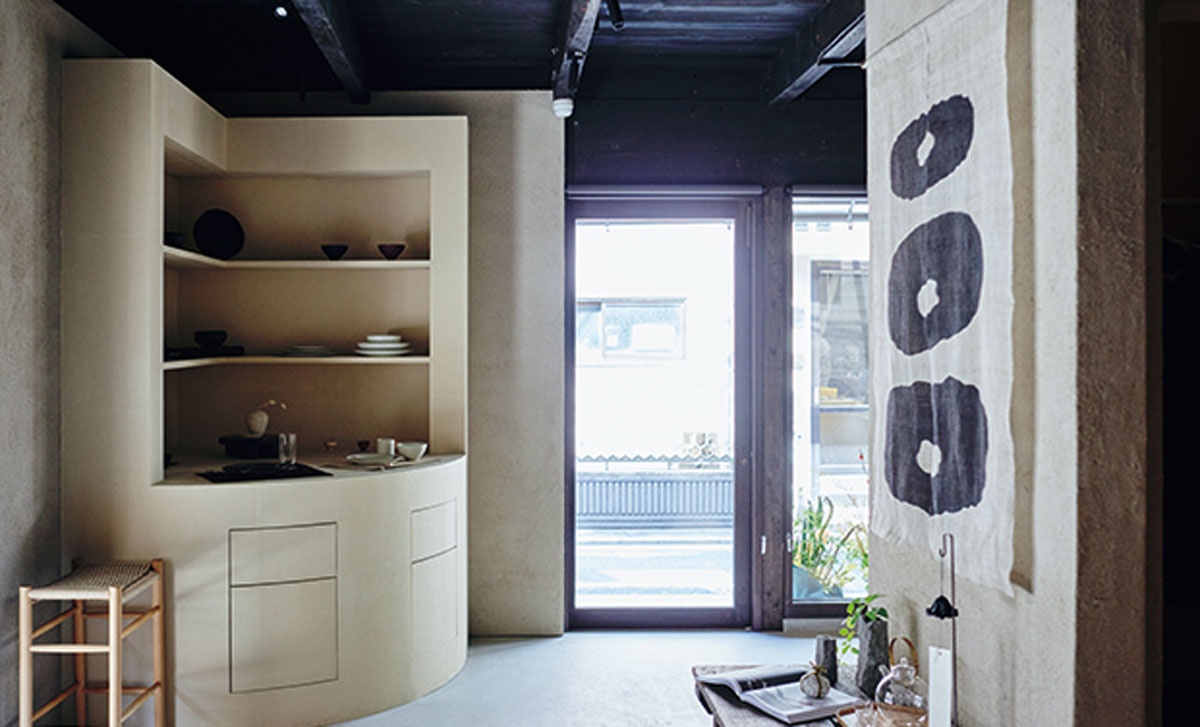
The contrast of yin and yang is also effective inside the store. 
POJ Studio shop bag.