










"When that 10-ton truck drove past me, I was shocked. I wondered what it was. From then on, I began searching for the owner of the truck," says photographer Lieko Shiga. Shiga is currently in the midst of preparations for the exhibition "Jam Session: Ishibashi Foundation Collection x Chikako Yamashiro x Lieko Shiga Drifted Ashore," which will be held at the Artizon Museum in Nihonbashi from October 11th (until January 12th, 2026), and she begins to talk about this revelatory experience, as if the truck had led her to another world.
Born in Aichi Prefecture in 1980, Lieko Shiga has been barreling down the main street of Japanese art photography like a speeding truck. A graduate of Chelsea College of Arts and Design, University of the Arts London, she won the 33rd Kimura Ihei Photography Award in 2008 for two photobooks: "Lilly," which featured residents of a London public housing complex, and "CANARY," which was shot in Sendai and Australia. She also held a string of solo exhibitions at public art museums in her 30s, including "Spiral Coast" (Sendai Mediatheque, 2012–13), "Canary" (Foam Museum of Photography, Amsterdam, 2013), "Blind Date" (Marugame Genichiro Inokuma-Inokuma Museum of Contemporary Art, 2017), and "Human Spring" (Tokyo Photographic Art Museum, 2019).
This "Jam Session" is the sixth in a series exploring new possibilities in art through collaborations between contemporary artists and works from the Ishibashi Foundation Collection. Featuring Chikako Yamashiro and Lieko Shiga, artists rooted in Okinawa and Tohoku, respectively, and each of whom has grappled with history and memory, the project aims to create a forum for reconsidering our perspective on complex and difficult realities and the power of art.
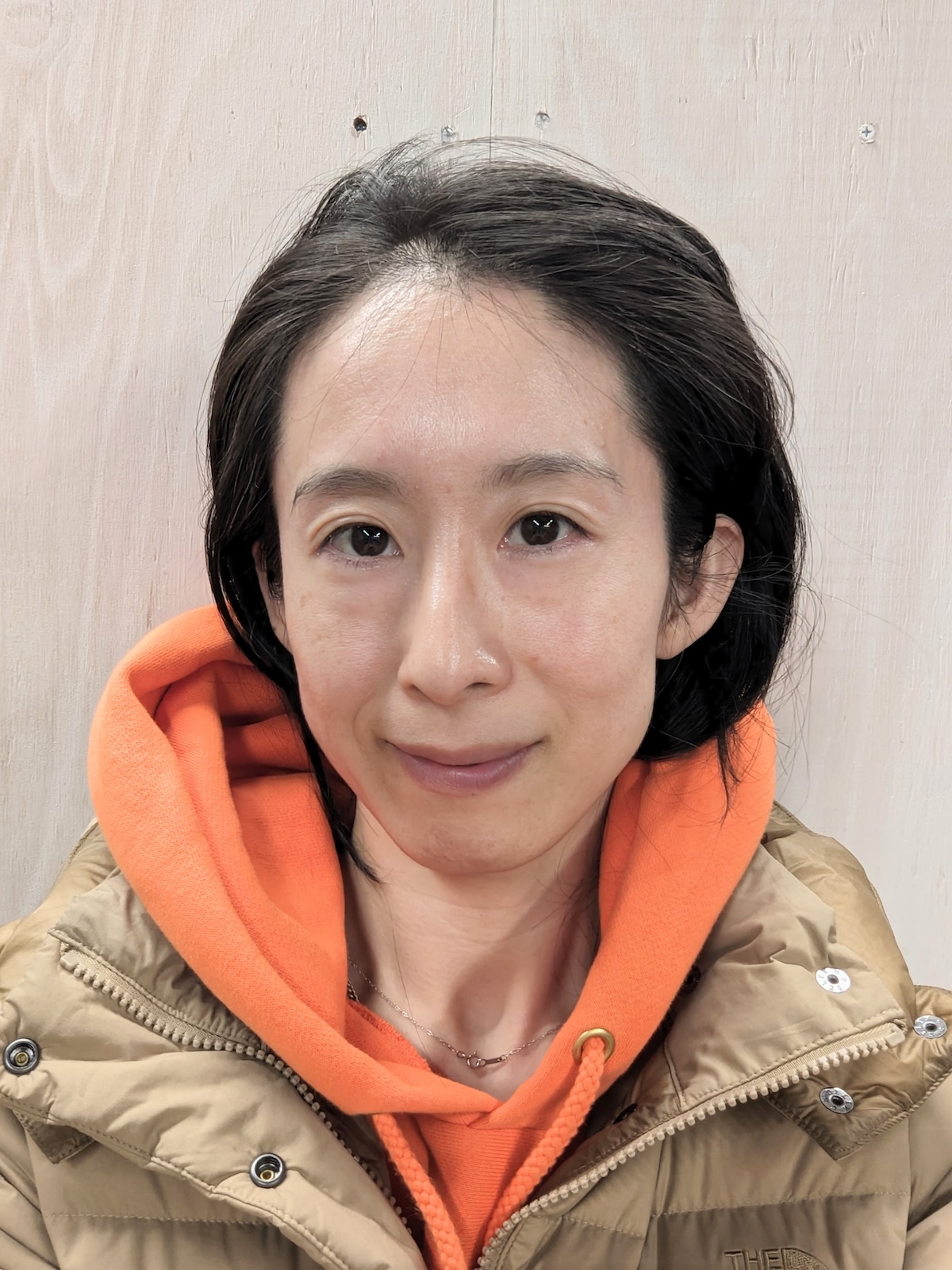
For this exhibition, Shiga has produced a booklet containing the text of a lengthy documentary titled "Nanumokanumo." The subject of "Nanumokanumo" is a type of decorated truck that Shiga witnessed by chance in Ishinomaki, Miyagi Prefecture, where she lives. Shocked by the sight of a large truck with the words "Nanumokanumo"—meaning "anything and everything" in Miyagi dialect—appearing in front of her, Shiga pursued the truck's owner, leading her to delve deeper into the realities of truck drivers in Tohoku and the "invisible" state of Tohoku's post-earthquake recovery. The documentary depicts a thrilling seek-and-find story reminiscent of a detective novel, in which Shiga uses the decorated truck as a metaphor to guide her into the "invisible" of the world.
In "Nanumokanumo," Shiga writes: "There is a path of dependency that never disappears, both within me and within society. 'Path' is also 'WAY,' a way of doing things. The Nanumokanumo uses its body to provoke the natural environment, provoking the idea that something is right in front of your eyes but you cannot see it. As the Nanumokanumo runs, the world splits into many pieces, and it seems to loom before my very eyes, demanding that I peer into those cracks. The reason the Nanumokanumo was so powerful was because it tore through the landscape as it ran. Its appearance left an unforgettable afterimage on me."
This act of visualizing what is "right in front of our eyes but invisible" seems to be what Shiga has consistently pursued. Her photographs, such as her "Blind Date" exhibition at the Marugame Genichiro Inokuma Museum of Contemporary Art, which generated a great deal of attention with its theme of "visibility/invisibility," approach the viewer with such force that, to borrow Shiga's words, they seem to be asking them to "peer into the cracks in the world" that we normally do not see.
The exhibition will allow visitors to experience a different world within a space filled with works printed on giant tarpaulins. Tarpaulin is a synthetic resin material made by coating cloth with polyvinyl chloride, and is primarily used for outdoor displays and banners. Shiga's exhibition at the 2024 Yokohama Triennale also used giant tarpaulins, but Shiga says that giant tarpaulins "suit my personality" better than regular photo print exhibitions.
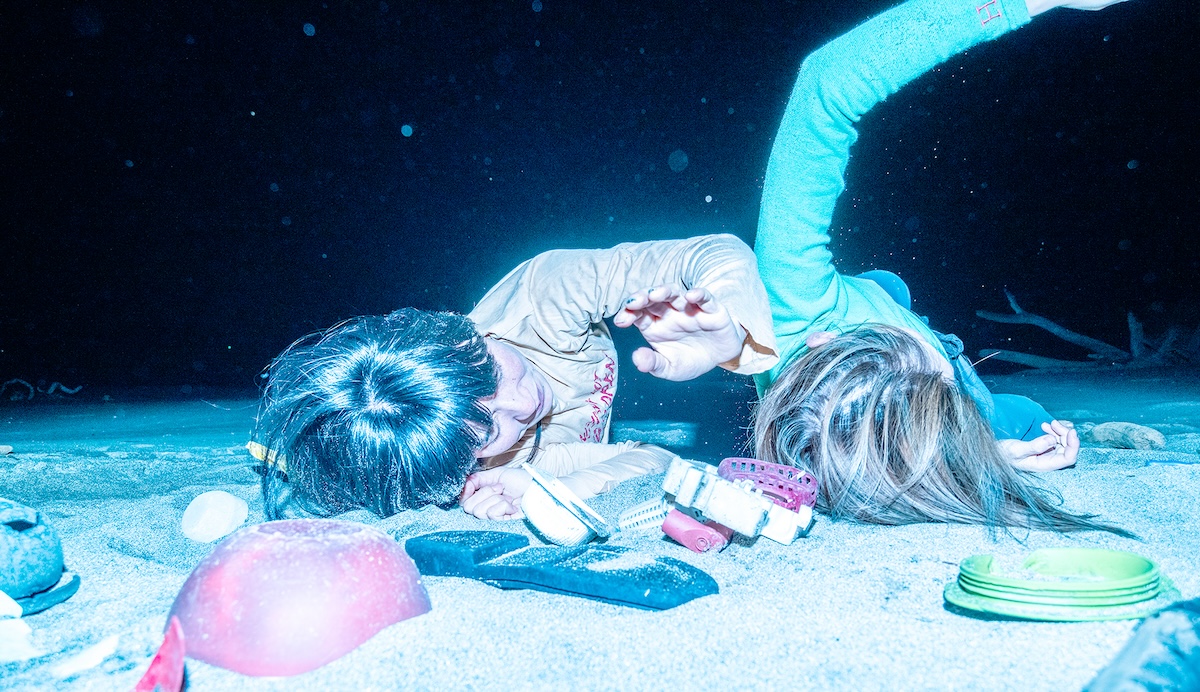
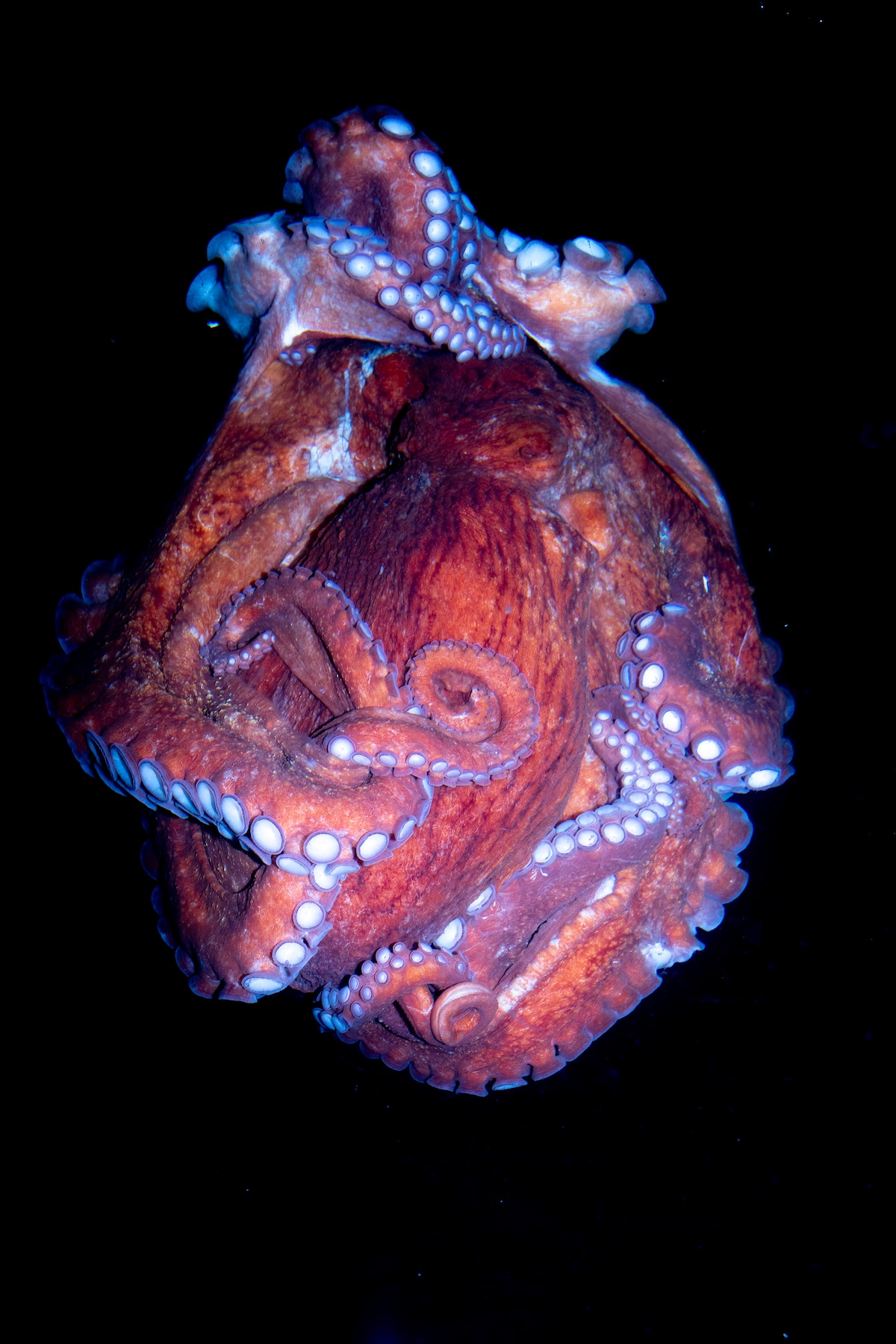
This time, Shiga's new images will unfold like a story on a series of tarpaulin walls the size of a movie screen. Many of them will be shot at night, with people acting out their roles. The finished product will be like a movie, or even a horror movie.
"I don't think there was a single shot in this series of photographs that was taken without direction. Everyone who came to the set also acted together. For example, in the new film, we used a huge, thick rope, and when we shot a scene where we submerged it in the ocean and then pulled it out ourselves, I directed the people pulling it up by saying, 'Imagine this thick rope is the umbilical cord, so let's all pull it with all our might, as if we're all calling out and welcoming the life that's about to be born. In other words, we're all playing the role of midwives.' It was like inviting an invisible image onto the set."
Shiga moved to Miyagi Prefecture in 2008, but suffered the devastation of losing both her home and studio in the tsunami caused by the Great East Japan Earthquake in 2011. Since then, she has focused on the earthquake and its subsequent "reconstruction," and has attempted to reinterpret the local climate and history. Her cinematic filming techniques are perhaps her own unique way of confronting reality.
"I think that sometimes having my subjects act helps me to face the world in a more direct way. I keep going until something transforms as people act with all their might, and a new image emerges. So rather than directing a horror film, I'm trying to look at the question, 'What exactly is inside our bodies?'"
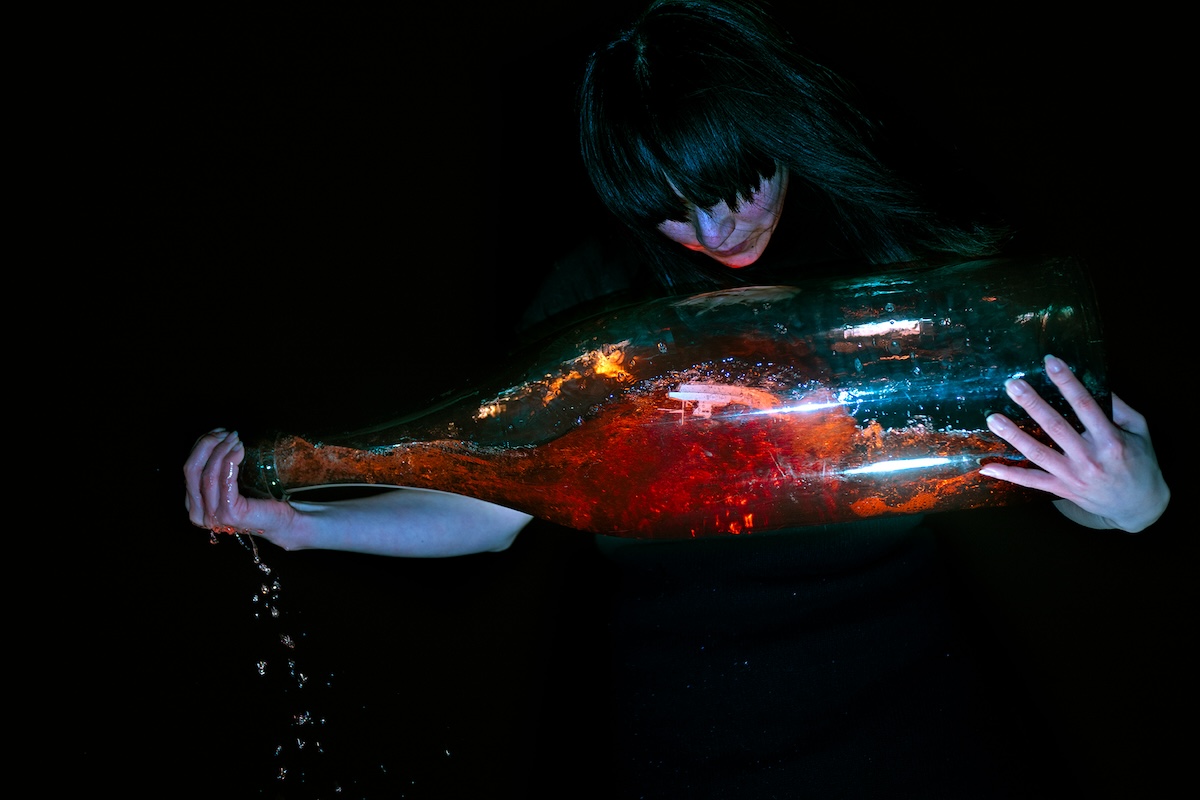
SHIGA Lieko Flipped Ship DAIGORO, 2025 ©Lieko Lieko Shiga. Courtesy of the artist 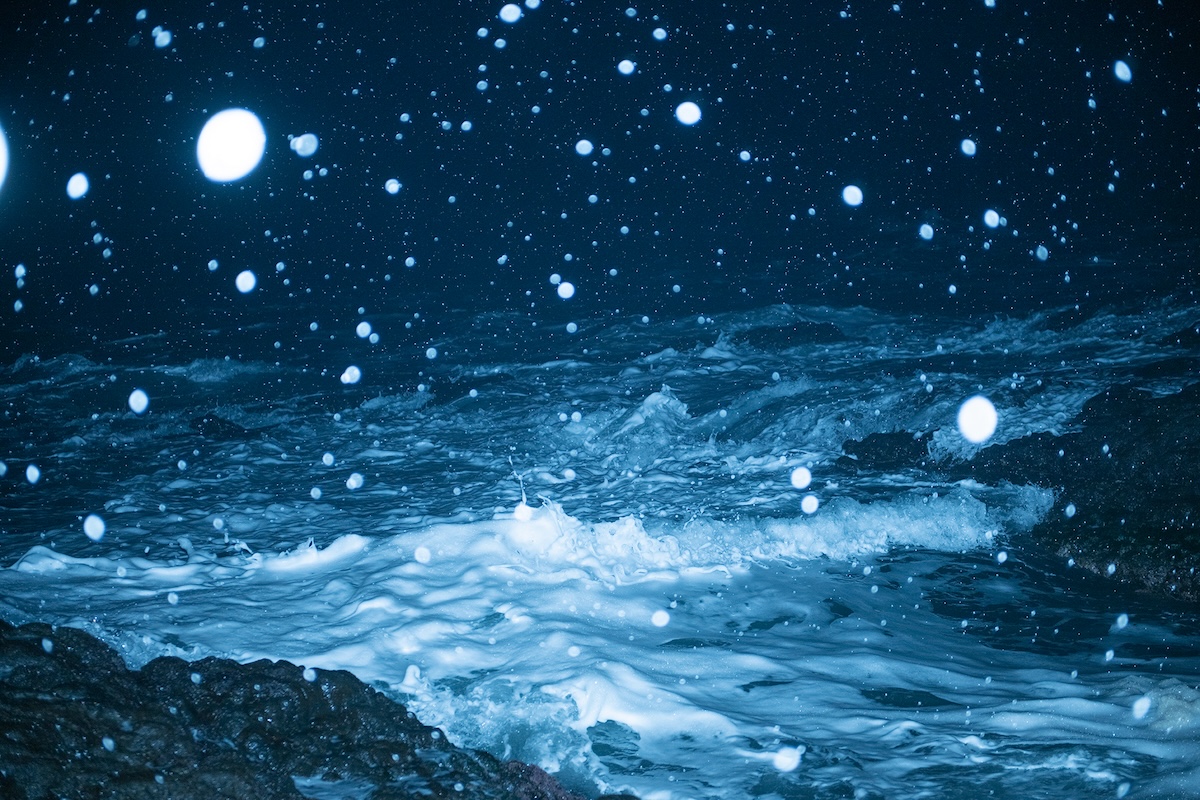
Lieko Shiga "The Man in the Jacket" 2025 SHIGA Lieko Enao, 2025 ©Lieko Shiga. Courtesy of the artist 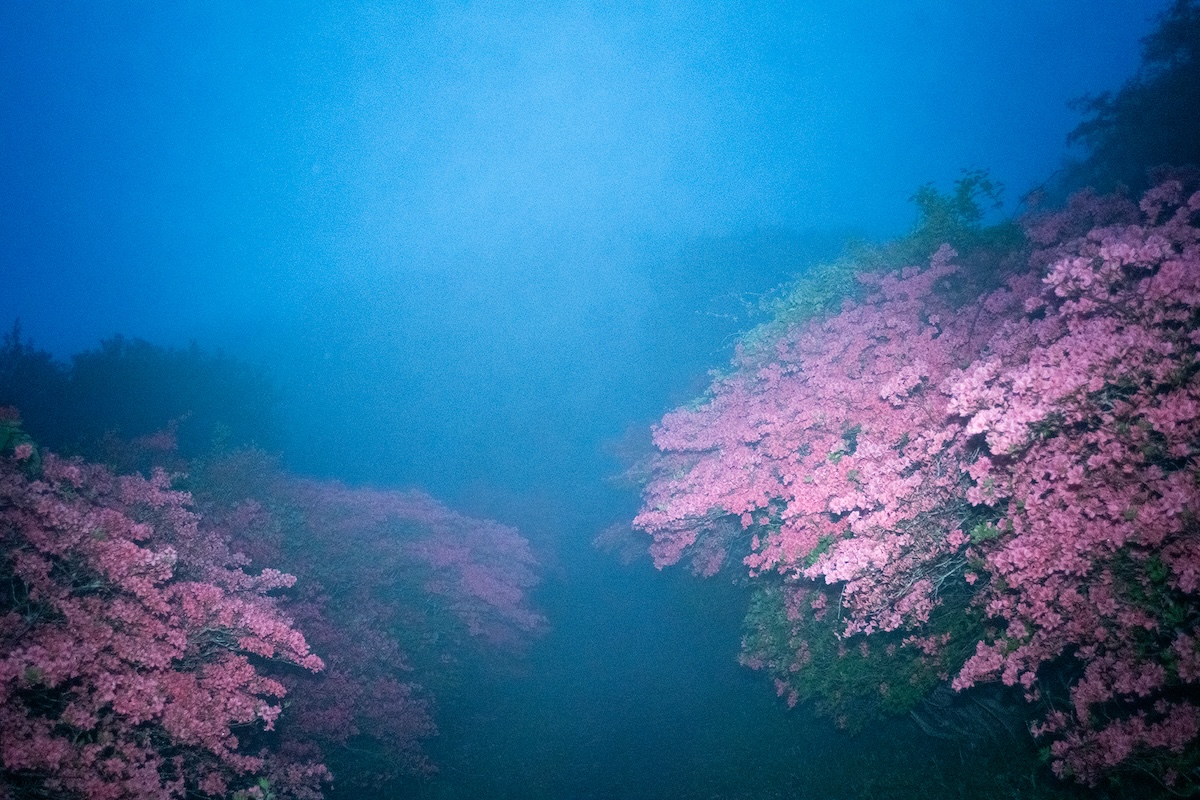
Lieko Shiga Kesennuma Tokusenjo Mountain, 2025 SHIGA Lieko Torch Azalea at Mt. Tokusenjo, Kesennuma, 2025 ©Lieko Shiga. Courtesy of the artist
Junya Utsumi, a curator at the Artizon Museum, explains the significance of exhibiting Shiga's highly socially conscious works:
"Shiga has uncovered the 'invisible' hidden in society since the earthquake, and through photographs, words, and spatial composition, has created stories that allow for multiple interpretations. This is also an effort to expand the nature of photography, which is to capture what 'was there before.' In a modern society where things tend to become homogenized, as symbolized by algorithms, it is rare to see someone like this who continues to capture the fluctuations that lie deep within society. We believe that presenting this work is directly connected to delivering to visitors the 'experiencing creativity' that the Artizon Museum promotes."
Visualizing the "invisible" realities of Tohoku, Japan, and the world in powerful and spectacular ways. This is Lieko Shiga 's unwavering methodology. "In order to encounter images and scenes that I could never have anticipated, I feel as if I am influencing the landscape and the site itself, rather than as if people are acting or being directed. I feel as if I am influencing the world, and hoping that the world will respond. I hope that this response will be captured in my photographs."
Utsumi of the Artizon Museum has these expectations for Shiga: "While Shiga started from photography, he has always expanded the boundaries of his work and art by incorporating words, sound, and installations into his expression. His scale and methods have deepened with each exhibition, providing those who come into contact with him with new experiences and creating images that make them stop and think. I believe that it would be of great significance if he continues to maintain this attitude in the future. Personally, I would like to see more of his lectures and performance pieces."
As if to meet such expectations, Shiga's work is becoming increasingly visual, cinematic, and narrative. The works on display this time, coupled with their scale and local character, are like a new visual folktale of Tohoku by Lieko Shiga. Although she does indeed create video works, she still insists on sticking to photography.
"For example, when you remember something, are there times when it feels very photographic? When I recall something, I often get a continuous image of about 3-4 seconds, and I don't feel like I can see a vivid image of about a minute in my head. After all, photography, which has always been the closest thing to me, can be viewed in the same breath. It's like I look at a photograph I've taken and then something visual is born within me. I think I like that kind of behavior. This time, I feel like I'm pursuing the question, 'What can be done through photographic expression?' I also think I'm pursuing the question, 'What does it mean to actively look at a photograph?'"
This month's top 10 trending photos
-
10. "Travels and Days" directed by Sho Miyake
Based on a novel by Yoshiharu Tsuge, this film depicts the monotonous creative life of a female film director and the play within the play. The depiction of nature is stunning, making it feel more like a visual poem than a story.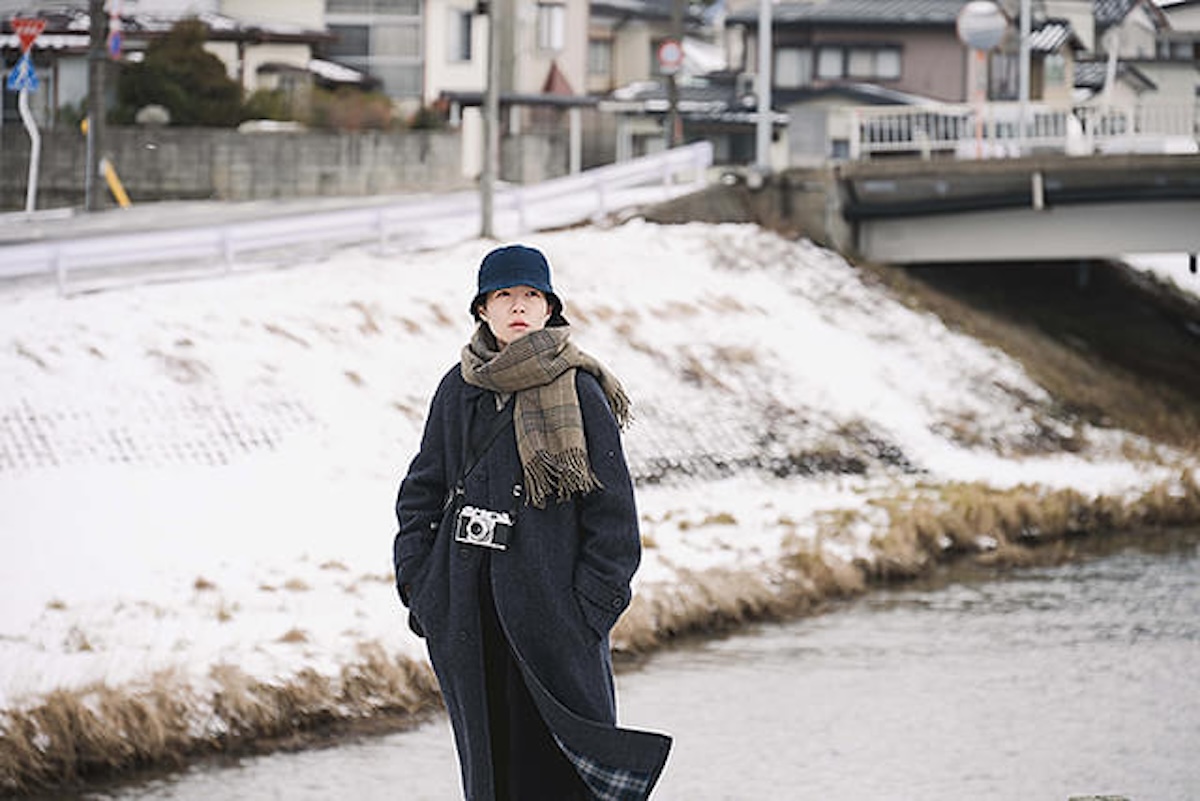
10:『旅と日々』監督:三宅唱
つげ義春原作。女性映画監督の淡々とした創作の日々とその劇中劇を描く。自然の描写が見事で物語というより映像詩のような仕上がり。
https://www.bitters.co.jp/tabitohibi/ -
9: Vittoria Ceretti by Carlijn Jacobs for VOGUE Italia July 2025
Carlin Jacobs gives Italy's supermodel, Vittoria Ceretti, a look that's straight out of the 80s.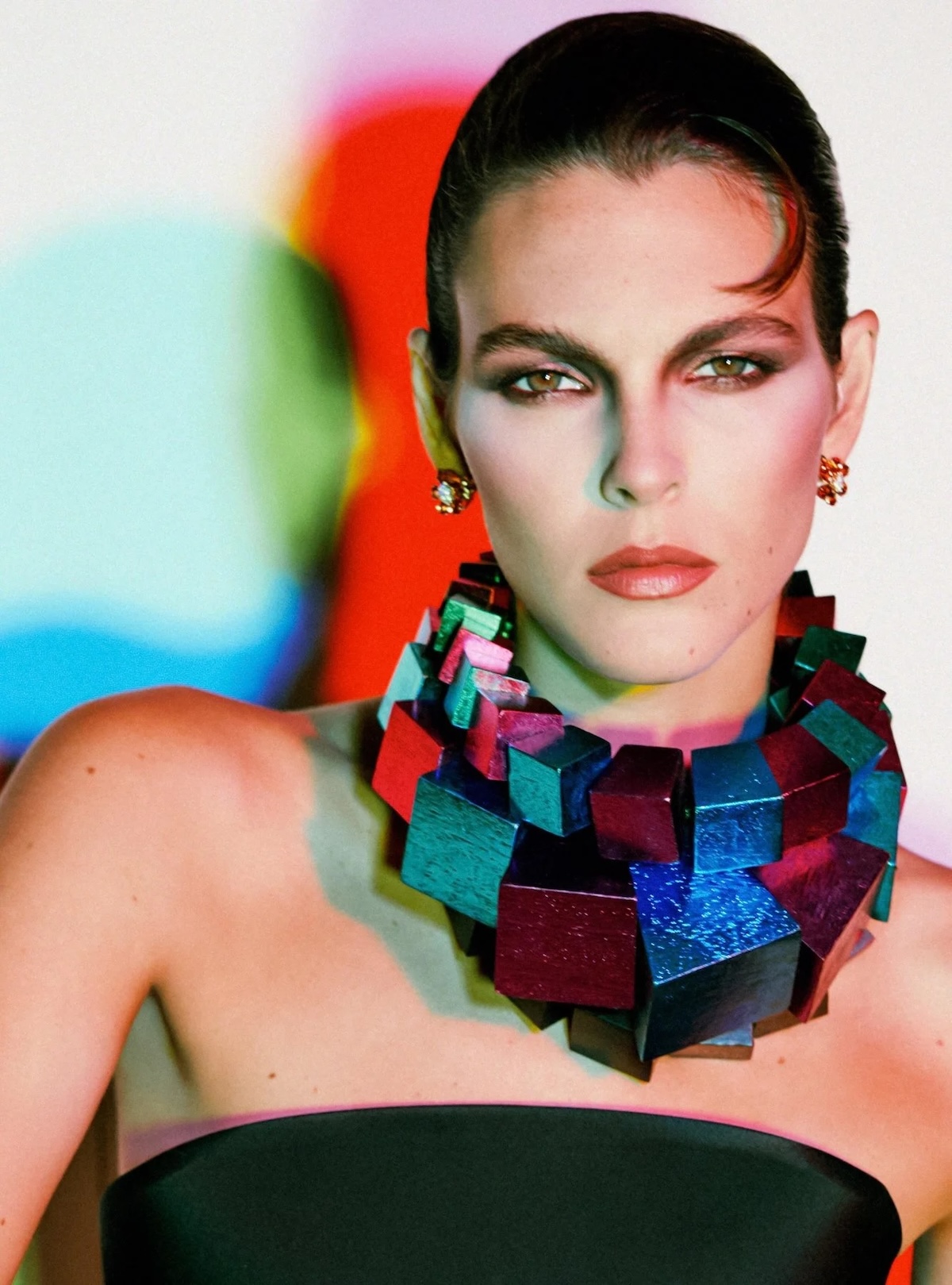
9:Vittoria Ceretti by Carlijn Jacobs for VOGUE Italia July 2025
イタリアが誇るスーパーモデル、ヴィットリア・チェレッティをカーリン・ジェイコブズがモロ80’s調に仕上げる。
https://www.vogue.it/article/vittoria-ceretti-intervista-cover-vogue-italia-luglio-2025 -
8: Rachel Brosnahan by Jackie Kursel for Interview Summer Issue 2025
American TV drama actress Rachel Brosnahan is filmed in a campy style by young New York-based director Jackie Carsell.
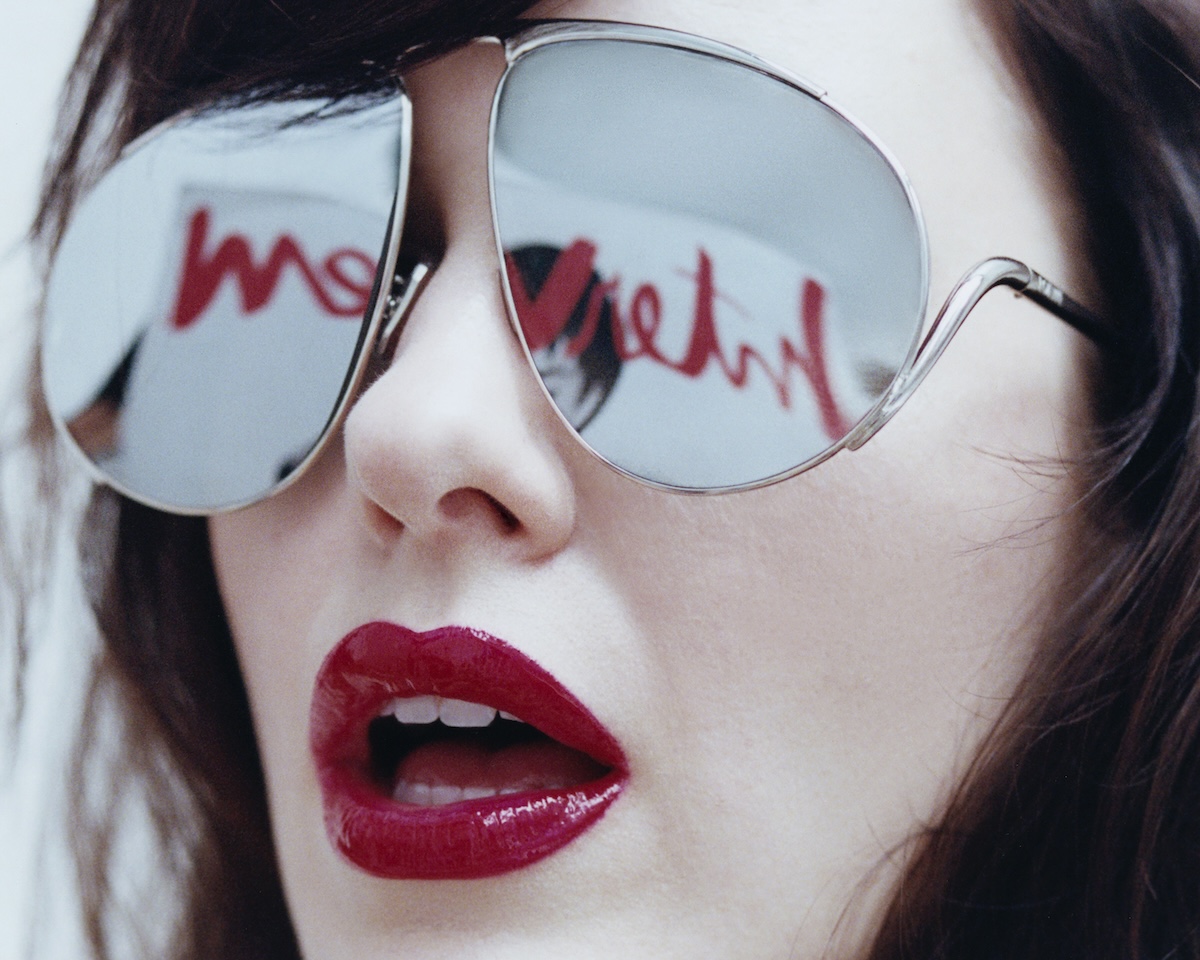
8:Rachel Brosnahan by Jackie Kursel for Interview Summer Issue 2025
米テレビドラマ俳優のレイチェル・ブロズナハンをNY在住の若手ジャッキー・カーセルがキャンプな演出で撮る。
https://www.interviewmagazine.com/film/rachel-brosnahan-gets-amanda-seyfried-ready-for-superman-summer -
7. "Kim's Video" (directors: Ashley Sabin, David Redmon)
This film goes beyond a documentary to tell the bizarre story of a famous New York video rental store and the attempt to recover its collection, and will move any movie lover.
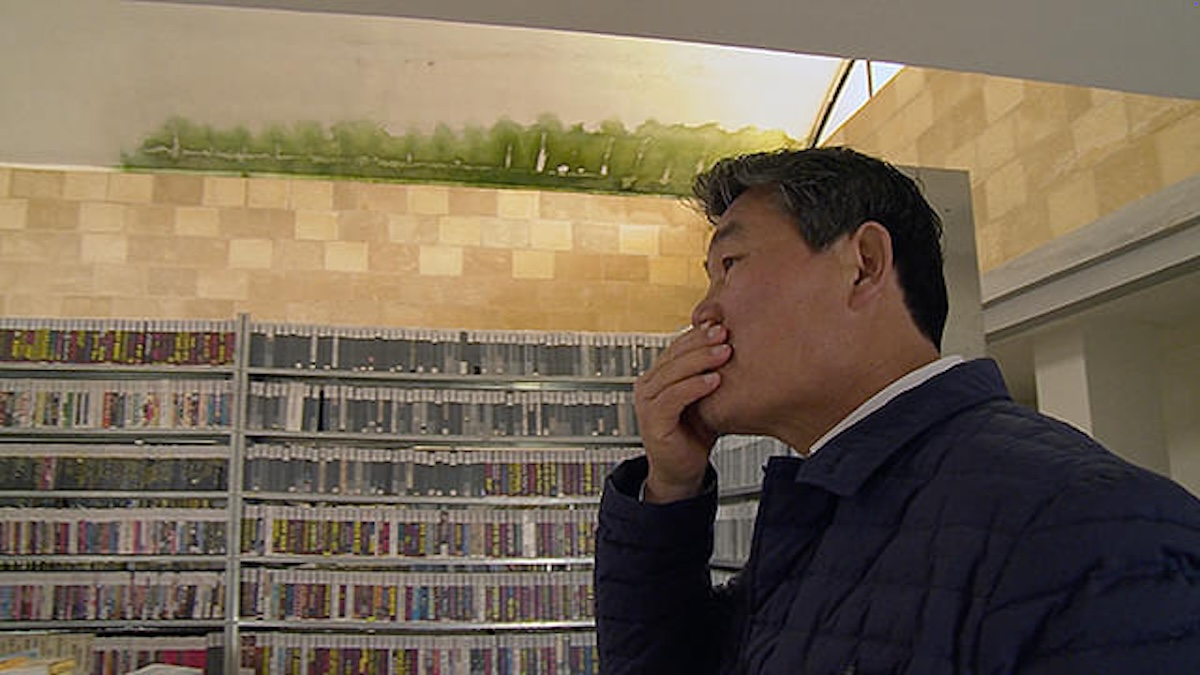
7:『キムズビデオ』監督:アシュレイ・セイビン、デイヴィッド・レッドモン
NYの名物ビデオレンタル店の奇想天外な顛末とそのコレクションの奪還を試みたドキュメンタリーの枠を超えた一本は、映画好きなら誰もが心揺さぶられる。
https://kims-video.com -
6: Nick Haymes Photo Exhibition "DANCING ON THE FAULT LINE" @ Shinjuku Photographers' Gallery
This exhibition is based on the documentary photobook of the same name about an American queer activist. Nick Hames is moving to the next stage as both a photographer and a photobook editor.
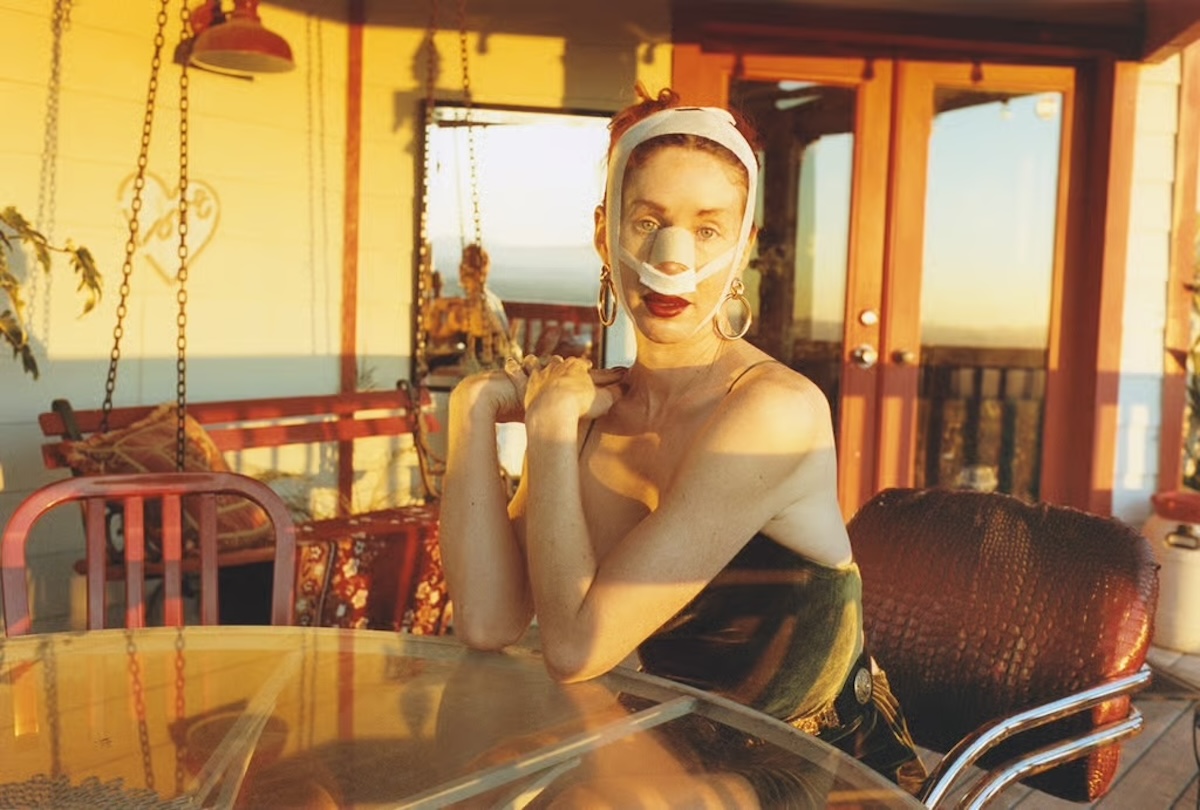
6: Nick Haymes写真展「DANCING ON THE FAULT LINE」@新宿Photographers’ gallery米クィア活動家を題材とした同名ドキュメンタリー写真集の展示。ニック・ヘイムズは写真家としても写真集編集者としても次なる段階へ移行しつつある。
https://pg-web.net/exhibition/nick-haymes-202509/ -
5: “ANOK” by Mario Sorrenti for VOGUE France Aug. 2025
Mario Sorrenti's sculptural beauty captures the black model Anok Yai as a thoroughly objet d'art.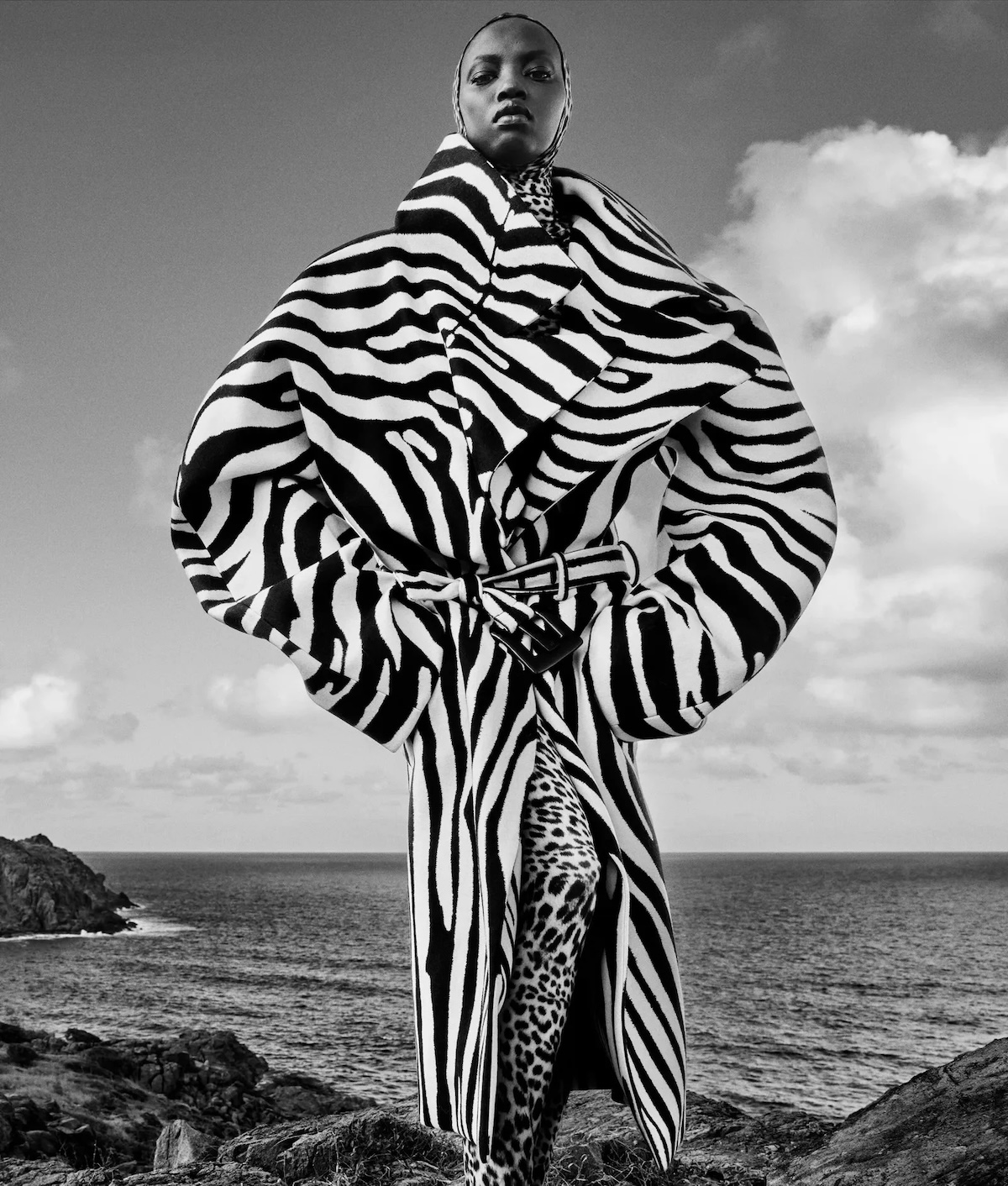
5:“ANOK” by Mario Sorrenti for VOGUE France Aug. 2025
黒人モデルのアノック・ヤイを徹底的にオブジェ的に捉えたマリオ・ソレンティの造形美。
https://www.vogue.fr/article/interview-anok-yai-mannequin-cover-vogue-france-aout-2025 -
4. Love on Steroids, directed by Rose Glass
This is a B-movie set in the American suburbs in the late 1980s, in which a lesbian woman and a bisexual muscular woman get caught up in a crime, but it is a strange work that transcends the genre with A24's unique twists.
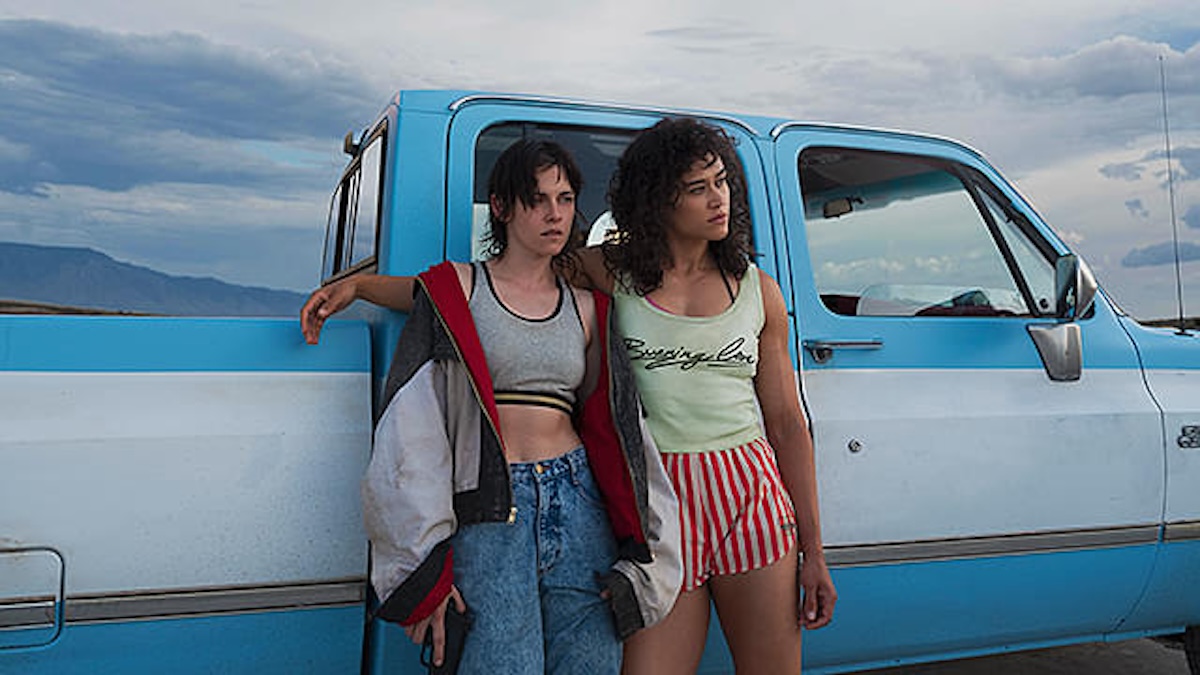
4:『愛はステロイド』監督:ローズ・グラス
80年代後期の米郊外を舞台にレズの女性と両刀の筋肉女が犯罪に巻き込まれるB級映画だが、A24ならではのツイストが効きまくりジャンル映画を超えた怪作。
https://a24jp.com/films/loveliesbleeding/ -
3: Emma Stone by Jamie Hawkesworth for VOGUE US Sep. 2025
Jamie Hawksworth draws actor Emma Stone into his painterly world.
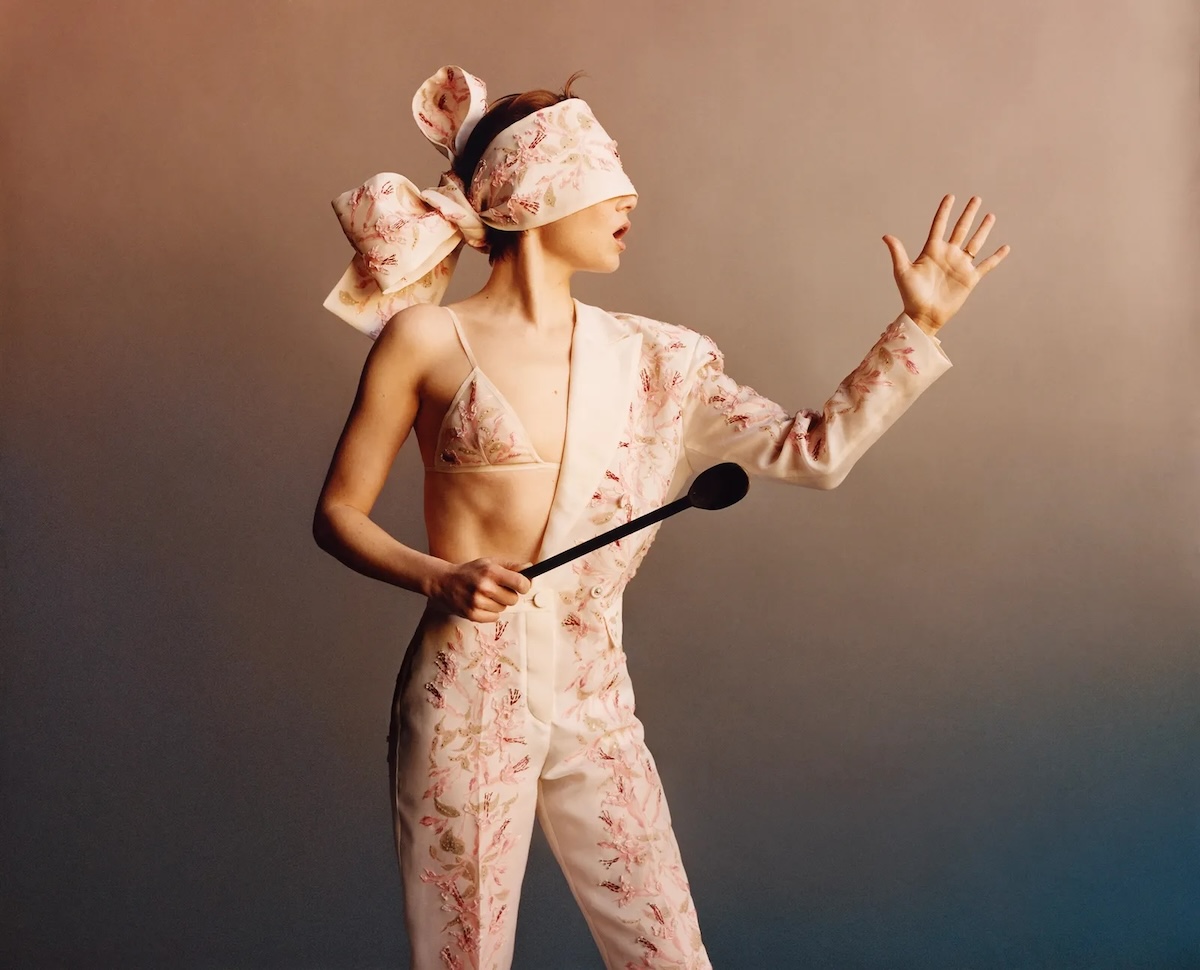
3:Emma Stone by Jamie Hawkesworth for VOGUE US Sep. 2025
俳優エマ・ストーンをジェイミー・ホークスワースが彼の絵画的世界に引き摺り込む。
https://www.vogue.com/article/emma-stone-september-cover-2025-interview -
2. "I'm Still Here" Directed by Walter Salles
I finally got to see this film. The Brazilian master director Salles depicts the tragedy of a family under the Brazilian military regime with quiet realism. The camerawork is excellent, reminiscent of a 1970s film.
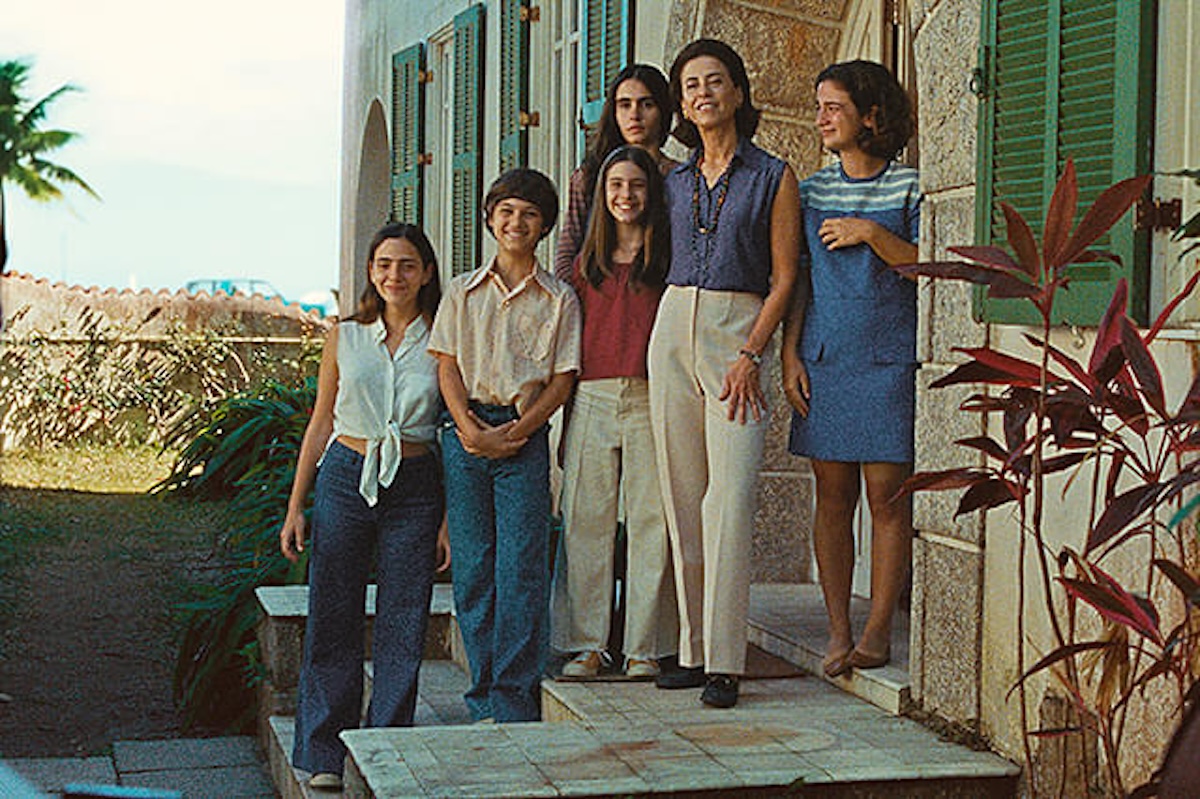
2:『アイム・スティル・ヒア』監督:ウォルター・サレス
遅ればせながら拝見。ブラジルの名匠サレスによるブラジルの軍事政権下のある家族の悲劇を静謐なリアリズムで描く。70年代映画のようなカメラが秀逸。
https://klockworx.com/movies/imstillhere/ -
1: Bruce Weber “My Education” (Taschen)
This 564-page collection of Bruce Weber's works is a monumental work of art, with superb selection, design, paper, and printing.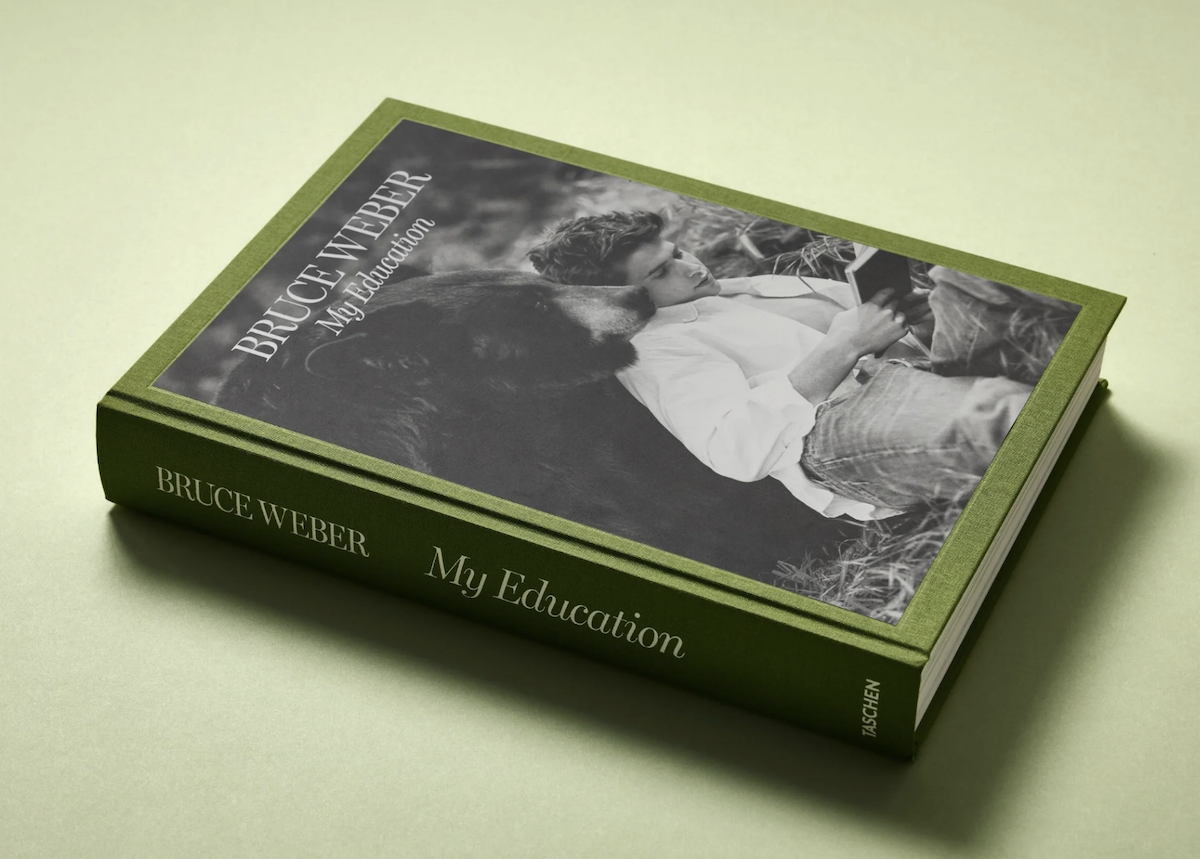
1:Bruce Weber “My Education”(Taschen)
ブルース・ウェーバーの564ページにも及ぶ集大成本。セレクト、デザイン、紙と印刷も見事で写真集の金字塔的仕上がり。
https://www.taschen.com/en/books/photography/08182/bruce-weber-my-education/