







The 1970s: The Age of Science Fiction Launched by "Boys' Drama Series"
Actually, I was an NHK drama otaku (laughs). When I was in elementary school, it was the "Boys' Drama Series," and when I was in middle school, it was "Ginga TV Novel" and "Saturday Drama." The puppet show "Shin Hakkenden" inspired me to start subscribing to a magazine called "Graph NHK," and I was a mysterious middle schooler who maniacally followed and watched NHK dramas. The influence of that was immeasurable. I still look at the list of NHK dramas from that time and think about the next one.
The boys' drama series started with "Time Traveler," the first film adaptation of Yasutaka Tsutsui's "The Girl Who Leapt Through Time," so you might get the impression that there's a lot of science fiction, but there are also quite a few literary works, and personally I think that may have had a bigger influence.
However, science fiction was a popular genre at school, and works based on original works by Taku Mayumura and Ryu Mitsuse were common topics of conversation. Among them, I rewatched "The Mysterious Transfer Student," which I later ended up remaking, and it was really good.
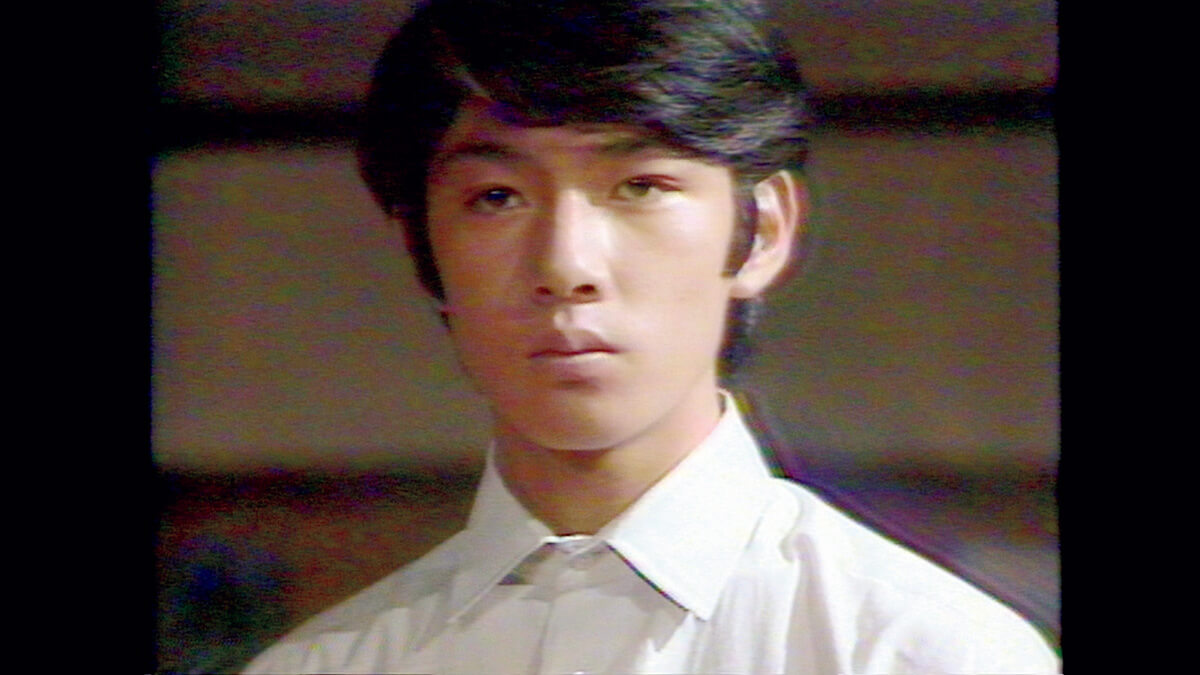
It was produced as a "Boys' Drama Series" in 1975. The original story was written by Taku Mayumura, who specialized in juvenile science fiction. "What was shocking to us as adolescents was that the heroine betrayed the hero and fell in love with another man (laughs)."
It's a story about a mysterious transfer student who arrives at a junior high school, but he's from the other side of the world. In this parallel world, there's a war going on, and people who have traveled there return covered in wounds, and the transfer student suddenly starts talking at school about the horrors of what's happening on the other side, and it was just shocking.
I think Mayumura's original work was written in the 1960s, but the drama was made in 1975, a time when refugees from Cambodia and other countries were pouring into Japan due to the Vietnam War. I think it was meant as a metaphor for that. It had a modern theme of how we should accept people from outside.
There isn't much depiction of what's happening on the other side, but through the people who have come to this side, we get a glimpse into their world, whether it's the future or a parallel world. We can only imagine what it might be.
However, the original story's plot devices and ideas were fantastic, so they worked effectively in our remake. It was a late-night drama slot, so the budget was small, but I think we were able to convey the scale of the world on the other side.
Sci-fi for children, created with the utmost effort by adults
Another one available on demand is "The Future Man from the End of the Edo Period." It's a time-travel story about two boys who suddenly find themselves in the end of the Edo period. One of the boys is played by Toshiharu Hoshino, who became popular with "The Mysterious Transfer Student." I watched it while comparing it with my history textbook.
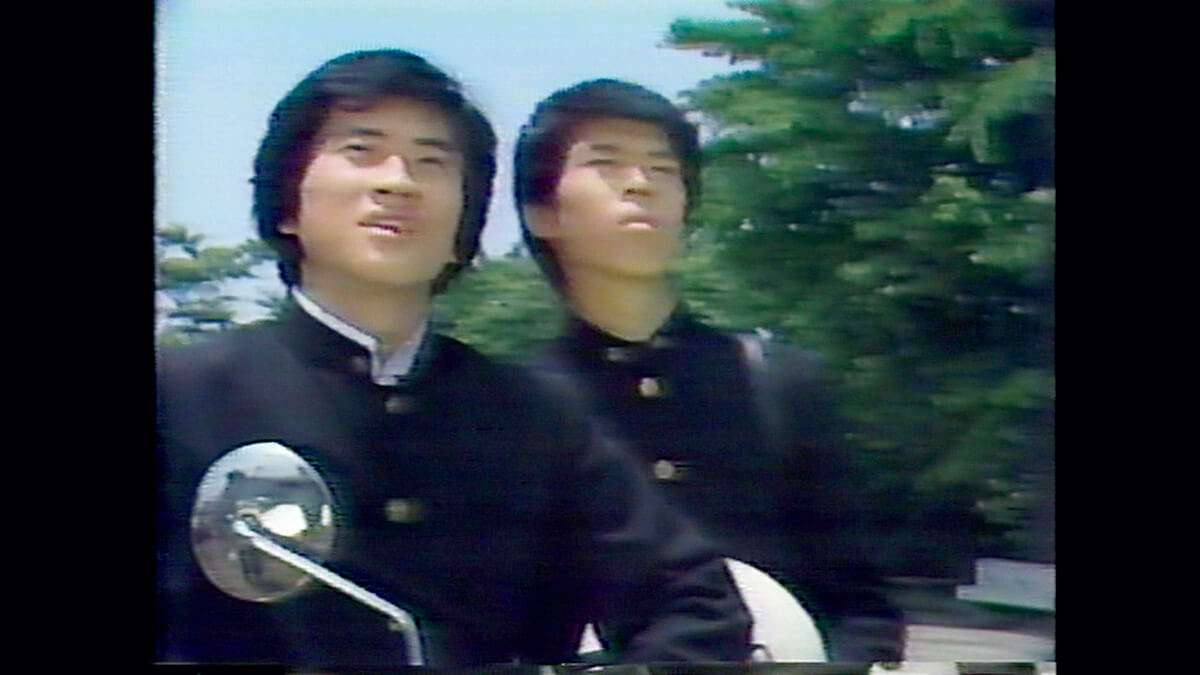
It was produced as a "Boys' Drama Series" in 1977. This is also based on an original story by Taku Mayumura. It's a time-travel story about two high school boys. "Halfway through, history starts to be rewritten because of them, with Katsura Kogoro dying and so on."
The boys' drama series ended in the early '80s, but I could sense some of that in the relatively recent "The Sixth Sayoko." Back then, there were a lot of adults who put all their effort into creating dramas from a child's perspective. That was the core of the boys' drama series.
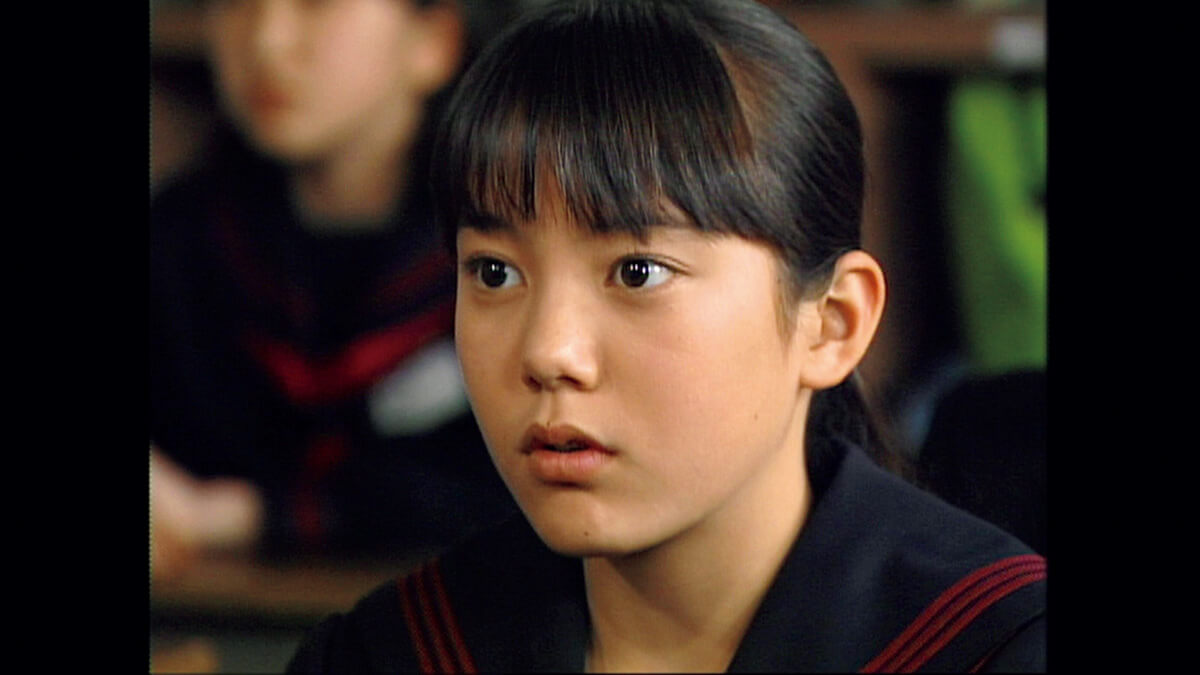
It was produced as a drama called "Poem of Love" in 2000. Two girls try to solve the mystery of the "Sayoko" legend that is passed down in a certain junior high school. "This work has the lingering scent of the boys' drama series that ended in the early 1980s."
On the other hand, the Ginga TV Novel and Saturday Drama slots are seriously producing shows for adults. We enjoyed both when we were in junior high school. I think that the NHK dramas of that time were a part of our emotional education. There are many other works that influenced me and led to my own films, such as "My Beautiful Friend," written by Nakajima Takehiro. It would be great if more of these works were available to watch on demand.