










Untold history and a human drama that unfolds from the margins
I think the greatest appeal of NHK's taiga dramas is that they allow us to gain a deeper understanding of each era through the lives of people who are rarely mentioned in textbooks. Of course, famous figures like Oda Nobunaga and Tokugawa Ieyasu are depicted, but what's interesting is that they also feature people who worked closely with them and secretly acted as main characters.
I first saw "Atsuhime" when I was in elementary school. It was set in the Satsuma Domain and Ooku at the end of the Edo period, and it also shone a light on the women who interacted with society from their own perspectives behind the scenes of the Edo Shogunate, which was run by men. The image of an independent "princess" that was different from the princesses depicted in picture books and the like was also fresh to me at the time (laughs). Since then, I've made it a habit to watch taiga dramas.
One of my favorite works is "The 13 Lords of Kamakura." Screenwriter Koki Mitani portrays the internal conflicts within the power structure, centering on Hojo Yoshitoki, the second regent of the Kamakura shogunate. Yoshitoki is a "dark hero" who gradually becomes more and more powerful. While he starts out as a pure-hearted young man, he gradually loses the light in his eyes and descends into darkness. Because Oguri Shun plays the role consistently, without having a childhood, the transformation is particularly noticeable, and the harshness of life at the time is vividly brought to light.
The purges continue from episode 15 onwards, which is a painful development, but there are occasional comedic elements thrown in for a surprise. The pace is well balanced, and it's easy to watch. But even so, has there ever been a drama in which Minamoto no Yoritomo has fallen so low in popularity...? (laughs) Of course, Oizumi Yo's acting is fantastic, but the character designs that highlight the humanity of the characters and their quirky lovability are unique to Mitani's work.
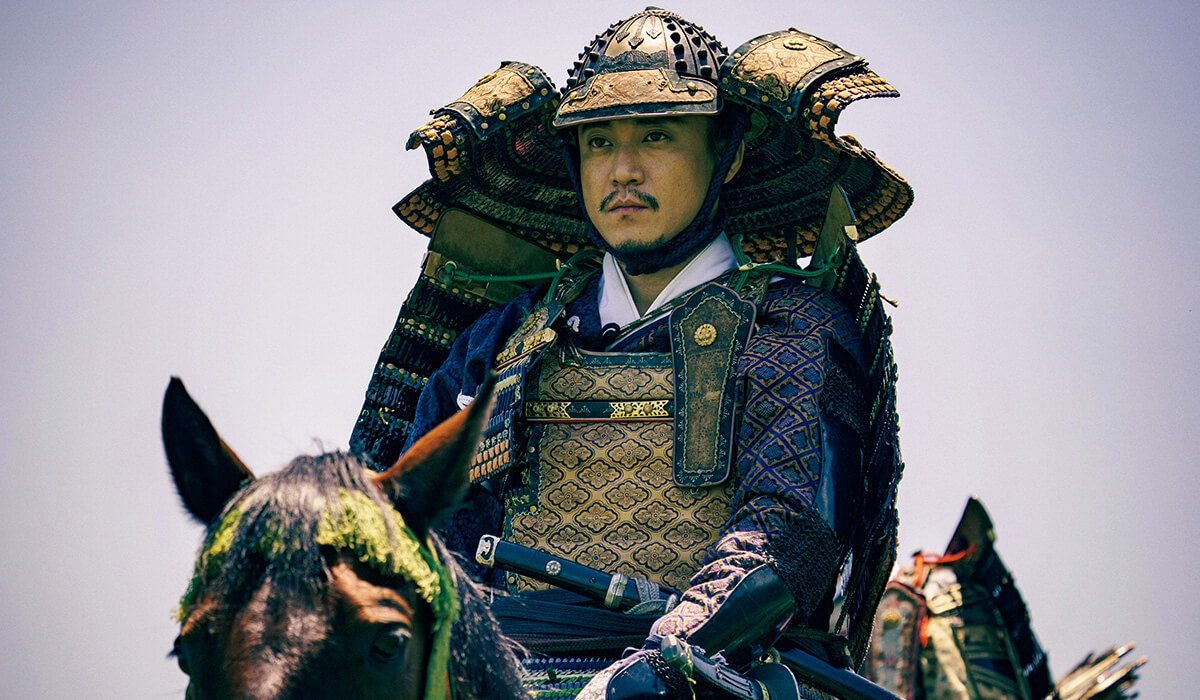
During the Kamakura period, Hojo Yoshitoki, a vassal of Minamoto no Yoritomo, gradually rose to the pinnacle of samurai power after experiencing fierce internal conflicts. The drama will be broadcast in 2022. "It's not a period drama, but rather uses language that is closer to everyday conversation from start to finish, making it an easy watch even for those new to taiga dramas."
And since Mitani said that Golden Days was his favorite taiga drama, I followed suit and watched it. Set in the Sengoku period, it tells the story of Ruson Sukezaemon, who opened up trade with Luzon, Philippines. While the story is set in a time of war, which is often the setting for taiga dramas, it's refreshing to see it told from the perspective of a merchant rather than a samurai.
It's true that there were frequent battles over territory, but it was also an era in which business flourished, as seen in Oda Nobunaga's free market and free trade policies. I felt a sense of affinity with the drama about ordinary people, and I was also overwhelmed by the spirit of the great actors of the time, including the lead actor, the current Matsumoto Hakuo, as well as Ogata Ken and Tamba Tetsuro.
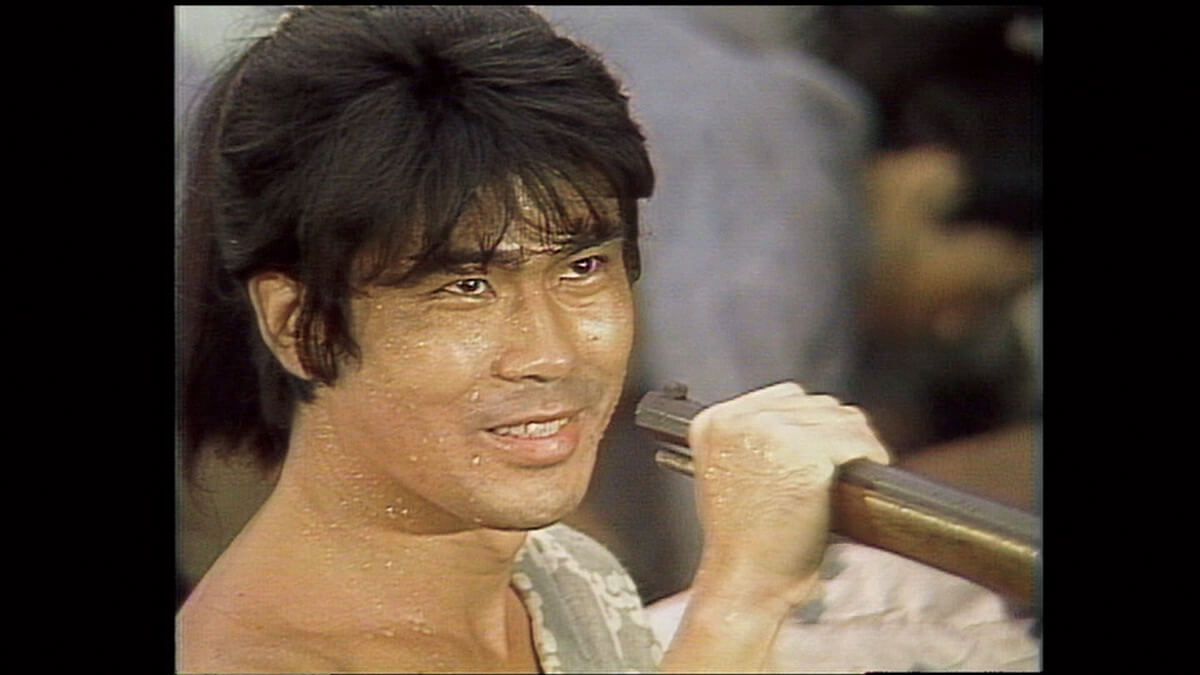
The story begins in the Azuchi-Momoyama period. Luzon Sukezaemon, a servant for a wealthy merchant in Sakai, is shipwrecked on the island of Luzon in the Philippines, and opens up trade with overseas countries. Broadcast in 1978. "It's the true essence of a taiga drama, with a character who has rarely been portrayed in the story at the center."
Also pay attention to the dramatic art that encourages immersion in the ancient world
Meanwhile, the splendor of the art, including the sets, props, and costumes, is also a highlight of NHK's taiga dramas. "To You, the Shining One," centered around Murasaki Shikibu, played by Yuriko Yoshitaka, depicts the inner workings of the imperial court, which could be described as a fight for survival, rather than armed conflict, with an elegant worldview. The twelve-layered kimono (layered kimono), folding screens, and decorative items are all so beautiful that they are like works of art, and for the first time in the history of taiga dramas, a guidebook focusing on the art has been published.
NHK's "100 Cameras" looked behind the scenes of the filming, and I was amazed at how they even recorded the meticulous details, down to the flow of the irrigation system and the movements of the ducks in the gardens that appear as backgrounds in scenes of palace events. I think it's the high level of visual perfection that makes it possible to immerse yourself in a story from an extremely ancient time, more than 1,200 years ago. Oishi Shizuka's script was also fantastic.
For example, Sei Shonagon, who wrote about the glamorous life at court in "The Pillow Book," is sometimes thought of as what we would call a "sparkling girl" today, but in this work she is portrayed as a loyal retainer who compiled the book with the sole desire to bring some light to the difficult situation she served, Empress Fujiwara no Teishi of Emperor Ichijo.I am also moved by the author's imagination, which richly connects the dots of historical fact in each work.
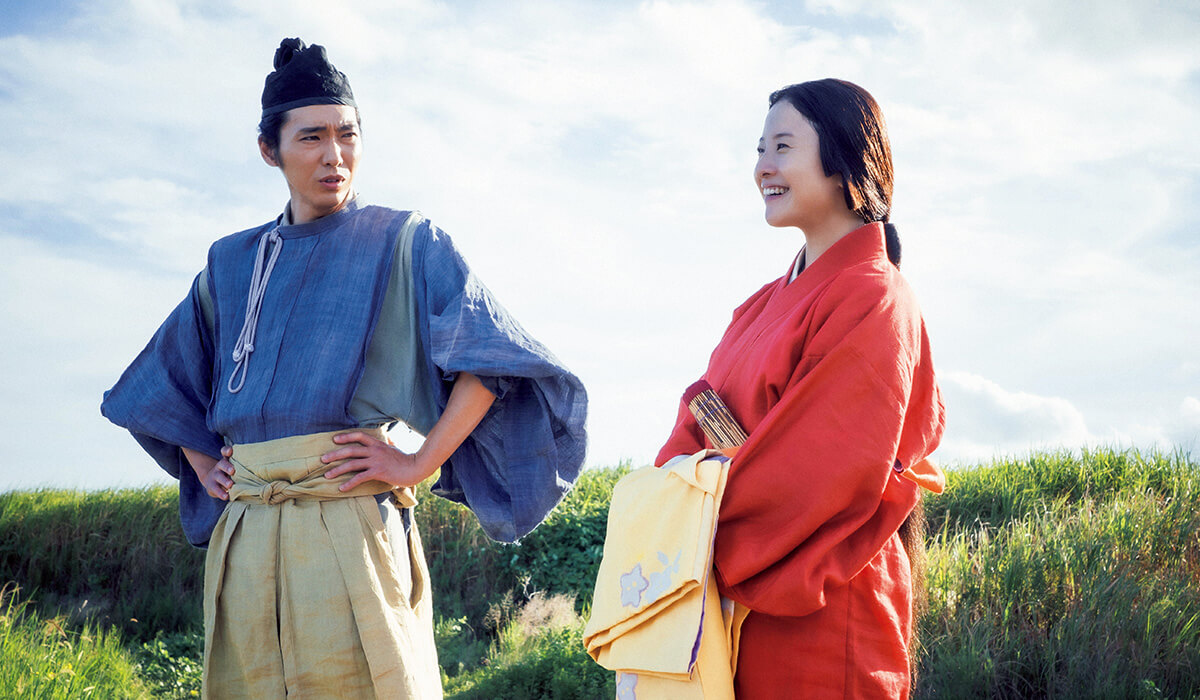
Mahiro (later known as Murasaki Shikibu), whose father is a scholar, grows into a rare female writer with a deep affection for Fujiwara no Michinaga. Broadcast in 2024. "At the time of broadcast, there was a lot of discussion on social media by Heian period enthusiasts. It's even more enjoyable if you watch it in relation to The Tale of Genji."