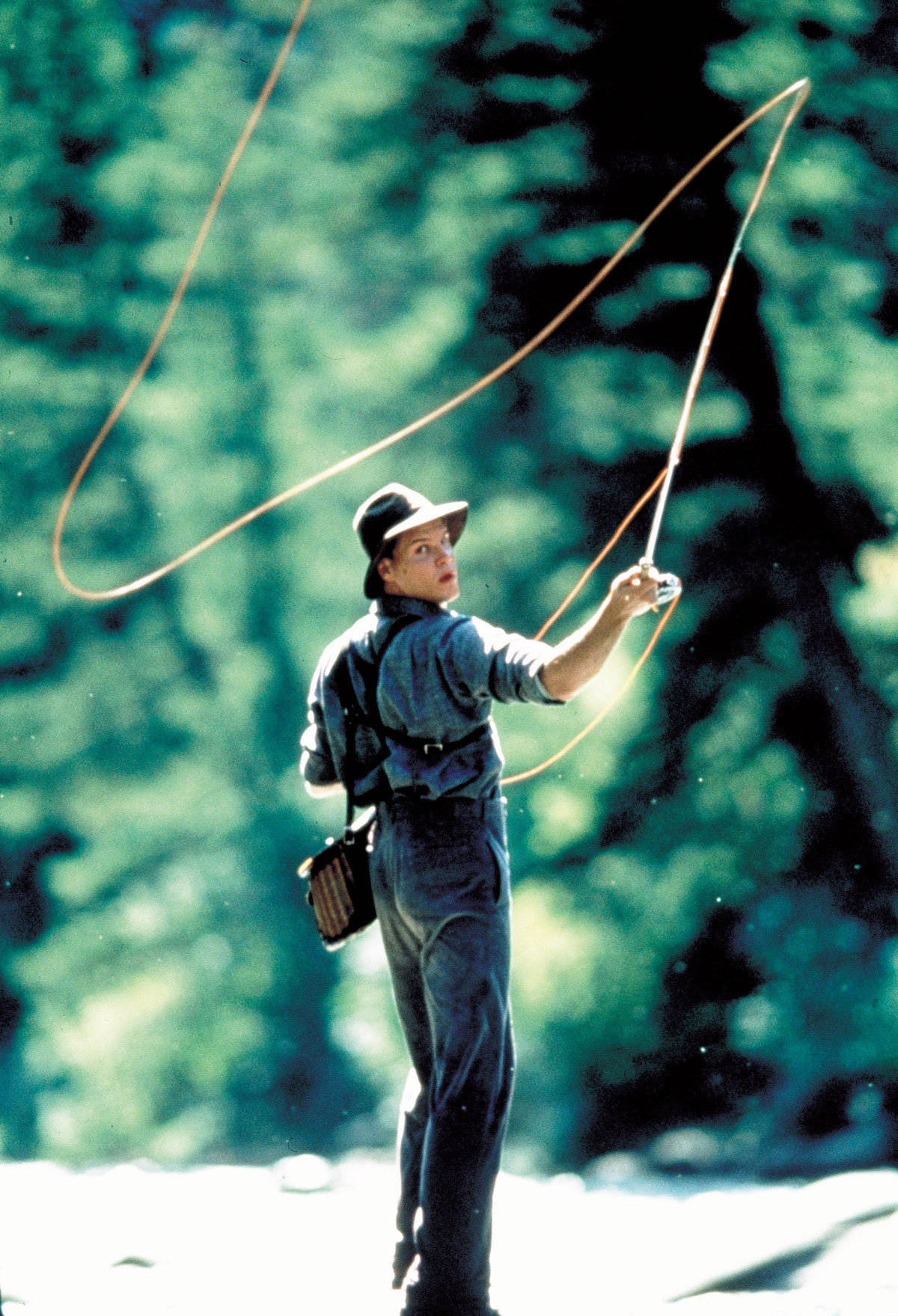











"The film begins with beautiful footage of the river's surface and concludes with a wide shot of the majestic river flowing by. As symbolized by the overall structure of the film, the film consistently leaves the impression that the river is always there beside the family," says Naomi Kawase, referring to the 1992 film A River Runs Through It. Set in Montana, USA in the early 20th century, the film vividly depicts the growth, conflict, and bond between two brothers against the backdrop of lush natural scenery.
"The older brother, Norman, is serious and quiet, while the younger brother, Paul, is lively and unrestrained. Despite both being raised by a strict father, their personalities are polar opposites. As a result, they lead different lives, but fishing remains the only thing that connects them. I think this setting is brilliant."
The story begins with an elderly Norman tying a fly onto a fishing line by the river, then moves into flashbacks to his younger days, with scenes of him fly fishing with his brothers or father and son interspersed throughout the film.
"Throughout the fishing scenes, emphasis is placed on beauty, both in terms of filming and editing. The distant shots of the fishermen casting their fishing rods evoke a sense of nostalgia. The sound of the river flowing and the sound of the fishing line cutting through the wind are also memorable. The moment when the fish is reeled in is an especially precious moment."
Depicting both the beauty and threat of nature
As a filmmaker, Kawase has also captured the many scenes woven by nature. Notable examples include "Suzaku," set in Nara, where Kawase grew up, which depicts the changes in the lives of a family living in a small mountain village, and "Mourning Forest," in which an elderly man with dementia and his caregiver walk into the forest to mourn the death of a family member.
"I always point my camera at nature with the feeling that it is also one of its protagonists. What's important to me is to depict both its beauty and its menace at the same time. The dense forest scenery, the sunlight streaming in, and the breezes blowing through it can be very soothing to us, but they can also take our lives from earthquakes, tsunamis, and typhoons. Because nature is something we cannot control, humans have long tried to calm its fury with the aid of gods. In other words, nature is inherently intimately connected to the life and death of humans. I'm always trying to express its essential state."
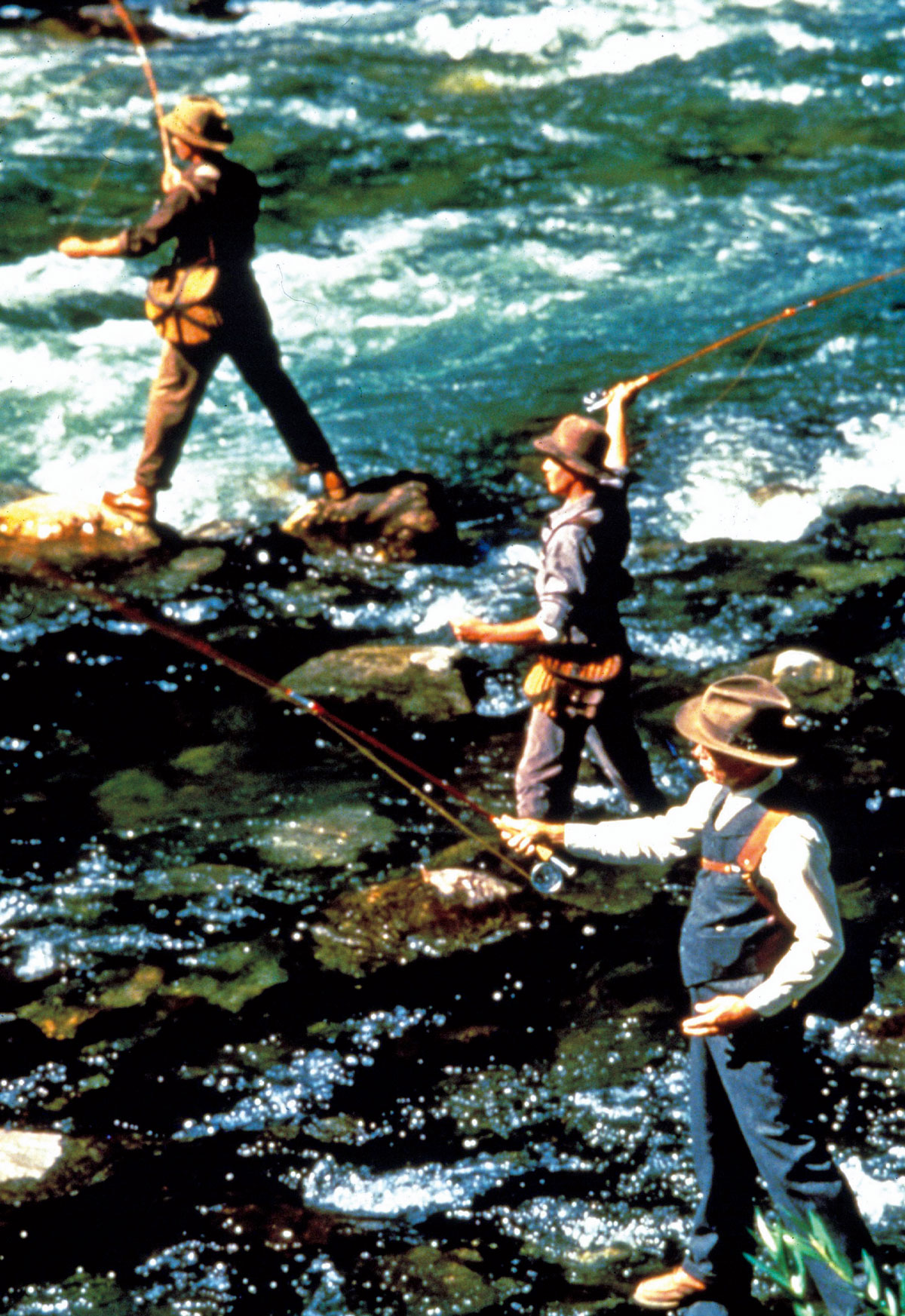
Kawase says that this dual nature of nature was also depicted in the film, "River Runs." It is most evident in the scene towards the end of the film, when the grown-up brothers go fishing with their father for the first time in a long time.
"Putting aside the problems they each face in real life, they innocently enjoy themselves, just like they did as boys. Paul then hooks a large prey on his line. With his upper body submerged, he struggles with the current, and a hint of anxiety crosses the viewer's mind as they watch. Will he drown? In the end, these fears turn out to be unfounded, and the scene becomes a beautiful page in the family's memories. However, the image of death that is clearly evoked there also seems to foreshadow the tragedy that will befall the family later."
Another thing that struck Kawase was the way her brothers interacted with nature.
"The film is set about 100 years in the past. The Montana landscape depicted has a strong sense of wildness, with dust flying about. I felt that it also showed how humans interacted with nature before modernization. There is a scene in the film where the brothers test their courage by canoeing down a raging river. They casually take on an undertaking where one wrong move could mean losing their lives. This shows that humans originally expressed their own grotesque energy towards nature. When compared to the modern day, where we have become 'smart' by relying on a wealth of information, and have now locked that energy away on the internet, it offers a glimpse into the primordial relationship between nature and humans."
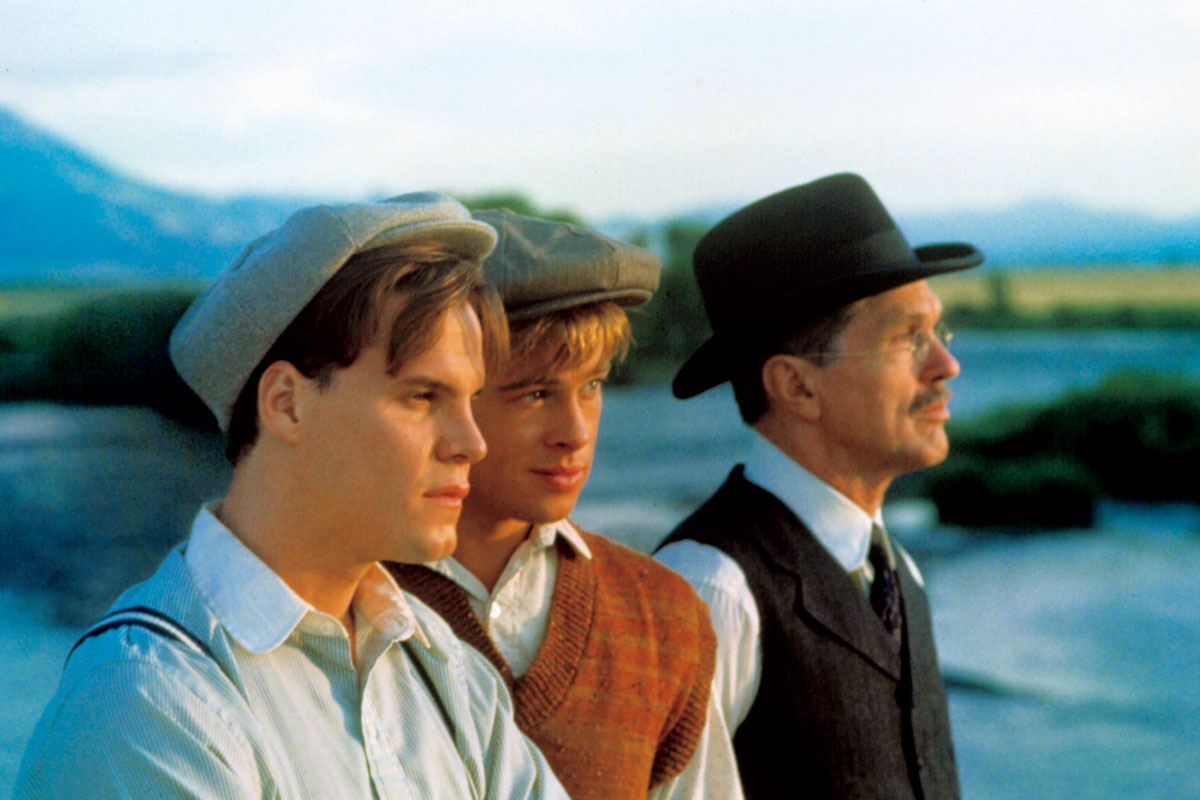
Photo: Everett Collection/Aflo 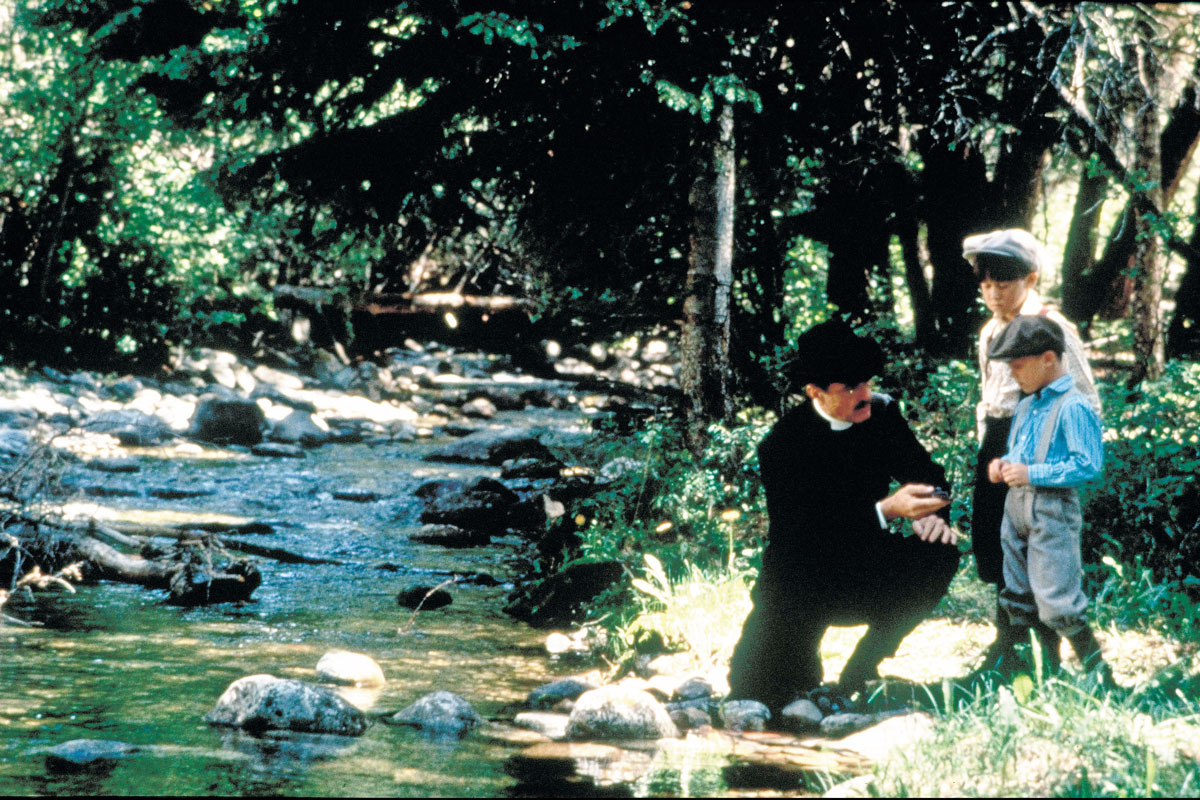
Photo: Everett Collection/Aflo
To confirm our unchanging love, we continue to cast our rods in the river
Although the film weaves in beautiful fishing scenes, it ends with a tragic incident. The final scene shows Norman again, now elderly, wading into the river alone, fishing rod in hand.
"I imagine that the reason he still goes fishing in his old age is to recall happy memories and confirm his unchanging love for his family. In the background, just like in his youth, there is always a river. He immerses himself in the flowing current and casts his fishing rod in rhythm. I believe that sometimes just having unchanging nature before one's eyes can be a source of salvation for people."