








Breathing new life into a masterpiece of modern architecture
Kyoto City Kyocera Museum of Art (Kyoto, Kyoto City)
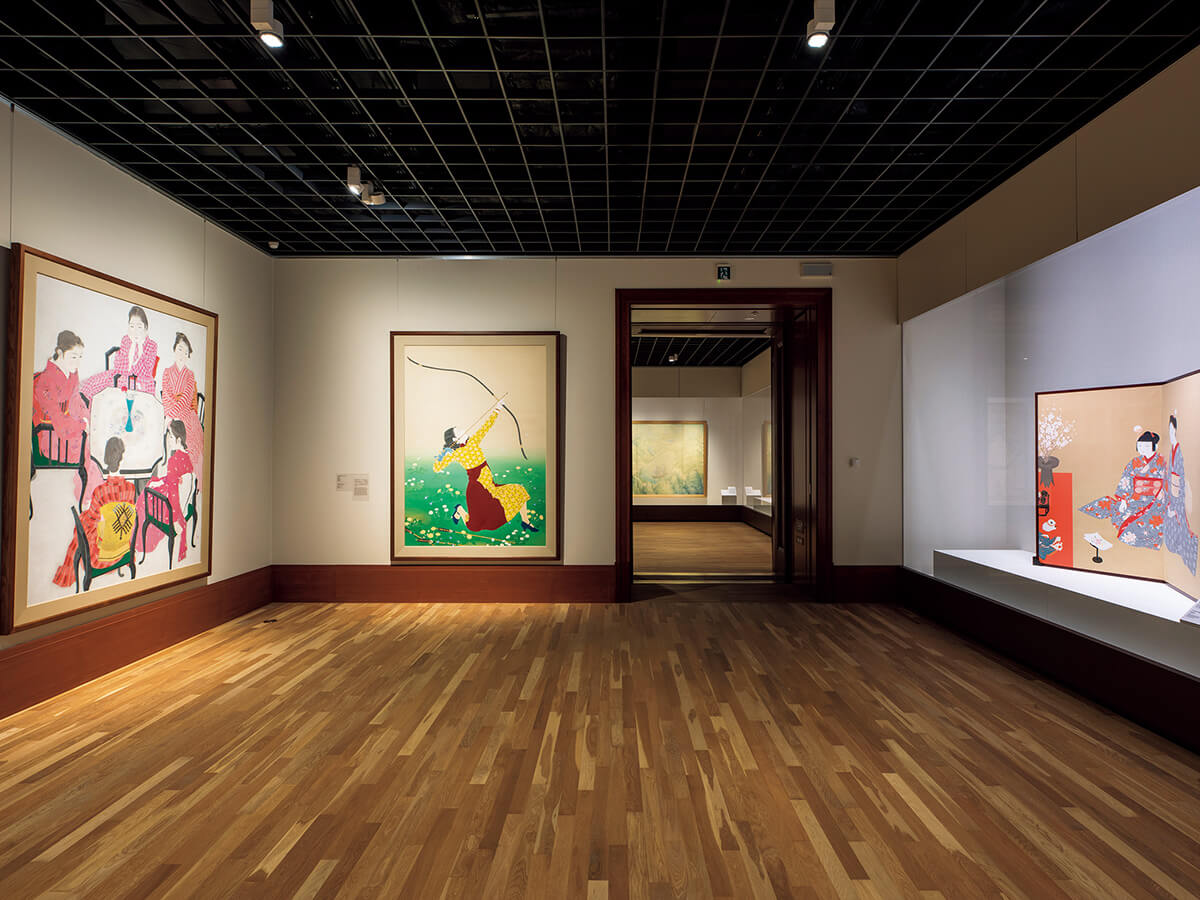
The oldest public art museum in Japan has been renovated. The main building, built in the Imperial Crown style with its impressive copper roof, has been updated while retaining its historical design.
The new building, "Higashiyama Cube," showcases contemporary art, and the collection room displays approximately 4,400 pieces of the museum's collection. The modern Japanese paintings by Kyoto art circles such as Uemura Shōen and Takeuchi Seihō, as well as the art works by Kyoto's masters, are particularly unique. The museum also boasts more free spaces, such as the central hall, Japanese garden, and cafe, allowing visitors to feel closer to art.
Admire masterpieces collected by connoisseurs
The Fujita Museum (Osaka/Osaka City)
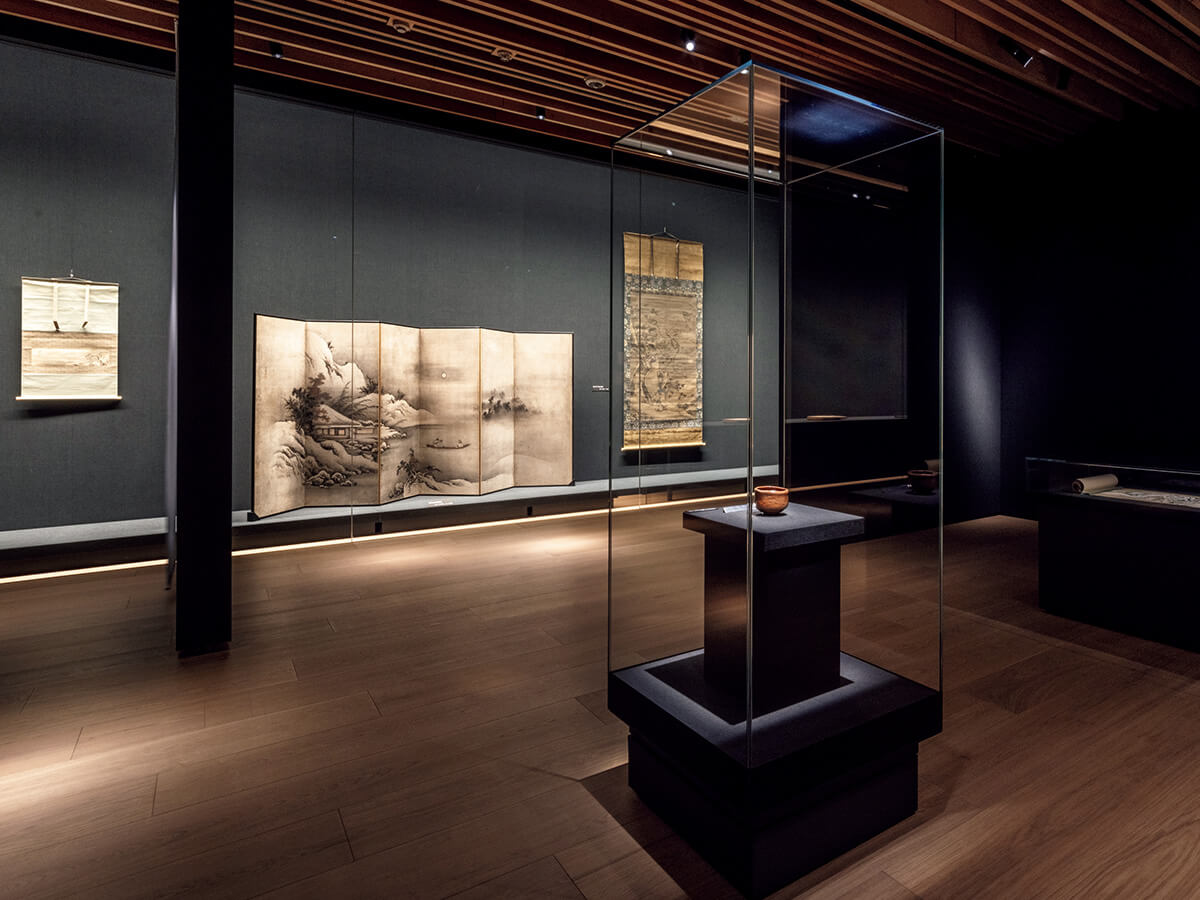
The museum houses and exhibits the collection of Denzaburo Fujita, a leading figure in the Meiji era business, and his son. The former museum building, which opened in 1954 using the Fujita family storehouse, will be renovated in 2022 to create a facility seamlessly connected to the park that was once the site of the family mansion.
The accumulated history of the museum can be felt from the storehouse materials used throughout the building, such as the doors and shutters. The approximately 2,000 items in the collection stand out against the subdued lighting and black walls of the exhibition space. They include nine national treasures, such as the Yohen Tenmoku tea bowl, and 53 important cultural properties.
Integrating five cultural facilities in Itami City
Itami City Museum (Itami City, Hyogo)
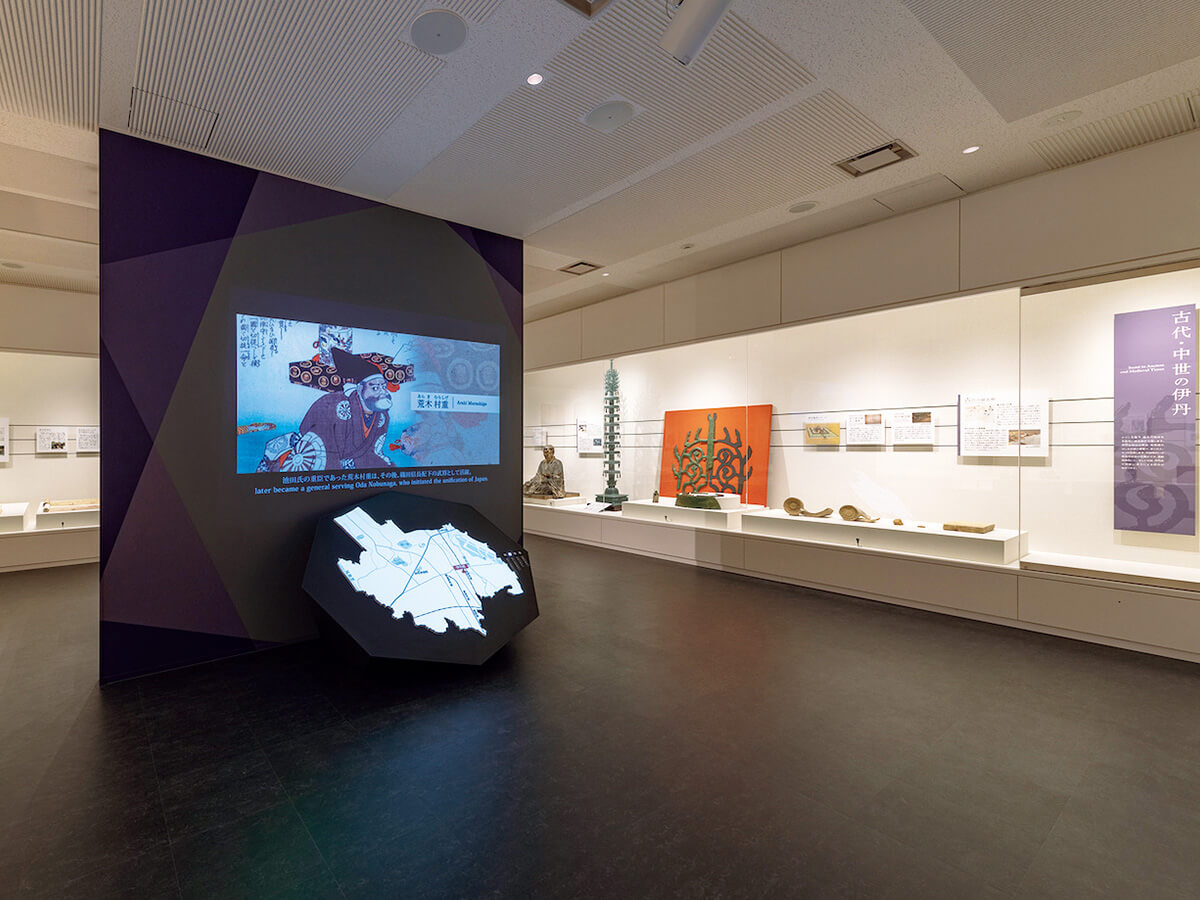
It will consolidate five facilities - Kakimori Bunko, the Municipal Art Museum, the Municipal Crafts Center, the Itami Gochokan Municipal Museum, and the Municipal Museum - and is scheduled to open in 2022. As it is made up of multiple buildings, the shape of the roofs and the position of the walls have been made uniform, creating a sense of unity in the design and maintaining continuity with the historic townscape.
In addition to being able to tour two townhouses built in the Edo period, the museum also hosts exhibitions on art, crafts, haiku, history, etc. in its six exhibition rooms. It houses approximately 9,000 art works from the former art museum and approximately 160,000 local materials from the former museum.
Learn about disaster prevention through an exhibition of earthquake relics
Kumamoto Earthquake Disaster Museum KIOKU (Minamiaso Village, Kumamoto)
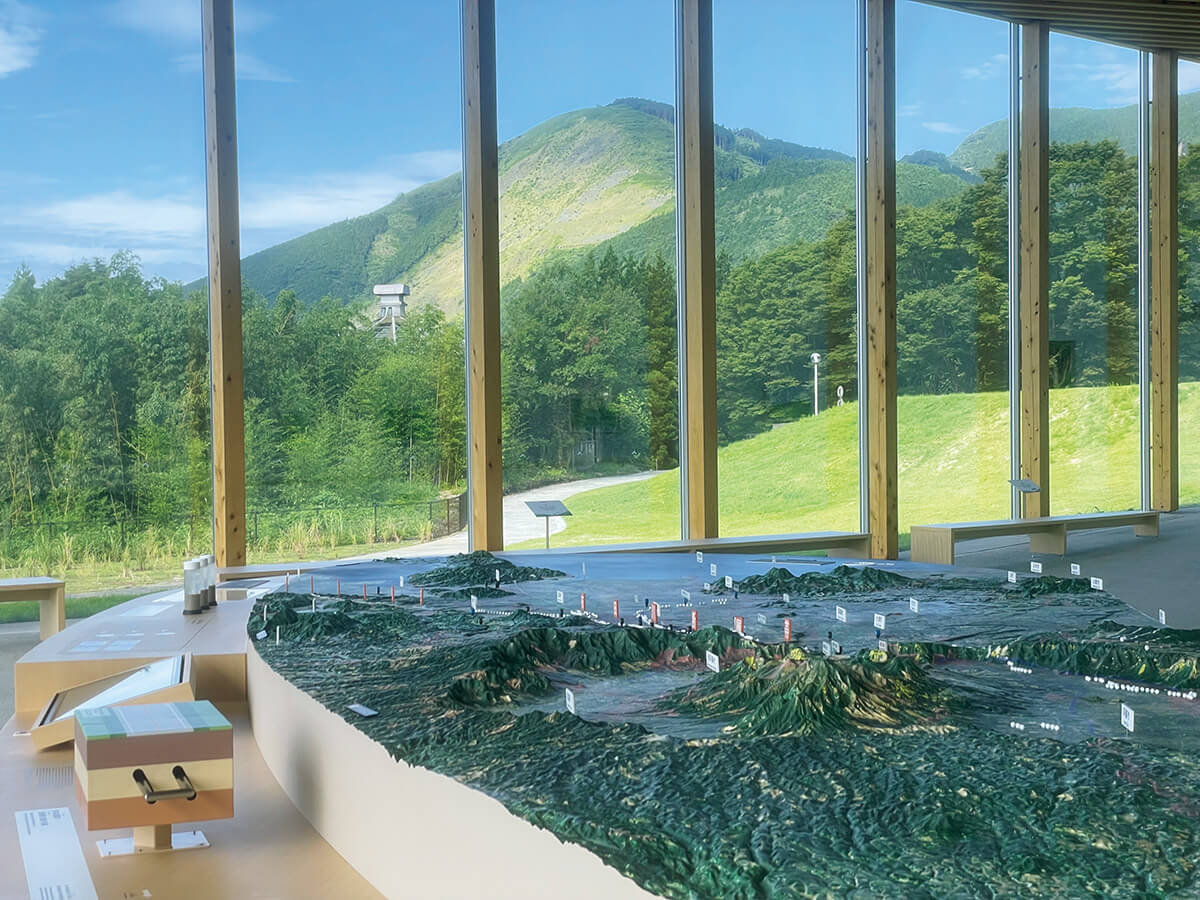
It opened in 2011 to pass on the lessons learned from the 2016 Kumamoto earthquake to future generations and to prepare for future large-scale earthquake disasters. It plays a central role in the Kumamoto Earthquake Corridor of Memory, a corridor-style field museum currently being developed in Kumamoto Prefecture that utilizes earthquake remains from various parts of the prefecture.
Through exhibits of earthquake relics, videos, photographs, and various programs, visitors can learn about the mechanisms of earthquake occurrence and learn about disaster prevention. The building, with its unique shape resembling a combination of boomerangs, was designed by Maki Onishi + Yuki Hyakuda /o+h.
New museums will continue to open in 2025!
Tottori Prefectural Museum of Art (Kurayoshi City, Tottori)
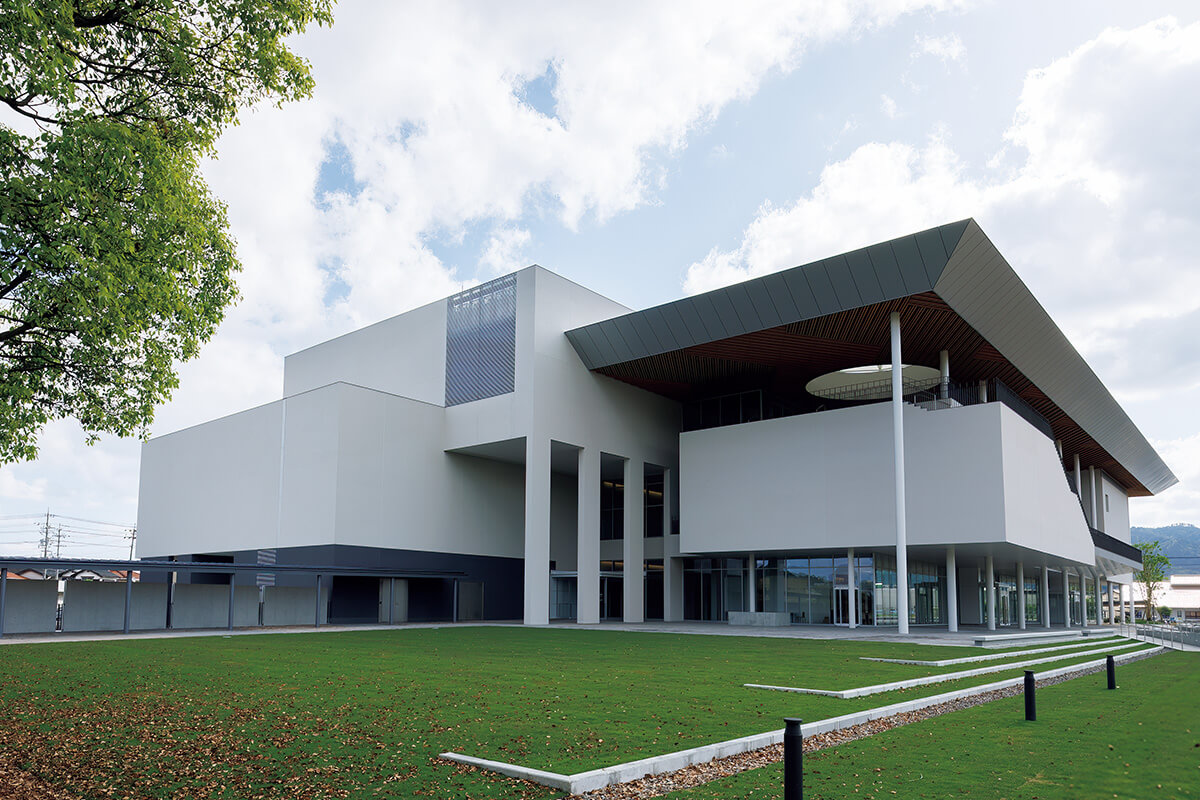
Various museums have opened across Japan in 2025. The Tottori Prefectural Museum of Art is a long-awaited opening, 10 years after the prefecture's decision. The architecture is being handled by Maki and Associates, and the aim is to create an open museum with the keyword "OPENNESS!"
Kasumi Hall Memorial Gakushuin Museum (Mejiro, Tokyo)
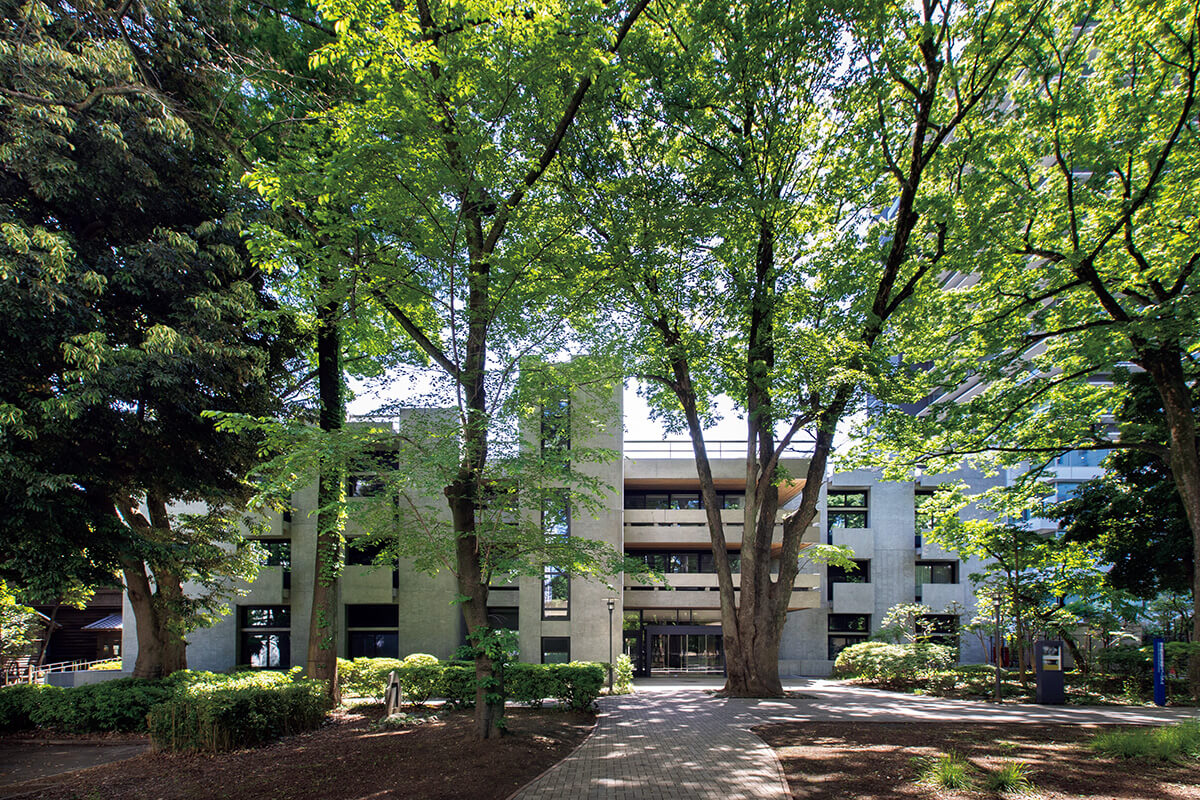
Gakushuin University 's Kasumi Kaikan Memorial Gakushuin Museum was opened in March 2013 after the campus library, designed by Kunio Maekawa, was renovated into a museum facility. The university is home to a historical archive that opened in 1975 and boasts a collection of over 250,000 items, including art and historical documents, including items related to the imperial family and nobility, and these valuable items are exhibited, made public, and preserved.
Naoshima New Museum of Art (Naoshima Town, Kagawa)
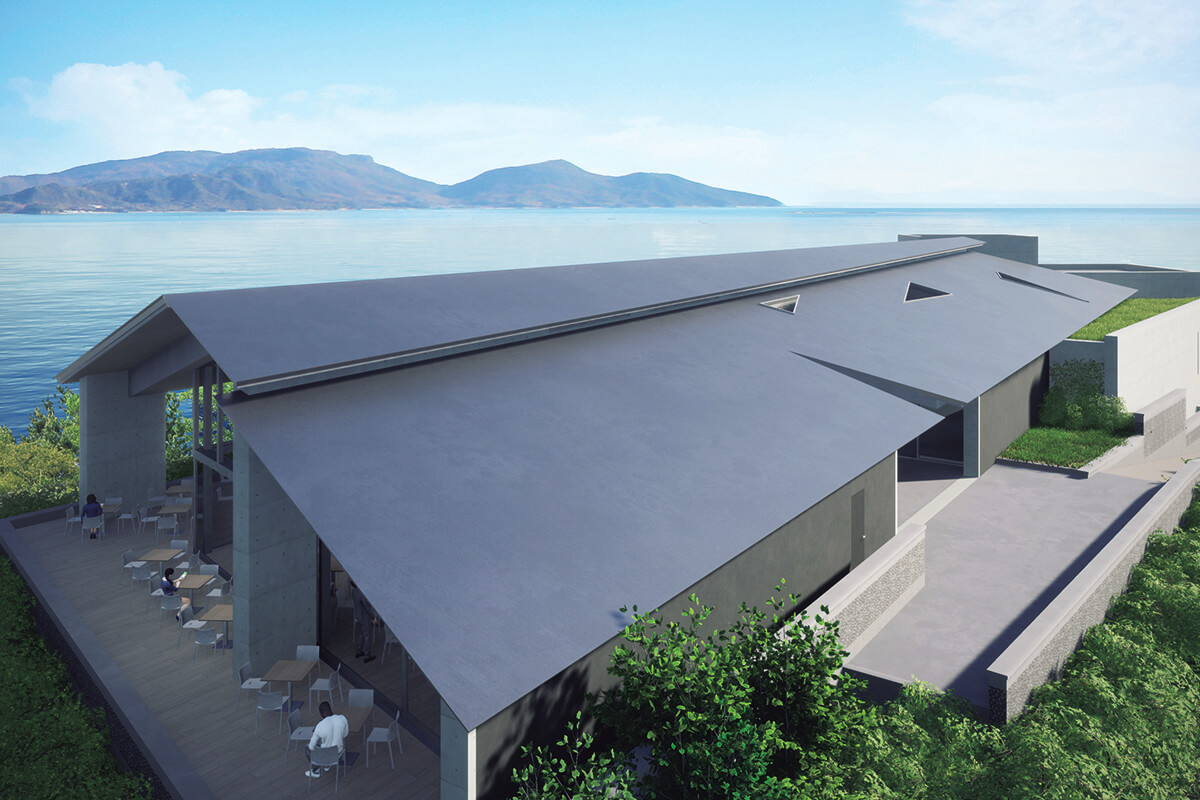
And what is likely to become the new face of Naoshima, Kagawa Prefecture, is the Naoshima New Museum, the 10th Benesse Art Site Naoshima designed by Tadao Ando. The logo design was done by Shin Sobue. The exhibition will mainly feature masterpieces and commissioned works by Asian artists such as Cai Guo-Qiang, Murakami Takashi, and Seo Do-ho. In addition to the exhibitions, various exchange programs are planned that are open to people from both inside and outside the island.