









Before opening in the evening, sake is measured out exactly by measuring one go (1 go) in a masu (measure) and filled into a tokkuri. In the past, some izakayas would fill a tokkuri with less than one go (1 go) of sake, even if you ordered one go (1 go). Therefore, stores that sold sake by weight correctly had the name "Shoichigo no Mise" (The Store with Exactly One Go) in their name.
With a history of over 100 years dating back to 1924 (Taisho 13), the izakaya "Shinsuke no Shoichigo no Mise" has its roots in a liquor store that began business in 1805 (Bunka 2). This was in the late Edo period, when there were no 1.8L bottles, and sake was sold by measure from barrels (masuzakaya). When you think about it, you could say that the practice of carefully measuring sake has been going on for 220 years.
Yabe Naoharu is the fourth generation owner of the izakaya, and the 11th generation if you count the liquor store. When asked if the name of the restaurant, "Shinsuke," was the name of the owner when he changed the business to an izakaya, he replied that it was not.
"The Yabe family's main liquor store was destroyed in the Great Kanto Earthquake of 1923. My great-grandfather, Yabe Gosuke, the second son who worked as the head clerk at Ichiki Shoten, a liquor wholesaler in Kanda, quickly took over as head of the family and restarted the izakaya in 1924. When Gosuke asked permission to leave the liquor wholesaler due to the family crisis, the owner of the liquor wholesaler, Suzuki Shinsuke, readily agreed and helped with the reconstruction."
He was given the name "Shinsuke" as a way to ensure he would never forget the kindness shown to him, but he decided to write it in katakana instead, as he felt that the words could have a spiritual meaning and cause trouble if written in kanji.
The only sake served at Izakaya Shinsuke is Ryoseki from Yuzawa, Akita Prefecture; no other brands are served. "When I took over as the fourth generation, the next generation of brewers, such as Juyondai and Dainana, were re-emerging in the value of sake. There was strong demand from customers, and I briefly considered stocking a few of those sakes. But we mustn't forget that we are where we are today thanks to Ryoseki, who continued to supply us with sake as they did before the war when it was difficult to get hold of new sake after the war. That's when I came up with the idea of specially ordering new sake from Ryoseki."
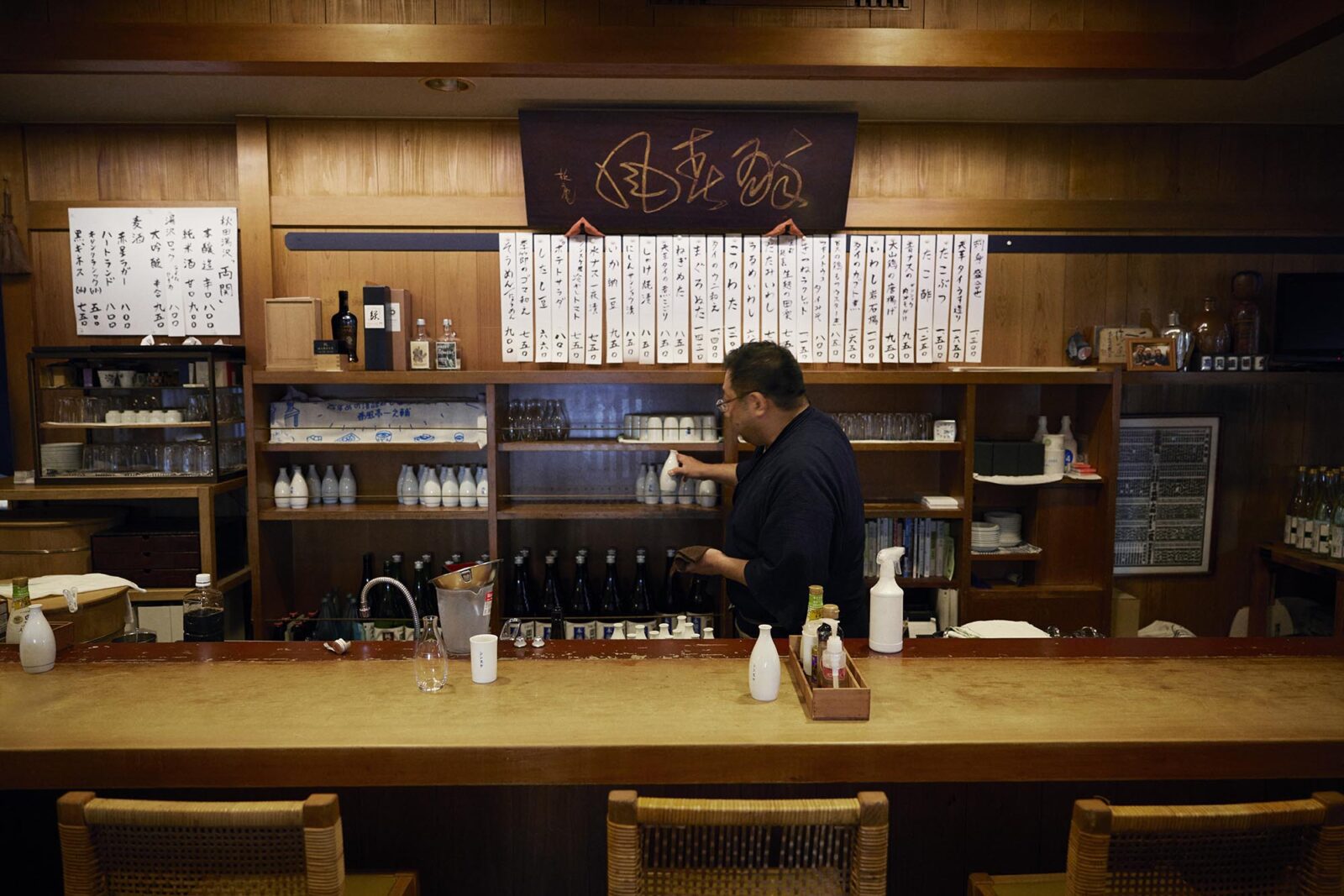
The cozy interior with a counter and tables is comfortable. "An izakaya is somewhere between home and work, a place that allows you to feel neutral." 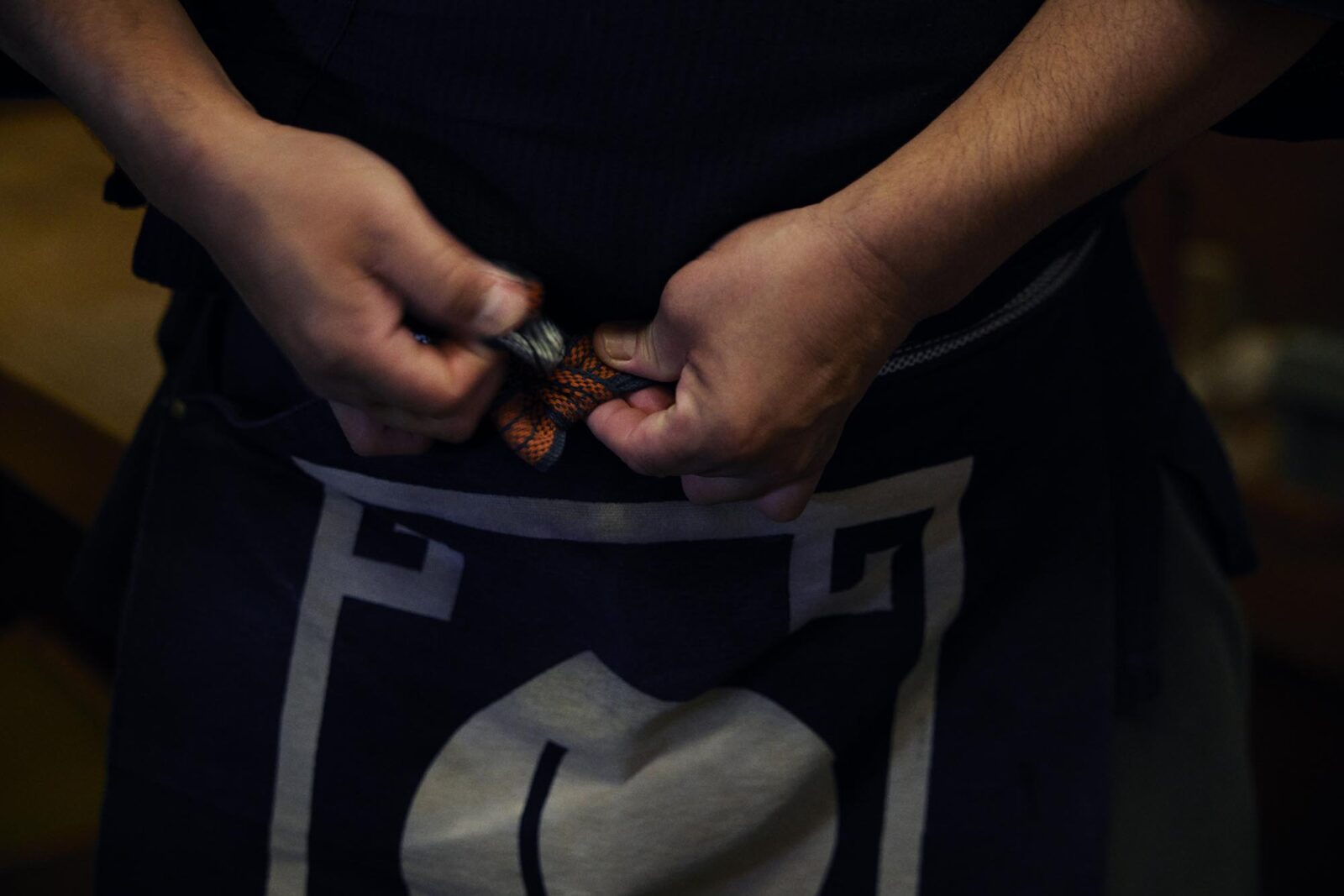
He tightens his apron and gets to work. "I'm sure the reason Shinsuke has his current style is because he's located under Yushima Tenjin. I think the nature of a bar is closely related to its location." 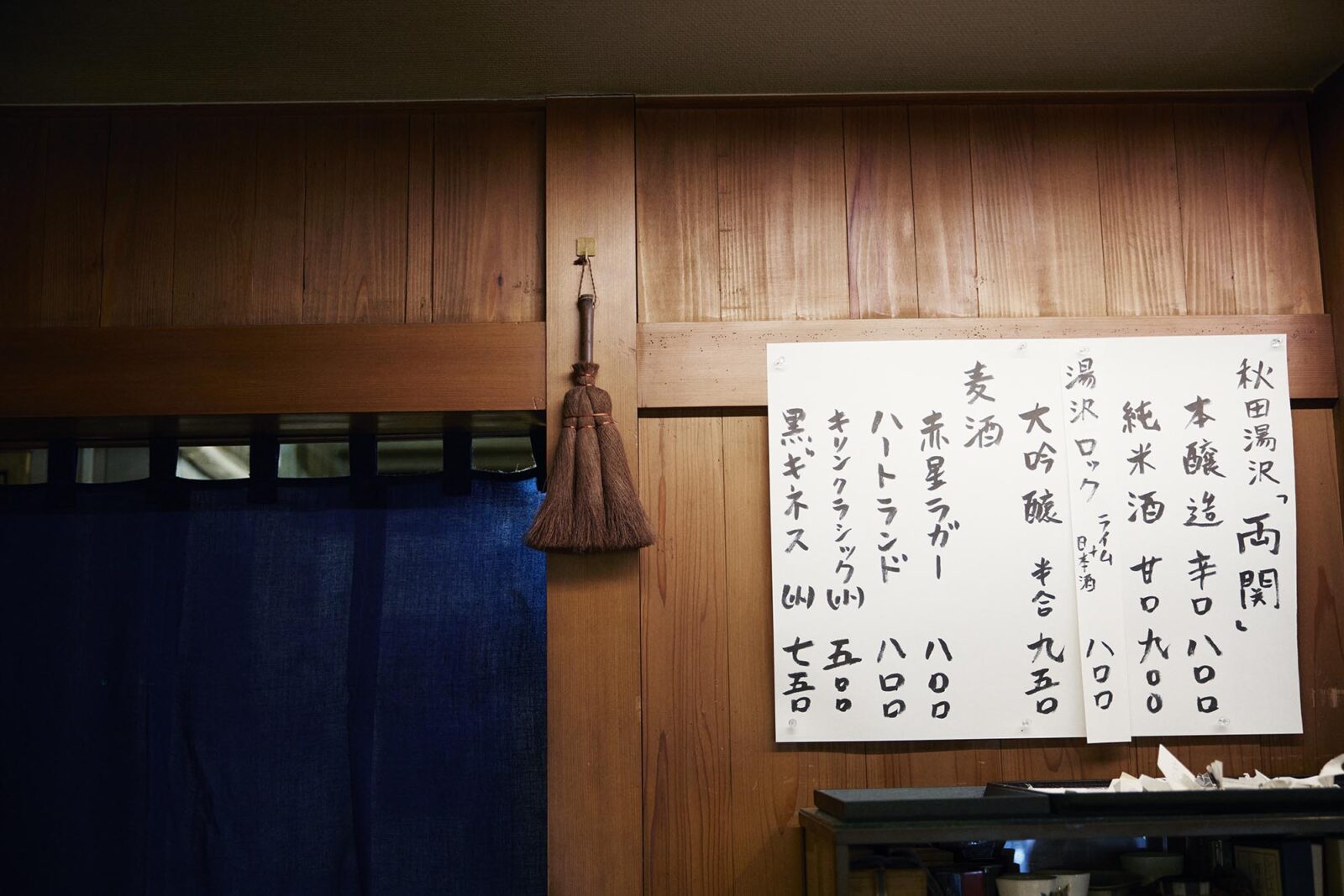
There are several types of beer, but only one brand of sake, "Ryōseki." However, there are four types (including barreled sake during the cold season), all of which are special orders from Shinsuke. 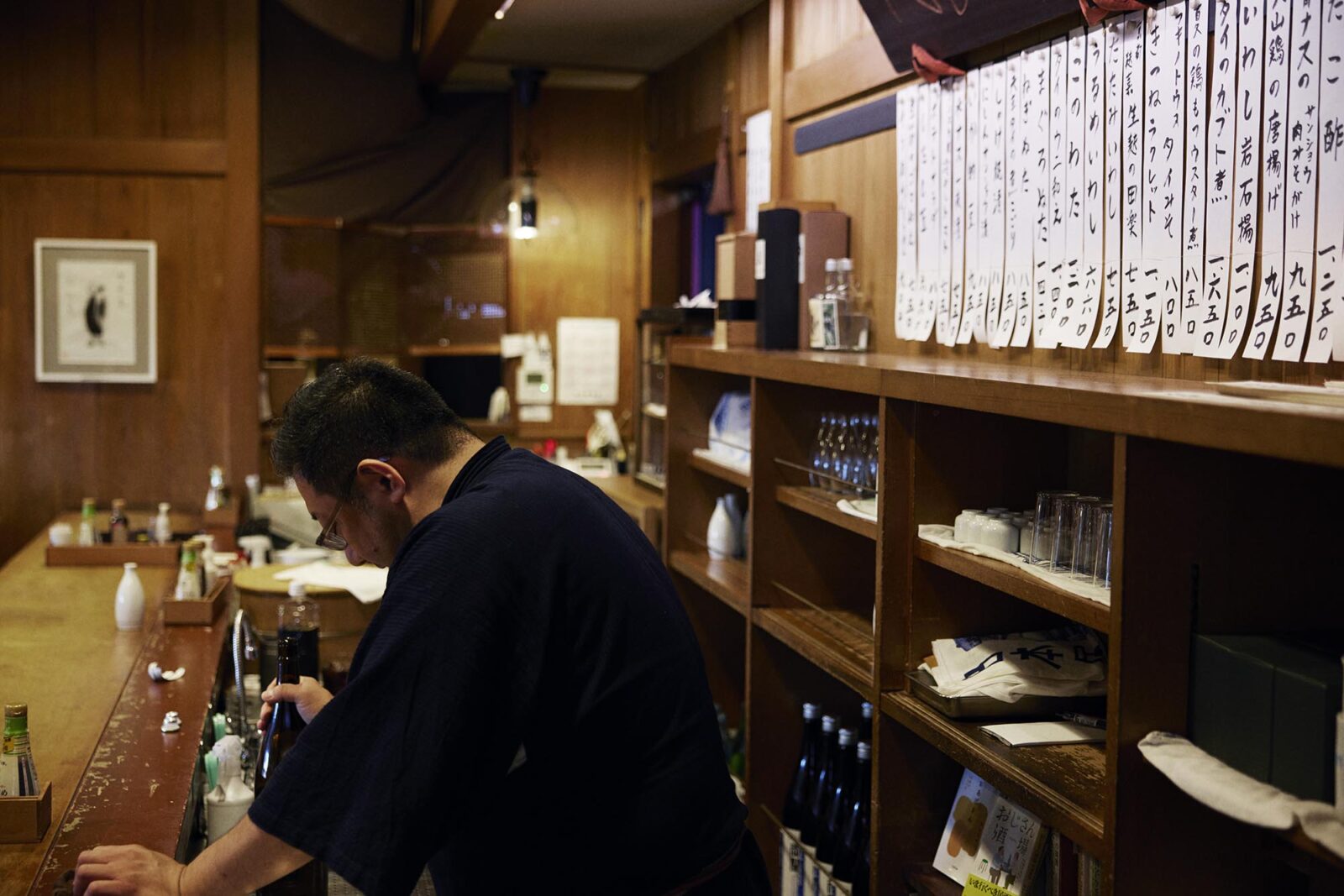
"If you put too much emphasis on an individual's character or skills, the store will not function if that person is gone." Although he is modest, he has dedicated himself to being "someone who sets the stage," and now he strives to be "a pioneer for the next generation."
It's quite rare these days to find an izakaya that only has one brand of sake. I wonder if any customers question that.
"Before COVID-19, they would come by from time to time, but since the countdown to our 100th anniversary of Ryokan began, no one has complained (laughs)."
To compensate, he is very particular about the type of sake and its temperature. "Firstly, all of our Ryoseki sake is made to order by Shinsuke and is not available to the general public. Next, we designed and developed an ice bucket, which, together with the sake warmer, widens the temperature gradient of the sake. How long do you need to soak the tokkuri to get it to the right temperature? Measuring it precisely with a thermometer would be too precise and come across as unsophisticated, so we feel the bottom of the tokkuri with the tip of our little finger to determine the right temperature. The surface of the tokkuri is the same temperature as the water used to warm the sake or the cold water used to cool it, but you can feel the temperature of the sake inside from the bottom. If the temperature is a bit off, that's just part of the charm."
An izakaya is a space where you can relax with the help of alcohol and get closer to someone. "It's important that both the alcohol and the food are supporting roles that don't stand out too much. Without fear of being misunderstood, I think that neither should be too delicious."
In terms of frequency, Kyoto kaiseki restaurants and long-established eel restaurants are places you go to on special occasions, when it's out of the ordinary. On the other hand, it's not unusual to go to an izakaya two or three times a week. "In terms of hare and ke, it's a place closer to ke. If you compare it to a bathhouse, it's not a hot spring inn but a public bath. That's why we deliberately refrain from attending to customers (actively paying attention to them) and instead focus on assisting customers (watching over them and responding quickly) to meet their wishes."
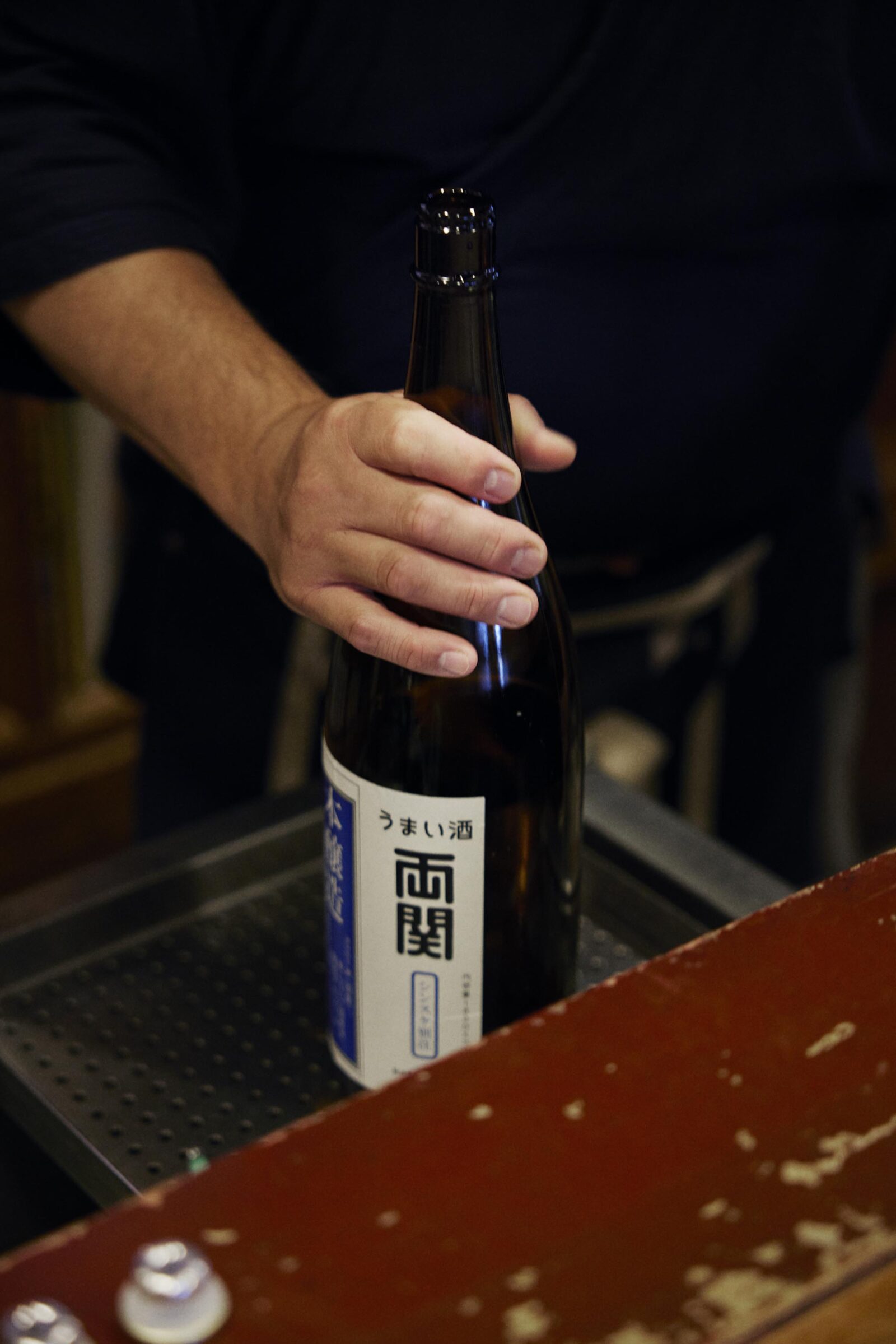
There are many brands of sake that have been converted from liquor stores into izakayas, but Shinsuke is the only one in Ryoseki. "There is a debt of gratitude that we must never forget." 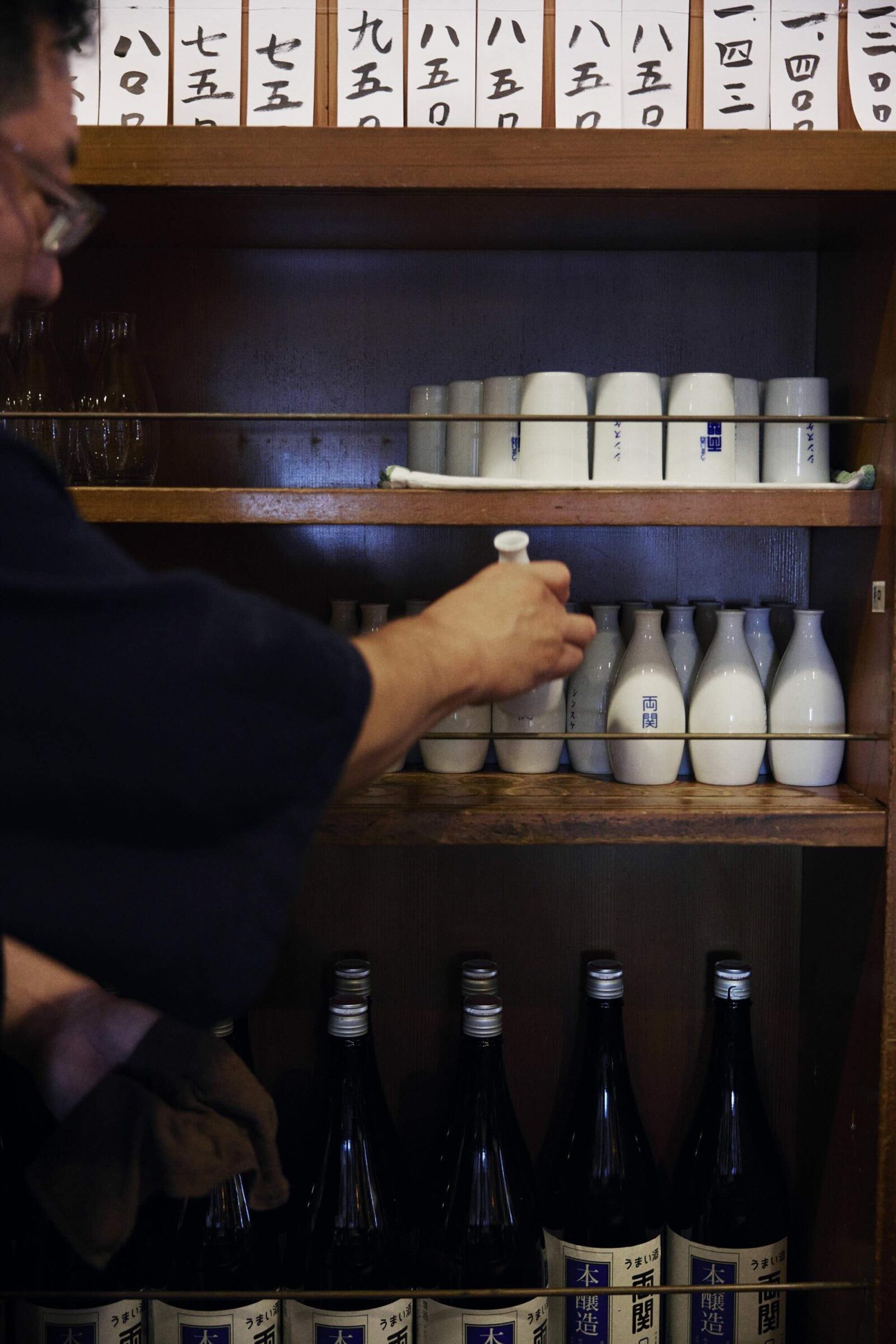
"In the Edo aesthetic, pale blue was considered more sexy than pure white," he says. Shinsuke's sake bottle is a custom-made Arita ware (strong reduction firing of Amakusa pottery stone) that is designed to give it a blue hue. 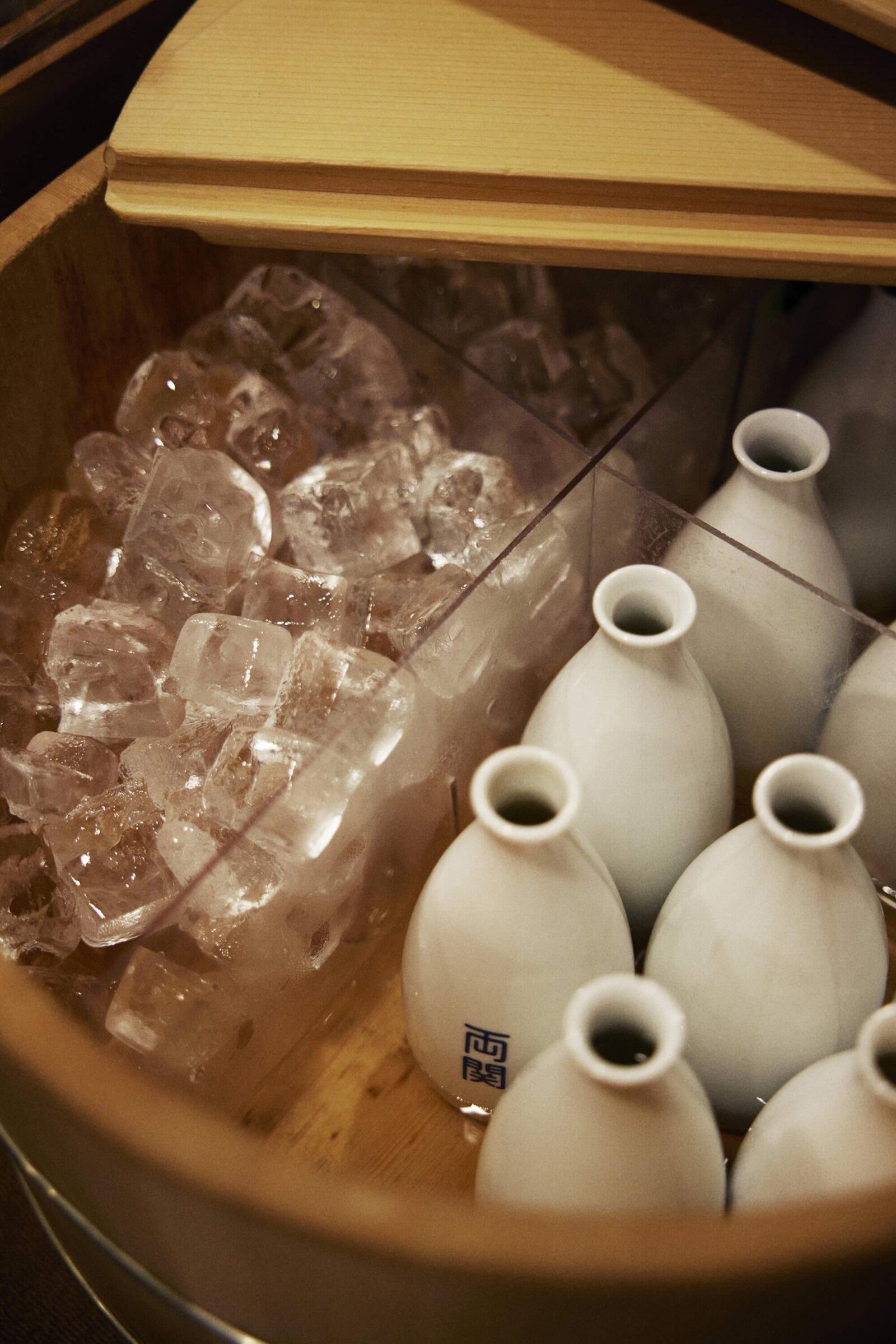
The sake bottles are lined up in an ice cooler with ice. "Whether it's cold or hot, I check the temperature by touching the bottom of the sake bottle with my fingertip." 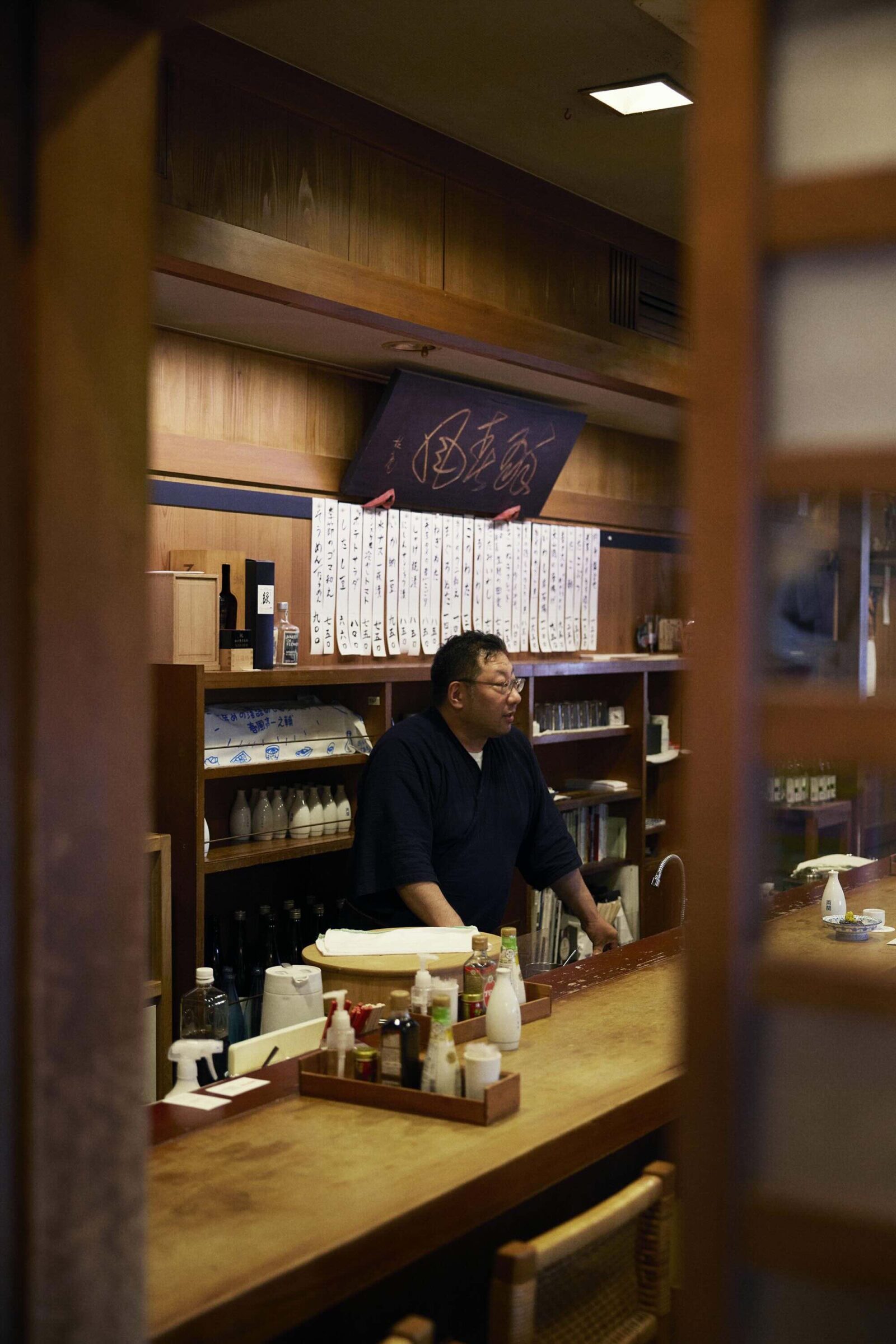
He doesn't use his 100-year history and nostalgia as a selling point. "I think it's important to be chosen by customers of all ages and genders in each era." 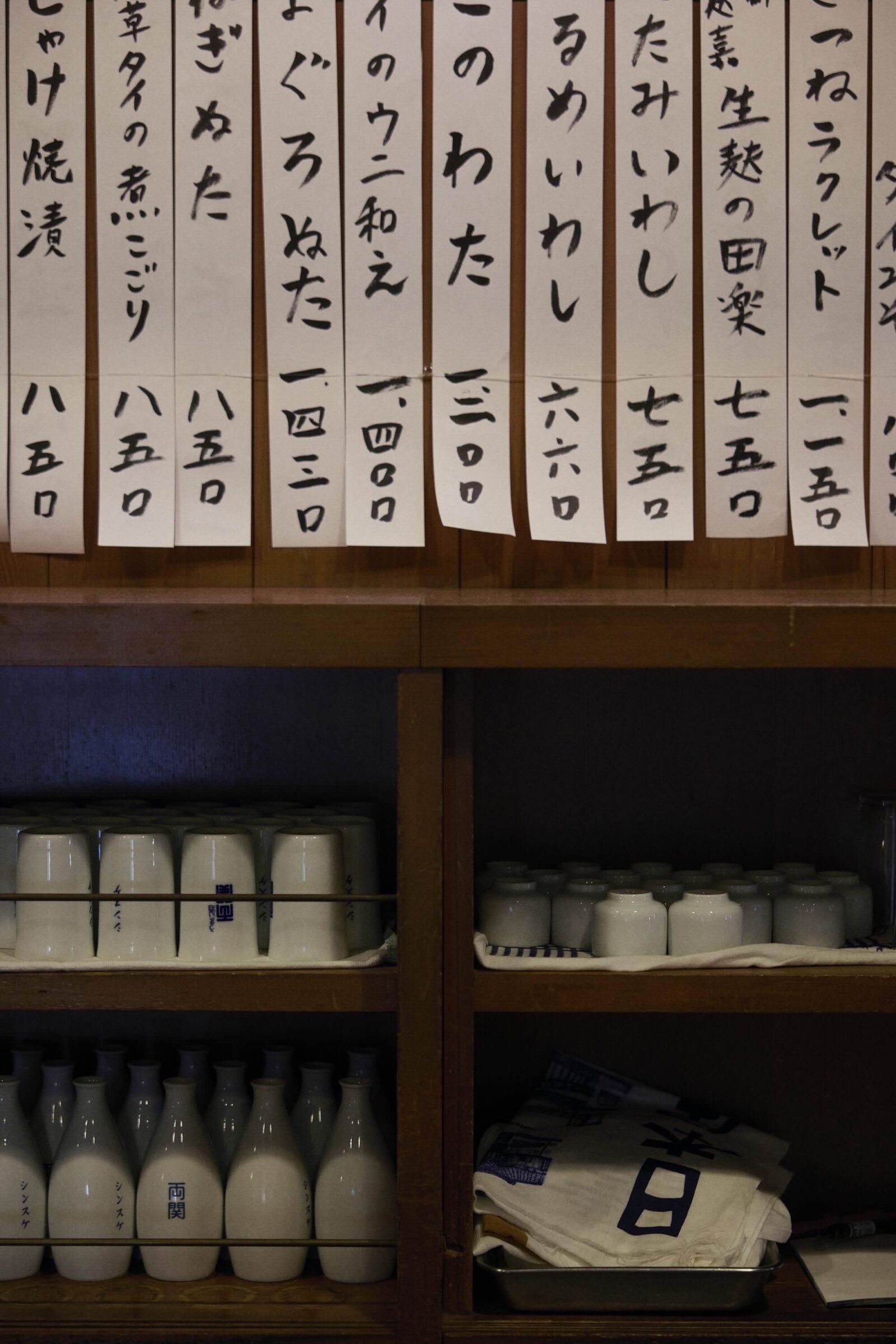
"When you put too much of your own style into something, whether it's cooking or anything else, it becomes too bold and cheesy." His philosophy is that trimming the amount of information is what leads to a comfortable atmosphere. 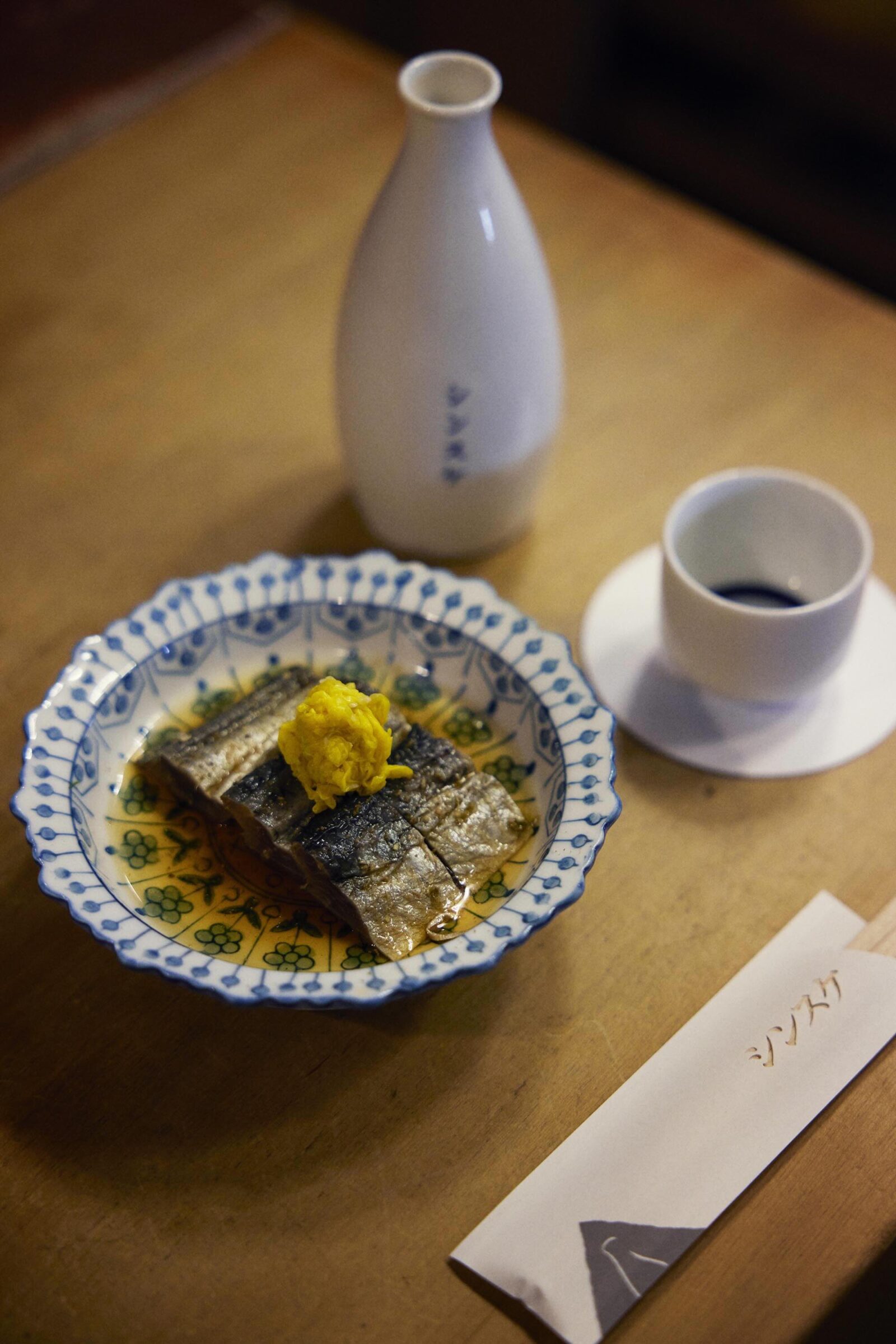
Herring pickled in Japanese pepper costs 850 yen. "We analyzed and reconstructed Aizu local cuisine. We incorporated German cooking techniques and used both apple vinegar and ponzu sauce to make it easy to eat." 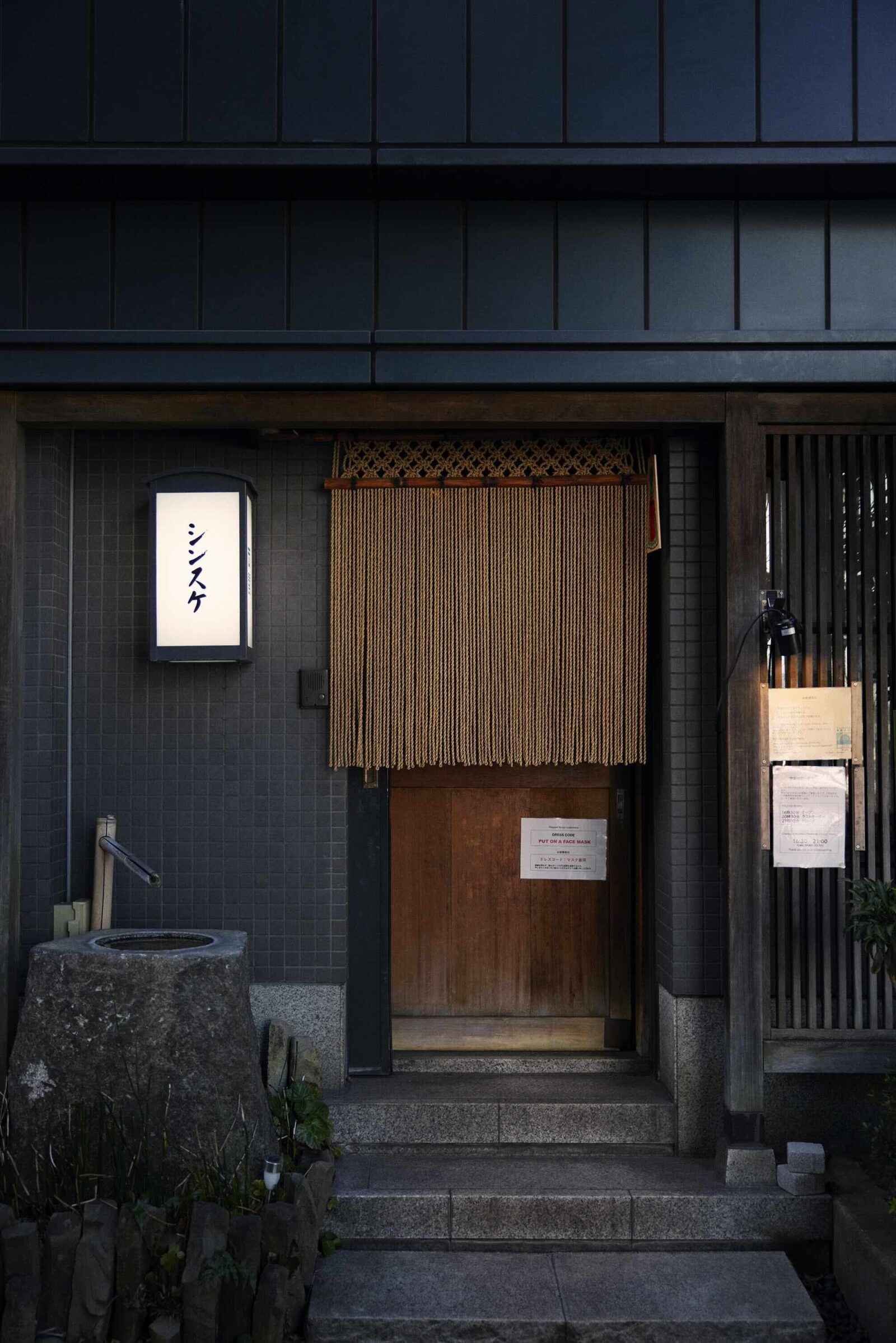
"Some customers come when the local comedy hall closes," he says. The shop opens at 4:30 p.m. every day.
How can he continue and take over this izakaya, which has been in business for over 100 years at the bottom of the slope at Yushima Tenjin Shrine? "Last year, our predecessor passed away due to an infectious disease. This year, Shinsuke celebrates its 100th anniversary, and next year I will turn 55. It is at this point that I have become conscious of the issue of succession." He says that he has both the desire for the next generation to take over the family business, and the desire not to let them take over such a difficult trade.
"What I can do now is organize and visualize the way Shinsuke's style of bar is, so that it will be easier to maintain from a physical perspective." He spoke in an interview because he felt that if he could put into words the feelings inside him, it might serve as a hint for the next generation or someone else.
"Even though it's the same counter business, unlike a sushi restaurant or bar, an izakaya doesn't have a one-to-one relationship between the customer and the chef," Yabe says. If the space is the same and the sake and food aren't affected by the skill of the individual, customers will continue to come even if the owner changes.
"To put it in perspective, I'd like to be like the man at the front desk at a public bath. I want to be a behind-the-scenes person who is replaceable. It can actually be interesting to work with the assumption that you will no longer be around."
If you are prepared to unravel the work and hand it over to them, rather than being stubborn and trying to be unique, you can continue doing any kind of work.