










Guide: Katami Akira
Katami Akira, who stocks books on queer and gender issues from not only Japan but also other parts of Asia at loneliness books, has also been involved as a volunteer in the Tokyo Pride Parade.
Between the rise of gay culture and the LGBT movement, there was a hidden connection between people
In terms of pop culture, such as movies, TV dramas, and literature, I don't think there were many memorable Japanese queer cultures in the 2000s. In fact, entertainment works were more popular in the 1990s.
Openly gay director Ryosuke Hashiguchi [A] made his directorial debut with the film "Twenty Year Old Fever" in 1993. In the same year, the TV drama "Class Reunion," which dealt with themes of homosexuality and bisexuality, was broadcast.
Japan's first pride parade, the "1st Lesbian and Gay Parade in Tokyo" [B], was held in 1994. Novels that celebrate pride include Kaori Ekuni 's "Kira Kira Hikaru" and, prior to that, Rieko Matsuura 's "Natural Woman" published in the late 1980s.
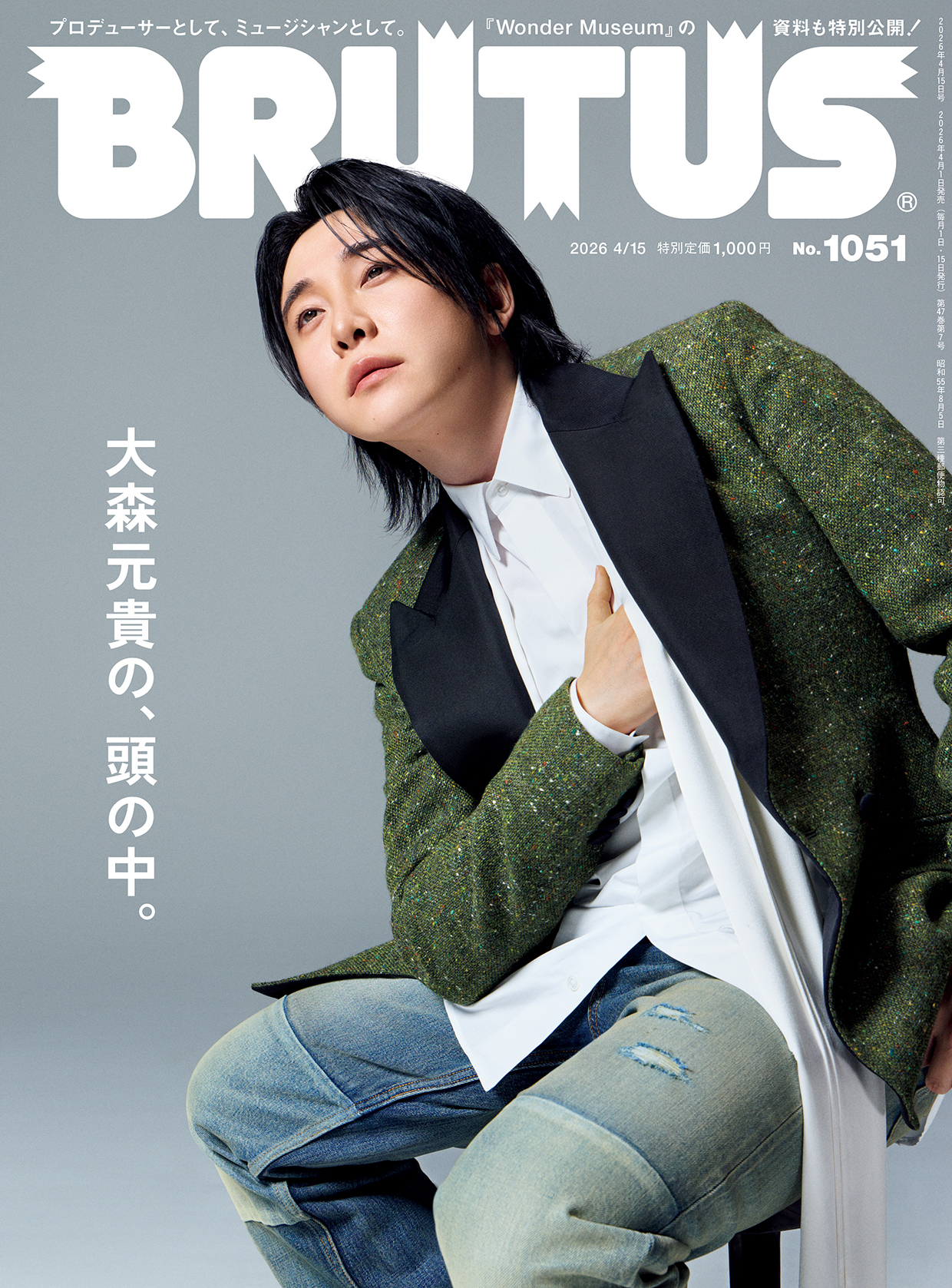
During this time, many culture magazines, including Brutus, Switch, and Studio Voice, ran gay feature articles. Gays and lesbians were seen as somewhat fashionable, and a boom occurred.
HIV/AIDS, which was a "deadly disease" from the '80s to the mid-'90s, also had a major impact on the queer community. New initiatives and cultures were born from safer sex awareness campaigns and activism against deep-rooted discrimination. That said, it wasn't a stuffy place; there were places where people could share their awareness of the issues while dancing in clubs or enjoying drag queen shows.
I said at the beginning that there wasn't much memorable entertainment in the 2000s, but there were some epoch-making works in the early 2000s. In 2001, director Hashiguchi released "Hush!", and in the same year, the sixth series of "3-nen B-gumi Kinpachi Sensei" featured a transgender student played by Aya Ueto. At the time, this was referred to as "gender identity disorder."
The Pride Parade, which had been suspended for a time, resumed in Tokyo in 2000. On the same night, the Tokyo Rainbow Festival was held for the first time in Shinjuku 2-chome. The main street, Nakadori, was closed off, and food stalls were set up, shows were held, and fireworks were launched. The excitement was so great that it seemed like a dream.
In 2002, the gay night "Shangri-La (commonly known as Ageha)" started at Studio Coast in Shinkiba, attracting thousands of people every time.
Since then, I believe that stories depicting queer people have continued to be made in Japan. However, I personally feel that many of these works lack a strong sense of personal connection. One of the few Japanese films I can relate to is director Hashiguchi's 1995 film, "Sinbad of the Beach," which remains a landmark to this day.
On the other hand, there are many foreign films from the 2000s that leave a strong impression. "Brokeback Mountain" and "Milk" were screened at Cinema Rise [C], a mini-theater in Shibuya. I think the theater consciously incorporated queer films into its programming.
I think that the most important thing for queer culture in the 2000s was the abundance of events and other forms of human connection. In that sense, the existence of the community center akta [D], which opened in Shinjuku 2-Chome in 2003, was huge. It's an NPO that supports HIV-positive people and raises awareness. This meant that a place where people could interact with each other was now available in the 2-Chome area, day or night.
As we entered the 2010s, we began to see the term "LGBT" more frequently on television and in newspaper reports. Same-sex marriage began to be recognized in many countries, and companies began to take an increased stance toward diversity.
The parade continued through the efforts of many people into the mid-2000s, and around this time it began to gain commercial momentum with the backing of businesses, developing into a major event. Looking back, the 2000s were a transitional period sandwiched between the epoch-making 1990s and 2010s.
2000
The film "Boys Don't Cry" (director: Kimberly Peirce) is released in Japan. It tells the story of a real-life trans man in America. It stars Hilary Swank. It was produced in 1999.
"Tokyo Lesbian & Gay Parade 2000" is held.
The first "Tokyo Rainbow Festival" will be held in Shinjuku 2-chome.
2001
The sixth series of the TV drama "3-nen B-gumi Kinpachi Sensei" (script by Mieko Koyamauchi) aired on TBS. Aya Ueto played a student struggling with gender identity.
The film "Hush!" (director: Ryosuke Hashiguchi) has been released in Nagasaki. It is a drama about a gay couple and a woman who wants to have a child. Starring Seiichi Tanabe, Kazuya Takahashi, and Reiko Kataoka, the story is based on an interview Hashiguchi did in Amsterdam for the magazine "Switch" (June 1996 issue).
2002
The film "Hedwig and the Angry Inch" (directed and starring John Cameron Mitchell) has been released in Japan. It is a rock musical that depicts the life of a trans woman whose gender reassignment surgery has gone awry. It was produced in 2001.
A gay night called "Shangri-La (commonly known as Ageha)" started at Studio Coast in Shinkiba.
2003
Community center akta opens in Shinjuku 2-chome.
2004
The film "Monster" (director: Patty Jenkins) is released in Japan. Based on a true story, it depicts a woman who commits serial murders for the woman she loves. Starring Charlize Theron. Produced in 2003.
2006
The film "Brokeback Mountain" (director: Ang Lee) is released in Japan. It depicts the relationship between two men who are attracted to each other over a 20-year period. Heath Ledger and Jake Gyllenhaal play the main characters. It was produced in 2005.
2007
The name of the "Tokyo Lesbian & Gay Parade" has been changed to "Tokyo Pride Parade."
2009
The film "Milk" (director: Gus Van Sant) is now in theaters in Japan. It tells the story of Harvey Milk, a real-life politician who was openly gay and worked hard for minorities, both gay and lesbian, in the 1970s in America. Starring Sean Penn. Produced in 2008.