








A letter from Heralbony to Keigo Oyamada
Takaya Matsuda (hereinafter, Takaya): The idea behind "ROUTINE RECORDS" was that if we could transform the sounds made by people with intellectual disabilities due to their "stereotypic behavior" into "music," we might be able to lightly change the image and values of disabilities. For example, my brother likes the word "san-ne" and repeats it over and over, or bangs on the table. Sounds that we make because we want to, and that are everyday sounds to us, can become difficult for others to accept and even frightening if they are unfamiliar with them.
Matsuda Fumito (hereafter Fumito): I've seen a lot of people who can't ride buses or trains, or go to department stores or restaurants. That's why I thought that by releasing their sounds into society, we might be able to expand the boundaries of what's considered "normal."
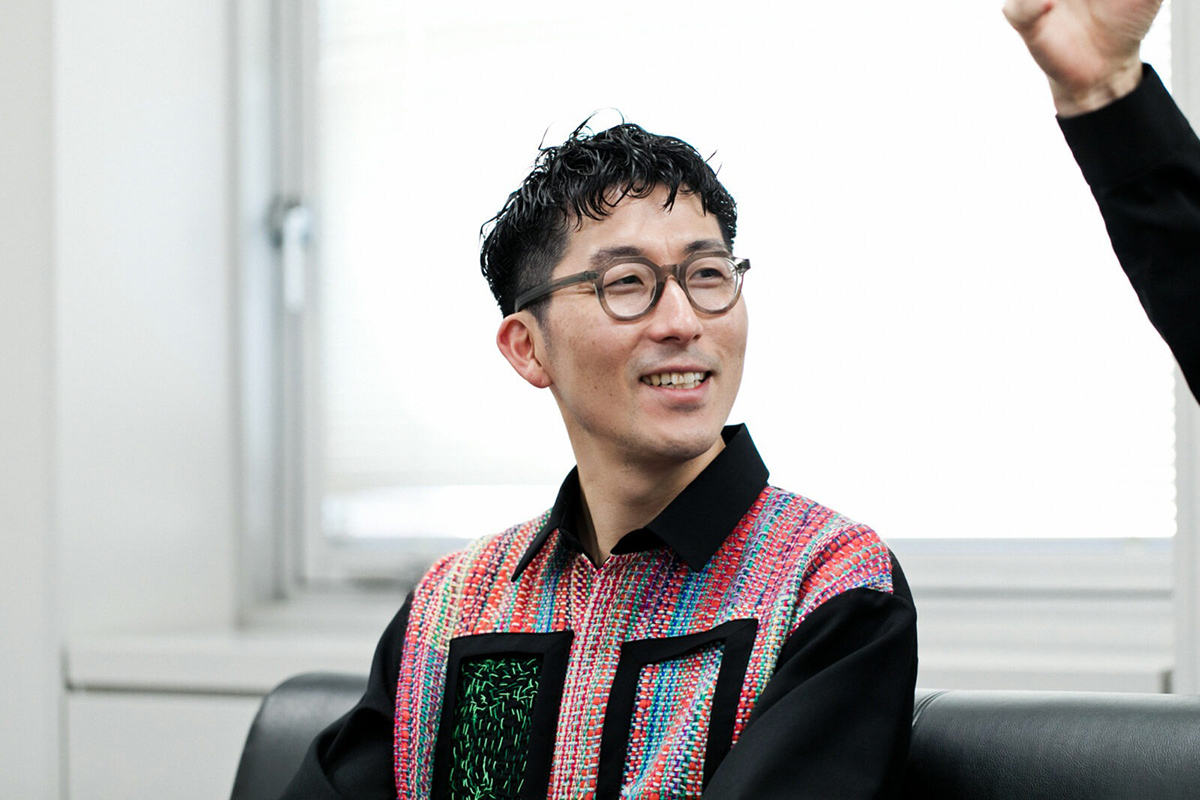
Takaya: The reason I asked Oyamada-san to write this letter was because I've always loved and respected his music, and there was another reason. I didn't want the series of events surrounding his resignation from the 2021 Tokyo Olympics to just be something that happened. As HERALBONY, I wanted to raise various issues in society, so I wrote him a letter last year.
At the time, I saw on the news that people with disabilities had been bullied, and at first I thought, "Oh, I see," but within a few days the coverage became increasingly heated. As various disability groups issued statements, I also wrote about my own thoughts on it on "Note."
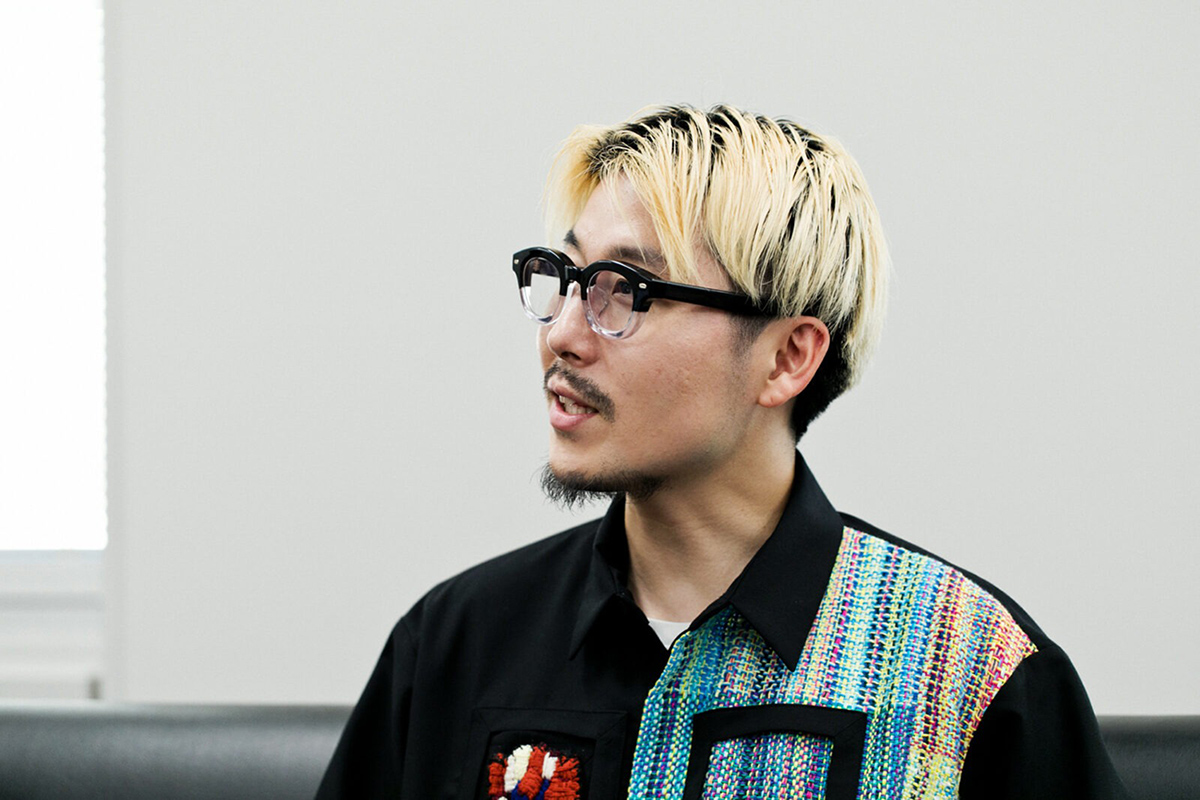
Fumito: I feel that the difficulty lies in the fact that the "one-hit-out culture" is so strong in today's society. As I wrote in my letter, my twin and I both had our own breakdowns as people when we were in junior high school, and we even ended up in family court together. I think everyone has a lot of moments like that, and digging them up and evaluating them is completely different, including the gap between the times. I don't want to justify myself, but I think it's important to properly pose these questions to society.
Keigo Oyamada (hereinafter Oyamada): First of all, I was happy that they took me into consideration and asked me to work on the project. Of course, I was the problem, but beyond that, I thought the idea of "ROUTINE RECORDS" was extremely brilliant. We were able to match purely on the basis of our creative interests, so I was very grateful.
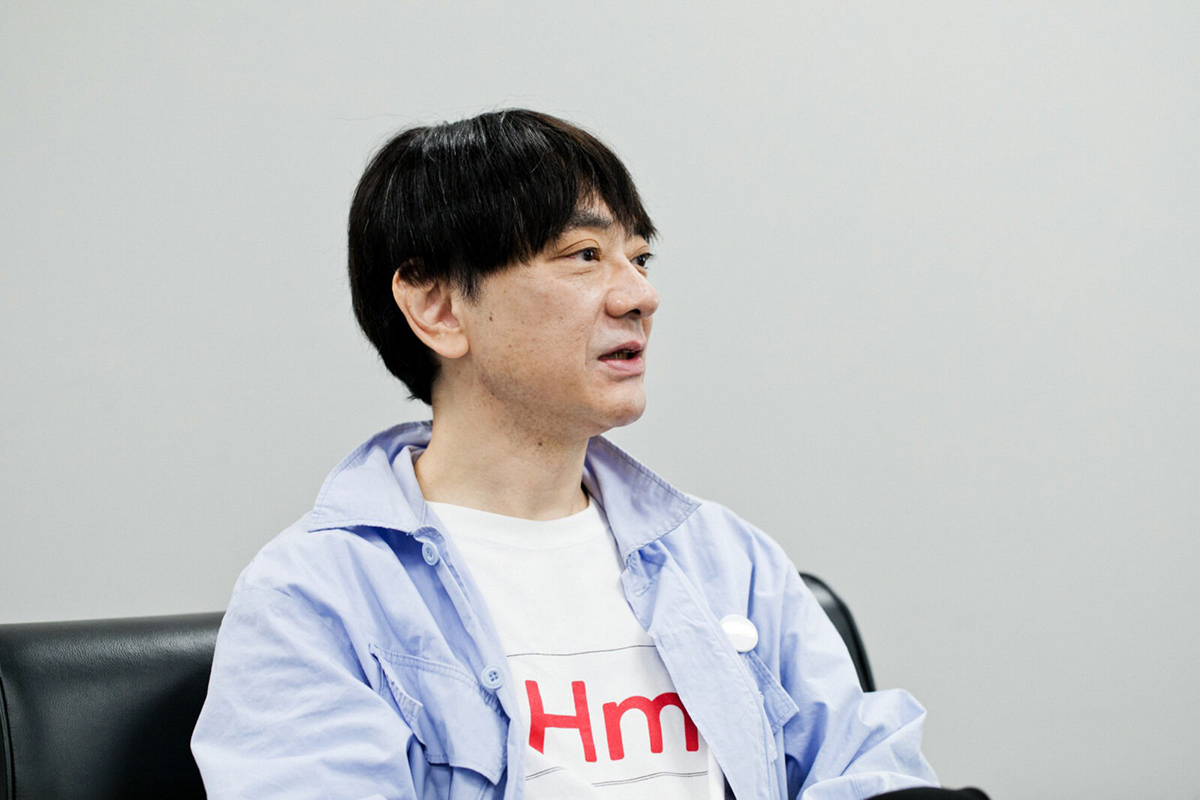
Takaya: After I wrote the letter, a book about Oyamada was published, and I realized that some of the content of the letter I sent at the time was inaccurate... To be honest, I was surprised because I didn't think it would be accepted.
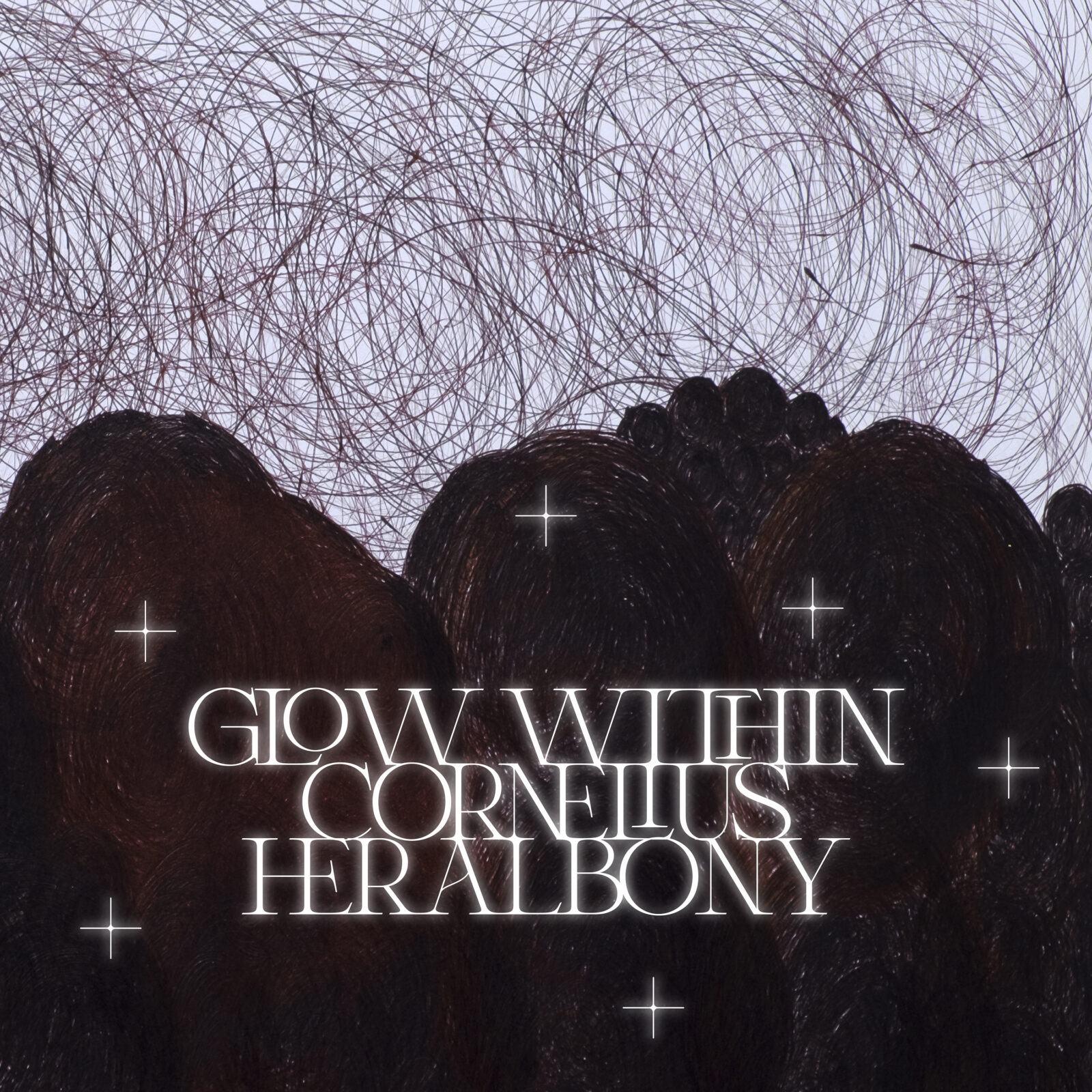
https://cornelius.lnk.to/GlowWithin
To the place where Heralbony originated
Takaya: We met online for the first time last March, and I explained why I had requested this project and what I wanted to convey to society. Then, to give them a taste of our efforts, we asked them to come and see the Heralbony Art Prize, an exhibition of works by artists with disabilities, along with Yugo Nakamura, a designer and video director who will be part of the production team. After that, we all had a chat, and that was the kickoff for the production.
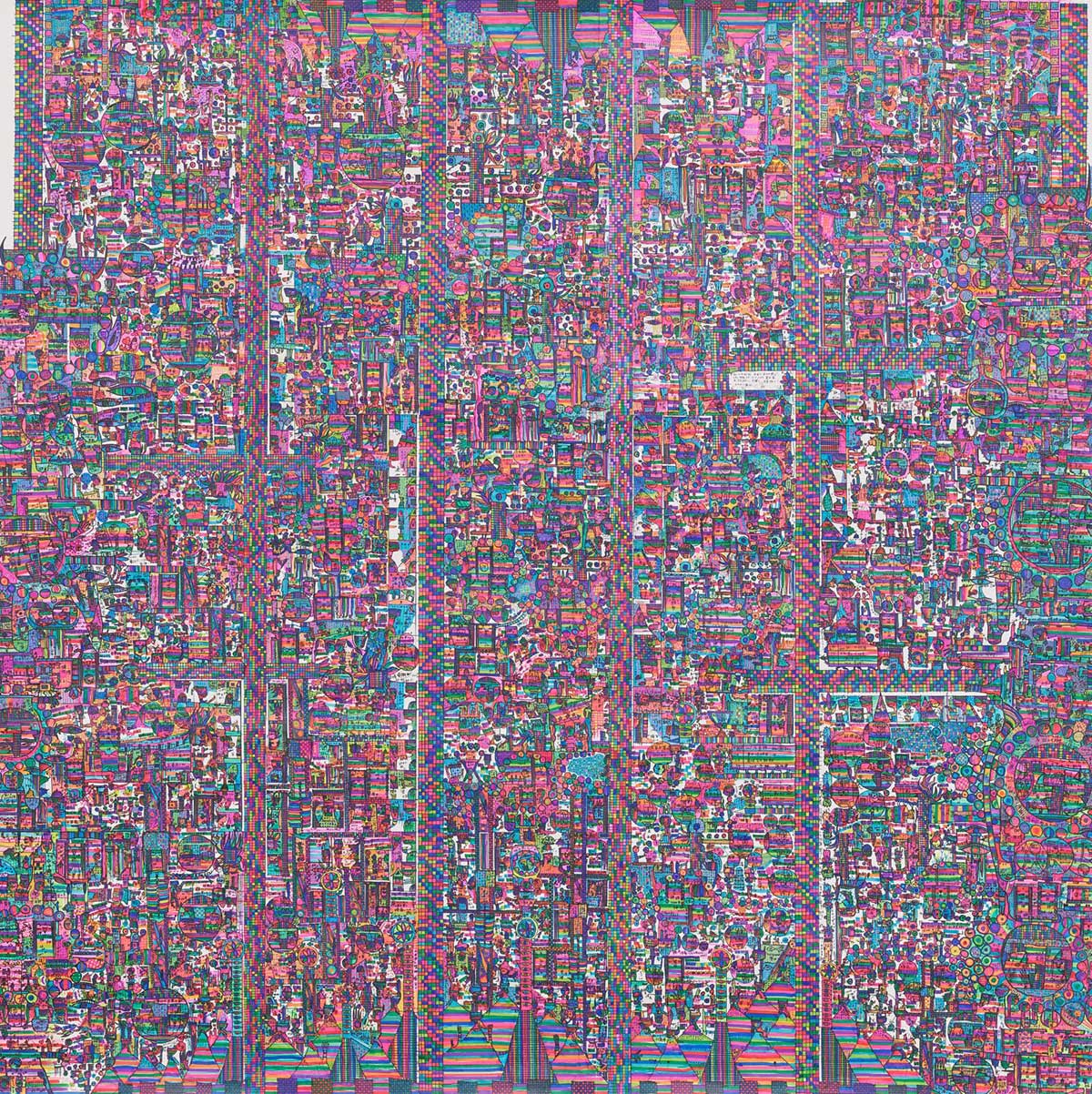
Oyamada: That was the first time I saw works by people with disabilities, and it was simply a really fun exhibition. Yonaha Shun's work, with its many detailed words written within the pictures, conveyed the idea that they have various inner lives, some of which could be described as vulgar, just like us, and it felt very real.
Fumito: First of all, we wanted to make this a project with a strong core by letting people see what we're doing and what our aspirations are, so we were happy that they were able to visit the Lumbini Museum in Hanamaki, Iwate Prefecture, which served as the foundation for our activities, and see our works and the process of making them.
In the atelier on the second floor of the museum, there are people who have been doing things for decades that would normally be considered unusual, even though no one has asked them to. They are not creating things in order to seek recognition from others. The trigger for starting a business was the moment when my soul was shaken by such ultimate works.
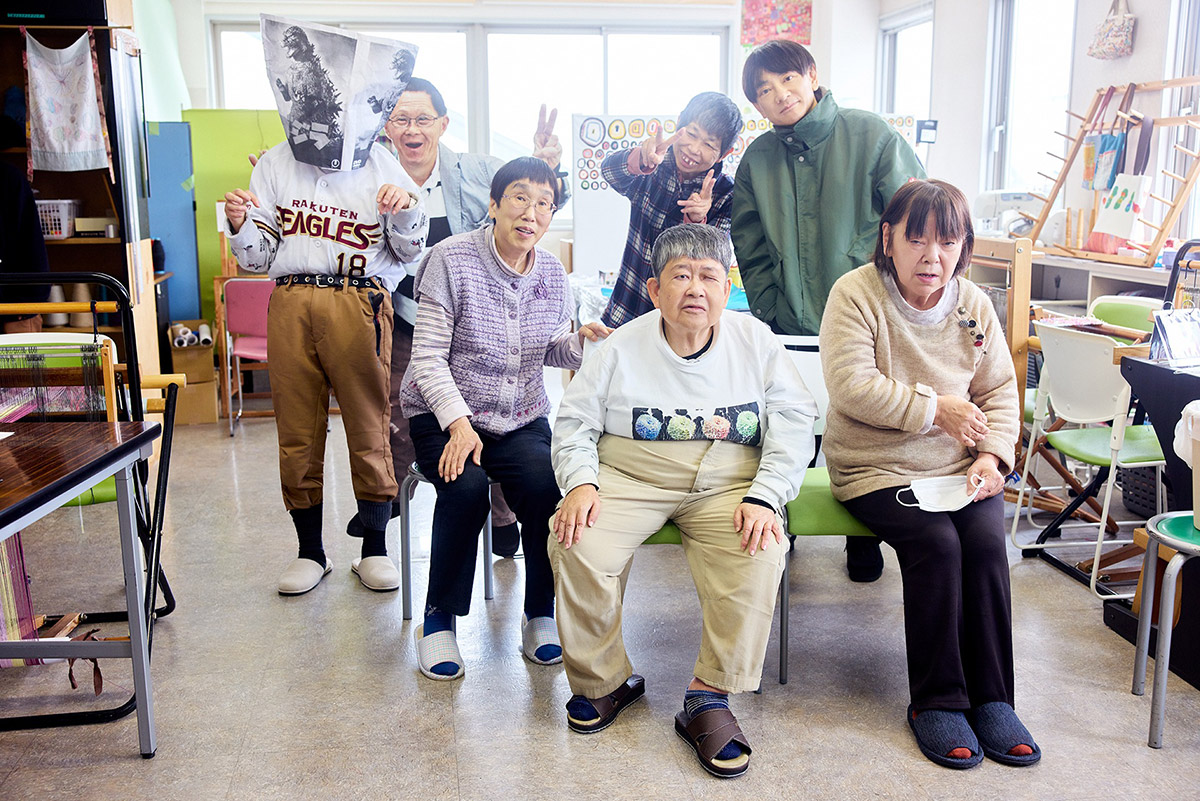
With unique artists in the second floor atelier of the Lumbini Museum in Hanamaki City, Iwate Prefecture. 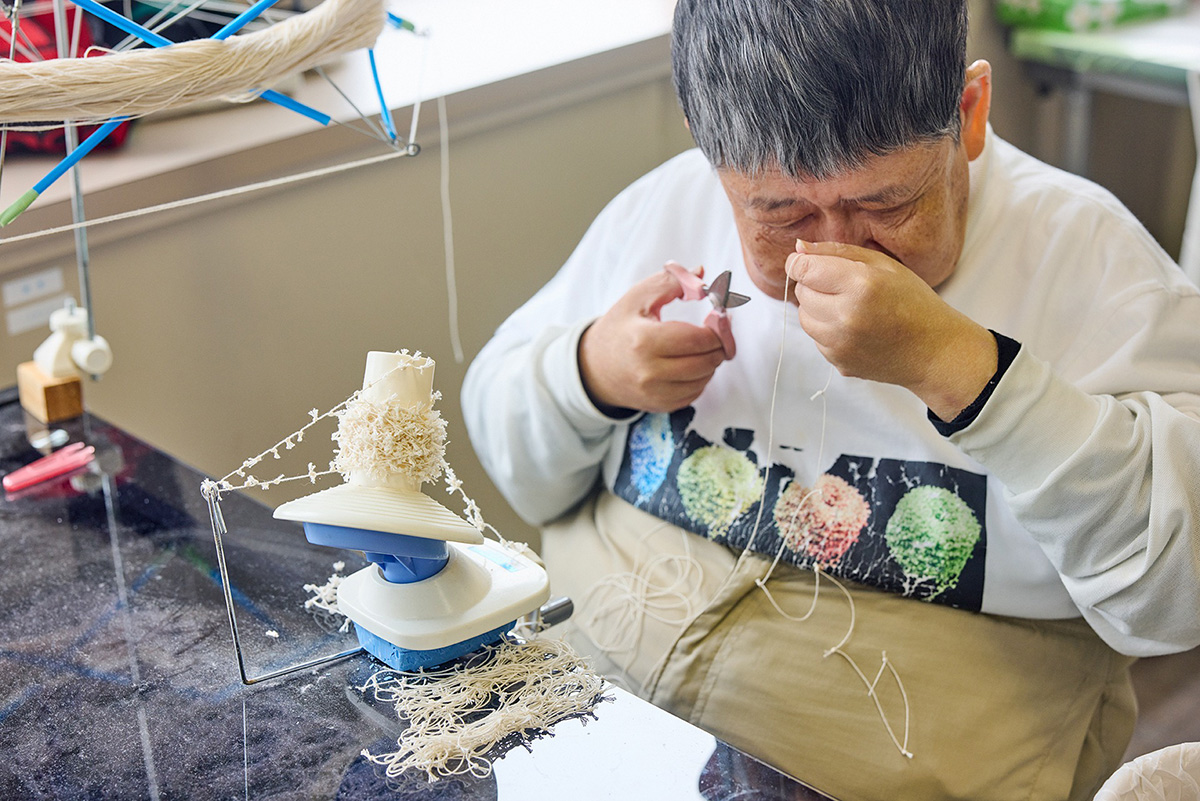
Nizato Riki making a ball of thread. 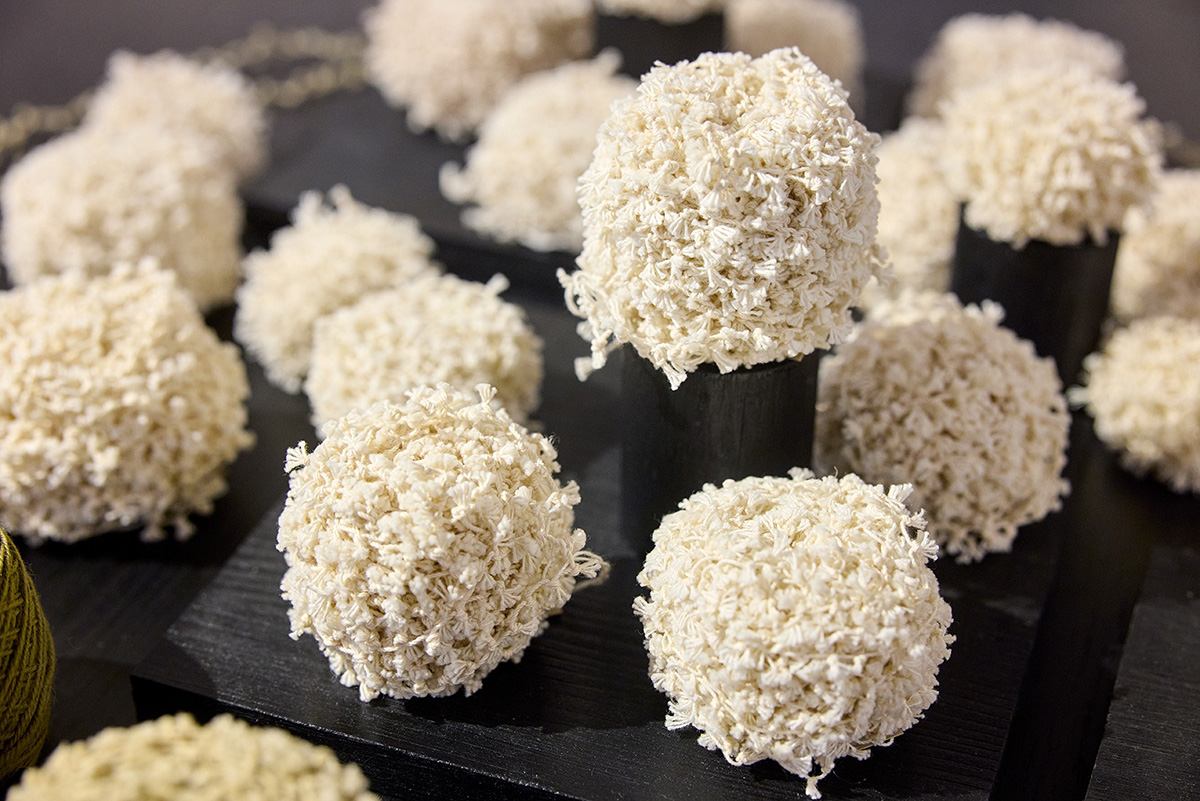
It takes an incredibly long time to create a ball of thread, cutting and tying it repeatedly. Only the artist knows when it will be completed, whether it will take three months or six months.
Oyamada: I had the opportunity to experience so many different things in Iwate. I was able to see firsthand the importance of having people who understand disabilities and can create an environment where they can connect with society, and the persuasive power that comes from repeating one thing over and over again. I was also impressed by the work made from a ball of thread that was completed by cutting and tying it over and over again. It made me realize that I'm the same, continuing to do similar things for a long time.
Takaya: Riki's balls of thread are all different sizes, and some take three months to complete, while others take six months. There seems to be a line drawn somewhere within him that tells him when to stop. I think you could keep writing songs if you wanted to, but how do you know when it's time to stop?
Oyamada: It's just a feeling. There's no clear line, but there comes a moment when I feel like I've done it. I think it's probably the same feeling.
Takaya: In that sense, there are similarities.
Expanding "uniqueness" to society
Oyamada: Music and art are worlds where there are no right answers, which is why they can more realistically bring out the unique perspectives that each person possesses. In the sense that they are such media, I think there is a strong affinity between the creations of people with disabilities and art. I think it would be a fascinating experience to see works that freely express the inner thoughts that these people hold inside, and encounter perspectives that you don't have yourself.
Among the many two-dimensional works, Nizato Riki's thread ball works were refreshing in that they could not be categorized into a specific genre. By incorporating a curatorial perspective, such as a way of displaying their creations that is appropriate for them, it seems that they become even more wonderful.
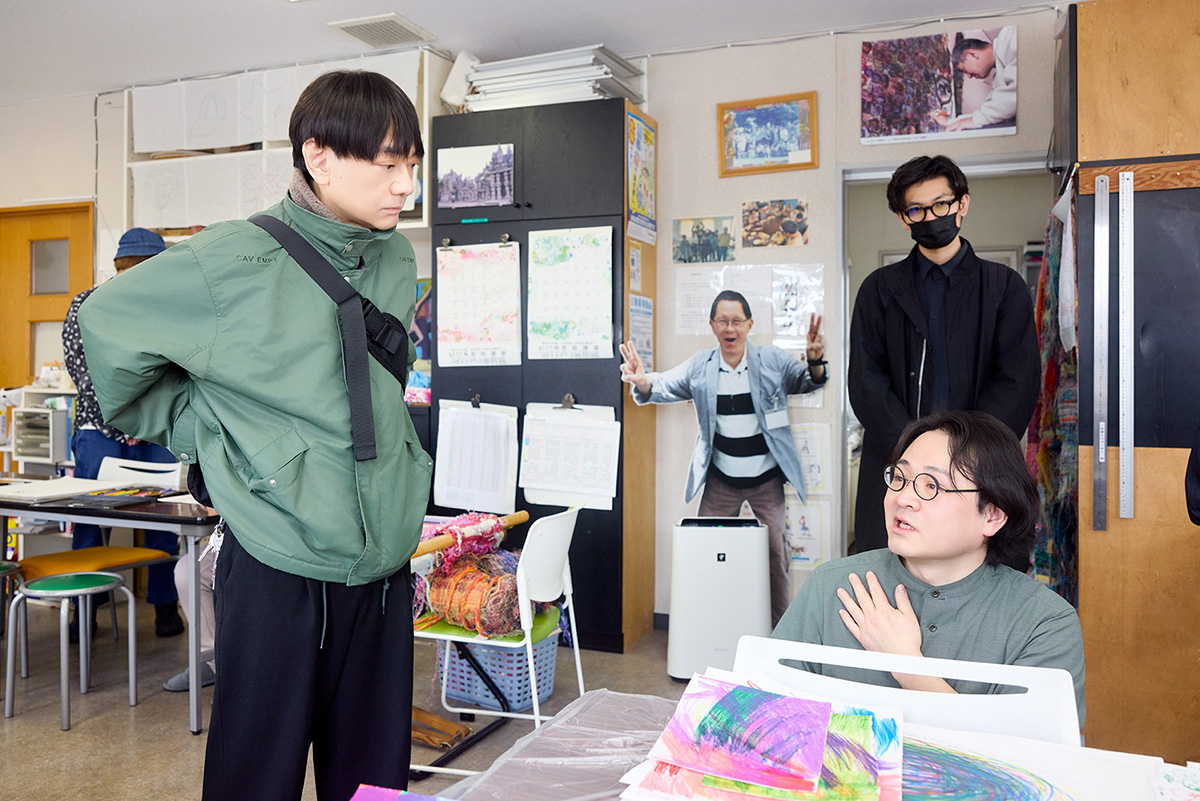
Oyamada listens intently to what the staff member has to say. The life-size panel in the back is of Kiyoshi Yaegashi, a legend at the atelier who continued painting until just before his death five years ago at the age of 64. 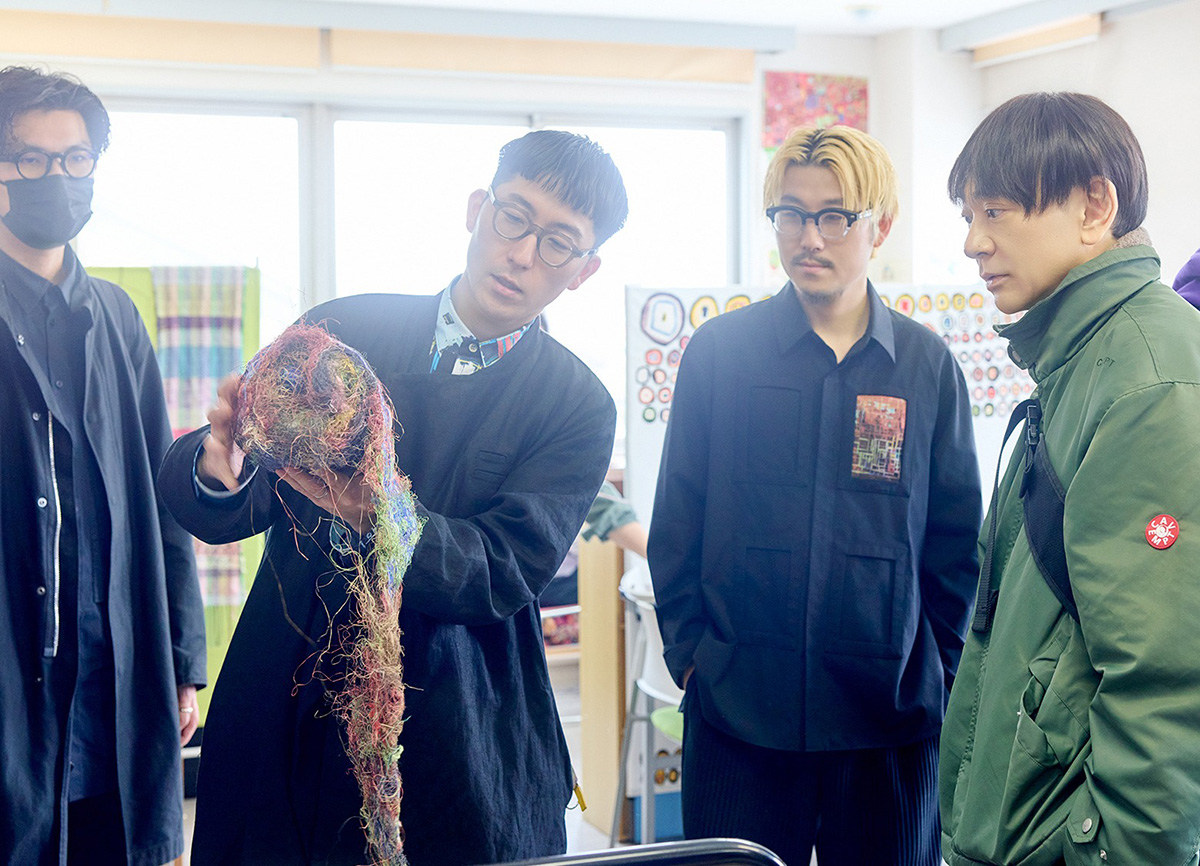
Saori weaving is done without any patterns or rules, and is done according to the desires of the heart. 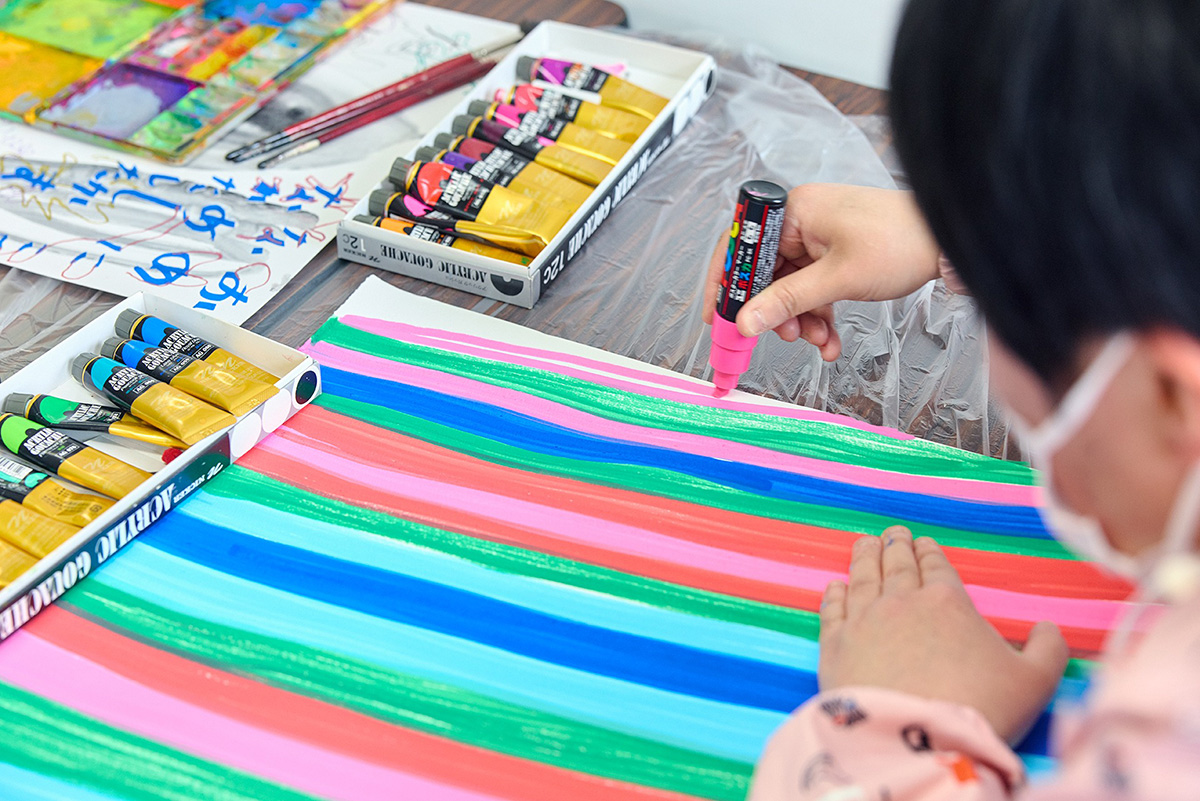
Each participant is free to create using their favorite art materials. 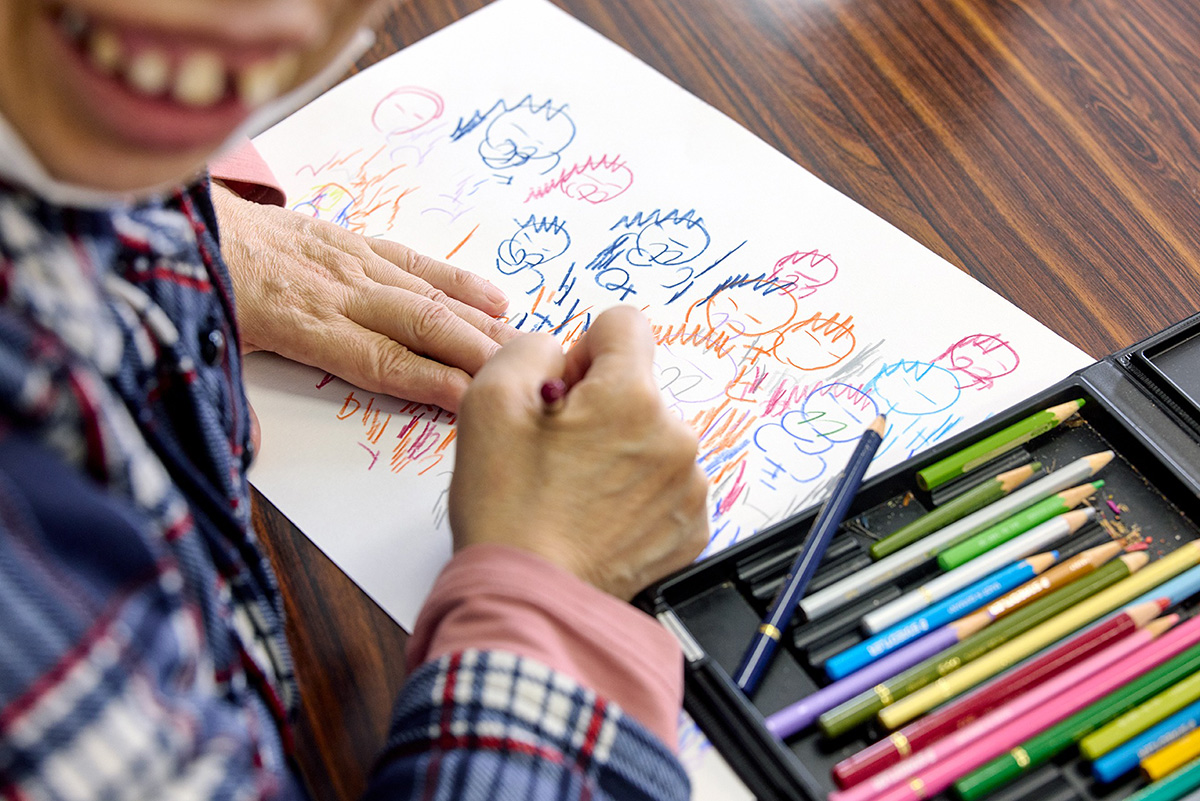
Fujiko Tomizawa paints the faces of people who visit her studio.
Takaya: It's difficult to categorize Riki's work in terms of genre, but there are quite a few other people who do things that make you wonder why. I think it's truly amazing that they can create without the joy of artificially seeking recognition. It has nothing to do with economics, and many of them don't even think of themselves as artists. But if the people around them recognize it as a work of art, curate it, and display it in the right place, it can be given proper value.
Fumito: At Type B employment support workshops, the average monthly wage is 15,000 to 16,000 yen, and my brother also lives in a world where his monthly income is 3,000 to 4,000 yen. Not all people with disabilities are involved in artistic activities, and many do light work at the workshops, such as packing and delivery.
Until now, existing welfare has focused a lot on how to turn negatives into zero, or, to put it bluntly, how to bring intellectually disabled people closer to able-bodied people. But depending on how you look at it, you can turn their creativity into +1 or even +1000. If you can connect their favorite activities to artistic endeavors, you can sell their works at various exhibitions and return the profits to the organization. We want to be there to allow these people to continue doing what they want to do, and if it brings them peace of mind, we don't want to force them to quit.
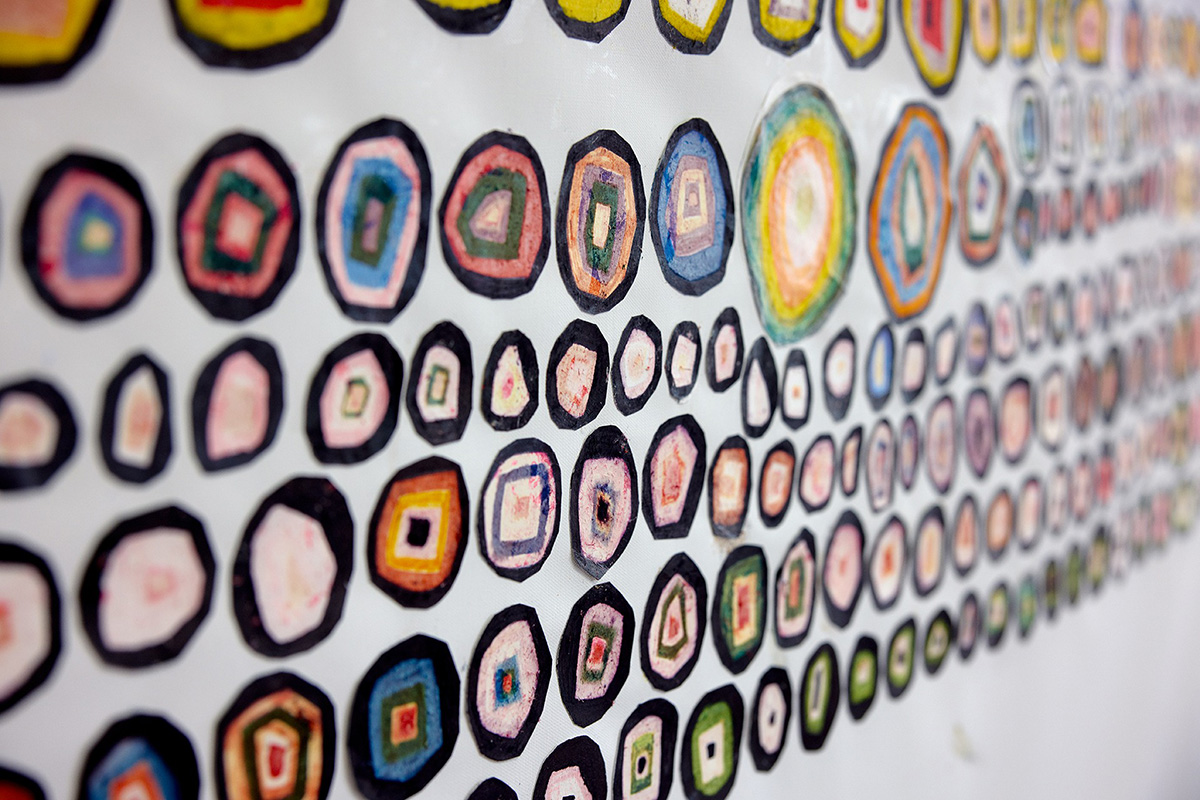
Sanae Sasaki's work is a series of circles of various colors and shapes. 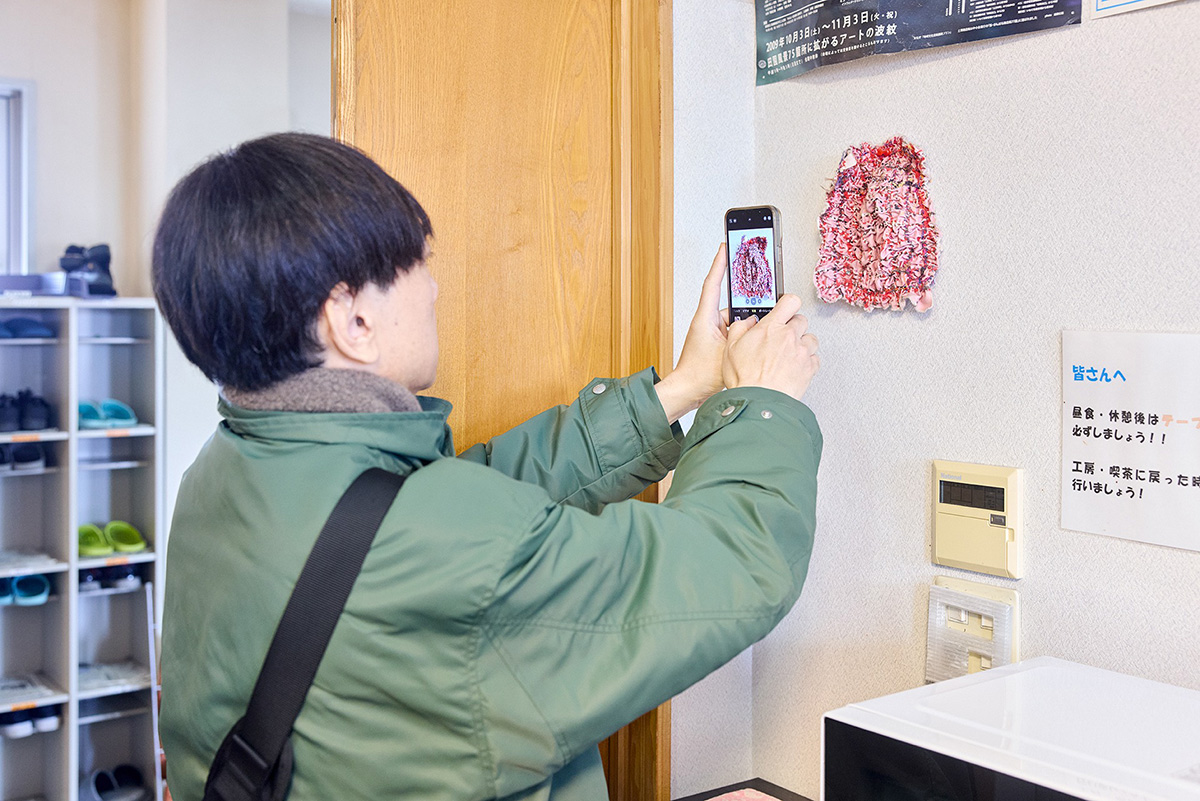
"So cool!" I thought, and instinctively pointed my camera at the piece. 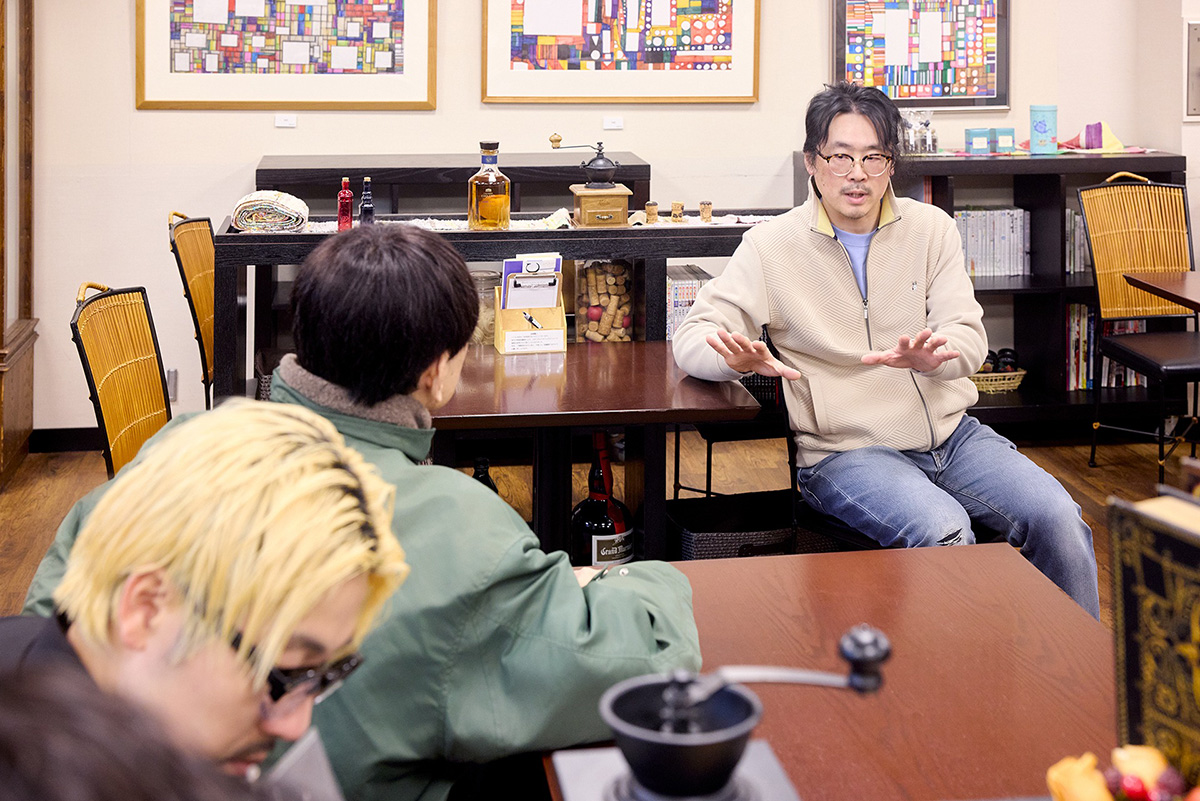
After the tour, we spoke with the museum's art director, Takashi Itagaki.
Takaya: I think that the existence of "equality," a powerful word that cannot be resisted, has in some ways hindered the creativity of disabled people through welfare programs that try to bring disabled people closer to able-bodied people. Until now, this simple thing of releasing truly wonderful creations into the world has not been possible in this industry, so I think that by having HERALBONY act as their office, this creativity needs to be more publicly expressed and various "uniqueness" expanded to society.
Fumito: Through our activities, the perspectives of parents with children with disabilities change, which in turn changes the people around them and the community. I have seen many such moments when people who were previously considered non-existent become something. I am happy when people become interested in learning more about these people's lives as a result of our work.
I also believe that their collaboration with Oyamada will create many moments of salvation by conveying their routines that are separate from their artistic expression.
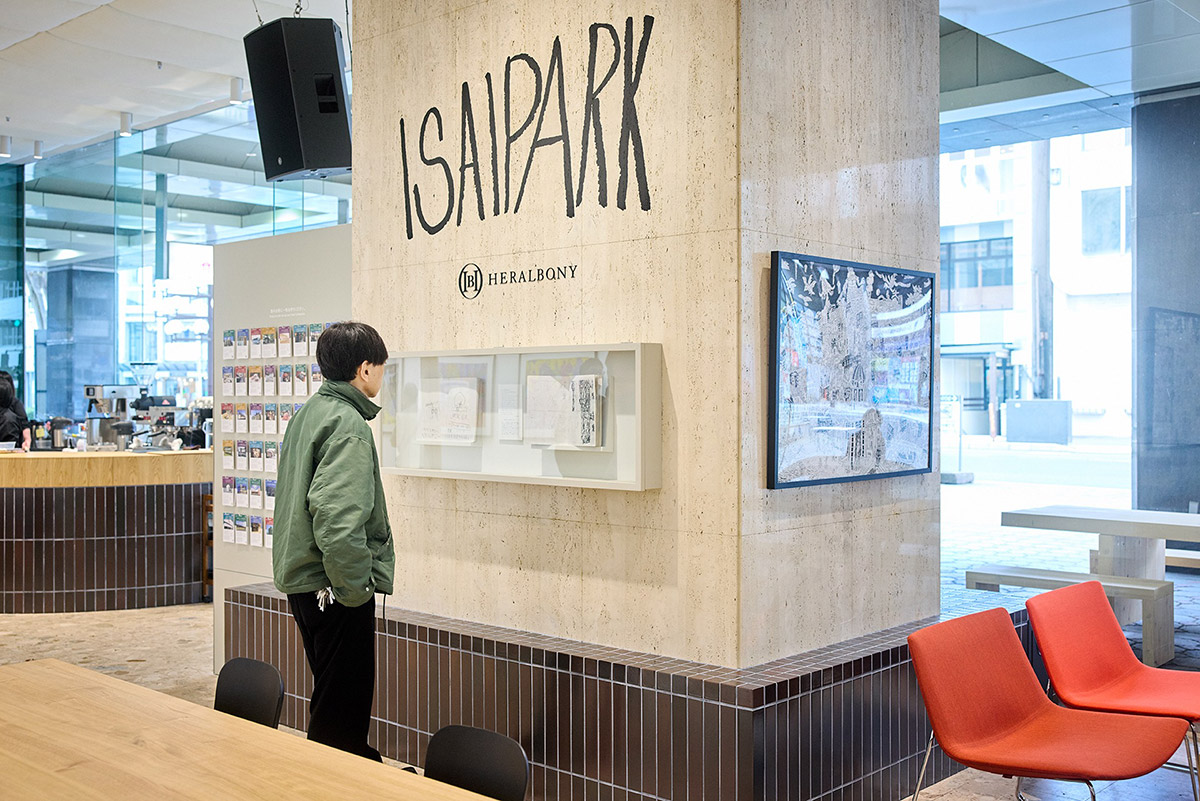
https://isaipark.heralbony.com/
Creating a song from four hours of footage
Takaya: This time, when we were making the song and music video, we sent over about four hours' worth of footage of the sounds that are produced during the creative process, such as people drawing with markers making squeaking noises and people shaking chairs. So I imagine it must have been incredibly difficult just to watch it all the way through...
Oyamada: Every scene can be used as material, so the more there are, the better. It was a difficult but fun process. When I first saw it, I was fascinated by the incredible concentration with which they repeated one thing. From there, I cut out and edited scenes that combined parts that could be used as sound and parts that were good visually, created an overall flow, and combined and adjusted it with the base music.
I edited the video and asked Nakamura Yugo to objectively review the whole thing and give it a final polish. I had previously created a song for my own live performance using a similar technique, so I told Yugo that I wanted to use that as the basis for the <HERALBONY> version.
The stereotypical movements of routine and minimal music go well together, and it also suited the individuality of my own music, so I think I was interested in collaborating.
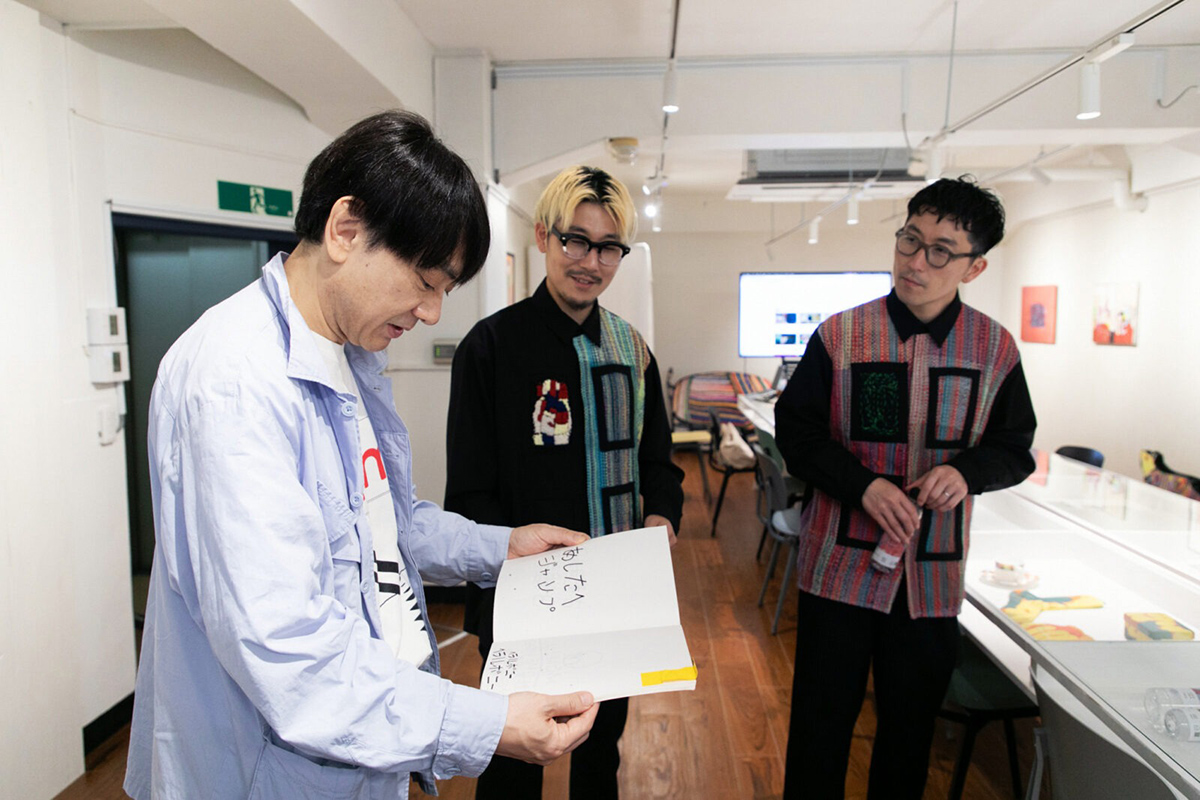
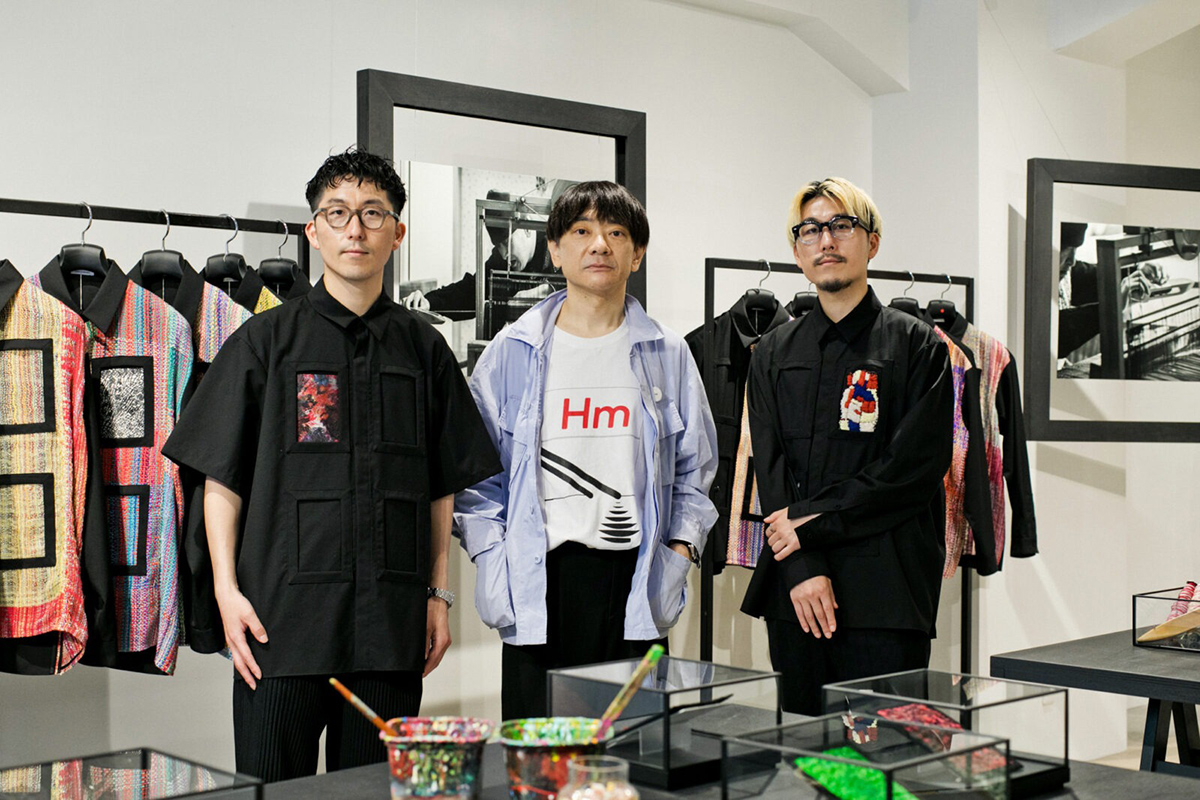
We also visited the permanent store, HERALBONY LABORATORY GINZA, in Ginza, Tokyo. In the meeting room, we saw a childhood notebook belonging to the CEO's older brother, from which the brand was named. 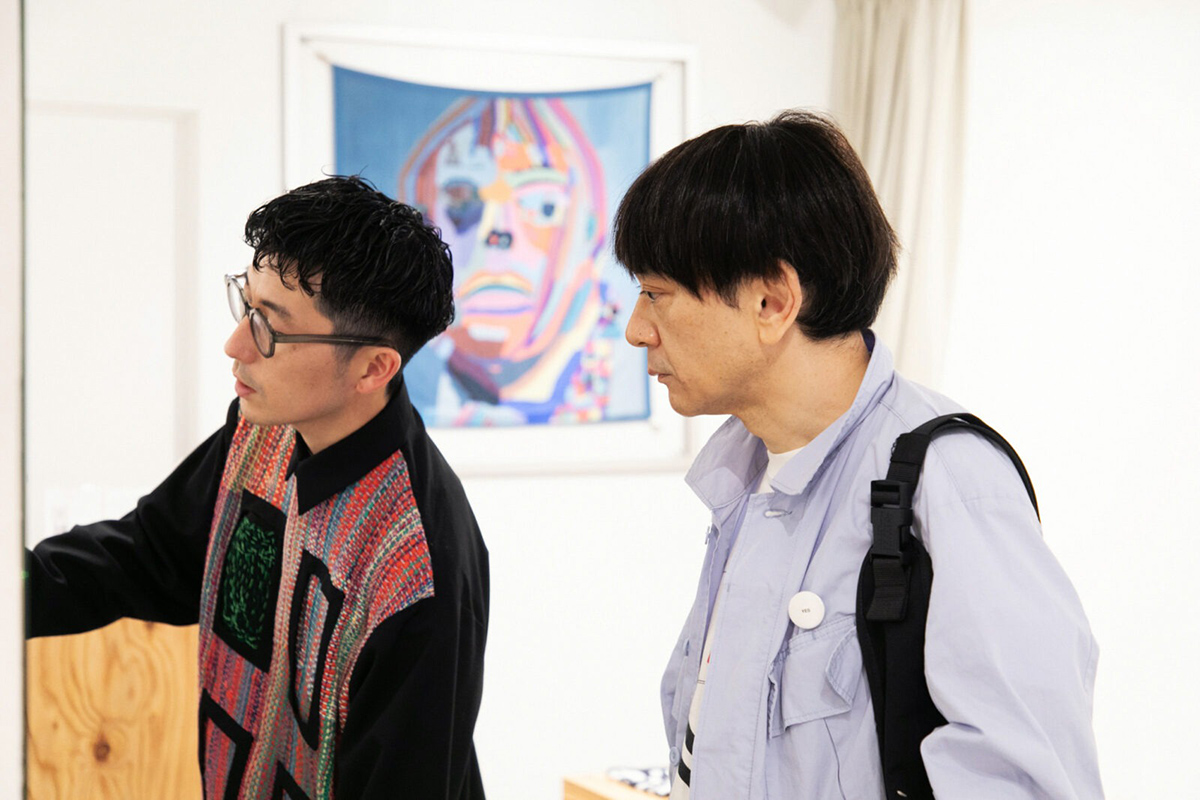
Experience HERALBONY's products and works. 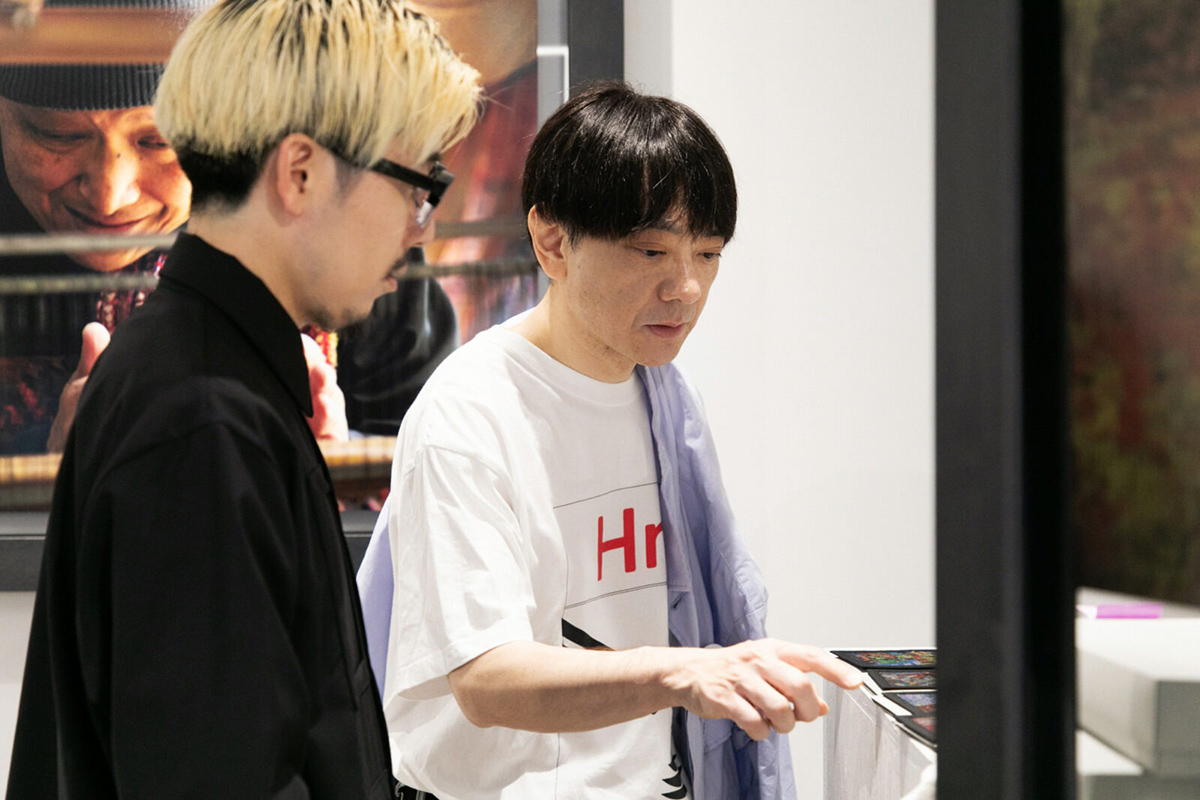
You can also shop at the shop. 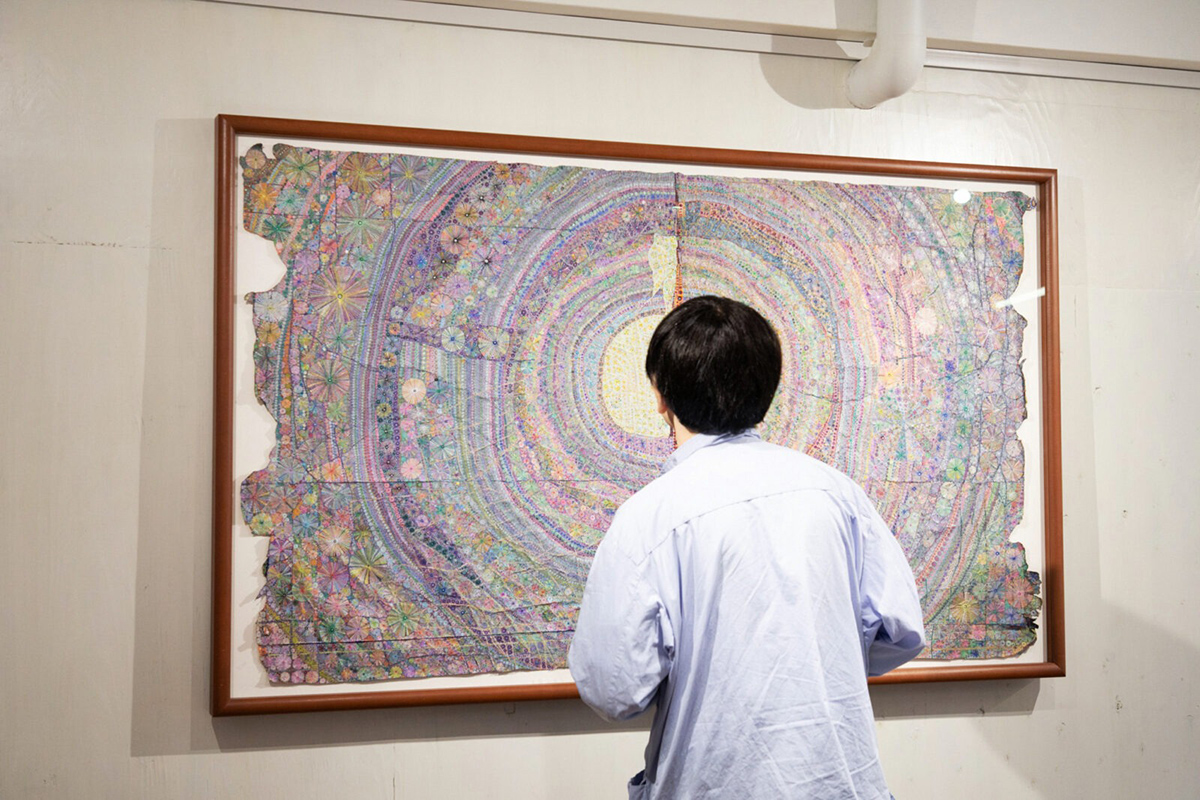
Haruka Asano's work "Hyouka" is breathtaking with its incredibly detailed patterns.
Takaya: Even at the prototype stage, there was already excitement within the company, with people saying, "This is amazing!" It was an absolute pleasure to have their routines introduced in such a wonderful way. I think this is a particularly memorable one among all our various efforts. I would be happy if this opportunity can provide an opportunity for people who are completely unfamiliar with HERALBONY's activities to think about it from a casual perspective.