










Small scale makes it diverse and varied. Makgeolli is natural and free.
Natural makgeolli from small-scale breweries is exciting right now! I heard this, so I visited a room on the second floor of a building near the Jongmyo Shrine, a World Heritage Site. In the back room, I could see a workshop equipped with a refrigerator.
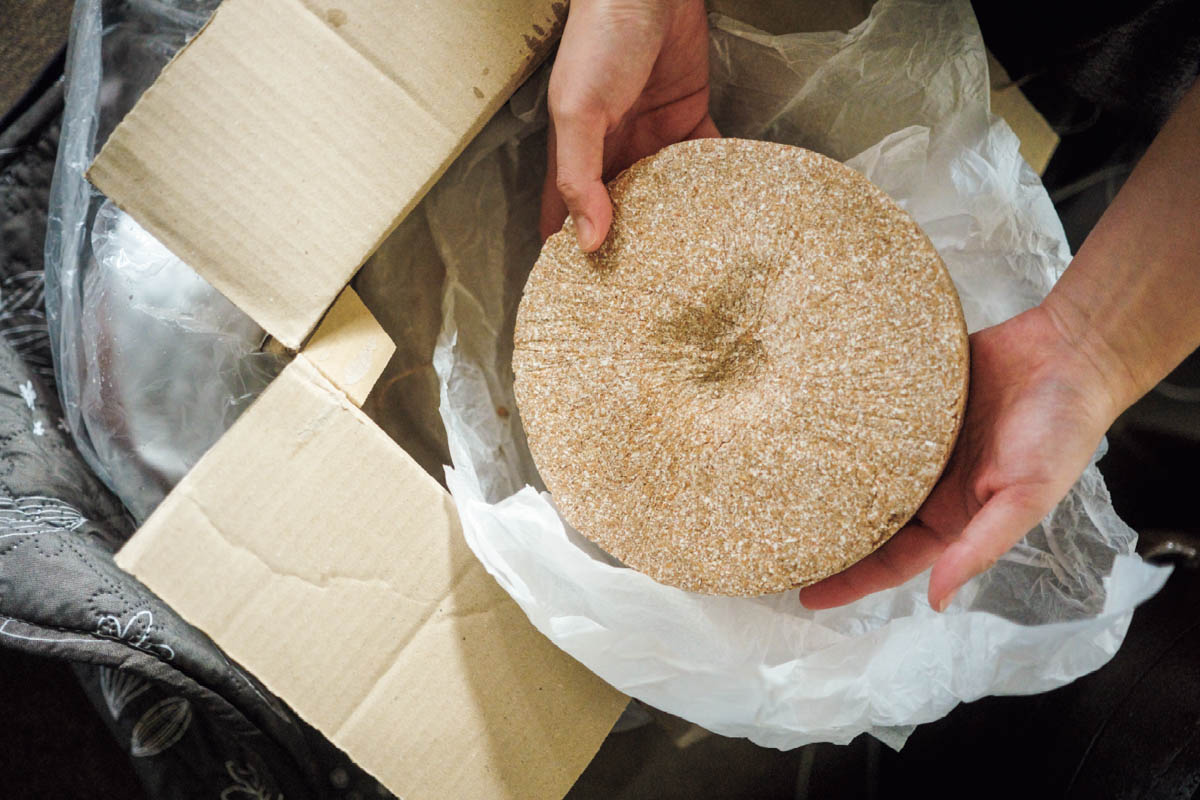
"We produce 400 bottles of makgeolli per month (about 1,800 liters per year) here using only rice, water, and nuruk, a Korean koji made by naturally fermenting grains."

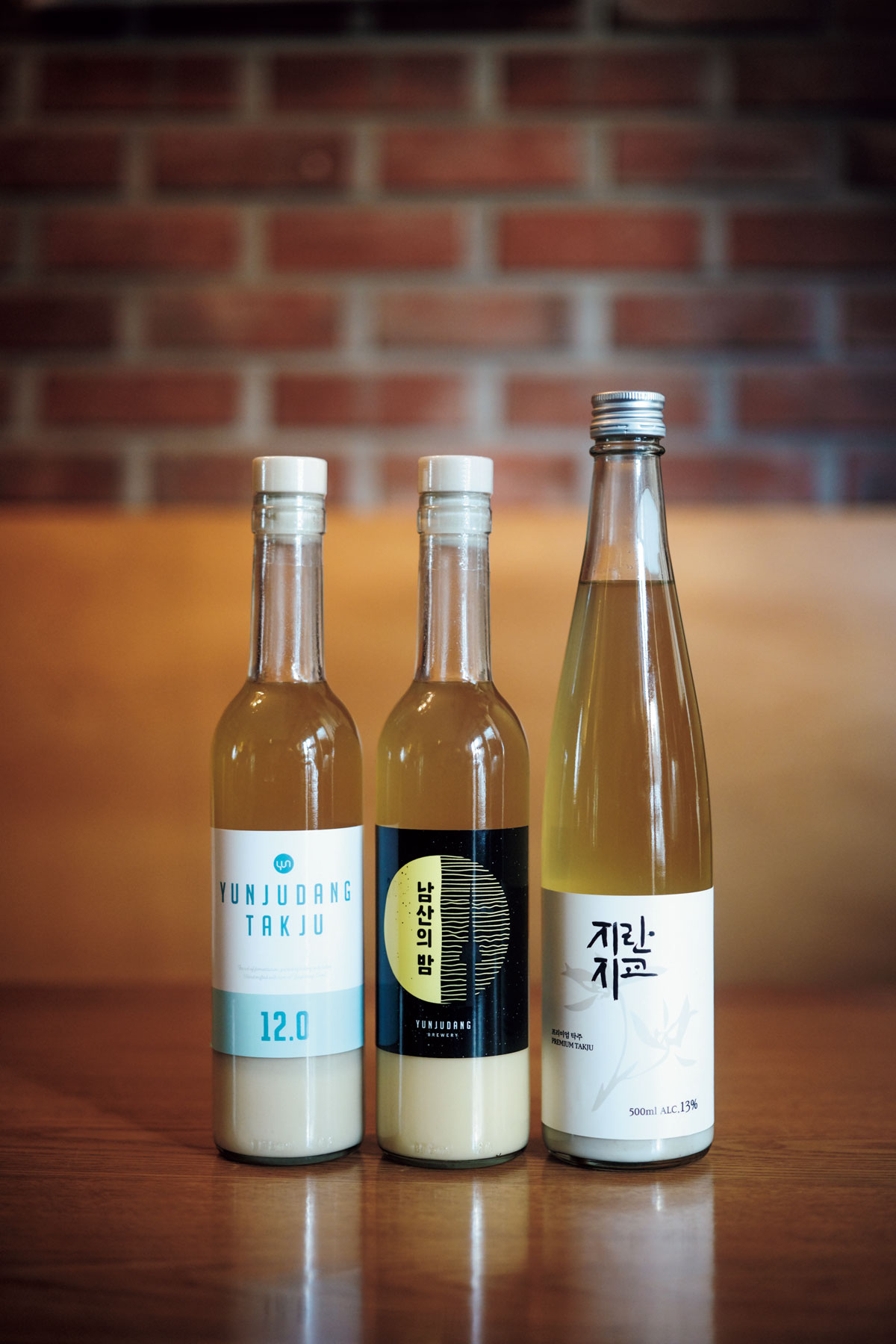
Yoon Nara, the representative of Yunjudang Studio, is a brewer who is currently attracting attention, having opened the Korean food and traditional alcohol restaurant Yunjudang in 2019 and started operating this brewery in January 2024. Unlike the makgeolli commonly seen in Japan, this brewery is brewed without using any artificial sweeteners.
In Japan, the Liquor Tax Act prohibits the home-brewing and sale of alcohol with an alcohol content of 1% or more. The hurdles to obtaining a liquor brewing license are also very high, with the annual production volume of sake or beer required to be at least 60 liters.
In contrast, South Korea has restricted home brewing since 1917, and during the food shortages of the 1960s, it was prohibited to make alcohol from grains, but in recent years, the restrictions have been relaxed. In 1995, the ban on home brewing of makgeolli was lifted. The country now has an environment where individuals can produce on a small scale and hone their skills through trial and error, and new brewers are appearing one after another all over South Korea.
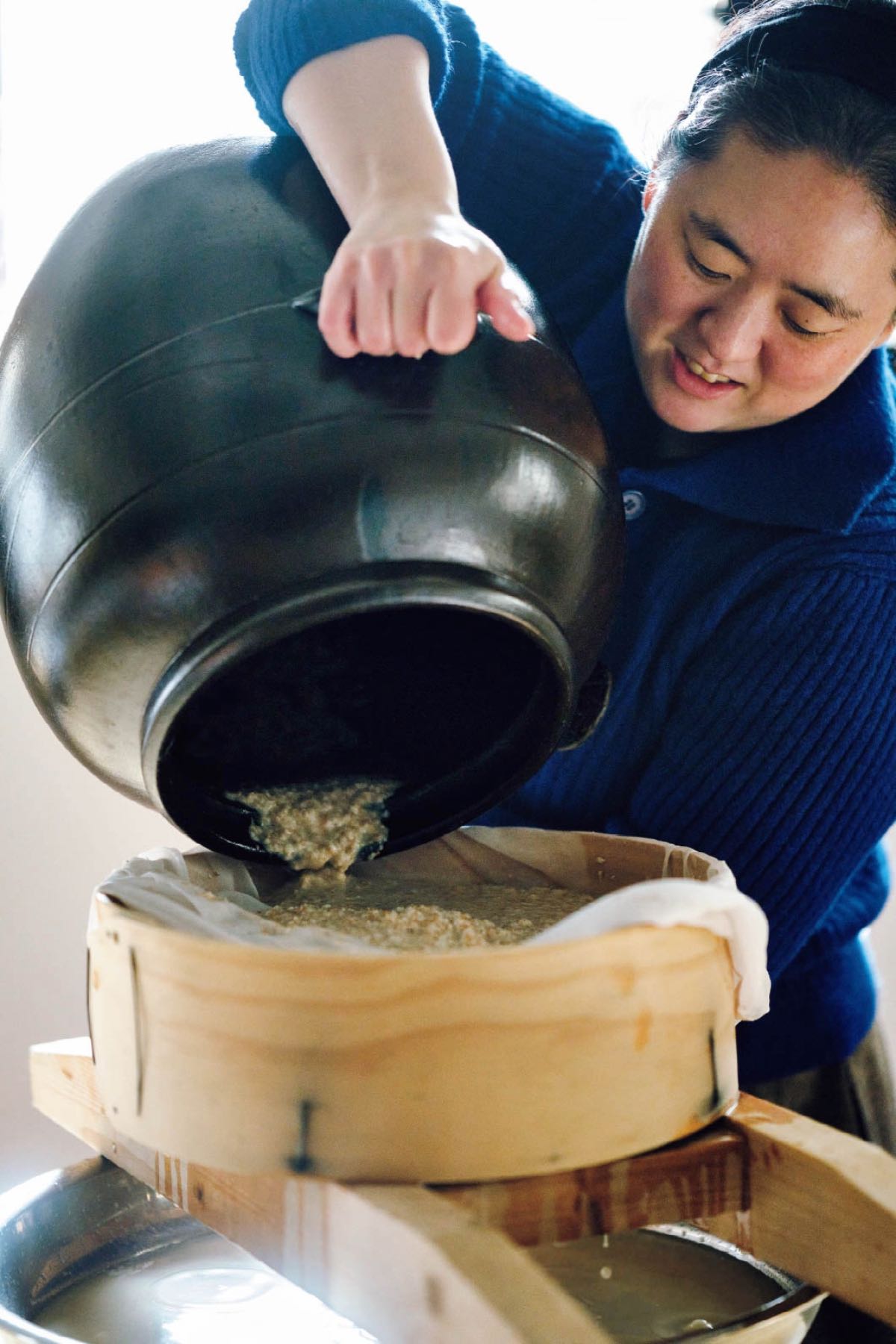
"Right now, we're brewing our signature drink, Yunjudang Takju (cloudy rice wine). We soak washed glutinous rice overnight and steam it, then combine it with water and nuruk, a traditional Korean rice wine from Gwangju, Jeolla Province, to create the mash. We put this into a pot and ferment it at a constant temperature for about a month, during which the enzymes, wild yeast, and lactic acid bacteria in the nuruk promote the saccharification and alcohol breakdown of the mash."
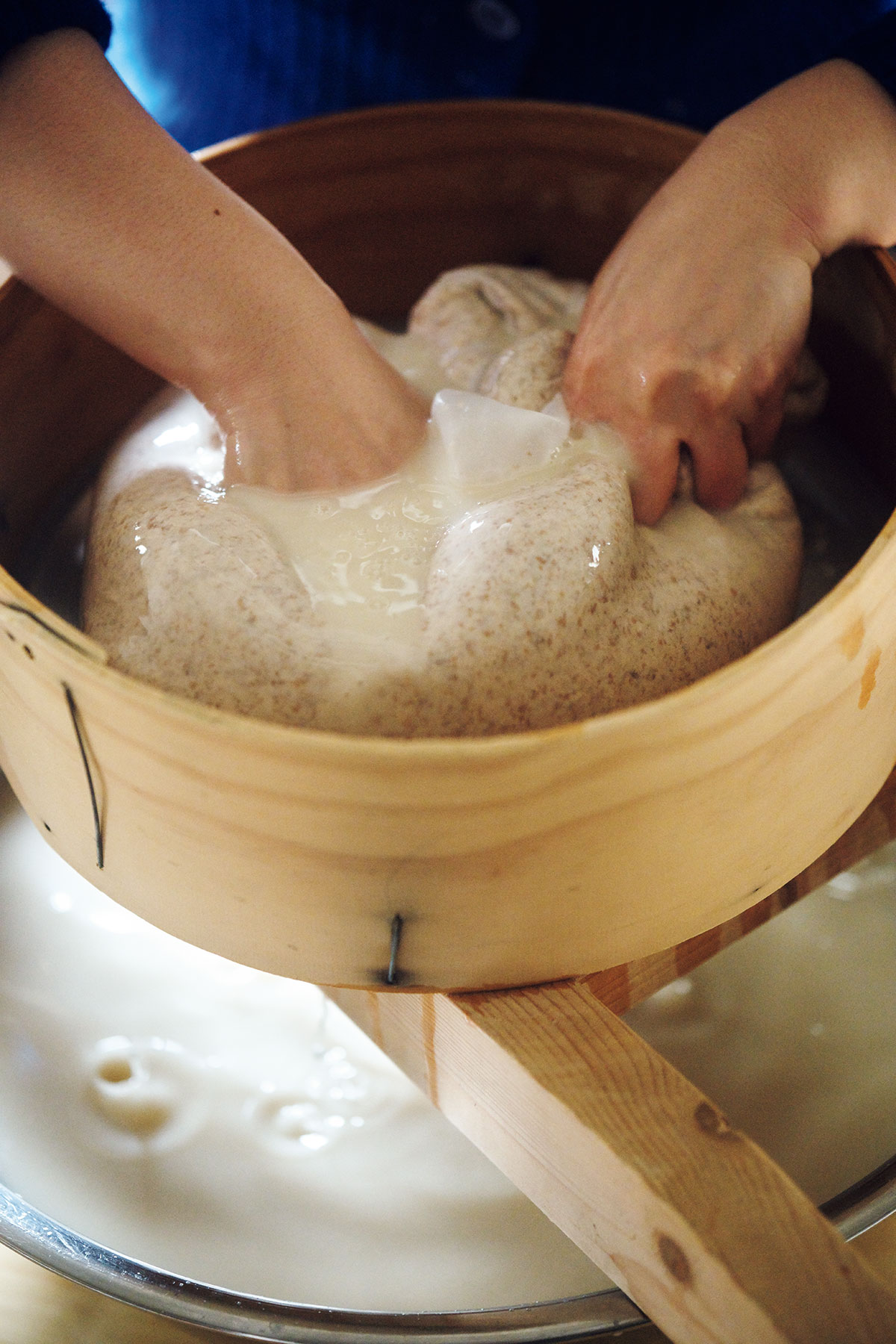
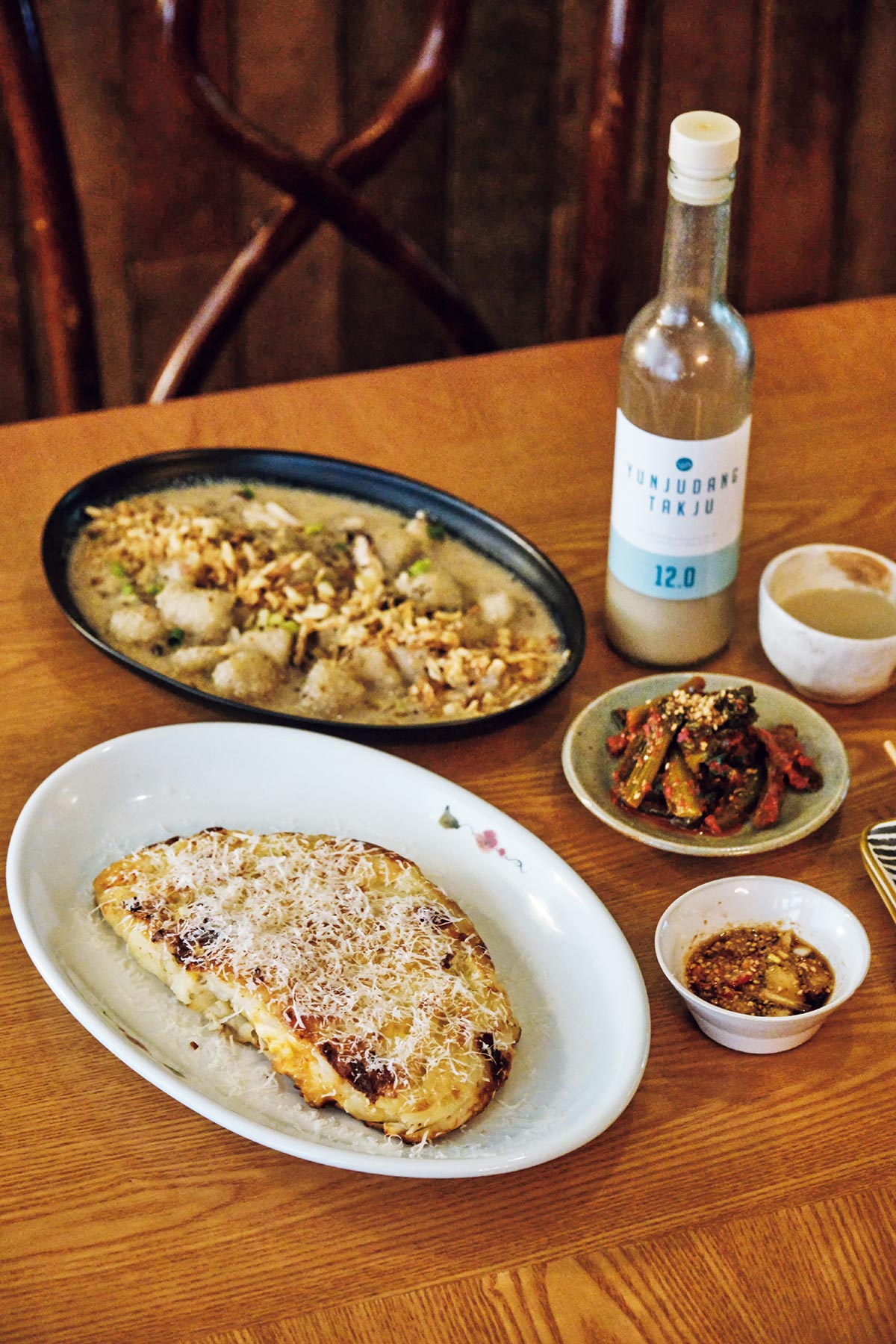
We sample the arabashiri, which falls into a bowl after Yoon has filtered the fermented mash. The effervescence of fresh lactic acid, along with the rich fruit flavor, is a real shock. This is then aged at low temperature for two months, and once the flavor has settled, it is ready. Makgeolli sold in supermarkets and other places is heated before being shipped, but this brewery sells it as "raw makgeolli" without any heat. The alcohol content is 12%.
"This makgeolli is a Yunjudang-style adaptation of Dongdongju, a type of rice wine made with floating ants, found in a book called 'Yangjubang' from the Joseon Dynasty. Records from hundreds of years ago show that using nuruk, which contains wild yeast from each region, can create a variety of flavors. That's how important nuruk is in makgeolli-making."
According to Yoon, surviving documents from the Joseon Dynasty contain recipes for around 600 types of traditional alcohol. These recipes are often accompanied by home-cooked meals. This is evidence that home brewing has been popular in Korea since ancient times, and that alcohol has always been closely associated with delicious food.
The joy of pairing Korean food with traditional alcohol, as passed down from our ancestors. You can enjoy this at the izakaya restaurant Yunjudang. In addition to their own products and makgeolli, they also stock a wide variety of traditional alcoholic beverages from all over Korea.

"In fact, I'm currently brewing makgeolli for the first time using my own homemade nuruk. There are many brewers across the country who are taking on new challenges like me. I hope you'll come and experience the future of traditional alcohol."
Yoon Ju-dan's top three makgeolli