











Ahn Sung-jae takes on the cutting edge of Korean cuisine
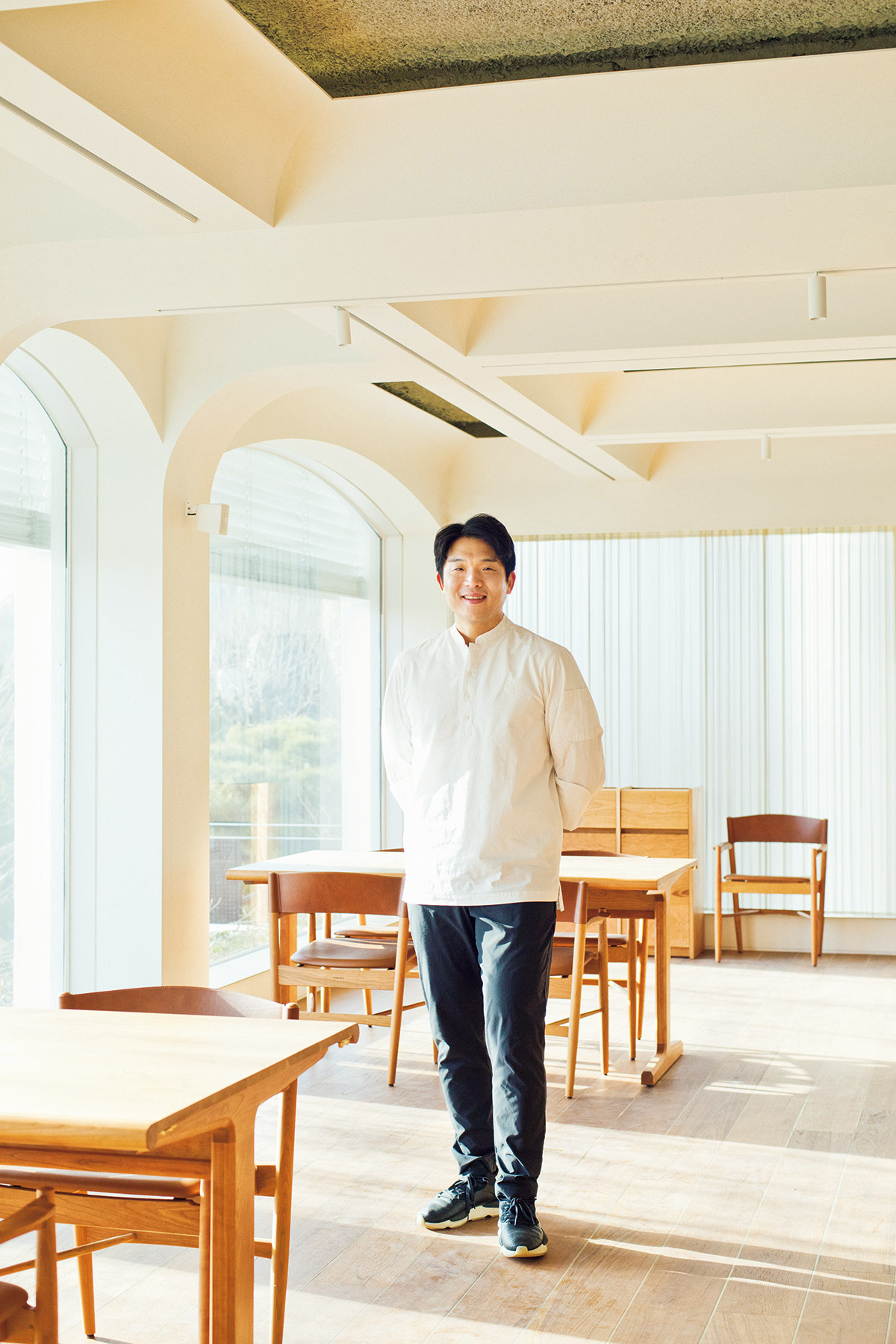
Ahn Sung-jae, the owner and chef of fine dining restaurant MOSU, is the youngest Korean to ever receive three Michelin stars. He has not only been successful in the restaurant business, but also appeared in the 2024 Netflix documentary series "Black and White Spoon: Culinary Class War," leaving a strong impression on the world as a key figure in Korean food culture.
Chef Ahn, who is now a celebrity of the moment, was born in Korea and moved to the United States with his family as a boy. After graduating from culinary school, he gained experience at various restaurants, including a three-star French restaurant, before opening MOSU in San Francisco in 2015. That same year, it received one Michelin star, but two years later, Chef Ahn moved to Korea with his family. Those in the food industry around the world were surprised and accepted his decision.
In 2017, he opened a new restaurant called MOSU in his native Seoul. After receiving three Michelin stars, Chef Ahn surprised the world again by temporarily closing MOSU. "We received three stars in October 2022, and closed a little over a year later in February 2024. We had received a three-star rating in the 2024 Michelin Guide, so I felt very sorry for the customers who wanted to visit, but... I made the decision after imagining what MOSU should be like in the future."
The restaurant has also moved to a new location at the foot of Mount Namsan, near the Grand Hyatt Seoul. "We renovated the restaurant, preserving the feel of a classic Korean Western-style house. The design was done by Cho Min-seok, one of Korea's leading architects.
In addition to the space, the new MOSU also has a focus on tableware. I have commissioned Korean artists to create tableware that matches each of the dishes that make up my courses. My approach to cooking will not change much from before. I use seasonal ingredients delivered to me by Korean producers I have personally met and know personally. I then add my own sensibility and techniques to the ingredients and arrange them on the plate. With the reopening of MOSU after renovations, I believe you will be able to enjoy the world of my cuisine even more clearly.
The space, the tableware, the ingredients. Every element that decorates the restaurant exudes love for its homeland. MOSU is not only a fine dining restaurant, but also a showroom that brings together the best of Korea.
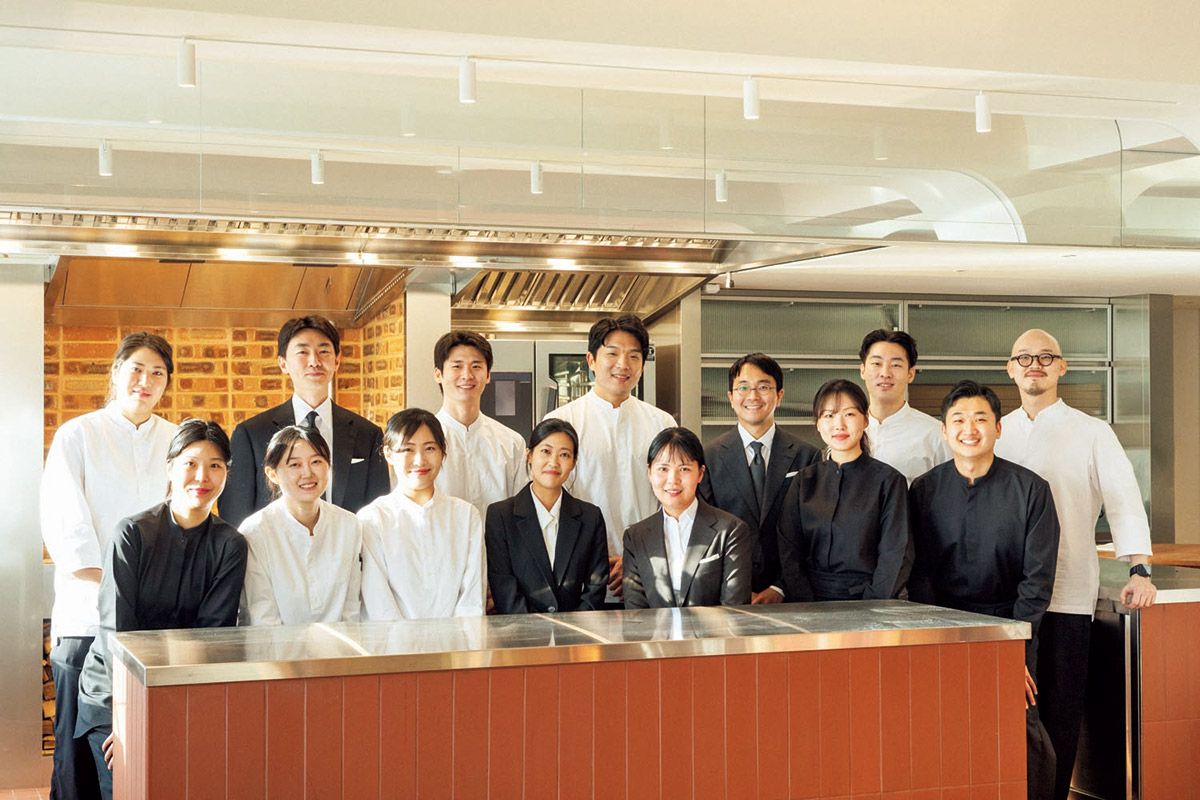
In the kitchen of MOSU. The restaurant has embarked on a new venture with a staff of 14. 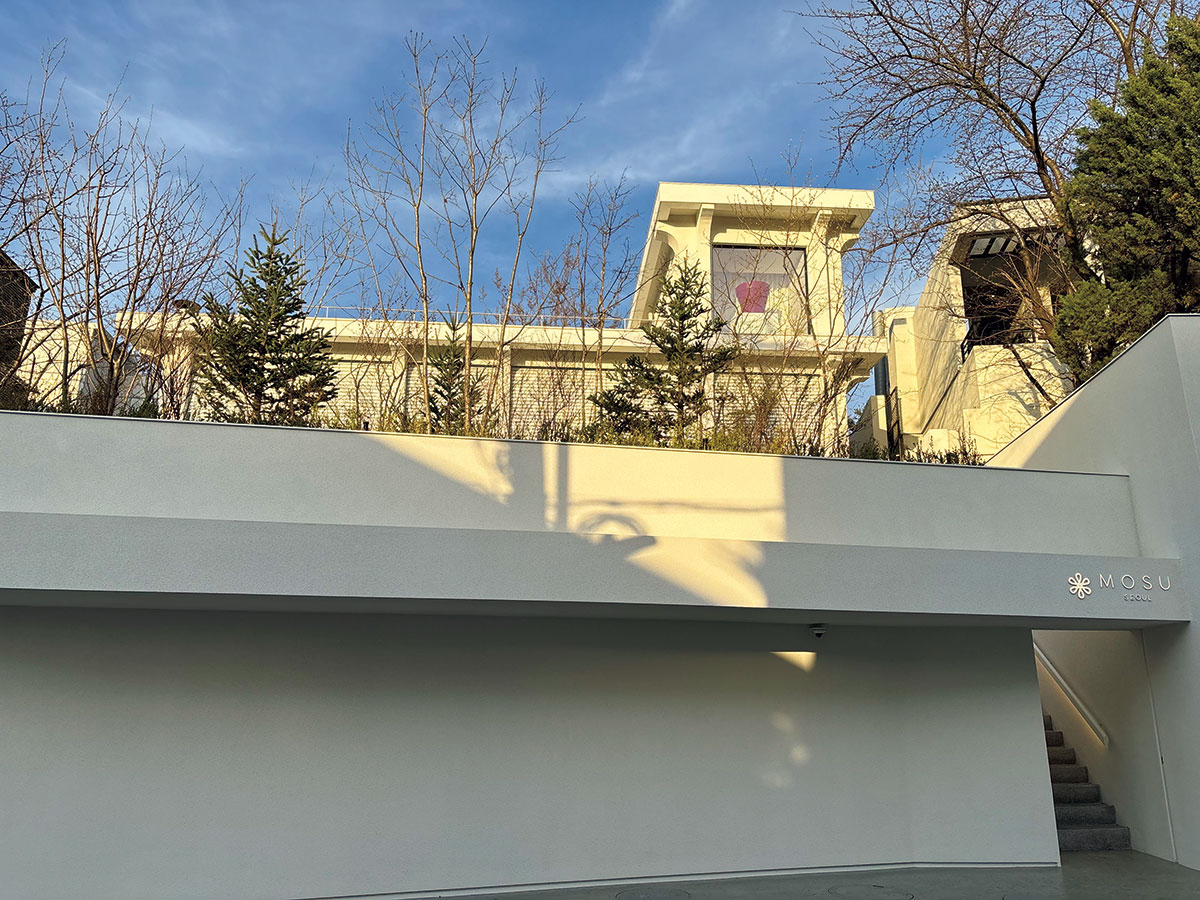
Its chalk-white exterior stands out in an area lined with embassies from various countries.
What are the secrets to enjoying delicious food in Seoul?
One taste that this leading Korean chef still can't forget is the lingering taste of "gamjatteok," or potato rice cakes. "My grandmother, who emigrated to South Korea from Hamhung, North Korea, often made this for me, saying it was the taste of her hometown. She would mix potato starch with mashed potatoes, knead it together, make the skin, then wrap it around beans or bean paste, shape it, and steam it.
Freshly made potato rice cakes are smeared with sesame oil before eating. You can still find it in North Korean restaurants in Seoul, but it's completely different from the one my grandmother made. Whenever I remember the taste of that gamjatteok, happy memories of the time I spent with my grandmother come back to me."
Chef Ahn's childhood memories of his palate still linger in his mind. That's why he believes that the first step is crucial for us Japanese to have a happy dining experience in Seoul. "First, go to a baetpanjib (a set meal restaurant). A main dish such as stir-fried meat or grilled fish is served with rice, soup, and several banchan (side dishes). Even if you've been to Seoul many times, a visit here will surely bring back the excitement you felt the first time. The home-cooked meals you can enjoy at a baetpanjib are the foundation of Korean cuisine."
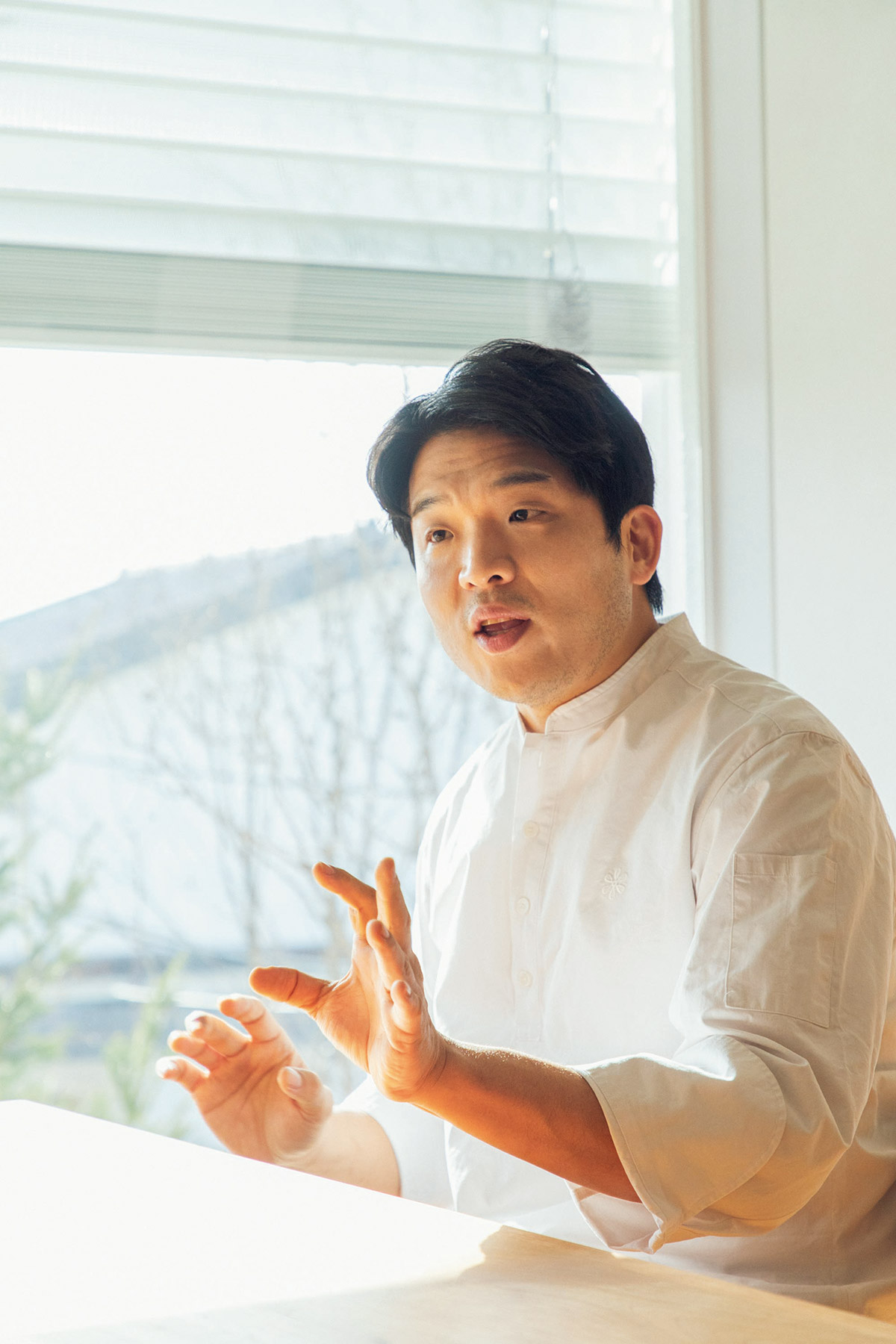
Chef Ahn says it's also a good idea to visit several restaurants serving the same cuisine, something that travelers often avoid. "If you choose a genre, like just seolleongtang or just samgyeopsal, you can become an expert. If you change the theme each time you visit Seoul and visit different restaurants, the information you gain from your palate and the accumulated experiences will one day lead to an understanding of Korean cuisine as a whole. I also recommend that you try the naengmyeon (cold noodles) from Hamhung, my grandparents' hometown."
Pyongyang naengmyeon, made with buckwheat flour, is a familiar dish to Japanese people, but Hamheung naengmyeon is a bibim naengmyeon made with noodles made from starch. The appearance and taste of jajangmyeon are also very different between Korea and China, and even just the noodles themselves offer a variety of dining experiences in Korea.
Finally, Chef Ahn suggests that travelers should ask for help from taxi drivers to find a good restaurant. "The sign of a restaurant that taxi drivers often visit during their breaks reads 'Kisasitang (a place where taxi drivers gather)'. And it's a common belief among Koreans that there are many good restaurants in 'Kisasitang'. If you're in a taxi, be sure to ask the driver about his favorites. You might just be in for a delicious dining experience that will stay in your memory for the rest of your trip."
Ahn Sung-jae's 3 tips for choosing a Korean restaurant
1. First, get familiar with classic Korean food at a baebaeji (restaurant).
2. Visit restaurants in the same genre to gain food experience.
3. Go to a place where taxi drivers gather.