









Stone, water, and wind in Jeju. The work of architect Jun Itami
Have you heard of M Building (now Barbizon 74)?
The impressive office building, with its stone walls resembling the outer walls of a castle, still stands between Akasaka and Nogizaka in Tokyo. It was designed by architect Yoo Dong-ryong, who was born in Tokyo as a second-generation Korean resident of Japan and also went by the pseudonym Itami Jun. He based his activities on Jeju Island from around 2000 until his later years. His daughter, architect Yoo Ewha, explains the reason for this:
"My father was fascinated by the island's nature. The nearly 400 oreum hills, large and small, the basalt formed from volcanic magma, the strong winds and unpredictable weather. What's more, even though it's a small island, the environment is completely different between the north and south, and between the east and west, so it's never boring. Attracted by the charms of this land, many artists have moved to Jeju. My father was one of them."
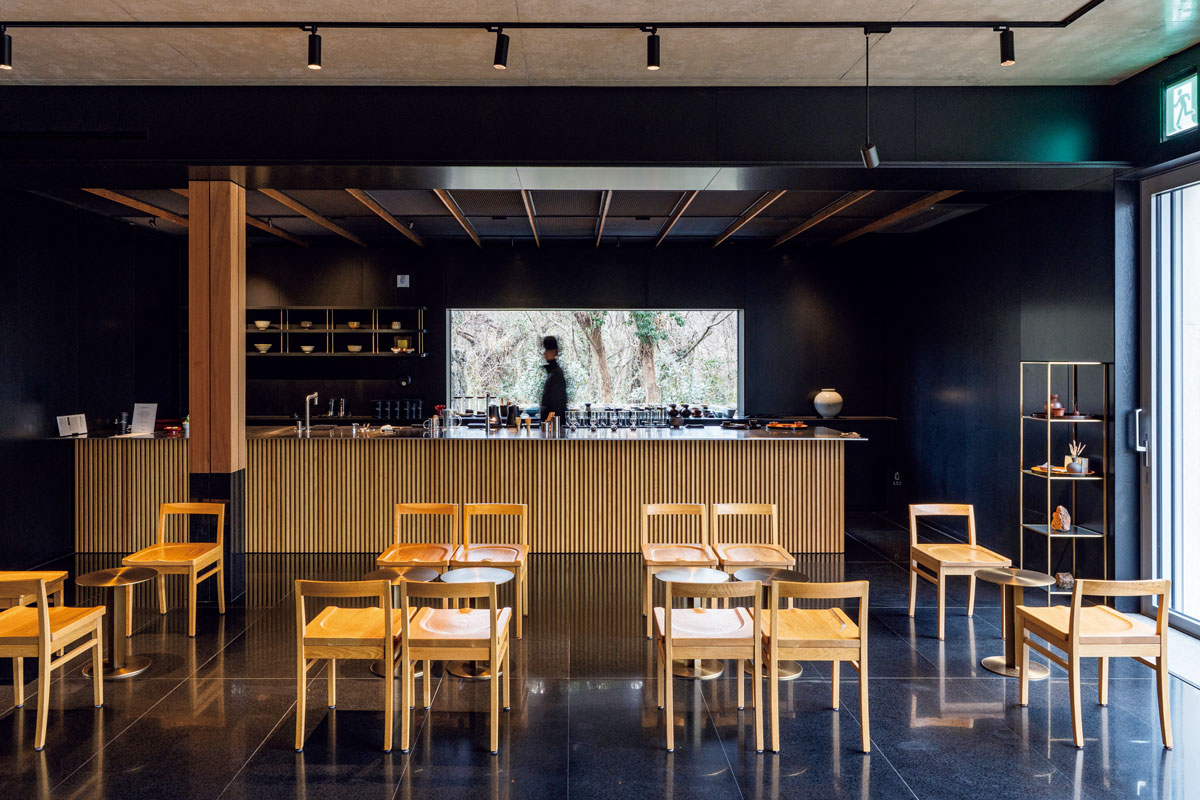
The tea lounge "Kaze no Uta" was named after Itami, who was known as the architect of the wind. 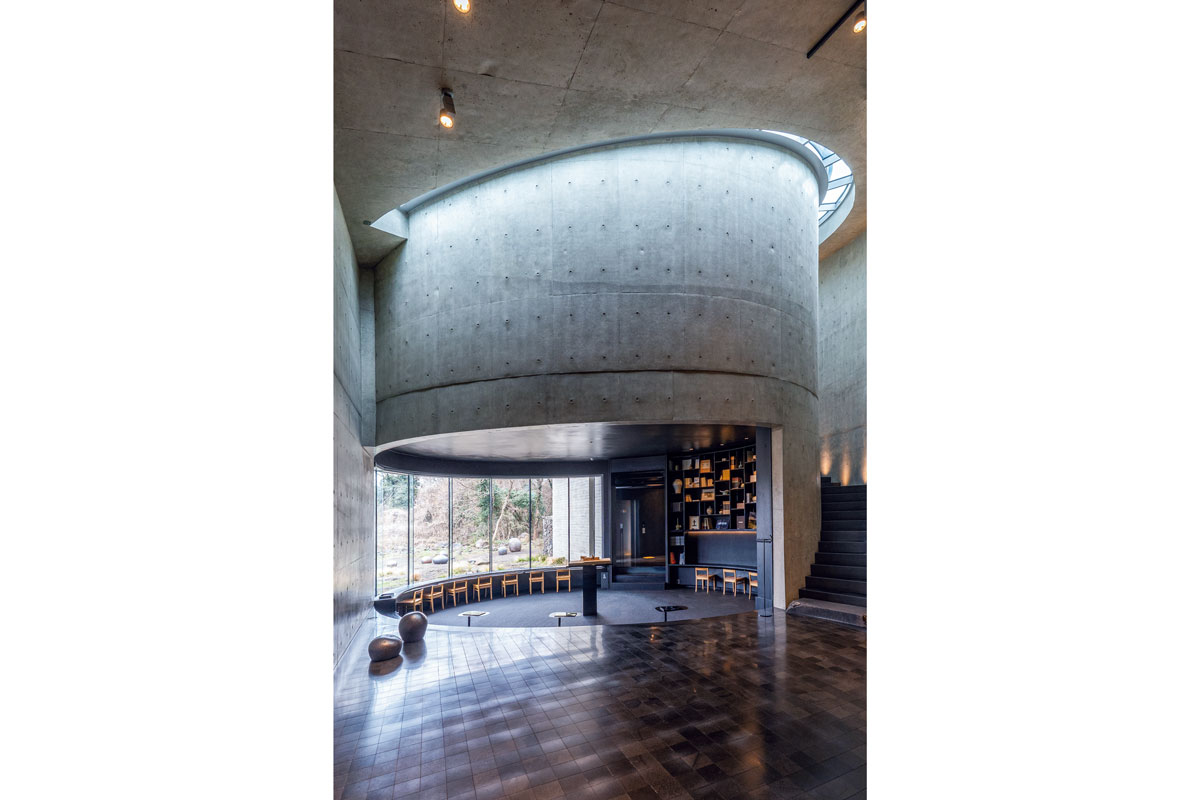
A library where you can take a short break. The shelves are lined with books and objects collected by Itami Jun. 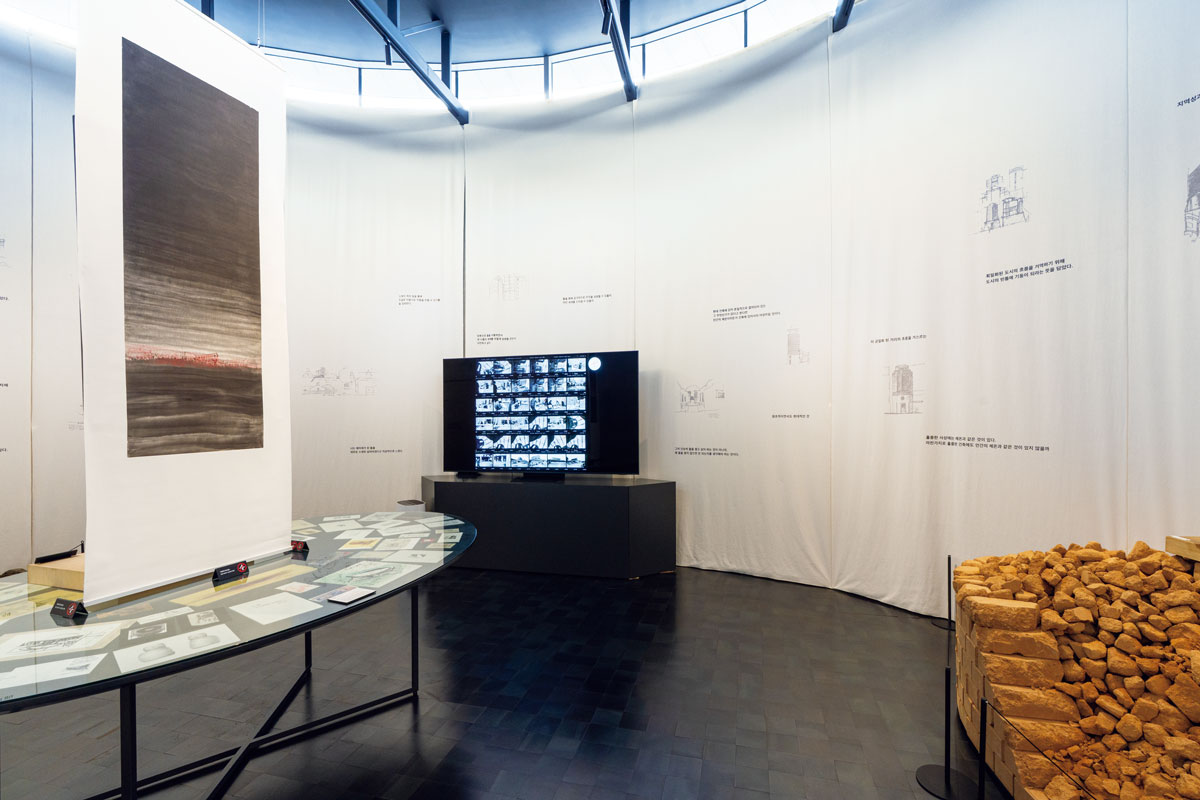
A space introducing the architecture of Jun Itami, including the M Building in Akasaka, Tokyo. 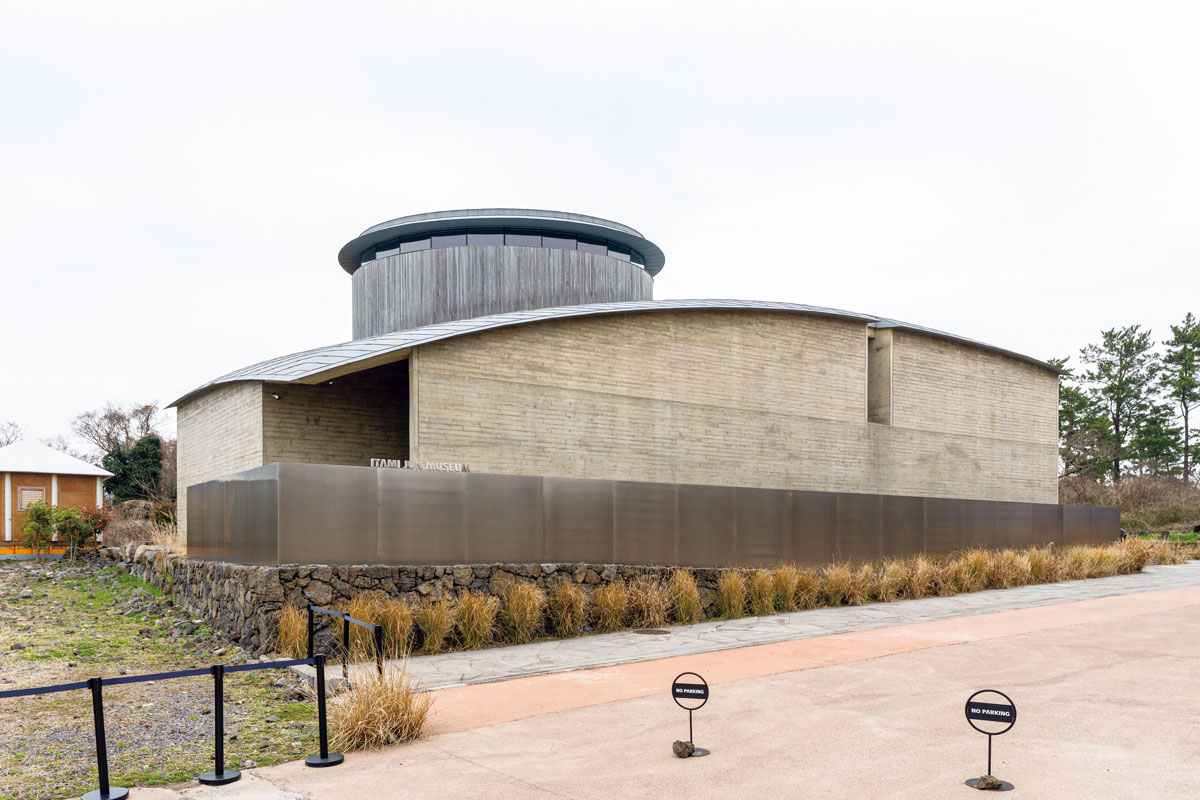
You can also access the garden from outside.
One of his works is the Panju Church. The way the water surrounding the church sways in the wind makes it look like an ark is being launched. It is truly a church of wind and water. These works are also archived at the Itami Jun Museum of Art. Ifa, who designed it, says, "I would be happy if people could feel the nature of this island through my father's work and the museum garden."
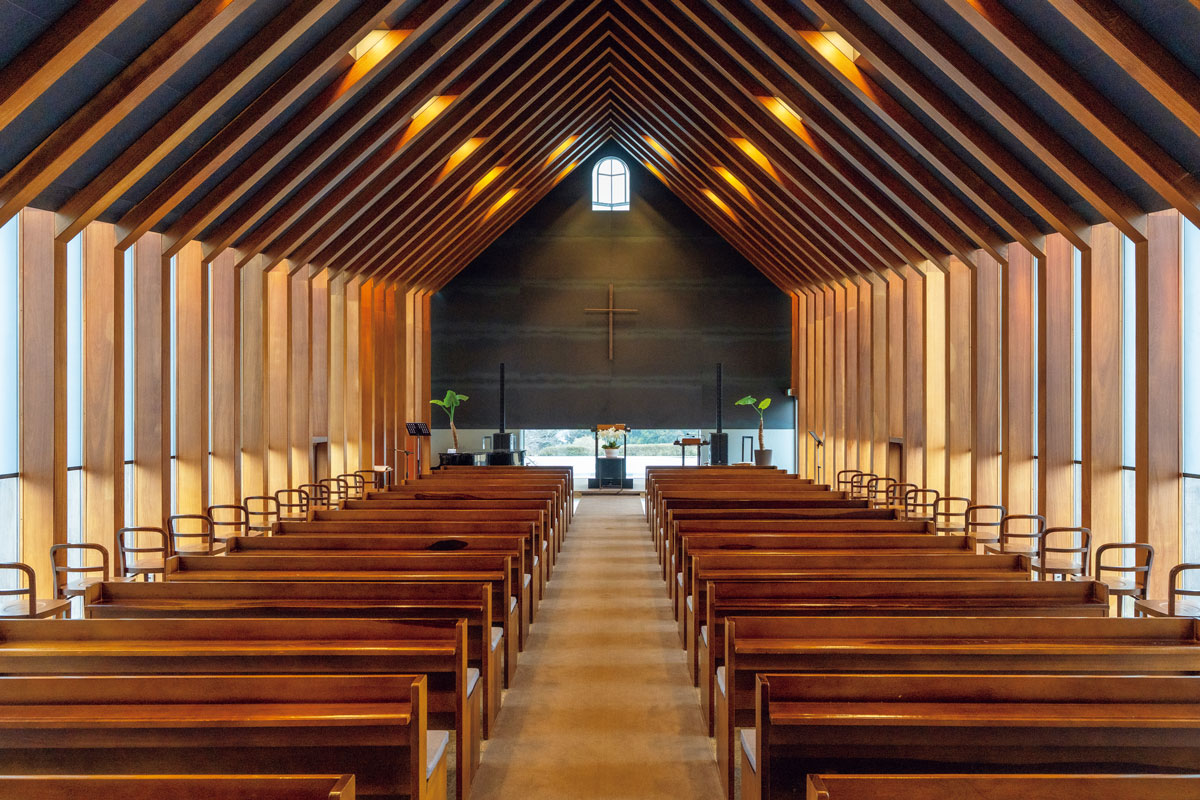
From inside the prayer hall, the building appears to be floating in the water. 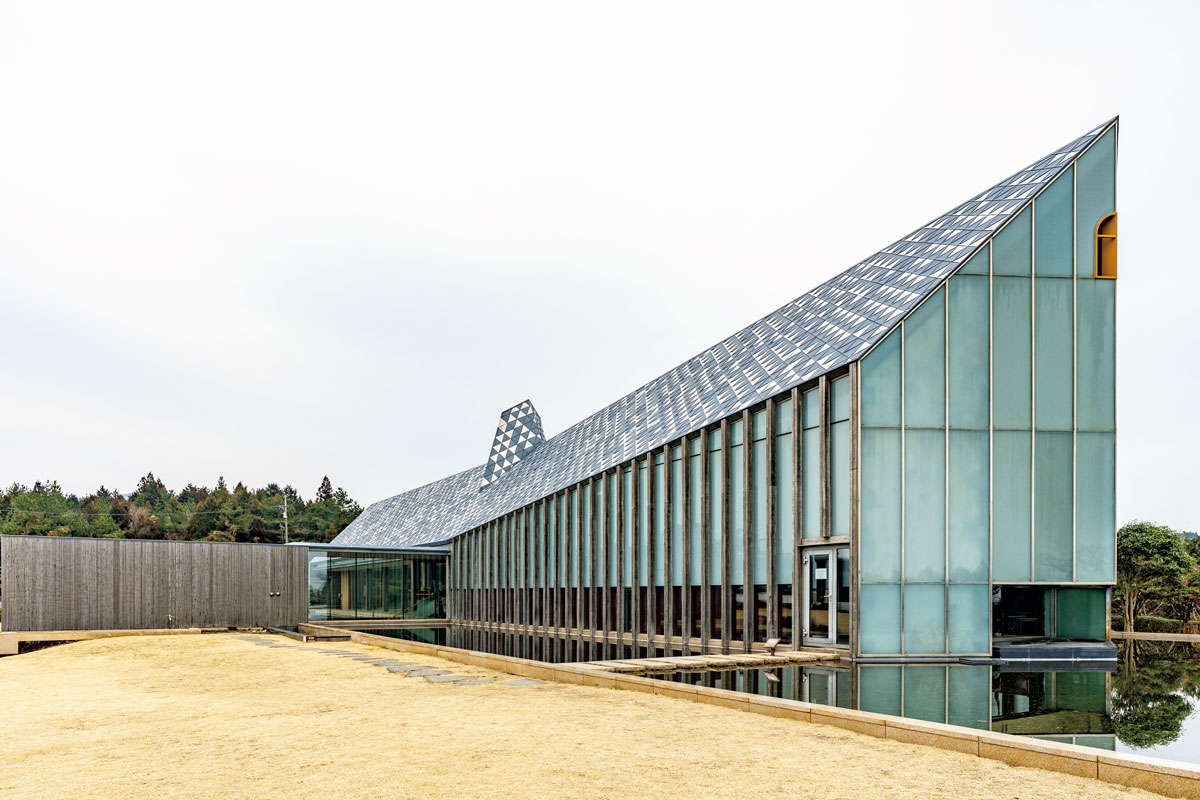
The roof is covered in silver and gray scales, resembling a fish.
Vibrant colors and ever-changing soil. Check out the market
Jun Itami is not the only artist who has been captivated by this island. The Korean painting master Lee Wal-Jon is also one of them. He was captivated by the rich colors of nature.
After studying ink painting and teaching at an art university, he moved to Seogwipo, a resort town on the south side of the island, in the 1990s. Since then, his style has completely changed, from monochrome to color, and from two-dimensional to three-dimensional. He opened the Walzon Museum, which brings together all the colorful works he has created in this area.
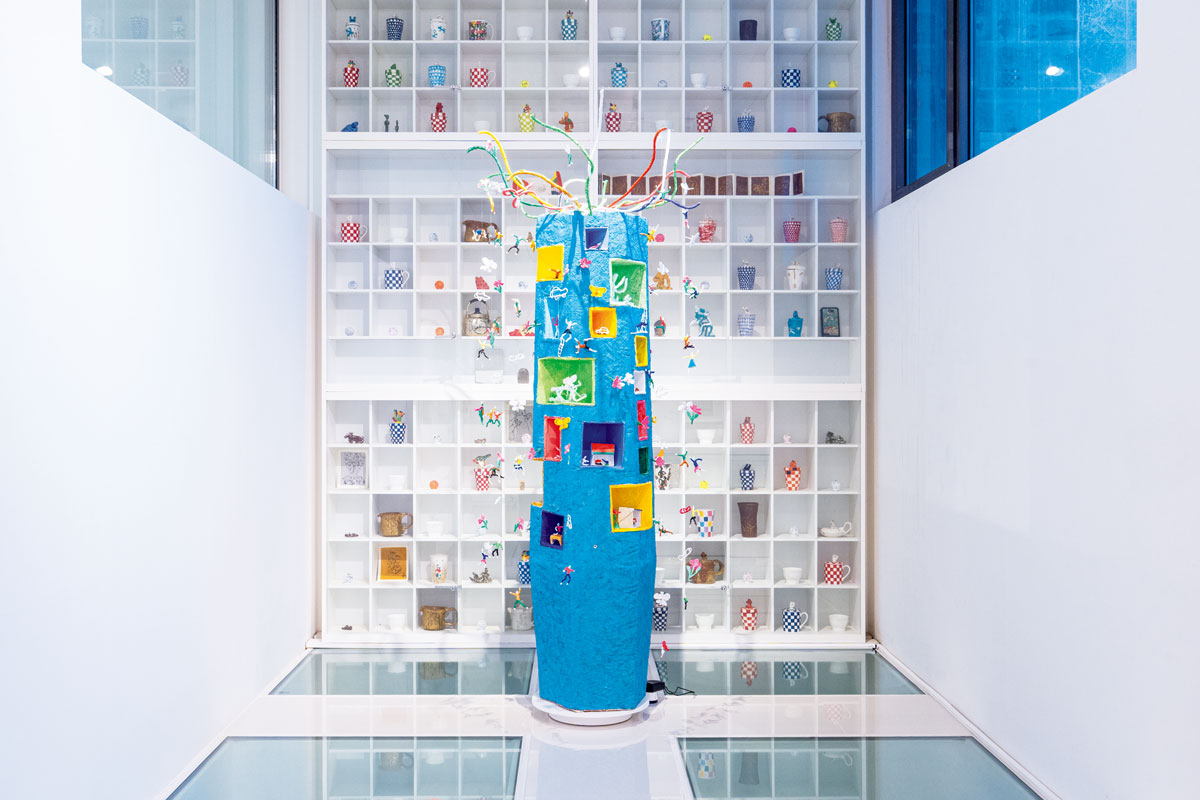
The second floor houses a wide range of artworks, from paintings to sculptures, ceramics, and media art. 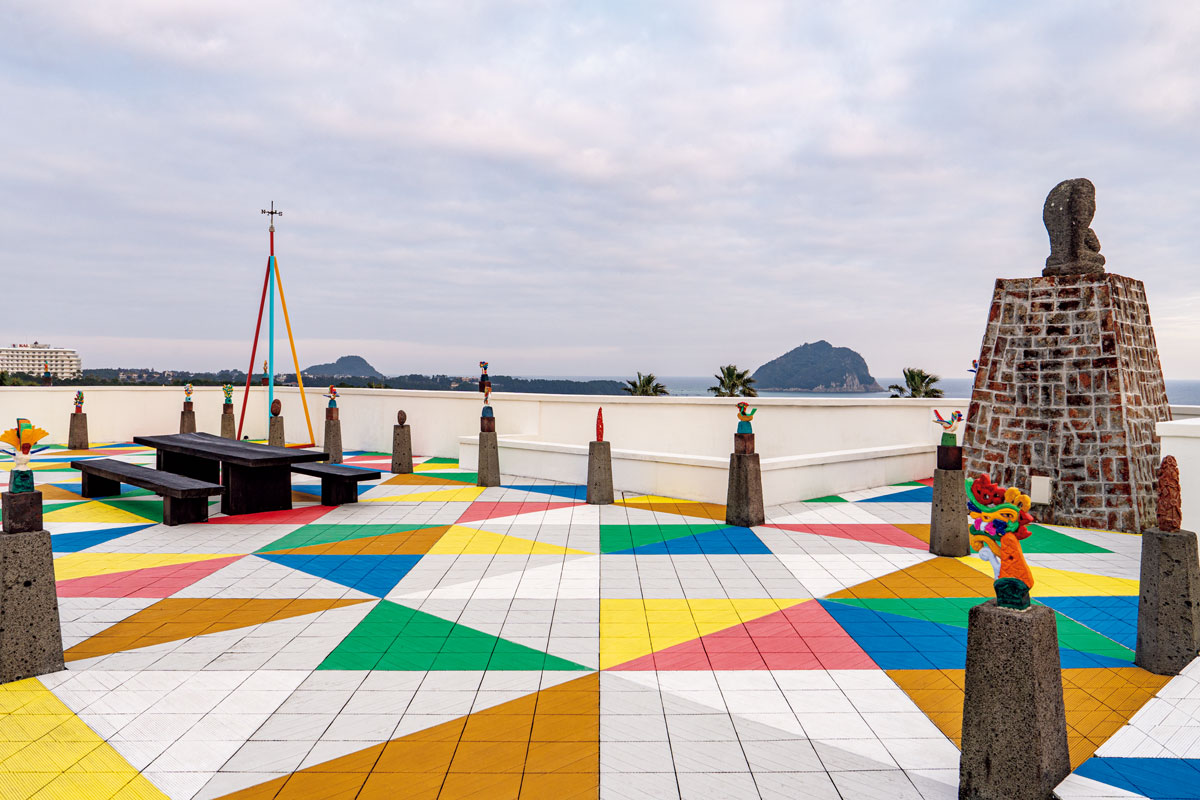
There is also a unique three-dimensional work on the rooftop. It is a pleasant location overlooking the sea.
Some people continue the tradition. Damhwahong, run by Jeong Mi-seon and Kang Seung-cheol, is a pottery manufacturer that produces earthenware, or onggi, made from Jeju clay. They create pots, vases, tableware, and more, while studying the onggi used by their parents' generation in the 1960s.
Jeju clay is rich in iron, so when the temperature is just right, the surface is coated with charcoal from the kiln, eliminating the need for glaze and ensuring that no two pieces are ever the same.
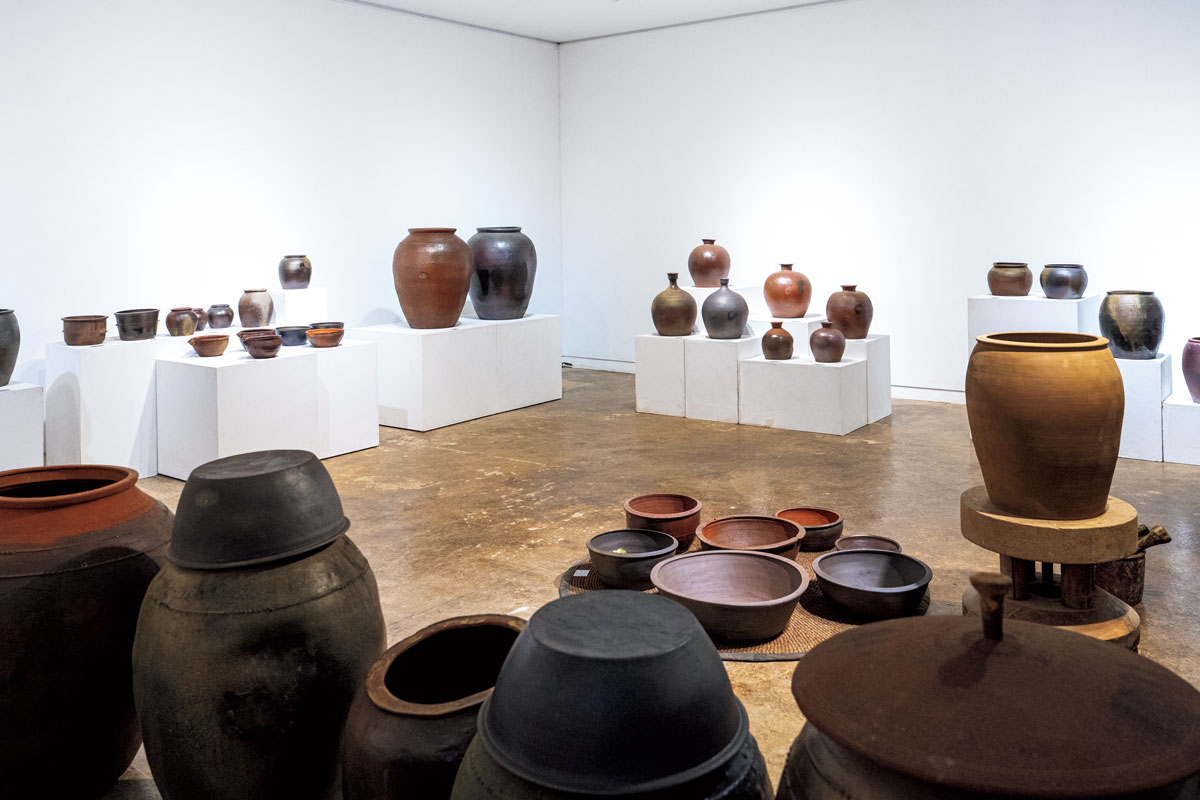
The museum displays earthenware from the 1960s to modern items. 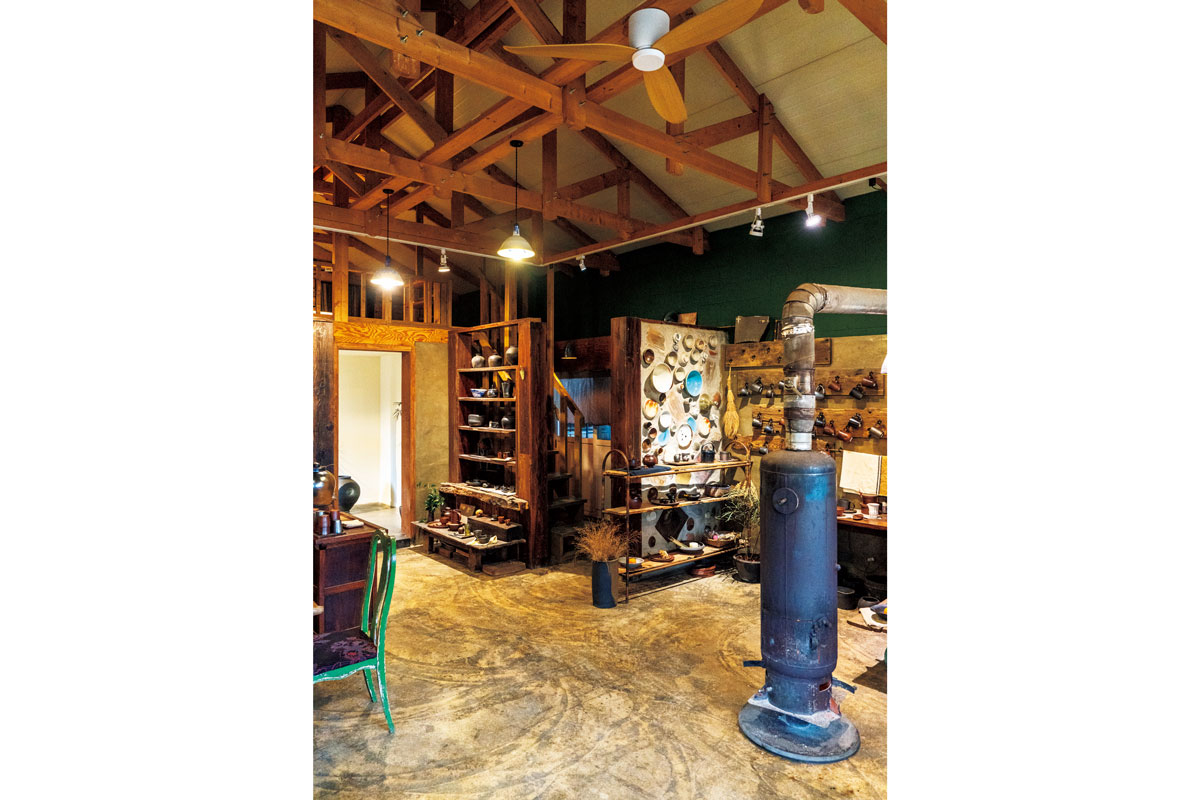
Cafe space. The pottery on display and the earthenware sold in the gallery at the back are available for purchase. 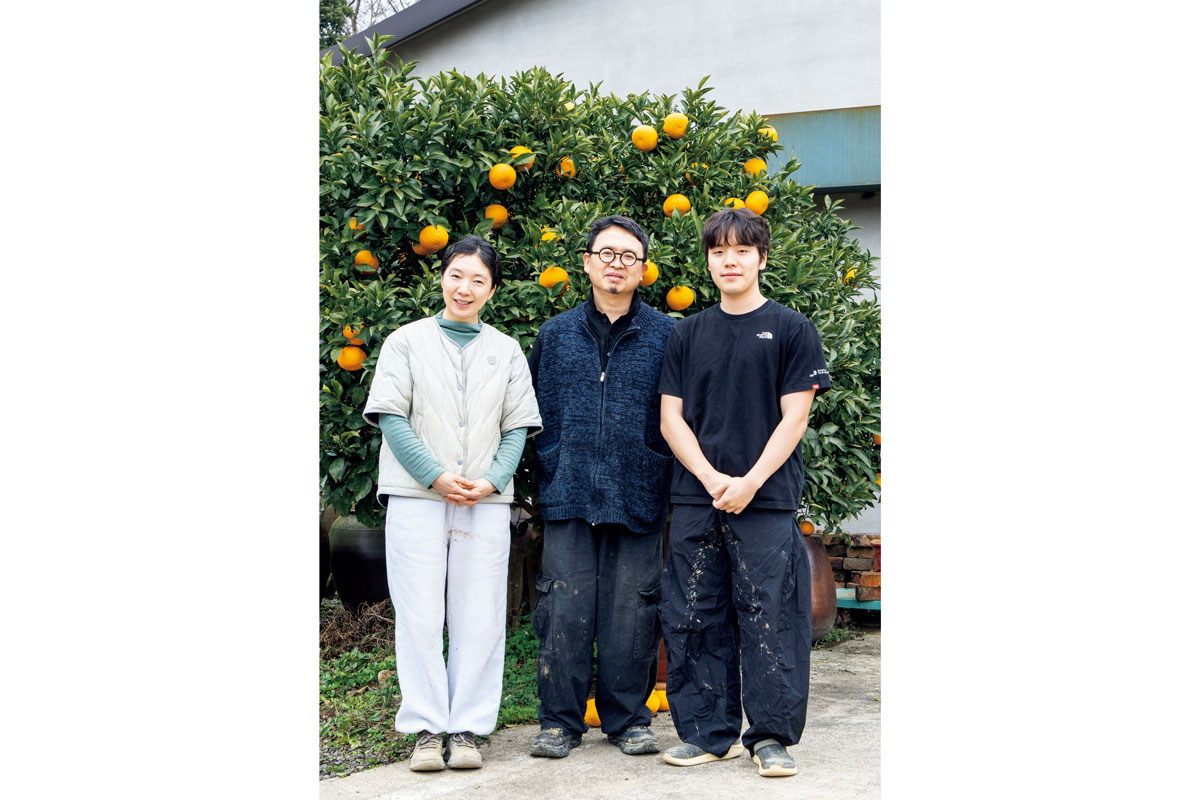
From left: Jeon Mi-seon, Kang Seung-chi
The Yeol couple and their son Kang Hyun-seo, who is currently training.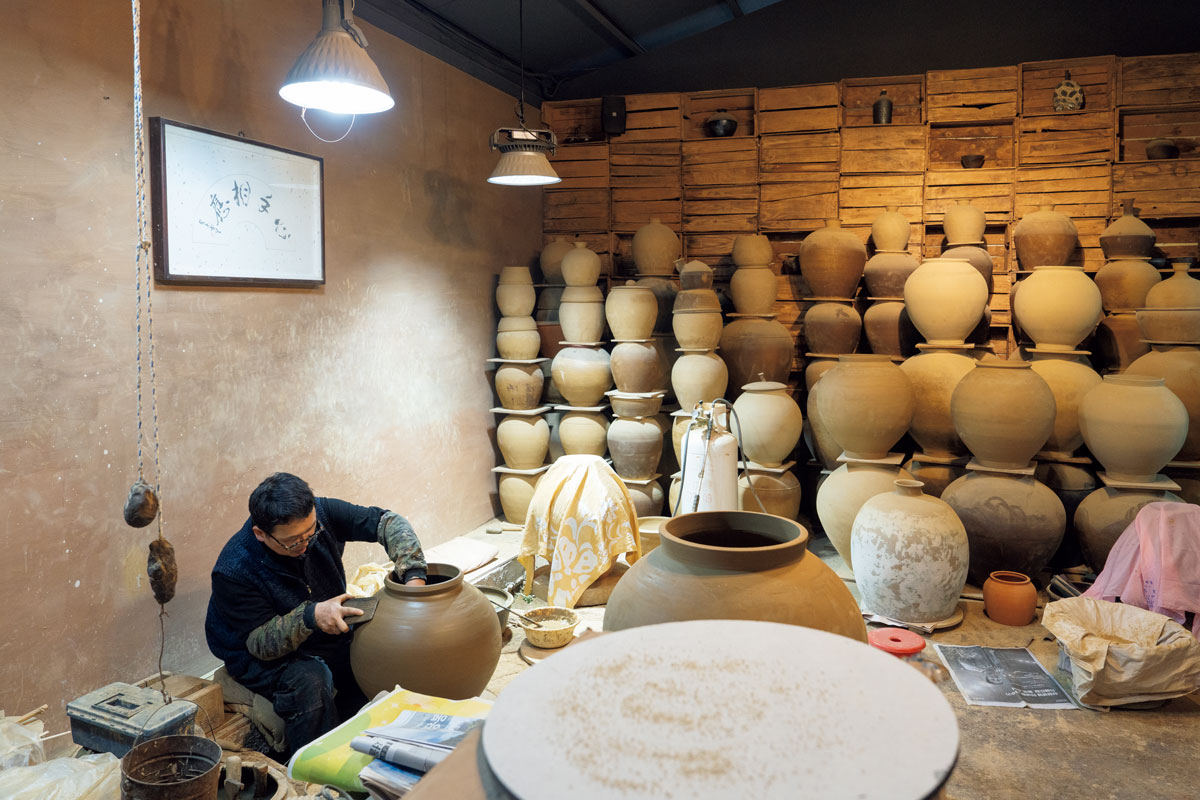
The workshop uses a foot-driven potter's wheel, which has been in use since the Joseon Dynasty.
If you're looking for art that's deeply rooted in everyday life, head to the long-established local market. Jeju Folk Five-Day Market is over 100 years old and boasts over 1,000 stores.
In addition to restaurants and grocery stores, you can find everything you need for daily life, from traditional clothing such as galok to rain jackets used by the island's fishermen, baskets, knives, and other everyday items. Jeju folk art is here.
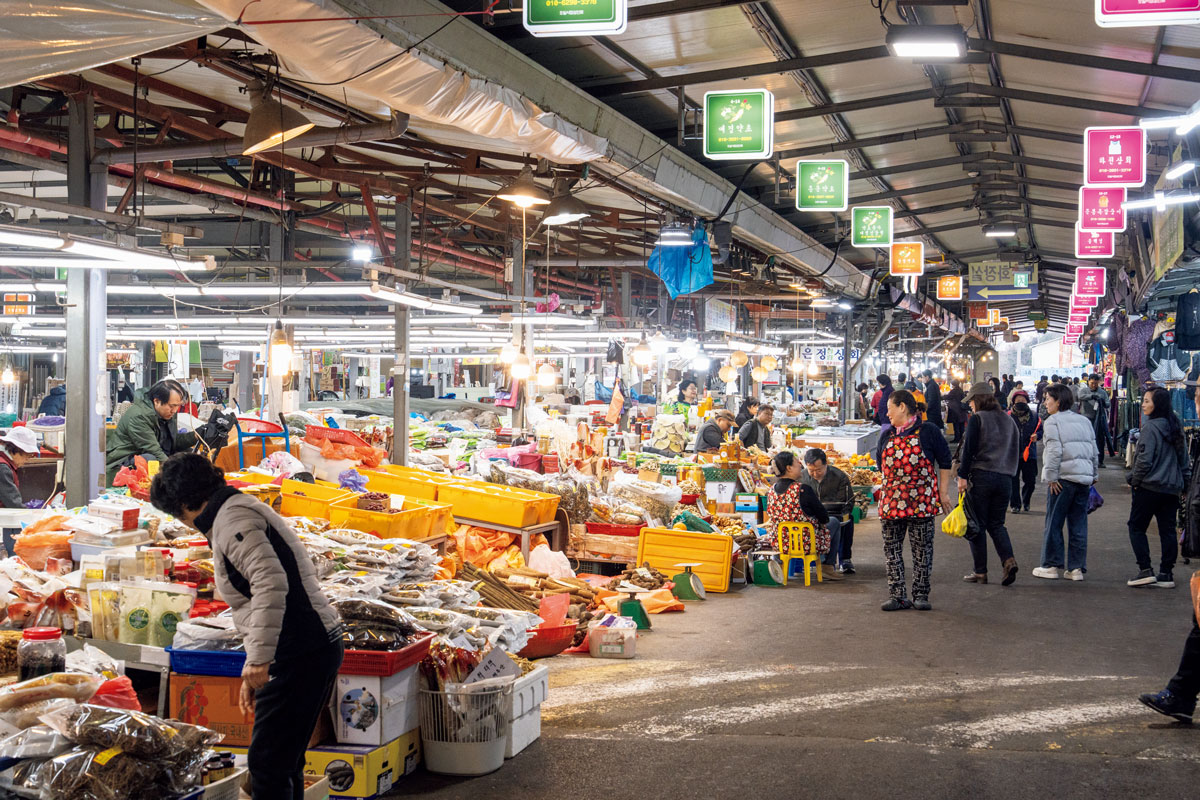
The main focus is on food, and there is also a wide selection of street food such as hotteok and tteokbokki. 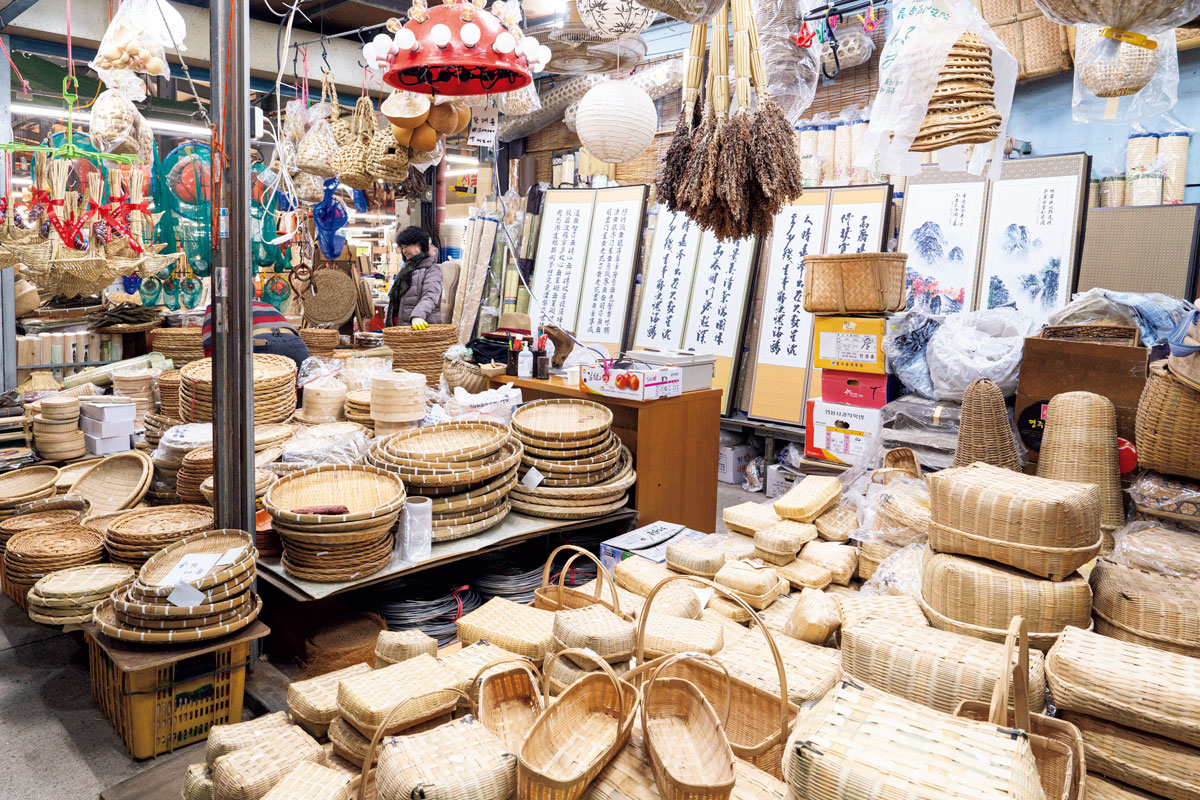
The side of the market was lined with about 20 basket shops selling daily necessities.
It takes about 15 minutes to an hour by taxi from Tapton, and costs no more than 50,000 won to get there. The mountain ranges and grazing horses seen from the car window add to the excitement of the trip.