










Natural objects have a unique allure, with no two being exactly the same in terms of color, shape, or size. While there are many private collectors of these objects, museums are the only place where you can come face to face with "national treasure-class" specimens, particularly fossils and minerals, that are huge, in excellent condition, or extremely rare.
From actual fossils of ancient creatures excavated in Japan to the impressive collections of domestic minerals housed in some of Japan's leading comprehensive museums, we hope you will come and see for yourself the many masterpieces and rare items that sometimes reflect the hobbies and tastes of the museum directors and curators.
Ashoro Fossil Museum
Ashoroa real fossil
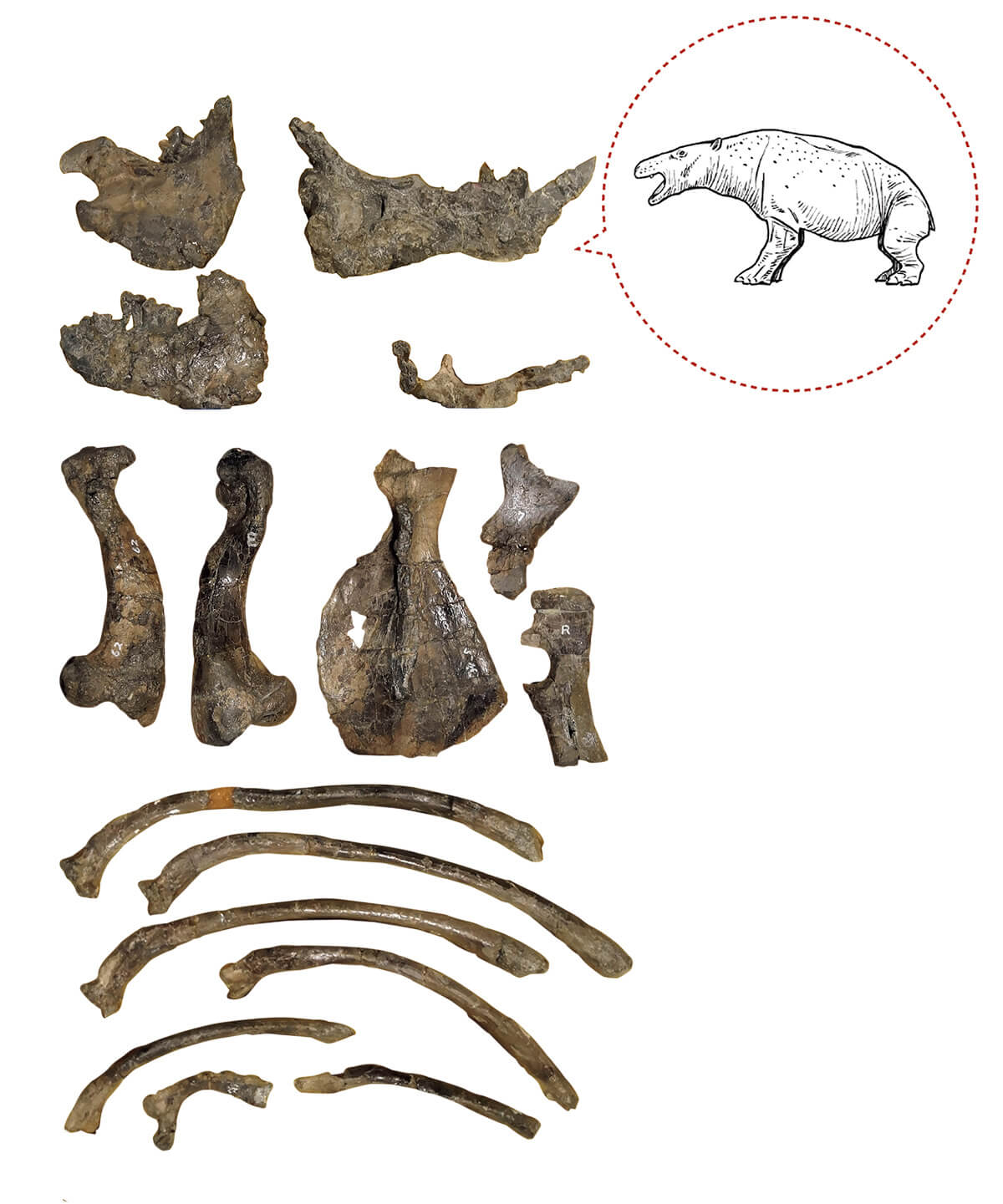
A mysterious mammal that flourished in ancient Hokkaido
Ashoro Town, located in central-eastern Hokkaido, is a major source of fossils of marine mammals known as sectoliths. Among these, the actual fossil of the Ashoroa, which lived approximately 28 million years ago and is said to be the oldest sectolith in the world, is a must-see.
"In addition to the fossils discovered at Ashoro, the museum also displays many reconstructed skeletons of Desmostylus, a representative species of the Desmostylidae. It's a truly spectacular sight, allowing you to come face to face with almost all species of Desmostylidae."
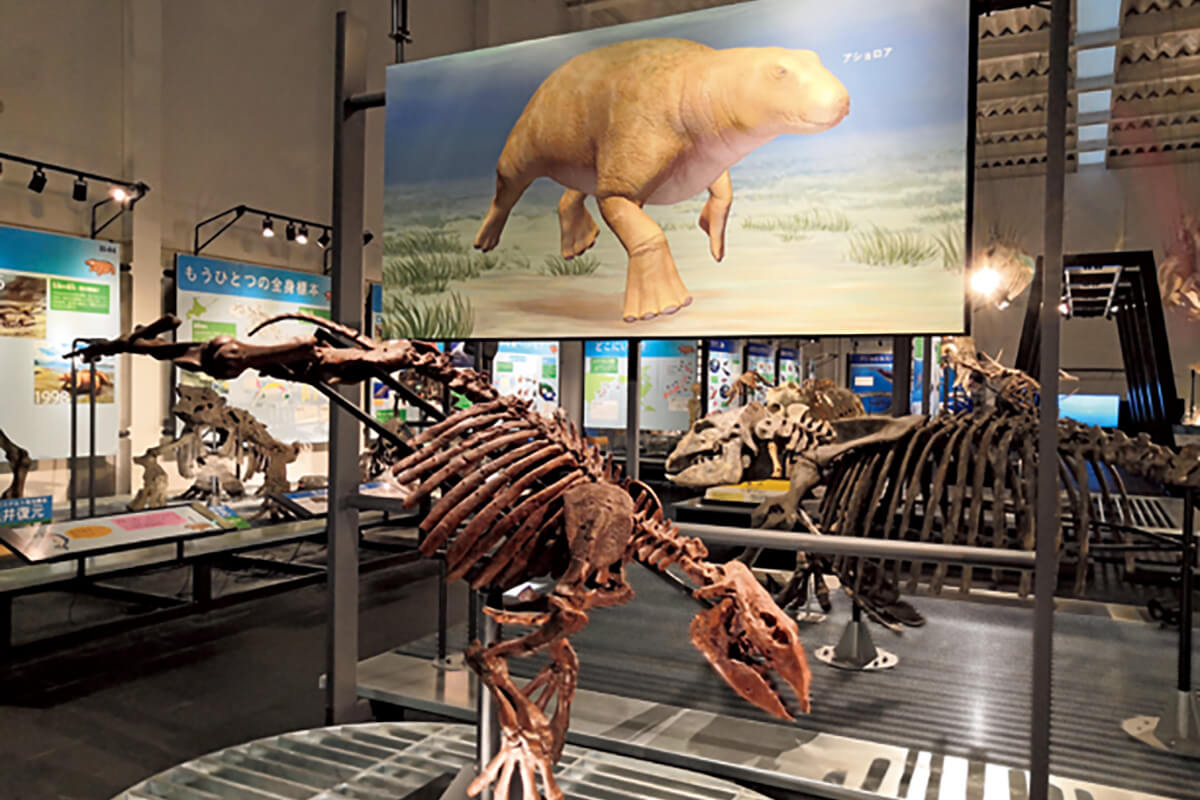
A reconstructed skeleton of a stylostyle. It is believed to have spent most of its time in water. Owned by the Ashoro Museum of Fossil Animals. 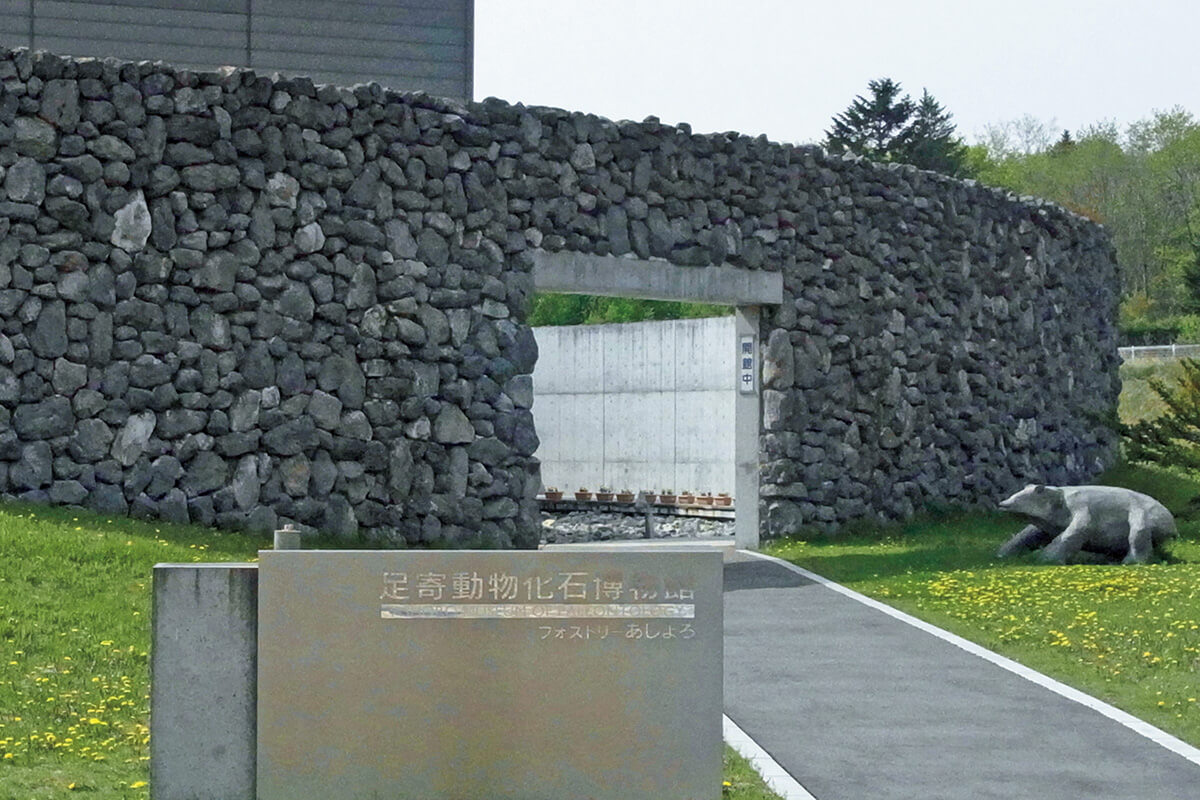
It opened in 1998.
Josai University Mizuta Memorial Museum Oishi Fossil Gallery
Belanthocea real fossil
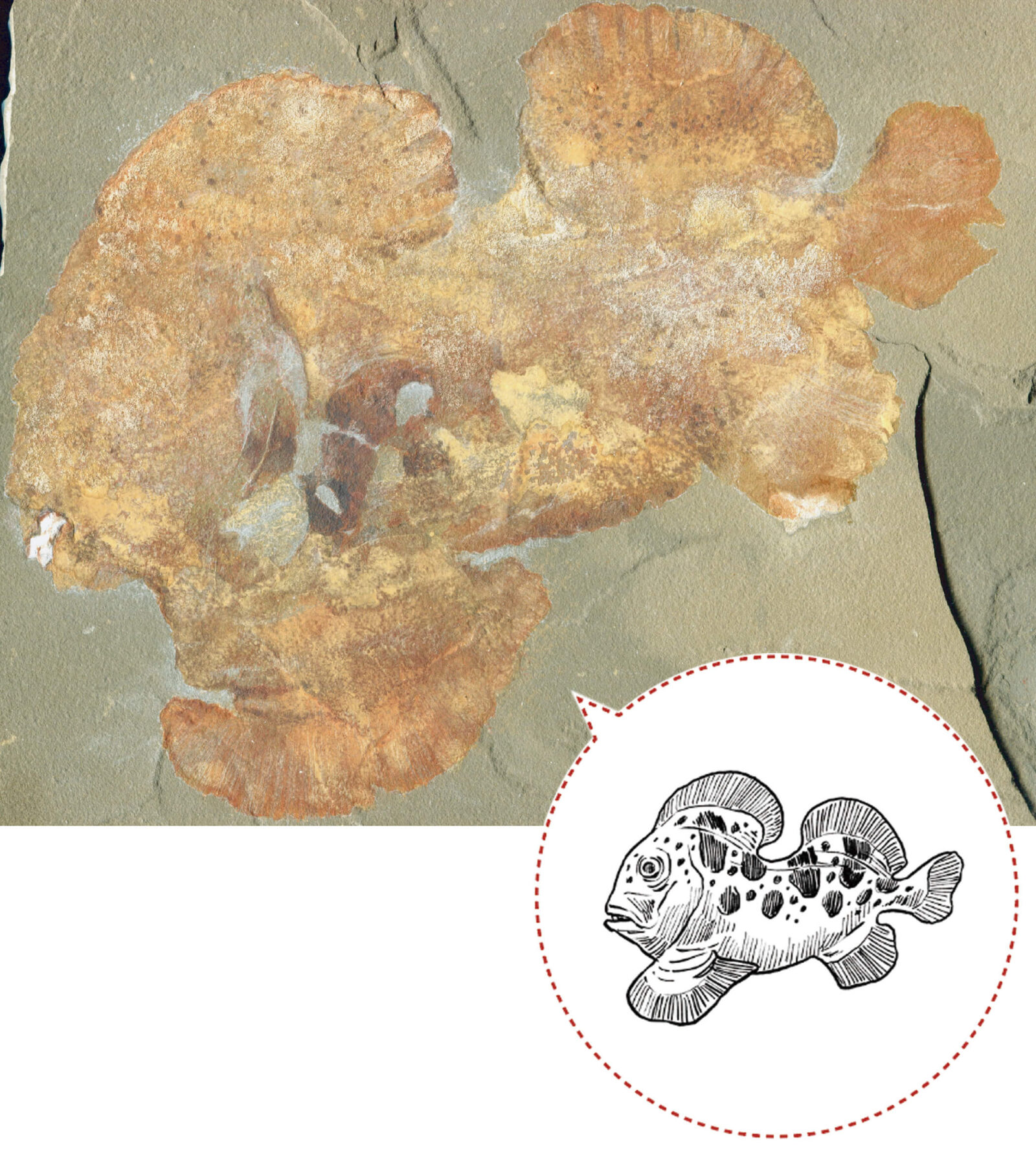
A strangely shaped cartilaginous fish with large fins
The collection of approximately 200 actual fossils collected by Professor Emeritus Michio Oishi of the University of Tokyo includes the fossil of Bellanthocea, a cartilaginous fish that lived approximately 300 million years ago.
"I'm fascinated by their strange body shapes with large fins, which are nothing like the sharks and other cartilaginous fish we imagine. When I see ancient creatures that look and form completely different from living creatures, I get excited thinking about how they evolved."
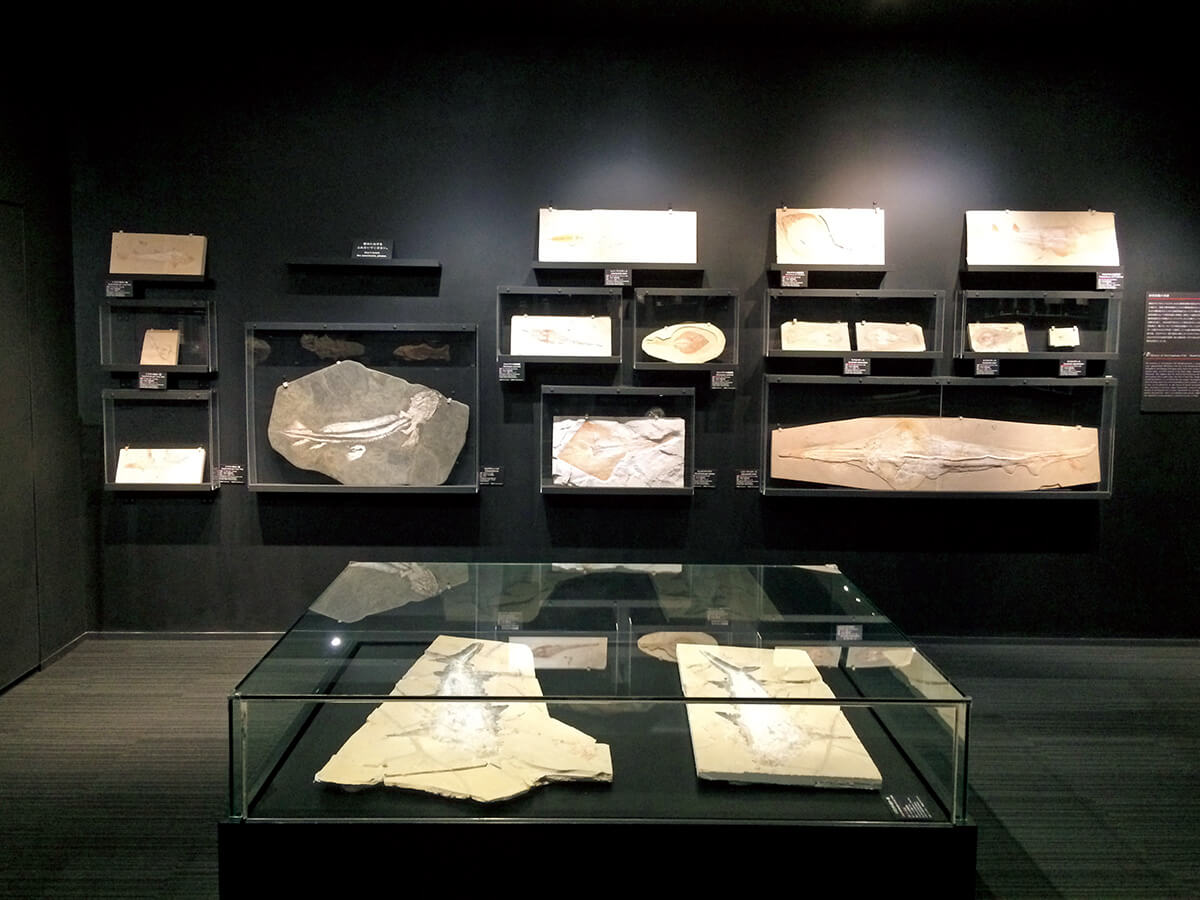
All the fossils are real. 
It opened in 2013 and has a wide variety of coelacanth fossils.
National Museum of Nature and Science
Japanese-style twin crystals from Kofu City, Yamanashi Prefecture
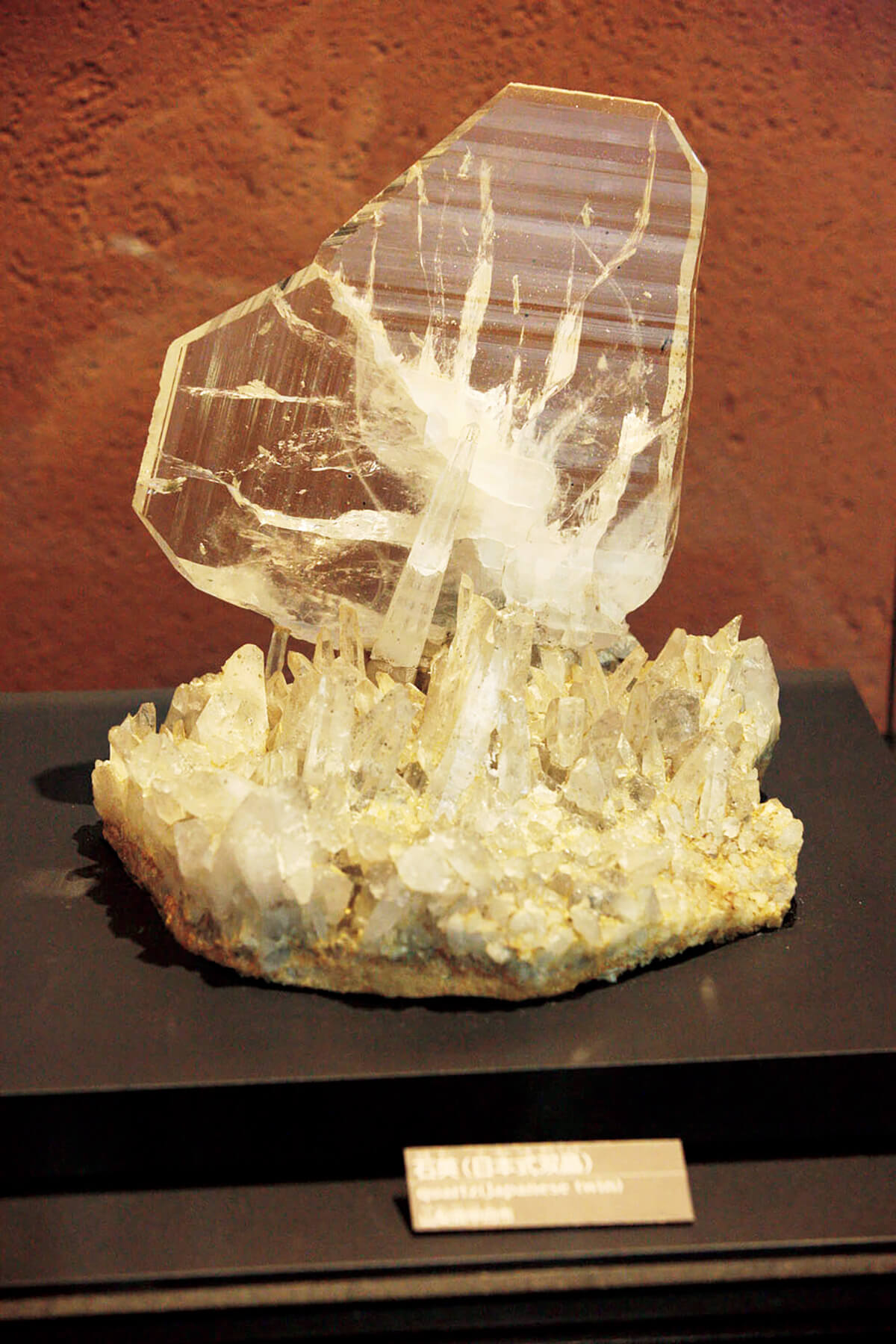
A heart-shaped crystal of impressive size and clarity
Twins are formed when the same type of minerals join at a certain angle. Among them, this huge Japanese-style twin crystal of quartz is said to have been unearthed in Yahatayama, Kofu City, Yamanashi Prefecture in the 1940s.
"It is said to have been collected by Toshiyuki Fujiwara, a master crystal digger. It is about 20cm tall and has its host rock attached. Its size and transparency are unparalleled, making it a national treasure-class mineral that cannot be overlooked."
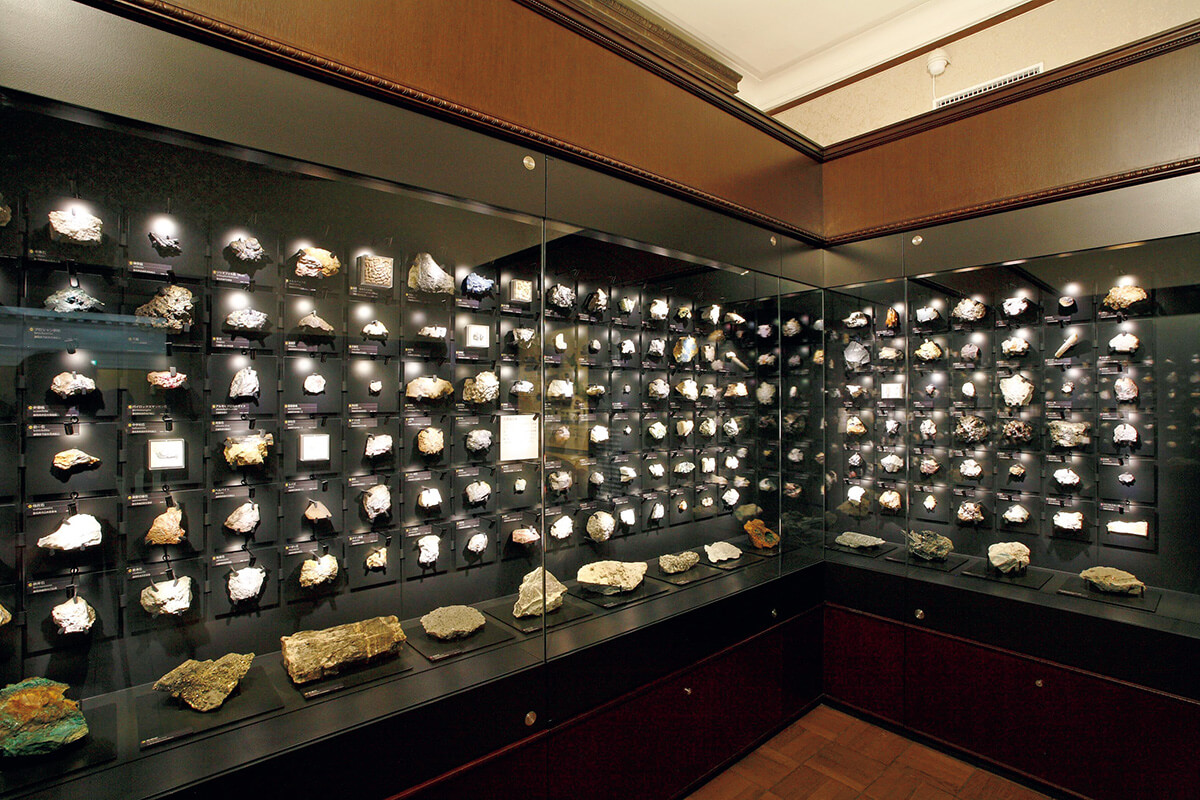
It houses more than 30,000 specimens of almost every mineral species found in Japan. 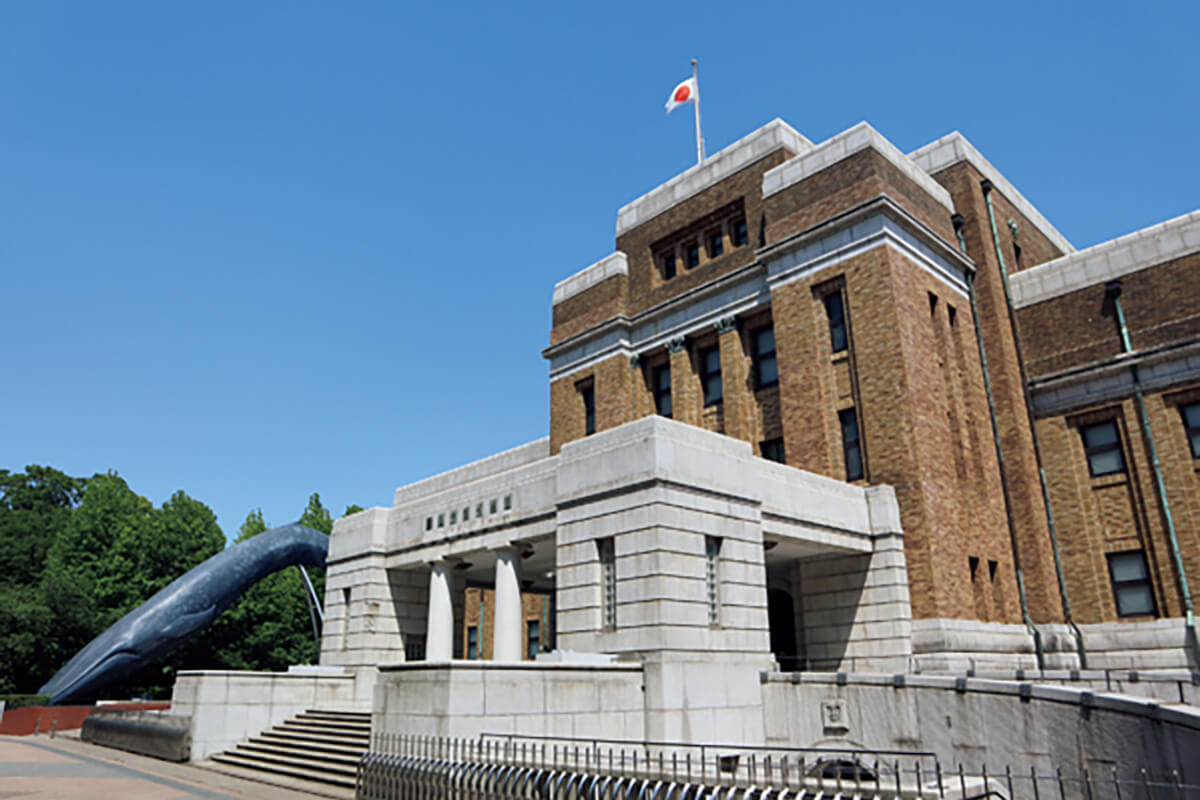
It was founded in 1877.
Kyoto University Museum
Stibnite from Ichinokawa (Hiki Collection)
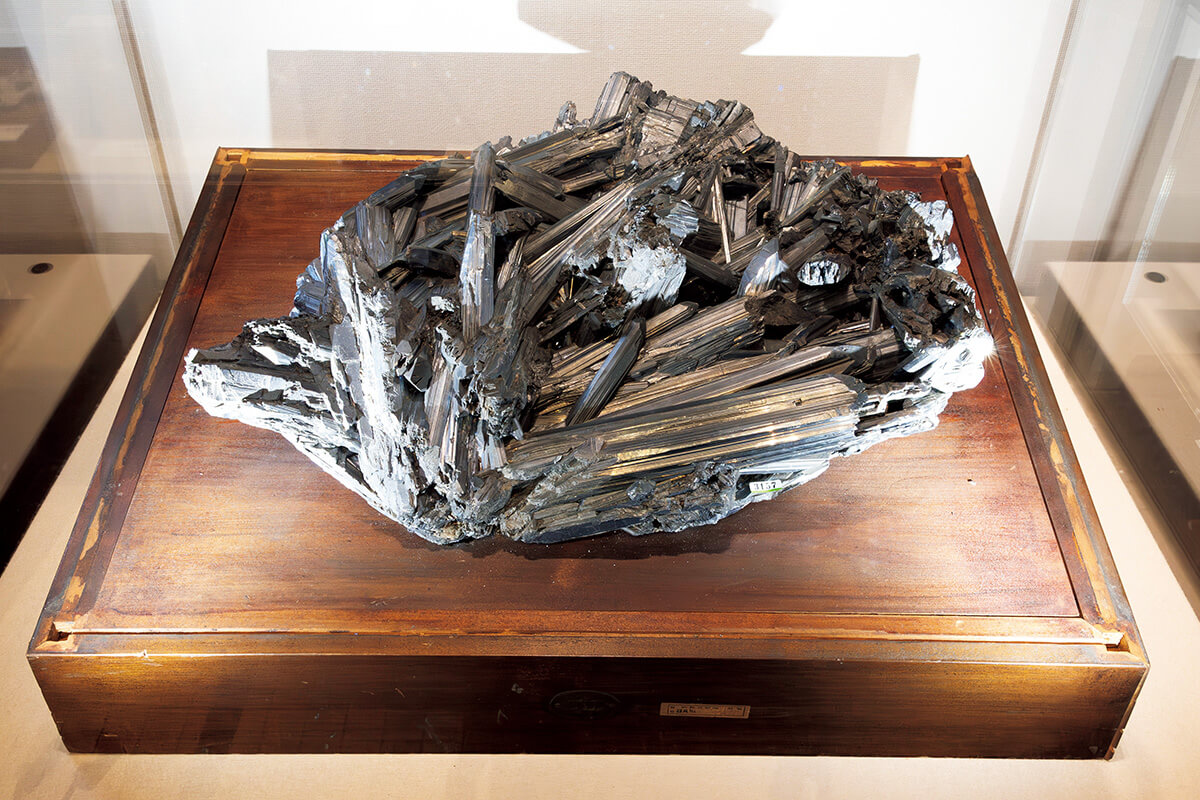
The vibrant beauty of Japan's world-class minerals
The lustrous silvery-white columnar crystals are stibnite. Among the specimens mined at the Ichinokawa Mine in Ehime Prefecture, which is said to be the largest and most beautiful in the world, the specimens at this museum are particularly well preserved and of high quality.
"This Ichinokawa stibnite is a representative example of a domestic metallic mineral. It has become so famous that many of the best specimens have been exported overseas, but this is one of the few large specimens remaining in Japan."
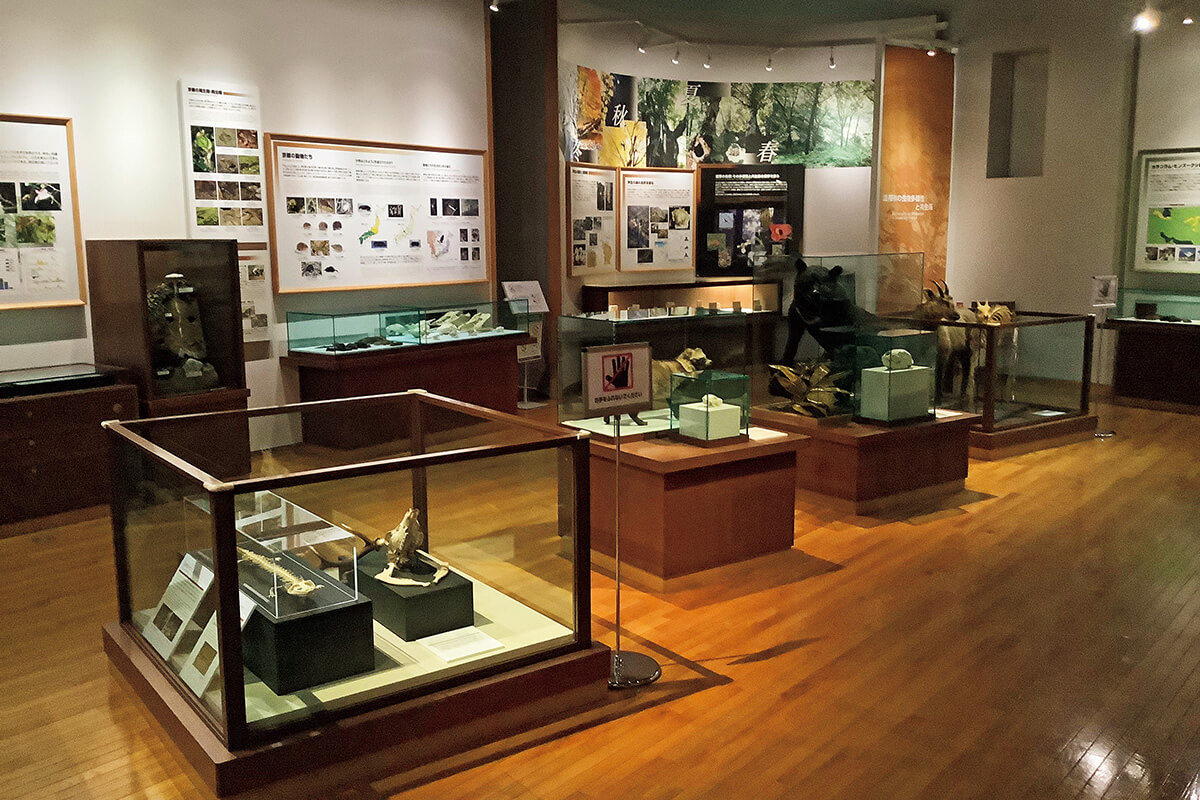
The permanent exhibition based on research results from Kyoto University is attractive. 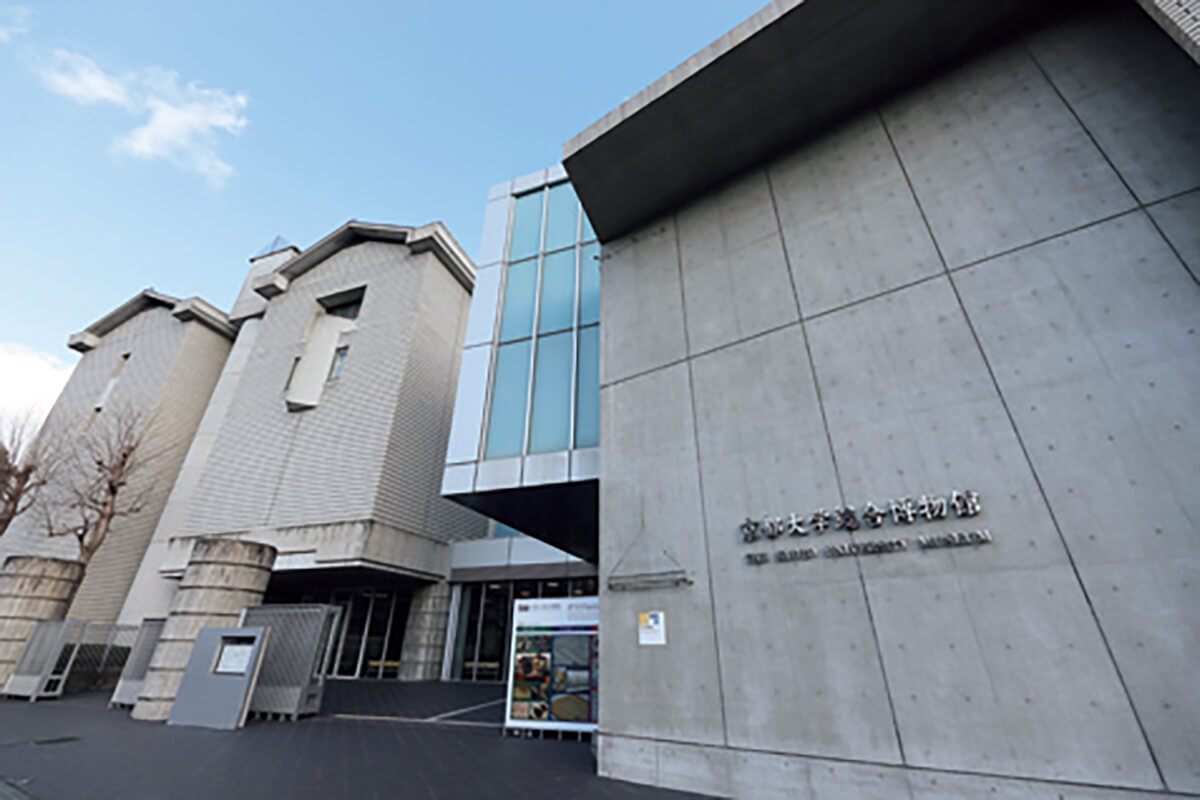
It opened in 2001.
Genbudo Museum
Amazonite
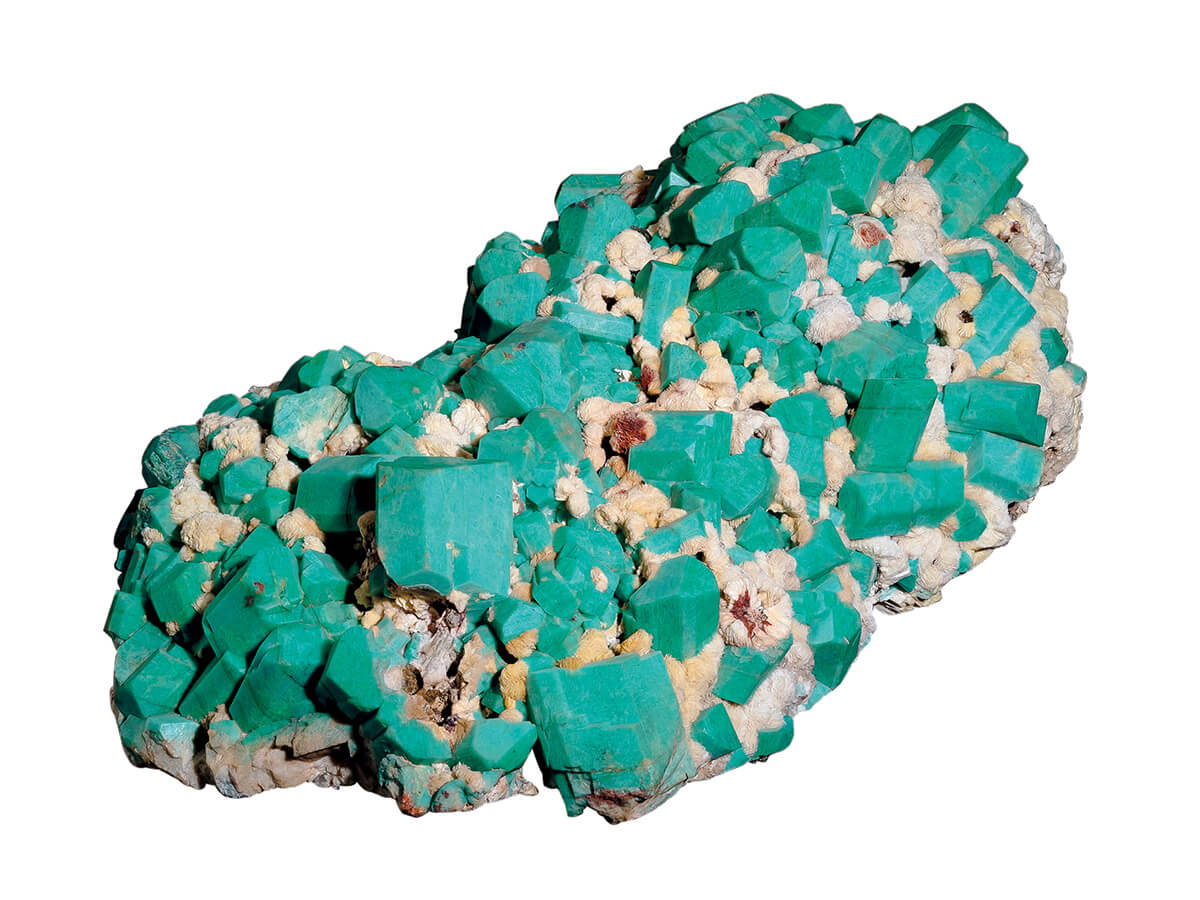
A vibrant, gigantic mineral that has captured the attention of the nation
This huge cluster of amazonite crystals, with their striking vibrant green color, was discovered in Colorado, USA, and caused a stir across the nation when it was discovered due to its size and beauty.
"This amazonite is renowned among mineral enthusiasts as a world-class specimen. Its size and excellent condition make it an iconic masterpiece that even non-enthusiasts will want to see."
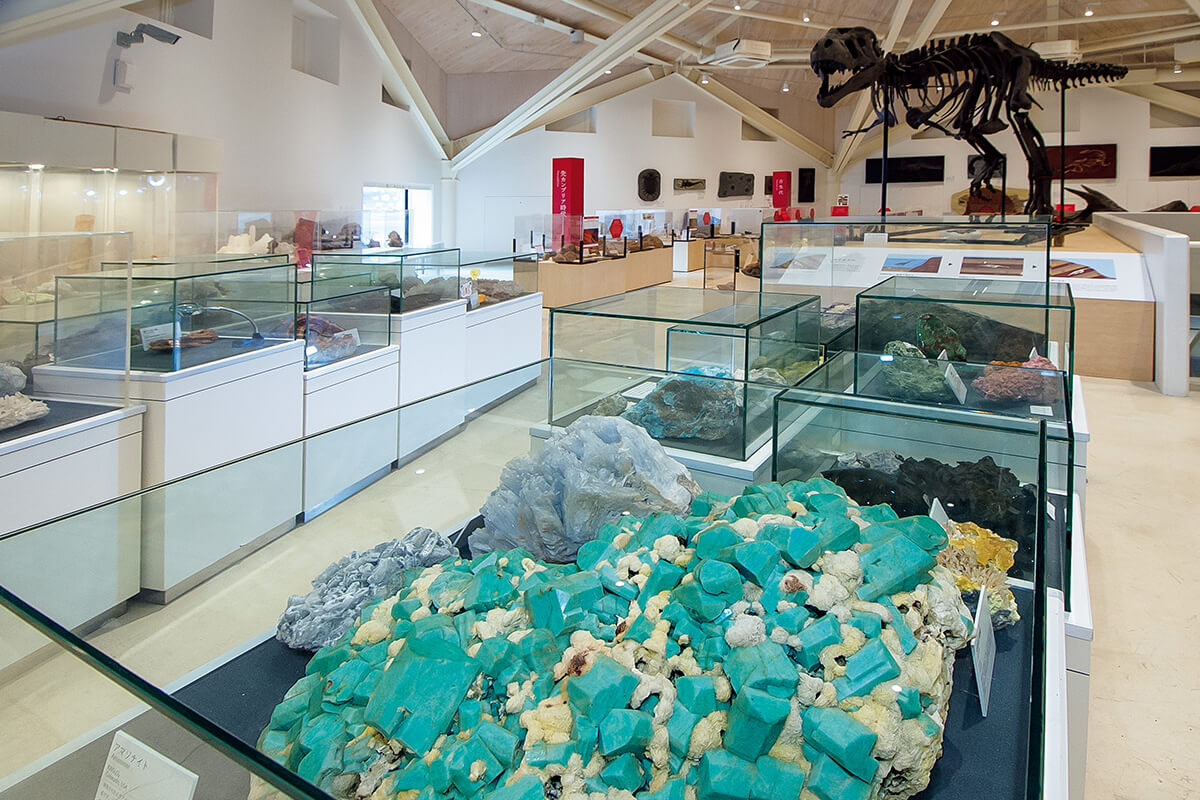
Approximately 4,000 rare minerals and fossils are housed at the Genbudo Museum. 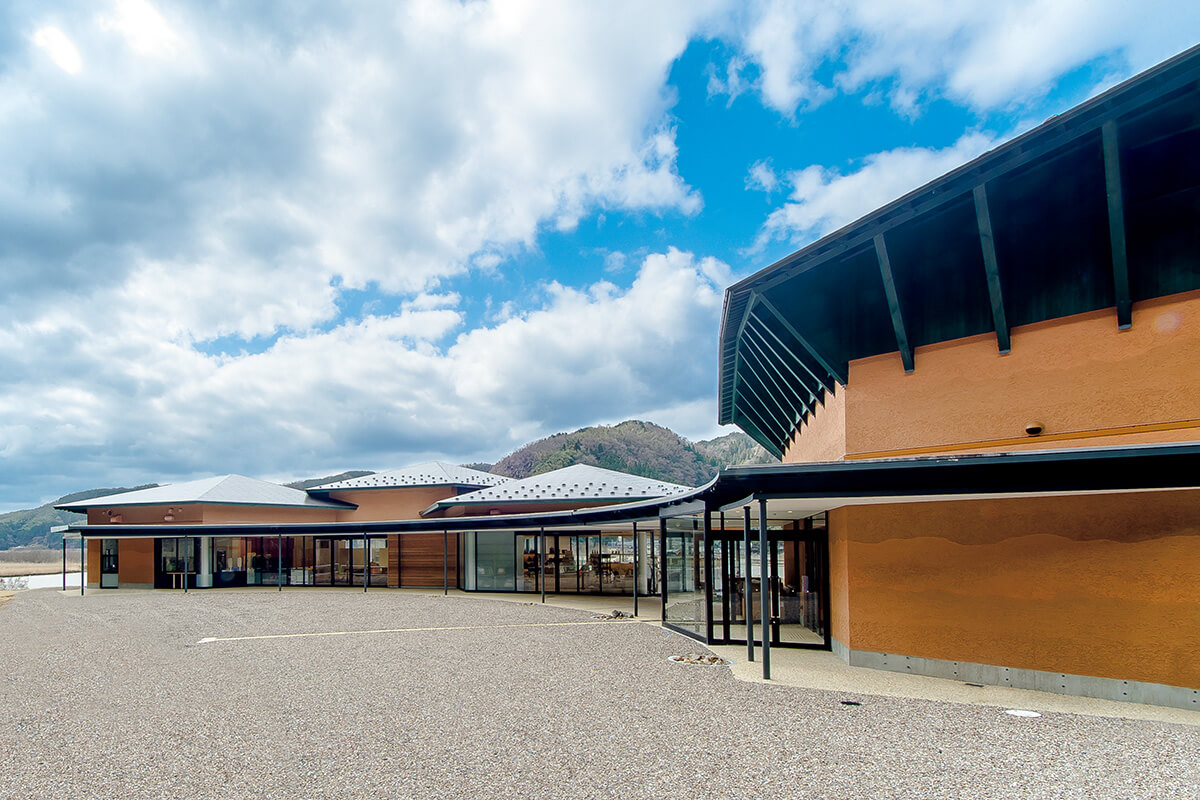
The building is modeled after a hexagonal basalt stone.