






Organize, circulate, and grow your bookshelf
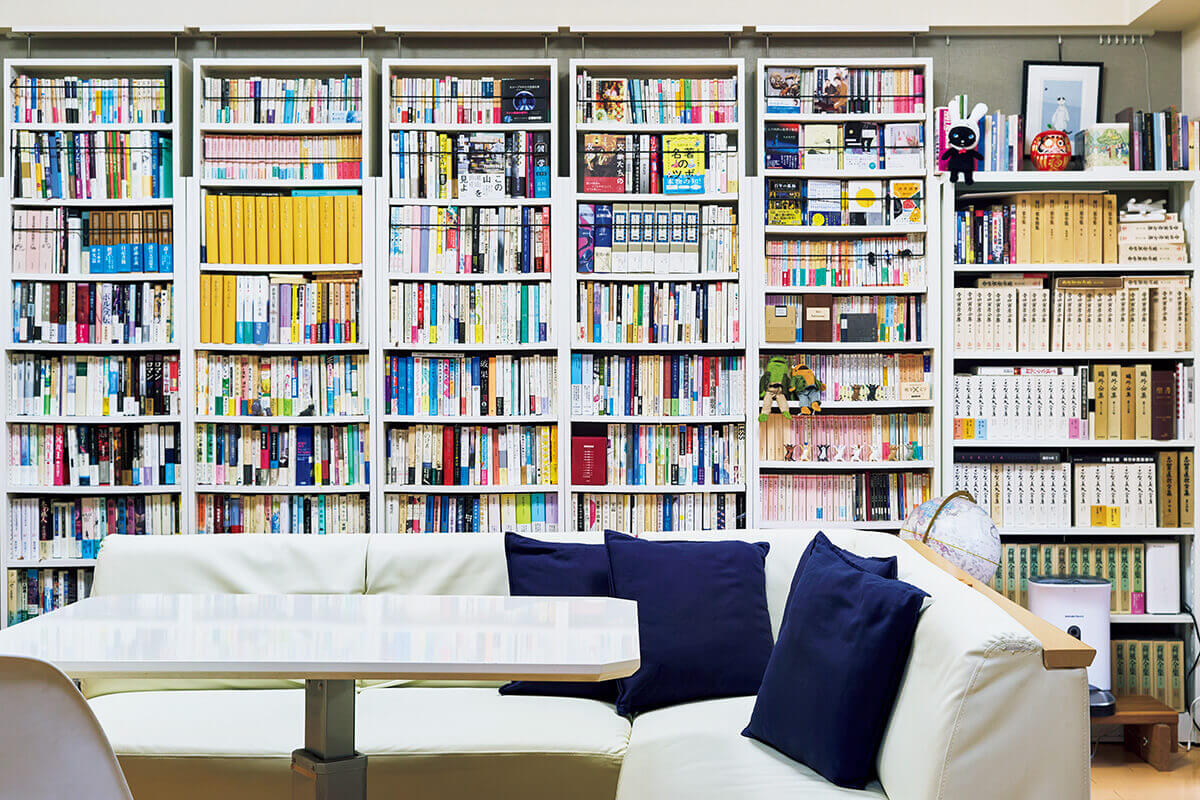
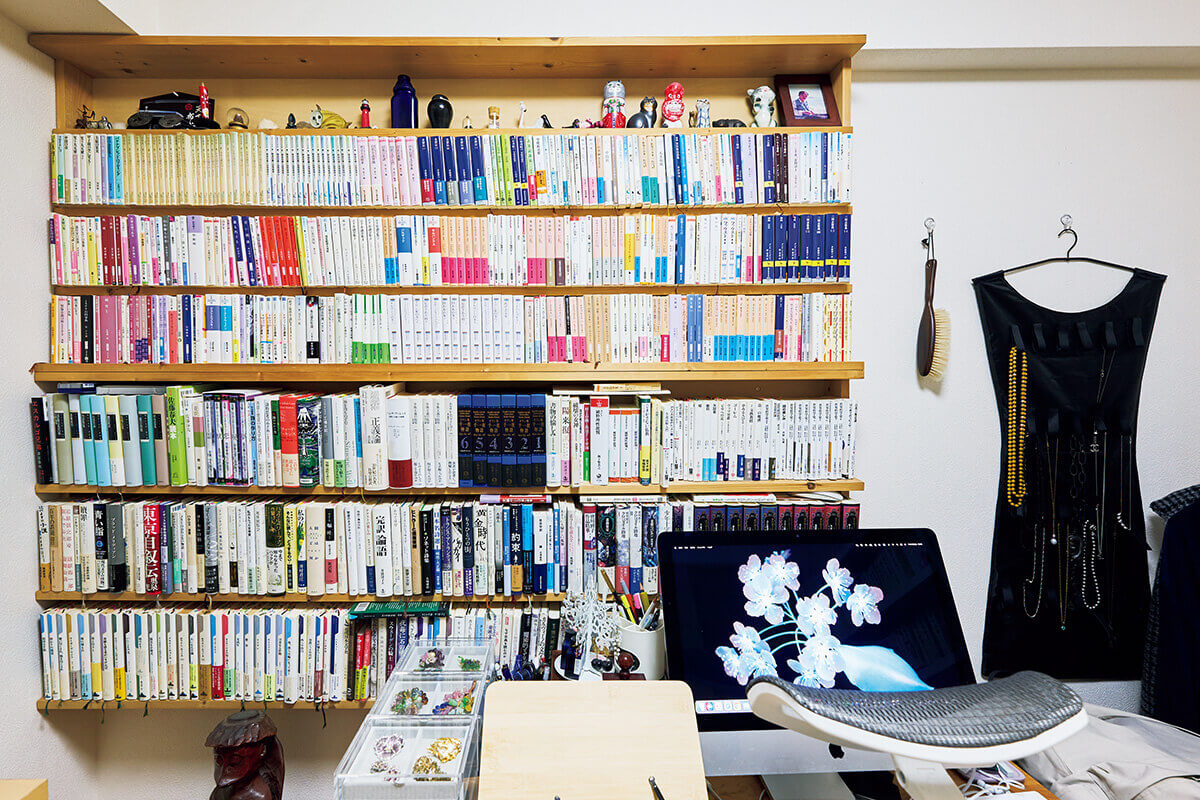
Five white "Kashima Custom" bookshelves measuring 600mm wide and 170mm deep that can be fixed to the ceiling or beams are available, and next to them is another bookshelf in a matching color.
"I love using the bookshelf designed by French literature scholar Shigeru Kashima," says Chiko Ishii in her home and workplace. Covering an entire wall in the living room is a "Kashima Custom" that has been nicknamed "the ultimate evolution of a bookshelf for book lovers." Hardcovers, paperbacks, and literary anthologies are lined up without any gaps, with all the spines facing the viewer.

"Before I found this, I had books stored in two rows, front and back, on a deep shelf. But if I couldn't see the spines, I couldn't find the books I knew I had. I ended up buying the same books over and over again... so I decided that I needed to be able to see the whole spine, and I replaced it with a shallower shelf. I can fix it by bracing it to match the height of the beams, so I'm no longer afraid of earthquakes."
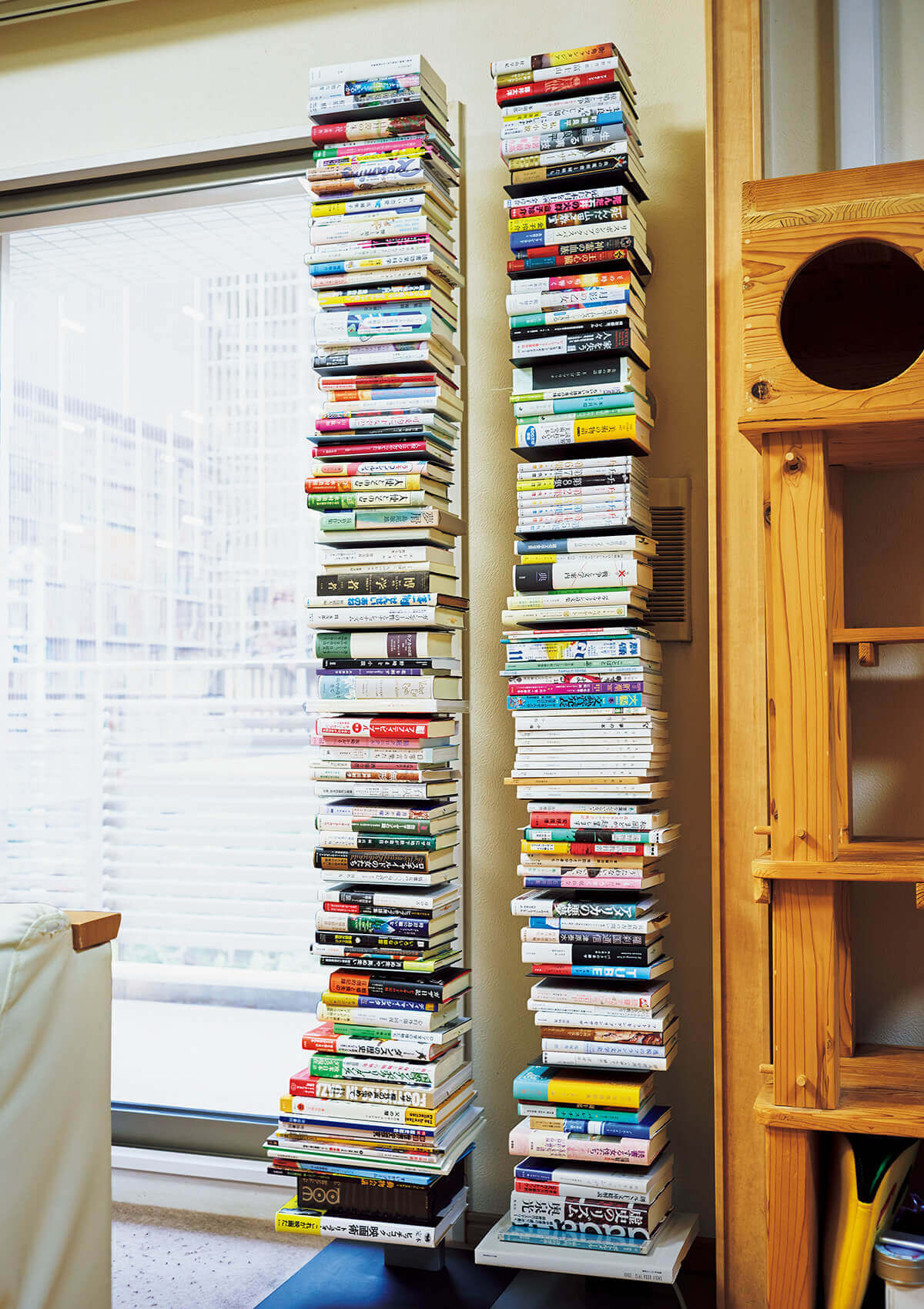
Boxed literary encyclopedias and large books are stored on deep shelves along the wall. By the window are two steel towers made by the Italian company DOTTUS and a cat tower. "The towers are the permanent home for the books I'm likely to reach for soon after reading. They're compact, but can hold around 200 books and are stable, so they're very useful."

The order of arrangement is not strictly determined, and pieces are placed one by one, leaving gaps between them.
"I try to categorize my books by genre, but I tend to mix Japanese literature, foreign literature, and poetry together. I often buy manga as e-books, but I try to buy the ones I want my family to read in print as well."
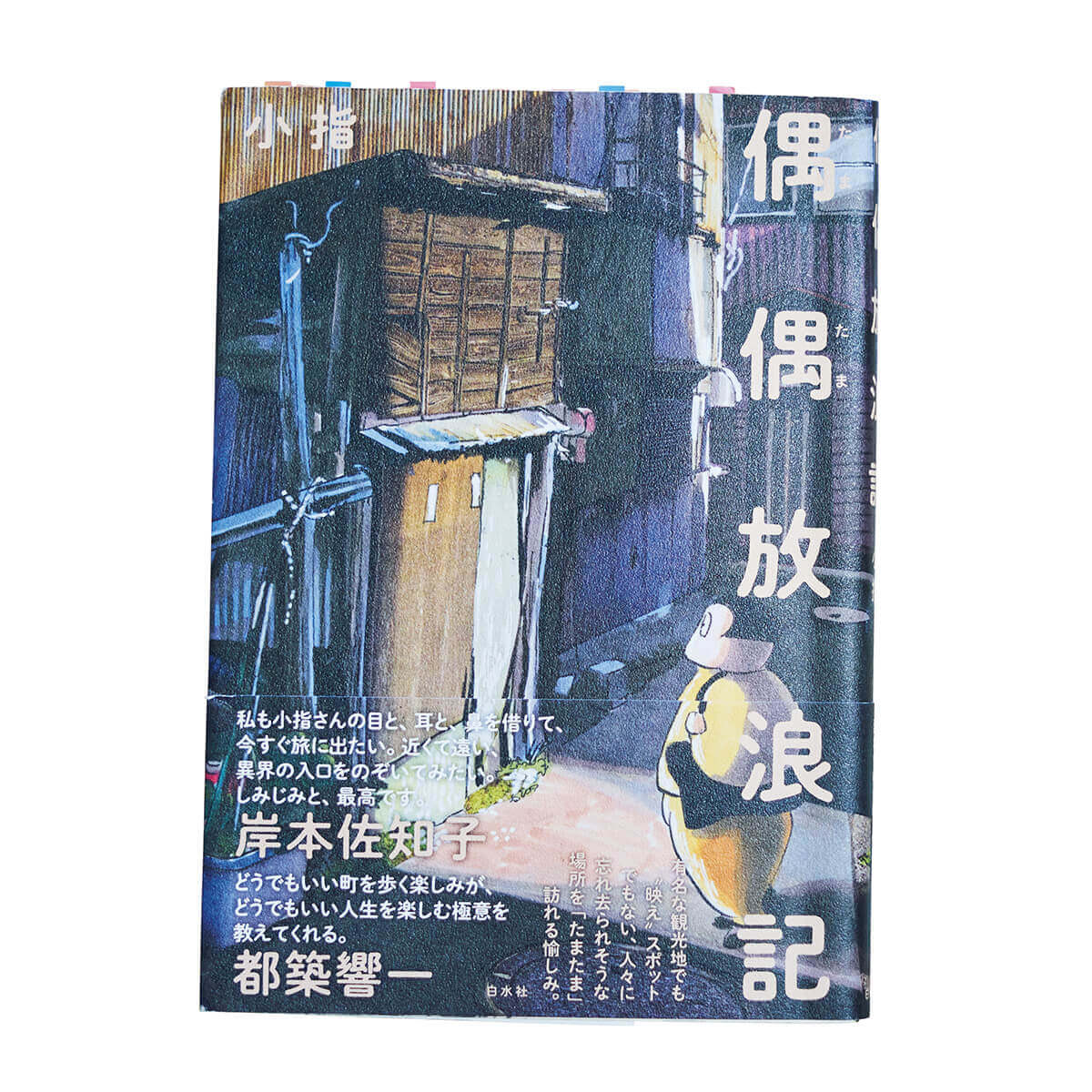
The book I picked out was "Tamatama Wanderings."
"The artist, Koyubi-san, is a pseudonym for Kobayashi Saori, who has also illustrated books beloved by fans of foreign literature such as "Meeting People from Neighboring Countries" and "The Albatross Superstition." She interweaves text and photographs in her manga to depict the places she happens to visit and the people she meets, such as when she stays at an inn in an unfamiliar town or wanders around a new city. It has a bit of a Garo-esque feel to it."
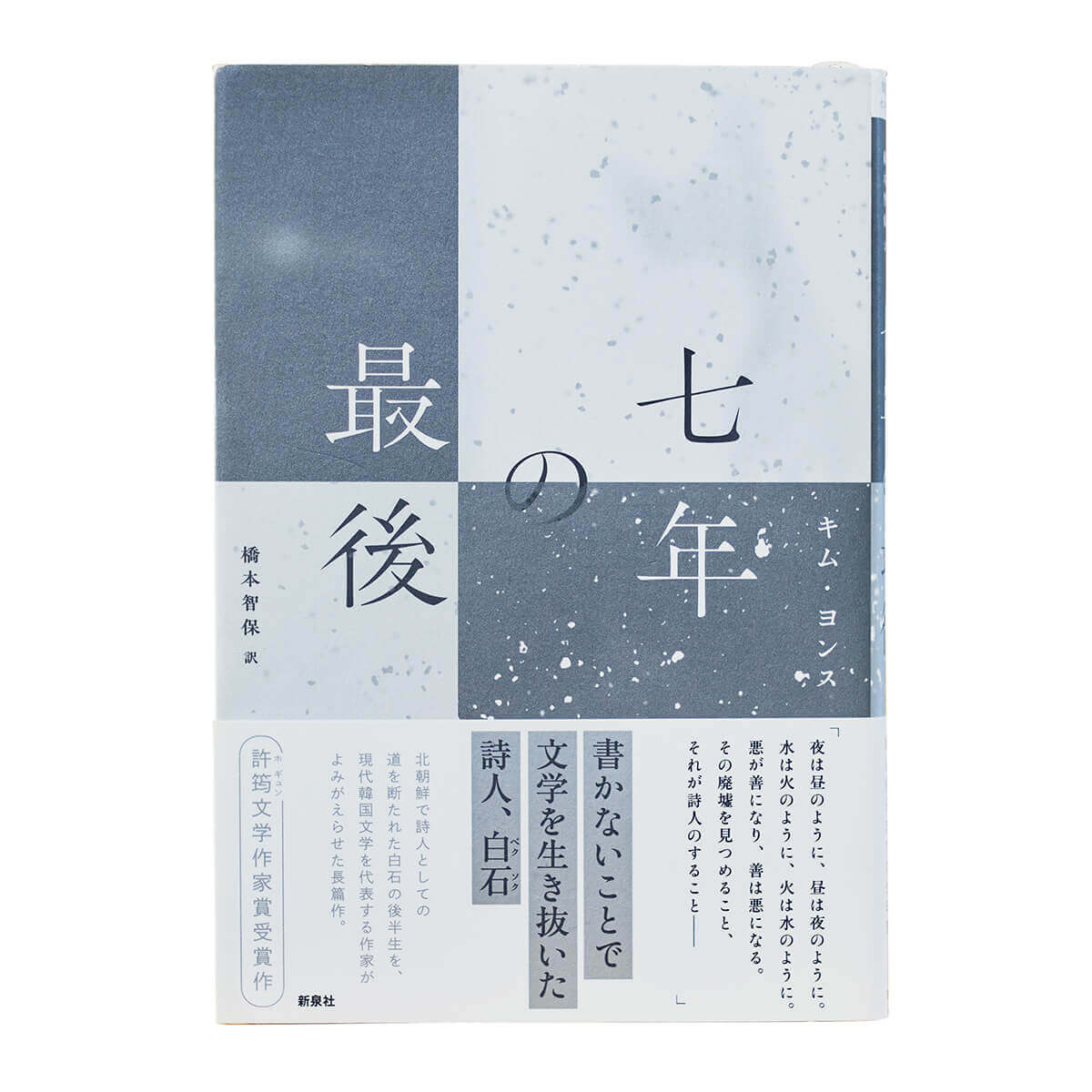
In the section that features foreign literature, we will feature Korean literature, which has been gaining more and more attention since Han Kang won the Nobel Prize in Literature.
"There are many wonderful Korean writers, and quite a few of them have now been translated into Japanese. 'The End of Seven Years' is a full-length novel that explores the power of poetry and words, based on the real-life poet Baek Seok, who stopped writing due to oppression by the North Korean authorities. It quotes the poem 'Winter Night,' which says, 'The role of poetry is to keep its flame burning even in a blizzard. With just a moment's blaze, the words of a poem will burn for readers in the distant future.' It's a novel I'd recommend reading this season."
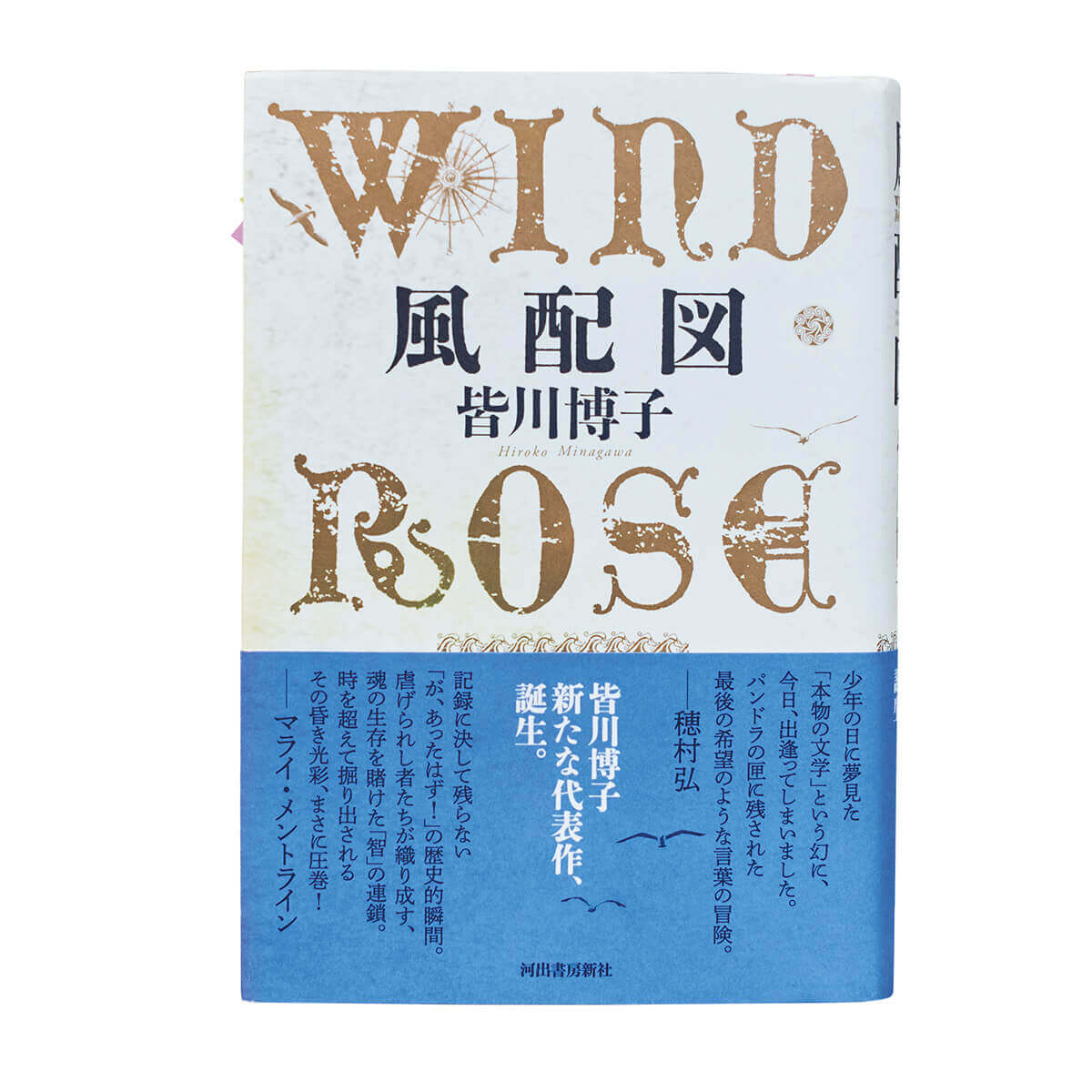
"Wind Rose" also quotes Arthur Rimbaud's poem "The Drunken Boat," translated by Kobayashi Hideo.
"The writing style is also very interesting, with poems being quoted within the novel and plays being mixed into the prose. It's a historical novel set on the Baltic coast in the 12th century and dealing with the Hanseatic League, but it's also a feminist novel about women. I'm thrilled to see this new challenge from Hiroko Minagawa, who is now over 90 years old."

On the eve of the Hanseatic League, a young girl stands up for justice on the coast of the Baltic Sea. The story begins when a shipwreck washes up on her hometown's island, and follows two young girls aspiring to become traders. Inspired by the poetry of Arthur Rimbaud and Rainer Maria Rilke, this full-length novel unfolds in a dramatic style, enriching the world of the story. Winner of the Murasaki Shikibu Literary Award. Published by Kawade Shobo Shinsha, 2,398 yen.
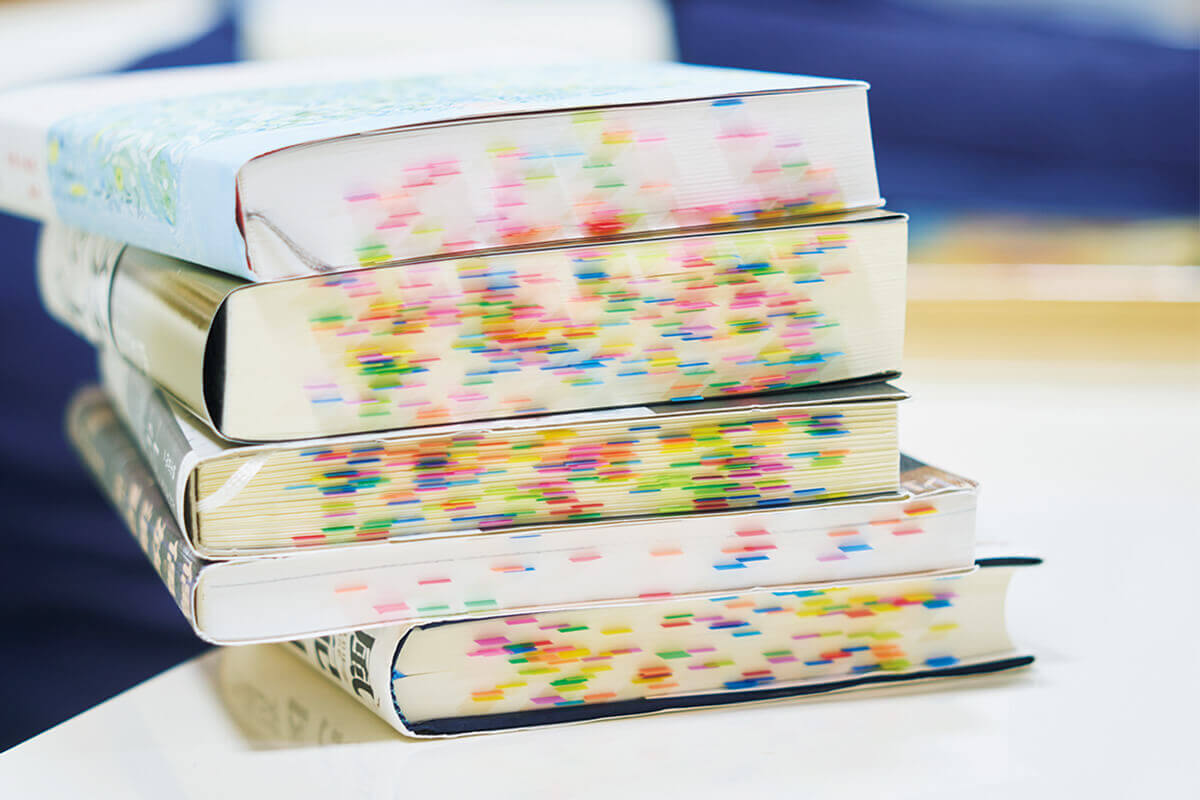
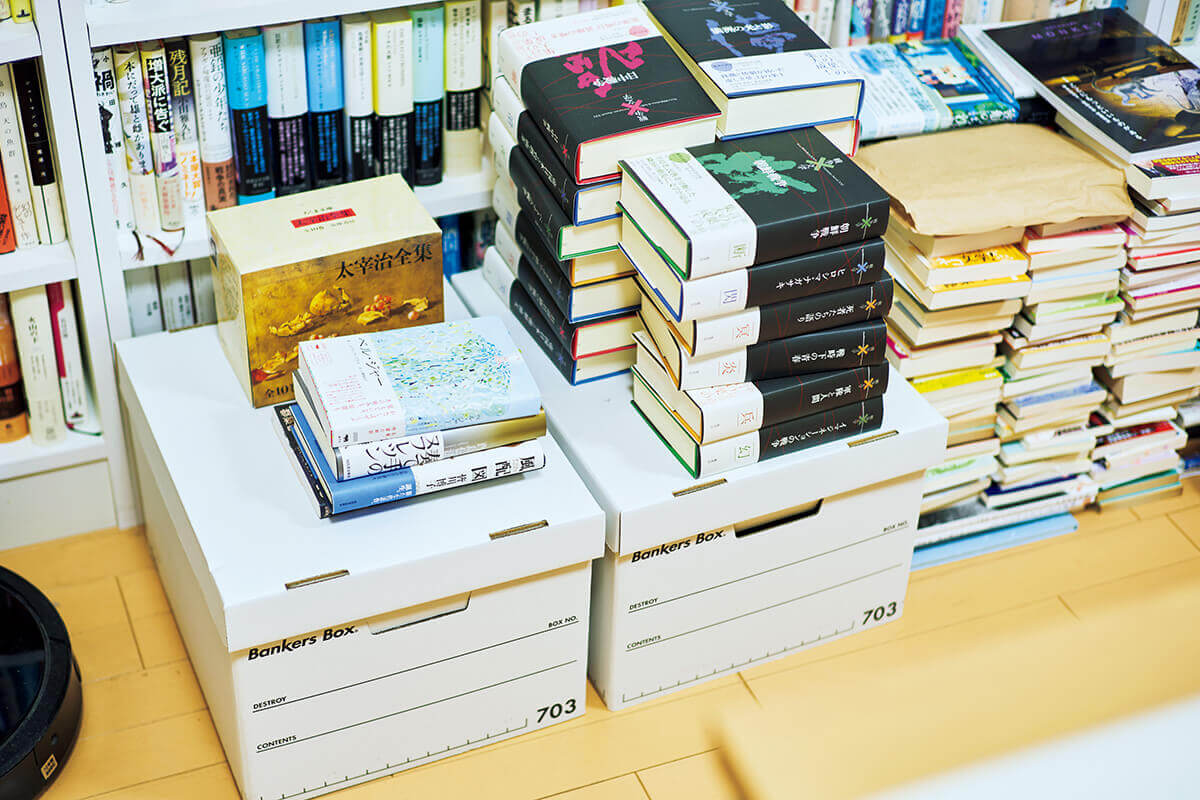
Ishii, who often writes reviews and introductions of new books, receives dozens of books every month, including books he has purchased, books sent with requests for reviews, and books given as gifts by authors and publishers. Nine books had arrived during the interview. They were piled up on the table for the time being.
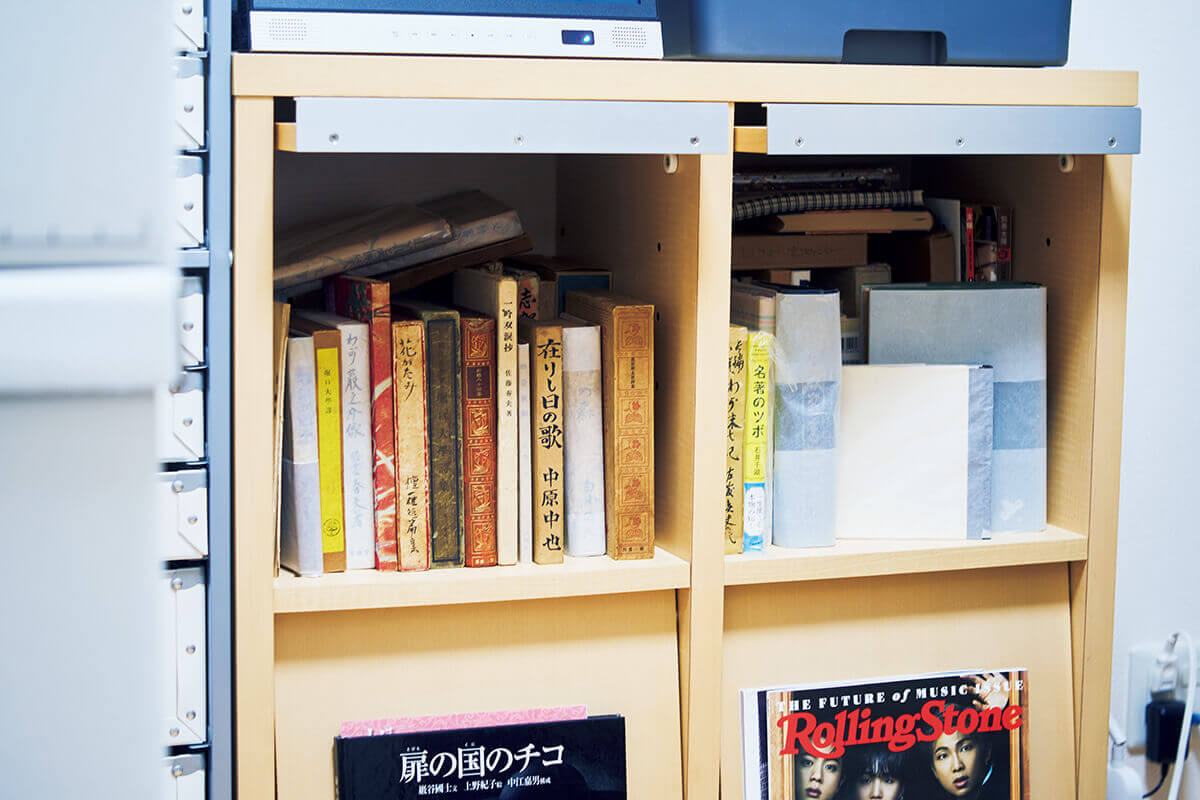
"I read all over the house, but I write my manuscripts in my study. I keep the books and materials I'm currently writing reviews on shelves or at my desk in my study. I also pile them up in the closet, leave them on the floor, or organize them in boxes. I decide what to get rid of every few months so that my living space doesn't feel too cramped. I recently bought a paper cutter, so I'm thinking of starting by digitizing my large collection of literary magazines."
The cutter is a DURODEX. During interviews for his book, Tsundoku no Hon (Books of the Past), which was released in the summer, Iima Hiroaki told me about his favorite machine. "I interviewed 12 book stacking experts, and I found that Keiichiro YANASHITA and Suga Keijiro both use the Banker's Box, so I immediately copied them!"